

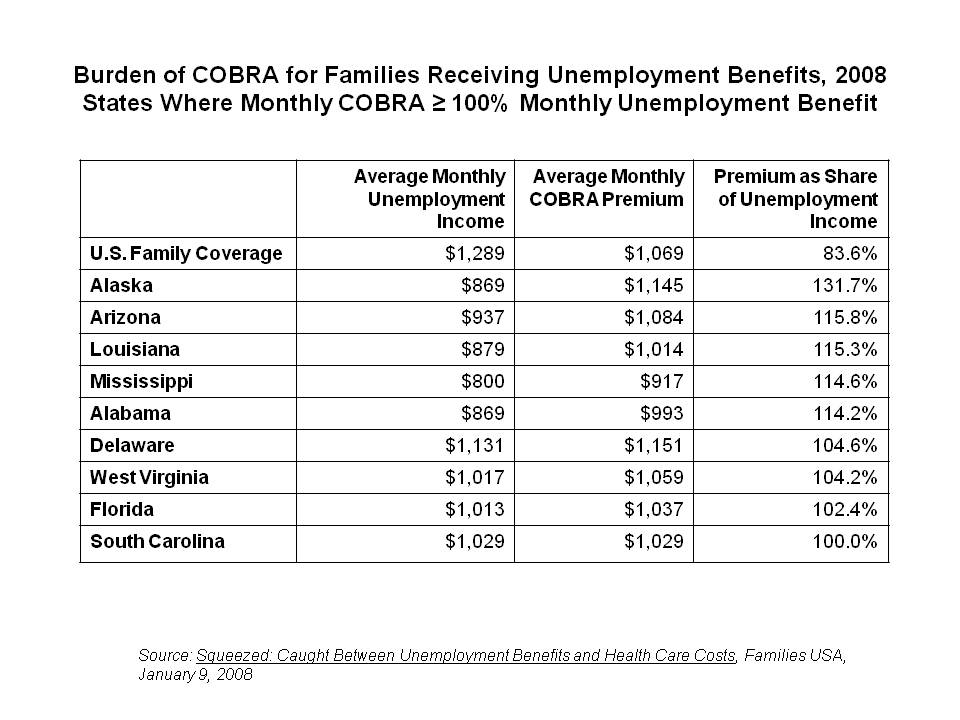
- Because health coverage in the U.S. is founded on an employer-based system, unemployment usually leads to uninsurance.
- COBRA is thought to be a lifeline for workers who lose their jobs/
However, obstacles can get in the way of laid-off workers who want to secure health coverage:
- At 84% of unemployment benefits, COBRA would be unaffordable to the average worker.
- For laid-off workers whose companies went out of business, HIPAA provides protections — of a sort. HIPAA offers workers who had at least 18 months of coverage the right to buy into a plan in the individual insurance market. But there is no federal law that governs how much these plans can charge for the plan. Families USA found that in some state high-risk pools, such premiums can be twice as high as the average premiums charged in the individual health insurance market.
- Finally, Medicaid doesn’t cover all unemployed workers who are childless. Furthermore, as most Governors face budget shortfalls, the possibility of Medicaid absorbing the growing number of uninsured, unemployed workers is at great risk.
Don’t depend on the Governors to easily cover unemployed workers. In 2008, the Kaiser Family Foundation (KFF) calculated that for every 1% increase in unemployment, there would be a 1.1 million person increase in the number of the uninsured and a 1 million person increase in Medicaid; KFF’s slide is on the ride illustrating this calculation. That metric was based on Governors bringing in tax receipts that could cover the status quo scenario for Medicaid.
Now that most Governors’ budgets are in the red, and health and education cuts are on the on the rise in these states, KFF will no doubt be recalculating the 1:1.1 ratio to show an increase in the latter half of the equation.
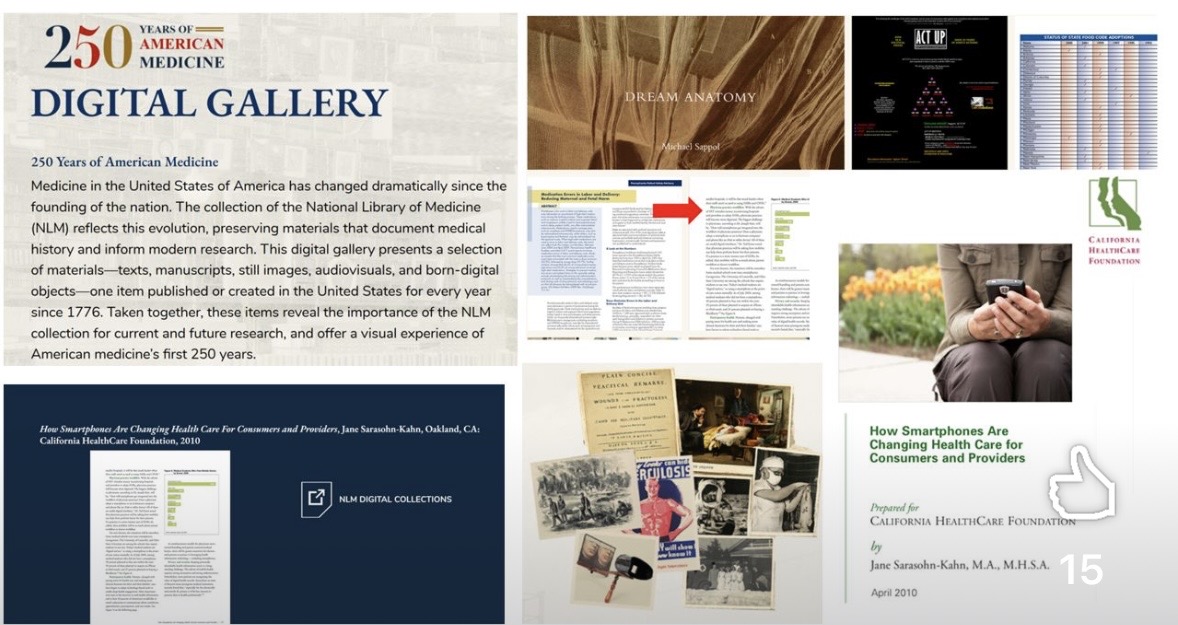 I’m celebrating America’s 250th birthday both patriotically and professionally, honored that the NLM included my 2010 paper, “How Smartphones Are Changing Healthcare for Consumers and Patients” as one of 250 items curated for the digital archive of 250 Years of American Medicine.
 I'm grateful to be part of the Duke Corporate Education faculty, sharing perspectives on the future of health care with health and life science companies. Once again, I'll be brainstorming the future of health care with a cohort of executives working in a global health care enterprise.
 Jane joined host Dr. Geeta "Dr. G" Nayyar and colleagues to brainstorm the value of vaccines for public and individual health in this challenging environment for health literacy, health politics, and health citizen grievance.