


The Federal government spent $600 billion on chronic care through Medicare and Medicaid last year. They spent about $700 billion on the banking bailout.
Overall, the U.S. allocates 75% of health spending each year toward chronic conditions like diabetes, heart disease, and asthma.
How can we get to a chronic care bailout? Read my column in today’s Kaiser Health News to learn more about how we got here, and how we can bend the health cost curve by focusing on reengineering how we pay for chronic care. 

Health Populi’s Hot Points: The answer is…global payments. Read more on KHN, keeping this slide in mind.
Chronic disease has at least as much to do with how we live, 24×7, as it does with the momentitos we spend in the doctor’s office. So why should we pay physicians based on CPT-4 codes and ICD-9/10 when we’re managing (or trying to manage) health outside of the confines of the exam room?
Re-engineering health payments must be a core component of health reform, or we’ll keep on generating clinical waste and poor patient outcomes.
KHN tells the complete story…thanks for clicking on the link.

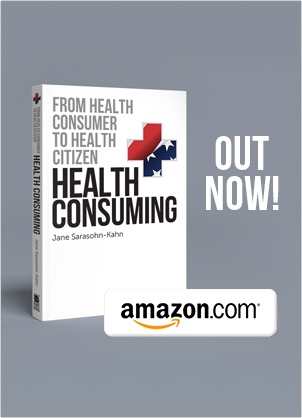
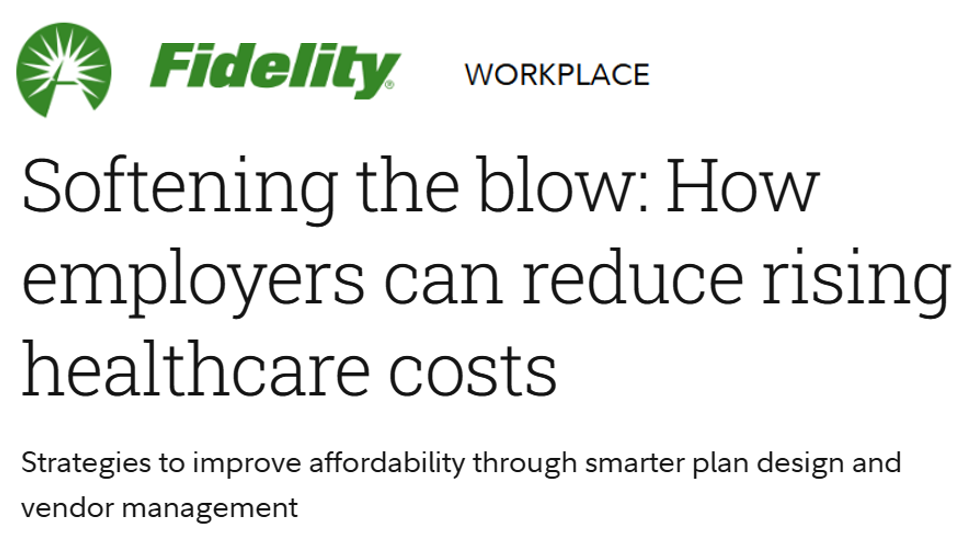 One of the best aspects of my work is collaborating across the health/care ecosystem to address how health citizens can deal with health care costs and and care for families. I'm grateful to have collaborated with Fidelity on their research into this issue,
 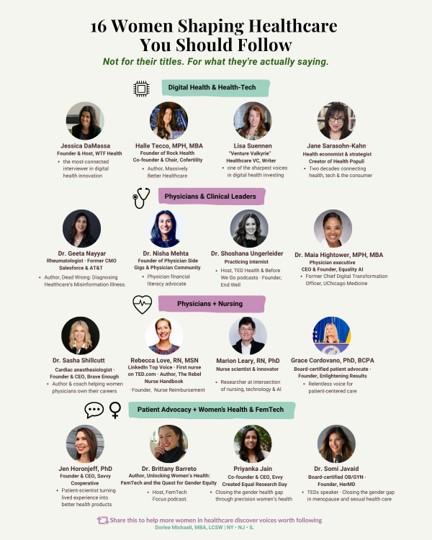 I'm gratified to be named on
 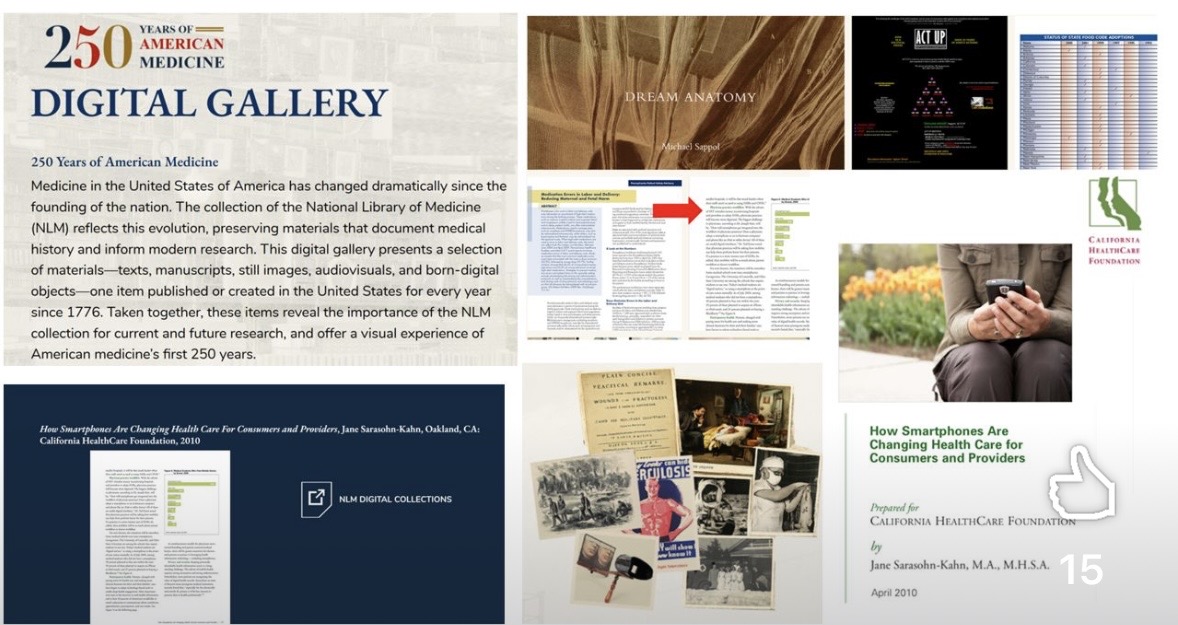 I’m celebrating America’s 250th birthday both patriotically and professionally, honored that the NLM included my 2010 paper, “How Smartphones Are Changing Healthcare for Consumers and Patients” as one of 250 items curated for the digital archive of 250 Years of American Medicine.