

 The pandemic accelerated many Very Big Deals in digital health venture capital investment, mergers and acquisitions, and the re-emergence of SPACs in health care. A closer look at this activity points to a key trend that will persist post-pandemic: that telehealth and the broader theme of virtual care is re-shaping how health care is delivered.
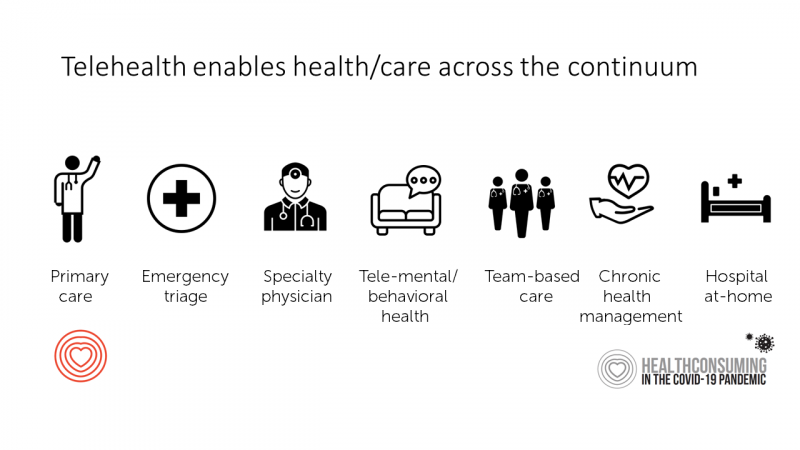
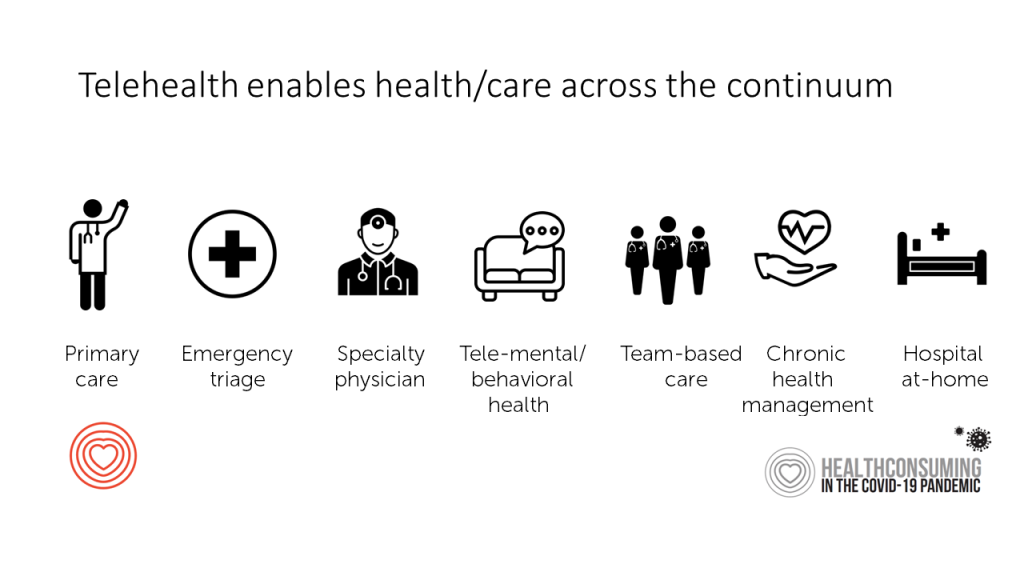
This graphic comes out of my current thinking about telehealth across the continuum of care. Before the pandemic, the dominant work-flow for telemedicine was for triage, primary care and pediatrics (think: your child registers a 105-degree fever on a Saturday night and the pediatrician’s office is closed).
In the COVID-19 era, clinicians and health systems stood up virtual care across the board as-required. One are, tele-mental and -behavioral health, is meeting the moment, with virtual therapy meeting up with under-served demand from before the public health crisis. With mental health the epidemic inside and beyond the pandemic, this area is fast-growing with anxiety and stress part of daily lives in 2021.
Read more on the virtual care phenomenon in my latest post published in the Medecision Liberation blog here.

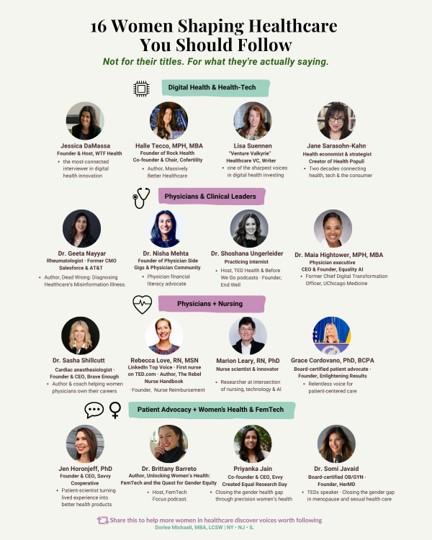 I'm gratified to be named on
 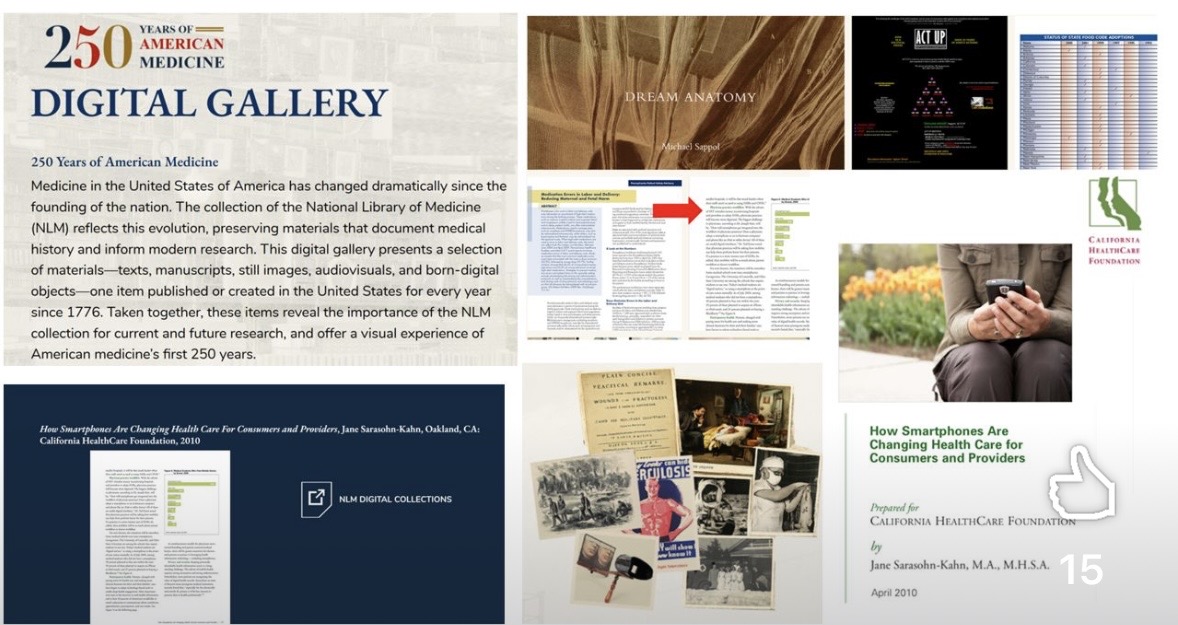 I’m celebrating America’s 250th birthday both patriotically and professionally, honored that the NLM included my 2010 paper, “How Smartphones Are Changing Healthcare for Consumers and Patients” as one of 250 items curated for the digital archive of 250 Years of American Medicine.
 I'm grateful to be part of the Duke Corporate Education faculty, sharing perspectives on the future of health care with health and life science companies. Once again, I'll be brainstorming the future of health care with a cohort of executives working in a global health care enterprise.