


A new study from AARP, who knows a thing or two about dealing with older people, sheds some light on the challenge.
According to AARP’s report, Are Americans Talking with Their Parents About Independent Living: A 2007 Study Among Boomer Women, most women 45 and over have had this talk with parents, but most have not made plans ahead of time. (Note: AARP interviewed only women over 45 years of age in October 2007 for this survey)

In Sell, Keep, or Toss?, Harry offers sage advice on how to sensitively and sensibly approach a house full of collected “stuff.” Don’t assume grandma’s old teaset is junk (or, conversely, that the so-called antique chair in the living room is a Louis Quinze). Harry tells you how to deal with this emotionally and financially challenging life-passage. I experienced this difficult passage earlier this year with my own Dad; Harry’s book is a helpful primer. It’s really useful to share with your parents in this life to educate them in the process of begin to divest their worldly goods (if they’re so inclined).
Health Populi’s Hot Points: Talking to parents is good, friends, but taking action is even better. The sooner you engage in this dialogue with your parents, the sooner you will have transparency, a plan and fewer surprises (especially financial ones). Pay now, or pay more later — emotionally and financially!
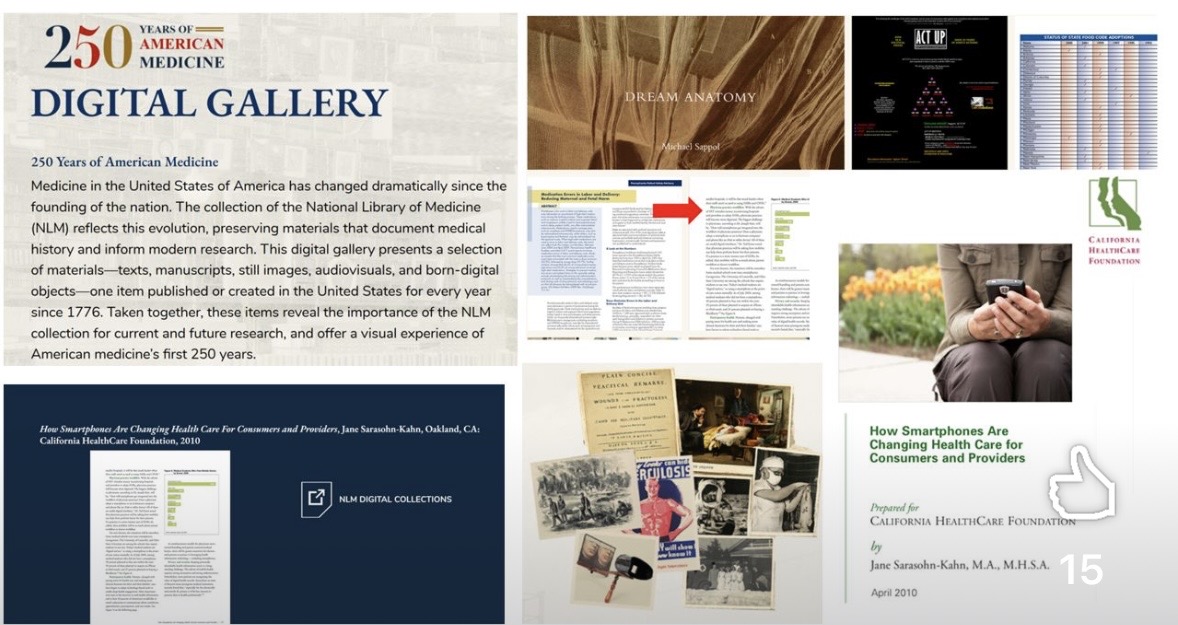 I’m celebrating America’s 250th birthday both patriotically and professionally, honored that the NLM included my 2010 paper, “How Smartphones Are Changing Healthcare for Consumers and Patients” as one of 250 items curated for the digital archive of 250 Years of American Medicine.
 I'm grateful to be part of the Duke Corporate Education faculty, sharing perspectives on the future of health care with health and life science companies. Once again, I'll be brainstorming the future of health care with a cohort of executives working in a global health care enterprise.
 Jane joined host Dr. Geeta "Dr. G" Nayyar and colleagues to brainstorm the value of vaccines for public and individual health in this challenging environment for health literacy, health politics, and health citizen grievance.