


While fairly satisfied with their own health care, Washingtonians are frustrated about health care costs and the lack of access to care for their fellow Americans.
These findings are similar to a similar poll of Iowans conducted by CodeBlueNow!, an advocacy organization focused on health reform. Health Populi blogged about the Iowa survey here.
 The most striking similarity between both polls is that people don’t trust the government to reform the health system. Instead, health professionals and the “common people” are seen as trusted health reformers.
There is mass dissatisfaction with the costs of health care, about which 2/3 of Washingtonians said they were dissatisfied. Only 10% of people are satisfied with health care costs.
The value placed on universal health care as a public good splits on party lines in this poll. While 2 in 3 Democrats are for universal health care, less than half of Republicans feel that way.
Health Populi’s Hot Points: The lack of trust in government in health care is also reflected in who people trust for their health information: the latest data show that people searching for health information trust each other on the Internet – peers and “patients like me” – and health professionals. It’s important to recognize this sea-change in trust for our health system to get back on course. As in all good marketing plans, it’s a no-brainer to solicit input from the customer. When we think about health reform, it’s the users – patients and providers, especially doctors and nurses – who need to be fully engaged in reimagining American health care.

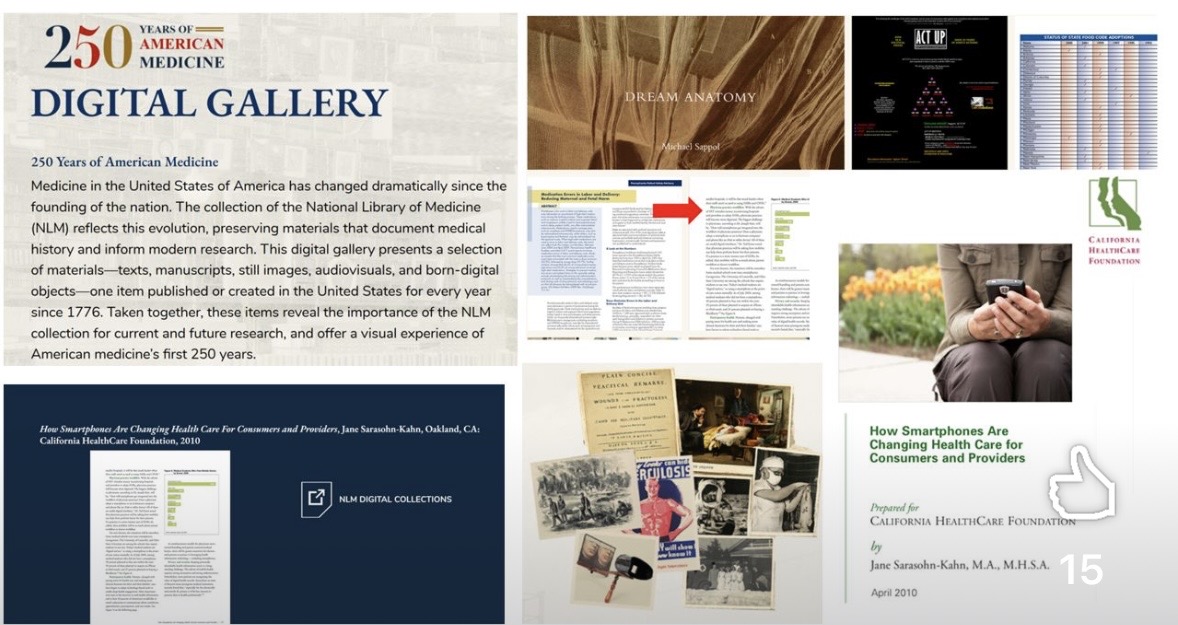 I’m celebrating America’s 250th birthday both patriotically and professionally, honored that the NLM included my 2010 paper, “How Smartphones Are Changing Healthcare for Consumers and Patients” as one of 250 items curated for the digital archive of 250 Years of American Medicine.
 I'm grateful to be part of the Duke Corporate Education faculty, sharing perspectives on the future of health care with health and life science companies. Once again, I'll be brainstorming the future of health care with a cohort of executives working in a global health care enterprise.
 Jane joined host Dr. Geeta "Dr. G" Nayyar and colleagues to brainstorm the value of vaccines for public and individual health in this challenging environment for health literacy, health politics, and health citizen grievance.