

 Six in ten U.S. physicians support a national health plan to achieve universal coverage.
A 2002 poll among American doctors was updated in 2007 to determine how physicians’ feelings about national health insurance (NHI) may have changed in the 5 year period.
In 2002, 49% favored a national plan. In 2007, 59% supported such a plan.
The chart on the left details findings by physician specialty. Not surprisingly, more generalist doctors favor a national health plan compared to specialists, although there is still support for national insurance by a plurality of specialists and the support has grown over five years.
Psychiatrists, long supporting mental health parity in American health financing, are at the vanguard of NHI support. Pediatricians, emergency doctors, and internists make up the over-50% crowd in support of NHI.
The emergency physicians’ support for NHI has dramatically grown since 2002, probably due to the fact that these clinicians are at the forefront of caring for the uninsured. They see firsthand that uninsurance and underinsurance often drives consumers to the ER. A recent study at Harvard published in Health Affairs found that overcrowding in emergency rooms has led to those with the most urgent conditions being at-risk.

Health Populi’s Hot Points: Physician support of national health insurance is nothing new. For over twenty years, Physicians for a National Health Program (PNHP) has focused its mission on achieving a single-payer system in the U.S. Today, PNHP has more than 15,000 members throughout the U.S.
That more physicians are joining the ranks of people in search of universal coverage moves the concept way past the tipping point in the U.S.
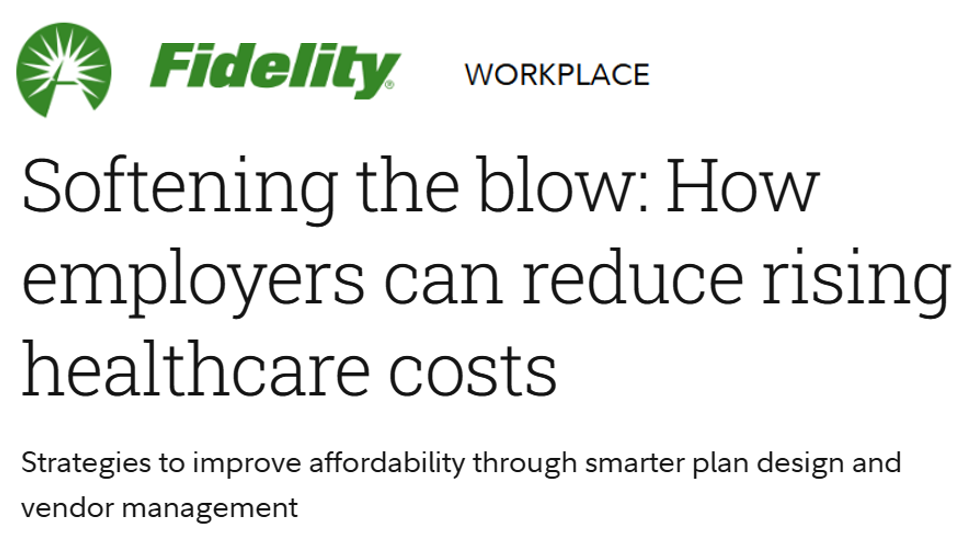 One of the best aspects of my work is collaborating across the health/care ecosystem to address how health citizens can deal with health care costs and and care for families. I'm grateful to have collaborated with Fidelity on their research into this issue,
 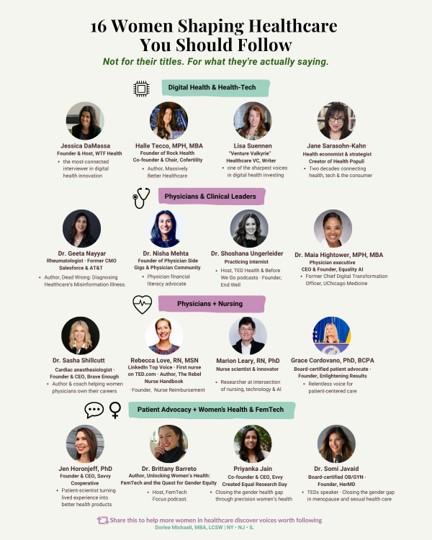 I'm gratified to be named on
 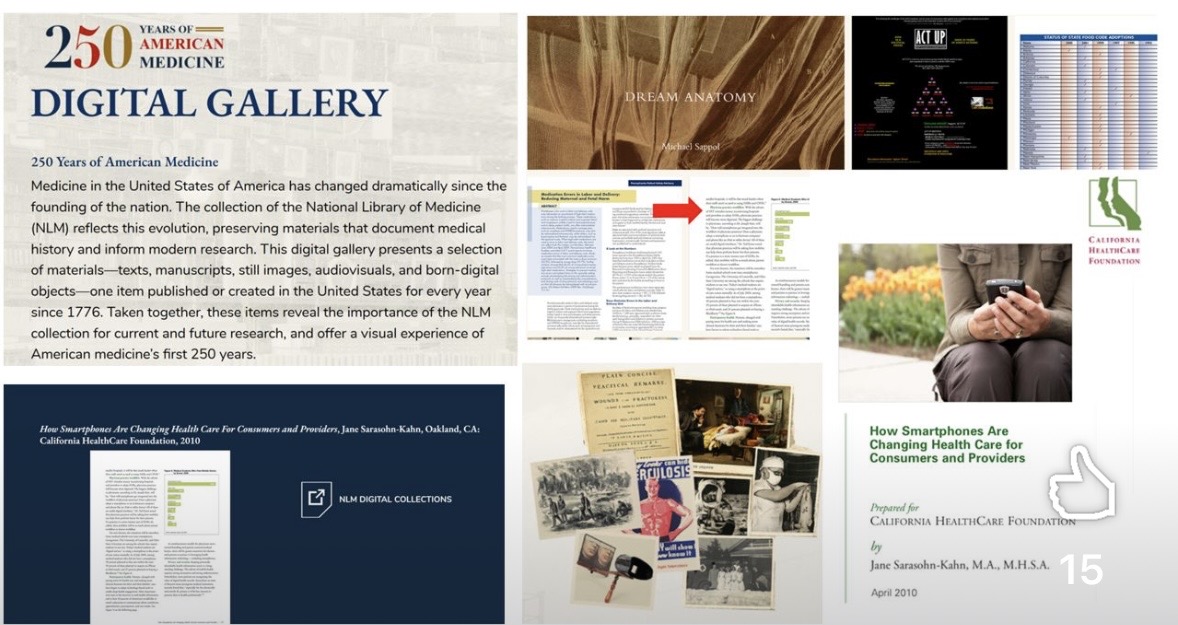 I’m celebrating America’s 250th birthday both patriotically and professionally, honored that the NLM included my 2010 paper, “How Smartphones Are Changing Healthcare for Consumers and Patients” as one of 250 items curated for the digital archive of 250 Years of American Medicine.