


We’ve lost a major force for good in health care. Dr. Jerome Grossman, once CEO of Tufts-New England Medical Center, passed away yesterday. He was only 68, an example of another good-man-dying-too-young.
Dr. Grossman’s ideas made big impacts on American health care for decades. He chaired many Institute of Medicine (IOM) panels and wrote countless pieces in peer-reviewed journals (including the seminal Crossing the Quality Chasm report). He was one of the earliest proponents of analyzing quality and medical outcomes in health care. He was an early champion and adopter of information technology in health care. Listen to a podcast of him talking about aligning IT in health care for quality here from an IOM meeting held in 2000.
Most recently, at Harvard, he had been was the founder of the Center for Business & Government’s Health Care Delivery Policy Program, which he directed during the past seven years.
He had been co-authoring a book on innovative disruptions in health care with Clayton Christensen, a fellow colleague at Harvard. It will be published by the end of the year, and I can’t wait to hear Dr. Grossman’s voice again through his writing.
Health Populi’s Hot Points: Dr. Grossman leaves behind a legacy of great writing on health care and reform. Add the following to your portfolio of must-reads in health…
The “Genome” of Health Care Delivery Innovation: Productivity
Thoughts on “Crossing the Quality Chasm”
Beyond Employer-Sponsored Insurance, for Brookings
Using System Engineering to Improve Health Care, for the Robert Wood Johnson Foundation
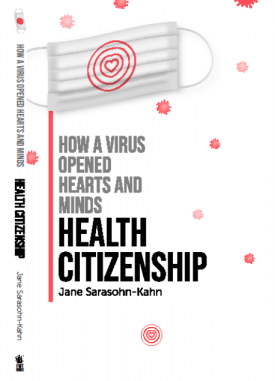
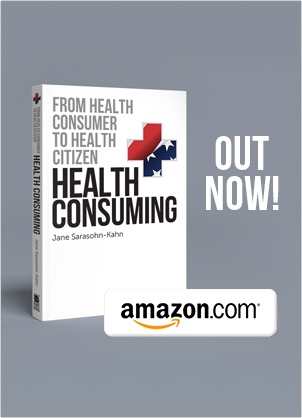
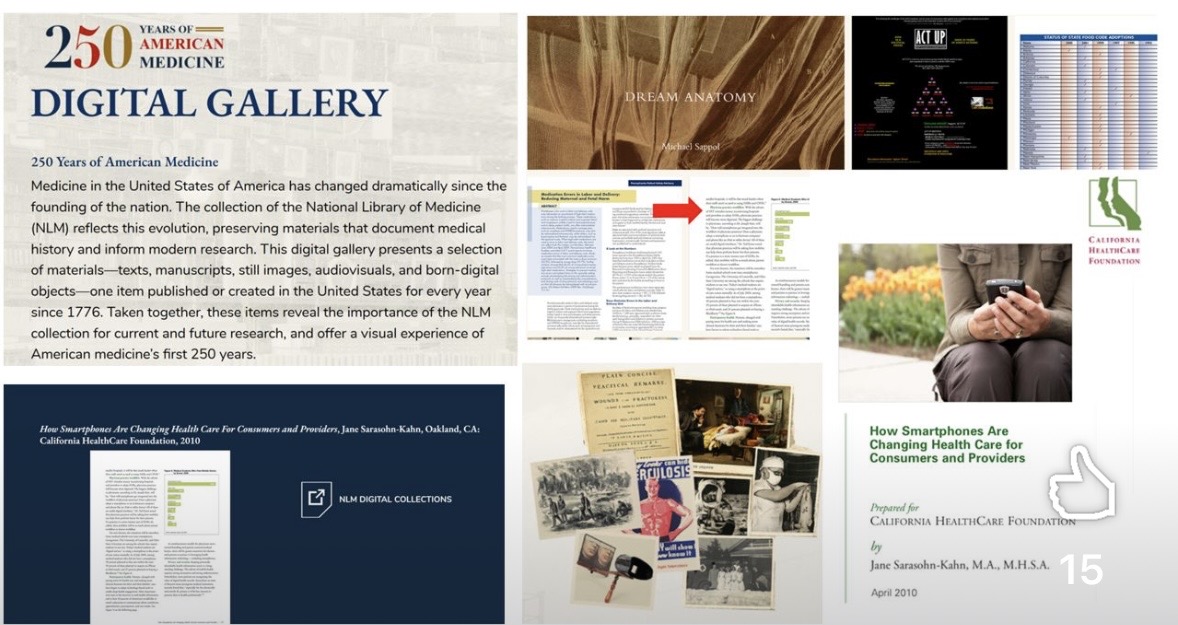 I’m celebrating America’s 250th birthday both patriotically and professionally, honored that the NLM included my 2010 paper, “How Smartphones Are Changing Healthcare for Consumers and Patients” as one of 250 items curated for the digital archive of 250 Years of American Medicine.
 I'm grateful to be part of the Duke Corporate Education faculty, sharing perspectives on the future of health care with health and life science companies. Once again, I'll be brainstorming the future of health care with a cohort of executives working in a global health care enterprise.
 Jane joined host Dr. Geeta "Dr. G" Nayyar and colleagues to brainstorm the value of vaccines for public and individual health in this challenging environment for health literacy, health politics, and health citizen grievance.