


There’s a new New Yorker cartoon I’m using in a presentation today to a health plan titled, “Starbucks goes downscale: drinks for the post-latte economy.” Three new drinks are offered in the economic downturn-menu: instant coffee with Cremora, the Big Gulp of “American joe,” and my personal favorite, “The Floyduccino.” It’s this last drink I forecast will have the biggest uptake given the blues that we’re all feeling due to economic woes.
The Floyduccino is coffee with a shot of Wild Turkey: “good for what ails ya.”
In the latest Gallup poll published May 12, 2008, 9 in 10 Americans feel the economy is getting worse. Furthermore, prospects for improvement are gloomy: combining the current state and future personal forecasts, 80% of Americans share a negative outlook.
In April, Gallup conducted a survey into Americans’ personal views on retirement. When asked about their financial worries in Ga llup’s April 6-9 Economy and Personal Finance poll, 63% of Americans say they are worried they will not have enough money for retirement. Retirement finance overtook health care finance worries with 56% worried about not being able to pay medical costs in retirement.
Health Populi’s Hot Points: There’s another New York cartoon I’m using in today’s presentation called “Gas ‘N Health Care.” This cartoon features a service guy at the pump asking the driver-customer, “Your oil’s fine, but your blood sugar level’s a little low.”
In my PowerPoint version, I change the “N” to “Or.”
In the post-latte economy, Americans aren’t just choosing the Floyduccino, perhaps instead of the fluoxetine. They might choose gas over health care.
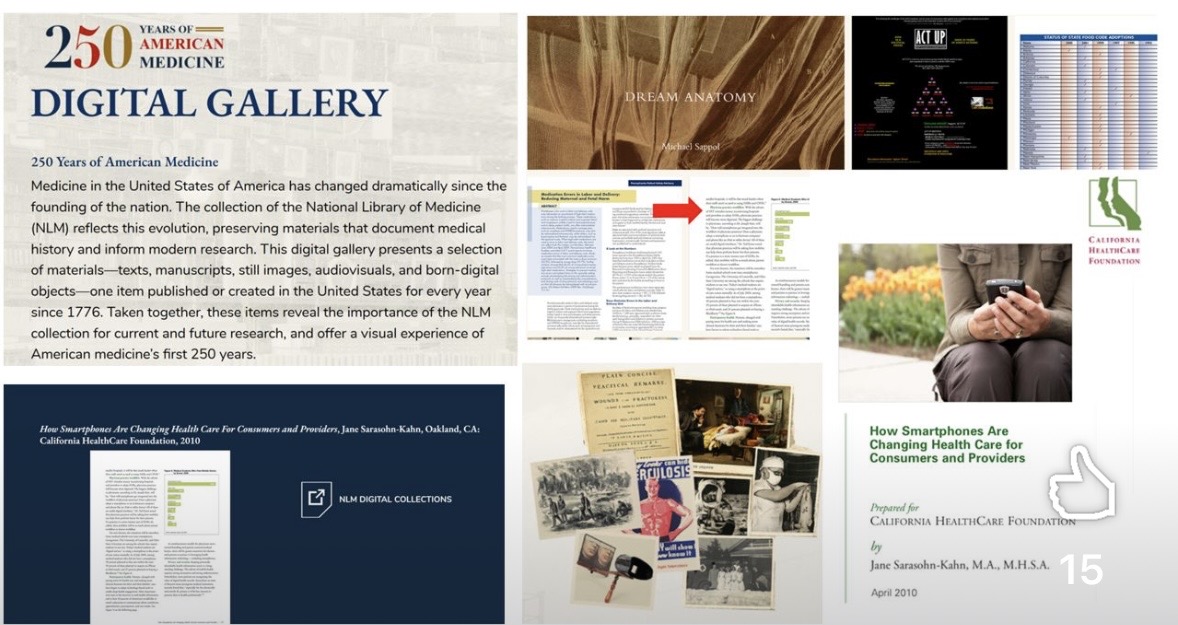 I’m celebrating America’s 250th birthday both patriotically and professionally, honored that the NLM included my 2010 paper, “How Smartphones Are Changing Healthcare for Consumers and Patients” as one of 250 items curated for the digital archive of 250 Years of American Medicine.
 I'm grateful to be part of the Duke Corporate Education faculty, sharing perspectives on the future of health care with health and life science companies. Once again, I'll be brainstorming the future of health care with a cohort of executives working in a global health care enterprise.
 Jane joined host Dr. Geeta "Dr. G" Nayyar and colleagues to brainstorm the value of vaccines for public and individual health in this challenging environment for health literacy, health politics, and health citizen grievance.