


There are some 40 million dues-paying members of the AARP, whose minimum age of membership is 50. AARP has found its constituents vary little from young’uns when it comes to online social networking, gaming, and news access.
The headline here is that both 50+ and under 20s feel their online social communities are important — but even more people 50+ (70%) say this than younger people do (58%).
In a study conducted with the Center for the Digital Future at the USC Annenberg School for Communication, the AARP found that older Americans feel their online communities are as important as younger people do.
Some of the surprising details in the survey are:
– More people over 50 consume news online than the under 20 population
– 58% of members of online communities 50+ log into their communities at least daily, a higher proportion than the under 20s
– Roughly 20% of those both over 50 and under 20 go online for games.
IM’ing and video downloads are still favored by those under 20 compared to the over 50s.
Health Populi’s Hot Points: That older Americans are welcoming online social networks into their lives is good news for health care. I’ve written here in Health Populi in February that social networks, offline and on-, can bolster peoples’ health in a multitude of ways. People are driven to social networks online as a matter of trust, to find “people like me” to help them manage life’s challenges, both health-based and otherwise. That social networks are becoming endearing, useful tools for older people bodes well for their future health management and health engagement.
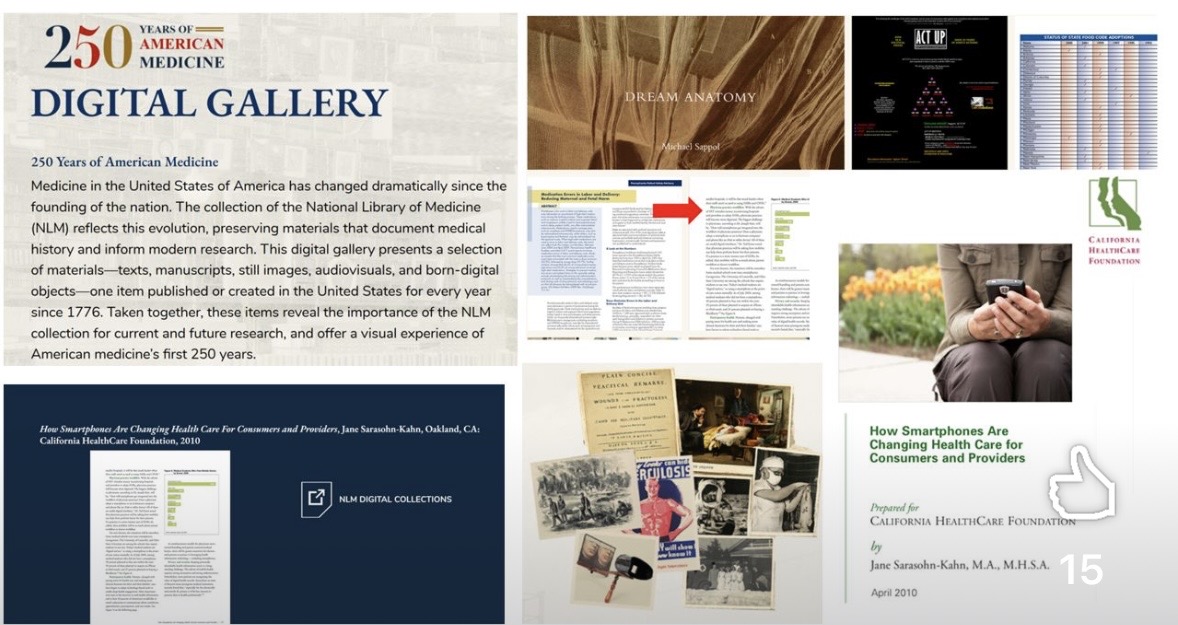 I’m celebrating America’s 250th birthday both patriotically and professionally, honored that the NLM included my 2010 paper, “How Smartphones Are Changing Healthcare for Consumers and Patients” as one of 250 items curated for the digital archive of 250 Years of American Medicine.
 I'm grateful to be part of the Duke Corporate Education faculty, sharing perspectives on the future of health care with health and life science companies. Once again, I'll be brainstorming the future of health care with a cohort of executives working in a global health care enterprise.
 Jane joined host Dr. Geeta "Dr. G" Nayyar and colleagues to brainstorm the value of vaccines for public and individual health in this challenging environment for health literacy, health politics, and health citizen grievance.