


The increasing cost trends of drug supplies, staffing, and liability have driven up costs for medical group practices above revenues they collected in 2007.
Primary care groups were especially hit by practice costs exceeding revenues.
The revenue side is simple: declining reimbursements have hit most group practices. Overall, multispecialty group practices saw a 5.5% increase in revenue, and operating cost increases of 6.5%.
The Medical Group Management Association represents about 270,000 physicians who work in some 13,500 groups. These statistics come out of their annual report, the Cost Survey: 2008 Reports Based on 2007 Data, released at the MGMA’s annual conference.
In single specialty groups, the situation can be much worse. Cardiologists’ revenue fell by 0.6%, as operating costs increased 6.3%. Orthopedic surgery, and the primary care specialties of family practice, pediatrics, and OB/GYN had similar profiles.
In the meantime, the MGMA released a new online social network, a community for MGMA members. It’s pre-populated with data that MGMA already has on its membership, making it easier for physicians to get onto the network.
Health Populi’s Hot Points: Just when America needs primary care at the nexus of patient-centered care, primary care physicians are being hard hit by inflation, administrative burdens, inflating prescription drug costs, and declining reimbursements from payers.
When we talk about “aligning incentives” for care, this is what we mean: primary care doctors need to be rewarded and appreciated for what they do best. That is, prevention, early diagnosis, and chronic care counseling with patients. That takes time, effort, and appropriate staffing levels. Given the MGMA cost survey findings, it’s clear that U.S. health delivery is far from aligned.
 One of the best aspects of my work is collaborating across the health/care ecosystem to address how health citizens can deal with health care costs and and care for families. I'm grateful to have collaborated with Fidelity on their research into this issue,
 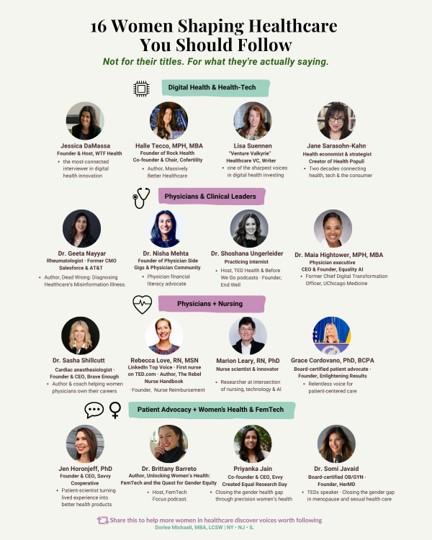 I'm gratified to be named on
 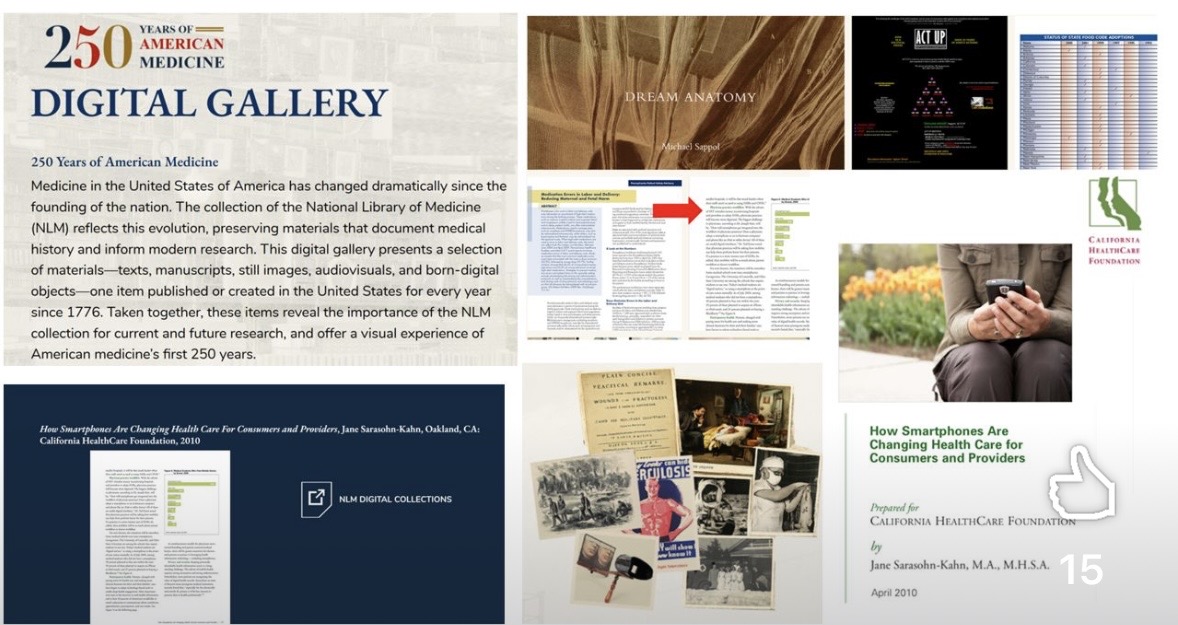 I’m celebrating America’s 250th birthday both patriotically and professionally, honored that the NLM included my 2010 paper, “How Smartphones Are Changing Healthcare for Consumers and Patients” as one of 250 items curated for the digital archive of 250 Years of American Medicine.