


In fact, non-food new product introductions were more successful than food intros in 2008. IRI says this is due to shoppers “taking their personal care into their own hands.” For example, in-sourcing spa treatments to the home instead of spending time (and money) at the spa, and buying home remedies instead of seeing the doctor.
Health-at-home is also permeating foodstuffs that are in breakthrough products. The chart shows that the most important attributes in new food brand pacesetters include added nutrients (think: soy, calcium), whole grains (think: your kids’ cereal and “faux white bread”), lowered calories (think: 100-calorie snack packs), and that ubiquitous title, “natural.”
This edition marks IRI’s 14th Annual New Product Pacesetters report which identifies the most successful consumer package goods (CPG) brands each year.

The IRI study reflects what a Kaiser Family Foundation poll learned in February 2009: that Americans’ health behaviors are responding to the declining economy in several transformational ways.
In the KFF poll, 36% of people said they were relying on home remedies and over-the-counter drugs instead of going to see a doctor due to financial pressures on household budgets.
The grocery store and Supercenter have clearly become important sites of health for consumers.
IRI believes the current “transformational economy” is changing consumer shopping behaviors not just for the time being, but for the long-term. Budgeting, couponing, and buying on sale are here to stay. So is the consumer adapting to more health care @ home.

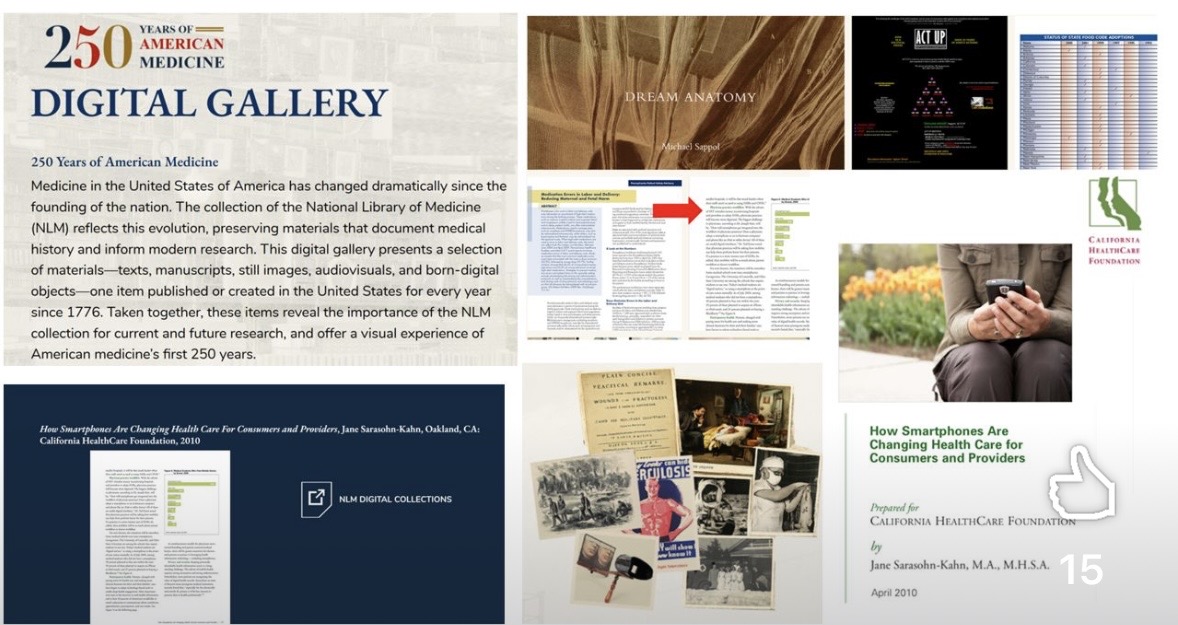 I’m celebrating America’s 250th birthday both patriotically and professionally, honored that the NLM included my 2010 paper, “How Smartphones Are Changing Healthcare for Consumers and Patients” as one of 250 items curated for the digital archive of 250 Years of American Medicine.
 I'm grateful to be part of the Duke Corporate Education faculty, sharing perspectives on the future of health care with health and life science companies. Once again, I'll be brainstorming the future of health care with a cohort of executives working in a global health care enterprise.
 Jane joined host Dr. Geeta "Dr. G" Nayyar and colleagues to brainstorm the value of vaccines for public and individual health in this challenging environment for health literacy, health politics, and health citizen grievance.