


In 2010, health isn’t a top policy priority for Americans. Instead, the top 3 concerns are the economy, jobs and terrorism. At least 8 in 10 Americans cite these 3 areas at the top of their lists.
Medicare, health care, and health insurance fall below Social Security and education, according to The Pew Research Center For The People & The Press‘s latest survey into Americans policy priorities.
It is Medicare, in fact, that ranks above health care and health insurance for more Americans. Roughly 1 in 2 Americans cite health insurance or health care as a top priority for 2010.
Health Populi’s Hot Points: While health remains important as a policy priority to most Americans, it’s clear that it’s jobs, the economy and terror taking the front burner positions in the nation.
Given the demise of comprehensive health reform, Americans may be becoming practical in their own kitchen-table analysis of health policy making prospects and how it impacts them. Without comprehensive reform that they can believe in, the next-best thing may be finding a job — a so-called “good” job — that comes with health benefits. That’s become the definition of a “good” job for a growing number of Americans who have tried to access health insurance on their own, and simply couldn’t navigate the insurance system and/or afford to buy on the open market.
That scenario should change in the next year or two as a growing array of consumer-driven products and distribution channels will be opening up.
In the meantime, it’s important to note that underneath the Pew’s findings, there are chasms between Democrats, Republicans and Independents across policy priorities. The top policy priority for Democrats is getting to universal health coverage — that is, providing health insurance to the uninsured, prioritized by 75% of Democrats. Only 26% of Republicans rank this as a top priority.
Reducing health care costs is a top priority for 71% of Democrats, versus 48% of Republicans and 52% of Independents.
As a health issue, securing Medicare is more beloved by Americans identifying with all 3 parties: by 72% of Democrats, 61% of Independents, and 54% of Republicans. Looking across all party IDs, the policy issues with the greatest level of consensus are macro-economic: reducing the budget deficit and reducing middle-class taxes.
The implications here are huge for November 2010’s mid-term elections. How will health care fit into other policy priorities for those running for office? For now, it appears, “it’s the jobs, stupid.” That is, jobs that come with health insurance.
 One of the best aspects of my work is collaborating across the health/care ecosystem to address how health citizens can deal with health care costs and and care for families. I'm grateful to have collaborated with Fidelity on their research into this issue,
 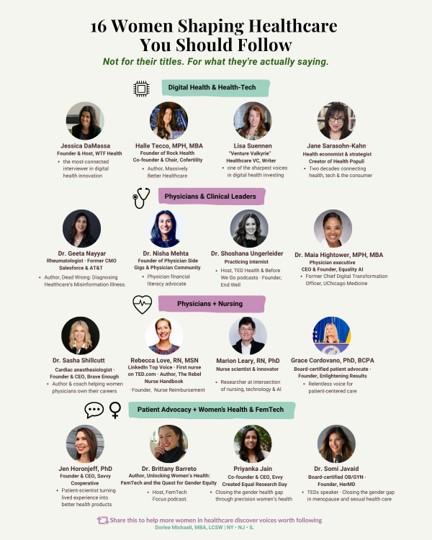 I'm gratified to be named on
 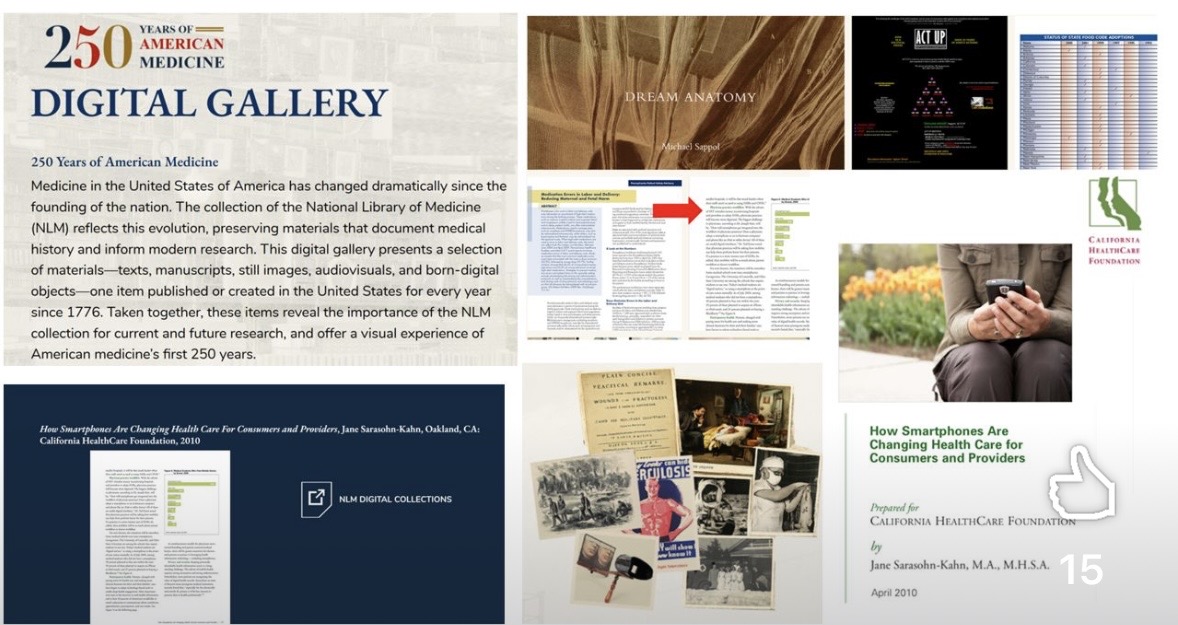 I’m celebrating America’s 250th birthday both patriotically and professionally, honored that the NLM included my 2010 paper, “How Smartphones Are Changing Healthcare for Consumers and Patients” as one of 250 items curated for the digital archive of 250 Years of American Medicine.