

As humans in the Age of the Coronavirus focus on physiological needs, people have intensely focused on hunting-and-gathering food and hygiene products. We will remember memes about toilet tissue stockpiling and re-visiting canned and shelf-stable comfort foods from childhood long after the pandemic.
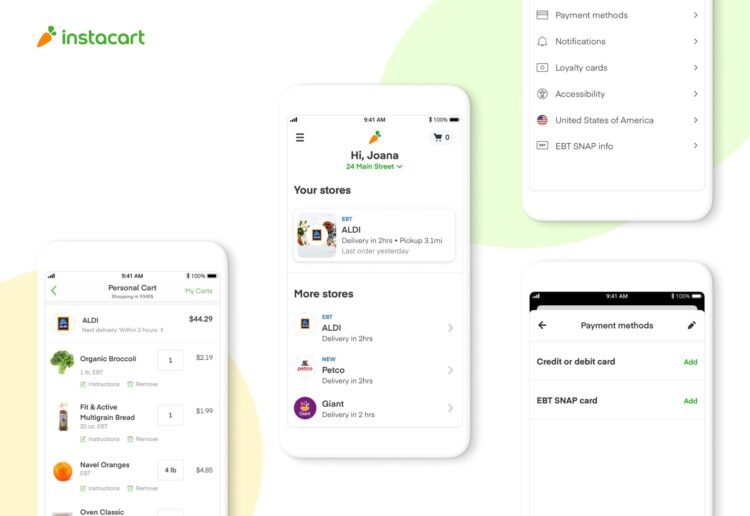
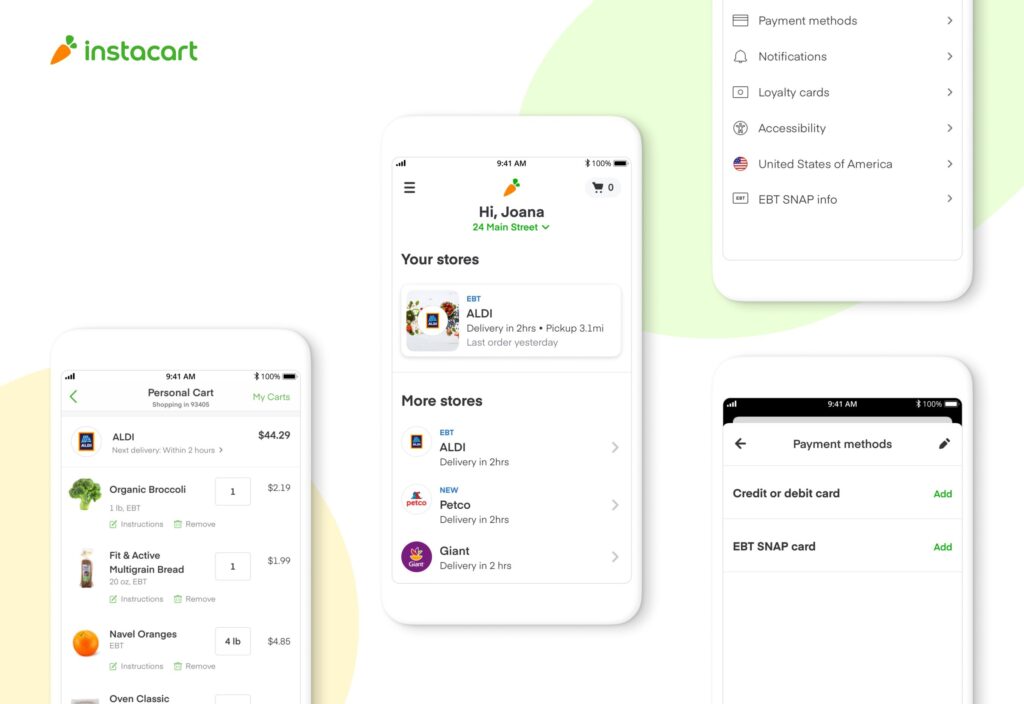 Some people, though, haven’t had easy access to nutritious food in their communities or the ability to engage with ecommerce platforms to order food for delivery. An alliance between ALDI, the value-priced grocer, and Instacart, was forged to address that gap as a key social determinant of health.
Food-is-medicine when it comes to managing chronic conditions like diabetes and heart disease. The COVID-19 pandemic worsened food insecurity for people managing chronic diseases and mental health conditions. At the same time, consumers distancing at home and trying to risk-manage exposure to the coronavirus have also been looking to boost immunity, shown in increasing sales of vitamins and supplements and the search for protein-dense, affordable food.
To learn more about this important effort, see my latest post in Medecision Liberation, What a Grocery Store Can Teach Us About Social Determinants of Health.
Thank you, Medecision, for giving me the platform to talk about this important issue.
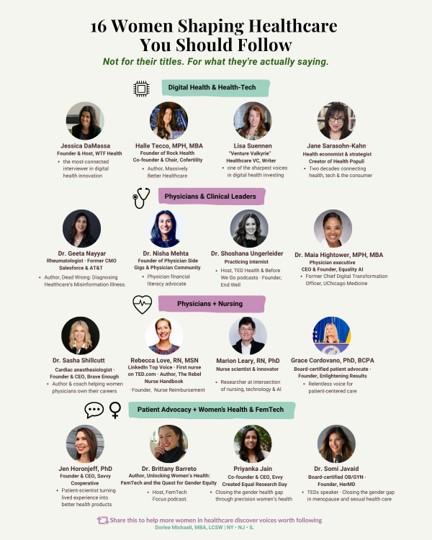 I'm gratified to be named on
 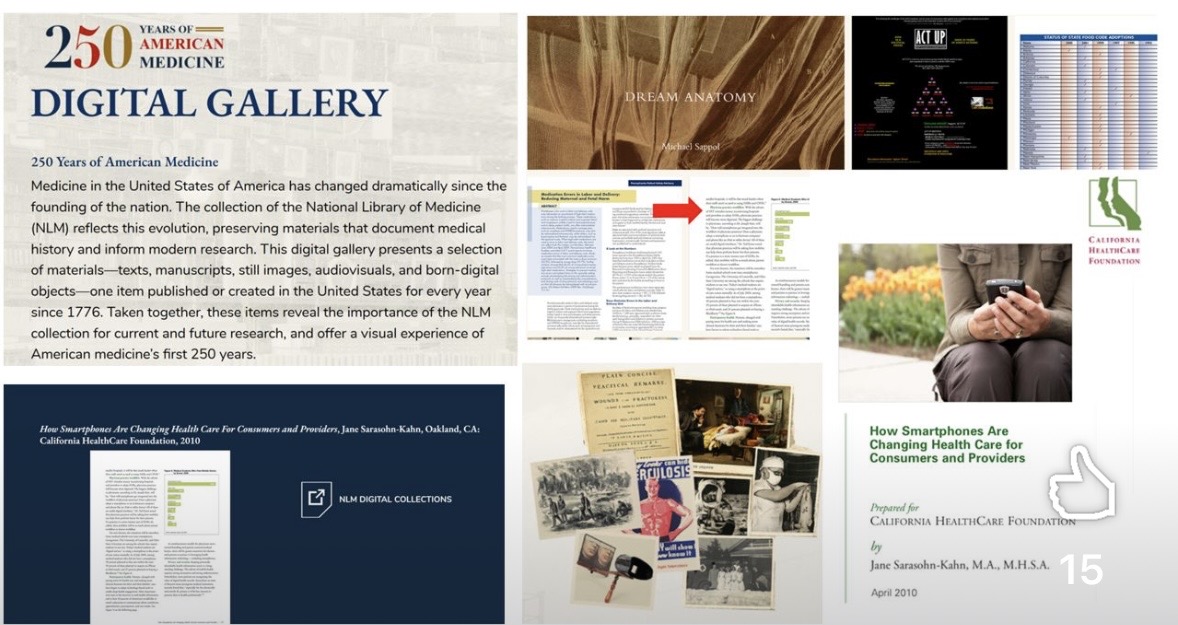 I’m celebrating America’s 250th birthday both patriotically and professionally, honored that the NLM included my 2010 paper, “How Smartphones Are Changing Healthcare for Consumers and Patients” as one of 250 items curated for the digital archive of 250 Years of American Medicine.
 I'm grateful to be part of the Duke Corporate Education faculty, sharing perspectives on the future of health care with health and life science companies. Once again, I'll be brainstorming the future of health care with a cohort of executives working in a global health care enterprise.