

A 65-year-old retiring in 2026 can expect to spend an average of $185,500 on health care and medical expenses throughout retirement, we learn in Fidelity Investment’s 25th Annual Retiree Health Care Cost Estimate report published in July.
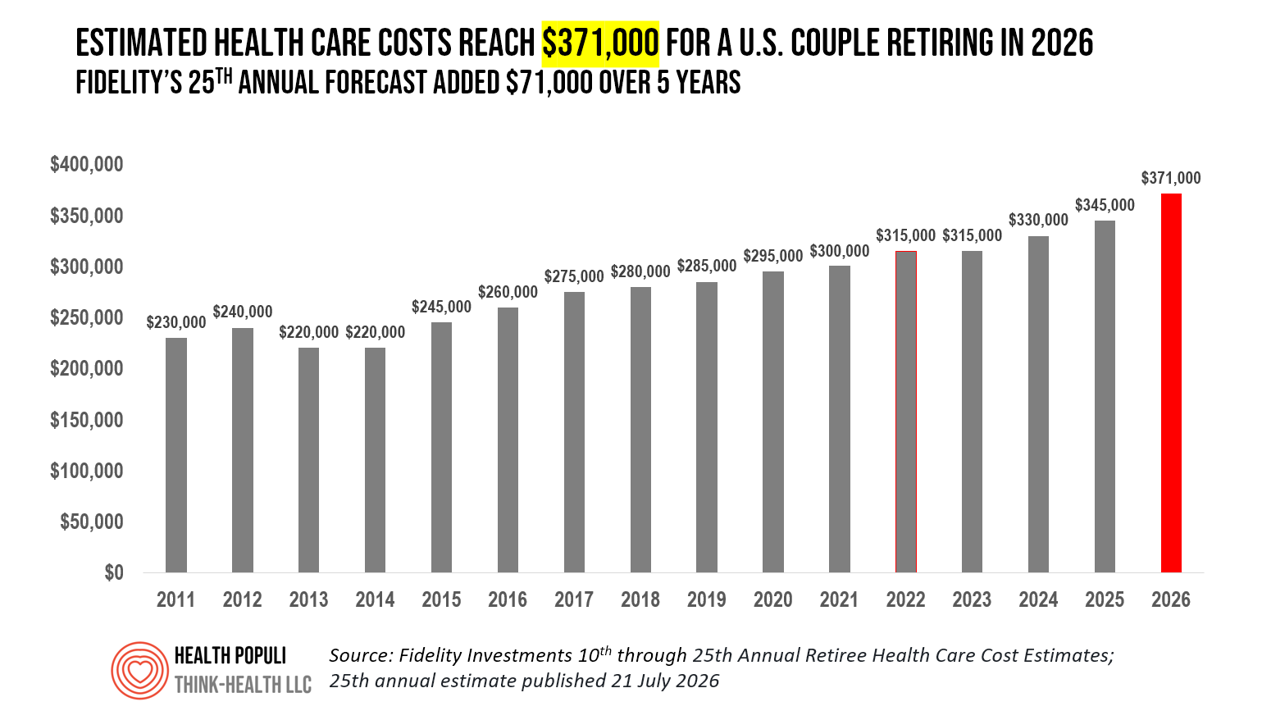
I’ve reviewed this study annually since 2011, creating this graph starting that year and adding to it with each annual report’s updated data.
Nearly all years, we see the retirees’ healthcare costs increase, with a couple of declines — between 2012 and 2013, and again from 2022 to 2023.
This year, from 2025 to 2026, we can see a spiking upward that amounts to a 7.5% increase, one of the highest growth rates since Fidelity began exploring retiree health care costs.
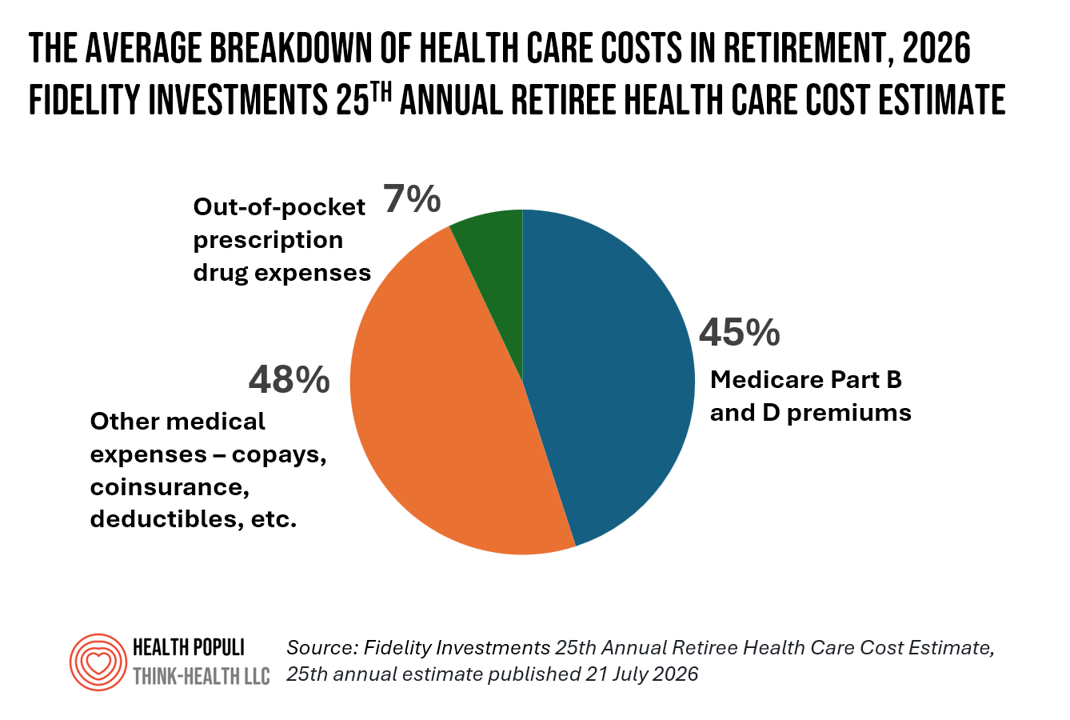
What is included in the top-line big number: Original Medicare, Parts A and B, along with Medicare Part D — covering premiums, copayments, and other out-of-pocket costs for medical care and prescription drugs through retirement. Note that these annual macro numbers do not include Long-Term Care expenses.
In 2926, these three components added up to,
- Medicare Parts B and D premiums = 45%
- Other medical expenses {copayments, coinsurances, deductibles, etc.) = 48%
- Out-of-pocket prescription drug expenses = 7%.
Fidelity’s survey of U.S. working adults has found that over one-half of pre-retirees incorrectly assumes that Medicare will cover all of peoples health care expenses through retirement until death.
The head of Fidelity Health, Steve Betts, commented on this year’s report: “Medicare is a critical part of retirement health coverage, but it does not eliminate every health care expense. This estimate helps illustrate why both pre-retirees and retirees alike will benefit from carefully considering out-of-pocket expenses and how they will pay for them as they build out their retirement income strategy.”
Here’s a link to my Health Populi post on this study from 2024, when retiree health care costs for a single was $165,000 and for a couple, $330K.
Health Populi’s Hot Points: The issue of health care affordability is on every U.S. adult’s mind in mid-2026, as medical bills compete on the kitchen table and patient’s wallet with other expenses in the family budget: food and groceries, gas prices at the pump, utility bills, rent and mortgage, and other household goods hit hard by tariffs, from consumer electronics like laptops (as we approach school-buying season) and washing machines with computer chips making home appliances smarter.
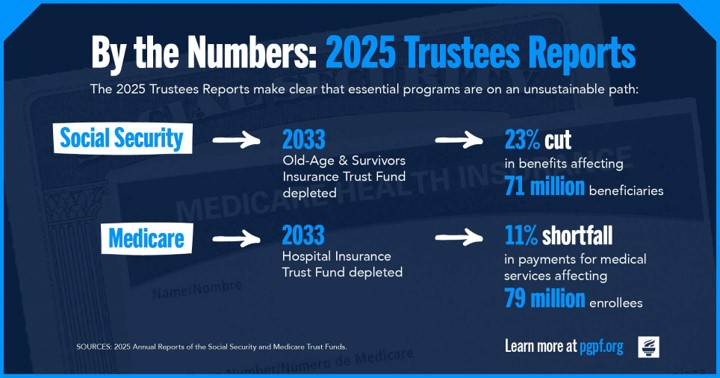
News that both the Medicare and Social Security Trust funds would hit a point of insolvency by 2033 may not be in the front-of-brain radar of American workers, whether Gen Z and Millennial, or closer to retirement — but these programs are part of Americans’ assumptions as they age toward joining AARP when turning 50, and thereafter counting down 5, 10, and 15 years toward retirement age.
These programs, into which Americans have saved through their working lives, represent pots of cash that may look like attractive sources of funding for certain government programs in the “Guns” segment of the “Guns versus Butter” resource allocation discussions on Capitol Hill. The seven intervening years between “now” and 2033 will fly by without a check on balancing peoples’ savings into these programs with other spending priorities divined by the White House, the President’s cabinet members, and the Legislative Branch. My strong recommendation for anyone in the health/care and caring economy ecosystem is to stay engaged with this information and the discussions about “transforming” Medicare and Social Security. These are not programs of entitlement: they have been earned and paid-into by workers who have funded them paycheck by paycheck.
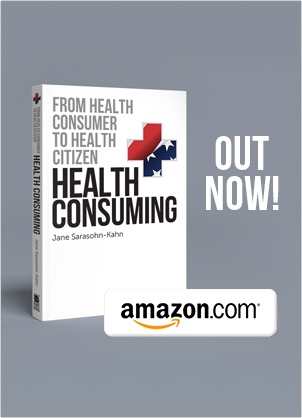
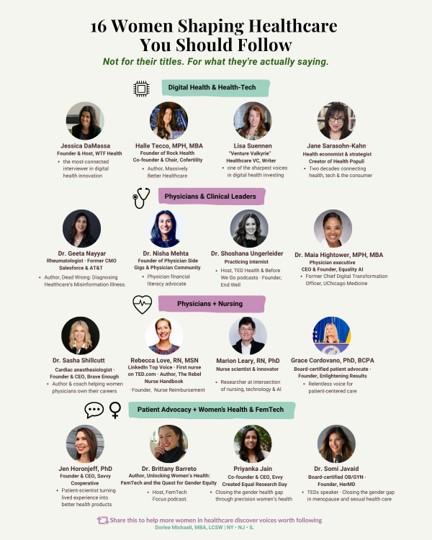 I'm gratified to be named on
 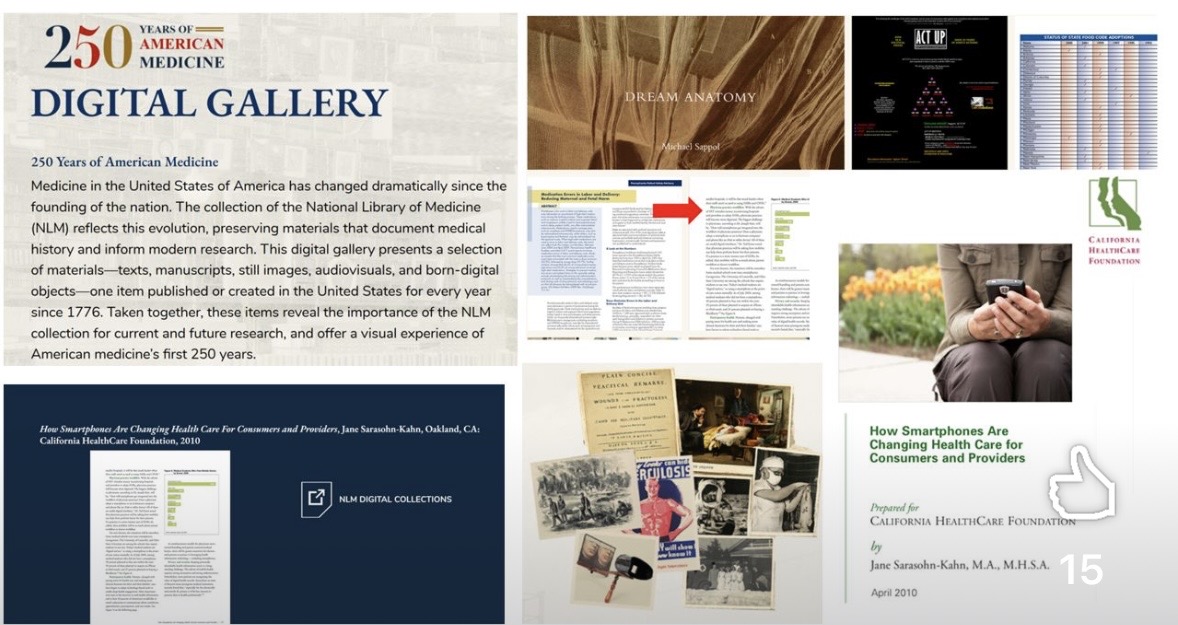 I’m celebrating America’s 250th birthday both patriotically and professionally, honored that the NLM included my 2010 paper, “How Smartphones Are Changing Healthcare for Consumers and Patients” as one of 250 items curated for the digital archive of 250 Years of American Medicine.
 I'm grateful to be part of the Duke Corporate Education faculty, sharing perspectives on the future of health care with health and life science companies. Once again, I'll be brainstorming the future of health care with a cohort of executives working in a global health care enterprise.