


The world is flat, but American manufacturers have known that since before Tom Friedman published the book on the subject. Globalization means American companies compete with foreign trade partners. The New America Foundation calculates that U.S. manufacturers pay an average of $2.38 an hour for health benefits, while trade partners pay only $0.96 an hour.
That’s the bottom-line in the Foundation’s paper, Employer Health Costs in a Global Economy: A Competitive Disadvantage for U.S. Firms.
The percent of payroll devoted to health benefits is about 13% for American manufacturers, and 5% for foreign trade partners.
That adds up to one big competitive disadvantage which ultimately results in lost jobs for Americans.
Health Populi’s Hot Points: This is everybody’s business. Labor is coming together with business and key stakeholder groups to address the impact of health insurance on business and competition. New America points out a few of these important coalitions: Better Health Care Together, uniting Wal-Mart, AT&T, the Service Employees International Union (SEIU), and the Communications Workers of America; Divided We Fail, a coalition of the Business Roundtable, National Federation of Independent Business, the AARP, and the SEIU; the Coalition to Advance Healthcare Reform, a business coalition led by Safeway CEO Steve Burd.
Clearly, one-time adversaries like Big Labor and Big Business can come together. Why can’t our legislators breach the same sort of chasm? Let’s make 2008 the year to stop demonization of stakeholders and come together for the benefit of all.

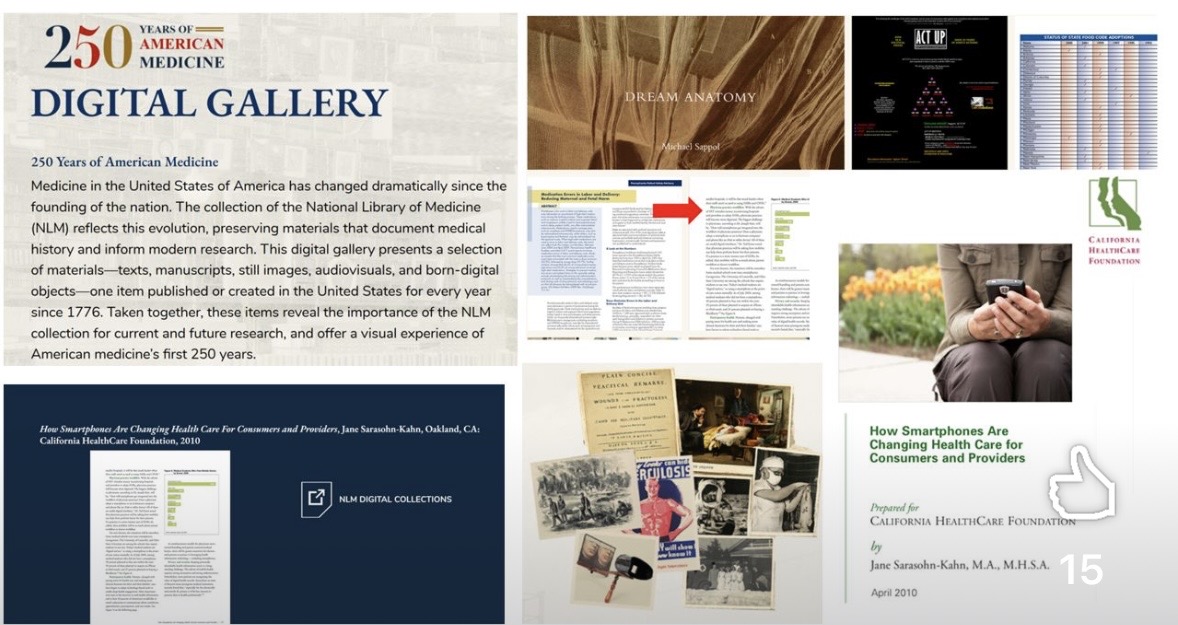 I’m celebrating America’s 250th birthday both patriotically and professionally, honored that the NLM included my 2010 paper, “How Smartphones Are Changing Healthcare for Consumers and Patients” as one of 250 items curated for the digital archive of 250 Years of American Medicine.
 I'm grateful to be part of the Duke Corporate Education faculty, sharing perspectives on the future of health care with health and life science companies. Once again, I'll be brainstorming the future of health care with a cohort of executives working in a global health care enterprise.
 Jane joined host Dr. Geeta "Dr. G" Nayyar and colleagues to brainstorm the value of vaccines for public and individual health in this challenging environment for health literacy, health politics, and health citizen grievance.