


Thus, there’s an opportunity to develop relevant and useful fin ancial services and tools that help consumers sort out these tough decisions.
This chart inventories some of the possibilities. Beyond insurance products, for example, some consumers like the idea of discount cards and annuities.
Note that there isn’t a great deal of variance in consumers’ minds between the uses of these mechanisms based on whether the funds would go to long-term care, catastrophic expenses, or medical cost increases. The biggest differentiator is for catastrophic expenses, where consumers seem to understand the application of a savings vehicle.
Many consumers like the idea of paying for support and advice for guidance. However, McKinsey found that while about 70% of consumers want such support when shopping for new coverage, only 41% of those who had access to it found it “satisfactory.”
Health Populi’s Hot Points: You know you have a problem with your health system when you’re more concerned about the cost of your care than fighting your disease. McKinsey’s survey data reveals a dazed and confused health consumer who says she’s willing to play the game, but needs the right tools to do so. McKinsey did a comprehensive survey into consumer-directed health care in 2005. How far have we come since then? According to this latest survey, in 3 years, not nearly far enough.
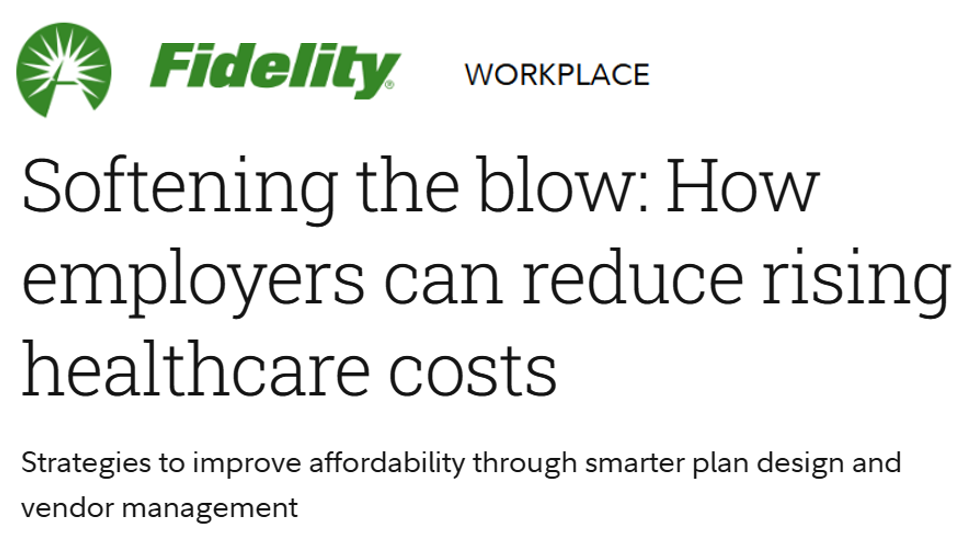 One of the best aspects of my work is collaborating across the health/care ecosystem to address how health citizens can deal with health care costs and and care for families. I'm grateful to have collaborated with Fidelity on their research into this issue,
 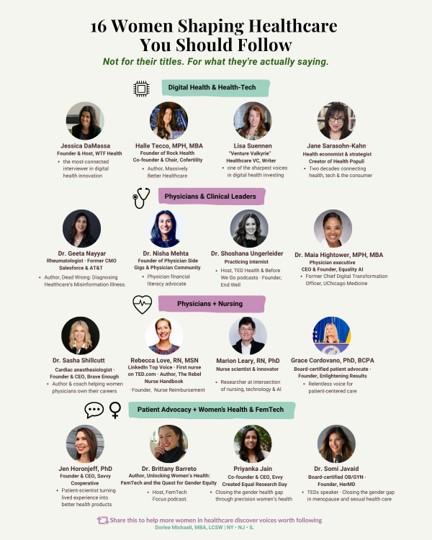 I'm gratified to be named on
 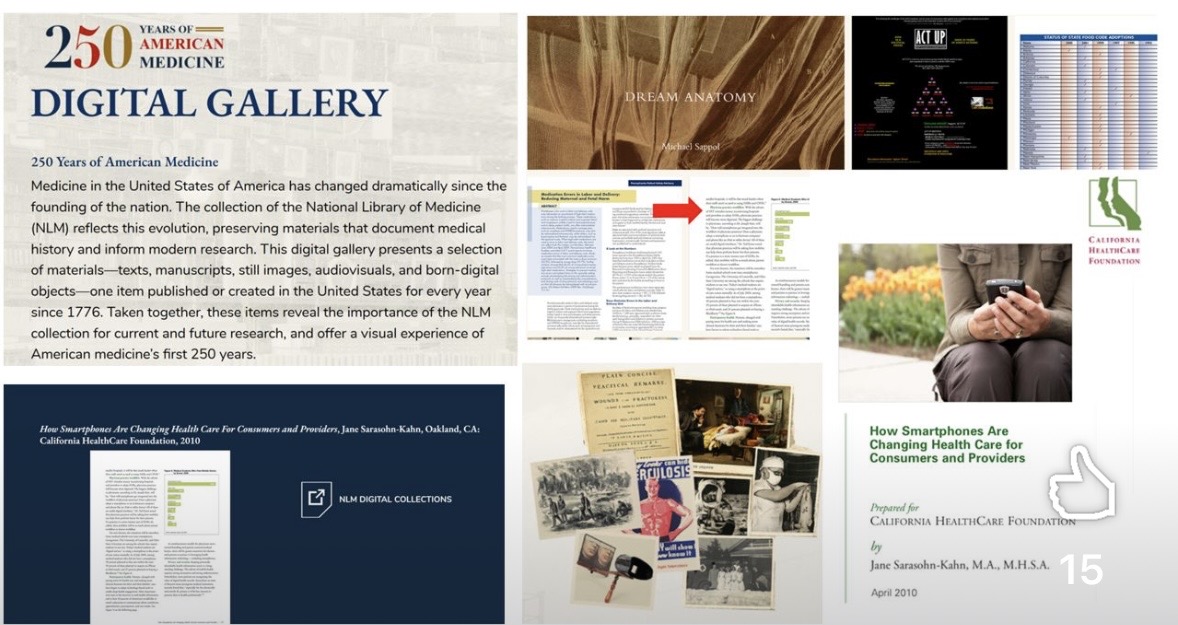 I’m celebrating America’s 250th birthday both patriotically and professionally, honored that the NLM included my 2010 paper, “How Smartphones Are Changing Healthcare for Consumers and Patients” as one of 250 items curated for the digital archive of 250 Years of American Medicine.