


It’s a universal scenario that physicians face patients carrying into the exam room Internet-based information. Manhattan Research found that 94% of doctors report having to deal with patients who bring information printed off the Internet.
What’s important is that these patients get more time with their doctors in the exam room.
Manhattan Research calls these patients, “healthcare overachievers.” They essentially get rewarded for being informed, where the reward is in the form of more time with the clinician.


Adding to the health information access literature is Burst Media, whose study into consumers’ search for wellness found that two-thirds of Americans use the Internet to gather wellness information. The most important topic is nutrition, with 38% of people seeking insights online.
The surprising data point here is that 1/3 of Americans research wellness information at least once a week, and nearly 11% search wellness on a daily basis. The most active wellness researchers online are younger people between 25-34 years of age, with nearly half of this age cohort going online for wellness info weekly.
Furthermore, it’s a girl-thing: about 72% of women search wellness online versus 61% of men. Women search wellness online in fairly equal percentages across all age cohorts — even among women 65 and over.
Health Populi’s Hot Points: We learn from Manhattan Research that patients who are armed with information get rewarded in the form of more personal time with the doctor. This could generate a virtuous cycle of information-engagement-wisdom-motivation-health, and so on. In so doing, the physician is in fact going to be rewarded in kind by establishing trust and rapport with the Internet-informed patient, as that individual takes on health advice and (theoretically) improves their health status.
Burst Media tells us that people are searching wellness information online — by their own devices, and not specifically connected to a visit to the physician’s office. Together, these two studies point to a more informed and engaged U.S. health citizen.
 One of the best aspects of my work is collaborating across the health/care ecosystem to address how health citizens can deal with health care costs and and care for families. I'm grateful to have collaborated with Fidelity on their research into this issue,
 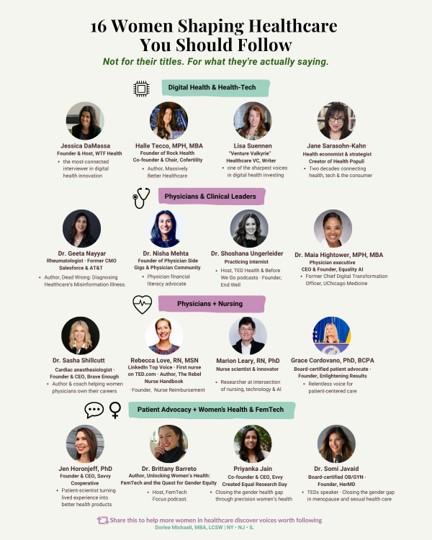 I'm gratified to be named on
 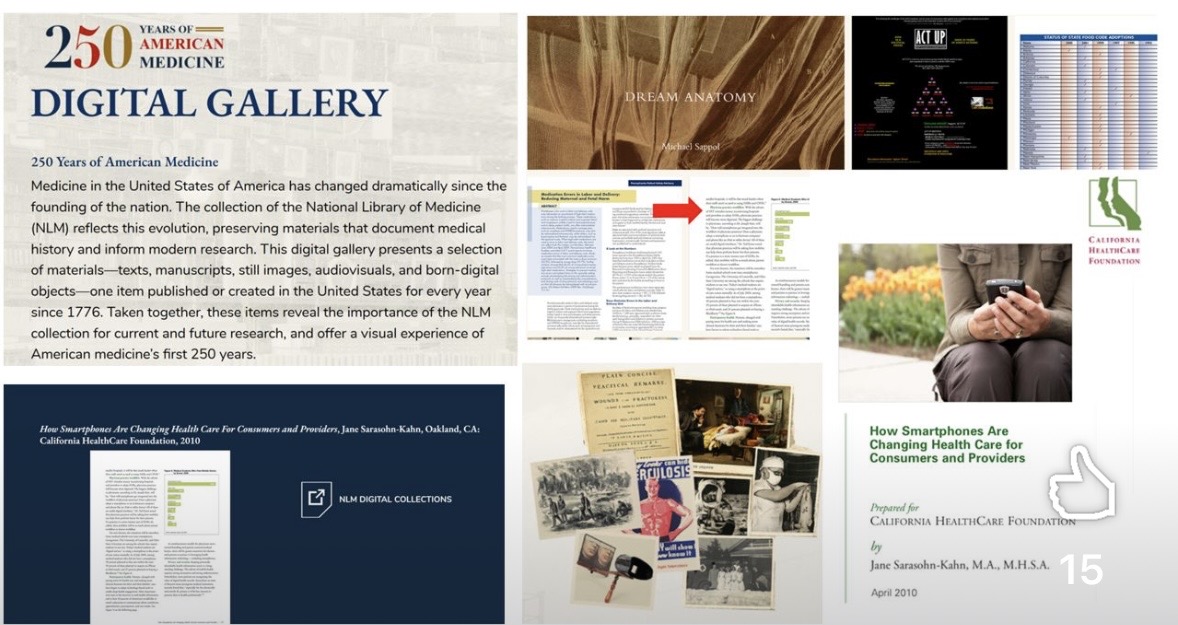 I’m celebrating America’s 250th birthday both patriotically and professionally, honored that the NLM included my 2010 paper, “How Smartphones Are Changing Healthcare for Consumers and Patients” as one of 250 items curated for the digital archive of 250 Years of American Medicine.