


4 in 10 Americans had trouble paying for medical care in 2007, according to the Commonwealth Fund‘s latest study on medical debt.
The study, Losing Ground: How the Loss of Adequate Health Insurance Is Burdening Working Families, looks at 2007 data on consumers’ and health costs.
The Fund’s researchers examine 4 areas of cost-related access problems when it comes to health care for Americans age 19-64:
- Those who did not fill a prescription (31%)
- People not seeing a specialist when needed (20%)
- Those skipping a medical test, treatment or follow up (25%)
- Adults with a medical problem, but not seeing a doctor or clinic (31%).
Overall, 45% of American adults age 19-64 had at least one of these cost-access problems. This includes 29% of people who were insured all year.
60% of those without any insurance at all who had a medical problem did not see a doctor or visit a clinic. Then there are two slip-through-the-cracks gray areas: those who were insured all year, but underinsured — 42% of whom were sick but did not see a doctor — and those were were uninsured sometime in the past year but insured now — 57% of whom were sick in the past year and did not see a physician.
Health Populi’s Hot Points: This study used data to 2007, so the fact of increasing consumer prices for gas, food, and other goods in 2008 has not been taken account in these numbers.
Medical debt is the #1 source of pesonal bankruptcy in the U.S. In a 2005 study published in Health Affairs, researchers found that the average out-of-pocket medical debt for those who filed for bankruptcy was $12,000. The study noted that 68% of those who filed for bankruptcy had health insurance.
And according to the National Coalition for Healthcare, every 30 seconds in the United States someone files for bankruptcy in the aftermath of a serious health problem.
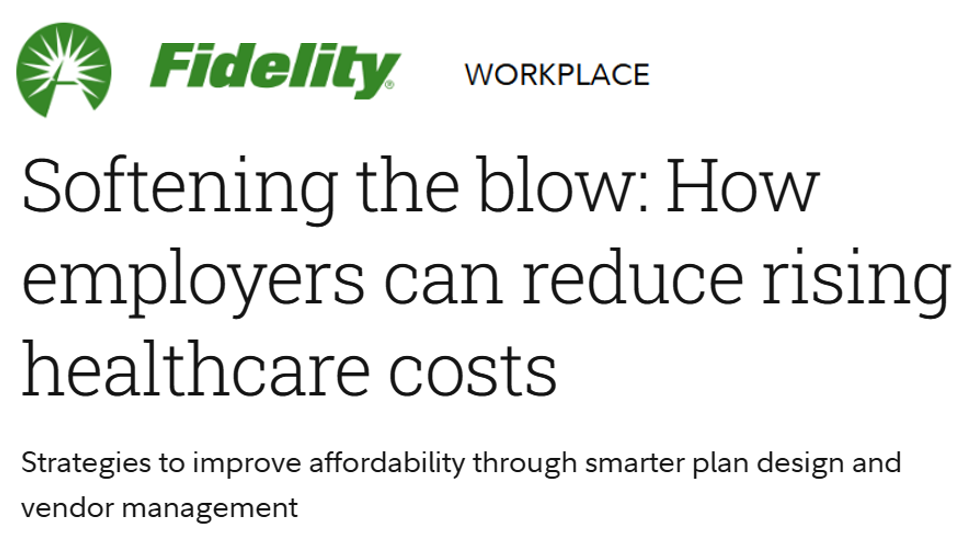 One of the best aspects of my work is collaborating across the health/care ecosystem to address how health citizens can deal with health care costs and and care for families. I'm grateful to have collaborated with Fidelity on their research into this issue,
 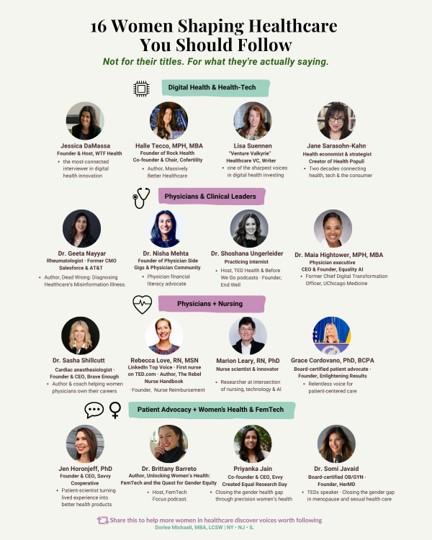 I'm gratified to be named on
 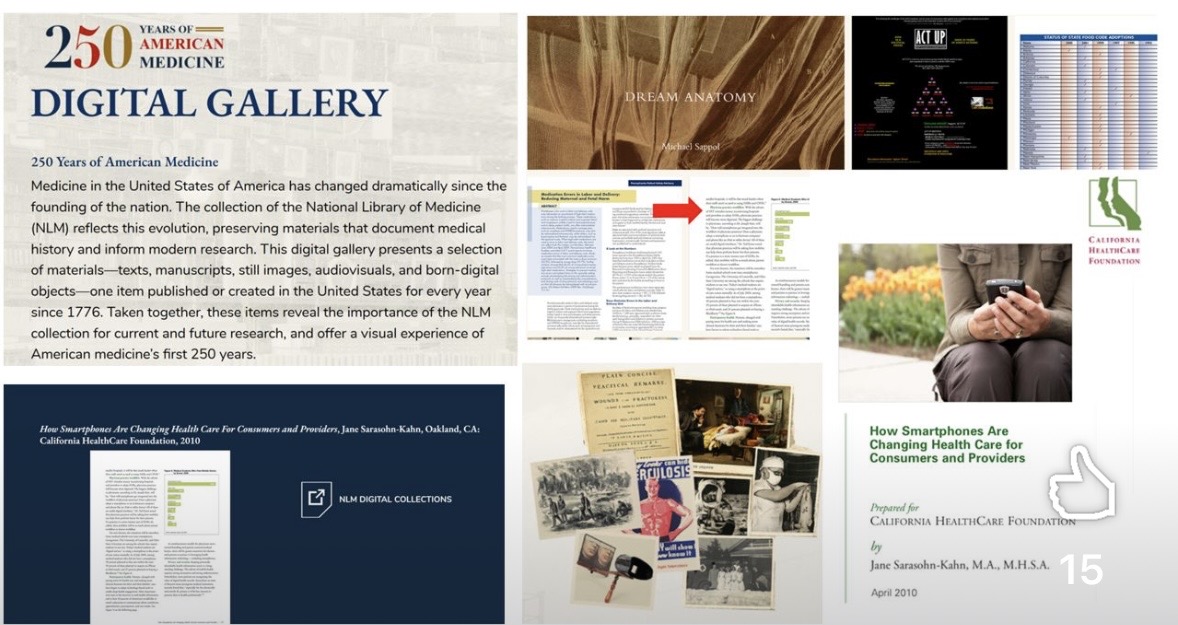 I’m celebrating America’s 250th birthday both patriotically and professionally, honored that the NLM included my 2010 paper, “How Smartphones Are Changing Healthcare for Consumers and Patients” as one of 250 items curated for the digital archive of 250 Years of American Medicine.