


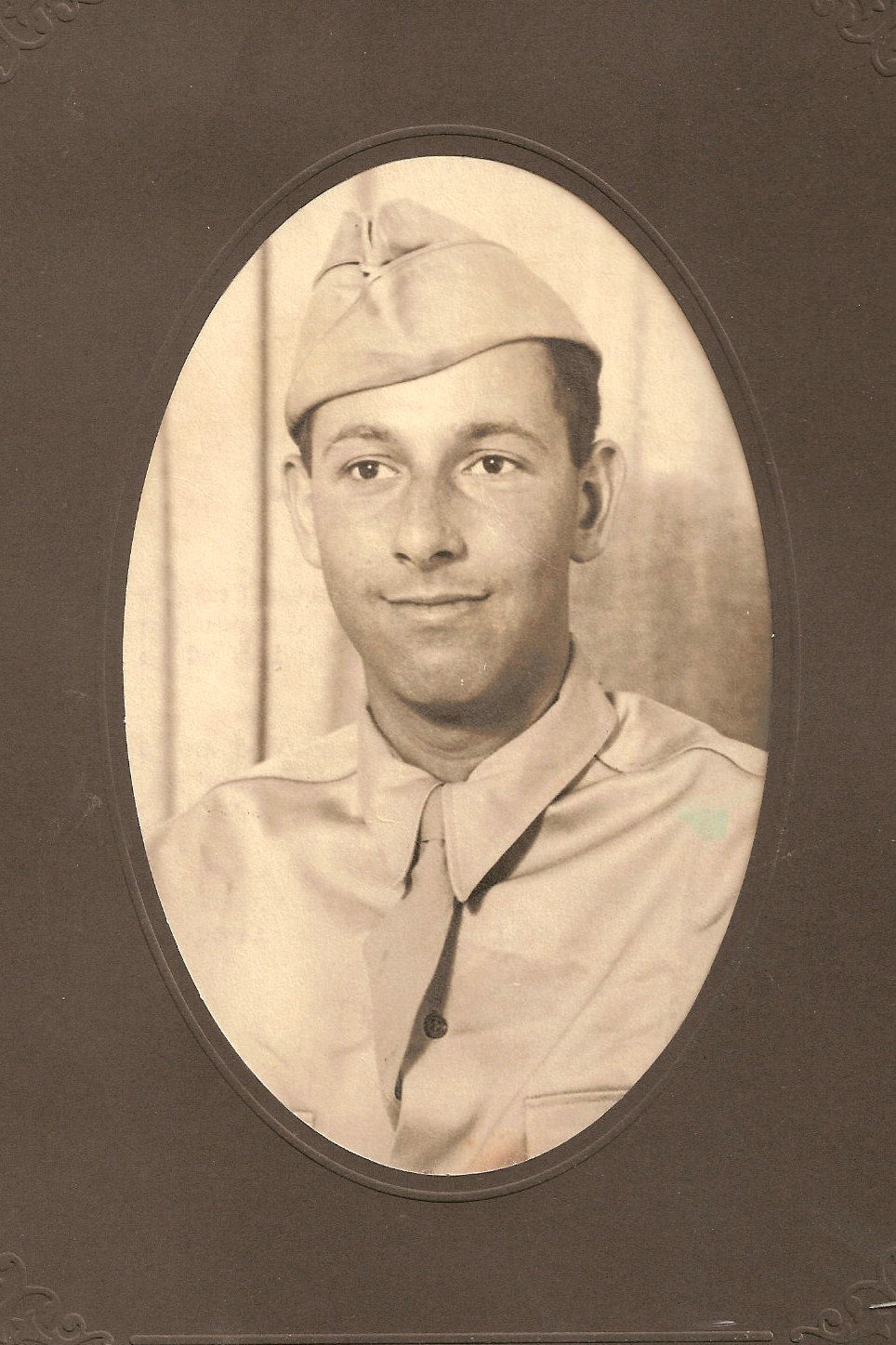
 The best patient I ever knew was also one of The Greatest Generation in World War II. Charles Sarasohn, my father, fought in the frontlines of the Pacific theatre in the Philippines and beyond, as part of the scrappy team known as The Jungleers. They made their way on foot through the jungle terrain with machete in hand and determination in their heart.
When we get caught up in the day-to-day stresses of life in 2009, we need to more often remember the warriors who fought for our right to live the lives we live so freely.
His bravery and fortitude extended to his lifelong self-management of Type 2 diabetes and high blood pressure, which he combated in an uber-disciplined way through diet and exercise. Insulin wasn’t part of his health regimen until he was 84 when his aging body hit the wall: congestive heart failure and an old heart. Over 12 years before, that beautiful big heart had been made stronger after quintuple bypass and a pacemaker implant that helped buoy him in his later years as he continued to work full-time, travel and enjoy friends, family and a daily martini.
I’m thinking about him more today…in the midst of global unrest, the erosion of civil liberties, and general malaise in the world and in our collective mood. He would have been so happy to see last weekend’s passage of the House health reform (although he would have wanted to see more comprehensive change).
 One of the best aspects of my work is collaborating across the health/care ecosystem to address how health citizens can deal with health care costs and and care for families. I'm grateful to have collaborated with Fidelity on their research into this issue,
 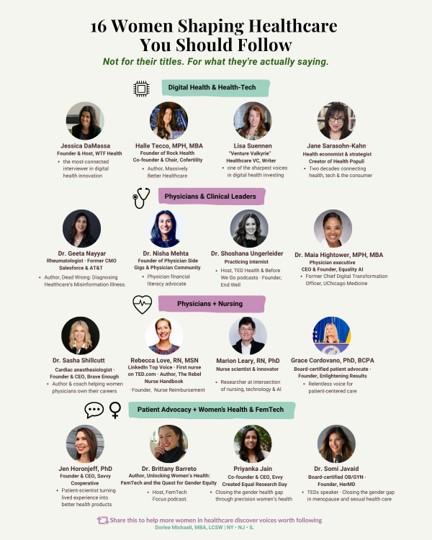 I'm gratified to be named on
 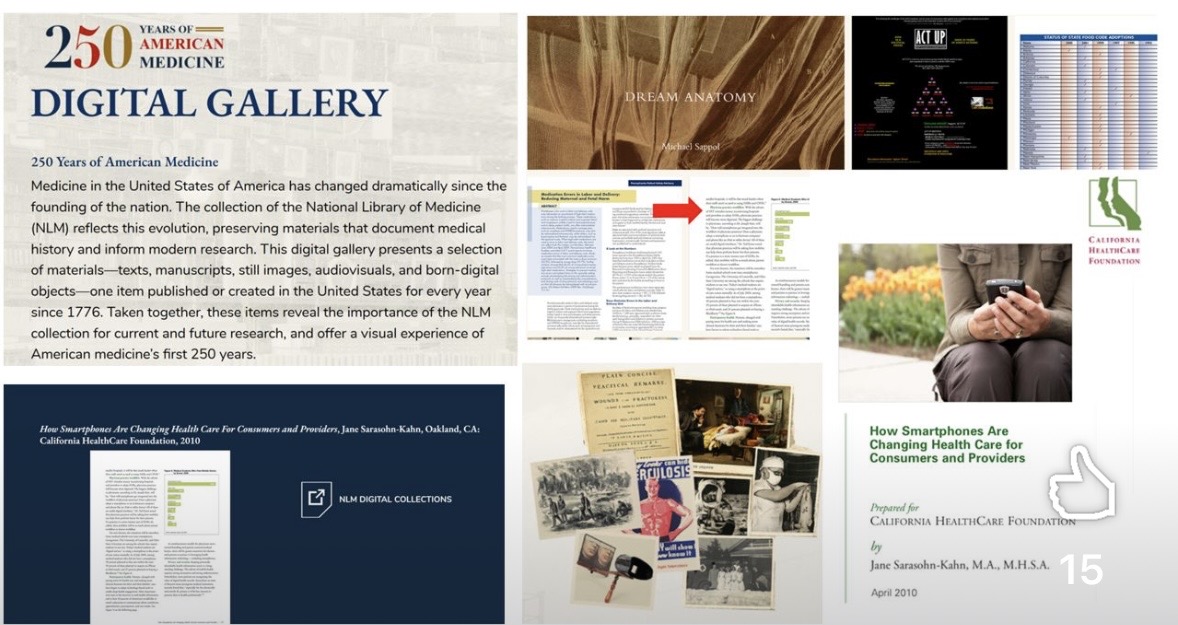 I’m celebrating America’s 250th birthday both patriotically and professionally, honored that the NLM included my 2010 paper, “How Smartphones Are Changing Healthcare for Consumers and Patients” as one of 250 items curated for the digital archive of 250 Years of American Medicine.