

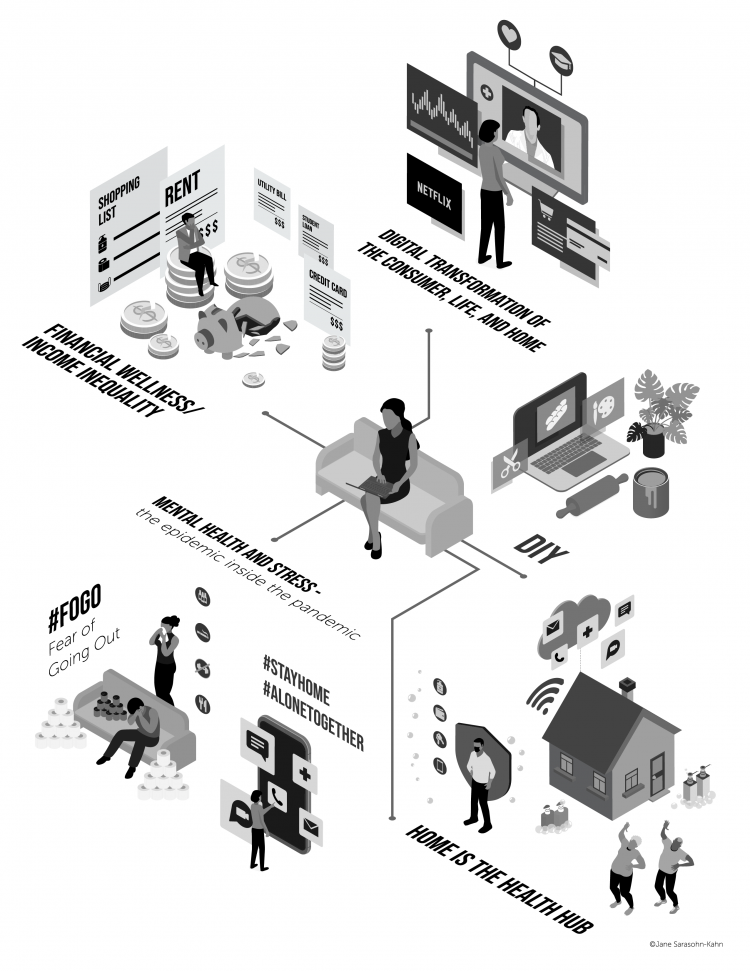
The first six months into the coronavirus pandemic shocked the collective system of U.S. consumers for living, learning, laboring, and loving.
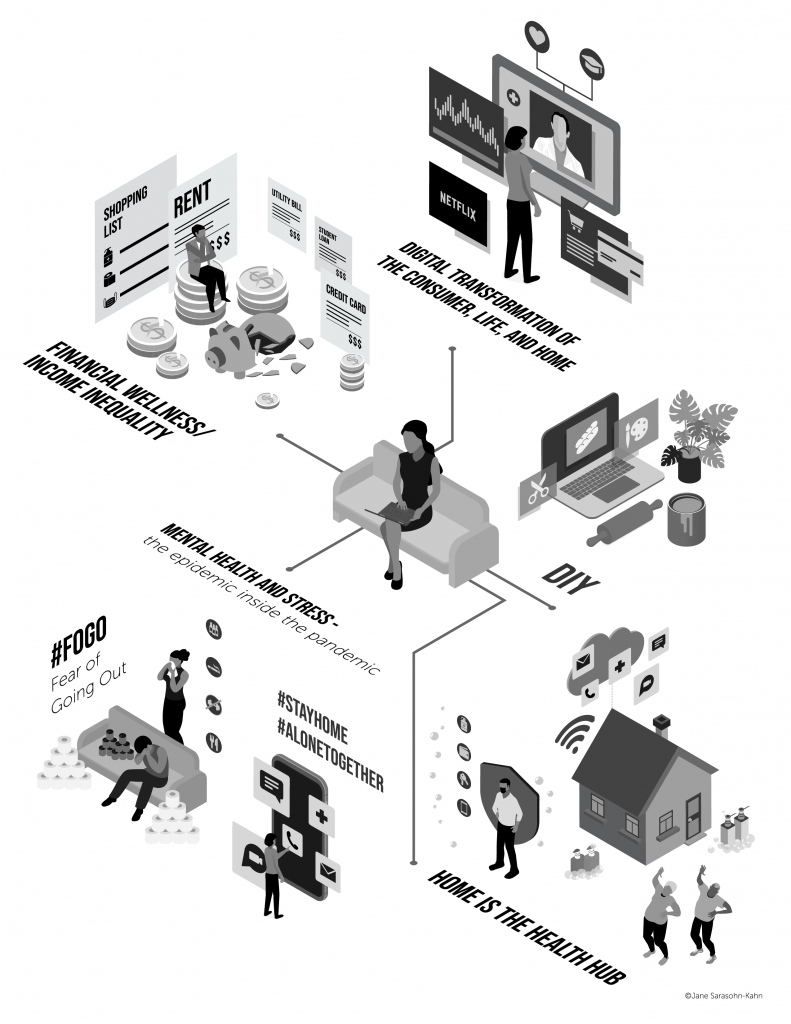 I absorbed all kinds of data about consumers in the wake of COVID-19 between March and mid-August 2020, culminating in my book, Health Citizenship: How a virus opened hearts and minds, published in September on Kindle and in print in October.
In this little primer, I covered the five trends I woven based on all that data-immersion, following up the question I asked at the end of my previous book, HealthConsuming: when and how would Americans claim their health citizenship, evolving from health consumers?
The pandemic has surely accelerated the trend toward Americans understanding the weaknesses, gaps, and inequities in U.S. healthcare.
The Medecision blog is hosting a summary of the five transformational trends re-shaping consumers as health consumers and health citizens. This was abstracted from a talk I recently gave at a company town hall to discuss the implications of the pandemic on payors, providers, and consumers.
Here’s a link to that post, with gratitude to Medecision for hosting this message.
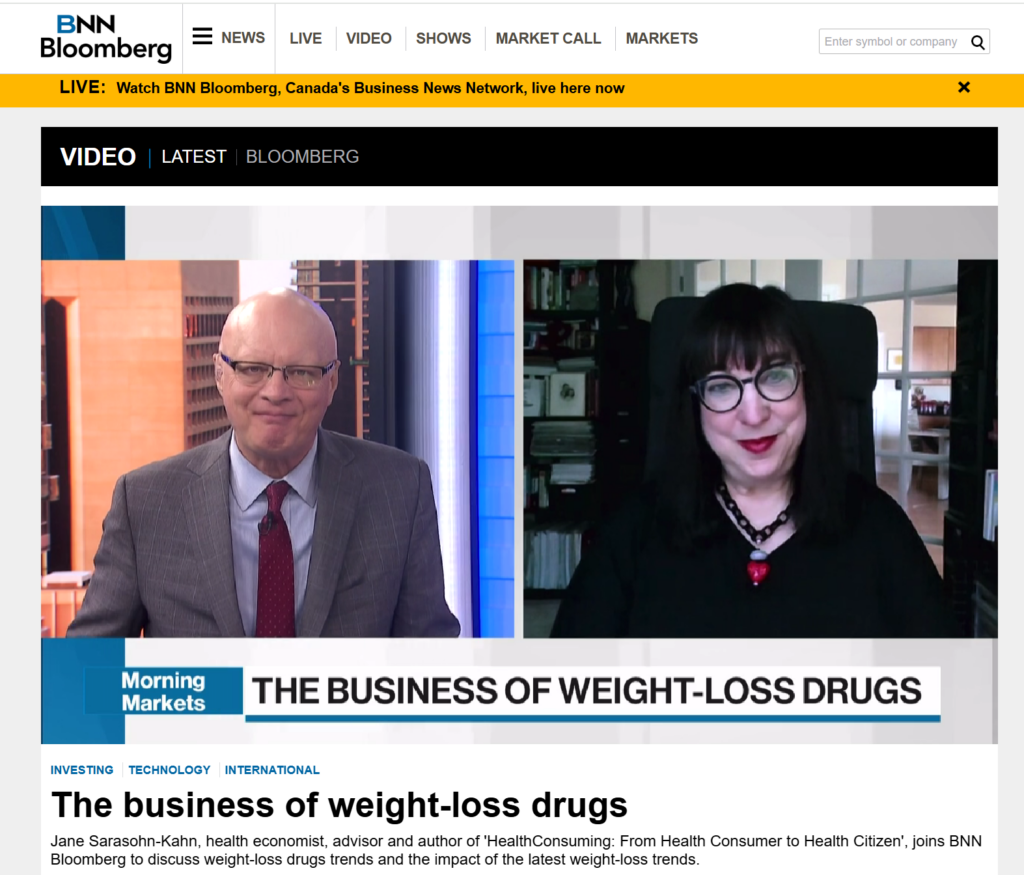 Interviewed live on BNN Bloomberg (Canada) on the market for GLP-1 drugs for weight loss and their impact on both the health care system and consumer goods and services -- notably, food, nutrition, retail health, gyms, and other sectors.
 Thank you, Feedspot, for
  As you may know, I have been splitting work- and living-time between the U.S. and the E.U., most recently living in and working from Brussels. In the month of September 2024, I'll be splitting time between London and other parts of the U.K., and Italy where I'll be working with clients on consumer health, self-care and home care focused on food-as-medicine, digital health, business and scenario planning for the future...