


Why Clorox Talks about Hygiene at Home: Health, Wellbeing, and the Home as Health Hub
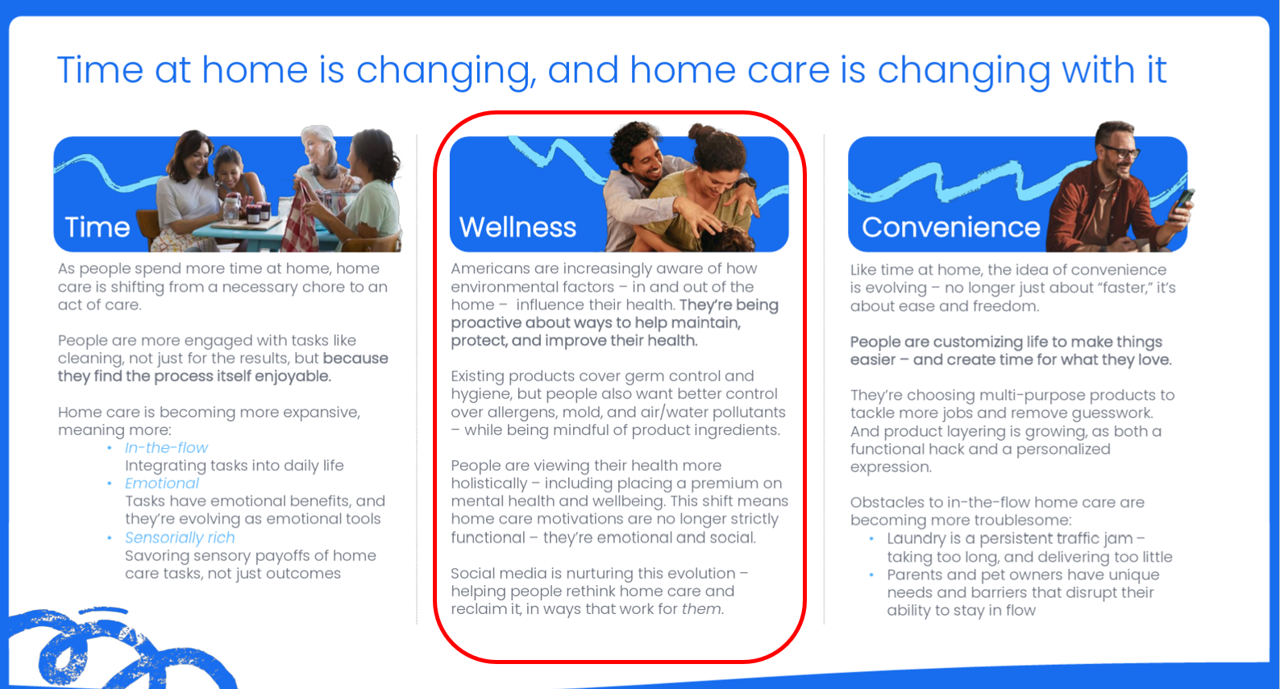
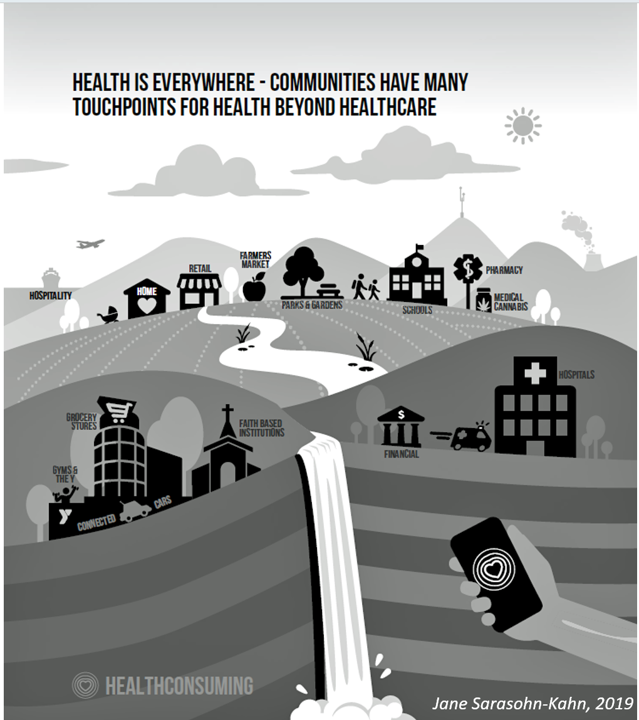
The COVID-19 pandemic was a watershed era for people re-assessing and re-imagining their homes as hubs for health, healthcare, and well-being (as well as learning, exercising, and baking sourdough bread). This graphic comes from my book, Health Citizenship: How a Virus Opened Hearts and Minds, written in the midst of the pandemic based on consumers’ newly adopted behaviors during the #workfromhome and #stayhome epoch. We experienced the digital transformation of people through life and home-based work and education, a growing sense of DIY for things we could do
Health Care Ads at the Big Game (Super Bowl LX) – Edgy, Entertaining, Educational
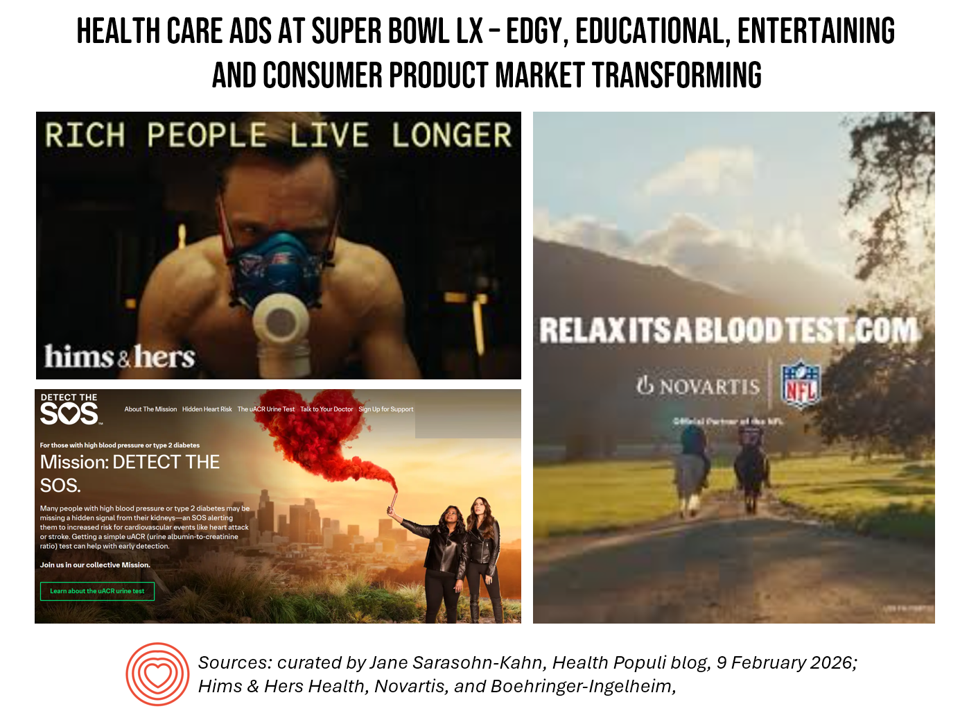
“When Weight Watchers dared to run an ad in 2015, it was likened to a record scratch,” AdAge noted in its preview of ads planned for broadcasting during Super Bowl LX. A decade+ later, healthcare and health-related promotions are part of the Big Game’s financial lifeblood, where a 30-second spot can cost $8 million according to AdMeter And on the aesthetics/design front, some of the ads this year are downright edgy — entertainment-intended, but also educational in their own way. Take “Rich People Live Longer,” this year’s ad from Hims & Hers Health. The company advertised at last year’s game
The New (Old) Long-Term Care: Intergenerational, Together at Home
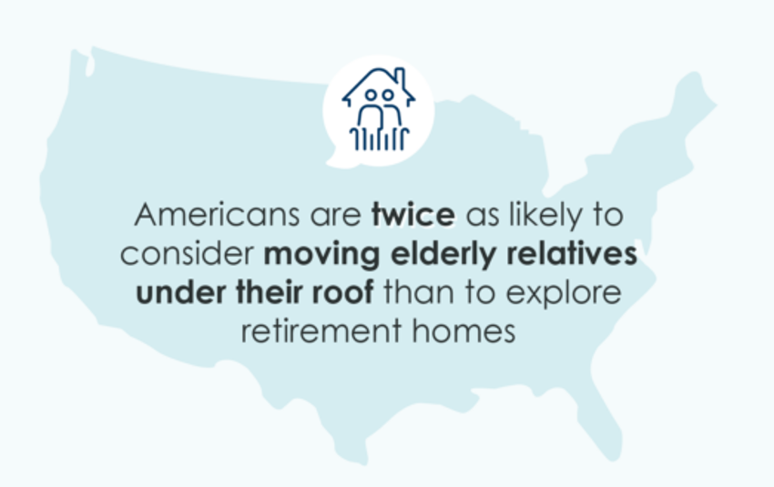
One in three adult children in the U.S. say that moving their parent(s) into their family’s home is the most likely living arrangement for their folks as they age, we hear from a study on the “Care Conversation” from LevLane, conducted by Talker Research. That’s twice as many consumers as those looking to assisted living (19%) or senior living or memory care facilities (16%). Talker Research conducted a survey of 2,000 U.S. adults, Gen X or younger with a living parent, to assess the current state of and future prospects for the senior living market.
Optimistic and Skeptical: How Older Americans Are Using and Seeing AI – the View from AARP
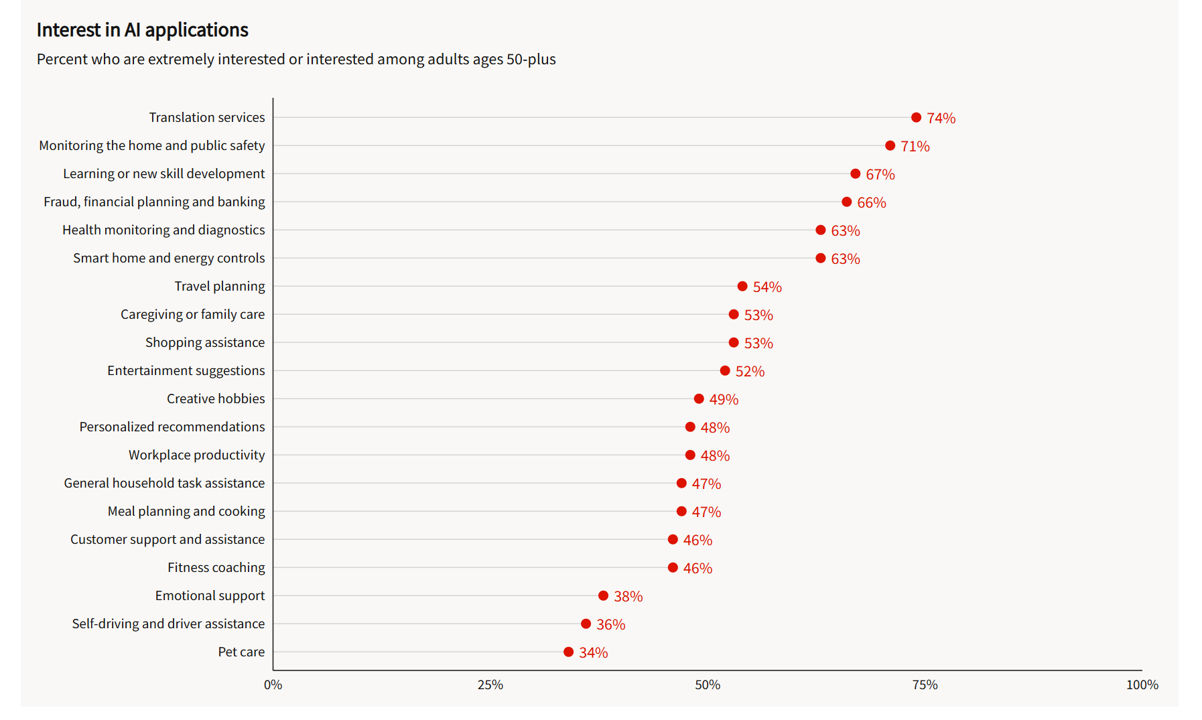
People over 50 in America typically hold two thoughts in mind at once when it comes to AI: they’re optimistic and skeptical, depending on the “job” that AI could do, according to research from AARP explained in the report, Navigating the World of AI: Awareness, Attitudes, and How People Expect to Use It. Topline, most people 50 and over have used AI in some way, with roughly 3 in 5 older Americans saying “I am a beginner” in using AI across age groups from 50 to 70+. Most older Americans are familiar with many terms in the
Aging is Not a Decline, but an Awakening at CES 2026 – Learning from AARP About Consumers, Lifespan, and Technology
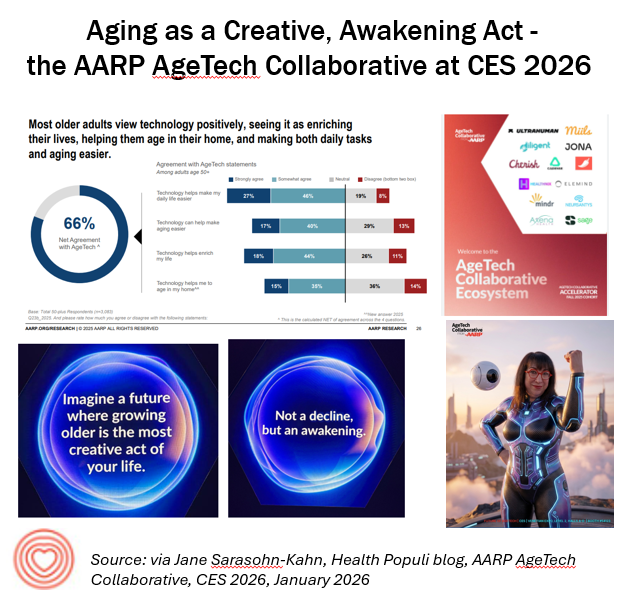
Aging and longevity are key themes driving technology innovations and markets, and walking the miles of aisles of CES 2026 demonstrates the expanding landscape of the role of tech in healthy living across the lifespan. I spent time at the AARP AgeTech Collaborative space this week as I did last year (here was my write-up of AARP and CES 2025 for historical context). In experiencing this year’s portfolio of AgeTech collab partners, from start-ups to Fortune 100 companies in the mix, was informative, inspiring, and even energizing as someone who has been a member of AARP since turning 50 some
Navigating a Constellation of Uncertainties: Health/Care in 2026 (My Un-Forecast)
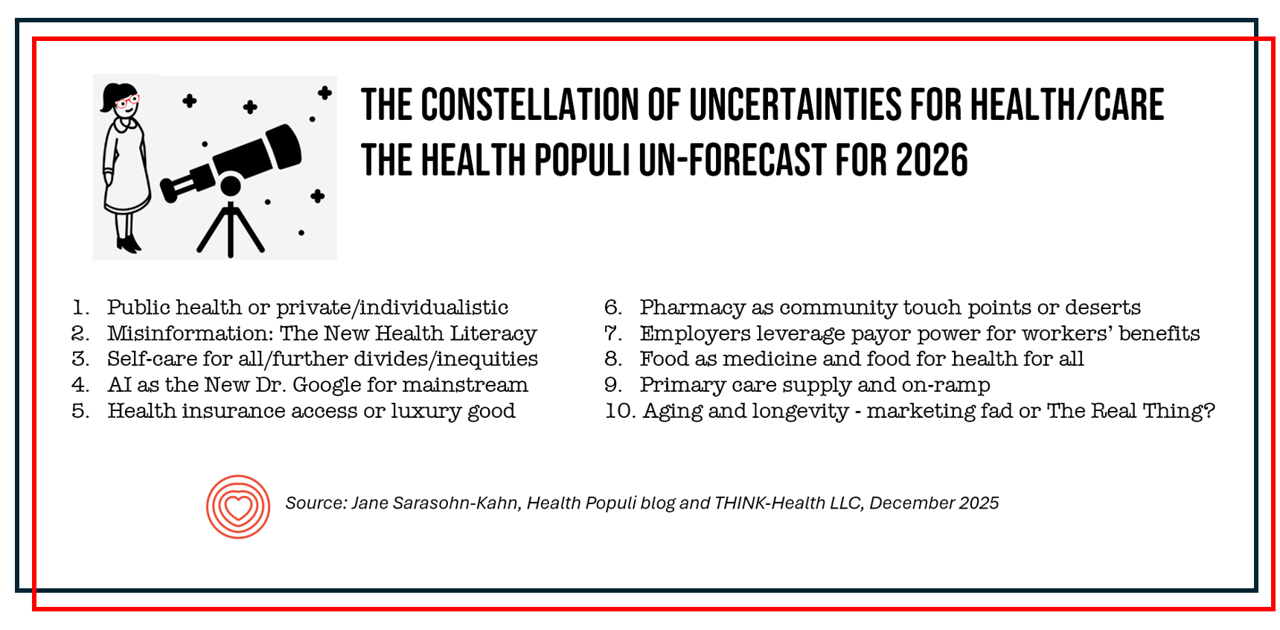
Almost from the first year of launching Health Populi in 2007, I’ve written a “TrendCast” for the coming year of health care. Over many years, there weren’t so many blogs devoted to health care which featured such prognostications, and so readers could divine signal from noise and move forward into new years with manageable lists of What To Expect Next Year in Healthcare. Here’s one from ten years ago that brings a sense of déjà vu: most of the findings are consistent with what we know for sure about 2026 and it’s useful to look back with today’s eyes to
Men’s Fertility Feelings – The Influence of Trust and Social Media (My Progyny Post #3)

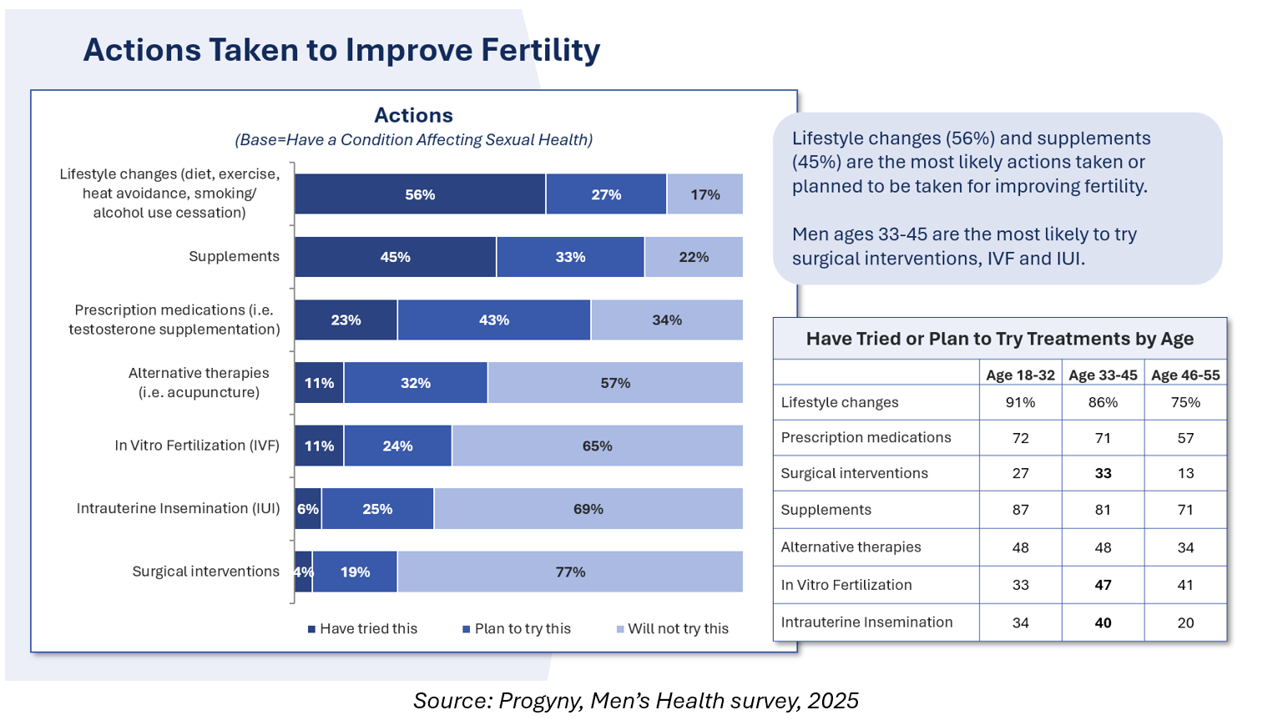
Trust is a key enabler for people’s health engagement. As the American Medical Colleges’ Center for Health Justice defines it, trustworthiness is “rooted in honesty and honors lived experience….. key to a successful patient-provider partnership.” In his book, Notes On Being A Man, Scott Galloway calls out that men’s fertility issues are formed as part of a larger societal context and crisis point, exacerbated by economic pressures and lack of opportunities for male bonding and in-person social touchpoints. In the second post in this series of three, we discussed those economic pressures Galloway notes, and the financial stressors that shape
Trust and AI in Healthcare: At a Crossroads, Edelman Finds
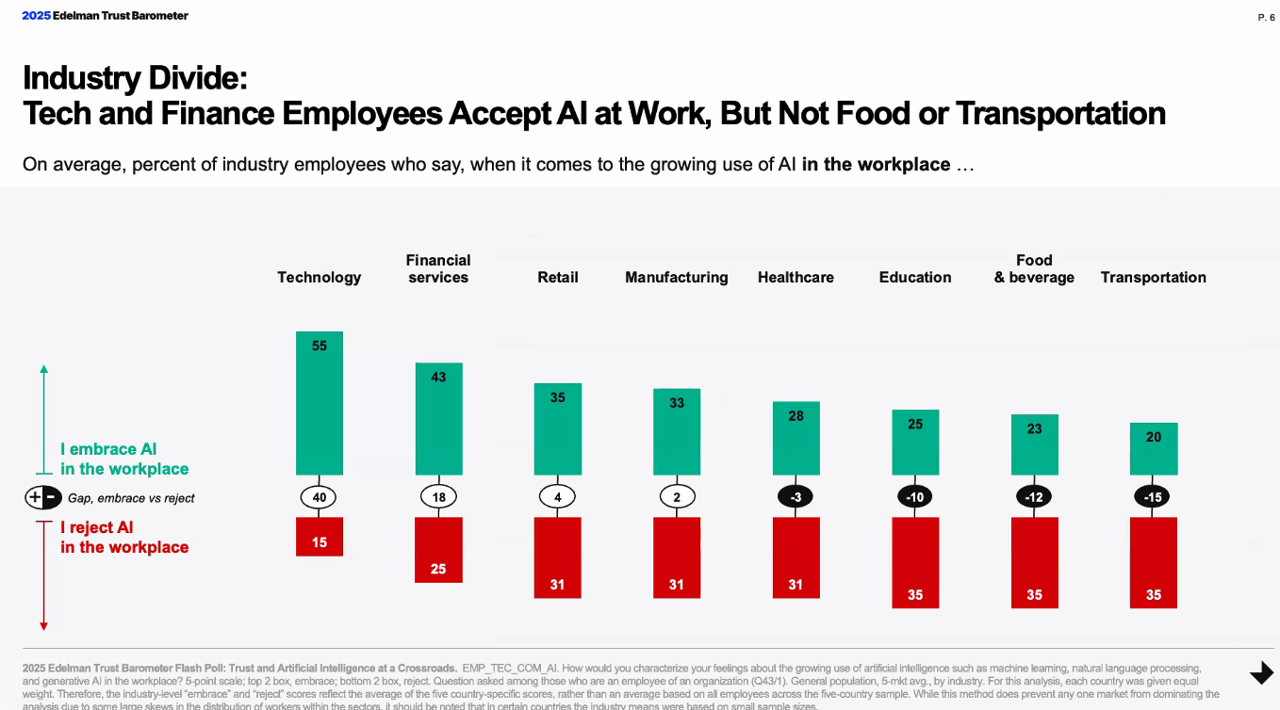
Enthusiasm for innovation is not a guaranteed thing; furthermore, trust in AI lags trust in the overall technology sector, we find in the 2025 Edelman Trust Barometer research through a Flash Poll: Trust and Artificial Intelligence at a Crossroads, discussed in a webcast on 3 December. People in the U.S. are more than twice as likely to reject the growing use of AI than embrace it, with the embrace of AI much lower than peoples’ enthusiasm for it. Edelman conducted the poll in five countries — Brazil, China, Germany, the UK and the US — with sample sizes at least 1,000+
Giving Thanks for Pinksocks Today and Every Day….celebrating the book!
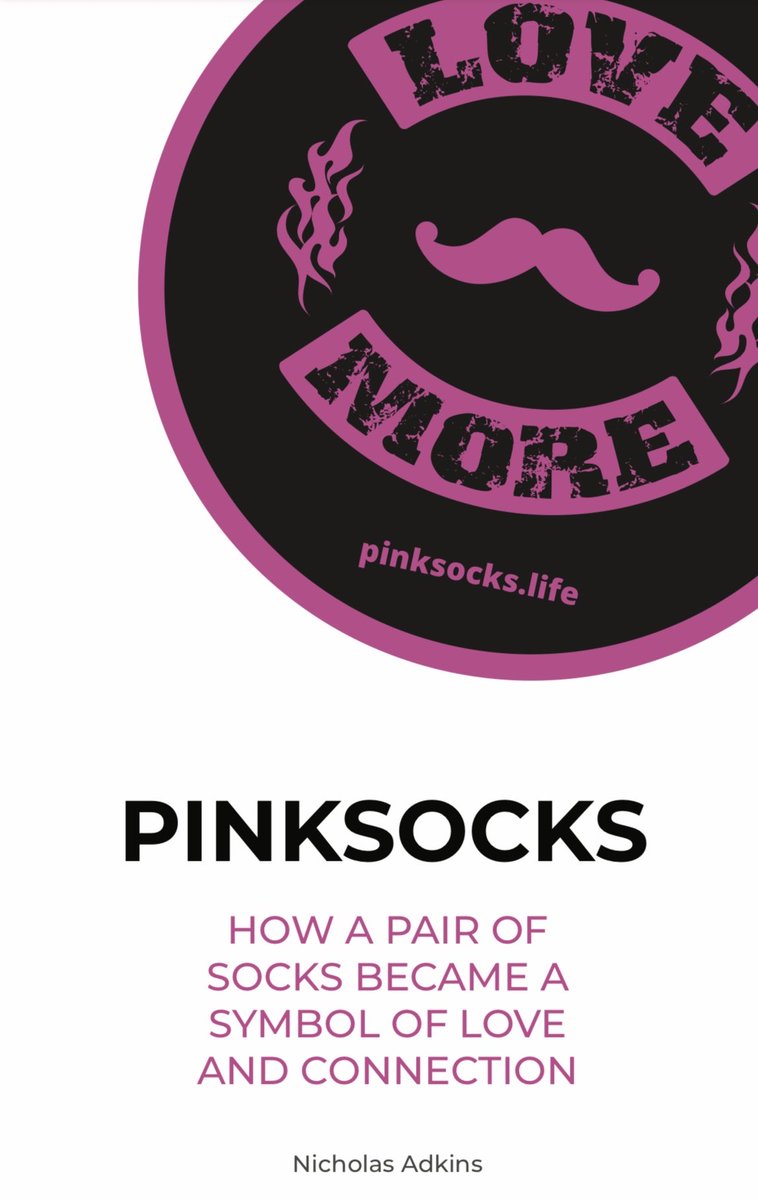
As today is Thanksgiving in America, my tradition here on Health Populi is to express gratitude for some aspect of life and living, Most often, I’ve referred to the Engage With Grace Project which reminds us to be mindful of our and our loved ones’ end-of-life wishes as we convene around the big table today with our families and friends over big food and drink. See here for more on Engage With Grace, a project for which I’m most grateful for launching by Alexandra Drane and Matthew Holt For today’s gratitude message,
Feeling Under-Served and Overlooked: Men’s Views on Their Fertility Journeys (My Progyny Post #1)
In his latest book, Notes on Being a Man, Scott Galloway discusses his personal fertility journey in the larger social context of what it means to be a man in modern America. Galloway’s infertility challenges shared with his wife inform his views on men’s health across all dimensions — physical, mental health, social health, financial well-being — and how, of course, men’s overall health is also a women’s and children’s issue. Men can feel “left out” of infertility discussions, based on results from the first and largest multi-national study into men’s feelings about their infertility revealed. “How men feel about
Where Health Meets Beauty, Mental Health, and Faith: Learning from the Farmaceutica di Santa Maria Novella
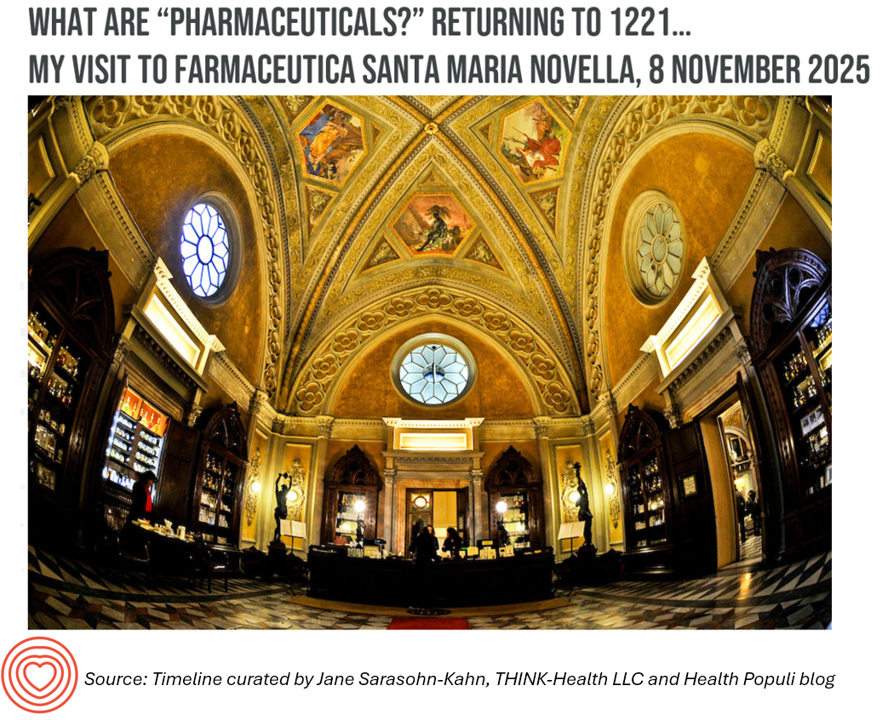
What is a pharmacy? And what are “medicines?” I’ve been thinking about this question for some time, and had the opportunity to consider this in real-time in a sort of back-to-the-past-to-the-future moment when I spent time at the glorious Farmaceutica of Santa Maria Novella (SMN) in Florence, Italy (in longhand, the “Officina Profumo-Farmaceutica di Santa Maria Novella)” on 8th November. This meet-up at this 800+ year old institution is one of many touchpoints in my work and personal life between late October and late November, where I’m working on health/care issues in 4 Euro cities: starting with London in week
The Real Face of Men’s Health in America: Years of Life Lost, Yearning for Social Connection, and Eroding Trust in Health Care

In 2023, more than one-half of male deaths in the U.S. were premature: this is The Real Face of Men’s Health in America, a new report analyzing 2025 U.S. data from the Movember Foundation. The report was published as we approach November which the project chose for Men’s Health Month when launching in Australia over 20 years ago. Compared with the rest of the economically-developed world, Movember found that the “U.S. stands out for the sheer number of years of life lost (YLL), as well as the enormous toll of men’s early deaths
Why I Love The LEGO MRI Scanner
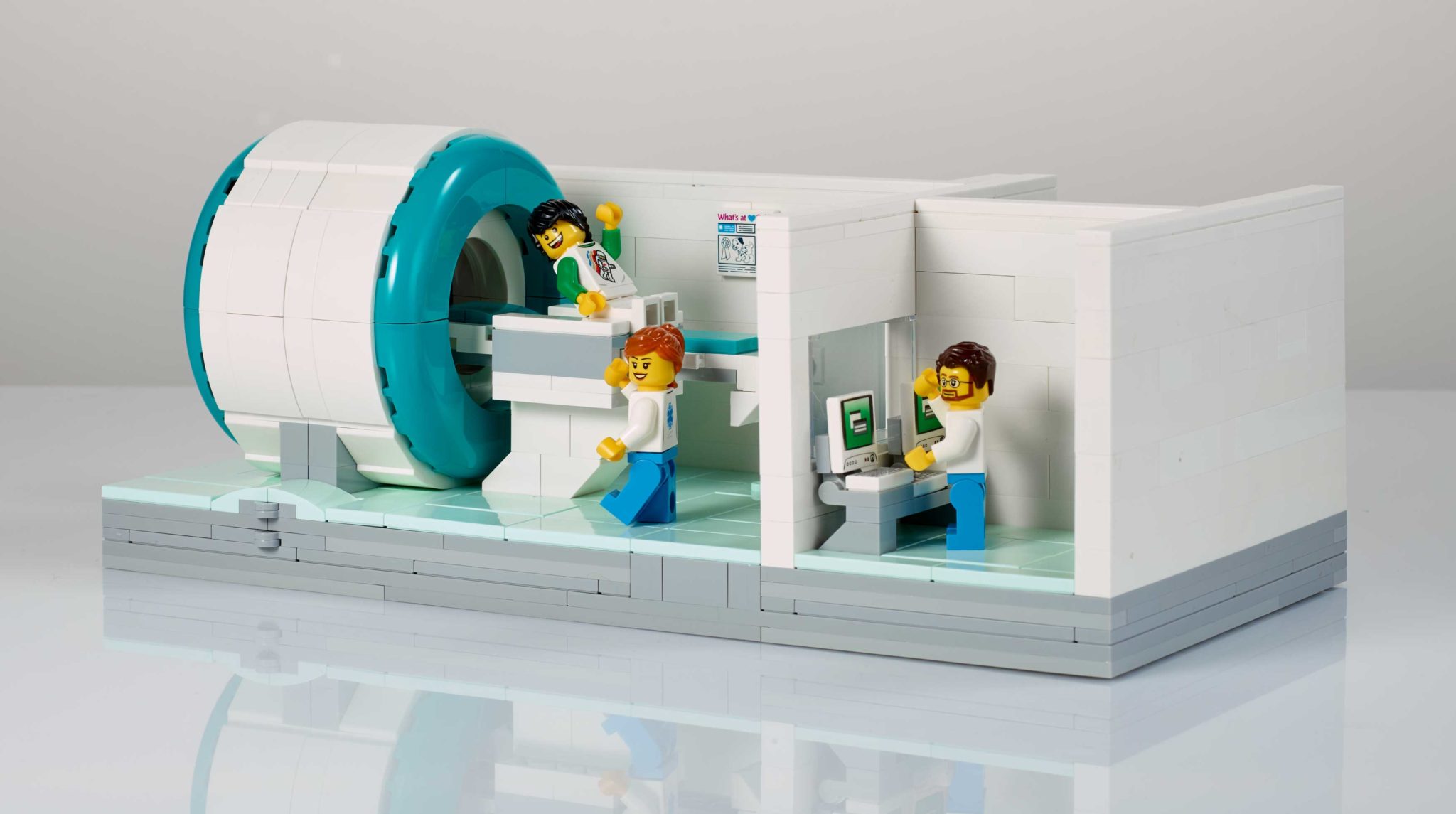
Over one million children around the world have played with an MRI building set from LEGO, which has reduced the young patients’ feelings of anxiety pre-scan along with reducing levels of need for anaesthesia to prep for the MRI procedure, according to the company’s October 13 press release. The LEGO MRI set is a project of The LEGO Foundation and its commitment to ESG — Environmental, Societal, and Governance goals. “Since 2023, more than 10,000 LEGO MRI Scanner sets have been donated to hospitals and health professionals around the world as part of the LEGO
What Pantone’s and Insulet’s Omnipod Mango Colorway Means for Patients and Community
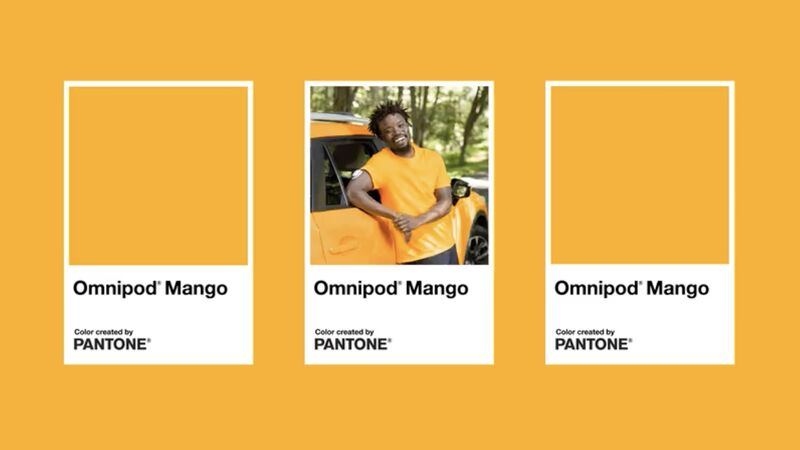
“From Pod to Pantone: Omnipod Mango becomes an iconic color,” the Insulet press release reads. How delighted I am to see that Insulet has collaborated with Pantone on developing the Omnipod Mango color for the company’s insulin delivery system. Here’s some of the story. So why “Mango?” To celebrate individualism and empowerment…and break away from “the world of traditional blues that dominate the medical and diabetes landscapes.” Instead….a bright tropical orange instead of the “medical blues,” as the color researchers pointed out. How wonderful is this? Uplifting, joyful, and representative of the Podders community and identity.
In 10 Years, Health Care Will Happen Where Life Happens – PwC’s Tea Leaves into 2035
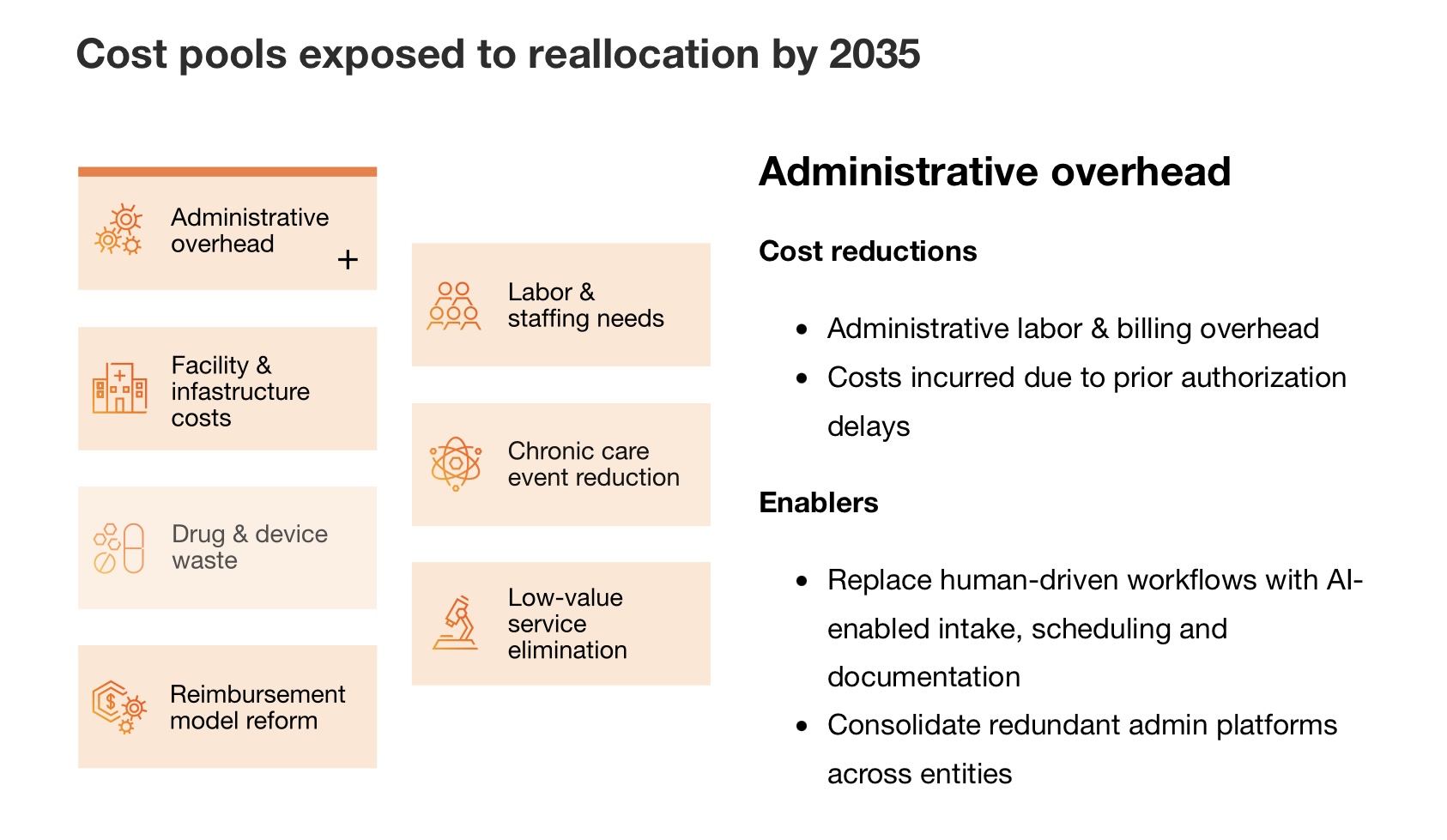
The costs of medical care are breaking the system, PwC asserts at the start of its new report on the $1 trillion opportunity to reinvent healthcare. The past 3 years of 8+% U.S. national health expenditure increases are “untenable,” PwC says, with 90% of that spending going toward patients with chronic and mental health conditions. What will transform the system and move us from “breaking point to breakthrough?” Biology and technology, PwC explains, with technology moving exponentially and simplifying care at scale, and biology decoding the “human operating system” enabling precision at scale. This
Dr. Osterholm Explains “The Big One” – A Deja Vu Moment with a True North Public Health Expert
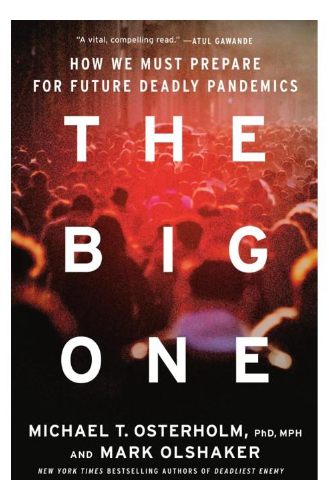
“The truism that no one is completely safe until everyone is safe is a truism because it happens to be true.” So caution Michael Osterholm, epidemiologist, professor at the University of Minnesota School of Public Health, and director of CIDRAP (the Center for Infectious Disease Research and Policy at the U-MN) and collaborating writer Mark Olshaker in their new book, The Big One. (In this post, for the sake of brevity, I’ll refer to the two authors as “O&O”). Simply put, the tagline tells us what we are about to read: a
On Labor Day 2025: From Health Care “Revenue Bounty Hunters,” Medical Bills Back into FICO Scores, the Rise of “Cute Debt,” and Tariffs — U.S. Consumers’ Face Eroding Financial Health
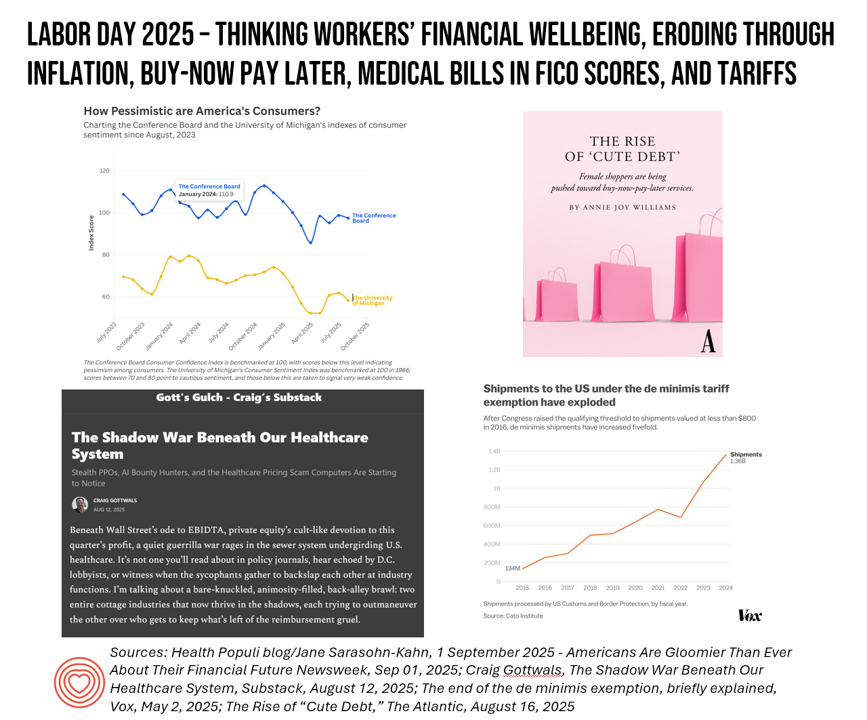
On this U.S. Labor Day 2025, the physical and the fiscal, with the mental, converge as I ponder what working Americans are facing….packing kids up for school, sorting out college payments and loans, dealing with rising costs of daily living, and feeling a growing pinch of what President Trump’s tariffs have had in store now that they’re hitting SKUs around the household. This post will cover most days this week as my own workflows will be heavy as clients return to face returns-to-work and updating scenario plans. We start this post with a headline: “Why Hospitals Are Hiring ‘Revenue Bounty
Women Walk a Financial Tightrope: What That Means for Women’s Health, Mind, Body, & Wallet
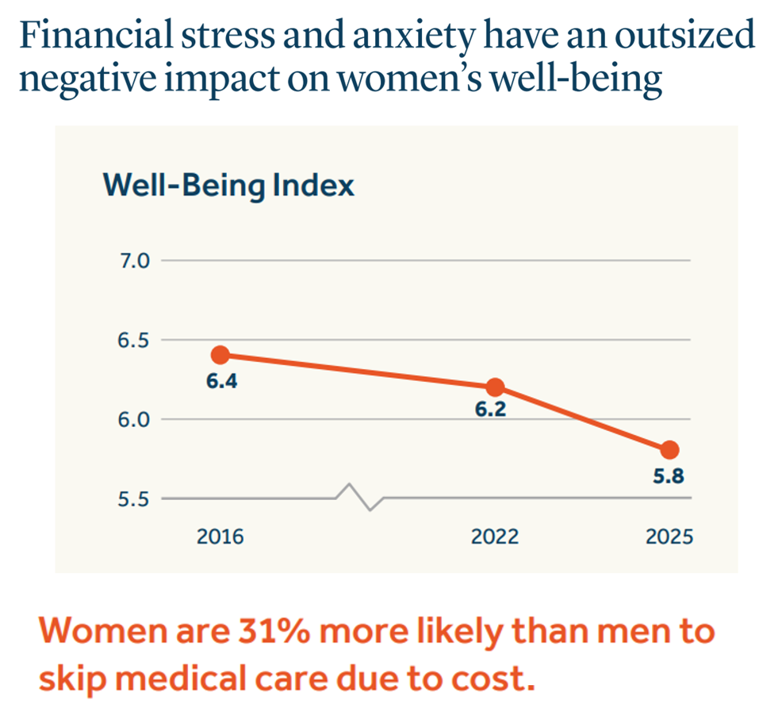
Financial stress and anxiety have an ‘outsized’ negative impact on the well-being of women in America, compared to male counterparts, we learn in Health. Wealth, and Happiness – Helping to overcome roadblocks to women’s well-being, a report from the Guardian Life Insurance Company. This report is part of Guardian’s annual research program called Mind, Body, Wallet, which the company launched 14 years ago. The goal of Mind, Body. Wallet is to assess how health citizens define “well-being” in daily living, making the crucial connections between mental health (“Mind”), physical health (“Body”), and money
How Taking Care of Our Pets Could Inspire Us to Care Better for Ourselves (and Each Other)

In a recent study which was part of the American Heart Association’s Healthy Bond for Life initiative, two-thirds of Americans told the AHA that they took better care of their pets than themselves. So with a lens on how to help inspire peoples’ self-care, I was keen to dive into research from Pet Partners Insurance (PPI), a pet health insurance provider, collaborating with the Human Animal Bond Research Institute (HABRI), to learn more about The Power of Pet Perks: How Pet-Inclusive Benefits Drive Employee Engagement, Retention, and Positive Workplace Culture. My interest
As Time Becomes More of a Luxury Thing, Consumers Ration Visits to Health Care Providers

When it comes to luxury goods, forget about that Rolex watch, a Louis Vuitton bag, or Porsche. The top luxury item among U.S. consumers in 2025 is time, and with many luxury goods, time is in short supply for most people. An important new report from Duckbill explores the Permission to Ask: Why Americans Need Help — And Why They Struggle to Get It. The top-line finding gleaned through Duckbill’s survey of 2.069 U.S. consumers in early May 2025 was that 2 in 3 Americans are just trying to get through the day. This struggle
Marketing Women’s Health: How Organon’s Nexplanon Took a Page Out of Romance Novels
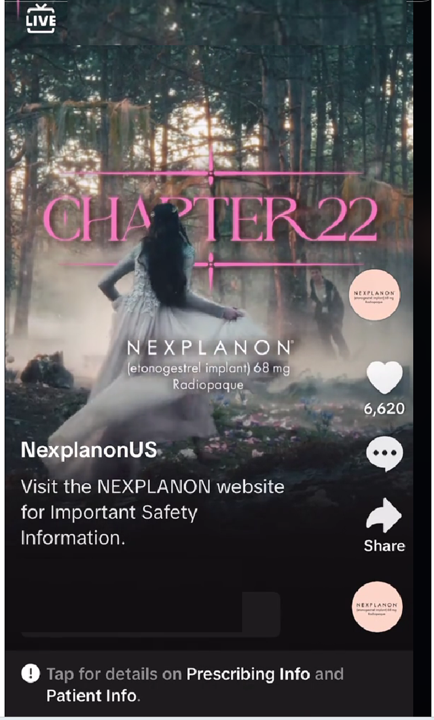
With women’s health and femtech investing in the spotlight in 2025, most of the focus has been on either women’s access to health care services (e.g., for abortion and prenatal/primary care) to start-ups focusing on fertility technology and benefits, along with growing awareness of the long-overlooked menopause market opportunity. Contraception? Not so visible. Of course, we welcomed the Opill to the over-the-counter medicines market last year with FDA approval of the switch to retail pharmacy and vending machine access. Now let me point you to a newfangled marketing campaign for
In Health Care, Consumers Are Seeking Kindness Coupled with Efficiency

Kindness + efficiency + listening + personalization: together, these are the most important experiences consumers seek from health care touchpoints, we learn in Humanizing Brand Experience: Healthcare Edition from Monigle. In this 8th volume of the company’s Humanizing series, Monigle tracks a different pattern of patient engagement — to be sure, built on trust, yet not just as a health consumer dealing with a diagnosed condition — but more holistically for getting me and keeping me healthy and well. The implication and recommendation here is to deliver even more personalized care
Americans’ Trust in Public Health Agencies Has Become Politicized, Though There is Bipartisan Support for Many Public Health Priorities

While health citizens’ trust in the “messengers” of health information has become polarized by partisans’ political views, there is real concordance of support for many public health priorities. We weave together two current studies to come to this realization: the latest (April 2025) KFF Tracking Poll on Health Information and Trust, KFF’s ongoing health survey (published 6 May); and, the de Beaumont – Harvard Chan School of Public Health poll into Americans’ views on public health in “the first 100 days” of President Trump’s presidency. First, consider the KFF study, conducted among
How Consumers’ Economic Sentiments Are Shaping Peoples’ Financial and Emotional Well-Being (Spoiler: Not So Good): Learning from CivicScience
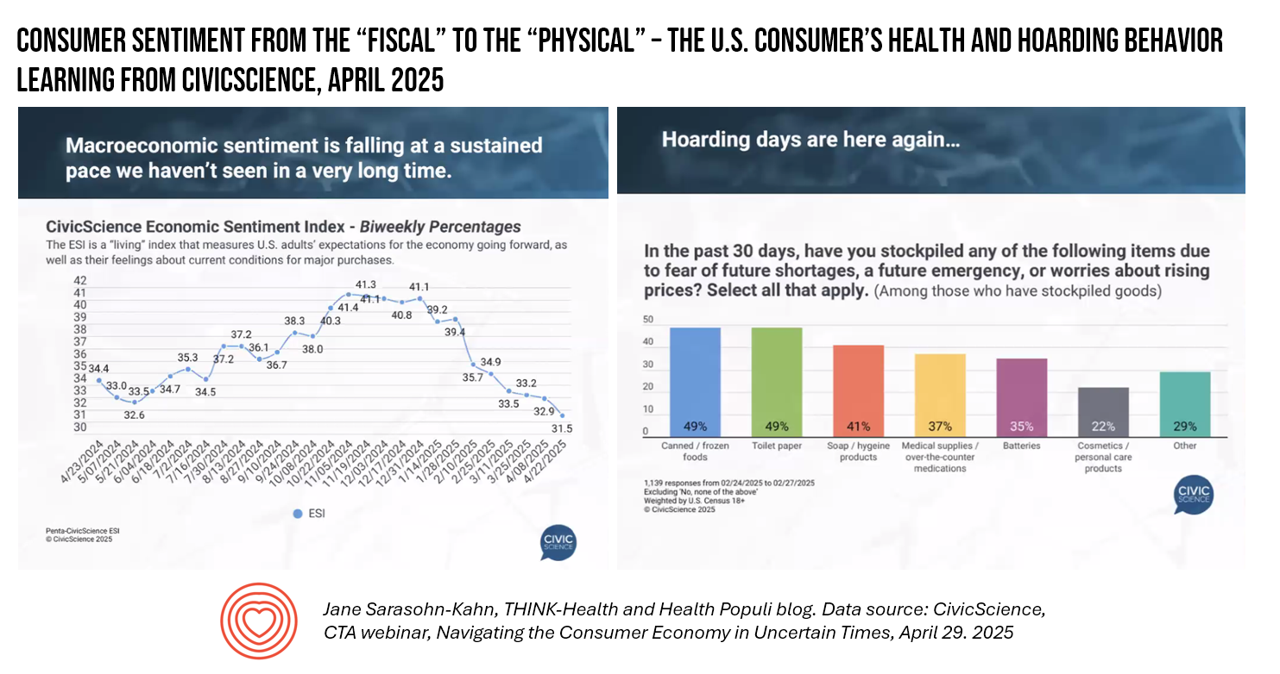
When it comes to health, the words “fiscal” and “physical” are morphing as peoples’ economic feelings (the “fiscal”) are shaping physical and emotional health, we find in U.S. consumer data presented by John Dick, Founder and CEO of CivicScience. The Consumer Technology Association convened a special session with John, who painted a portrait of the U.S. consumer at a point in time — late April 2025 — reminding us more than once during the hourlong session that, “Everything is constantly changing.” One certainty that we can be sure of, in the dismal-scientist way
Loneliness As Risk Factor for Health and Medication Adherence

The role of loneliness and social isolation plays into every aspect of human health, beyond mental and behavioral impacts: loneliness is a risk factor for overall health status and well-being, as well as a barrier to medication adherence, we learn in Loneliness and Health Behaviors: A Missing Link in Chronic Care from Pleio. Pleio launched the report at the Assembia AXS25 Conference in Las Vegas yesterday, Pleio surveyed 2,008 U.S. adults in March 2025 living with at least one chronic condition to gauge patients’ perspectives on loneliness, health outcomes, and peoples’ adherence to prescribed medicines.
“The Church As Field Hospital” – Learning from Pope Francis About the Power of Loneliness and Connection

“I see the church as a field hospital after battle.” The death of Pope Francis gives me reason today to turn to one of the key themes he spoke about during his years leading the Catholic Church. That is, the Church as Field Hospital. Healthwise, the Pope had a history of respiratory conditions which began in his early 20s when he had surgery to remove a piece of his lung affected by an infection. Still, he lived to a ripe 88 years of age, participating in Easter Sunday’s morning mass at The
U.S. Health Care in 2025 Requires Scenario Planning: The Uncertainties (AI!?) That Inspire DIY Healthcare

As Weight Watchers prepares to initiate bankruptcy proceedings, I file the news event under “thinking the unthinkable.” “Thinking about the unthinkable” is what Herman Kahn, a father of scenario planning, asked us to do when he pioneered the process. In this book, for Kahn, “the unthinkable” was thermonuclear war, and the year was 1962. The book was tag-lined as “must reading for an informed public” and in it, Kahn I’ve been drawn back to this book lately because of a more intense workflow using
Still Life in Need: Art, Food Justice, and Health
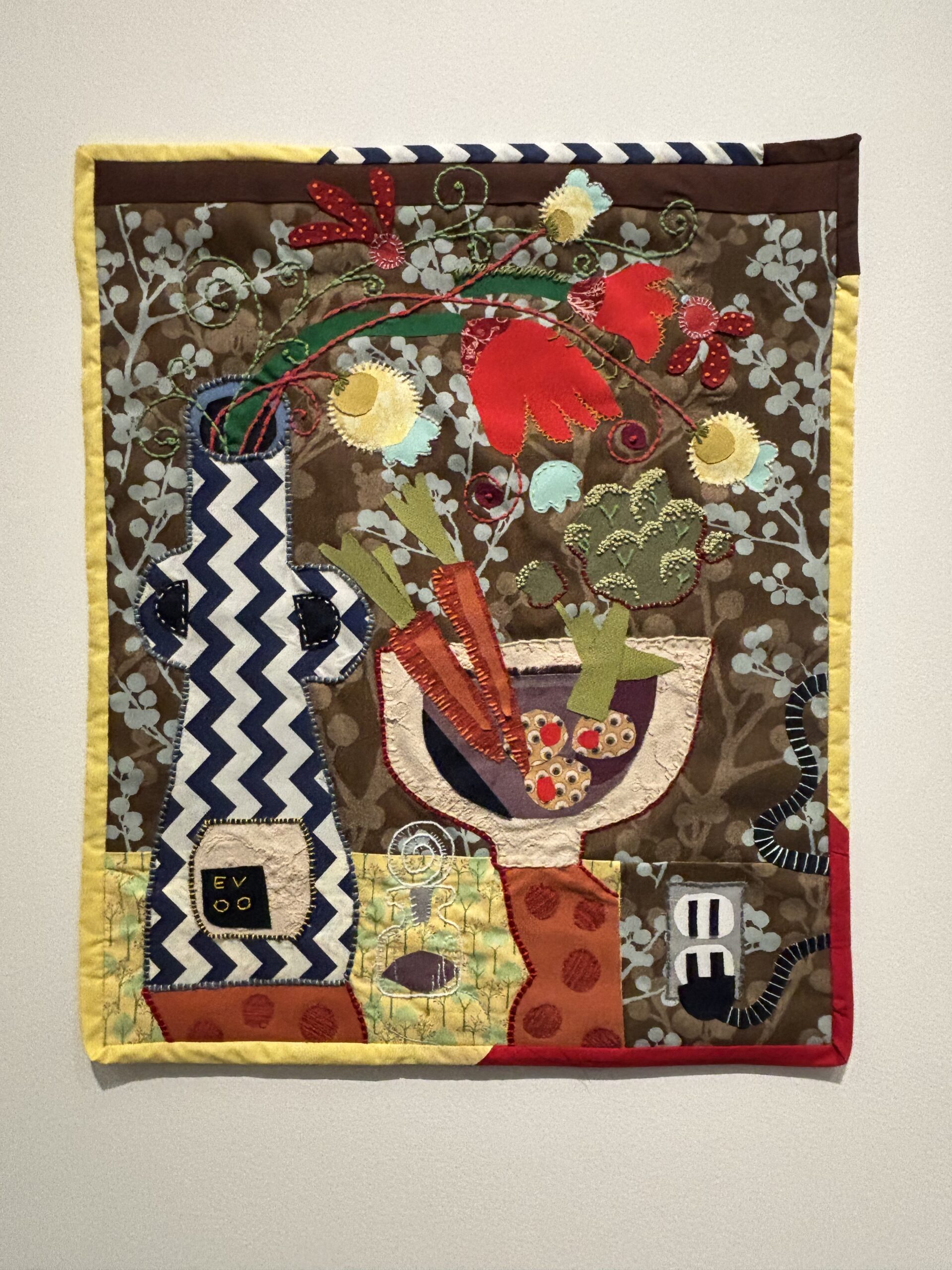
As Thomas Jefferson reminded us, travel makes us wiser…but less happy. And so it is when you confront a piece of art that makes you stop in your tracks, swim in it, and know what it’s saying in terms of what you know you know. Such was the case yesterday during a walking meeting through the Frist Art Museum in Nashville when I passed by this quilt, a multimedia work titled “Still Life in Need” by Lee Colvin, a local artist. This work was part of a
From Bowling Alone to Eating Alone – What the Shift to Take-Out Food Means for Our Social Well-Being and Mental Health
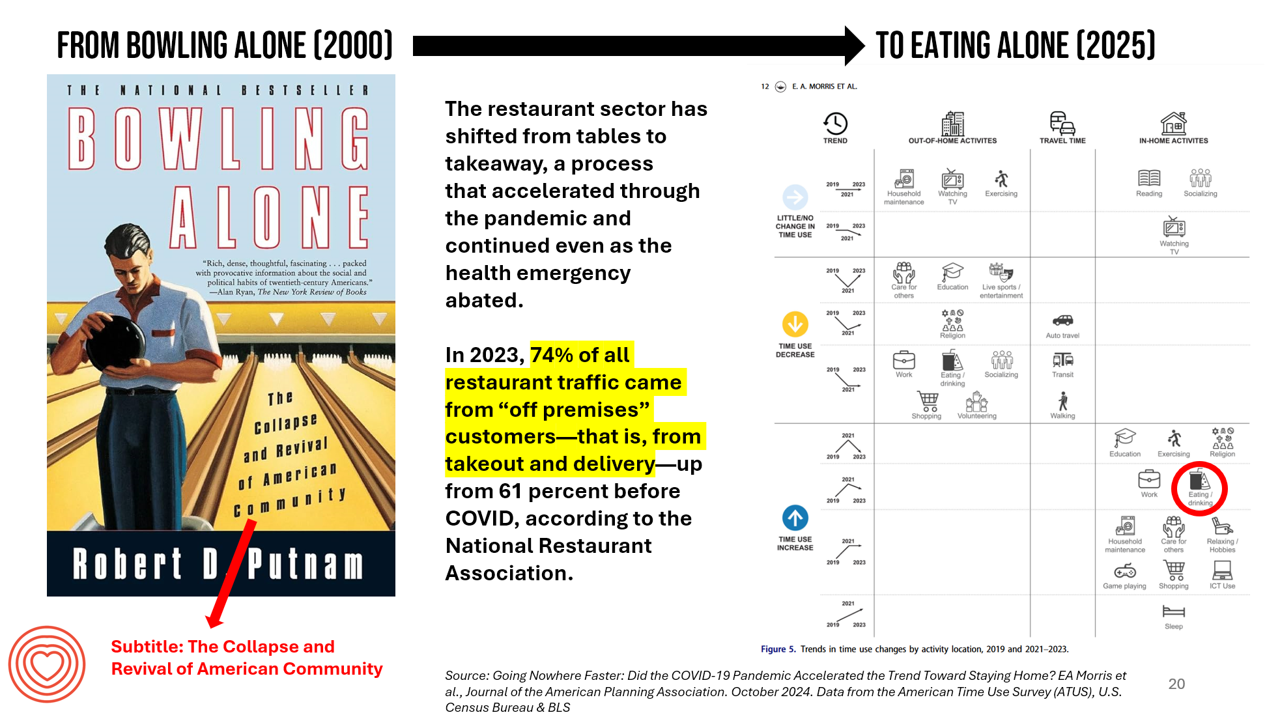
New data from the American Time Use Survey, research conducted by the U.S. Census Bureau and the Bureau of Labor Statistics, shows that Americans now favor eating in-home compared with eating out at restaurants. Corroborating this shift is other data from the National Restaurant Association sharing that 74% of all restaurant traffic in 2023 came from “off premises” customers — that is, from takeout and delivery — up from 61% in the pre-COVID era. What does this mean for our health, well-being, and sense of community and connectivity? I’m preparing a new talk to
Art Collides with Health Policy: When “When Calls the Heart” Met MAHA This Week
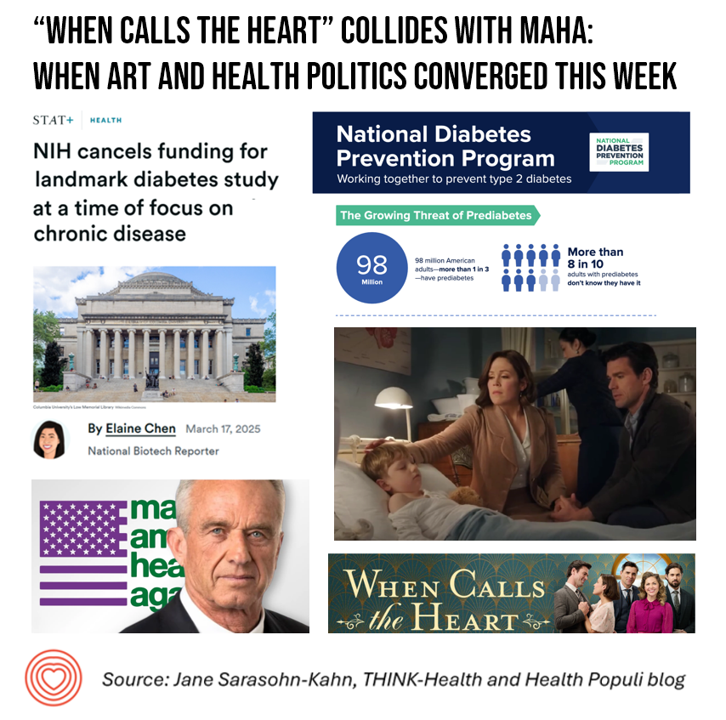
Art reflects life — or in this case, bumps into life and health care — once again when the pop culture facet of my own media consumption converges with a news announcement where the timing of these events is just too uncanny. It never occurred to me I’d ever write about the Hallmark Channel in the Health Populi blog. But reading the news that President Trump’s administration plans to cut funding for the ongoing 30-year study into diabetes and pre-diabetes — the landmark National Diabetes Prevention Program (NDPP) — dovetailed (or perhaps more honestly stated, collided) with the plotline of
The Top Patient Safety Risks in 2025 Are Mostly About the “Human OS” – Reading ECRI’s Annual Report
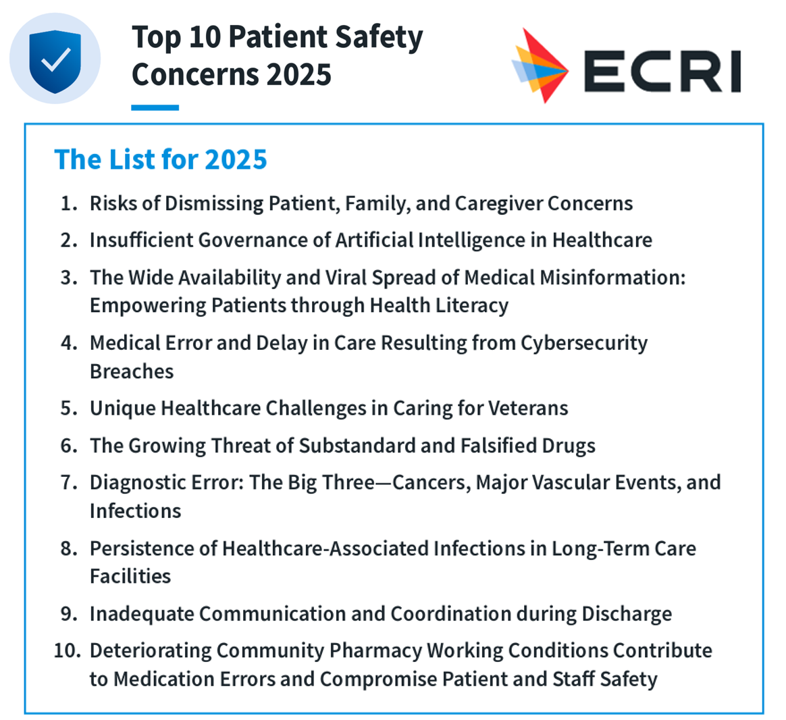
Each year, ECRI (the ECRI Institute) publishes an annual report on the Top 10 Patient Safety Concerns for the year. The 2025 list was published today. My read of it is that most of these risks have to do with what I’ve been referring to as the Human OS, the Human Operating System, in my talks and teachings. In this post, I’ll focus on 2 of the 10 most top-of-mind in my current workflow with clients and speaking: #1 and #3. Here’s the list of 10, calling out: Risks of dismissing
Consumers Are Financially Stressed – What This Means for Health/Care in 2025
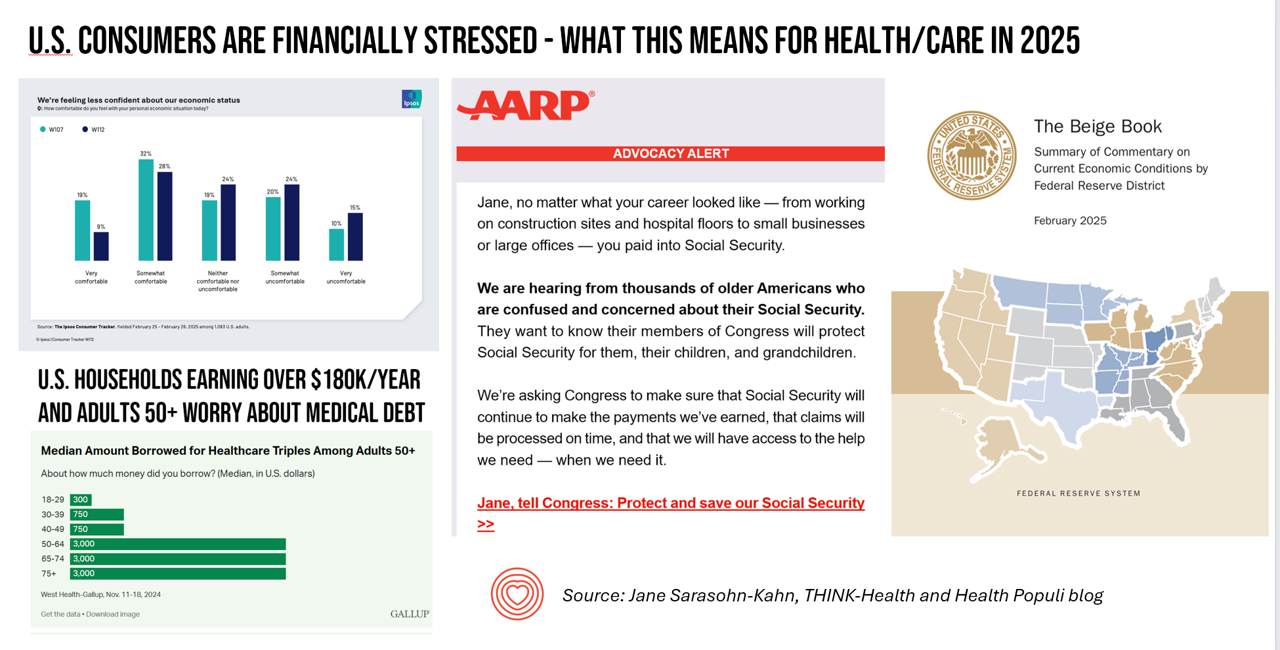
People define health across many life-flows: physical health, mental health, social health, appearance (“how I look impacts how I feel”) and, to be sure, financial well-being. In tracking this last health factor for U.S. consumers, several pollsters are painting a picture of financially-stressed Americans as President Trump tallies his first six weeks into the job. The top-line of the studies is that the percent of people in America feeling financially wobbly has increased since the fourth quarter of 2024. I’ll review these studies in this post, and discuss several potential impacts we should keep in mind for peoples’ health and
COVID-19 Further Splits American Society as Trust Continues to Erode – a 5-Year Perspective from Pew
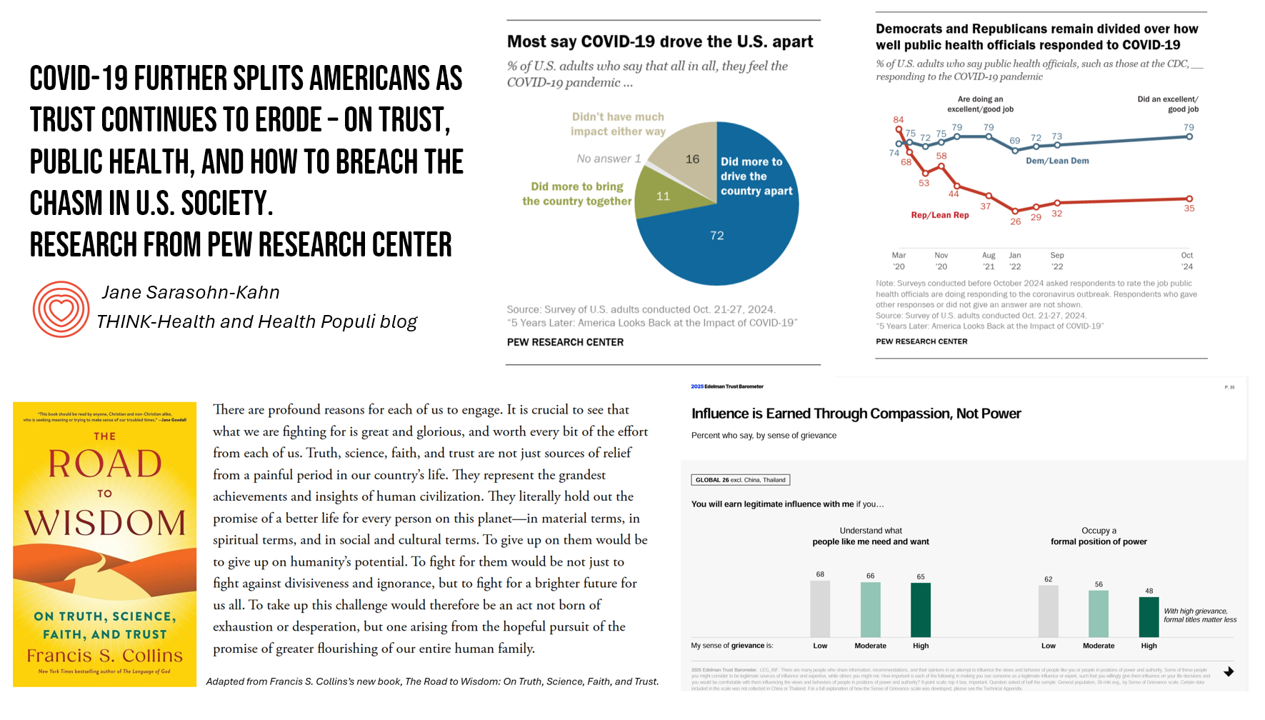
The partisan divide in the U.S., exacerbated by the COVID-19 pandemic, could set the stage for another public health emergency given eroding trust in institutions — especially in media, government, and public health officials. I base this sobering forecast on the latest study from the Pew Research Center which polled people in the U.S. about their pandemic-perspectives, detailed in the report 5 Years Later: America Looks Back at the Impact of COVID-19. Couple these findings with the recent dismissal of public health “disease detectors” working with the Centers for Disease Control (CDC), and what is currently termed a “quademic” (that
Health Consumer Check-In: From Digital Detox to Analog Wellness, Social Re-Wilding, and a Return to the Bookstore
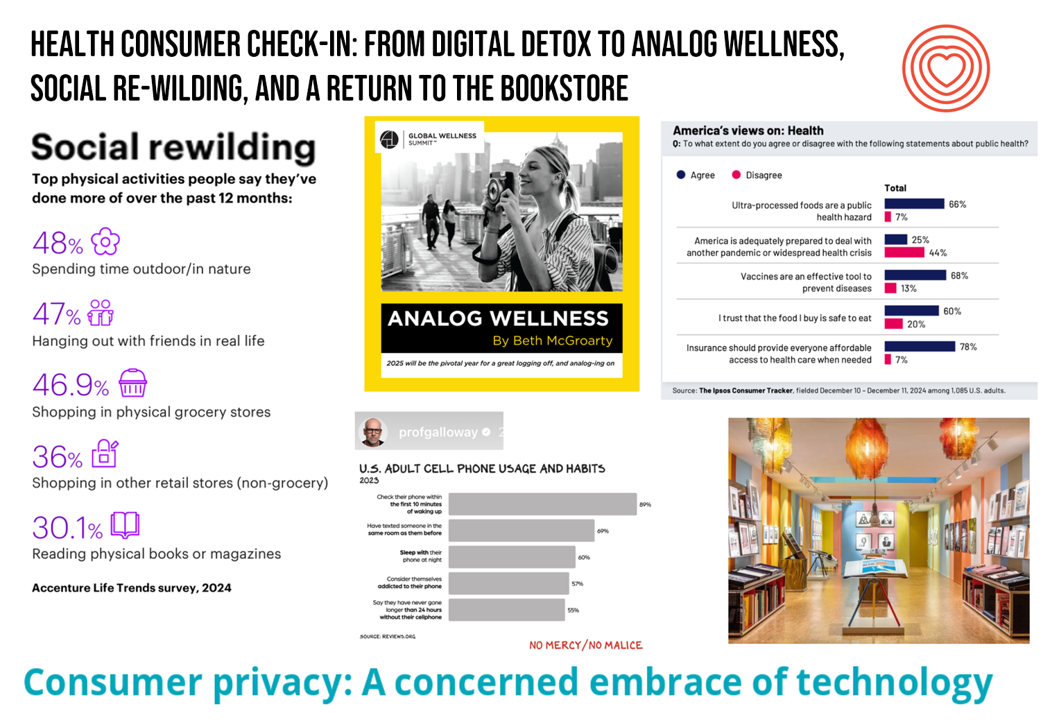
As humans have undergone personal digital transformations, living omni-channel and appreciating the conveniences that being switched-on can bring, there’s a growing demand for “analog wellness.” That’s one of ten trends covered in the Global Wellness Institute’s (GWI) report on 2025 Wellness Trends, and one I want to dig into early this year as consumers are facing growing challenges to our privacy, social bullying, and workforce stressors compelling many employees to spend too many hours in digital isolation and loneliness. To paint the larger landscape of and drivers underpinning analog wellness, I will weave several important reports and studies together, all
Measuring Progress for Life Sciences: Trust, Patient Access, and Prevention at a Fork in the Road of Public Health
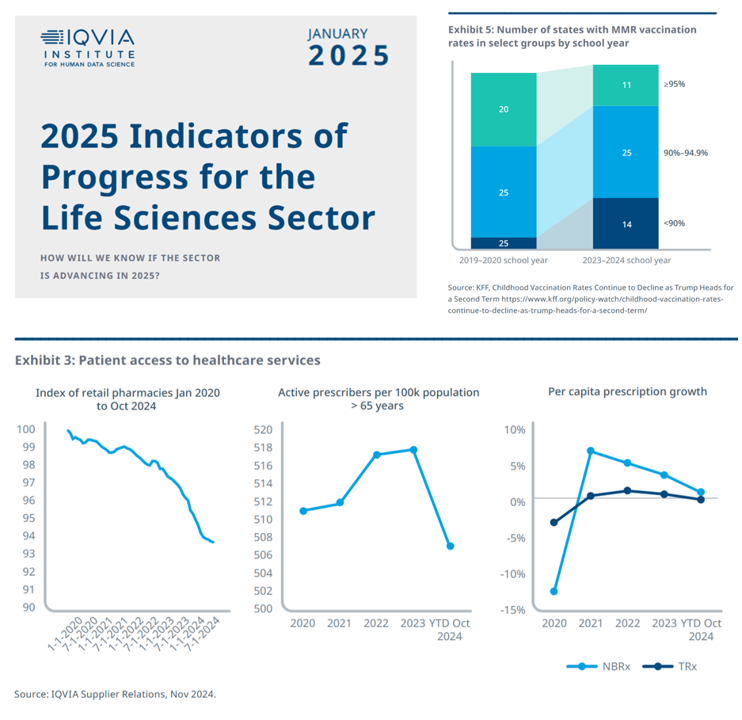
How will we know if the life sciences sector is advancing in 2025? This is the question asked at the start of the report, a Research Brief: 2025 Indicators of Progress for the Life Sciences Sector, from the IQVIA Institute for Human Data Science (IQVIA). To answer that question, IQVIA identified ten indicators for this 2025 profile on the life sciences sector. I selected four key data points for this discussion which provide particularly informative insights for my advisory work right now at the intersection of health, people/consumers, and technology: Trust for/with/in life science
There’s a Health Gap for Women Around the World – and the World Economic Forum Has a Blueprint to Fix It
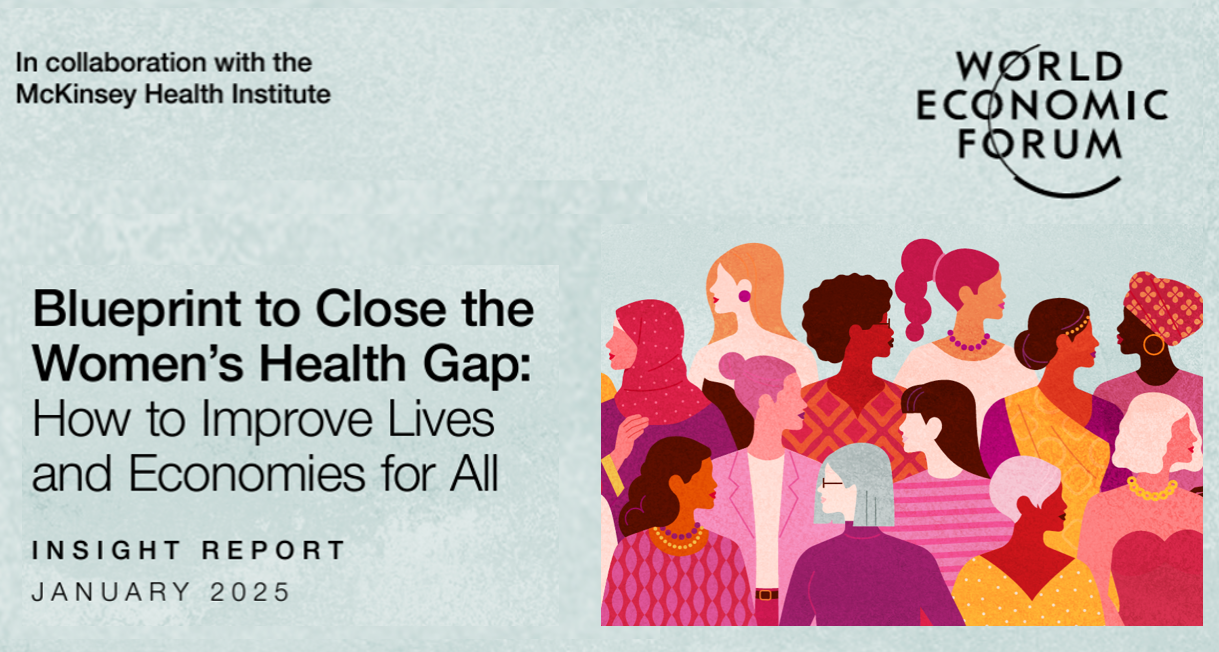
Even though women comprise one-half of the world’s population, their health outcomes and inputs do not match up to men’s: there’s a women’s health gap on Planet Earth. Meeting in Davos this week for #WEF2025, the World Economic Forum published a report on that gender-health chasm titled, Blueprint to Close the Women’s Health Gap: How to Improve Lives and Economies for All. In collaboration with the McKinsey Health Institute, the report focuses on nine key conditions that, if addressed, could reduce the global disease burden by 27 million disability adjusted life years and add
Trust and Grievance in 2025: The Edelman Trust Barometer on MLK Jr. Day Converging with the World Economic Forum Kick-Off and the Inauguration of the 47th U.S. President
At the start of each new year comes the World Economic Forum meet-up in Davos, Switzerland and with that conference start today, 20 January 2025, the publication of the Edelman Trust Barometer. Now in the study’s 25th annual edition, the Edelman Trust Barometer this year finds us, globally, in a Crisis of Grievance which is eroding trust. Edelman surveyed 1,150 residents (plus or minus) in each of 28 countries around the world, yielding over 33,000 citizens’ voices sharing perspectives on trust and institutions. Interviews were fielded from late October to mid-November 2024.
The Rough Guide to Health/Care Consumers in 2025: The 2025 Health Populi TrendCast
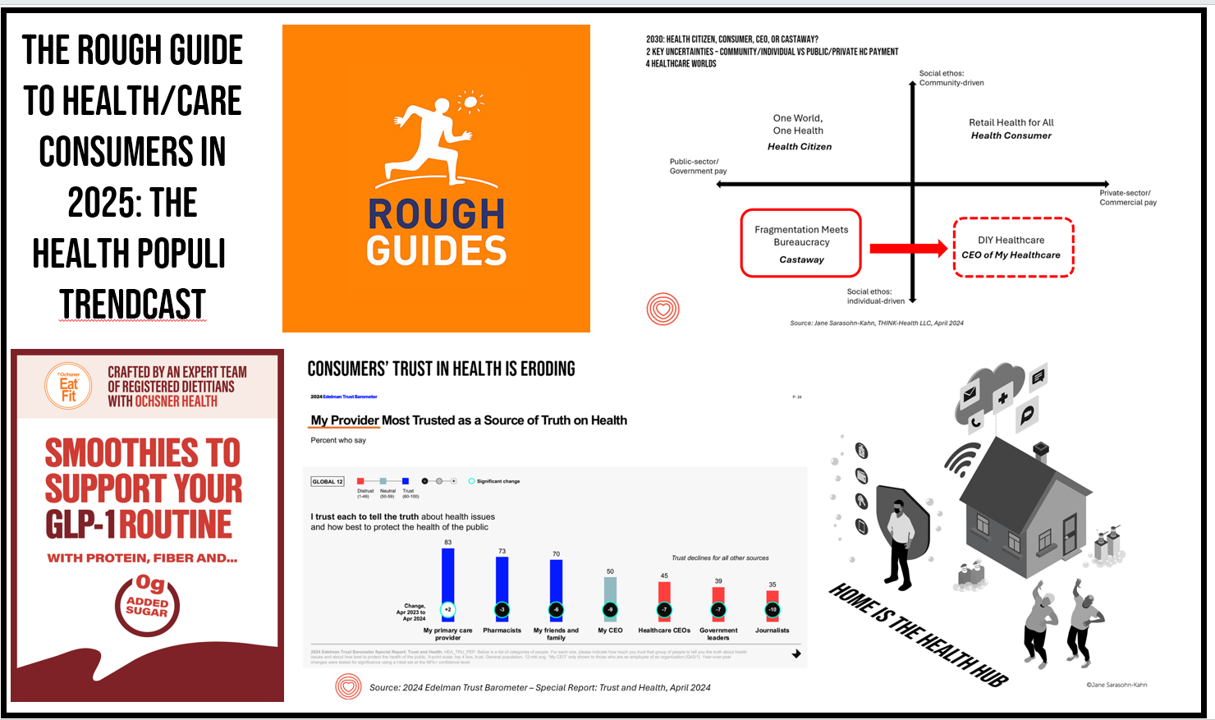
At this year-end time each year, my gift to Health Populi readers is an annual “TrendCast,” weaving together key data and stories at the convergence of people, health care, and technology with a look into the next 1-3 years. If you don’t know my work and “me,” my lens is through health economics broadly defined: I use a slash mark between “health” and “care” because of this orientation, which goes well beyond traditional measurement of how health care spending is included in a nation’s gross domestic product (GDP); I consider health across the many dimensions important to people, addressing physical,
Most People in the U.S. Trust the CDC and NIH for Health Information, and Most Want President Trump to Strengthen Health Institutions
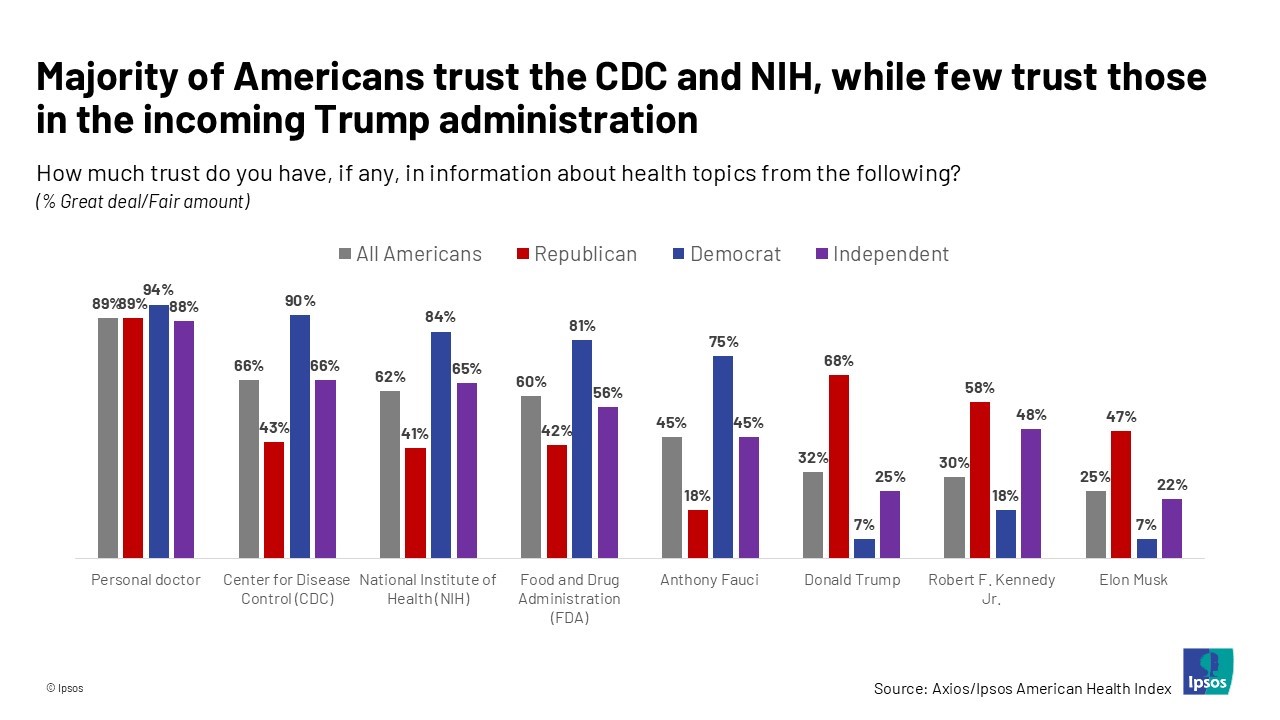
Most health citizens in the U.S. trust the CDC, NIH, and FDA, and most people also want the 47th incoming President Donald Trump to strengthen health/care institutions — from the VA and FDA to Medicare, Medicaid, as well as the CDC and Affordable Care Act. The Axios/Ipsos American Health Index, published this week, reveals both concurrence among U.S. health consumers with some striking differences across political party ID. Axios and Ipsos fielded a survey among 1,002 U.S. adults in early December to glean peoples’ perspectives on health, trust, and a variety of health and social policies.
How Trauma-Informed Design Principles Can Be Health-Ful for All of Us – Learning from IKEA
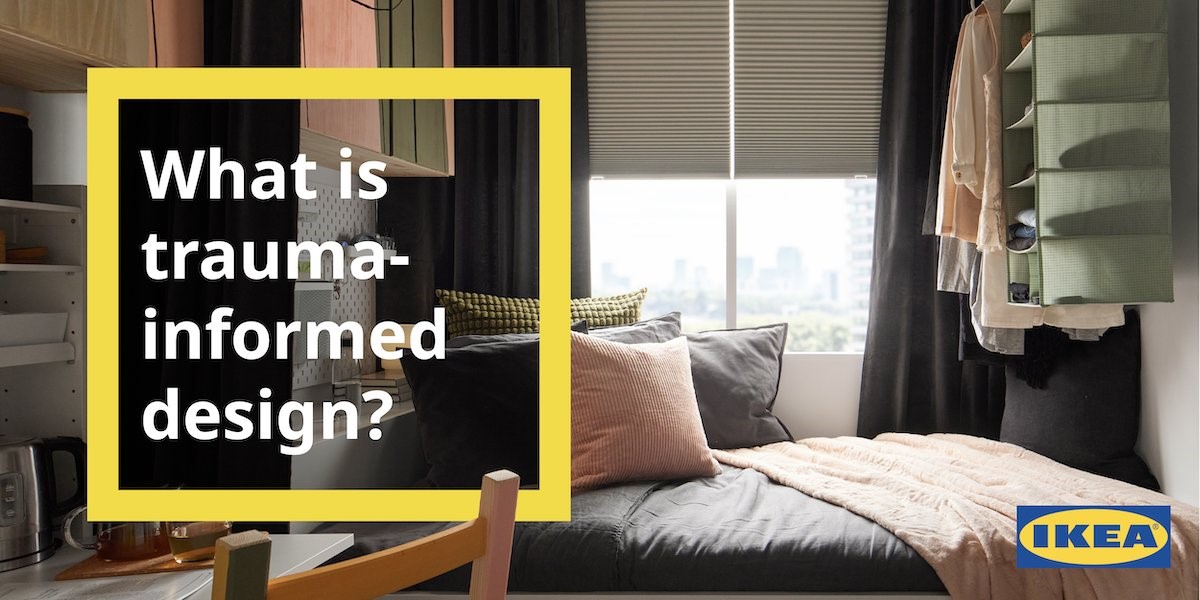
As a long-time fan and customer of IKEA, I receive daily Google Alerts about the company, from business finances to design trends. When I read this piece on IKEA’s work on a home designed for people who were homeless, I paid special attention to learn about the concept of trauma-informed design. Thanks to the publication Retail TouchPoints and the author of the story, Adan Blair, for covering this project. The story has lit a lot of lightbulb inspirations for me in thinking through the role housing plays in human health and well-being, and also to
How World AIDS Day 2024 Can Inform Healthcare in 2025
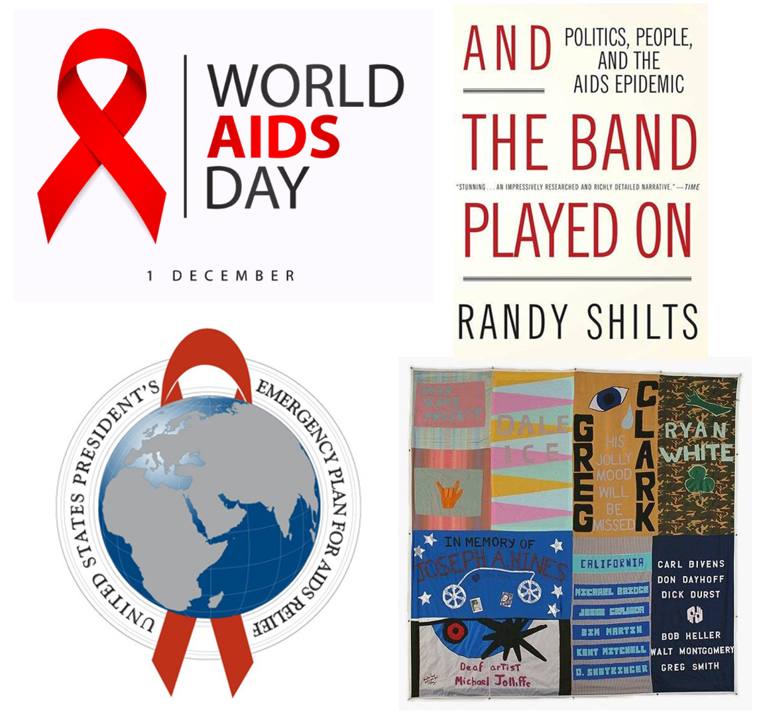
December 1 2024 was World AIDS Day, which was observed by the Biden White House with the display of the entire AIDS Memorial Quilt on the South Lawn — all 54 tons of it. The Biden-Harris Administration announced efforts, in advance of World AIDS Day, to continue to fight HIV/AIDS “at home and abroad.” The press release for the effort noted that, ”We remember those who have died from AIDS-related illnesses—honoring their courage and contributions as essential to the progress made thus far. We also stand in solidarity with the more than 39 million people with HIV around the world.
The Evidence for Gratitude and Health, 2024 Giving Thanks
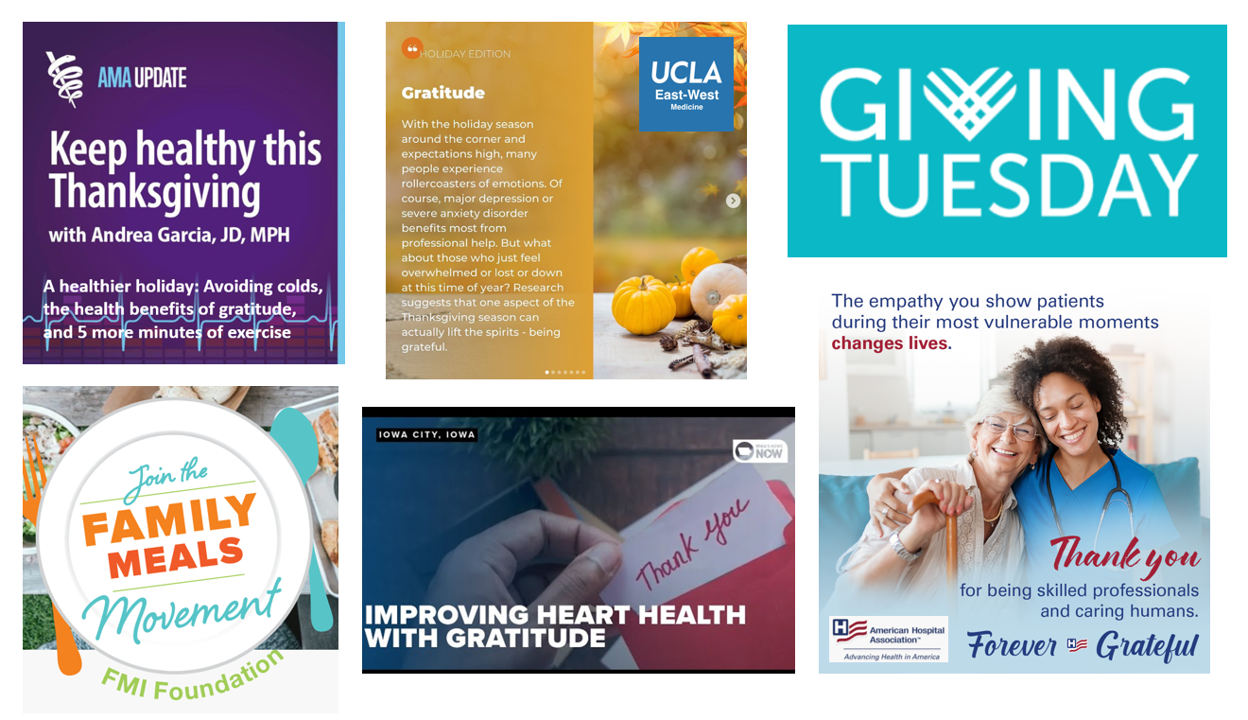
In our home, we’re feeling very grateful for our healthy lives and work-flows right now, being very mindful about seeing blessings around me and within me…. So I’m sharing the love (or “scaling the love” as I recently coined at OSF’s Digital Health Symposium!) to honor American Thanksgiving 2024 here in Health Populi pointing out several sources highlighting the evidence on gratitude and health….underpinned with love, the ultimate driver of health and well-being. Leslie Sarasin, President and CEO of FMI, the Food Industry Association, reminds us that, “Our immigrant ancestors, the pilgrim settlers, worked hard
3 in 4 U.S. Patients Say the Healthcare System is Broken — But Technology Can Help
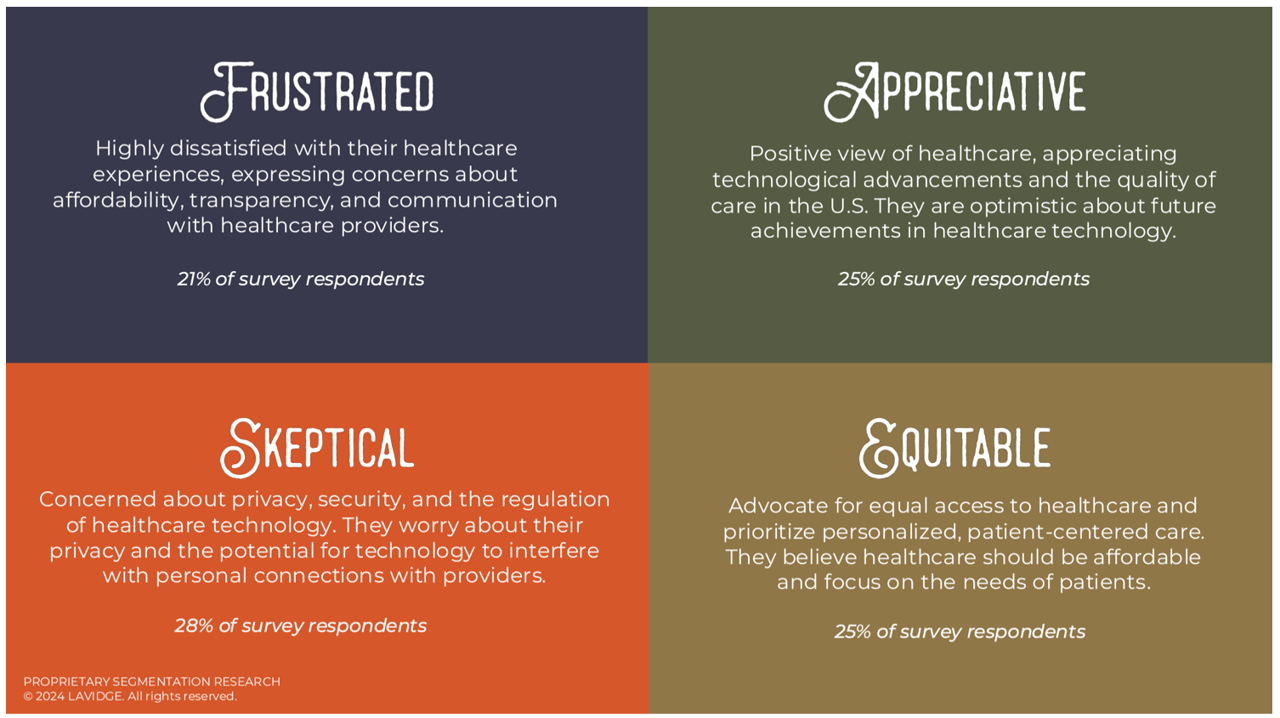
Patients “yearn” for personalized services and relationships in health care — optimistic that technology can help deliver on that hope — we learn in Healthcare’s Future: Balancing Progress and Perception, a health consumer survey report from Lavidge. Lavidge, a communications/PR/marketing consultancy, polled U.S. patients’ attitudes about health care and technology in June 2024, publishing the report earlier this month. Start with over-arching finding that, “Three out of four patients believe the U.S. healthcare system is broken and there is a strong sense of distrust,” Lavidge asserts right at the top of
“People will seek wellness, peace and healing” – Reading the GWI Future of Wellness Report, 2024 Trends
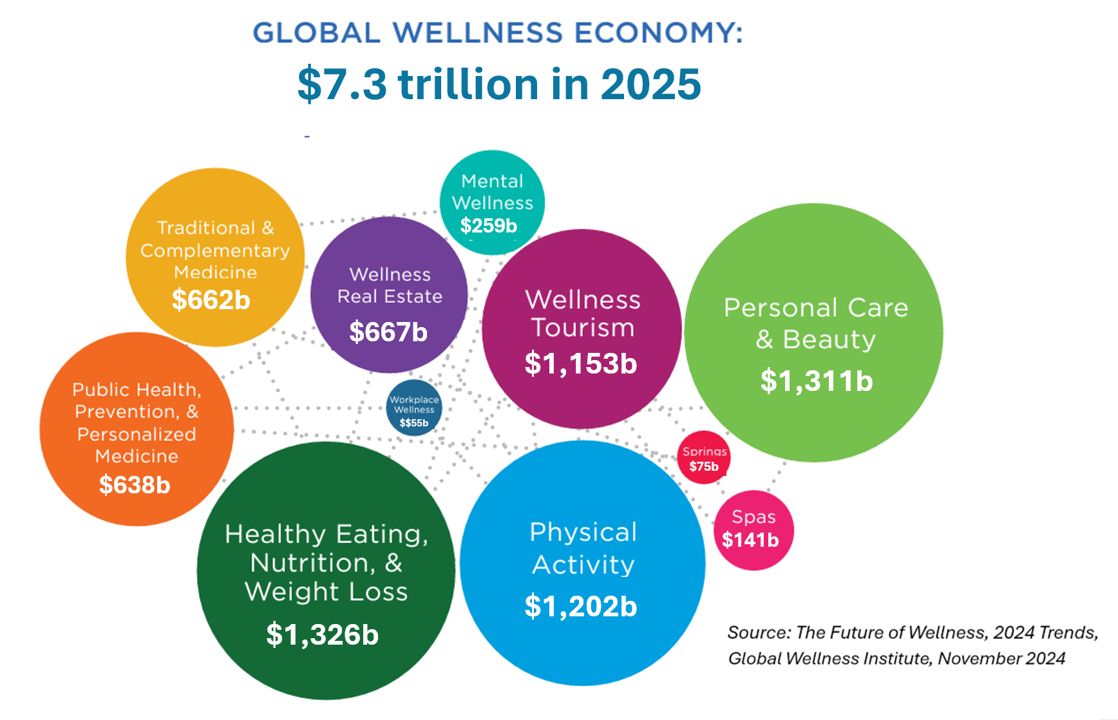
Healthy eating and weight loss, personal care and beauty, exercise and physical activity, and wellness tourism are the four biggest components of the world’s wellness economy, quantified in The Future of Wellness, 2024 Trends, the perennial report from the Global Wellness Institute (GWI). Here’s the bubble chart, which I’ve updated with the 2025 data so we get a sense of what the coming year will bring for the eleven total segments that make up the global wellness market. The fine print of the projections for these areas identifies the annual growth rates for
Peace and Health: A Causal Relationship Explored in the AMA Journal of Ethics
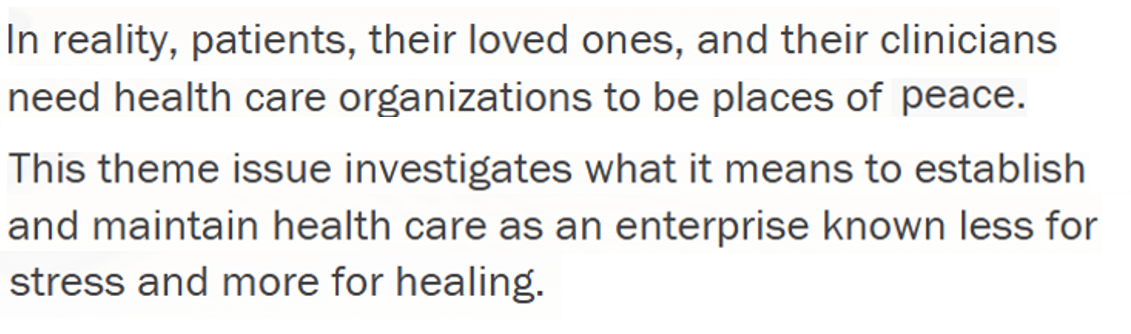
“Peace and health are inextricably connected,” the Editors of the AMA Journal of Ethics introduce an issue of the journal devoted to Peace in Health Care published November 2024. In this timely journal issue, we can explore nearly one dozen essays exploring the interrelationship between peace and health in various clinical, care, and community settings — including hospice, maternal/child care, built environments, and adjacencies looking at the use of psychedelics and music for quieting one’s inner voices. You, the reader, will find your own favorite issues to explore based on your work, values, and interests.
How’s Life? Around the World – In the U.S., It’s the Sadness That Stands Out
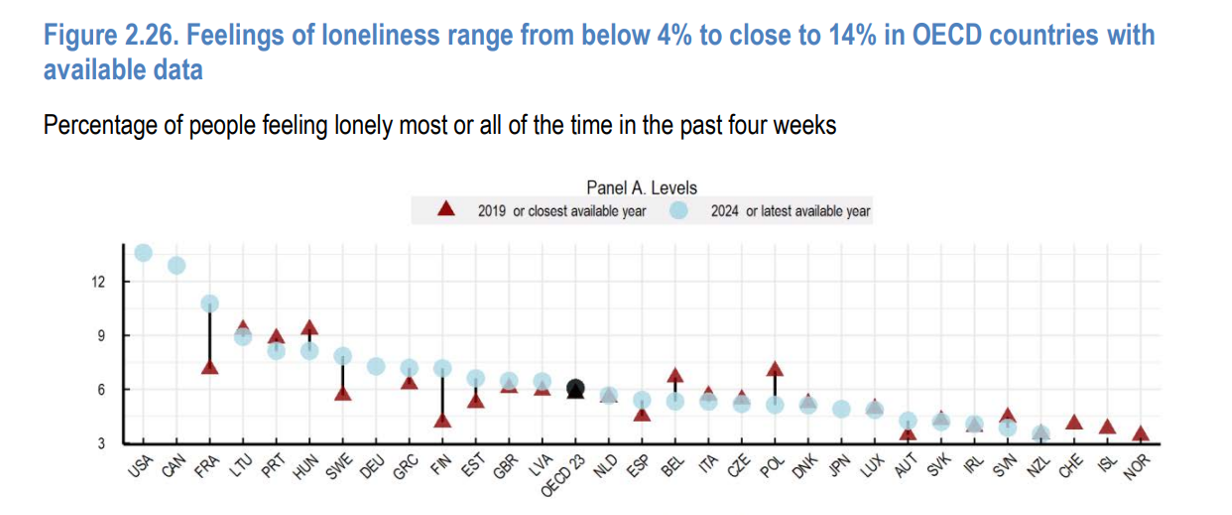
A new report from the OECD asks the question, “How’s Life?” with the tagline letting us know the plotline focuses on “well-being and resilience in times of crisis.” The Organization of Economic Cooperation and Development (OECD) has tracked the well-being of member nations for the past six years, taking a broad view on the definition of holistic health — including physical, mental, financial, and social aspects of people living in OECD countries. The first “How’s Life?” report was published at the height of the global financial crisis; the authors of this report introduce it saying that, “the
Women and #Election2024: Listening to Abigail Adams
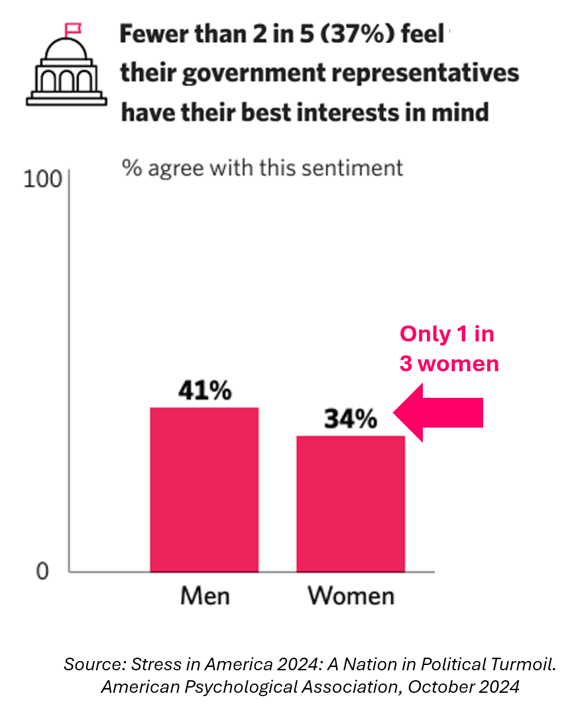
With a handful of days before #Election2024 delivers final voters to polls in the U.S. on November 5th, Americans’ political stress is hitting fever pitches from all points on the U.S. political spectrum. Here is the sticker I am using in my journal today, November 1 2024, from Mental Health America. “Vote as if your mental health depends on it.” MHA has a portal devoted to 2024 Election Mental Health Resources, including a section with “mental health voter merch” to call out the phenomenon of political stress and support the efforts
We Are Stressed in America – APA’s 2024 Stress in America Survey on “A Nation in Turmoil”
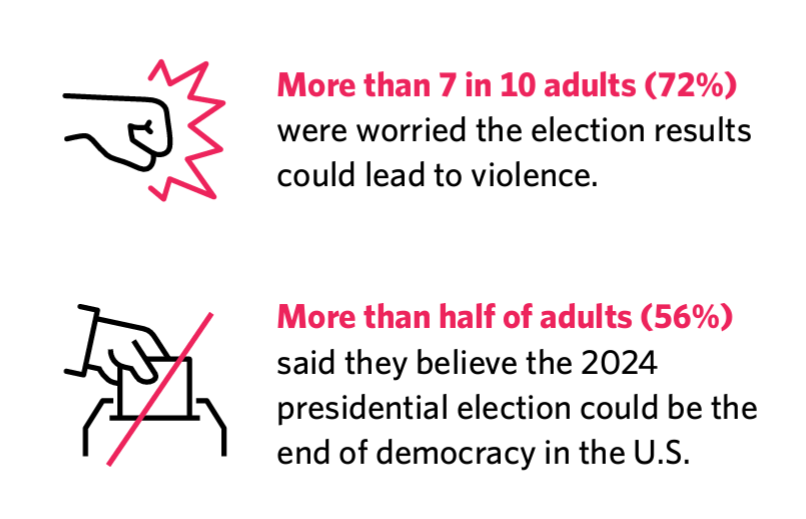
Two in three people in the U.S. are dealing with Presidential Election Stress — a significant contributor to Americans’ overall stress we learn from the American Psychological Association’s study into Stress in America 2024. I’ve covered the APA’s Stress in America studies for many years, appreciating the role that anxiety and stress play in peoples’ overall health status and well-being. In 2024, “stress” is a mainstream factor in daily life whether you identify with Main Street or Wall Street. Here was my most recent post on the APA study here in Health Populi,
How Much Would Adults Age 50+ Trust AI-Generated Health Information? Not Much.
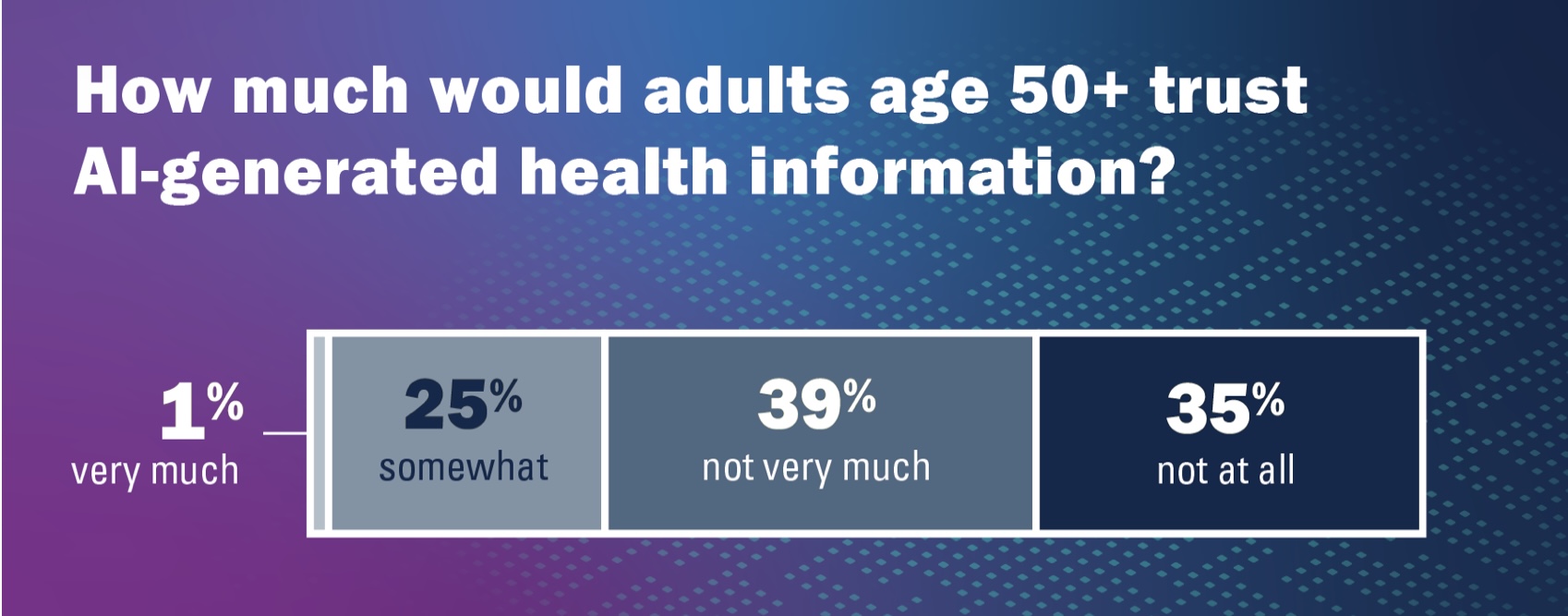
Health literacy and, indeed, literacy across the many layers relevant for health (digital, medical, financial), is a challenge for people of all ages. The Institute for Healthcare Policy Innovation’s National Poll on Healthy Aging at the University of Michigan focused on people 50 and over in their latest study published this month: Health Literacy – How Well Can Older Adults Find, Understand, and Use Health Information. On the upside, 4 in 5 older people (50+) feel confident in being able to spot health mis-information, the chart from the Poll report clearly tells us. 20% of older U.S. health citizens are
Well-Being Burnout – Lululemon’s 4th Annual Study Into Our Pressured Lives
Lululemon has published the 2024 Global Well-Being Report, a study into peoples’ perspectives on their personal health from the company best known for athleisure wear and self-care. This year’s report is titled, The Pressure to Be Well. That pressure is coming from peoples’ experiencing “well-being burnout.” In the company’s fourth annual report on well-being, Lululemon learned that most people have tried to adopt personal strategies to bolster their health, and one-half of these folks are confronting “well-being burnout.” Lululemon collaborated with Edelman Data & Intelligence to field the study in April and May 2024 in 15 markets where the company
All Heart – Thinking Hearts, Health, and Love in Valencia, Spain

The clinical evidence base continues to grow making the case that art and creativity can be drivers for health and well-being — as it’s proven to me in my own life. Most recently, cases have been made by Emily Peters, documented in her book Remaking Medicine; by Robin Strongin, advocate for arts, medicine, and well-being from her base in Washington, DC; and, by my Belgium-based colleague and friend Koen Kas whose book addressing themes of art and health will soon be published. I was inspired at the convergence of art and well-being during a visit on 20 September to the
How Voting Plays Into Health, Health Equity, and Community Well-Being
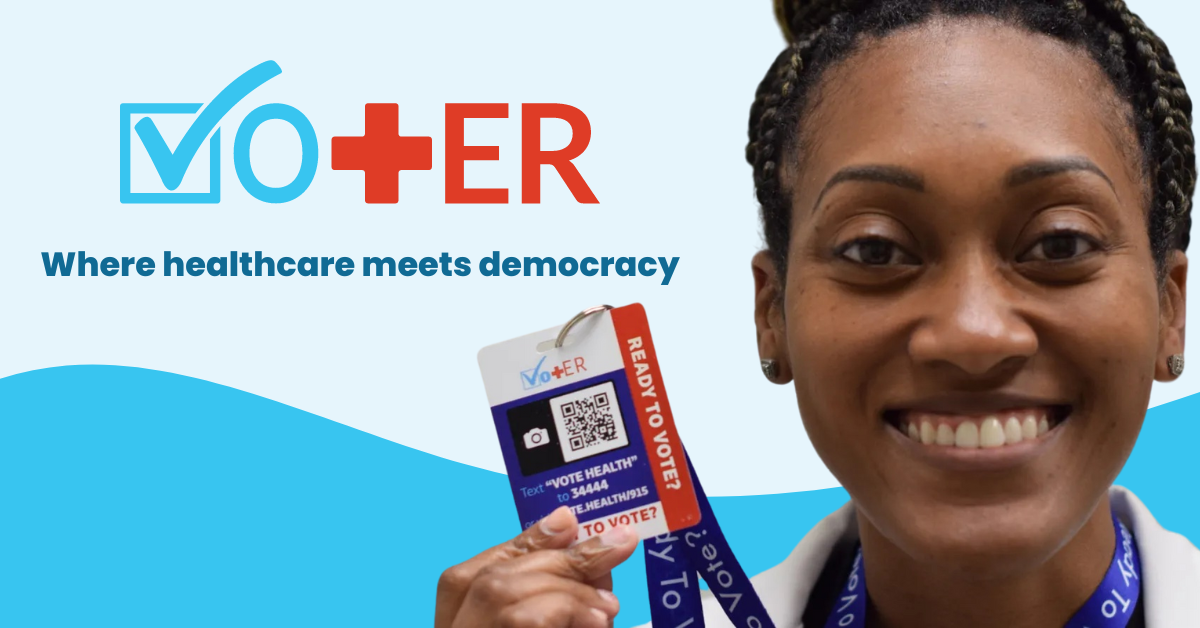
“Voter registration in hospitals is the new frontier in health care.” That’s the headline in a WBUR story last week detailing the efforts of health care professionals in “amplifying” their patients’ voices inside and outside of the hospital walls by advocating for their health citizenship — through voter registration and public health policy advocacy. I’m a long-time evangelist for health citizenship and the role that a person’s engagement in the civic commons plays in one’s own health, the health of their communities and of the nation as a whole. I’m not alone
“Listen to Me:” Personalization in Health Care Starts With Taking Patients’ Voices Seriously – the 15th Beryl Institute-Ipsos PX Pulse Survey
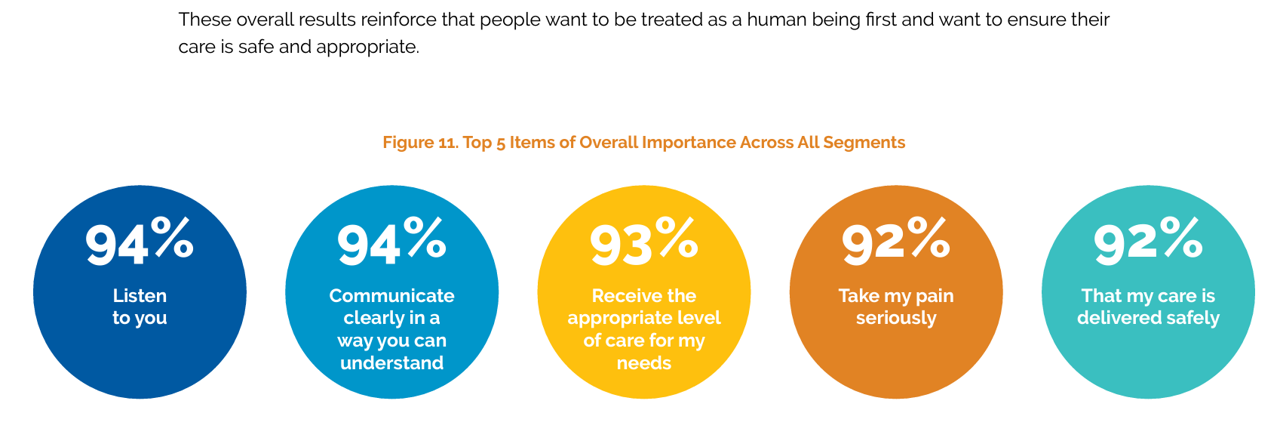
Patients’ experience with health care in the U.S. dropped to its lowest point over the past year, explained in the 15th release of The Beryl Institute – Ipsos PX Pulse survey. The study into U.S. adult consumers’ perspectives defined “patient experience” (PX) as, “The sum of all interactions, shaped by an organization’s culture, that influence patient perceptions across the continuum of care.” The survey was fielded by Ipsos among 1,018 U.S. adults in March 2024. Health care providers (and other industry stakeholders that go B2B or B2B2C (or P) are all thinking
A Tax on Moms’ Financial and Physical Health – The 2024 Women’s Wellness Index
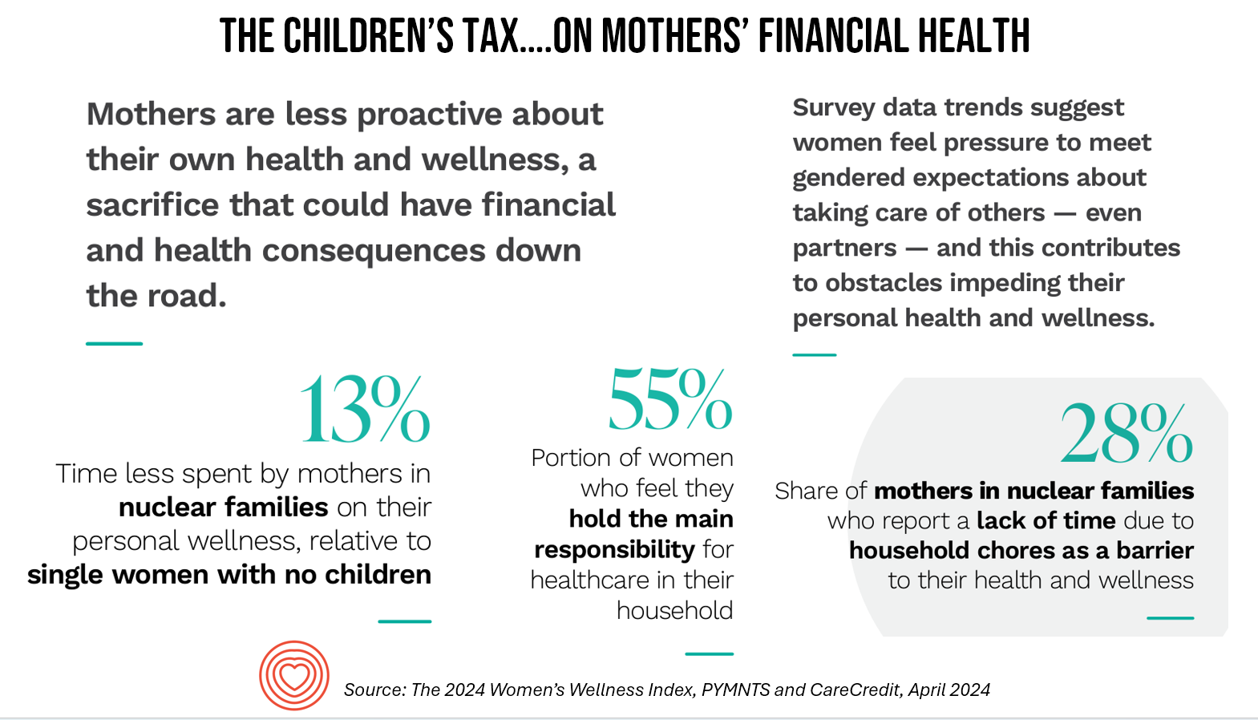
“Motherhood is the exquisite inconvenience of being another person’s everything” is a quote I turn to when I think about my own Mom and the remarkable women in my life raising children. With Mother’s Day soon approaching, the 2024 Women’s Wellness Index reminds us that the act of “being another person’s everything” has its cost. The Index, sponsored by PYMNTS in collaboration with CareCredit, was built on survey responses from 10,045 U.S. consumers fielded in November-December 2023. The study gauged women’s perspectives on finances, family, social life impacts on health and well-being. My key takeaway from
The Women’s Health Gap Is Especially Wide During Her Working Years – Learning from McKinsey, the World Economic Forum, and AARP in Women’s History Month
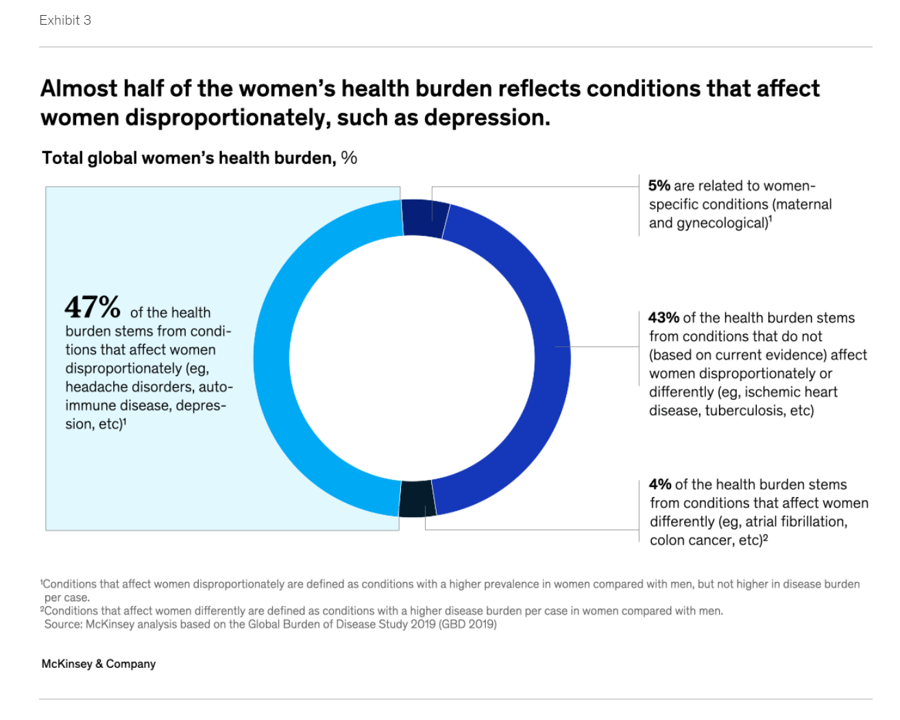
There’s a gender-health gap that hits women particularly hard when she is of working age — negatively impacting her own physical and financial health, along with that of the community and nation in which she lives. March being Women’s History Month, we’ve got a treasure-trove of reports to review — including several focusing on health. I’ll dive into two for this post, to focus in on the women’s health gap that’s especially wide during her working years. The reports cover research from the McKinsey Health Institute collaborating with the World Economic Forum on
Hospital at Home: Prospects and Challenges, and Learnings from Best Buy Health
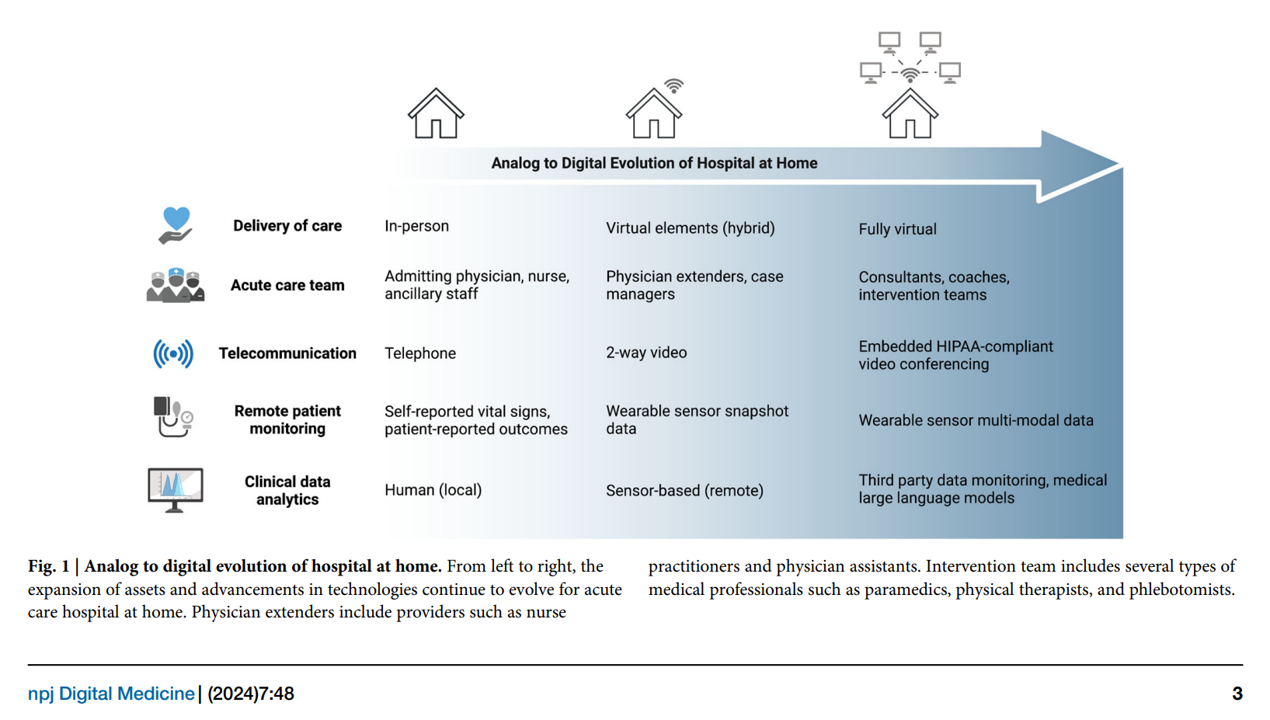
With the urgent need to identify more efficient and lower-cost health care delivery models, we look to growing evidence for digital health technologies that support the Hospital at Home (HaH) model, considered in a new review article published in late February in npj Digital Medicine, The hospital at home in the USA: current status and future prospects. Clinicians from Scripps Research and Johns Hopkins School of Medicine collaborated on this work, calling out the relatively fast adoption of HaH programs during the peak of the COVID-19 pandemic. In some parts of the world, such as Australia and Norway, “in-person at-home
A Health Consumer Bill of Rights: Assuring Affordability, Access, Autonomy, and Equity
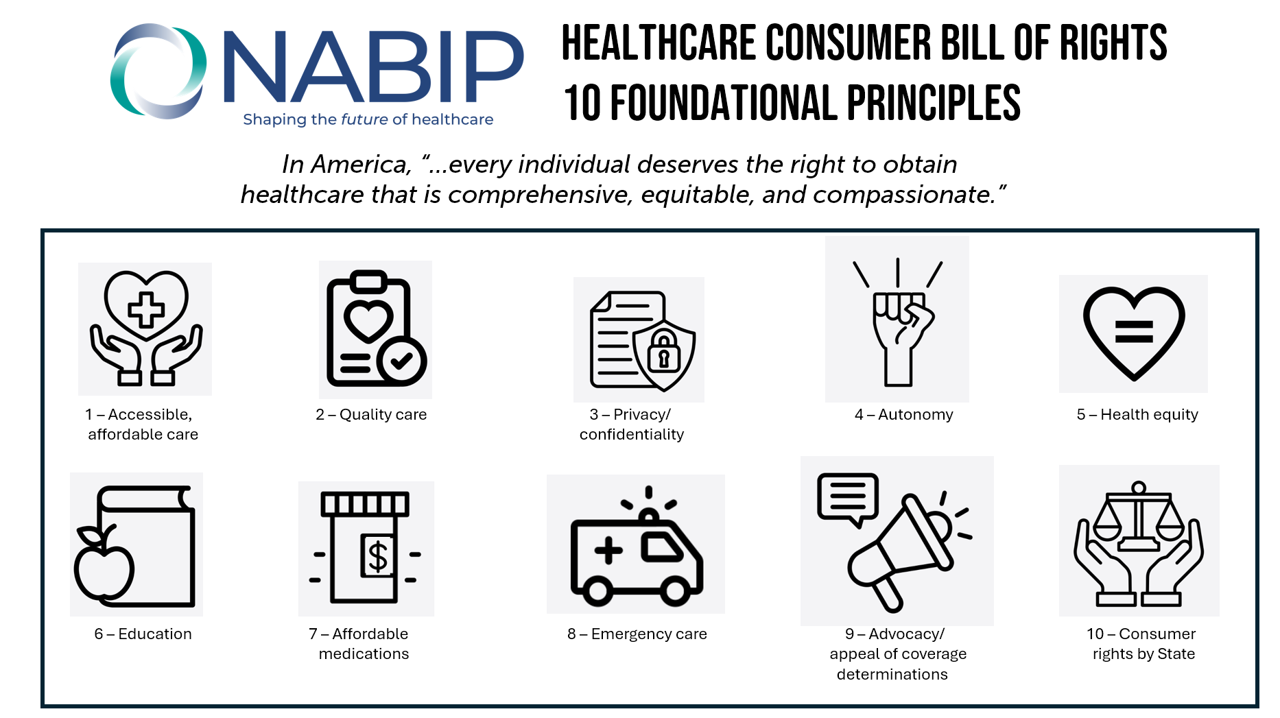
Let’s put “health” back into the U.S. health care system. That’s the mantra coming out of this week’s annual Capitol Conference convened by the National Association of Benefits and Insurance Professionals (NABIP). (FYI you might know of NABIP by its former acronym, NAHU, the National Association of Health Underwriters). NABIP, whose members represent professionals in the health insurance benefits industry, drafted and adopted a new American Healthcare Consumer Bill of Rights launched at the meeting. While the digital health stakeholder community is convening this week at VIVE in Los Angeles to share innovations in health tech, NABIP
Rebel Health: The Personal and Professional Passion of Susannah Fox
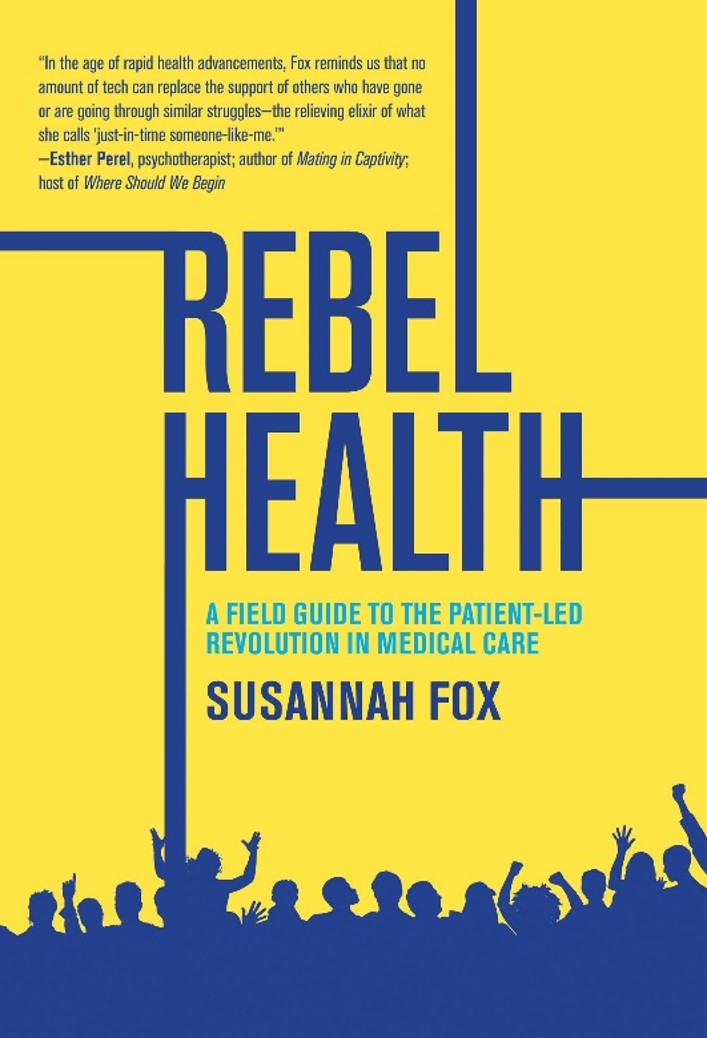
A “rebel” is both a noun and a verb. As a noun, Merriam-Webster tells us that a rebel is a person who opposes or takes up arms against a government or a ruler. As a verb, “to rebel” is to oppose or disobey one in authority or control, or otherwise renounce and resist by force the authority of one’s government.” An additional definition of the verb is, “to feel or exhibit anger or revulsion.” If you’ve been a patient facing a diagnosis of an illness, whether rare or common, you may well have felt these various feelings stirring inside your self.
From Evolution to Innovation, from Health Care to Health: How Health Plans With Collaborators Are Re-Defining the Industry
As a constant observer and advisor across the health/care ecosystem, for me the concept of a “health plan” in the U.S. is getting fuzzier by the day. Furthermore, health plan members now see themselves as medical bill payers, seeking value and consumer-level services for their health insurance premium investment. Weaving these ideas together is my mission in preparing a session to deliver at the upcoming AHIP 2024 conference in June, I’m thinking a lot about the evolving nature of health insurance, plans, and the organizations that provide them. To help me define first principles, I turned to the American father
An Extraordinary Life and Voice: A Call-to-Action from Casey Quinlan, featured in the Journal of Participatory Medicine
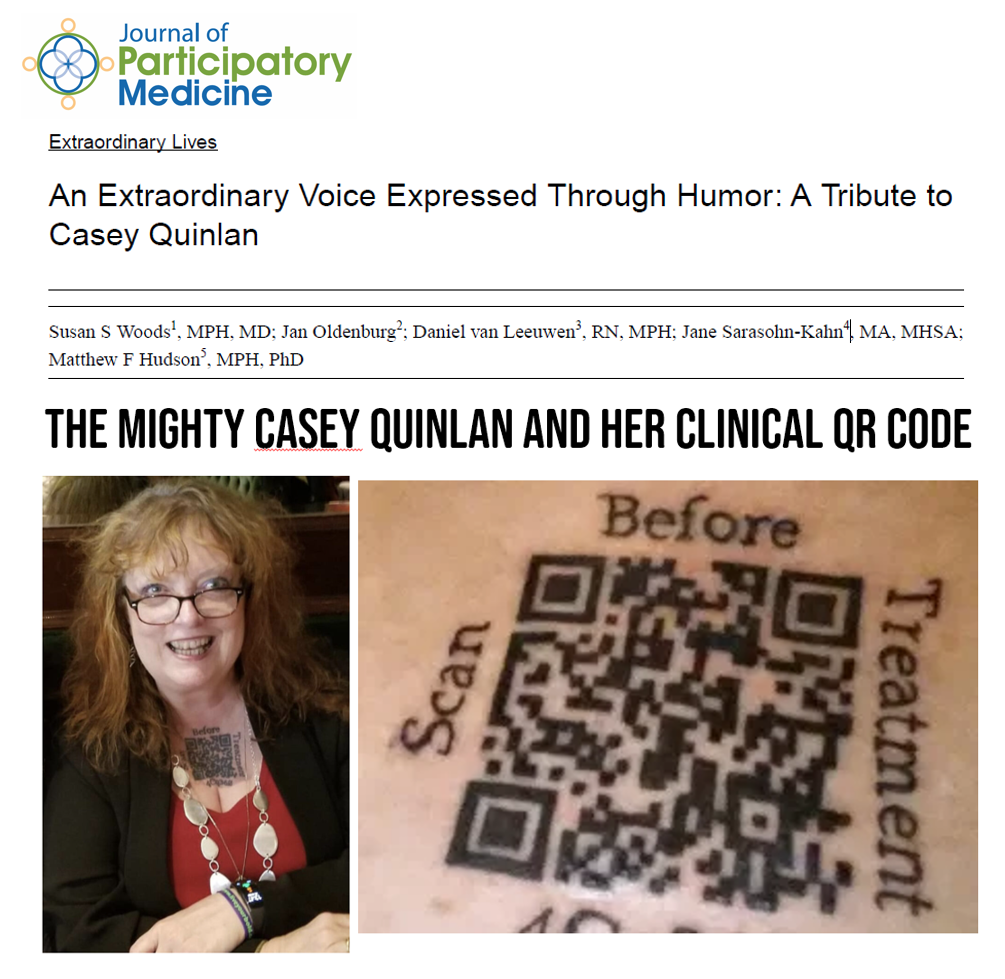
It is about time that a healthcare journal features examples of patient-leaders who have pioneered activism, innovation, and The first exemplar in this vein is Casey Quinlan, whom we lost all-too-soon earlier this year on 24th August. A team of her appreciative colleagues and friends wrote up the first in a new series called “Extraordinary Lives” published in the Journal of Participatory Medicine (JPM) titled “An Extraordinary Voice Expressed Through Humor: A Tribute to Casey Quinlan.” I played a minor role in getting this essay to the finish line, and am grateful to have had the opportunity to do so
An Antidote to Loneliness – Amazon’s 2023 Holiday Ad-Video Is A Lesson in Social Health, Aging and Love
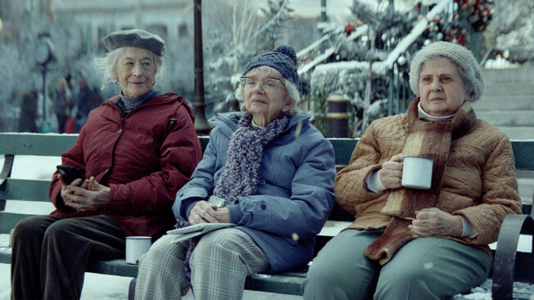
To complement today’s sobering Health Populi post discussing Accenture’s 2024 Life Trends Study — an outlook for a decade of “deconstruction” based on technology and other trends in the ether — I share with you Amazon’s ad for this holiday season gift-giving motivation. The agency responsible for the campaign, Hungry Man and director Wayne McClammy, weave together a beautiful plotline of friendship, the Beatles’ In My Life, and a time-traveling image that captivated me. The evidence base on loneliness and aging is deep and quantifiable: loneliness can kill like a daily inhalation of a pack of cigarettes. It is up
Everybody is Stressed in America, and It’s Not Good for Our Health: the 2023 Update from the American Psychological Association
The U.S. is “a nation recovering from collective trauma,” the according to the latest survey on Stress in America 2023 from the American Psychological Association (APA). The APA has been quantifying Stress in America since 2007; for context, at the end of that year The Great Recession kicked in, and in response President Obama’s team put together assistance to bolster the national economy, jobs, and health technology (codified in the American Recovery and Reinvestment Act). American health citizens are experiencing a deja vu in 2023 akin to their financial stress experienced in the APA 2008 Stress
A Tale of Barbie, Beyonce and Taylor, the Economy and the Gynecologist
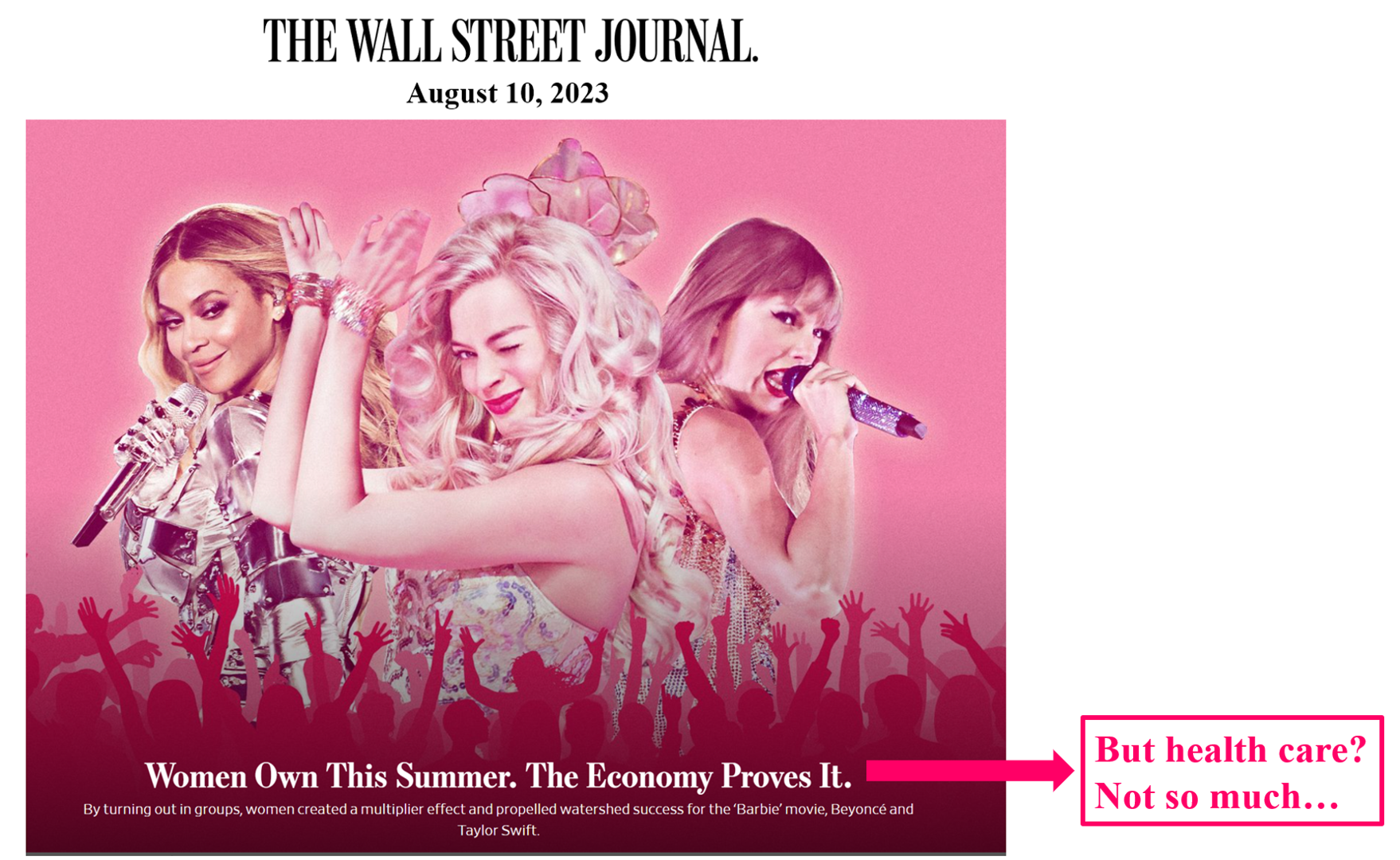
This weekend’s Wall Street Journal Saturday/Sunday edition featured a big story on the economic force of women in the summer of 2023, termed “the women’s multiplier effect” — that women’s spending is a powerful force in the U.S. economy (and as it turns out, in Sweden’s economy as well). The article was titled, “Women Own This Summer. The Economy Proves It,” and featured a Photoshopped image in various shades of pink with Margot Robbie as Barbie in the center, flanked by Beyonce to the left and Taylor Swift to the right. I’m
Pharmacy Plays a Growing Role in Consumers’ Health@Retail – J.D. Power’s 2023 Rankings
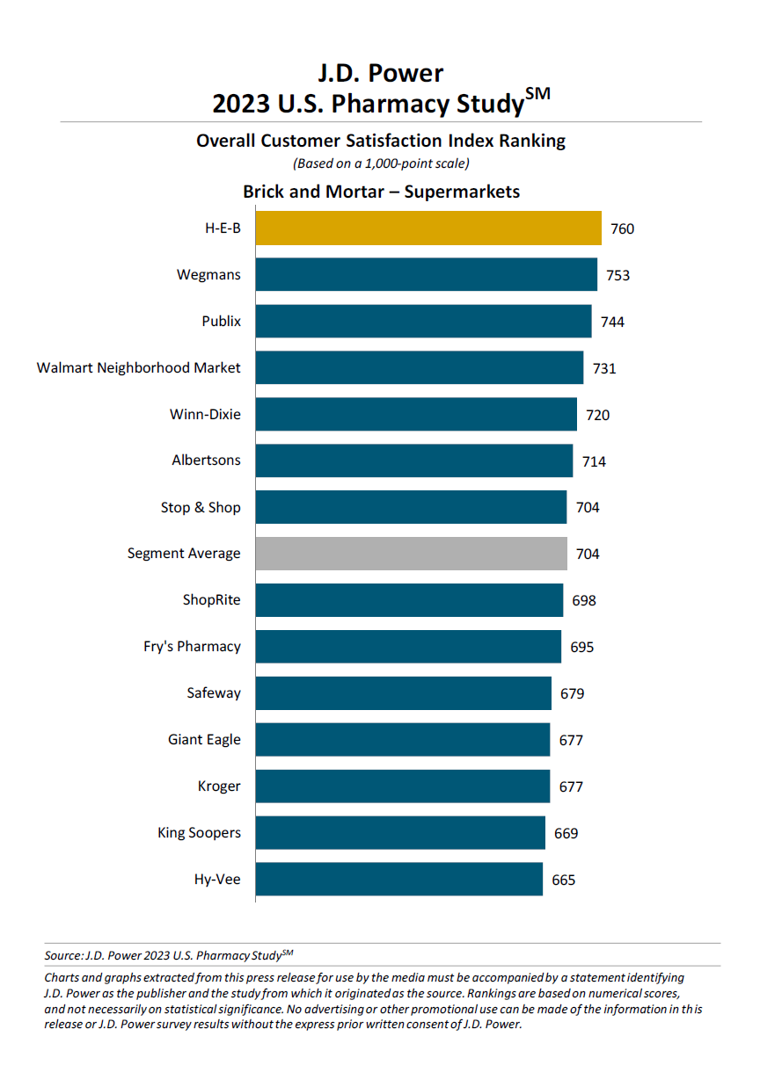
“Brick-and-mortar pharmacies forge meaningful connections with customers” through conversations between pharmacists and patients, “on a first-name basis.” This quote comes from Christopher Lis, managing director of global healthcare intelligence at J.D. Power who released the company’s annual 2023 U.S. Pharmacy Study today, the 15th year the research has been conducted. Each year, J.D. Power gauges U.S. consumers’ views on retail pharmacies in four channels: brick and mortar chain drug stores, brick and mortar mass merchandisers, brick and mortar supermarkets, and mail order. Across all four channels, the
Barbie in Health Care – Joining the Barbie Zeitgeist
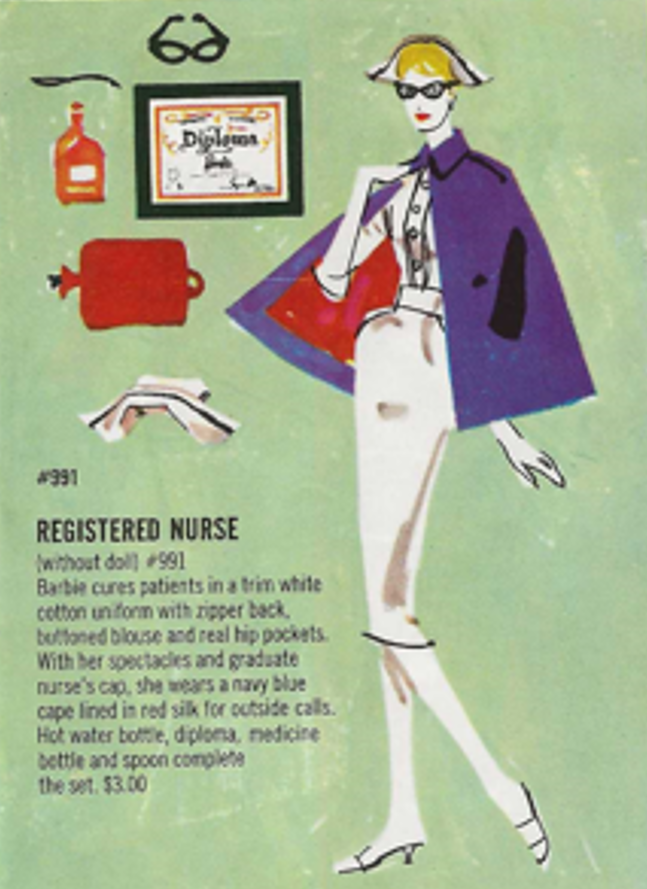
Barbie is having a moment, marketers agree. This weekend, many of us will buy movie tickets (yes, to see “real” movies in “real” brick-and-mortar cinemas) to see both the new film Oppenheimer along with the Barbie movie. So many movie-goers will be making it a double-feature experience that started as a meme, the portmanteau “Barbenheimer,” to mark the cultural-phenomenon moment. And the marketing frenzy accompanying the release of Greta Gerwig’s film has been an astonishing plethora of collaborations with consumer-goods companies and retailers. To join the pink-inspired fray, I’m featuring Barbie’s health care lives in
Can Artists Help to Remake Medicine? A New Book Asks and Answers (Yes!)
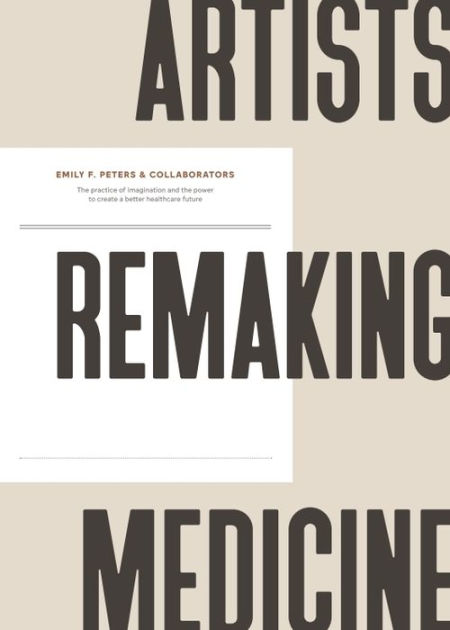
What if we asked an artist to re-imagine what health care could be? How might Van Gogh redesign a patient room akin to his room at Arles, or Michelangelo re-think general surgery? How might Thoreau take us on a nature walk for our mental health, or Basquiat channel his inner Da Vinci for a version of Jean-Michel’s Anatomy? In her new book, Artists Remaking Medicine. Emily Peters confronts health care’s paralyzing complexity (her words in the introduction) to invite a community of artists and artful thinkers to share their visions for remaking health care.
The Growing Pet Economy – What It Means for Human Health, Well-Being, and Healthcare Costs
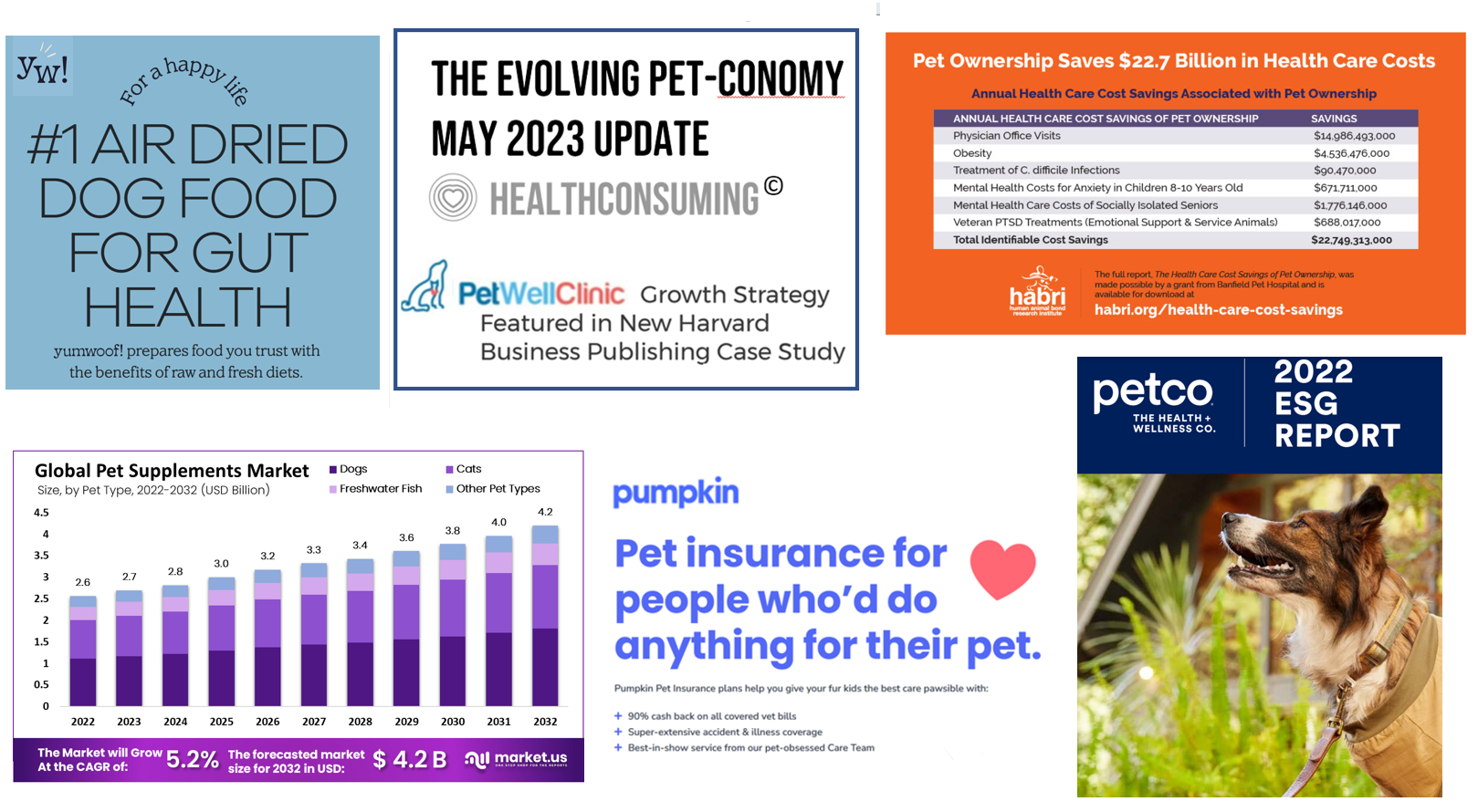
Our pets can be personal and family drivers of health and health care cost savings, according to a new study from according to a new report from researchers at George Mason University published in their paper, Health Care Cost Savings of Pet Ownership. Reviewing this new paper inspired me to explore the current state of the pet/health market and implications for their human families, my weaving of various stories explored in this Health Populi blog post. Some of the key signposts we’ll cover are: The report on pet ownership driving owners’ health care cost savings A new market analysis of
The New Loneliness Health Agenda from Dr. Vivek Murphy, US Surgeon General
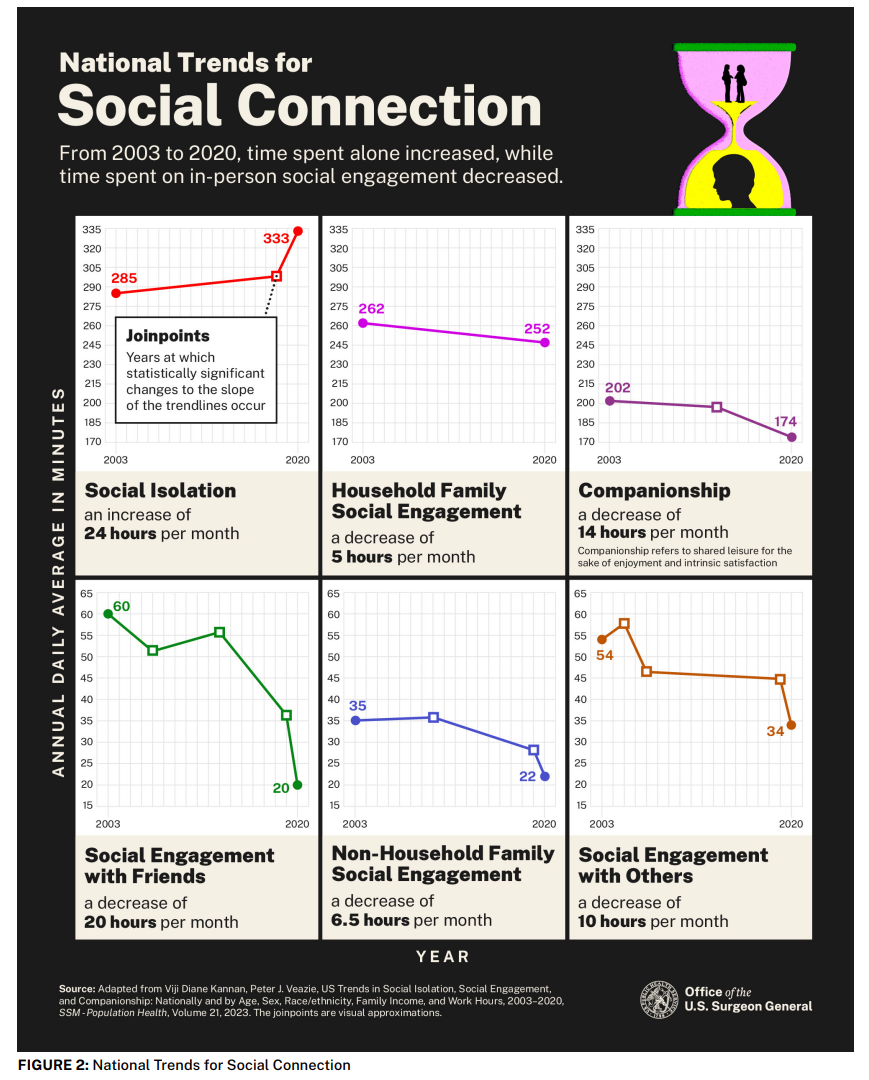
This week, U.S. Surgeon General Dr. Vivek Murthy unveiled a plan to address loneliness in America. This isn’t a theoretical thing: Dr. Murthy has come out of the loneliness closet to tell us that he, too, has confronted and dealt with to loneliness, putting himself out there/here as Exhibit A in the epidemic of Americans who are lonely — and suffering risks across every dimension of personal and social health. The New York Times published Dr. Murthy’s op-ed on the issue in the Sunday issue in a call-to-action titled, “We have become a lonely nation. It’s time to fix that.”
Women’s Health on Her Own Terms – “She Knows” What She Needs
Despite some improvement in the representation of women by cinema, TV shows, and brands, distortions in media remain that are risks to women receiving appropriate health care. Breaking through taboos of weight, reproductive services, and mental health are the top 3 factors preventing women from getting proper care, according to Health On Her Terms, a research study from WPP and Ogilvy partnering with SeeHer, an organization of collaborations from media, technology, business, education, and other sectors (including over 7,000 brands) focused on the accurate portrayal of women and girls in society. Taglined as “The Marketer’s Hippocratic Oath to Women, the
Bolstering Health Literacy in a Little Book: Burn Prevention and Care With “The Family Oops”
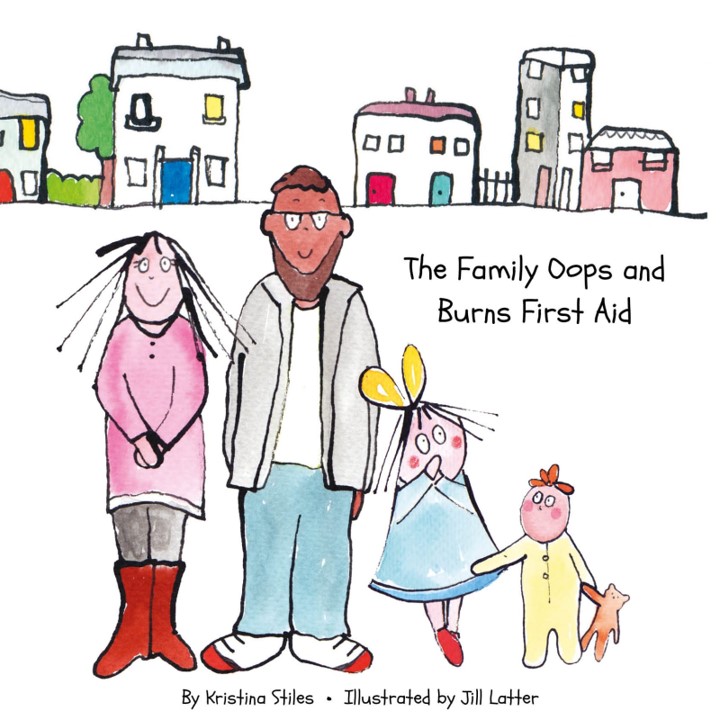
About 180,000 deaths are attributable to burns each year, according to the World Health Organization. Non-fatal burns are a leading cause of morbidity. The good news is that burns are preventable, and we learn several terrific strategies for doing so from The Family Oops and Burns First Aid. This mighty little book, all of 28 pages and measuring 5.5 x 5.5″ square, packs a huge amount of self-care knowledge about burn prevention and treatment for home and workplace — the two sites where most burns happen, WHO attests. The Family Oops is a wonderful example of how a health literacy
Consumers Expect Every Company to Play a Meaningful Role in “My Health” – New Insights from the 2023 Edelman Trust Barometer
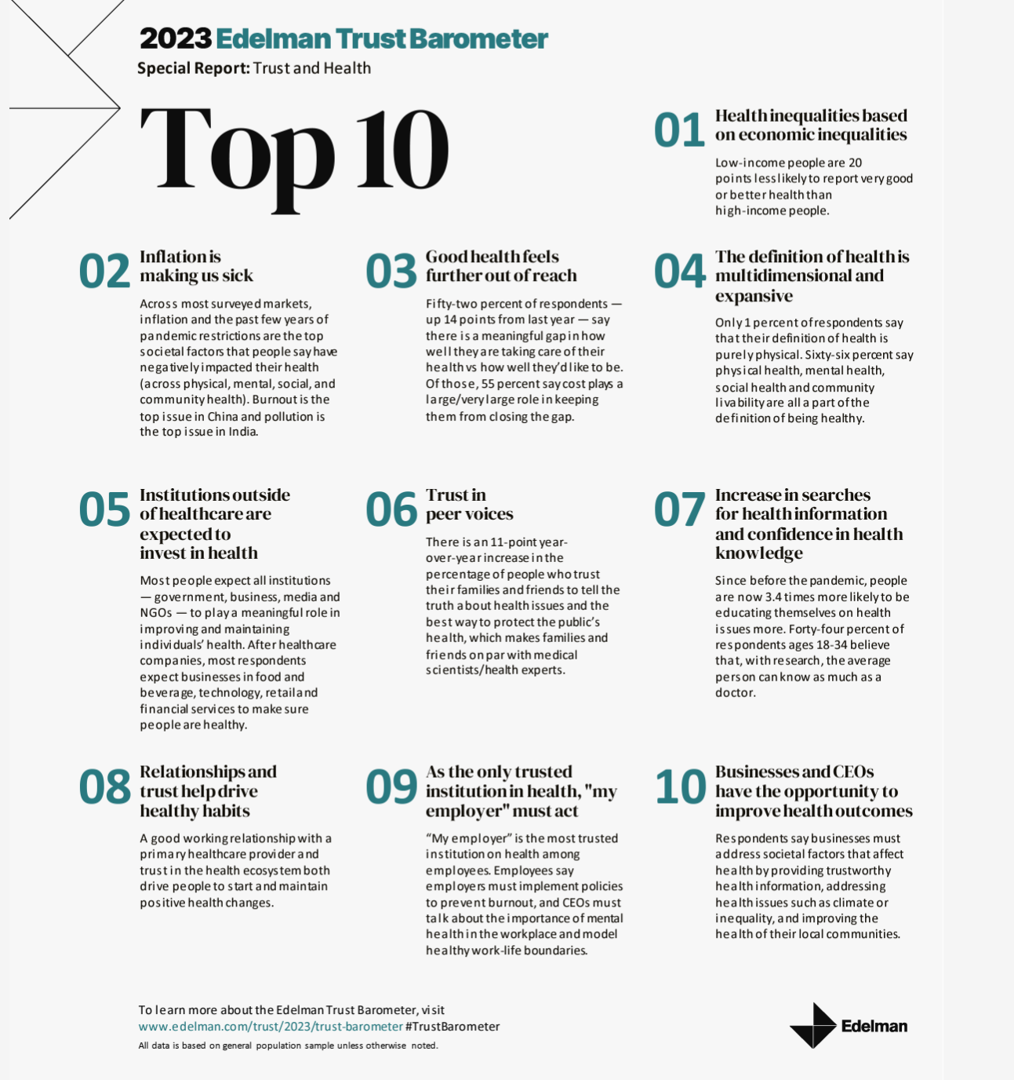
People have expanded their definitions of health in 2023, with mental health supplanting physical health for the top-ranked factor in feeling healthy. Welcome to the Edelman Trust Barometer Special Report: Trust and Health, released this week, with striking findings about how the economic, post-pandemic life, pollution and climate change all feed mis-trust among citizens living in 13 countries — and their eroding trust for health care systems. While these factors vary by country in terms of relative contribution to citizen trust, note that in the U.S., social polarization plays an outsized role in factors that “make us
Appreciating Water as a Driver of Health: Designing for Good, from the UN to Liberia and Flint, Michigan
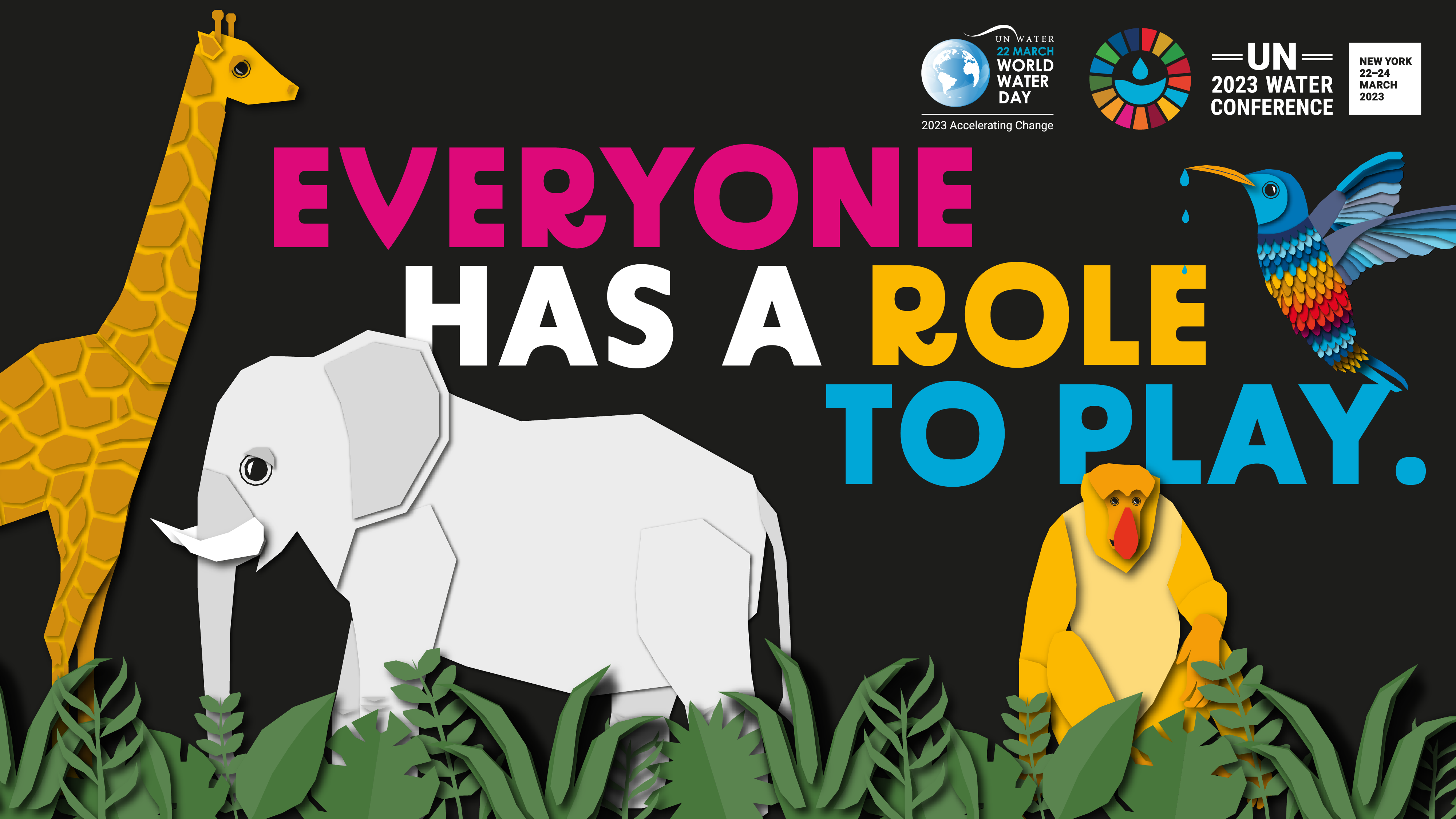
The United Nations (UN) convened the 2023 Water Conference convened March 22-24, 2023, in New York City. The meeting brought together stakeholders from all over the world to brainstorm how to meet UN sustainability development goals (SDGs) for #6 of the 17 SDGs addressing clean water and sanitation. This event was billed in the words of the conveners, a “watershed moment to tackle the global water crisis and ensure a water-secure future.” That water-secure future is a critical factor in the well-being for both people and Planet Earth, quantified in the first
The New Deaths of Despair in America – Among U.S. Children
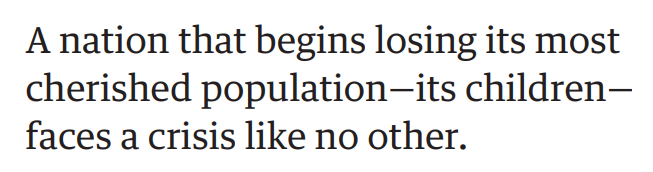
The phenomenon of Deaths of Despair is the short-hand name for rising mortality among certainly people living in the U.S. due to overdose, accidents, and suicide. Angus Deaton and Anne Case published their first of many research papers on Deaths of Despair in 2015. Their research uncovered the risks of dying a Death of Despair to be higher among men, especially those between the ages of 25 and 64. But mortality isn’t only going in the wrong direction for those people most closely associated with the Deaths of Despair demographic: there’s another life-span line graph moving in the wrong direction,
The Future of Love and How It Could Shape Health, Well-Being, and Daily Living
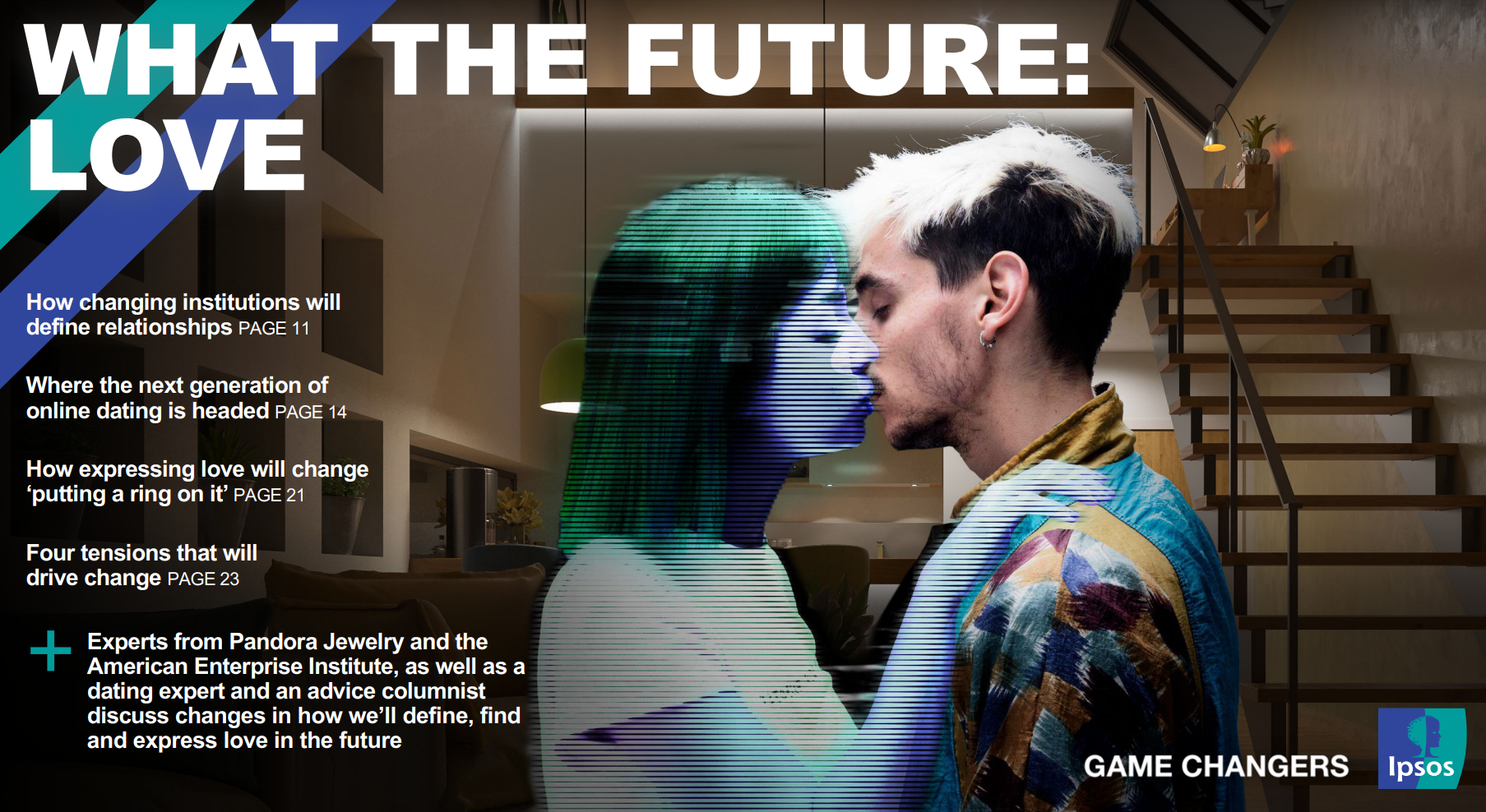
“The future of love is bound to the institutions that have historically shaped and defined it,” Ipsos’s What the Future: Love report begins. Consider: religion, government, financial institutions….and the health care ecosystem, as well. On this Valentine’s Day 14th February 2023, it is a good time to consider this convergence as health politics, financial well-being, and emerging technologies will be re-shaping institutions and consumers in the coming months and near-term. The Ipsos researchers have been assessing the future of many aspects of our lives over the past couple of years, such as the future of wellness,
Wellness in 2023 Is About Connections, Mental Health and Science – Global Wellness Summit’s 2023 Trends
Consumers’ wellness life-flows and demands in 2023 will go well beyond exercise resolutions, eating more greens, and intermittent fasting as a foodstyle. It’s time for us to get the annual update on health consumers from the multi-faceted team who curated the Global Wellness Summit’s annual report on The Future of Wellness 2023 Trends. In this year’s look into wellness for the next few years, we see that health-oriented consumers are seeking solutions for dealing with loneliness and mental health, weight and hydration, travel-as-medicine as health destinations, and — not surprisingly —
The Polarization of Trust in 2023 – What It Means for Health, via Edelman at Davos WEF 23
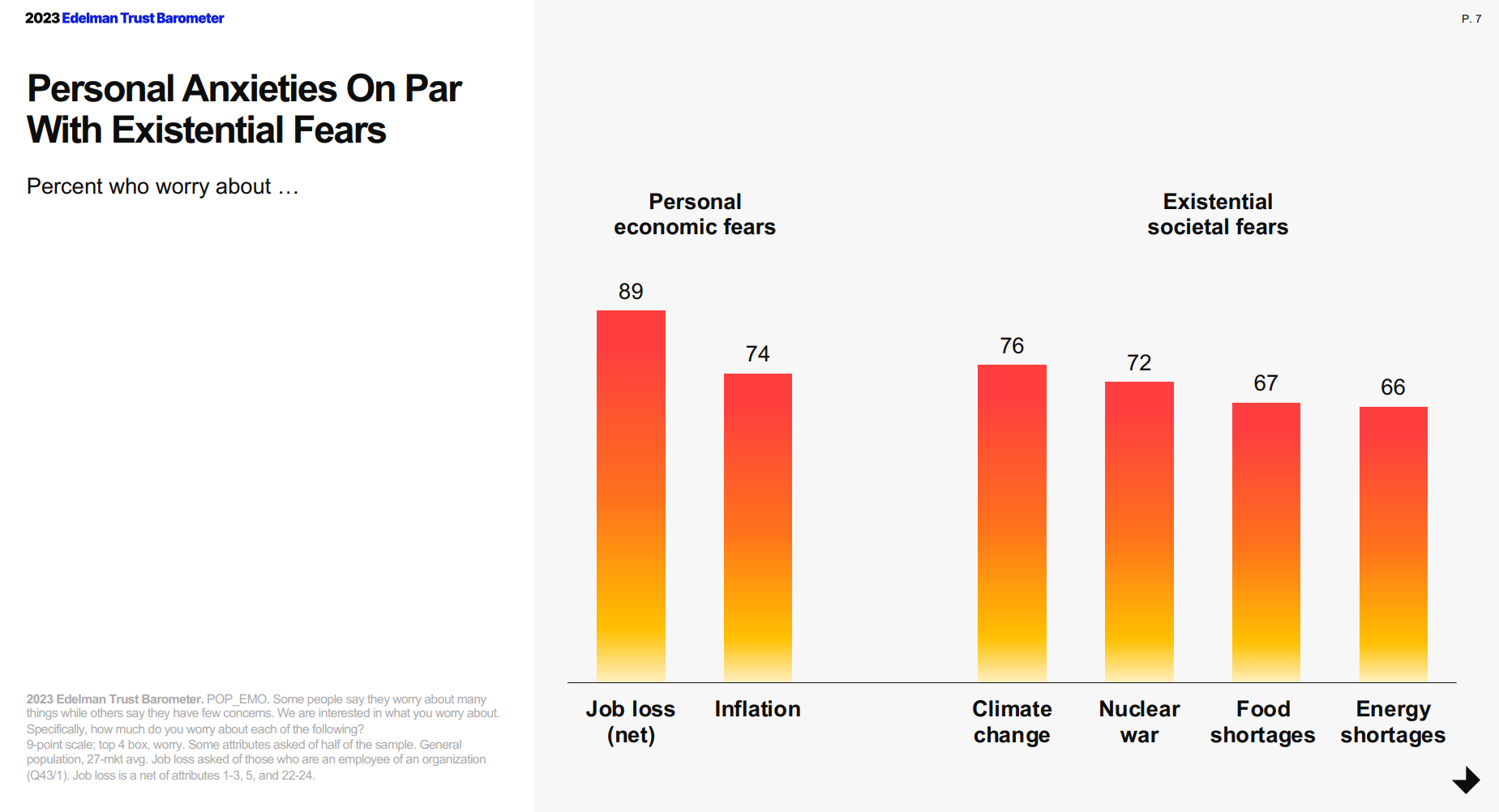
For the third year in a row, citizens in most of the world see business as the most-trusted institution, above government, media, and NGOs, found in the 2023 Edelman Trust Barometer, unveiled this week at the annual World Economic Forum in Davos, Switzerland. The Edelman team conducted this 23rd annual study in November 2022 in 28 countries, among over 32,000 people — some 1,150 residents per country polled. (Note that Russia, studied in the surveys between 2007 and 2022, was not included in the 2023 research). The first chart arrays
When Household Economics Blur with Health, Technology and Trust – Health Populi’s 2023 TrendCast
People are sick of being sick, the New York Times tells us. “Which virus is it?” the title of the article updating the winter 2022-23 sick-season asked. Entering 2023, U.S. health citizens face physical, financial, and mental health challenges of a syndemic, inflation, and stress – all of which will shape peoples’ demand side for health care and digital technology, and a supply side of providers challenged by tech-enabled organizations with design and data chops. Start with pandemic ennui The universal state of well-being among us mere humans is pandemic ennui: call it languishing (as opposed to flourishing), burnout, or
The Food-Finance-Health Connection: Being Thankful, Giving Thanks
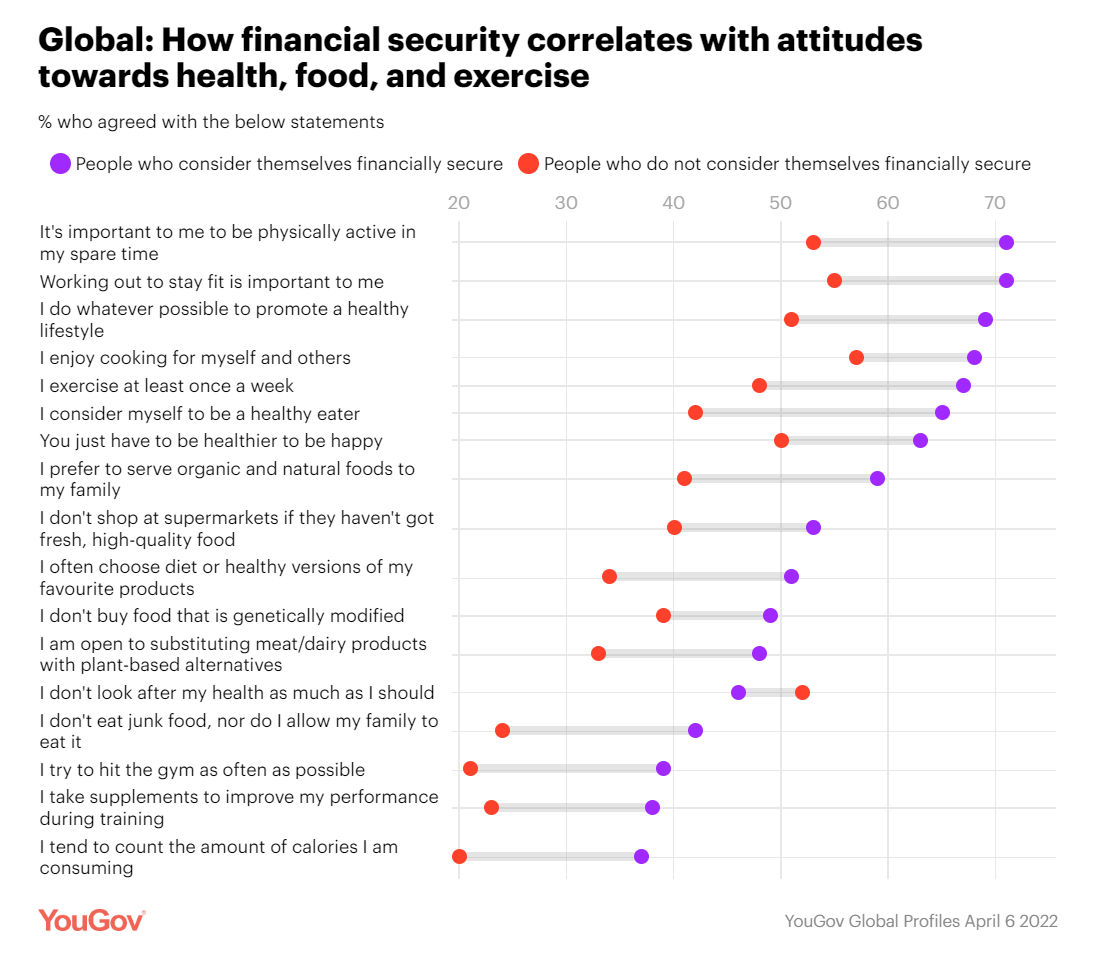
Food features central in any holiday season, in every one’s culture. For Thanksgiving in the United States, food plays a huge role in the history/legend of the holiday’s origins, along with the present-day celebration of the festival. At the same time, in and beyond the U.S., families’ finances will also be playing a central role in dinner-table conversations, shopping on the so-called “Black Friday” retail season (which has extended long before Friday 25th November), and in what’s actually served up on those tables. Let’s connect some dots today on food, finance and health as we enter the holiday season many
The Old Gays Working with Walgreens on TikTok: Breaking Down Stereotypes and Having Fun with Health
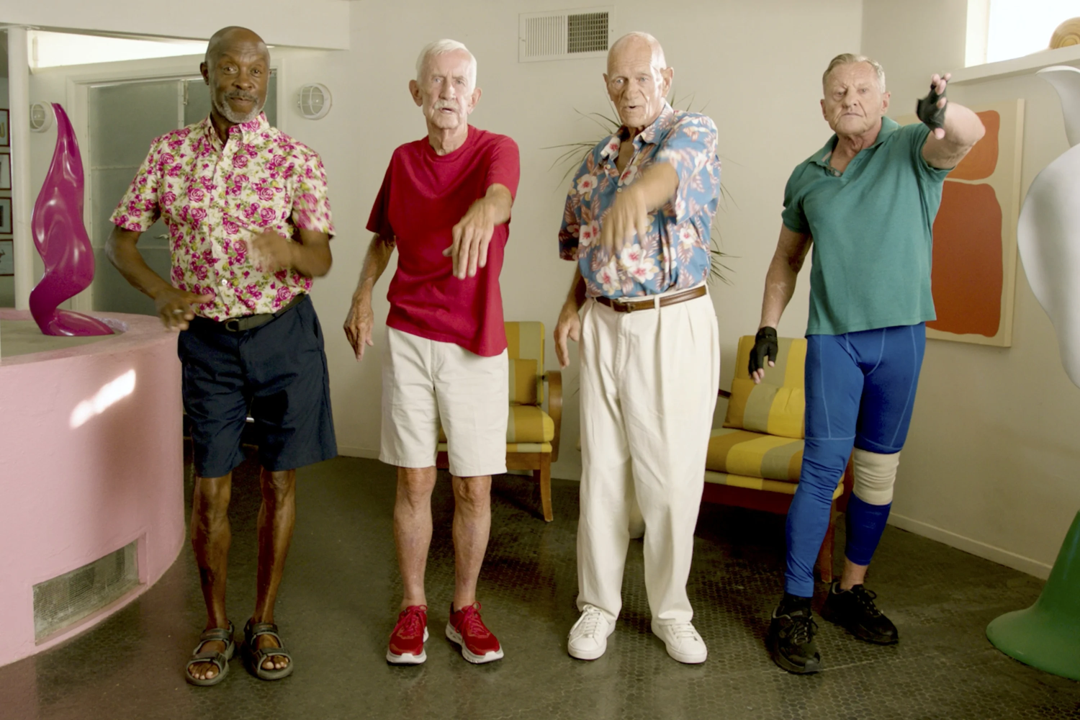
How much do I love this media campaign from Walgreens, collaborating with the foursome The Old Gays who have a growing multi-million person fan base on TikTok? How much? A whole lot! Kudos to Walgreens for creating engaging, informative, and fun! content to learn about how people can benefit from using the company’s app ….for, Ordering prescriptions (90-day supply) Receiving delivery same-day 24/7 pharmacy chat on pricing, prescription drug information, and medications. The plotline kicks off with 3 of the 4 quartet (Jessay Martin, Robert Reeves and Mick Peterson) looking for their friend Bill Lyons, who is missing from their
Your State as a Determinant of Health: Sharecare’s 2021 Community Well-Being Index
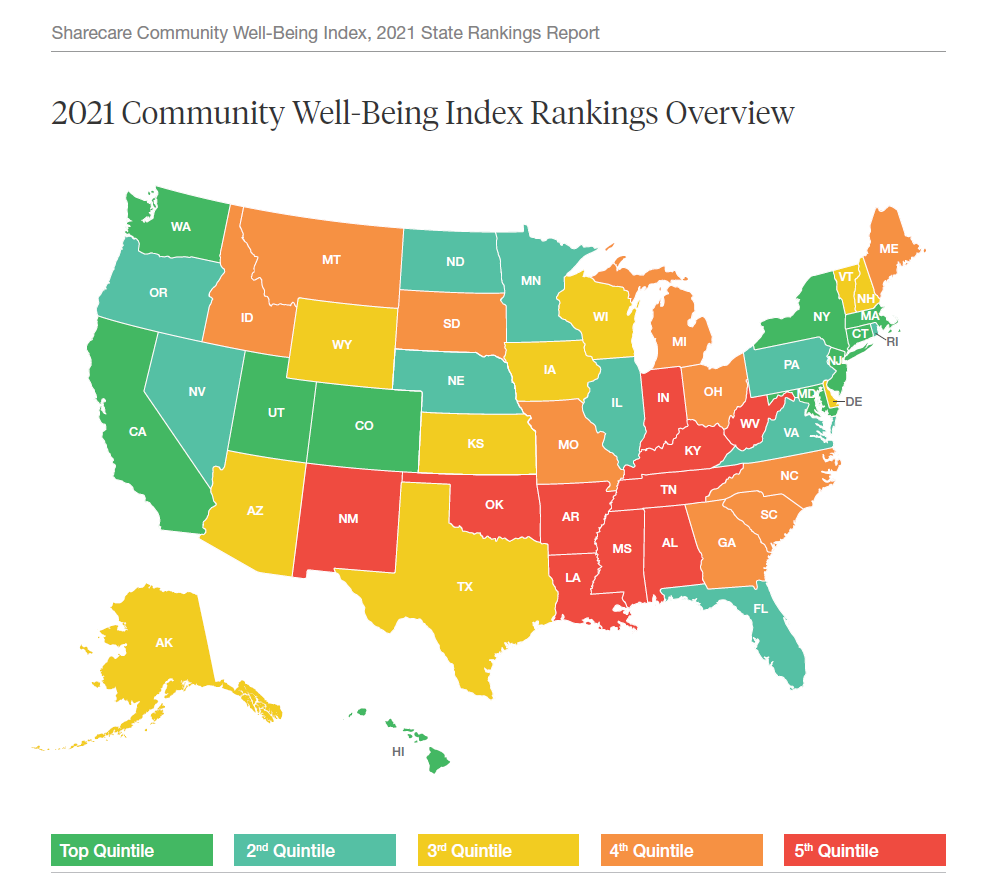
People whose sense of well-being shifted positively in the past two years are finding greater personal purpose and financial health, we see in Sharecare’s Community Well-Being Index – 2021 State Rankings Report. Sharecare has been annually tracking well-being across the 50 U.S. states since 2008. When the study launched, Well-Being Index evaluated five domains: physical, social, community, purpose, and financial. In 2020, Sharecare began a collaboration with the Boston University School of Public Health to expand the Index, including drivers of health such as, Healthcare access (like physician supply per 1,000
More Americans Trust Small Biz and the Military than the Medical System, Gallup Finds
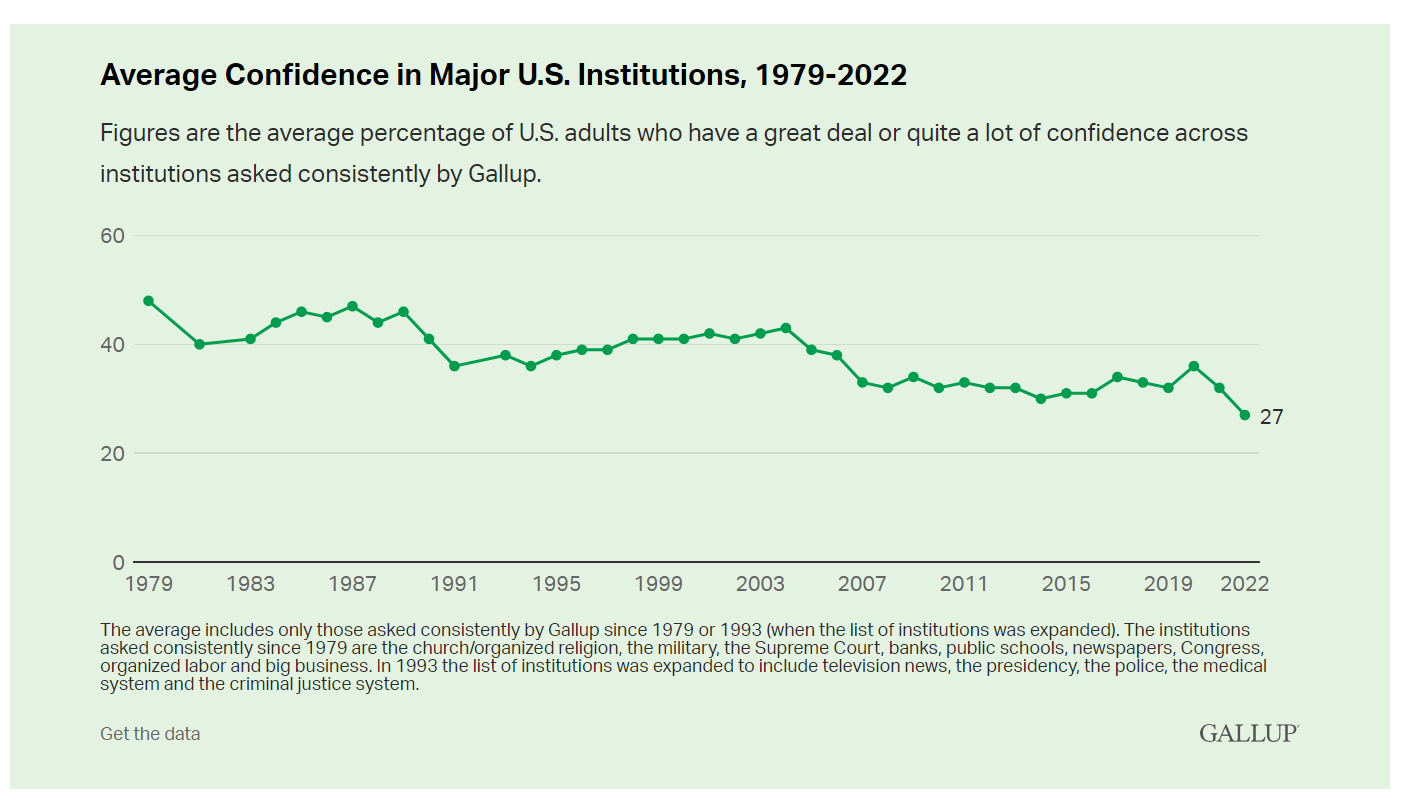
The most trusted institutions in the U.S. are small business and the military, the only two sectors in which a majority of Americans have confidence. Americans’ trust in institutions hit new historic lows in 2022, Gallup found in its latest poll of U.S. sentiment across all major sectors. Today, more Americans have faith in the police than in the medical system, according to a Gallup poll finding that Confidence in U.S. Institutions Down; Average at New Low. published this week of Independence Day 2022. Confidence runs from a higher of 68% for
The Higher Cost of Cookouts – Happy, Healthy Independence Day 2022
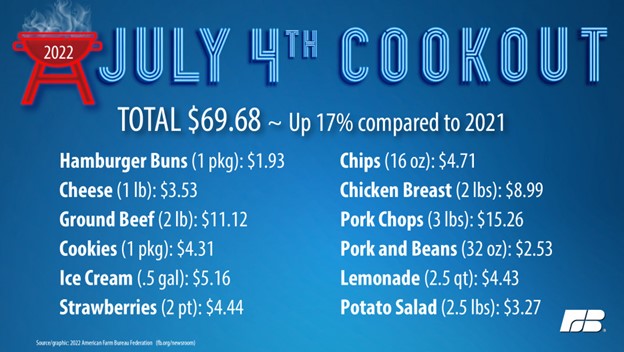
On this July 4th holiday, Americans aren’t feeling quite so financially independent on Independence Day 2022. The cost of a cookout for your family and friend group of 10 rose over $10 this year, 17% higher than in 2021, based on the American Farm Bureau Federation’s annual assessment of BBQing Economics on the Fourth of July. This estimate is based on a market-basket menu that includes cheeseburgers, pork chops, chicken breasts, homemade potato salad, strawberries and ice cream. Key factors driving up the cost of an All-American cookout include supply chain disruptions (a hangover
Changing Views of Retirement and Health Post-COVID: Transamerica’s Look At Workers’ Disrupted Futures
As more than 1 in 3 U.S. workers were unemployed during the pandemic and another 38% had reductions in hours and pay, Americans’ personal forecasts and expectations for retirement have been disrupted and dislocated. In its look at The Road Ahead: Addressing Pandemic-Related Setbacks and Strengthening the U.S. Retirement System from the Tramsamerica Center for Retirement Studies (TCRS), we learn about the changing views of U.S. workers on their future work, income, savings, dreams and fears. Since 1988, TCRS has assessed workers’ perspectives on their futures, this year segmented the 10,003 adults
The Care Crisis – Robots Won’t Save Us
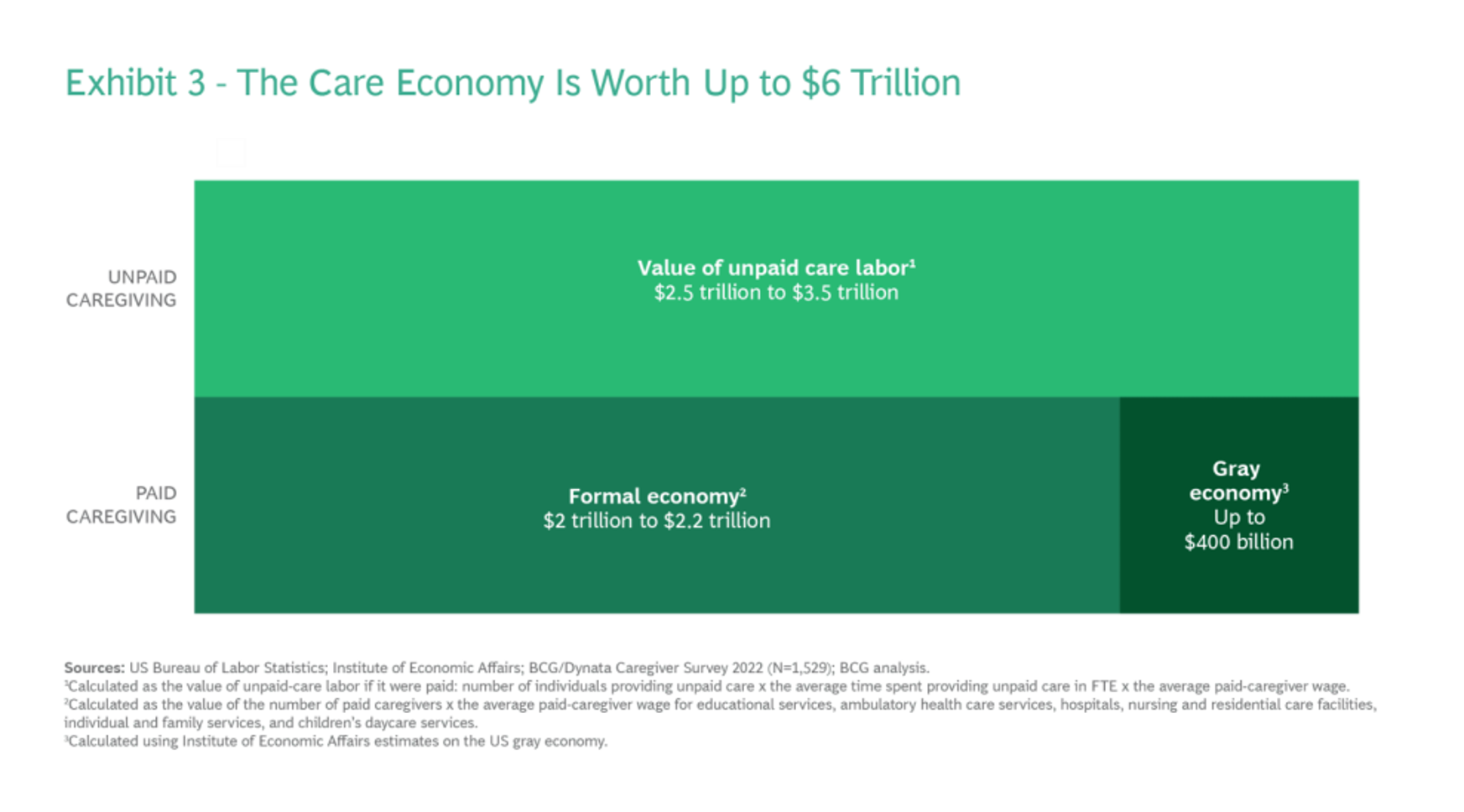
Among the many lessons we should and must take emerging out of the COVID-19 pandemic, understanding and addressing the caregiver shortage-cum-crisis will be crucial to building back a stronger national economy and financially viable households across the U.S. And if you thought robots, AI and the platforming of health care would solve the shortage of caregivers, forget it. Get smarter on the caregiver crisis by reading a new report, To Fix the Labor Shortage, Solve the Care Crisis, from BCG. You’ll learn that 9 of 10 new care-sector jobs will be in-person for
The Evolution of a Patient Ambassador – Learning from Stacy Hurt
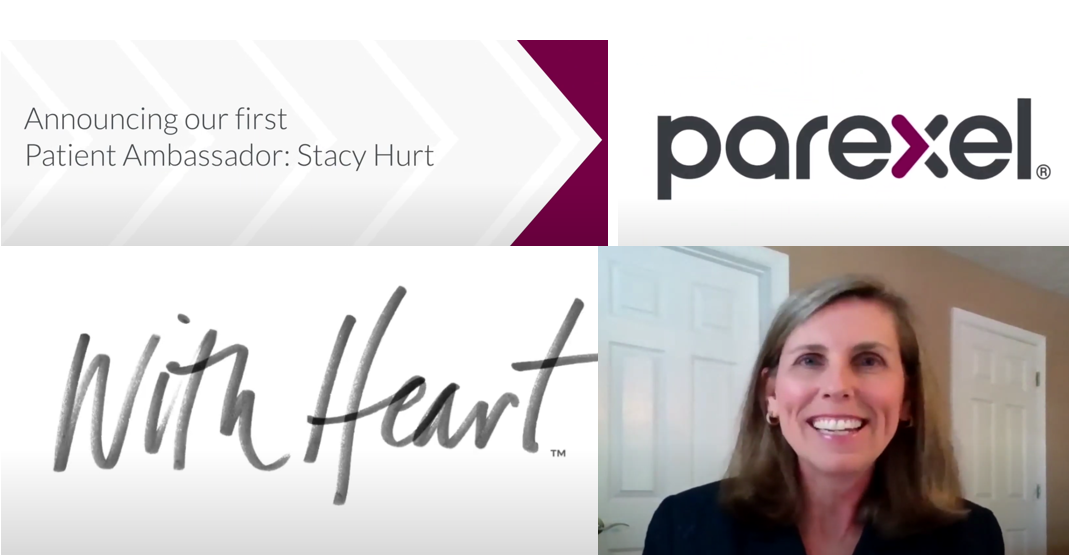
“I am a health care executive who happens to be a patient, caregiver, and advocate,” Stacy Hurt explained to me in a Zoom chat we shared on 31 May. I asked her to meet with me to discuss her professional news update: being appointed Parexel’s first Patient Ambassador. My Zoom invitation to Stacy was a very convenient excuse for me to catch up with a friend in the field: we have known each other since Stacy started to grow her health-social media presence on Twitter. And that involvement in
McKinsey’s Six Shifts To Add Life to Years — and One More to Consider
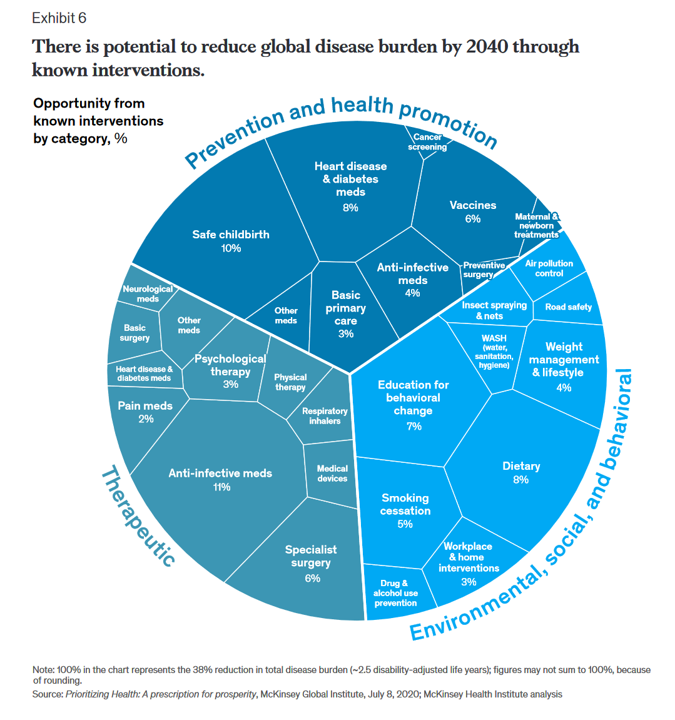
People spend one-half of their lives in “less-than-good health,” we learn early in the paper, Adding years to life and life to years from the McKinsey Health Institute. In this data-rich essay, the McKinsey team at MHI sets out an agenda that could help us add 45 billion extra years of higher-quality life equal to an average of six years per person (depending on your country and population demographics). The first graphic from the report illustrates four dimensions of health and the factors underneath each of them that can bolster or diminish our well-being: personal behaviors (such as sleep and diet),
Brand Relevance Has A Lot To Do with Health, Wellness, and Empowerment – Listening to (the) Prophet
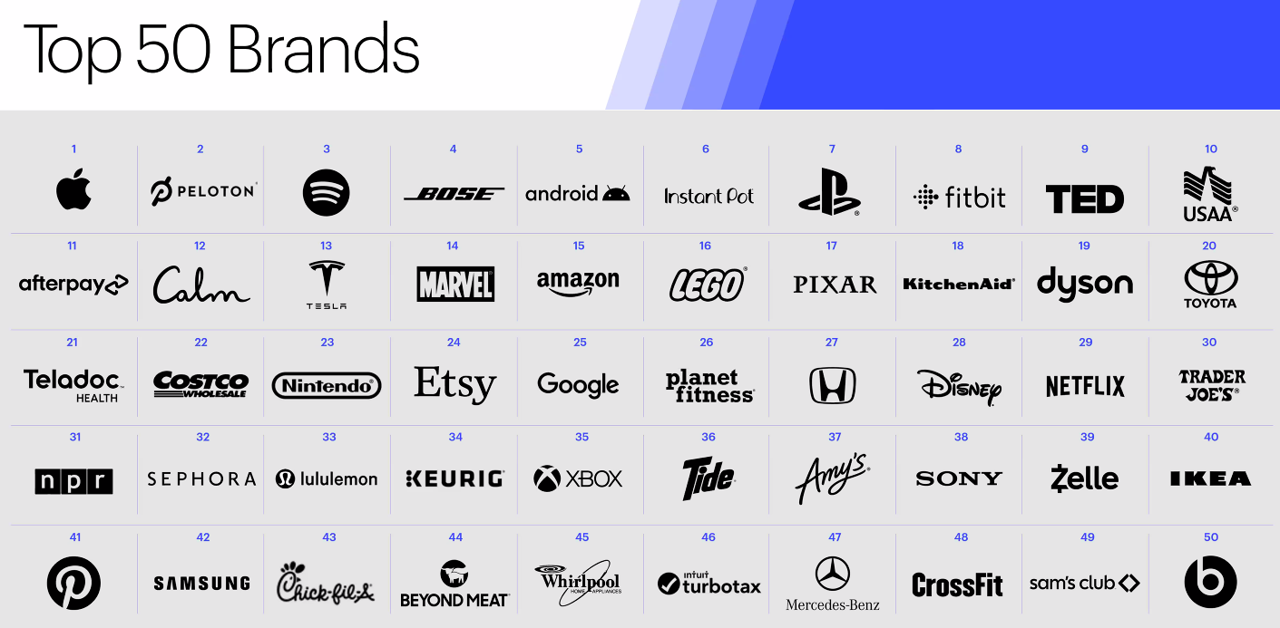
s in the seventh annual 2022 Brand Relevance Index from Prophet. The research developed a list of 50 companies representing what Prophet characterizes “the brands that people can’t live without in 2022.” For the 7th year in a row, Apple tops the study. Following Apple, the nine companies rounding out the top ten most relevant brands were Peloton, Spotify, Bose, Android, Instant Pot, Pixar, Fitbit, TED, and USAA. There are relative newbies in this list, representing consumers’ collective response to the COVID-19 pandemic and new life-flows. Put Calm and AfterPay in that category, along with Beyond Meat, and Zelle. The
Michael Graves and CVS Health – A Match Made in Health Design Heaven
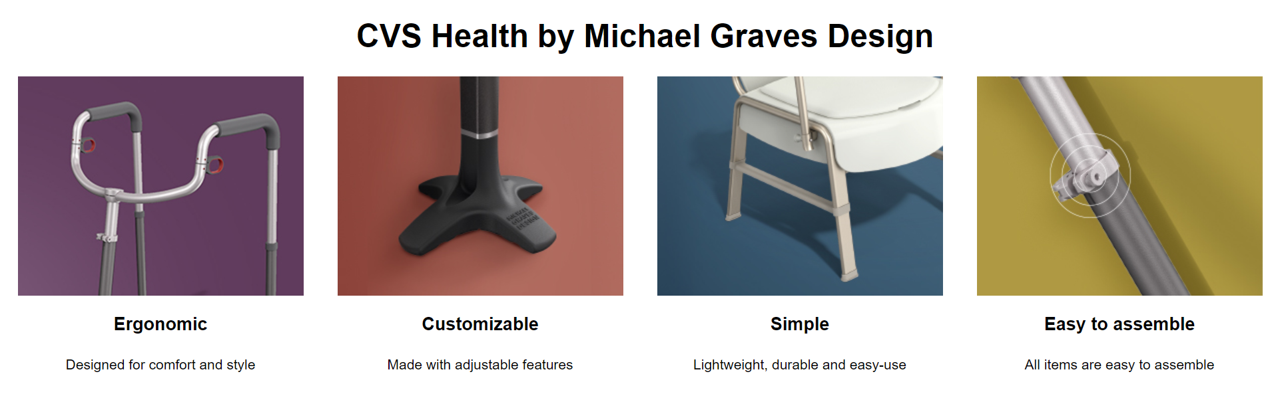
On the Michael Graves Design company’s website, they talk about “Design for All” and “The House and Everything in it.” “Michael Graves Design exists to offer products that create moments of joy in your life.” Prominently featured in the Health section on the homepage are “walking canes reimagined.” The company has unveiled its partnership with CVS Health to continue the architect-turned-disability rights advocate’s legacy combining brilliant design with mainstream retail accessibility and another riff on accessibility: for health care and caregiving. Graves passed away in 2015. He continues to inspire the Michael Graves Design team/family with the mission: “By focusing
How Social Media Can Get Public Health So Wrong
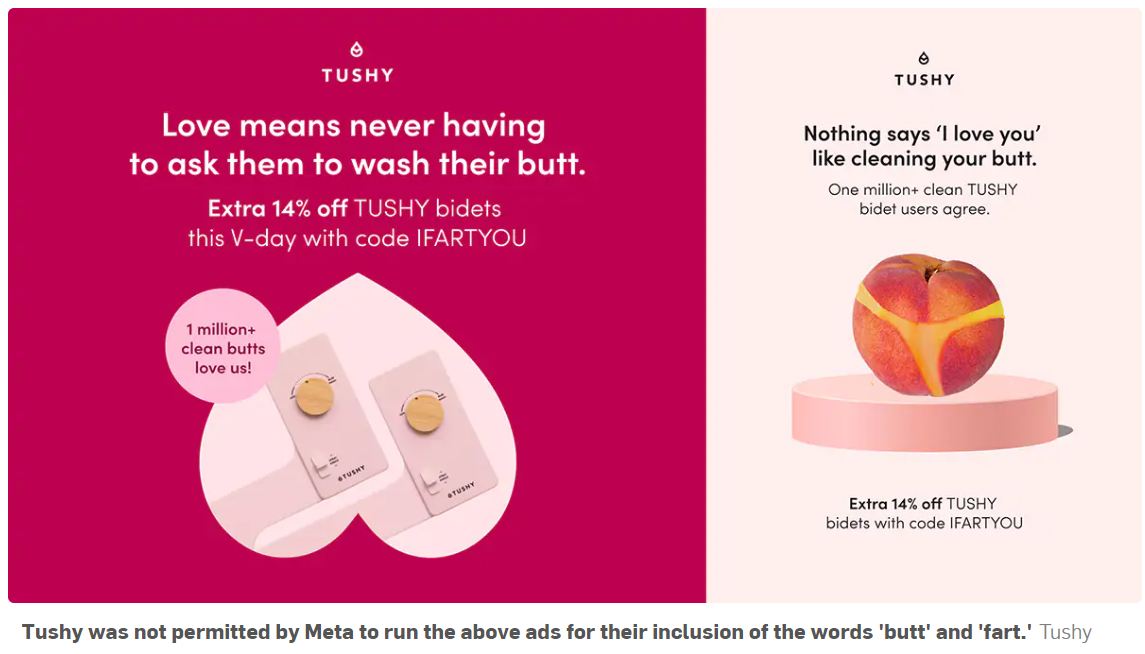
This week, public health truths have collided with social media, the infodemic, and health citizenship. First, I read in Becker’s Health IT on February 16 that the peer-reviewed policy journal Health Affairs was prevented by a social media outlet from promoting its February 2022 issue themed “Racism and Health.” The company said the topic was too controversial to feature in this moment. “Google and Twitter are blocking its paid media ads to promote the content, flagging racism as ‘sensitive content,'” Molly Gamble explained in Becker’s. I myself used the blogging platform you’re on now to promote the February ’22 issue of
Love and Health: The Education of Abner Mason, SameSky Health
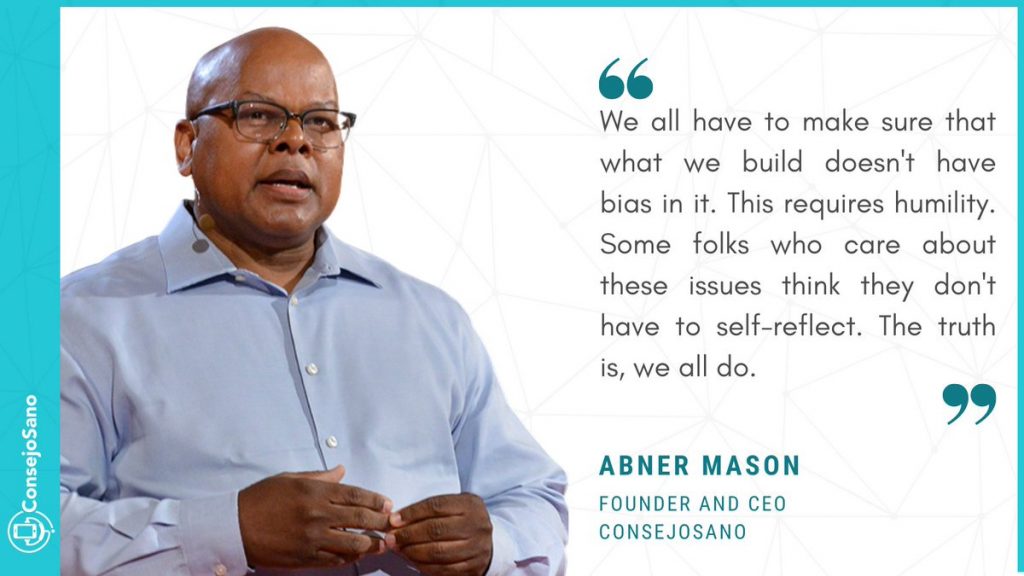
It felt super appropriate that I met up with Abner Mason, Founder of SameSky Health, on Valentine’s Day 2022. While we conversed via Zoom, Abner’s positive energy vibrated over the 5,600 miles between him in LA County and me in Brussels, Belgium – nine hours apart, but in the proverbial same room in the conversation. My initial ask of Abner was to discuss the re-branding of ConsejoSano to SameSky Health, but I first wanted to hear the man’s origin story. And that, you will learn, has everything to do with loving parents, the power of education from a young age,
On Valentine’s Day 2022, Let’s Remember That Love is a Social Determinant of Health

While love can’t solve all of the world’s problems, it is absolutely a basic human need and a positive force for health and well-being. For today’s Health Populi blog, I have curated a big hug-full of posts I’ve written over the years building the evidence base of love as a determinant of health. As a sidebar, the graphic you see here — my “WiFi Heart” — was purposefully commissioned to my web designer to incorporate elements of love and connectivity. Wishing you all the blessing of love in your life, in all of its glorious and health-ful forms…XO JSK My
How Twitter Revealed Consumer Health Care Trends in the Pandemic
During the pandemic, millions of people connected with Twitter to share thoughts and feelings about the pandemic…and their health. Three mega-trends bubbled up on the platform for health — telemedicine and virtual care, broadband access, and mental health, discussed in a Birdseye Report Industry Deep Dive into Health from Brandwatch, partnering with Twitter. For this report, Brandwatch utilized only English-language public Twitter data. Brandwatch collated and analyzed tweets between January 1st 2019 and November 20 2021, that mentioned any of the following phrases: telemedicine, telehealth, virtual care, digital medicine, digimedicine, mental health, doom scrolling, trauma dumping, and meeting fatigue. Tweets
From Better for Me to Better for “We” — NielsenIQ’s New Consumer Hierarchy of Health
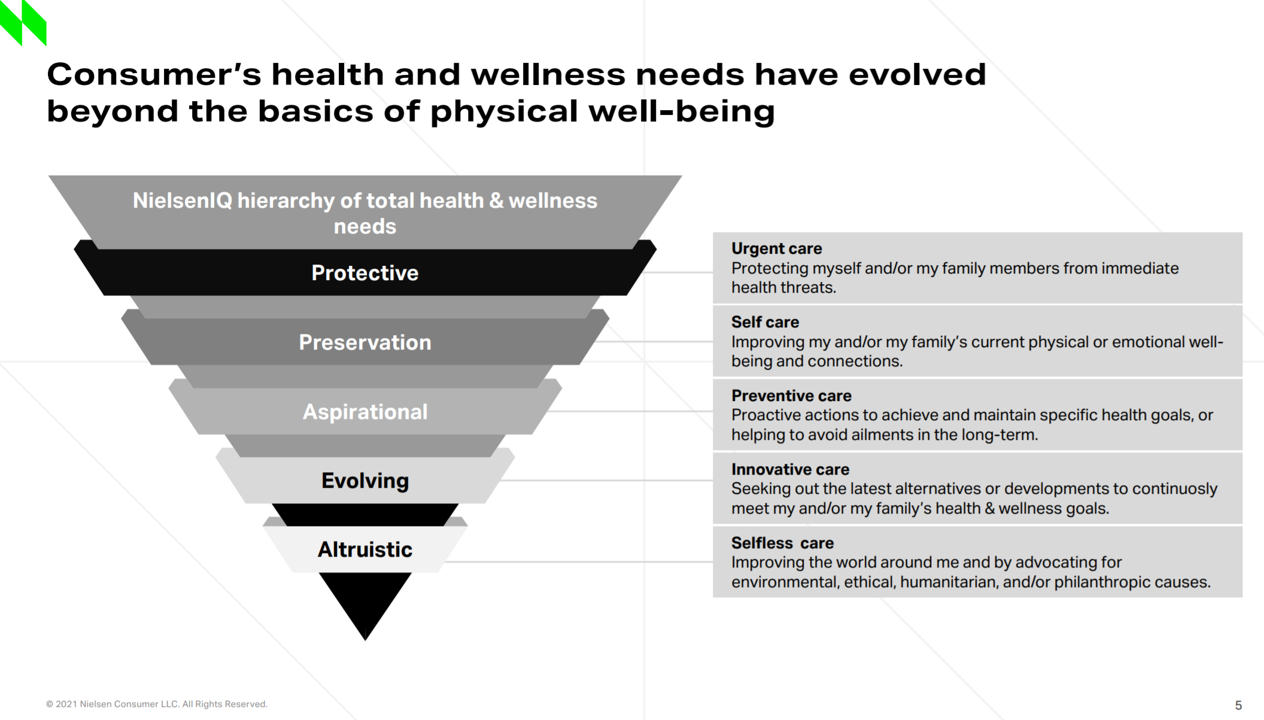
People around the world have made health a “proactive priority,” most important to live a longer, healthier life, to avoid preventable diseases, to protect against disease, and to look and feel healthier, according to NielsenIQ’s latest health and wellness report. As the triangle here illustrates, NielsenIQ has turned Maslow’s Hierarchy of Needs upside down, shifting protective and physical needs to the top rung and altruistic — the “me-to-we” ethos — at the base. Note the translations of these needs, on the ride, into the “care” flows — moving from urgent care down to self-care, preventive care, innovative care, and selfless
Building Health Equity Through Faith and Food – the Black Church Food Security Network
Members of his congregation kept going to the hospital with diet-related issues, Reverend Dr. Heber Brown, III, realized. “I got tired of praying and hoping they made it and walked out,” Reverend Brown realized. And then… “God gave us an idea and vision to be proactive on the issue of health in our congregation,” Rev. Brown explained to us yesterday on Day 2 of Real Chemistry’s Health Equity Summit. This was the seed for the Black Church Food Security Network, planting a pragmatic vision for health and well-being weaving together local food, civic empowerment, economic development, and faith. “We had
Nurses Continue to Rule in Honesty and Ethics in U.S. Professions – Healthcare Professions Still Top Gallup’s Annual Poll
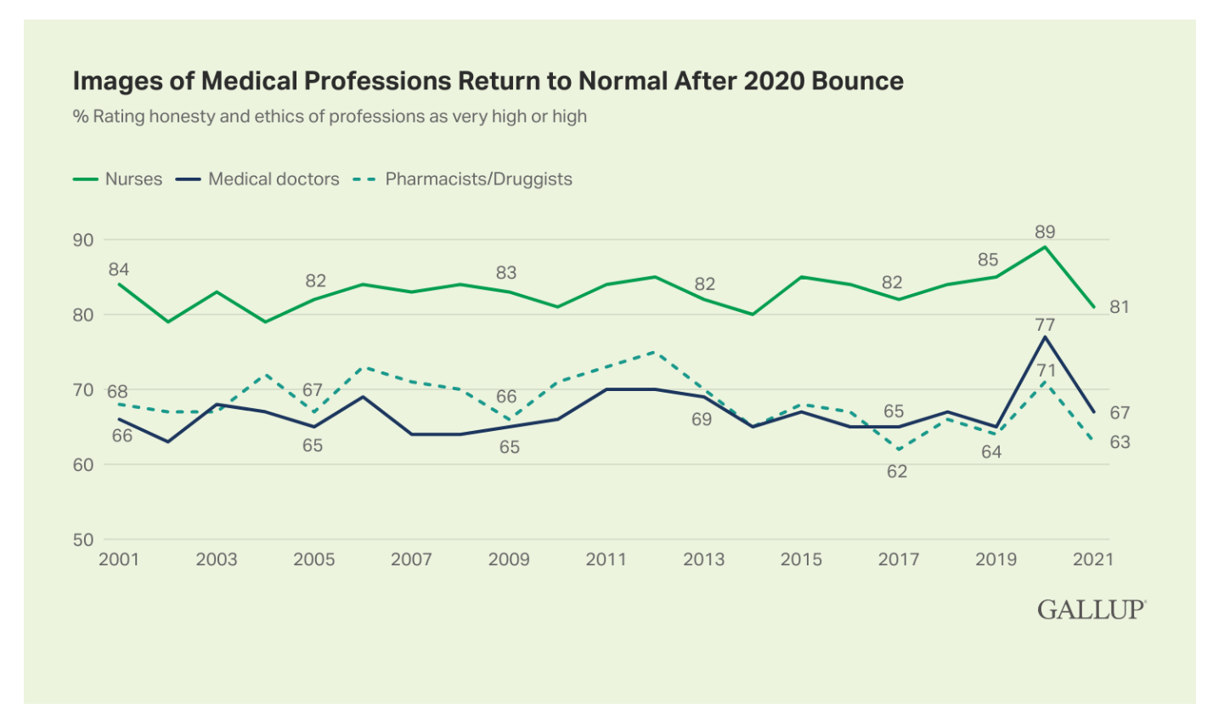
Three health care professions rank in the top four of the most honest and ethical rankings in Gallup’s annual poll on honesty and ethics in professions. And nurses are at the top of the list for the 20th year in a row. Grade-school teachers ranked third place between physicians and pharmacists, shown in the big chart of job types from most ethical to least. Perennially, the bottom-ranked posts are a mix of politicians (Members of Congress and lobbyists, state office holders), car salespeople, and the Mad Men and Women of advertising. Media professionals in TV and newspapers also polled relatively
Mental Health at CES 2022 – The Consumer’s Context for Wellbeing in the New Year
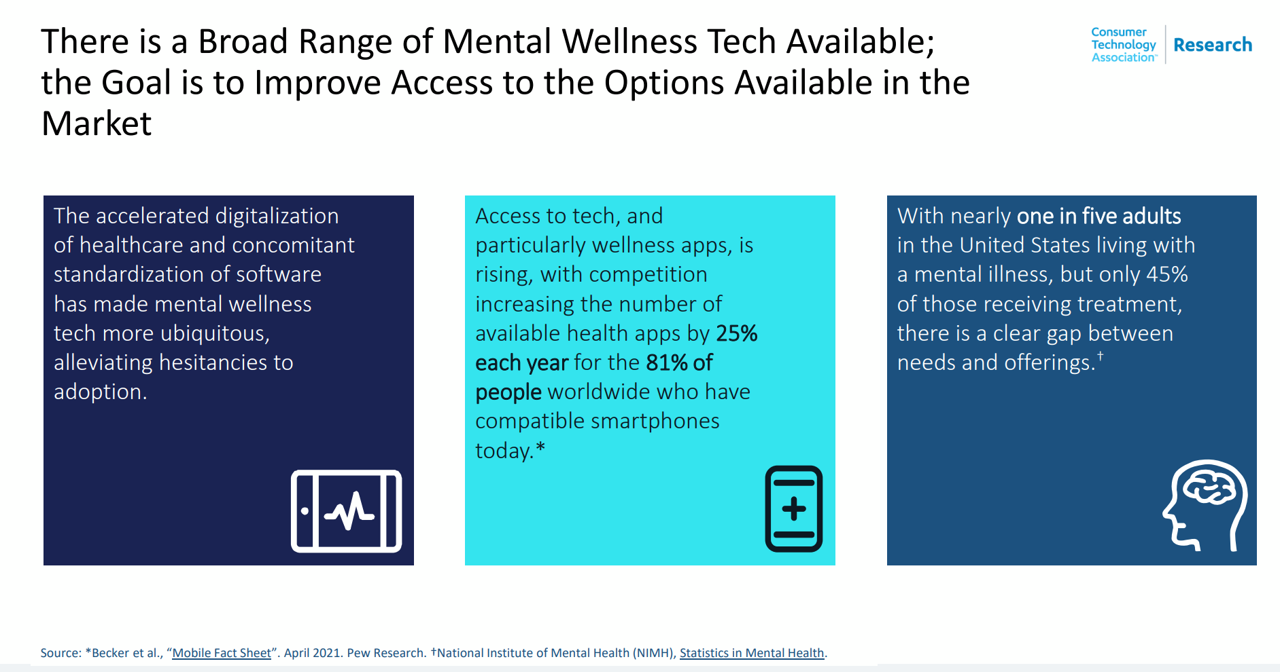
As we enter COVID-19’s “junior year,” one unifying experience shared by most humans are feelings of pandemic fatigue: anxiety, grief, burnout, which together diminish our mental health. There are many signposts pointing to the various flavors of mental and behavioral health challenges, from younger peoples’ greater risk of depression and suicide ideation to increased deaths of despair due to overdose among middle-aged people. And about one-in-three Americans has made a 2022 New Year’s resolution involving some aspect of mental health, the American Psychiatric Association noted approaching the 2021 winter holiday season. Underneath this overall statistic are important differences across various
Health Care Planning for 2022 – Start with a Pandemic, Then Pivot to Health and Happiness
One of my favorite Dr. Seuss characters is the narrator featured in the book, I Had Trouble In Getting to Solla-Sollew. I frequently use this book when conducting futures and scenario planning sessions with clients in health/care. “The story opens with our happy-go-lucky narrator taking a stroll through the Valley of Vung where nothing went wrong,” the Seussblog explains. Then one day, our hero (shown here on the right side of the picture from the book) is not paying attention to where he is walking….thus admitting, “And I learned there are troubles of more than one kind, some come from
The 2022 Health Populi TrendCast for Consumers and Health Citizens
I cannot recall a season when so many health consumer studies have been launched into my email inbox. While I have believed consumers’ health engagement has been The New Black for the bulk of my career span, the current Zeitgeist for health care consumerism reflects that futurist mantra: “”We tend to overestimate the effect of a technology in the short run and underestimate the effect in the long run,” coined by Roy Amara, past president of Institute for the Future. That well-used and timely observation is known as Amara’s Law. This feels especially apt right “now” as we enter 2022,
Does Inequality Matter in the U.S.? Health and the Great Gatsby Curve
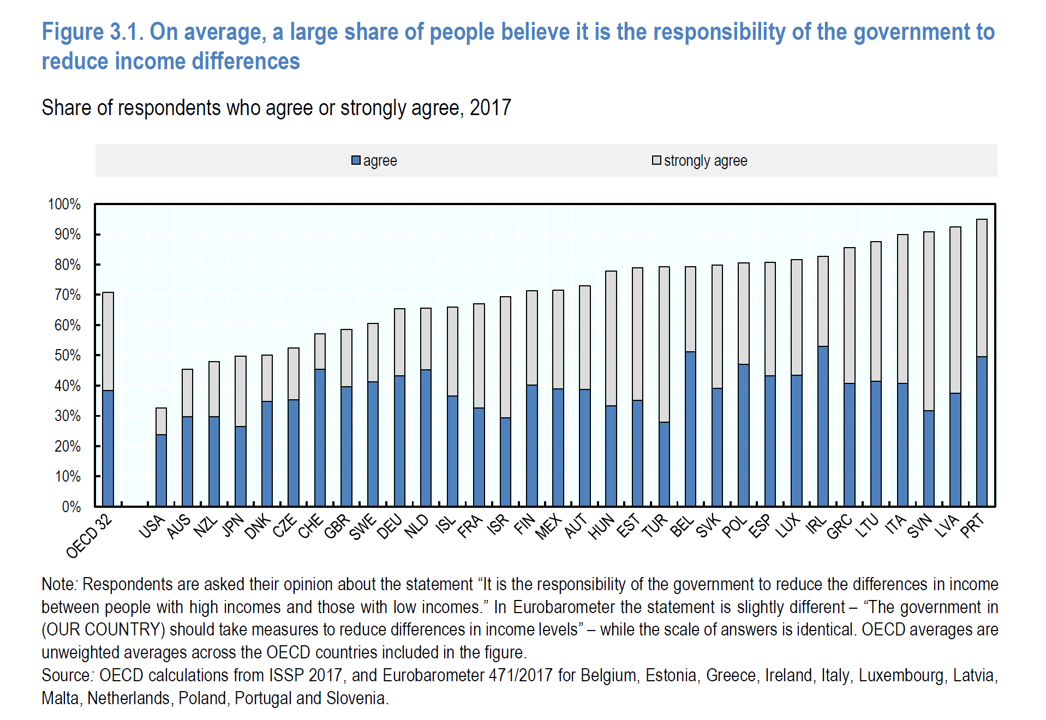
Compared with the rest of the developed world, people living in the U.S. may be concerned about income inequality, but their demand for income redistribution is the lowest among peer citizens living in 31 other OECD countries. In their latest report, Does Inequality Matter? the OECD examines how people perceive economic disparities and social mobility across the OECD 32 (the world’s developed countries from “A” Australia to “U,” the United Kingdom). Overall the OECD 32 average fraction of people who believe it is the government’s responsibility to reduce income differences among those who think disparities are too large is 80%
Be Mindful About What Makes Health at HLTH
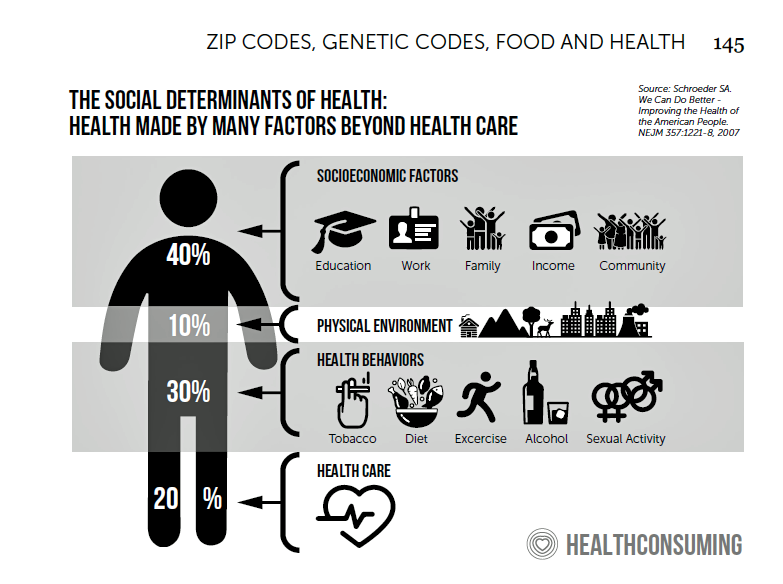
“More than a year and a half into the COVID-19 outbreak, the recent spread of the highly transmissible delta variant in the United States has extended severe financial and health problems in the lives of many households across the country — disproportionately impacting people of color and people with low income,” reports Household Experiences in America During the Delta Variant Outbreak, a new analysis from the Robert Wood Johnson Foundation, NPR, and the Harvard Chan School of Public Health. As the HLTH conference convenes over 6,000 digital health innovators live, in person, in Boston in the wake of the delta
 Thank you Aaron Strout for hosting our conversation on the Reaching Higher Podcast, now live on Apple, Spotify, and YouTube. We covered a lot of ground addressing health care and health citizenship, the growing prospects for our homes as our health hubs, and how our humanity is a key ingredient in health-making for all.
 Jane joined host Dr. Geeta "Dr. G" Nayyar and colleagues to brainstorm the value of vaccines for public and individual health in this challenging environment for health literacy, health politics, and health citizen grievance. Click onto the Pfizer Value of Vaccines site and you can watch four episodes covering the challenges with adult vaccination, the employer and health plan member's journey to vaccination, reimbursement, and collaborating for proactive prevention.
 I'm grateful to be part of the Duke Corporate Education faculty, sharing perspectives on the future of health care with health and life science companies. Once again, I'll be brainstorming the future of health care with a cohort of executives working in a global pharmaceutical company.