


The Cost of Confusion with U.S. Healthcare – a deja vu of The Temptations’ “Ball of Confusion”
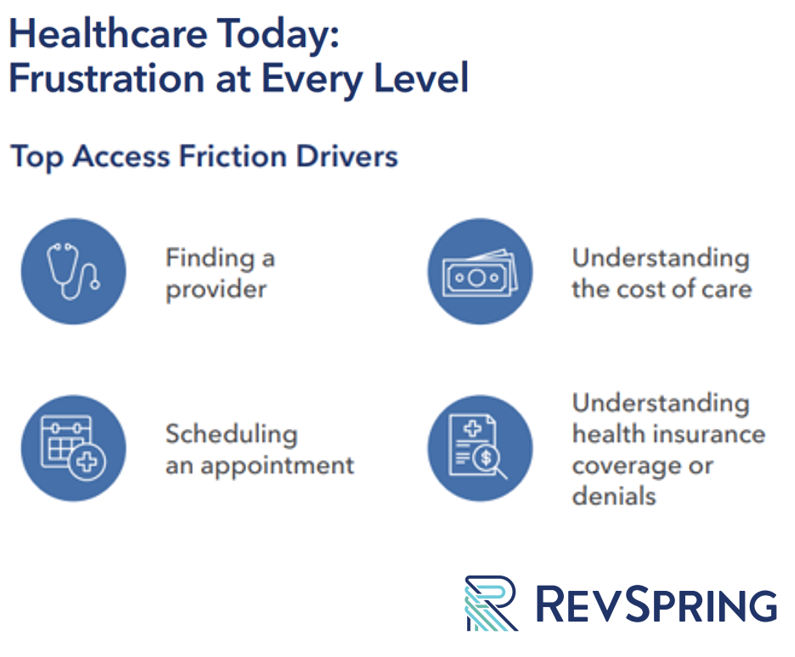
A new survey from RevSpring, a healthcare payments company, measures consumers’ feelings of friction with healthcare in America — where people feel frustration “at every level,” the topline reads. The title of the paper, The Cost of Confusion: How Friction Shapes the Healthcare Experience, reminded me of one of my favorite songs from Motown growing up, “Ball of Confusion.” This Temptations hit was written by the great Motown songwriters, Norman Whitfield and Barrett Strong (who interestingly and to the point of this post, recorded the first hit single for Motown, the fabulous song “Money [That’s What I Want],” in 1960).
Prescription Drug Pricing in America – a 3-Part Update, From the Over- the-Counter OPill and “Half-Price” Ozempic to Most-Favored-Nation Rx (Part 3)
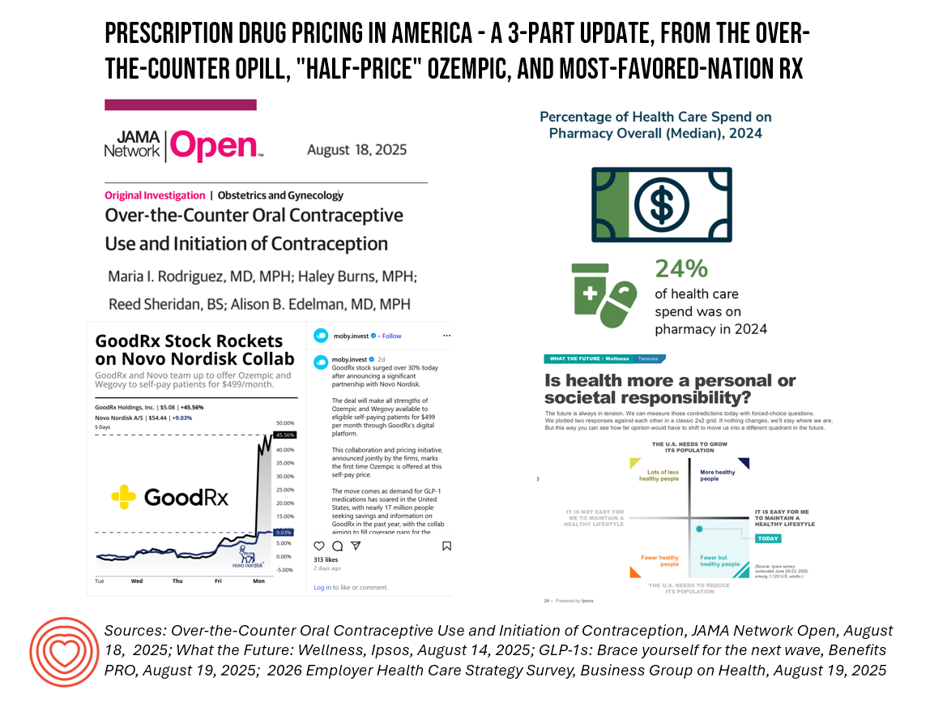
Welcome to Part 2 of 3 in my consideration of Prescription Drug Pricing in America. You can catch up with yesterday’s Part 1 post here, and Part 2 here. The macro-context for these 3 posts are the forecasts for health care spending for the coming year. Health care cost increases forecasted for 2026 will, in significant part, be driven by prescription drug trend. This graphic from this week’s release of the Business Group on Health’s employer survey on healthcare cost growth to 2026 illustrates a key finding that’s echoed in other similar studies recently released and covered here in Health Populi.
Prescription Drug Pricing in America – a 3-Part Update, From the Over- the-Counter OPill and “Half-Price” Ozempic to Most-Favored-Nation Rx (Part 2)
“Big Pharma has a new vision for selling drugs. It’s going to the mattresses,” writes Josh Nathan-Kazis in MSN earlier this week. That is, going direct-to-consumer (DTC) the way the mattress industry has done in the past decade, cutting out brick-and-mortar sleep shops at retail. In the case of “Make(ing” like a mattress company,” Josh explains, the pharma manufacturers “sell shots and pills straight to the consumer.” In this case, that’s cutting out the pharmacy benefits managers and other intermediaries that have taken dollars in the transactions of drug benefit claims which have added costs to payers (health plan sponsors
Prescription Drug Pricing in America – a 3-Part Update, From the Over- the-Counter OPill and “Half-Price” Ozempic to Most-Favored-Nation Rx (Part 1)
Health care costs will increase, overall, as much as 10% in 2026, the consensus of several health benefit analysts inform us. And, “workers to bear brunt of health cost increases in 2026,” reads today’s Axios headline on the topic, weaving together several studies from the Business Group on Health, Mercer, and the International Foundation of Employee Benefit Plans. A kay cost-contributor cited in all of these health cost forecasts is the prescription drug line item: specialty drug prices, and specifically the costs of GLP-1 medicines and cancer therapies. One strategy gaining fast-traction on both the
How BioPharma Can Improve Consumers’ Experience and Health
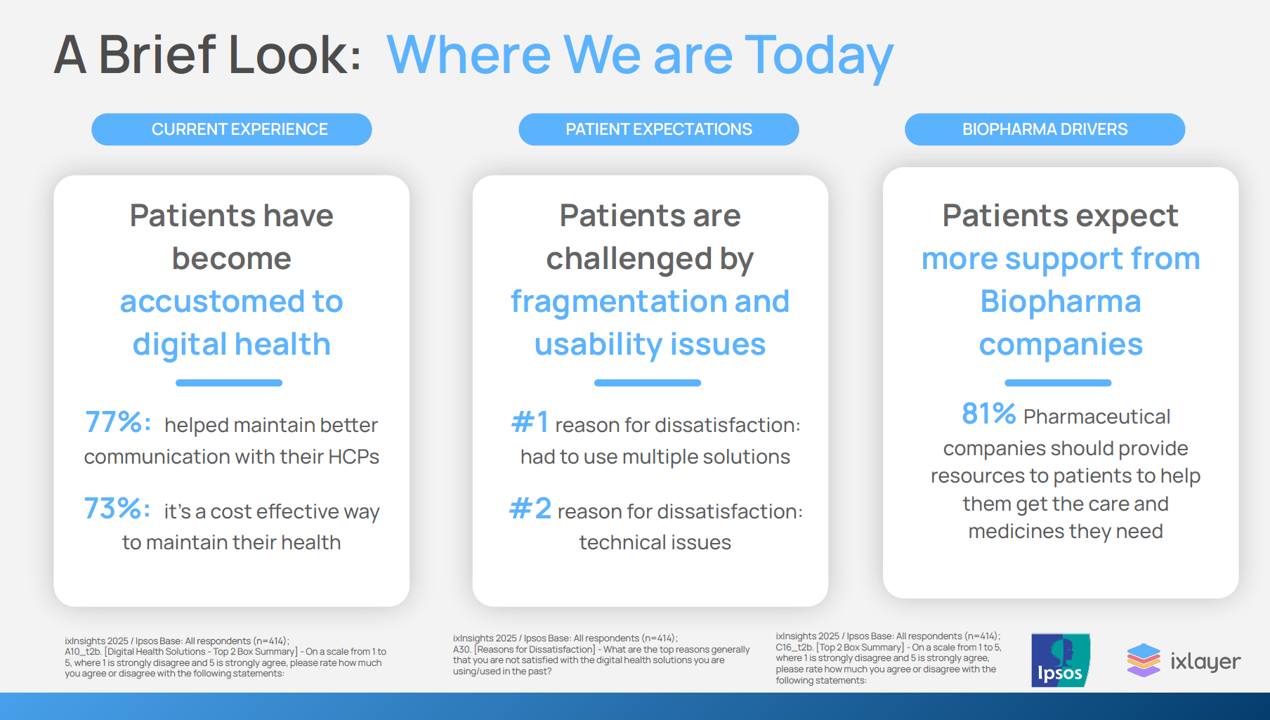
Patients as health consumers now know what “good” looks like in their digital experiences. People have tasted the convenience and respect they feel from well-designed, streamlined omnichannel retail experiences, and they now expect this from health care — specifically supported by the pharmaceutical companies who manufacture the medicines they use in managing chronic conditions, we learn in ixlayer ixInsights 2025: Pharma’s Role in Improving the Health Experience from ixlayer and Ipaos. The patient-focused report gets specific about people dealing with asthma, COPD, Type 2 diabetes, heart disease, psoriasis, and atopic dermatitis with a lens on
How Disrupting the Generic ED Meds Sales Model Marries to Our Digital Coexistences – Mark Cuban at the Shelly Palmer Innovation Series Breakfast #CES2025
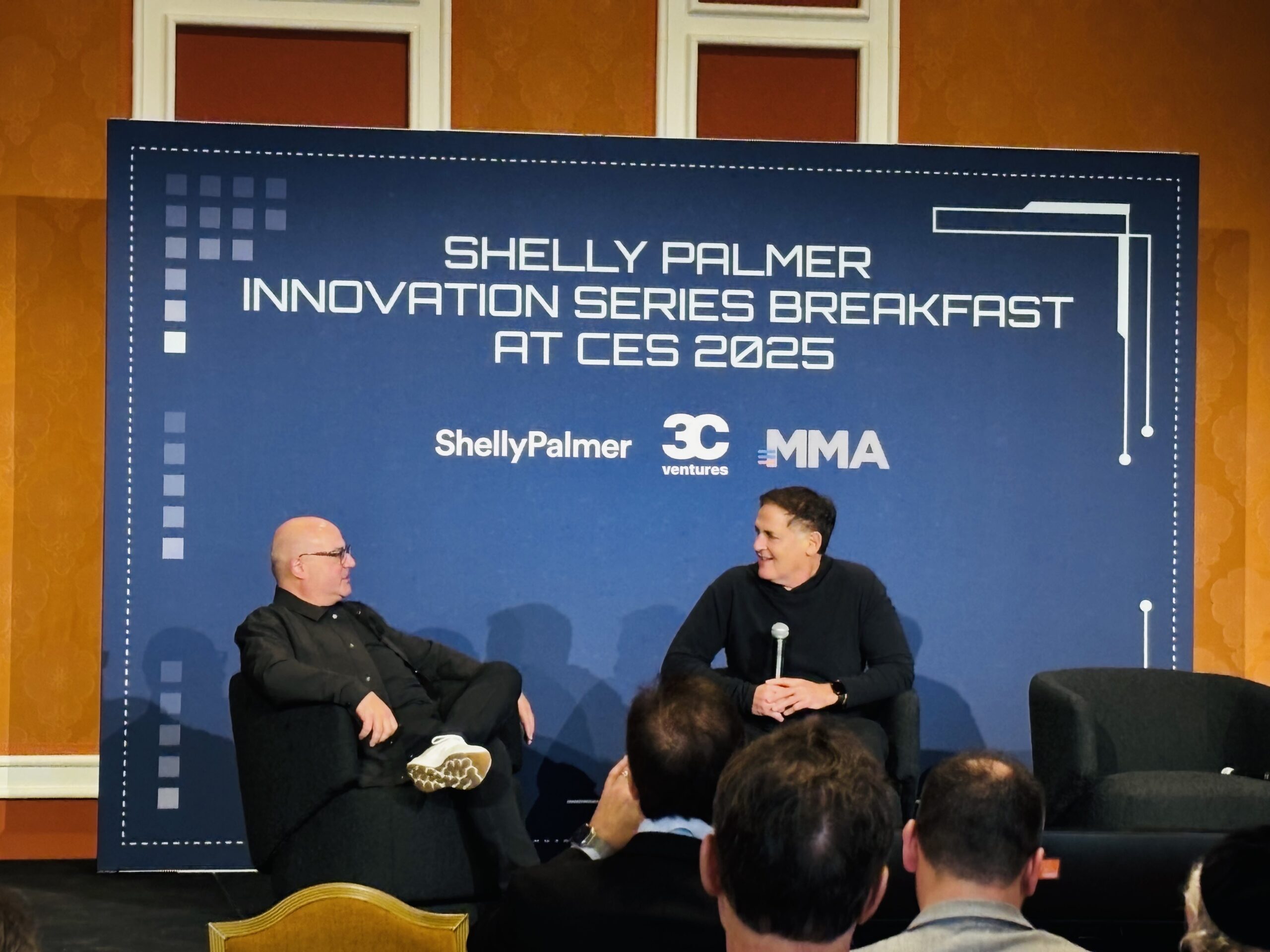
What was Mark Cuban doing “gate-crashing” Shelly Palmer’s Innovation Breakfast? My worlds of content and health care collided in a serendipitous way this morning when, at the conclusion of my annual beloved experience attending and learning at the Shelly Palmer Innovation Series breakfast which focuses on content, media, entertainment, and now AI mashing up everywhere, all at once, Mark Cuban appeared as a late-breaking guest in fireside chat with Shelly. Here’s my photo to prove it, circa 903 am this morning. Before even chatting about AI, X, and his
 One of the best aspects of my work is collaborating across the health/care ecosystem to address how health citizens can deal with health care costs and and care for families. I'm grateful to have collaborated with Fidelity on their research into this issue, which you can access at the link here.
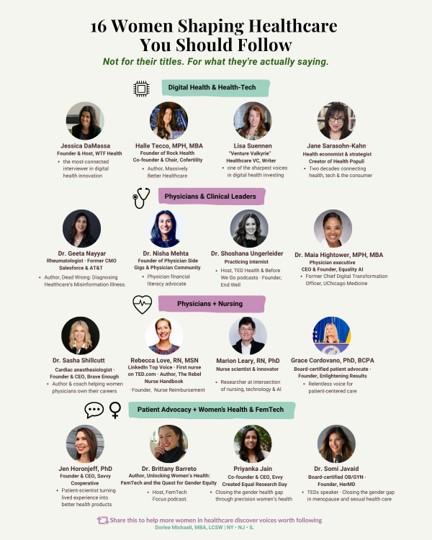 I'm gratified to be named on this updated list of 16 women's voices who are shaping health care. The curator of the list, Dorlee Michaeli, asked the question: "If someone wanted a smarter healthcare LinkedIn feed tomorrow, who should they follow today?" Glad to be one of these voices.
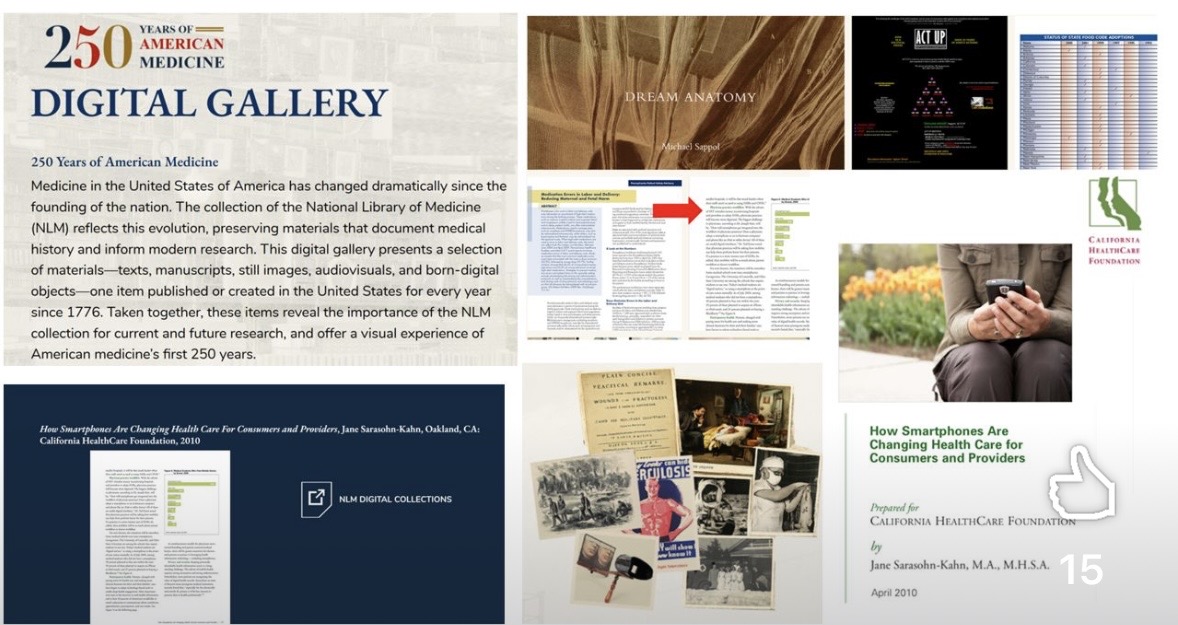 I’m celebrating America’s 250th birthday both patriotically and professionally, honored that the NLM included my 2010 paper, “How Smartphones Are Changing Healthcare for Consumers and Patients” as one of 250 items curated for the digital archive of 250 Years of American Medicine.