


A Month Until #CES2026 – The Journey to Our Personal Health Operating Systems

In a month, I’ll board a plane for Las Vegas to spend a week at CES 2026, the annual electronics conference that last year brought together over 140,000 global technology stakeholders to display, demonstrate, and sell the latest in consumer-facing tech. This will be my fourteenth CES (including the virtually convened meeting held in 2021). If you want to time travel, here’s a link to an early CES post featuring “The Battle of the (Wrist)bands.” Indeed, the digital health aisle at the time had many wrist-worn activity trackers, largely amped-up pedometers, with the likes
Feeling Under-Served and Overlooked: Men’s Views on Their Fertility Journeys (My Progyny Post #1)
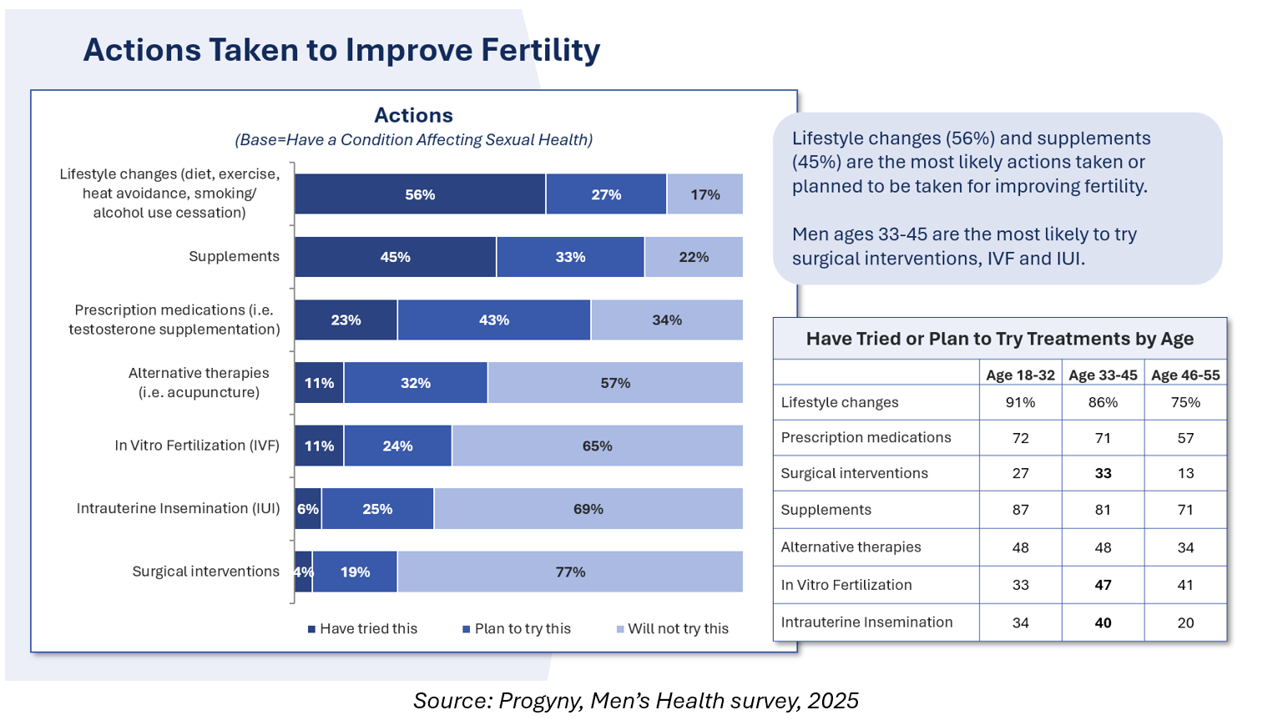
In his latest book, Notes on Being a Man, Scott Galloway discusses his personal fertility journey in the larger social context of what it means to be a man in modern America. Galloway’s infertility challenges shared with his wife inform his views on men’s health across all dimensions — physical, mental health, social health, financial well-being — and how, of course, men’s overall health is also a women’s and children’s issue. Men can feel “left out” of infertility discussions, based on results from the first and largest multi-national study into men’s feelings about their infertility revealed. “How men feel about
Where Health Meets Beauty, Mental Health, and Faith: Learning from the Farmaceutica di Santa Maria Novella
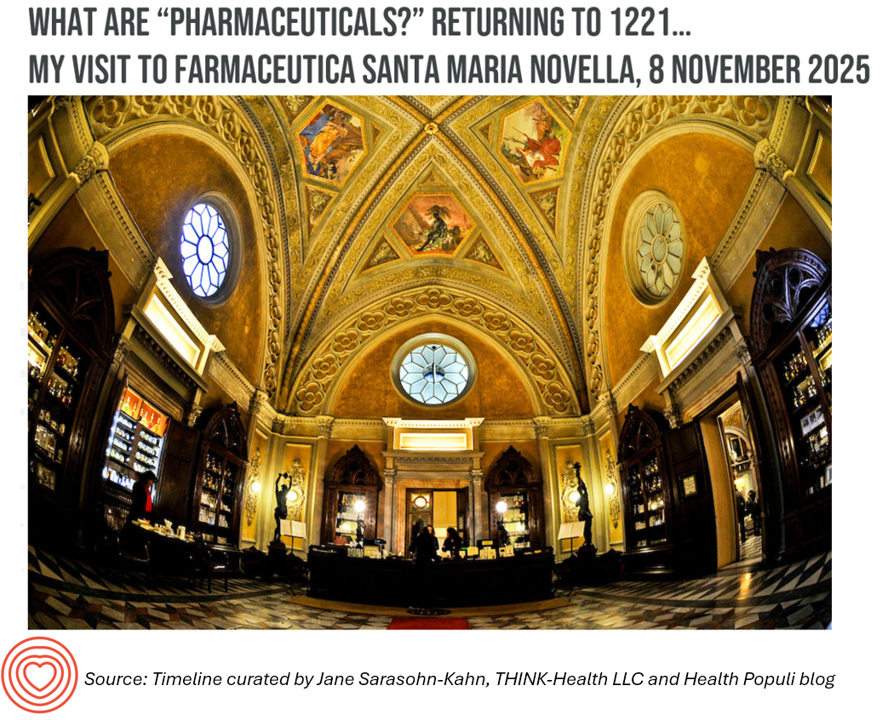
What is a pharmacy? And what are “medicines?” I’ve been thinking about this question for some time, and had the opportunity to consider this in real-time in a sort of back-to-the-past-to-the-future moment when I spent time at the glorious Farmaceutica of Santa Maria Novella (SMN) in Florence, Italy (in longhand, the “Officina Profumo-Farmaceutica di Santa Maria Novella)” on 8th November. This meet-up at this 800+ year old institution is one of many touchpoints in my work and personal life between late October and late November, where I’m working on health/care issues in 4 Euro cities: starting with London in week
The Real Face of Men’s Health in America: Years of Life Lost, Yearning for Social Connection, and Eroding Trust in Health Care

In 2023, more than one-half of male deaths in the U.S. were premature: this is The Real Face of Men’s Health in America, a new report analyzing 2025 U.S. data from the Movember Foundation. The report was published as we approach November which the project chose for Men’s Health Month when launching in Australia over 20 years ago. Compared with the rest of the economically-developed world, Movember found that the “U.S. stands out for the sheer number of years of life lost (YLL), as well as the enormous toll of men’s early deaths
Why I Love The LEGO MRI Scanner
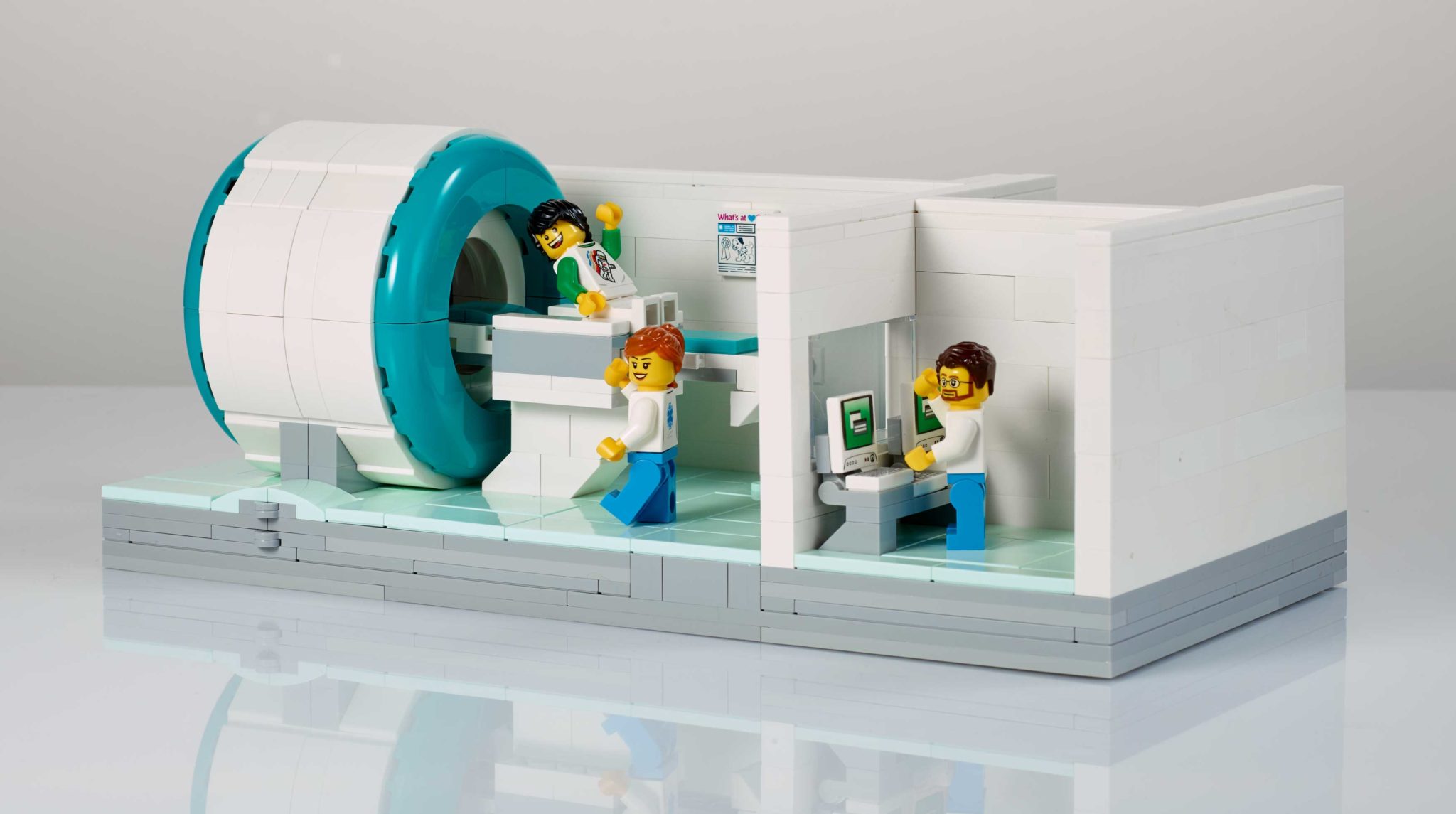
Over one million children around the world have played with an MRI building set from LEGO, which has reduced the young patients’ feelings of anxiety pre-scan along with reducing levels of need for anaesthesia to prep for the MRI procedure, according to the company’s October 13 press release. The LEGO MRI set is a project of The LEGO Foundation and its commitment to ESG — Environmental, Societal, and Governance goals. “Since 2023, more than 10,000 LEGO MRI Scanner sets have been donated to hospitals and health professionals around the world as part of the LEGO
Sleep in Our Lives: Self-Care, From Using PTO and Vacation Time to Tracking and Digital Detoxes

Sleep is a sort of luxury good when you don’t have it or get it: like water in a desert, it’s priceless and life-saving. When someone thinks of health, “sleep” falls into the top 3 factors, as measured by the Kearney Consumer Institute’s global survey conducted for the Consumer Goods Forum 2025. You can see from Kearney’s data shown here that physical activity (say, mobility and walking and moving about) ranks top for global health citizens, followed by diet and nutrition. Amerisleep, a sleep
In 10 Years, Health Care Will Happen Where Life Happens – PwC’s Tea Leaves into 2035
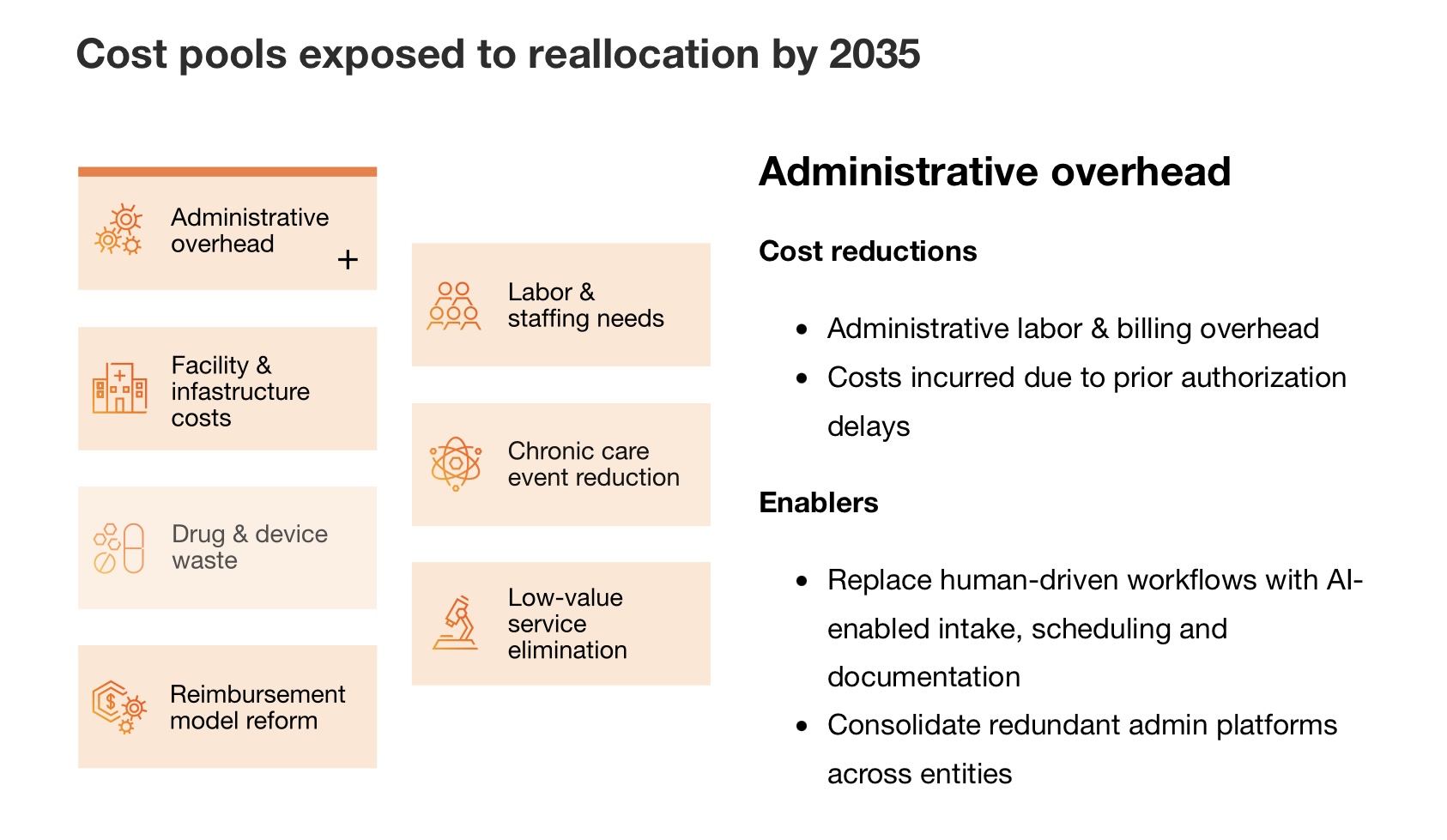
The costs of medical care are breaking the system, PwC asserts at the start of its new report on the $1 trillion opportunity to reinvent healthcare. The past 3 years of 8+% U.S. national health expenditure increases are “untenable,” PwC says, with 90% of that spending going toward patients with chronic and mental health conditions. What will transform the system and move us from “breaking point to breakthrough?” Biology and technology, PwC explains, with technology moving exponentially and simplifying care at scale, and biology decoding the “human operating system” enabling precision at scale. This
What the Growth of Single-Person-No Children SNAP Beneficiaries Means for Health in America
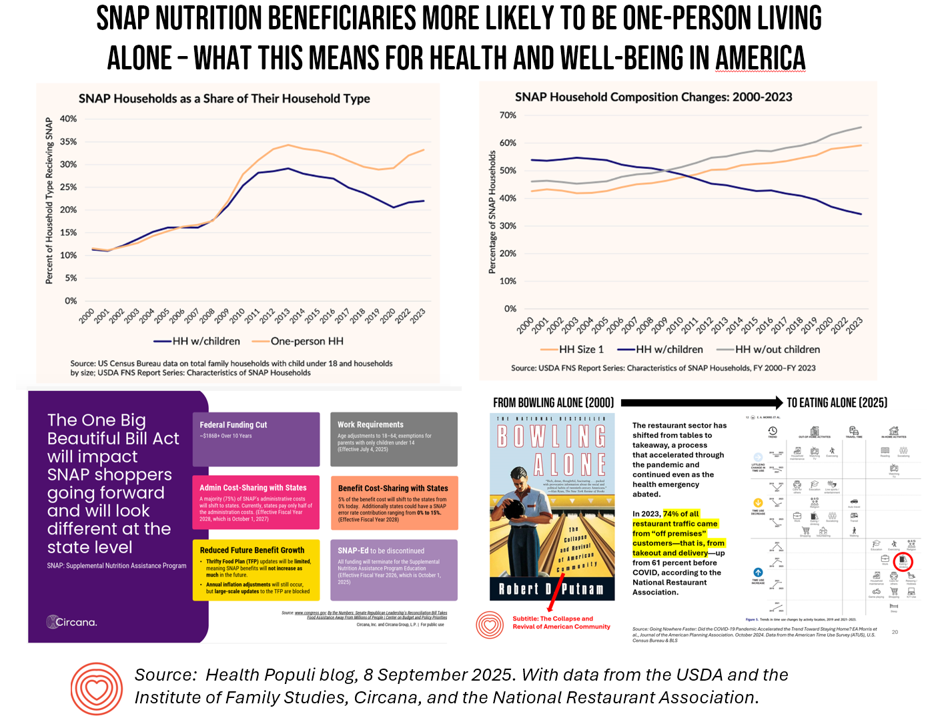
“SNAP has moved away from primarily serving families with children toward serving households without children, particularly those consisting of just one person,” an analysis from The Institute for Family Studies observes, giving us some food-for-thought on what these changing demographics of SNAP beneficiaries could mean for the health and well-being of people in the U.S. The Institute looked at data from the U.S. Department of Agriculture and graphed this top-line trend of households with children declining as a percent of SNAP households compared with growth among households without children. SNAP has significant
On Labor Day 2025: From Health Care “Revenue Bounty Hunters,” Medical Bills Back into FICO Scores, the Rise of “Cute Debt,” and Tariffs — U.S. Consumers’ Face Eroding Financial Health
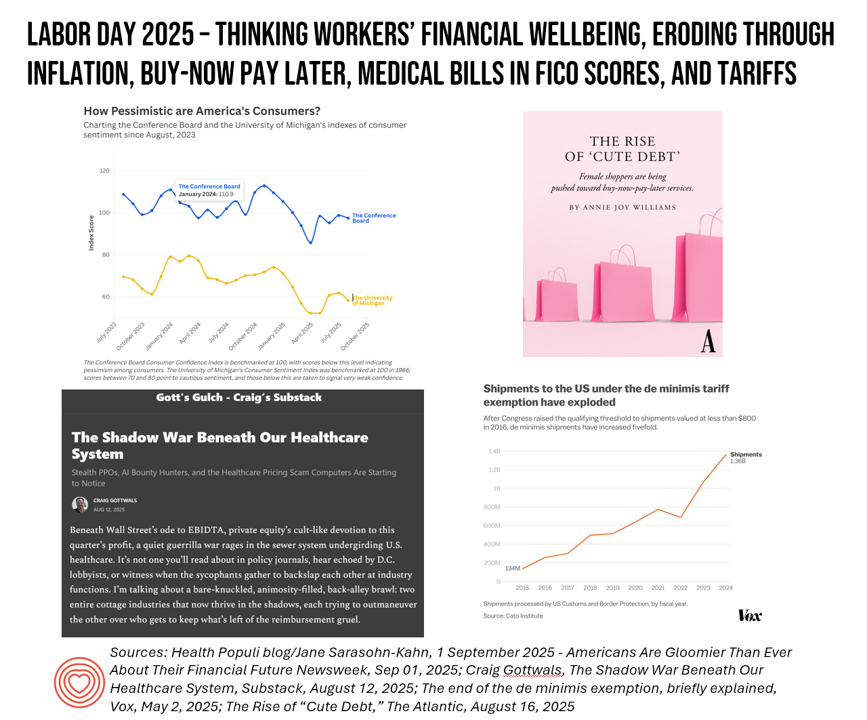
On this U.S. Labor Day 2025, the physical and the fiscal, with the mental, converge as I ponder what working Americans are facing….packing kids up for school, sorting out college payments and loans, dealing with rising costs of daily living, and feeling a growing pinch of what President Trump’s tariffs have had in store now that they’re hitting SKUs around the household. This post will cover most days this week as my own workflows will be heavy as clients return to face returns-to-work and updating scenario plans. We start this post with a headline: “Why Hospitals Are Hiring ‘Revenue Bounty
Prescription Drug Pricing in America – a 3-Part Update, From the Over- the-Counter OPill and “Half-Price” Ozempic to Most-Favored-Nation Rx (Part 2)
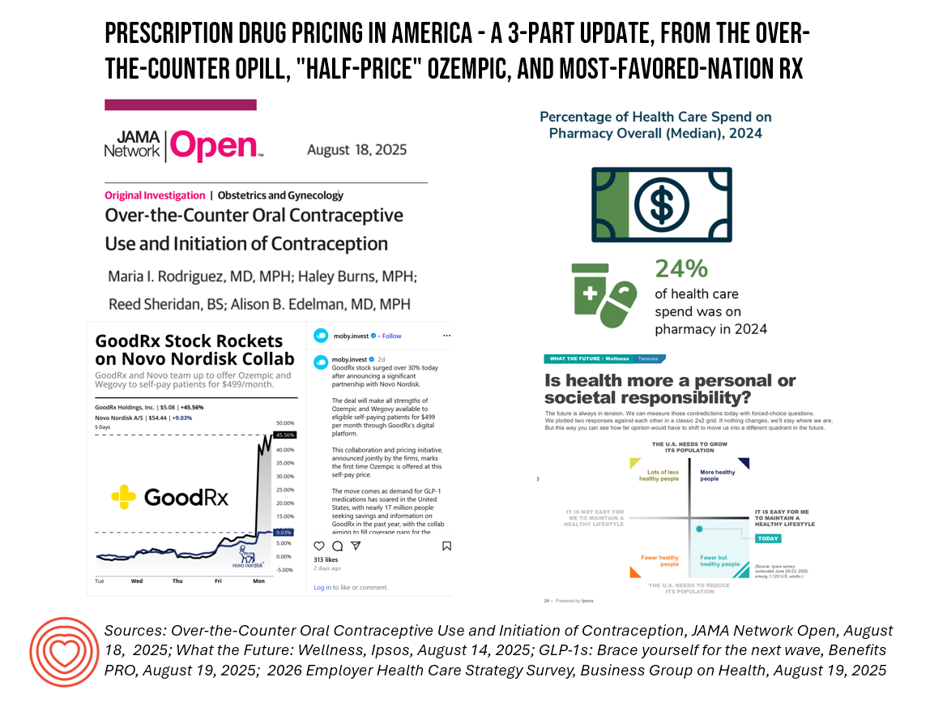
“Big Pharma has a new vision for selling drugs. It’s going to the mattresses,” writes Josh Nathan-Kazis in MSN earlier this week. That is, going direct-to-consumer (DTC) the way the mattress industry has done in the past decade, cutting out brick-and-mortar sleep shops at retail. In the case of “Make(ing” like a mattress company,” Josh explains, the pharma manufacturers “sell shots and pills straight to the consumer.” In this case, that’s cutting out the pharmacy benefits managers and other intermediaries that have taken dollars in the transactions of drug benefit claims which have added costs to payers (health plan sponsors
Women Walk a Financial Tightrope: What That Means for Women’s Health, Mind, Body, & Wallet
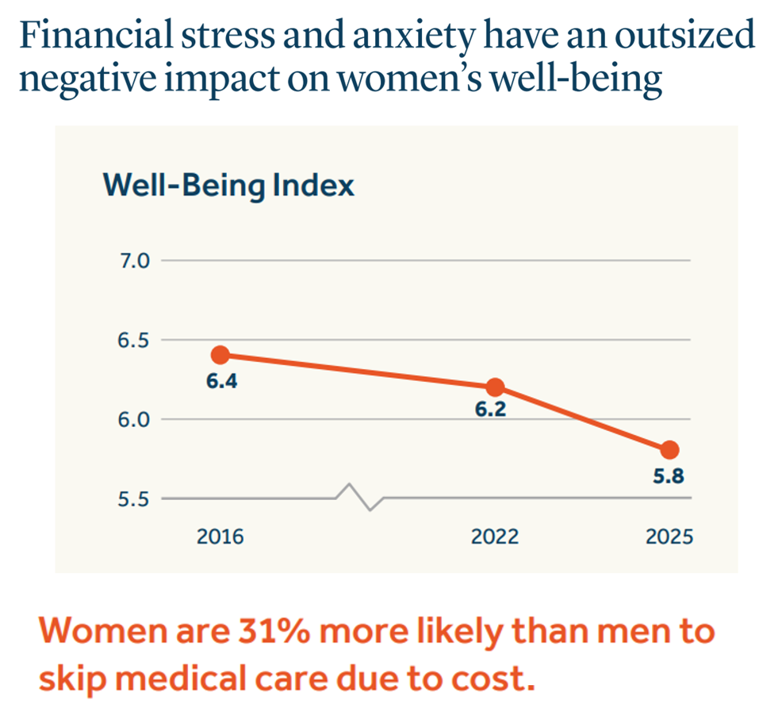
Financial stress and anxiety have an ‘outsized’ negative impact on the well-being of women in America, compared to male counterparts, we learn in Health. Wealth, and Happiness – Helping to overcome roadblocks to women’s well-being, a report from the Guardian Life Insurance Company. This report is part of Guardian’s annual research program called Mind, Body, Wallet, which the company launched 14 years ago. The goal of Mind, Body. Wallet is to assess how health citizens define “well-being” in daily living, making the crucial connections between mental health (“Mind”), physical health (“Body”), and money
Ozempic: A Medicine, and a “Cultural Shorthand” – What The Harris Poll Knows About Gen Z Consumers and Health Care in America

Among the top 20 fastest-growing growth brands beloved by Americans between 18 and 28 years of age — that is, Gen Z consumers — we see brand-equity love for companies channeling athleisure, fashion, new-fangled financial products, and food & beverage brands. And then there’s Ozempic, which gained 10 full percentage points from Q1-2025 to Q2-2025, according to The Harris Poll’s QuestBrand research. What does it mean that a prescription drug has joined these brand-loved rankings? The QuestBrand research found that as of the second quarter of 2025, more than one in 3
Why a Grocery Store Signed On to “Make Health Tech Great Again”

Joining the ranks of technology heavyweights Amazon, Anthropic, Apple, Google, and OpenAI, as well as digital health innovators Noom, Oura, Virta Health and Welldoc, who have pledged to “Make Health Tech Great Again,” Albertsons, one of the largest grocery chains in the U.S., put its name on the list with these and other early adopter collaborators. The Albertsons’ company blog published on 31 July discussed the background and rationale for this decision. “Specifically, we pledge to explore how our Sincerely Health platform can connect to The Centers for Medicare and Medicaid Services (CMS) Aligned
Most People Would Choose Food Over Meds to Get Healthy. But Barriers to Consumers Doing So Will Require Collaborative Approaches That Get Closer and Personal
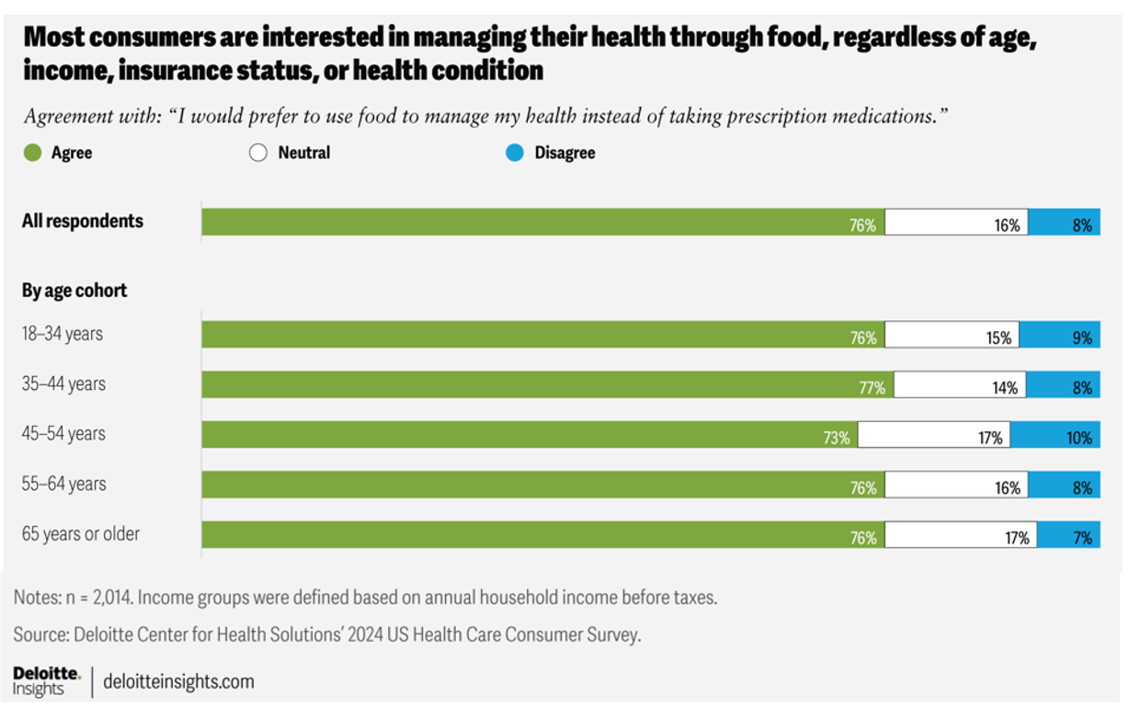
The pandemic era re-shaped consumers’ views on food as an input for health across all dimensions. We look back with affection for our local grocery stores and pharmacies which played leading roles as first responders f0r our health and, quite literally, the basic needs at the base of our personal hierarchies the way Maslow conceived them. As I tracked home-bound consumers’ behaviors from the start of COVID-19 in March 2020, I hunted-and-gathered data from Nielsen, Acosta, Circana, Gallup, Harris, and other sources of consumers @ retail. The DIY food-health concept, coined by Nielsen, was the build-up of our “pandemic pantries.”
As Time Becomes More of a Luxury Thing, Consumers Ration Visits to Health Care Providers

When it comes to luxury goods, forget about that Rolex watch, a Louis Vuitton bag, or Porsche. The top luxury item among U.S. consumers in 2025 is time, and with many luxury goods, time is in short supply for most people. An important new report from Duckbill explores the Permission to Ask: Why Americans Need Help — And Why They Struggle to Get It. The top-line finding gleaned through Duckbill’s survey of 2.069 U.S. consumers in early May 2025 was that 2 in 3 Americans are just trying to get through the day. This struggle
National Health Spending in the U.S. in 2033: What 20.3% of the GDP Will Be Spent On
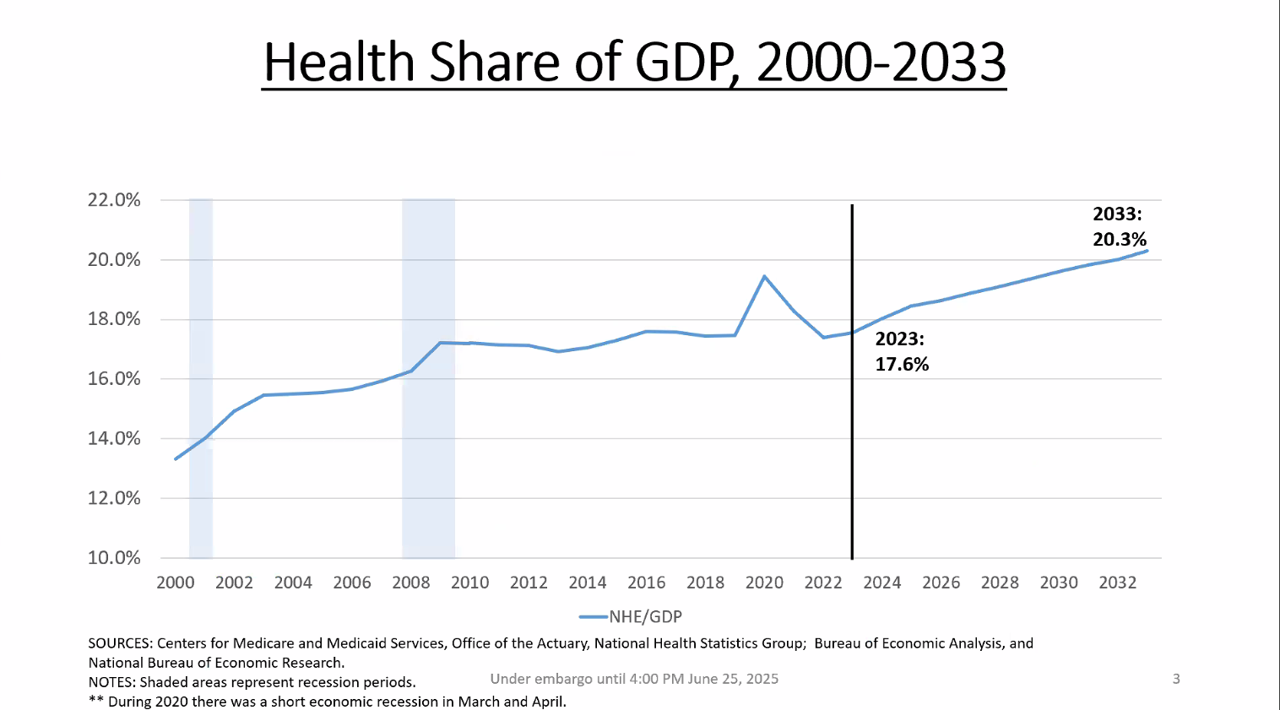
By 2033, national health spending will comprise 20.3% of the U.S. GDP, based on the latest national health expenditure projections developed by researchers from the Centers for Medicare and Medicaid Services (CMS). This growth will be happening as CMS projects coverage of insured people to decline over the period. Earlier today, I attended a media briefing hosted by Health Affairs to receive the CMS team’s top-line forecast of NHE from 2024 to 2033 discussing these findings. Fuller details on the projections will be released in the July issue of Health Affairs on 7
Consumers’ Favorite Brands for 2025 Look a Lot Like Pandemic Times: All About Hygiene, Safety, Personal Care, and Packages

Shades of the year 2020; it’s déjà vu all over again when it comes to consumers’ most trusted brands in 2025 featured in Morning Consult’s Most Reputable Brands report. Here’s the list of the top 25 most trusted brands across all consumer touch-points and industries for all adults, ages 18 and older. A quick calculation reveals that consumers most trust brands covering, Home keeping and hygiene – Dawn, Clorox, Lysol, Mr. Clean, Home Depot Self- and personal care – Dove, Oral-B, Kleenex, Colgate Health – BAND-AID, Tylenol Packages
Americans Hear More Frequently About GLP-1 Drugs Than About Menopause, Sleep, or Bird Flu
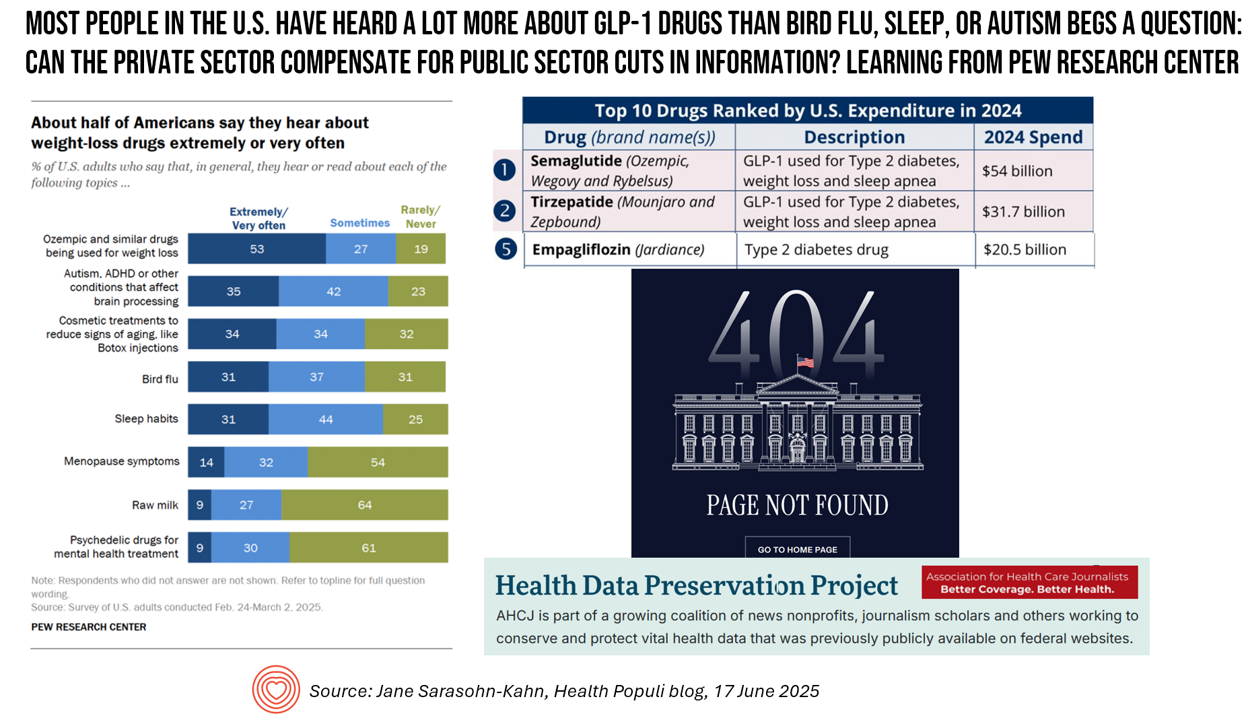
Yu In a sign of our health communications times, GLP-1s are a much more frequently health topic Americans hear about than autism and ADHD, cosmetic treatments like Botox, Bird flu, sleep issues, or menopause. The Pew Research Center polled 5,123 U.S. consumers in February and March 2025 to gauge peoples’ perspectives on health information and communications trends in America. In the study summary titled, From weight-loss drugs to raw milk, Americans hear more often about some health topics than others, the Pew Research team. The finding that
What Children Can Teach Us About Using GenAI – Insights from The Alan Turing Institute and LEGO

“While children are the group that may be most impacted by the widespread deployment of generative AI, they are simultaneously the group least represented in decision-making processes relating to the design, development, deployment or governance of AI,” we learn in Understanding the Impacts of Generative AI Use on Children, research conducted by The Alan Turing Institute in partnership with the LEGO Group. But it’s the children who shared their perspectives who can teach adults about some potential positive and negative aspects of GenAI, and help inform us in managing downside risks. FYI, The Institute is headquartered in the British Library
How Texting Is a Lifeline for Health Access and Equity – Time to Address the TCPA is “Now”

The Telephone Consumer Protection Act (TCPA) was put into law in 1991. The first smartphone was launched by IBM the following year in 1992 known as the IBM Simon. Then Steve Jobs unveiled the iPhone in 2007. Now in 2025, smartphones are ubiquitous, landlines more cut than connected, and texting is the way people communicate. But for many patients, caregivers, health plan members, and health citizens, whichever persona we are in our individual health care journeys at a point in time, the TCPA remains a barrier for people in the U.S. trying to connect with their health care.
The Spirit for Eating Healthier Is Willing, But the Cost of Doing So “Outweighs” the Will – Listening to Escoffier

It’s been a full week’s coverage on food-as-medicine and food as a driver of health in America this week on the Health Populi blog. Today we turn to the chefs at Escoffier who know food, teach food, and now offer programs in holistic nutrition and wellness through the lens of culinary arts. With that lens, Escoffier recently published a report on the future of healthy eating, which will round out this week’s Health Populi landscape on food and health. In the paper, the Escoffier team curated data points from many studies — via Gallup, Mintel, Innova,
Consumers’ Spending on Wellness and Retail Health is “Inelastic” — Think Food (and Food-As-Medicine)
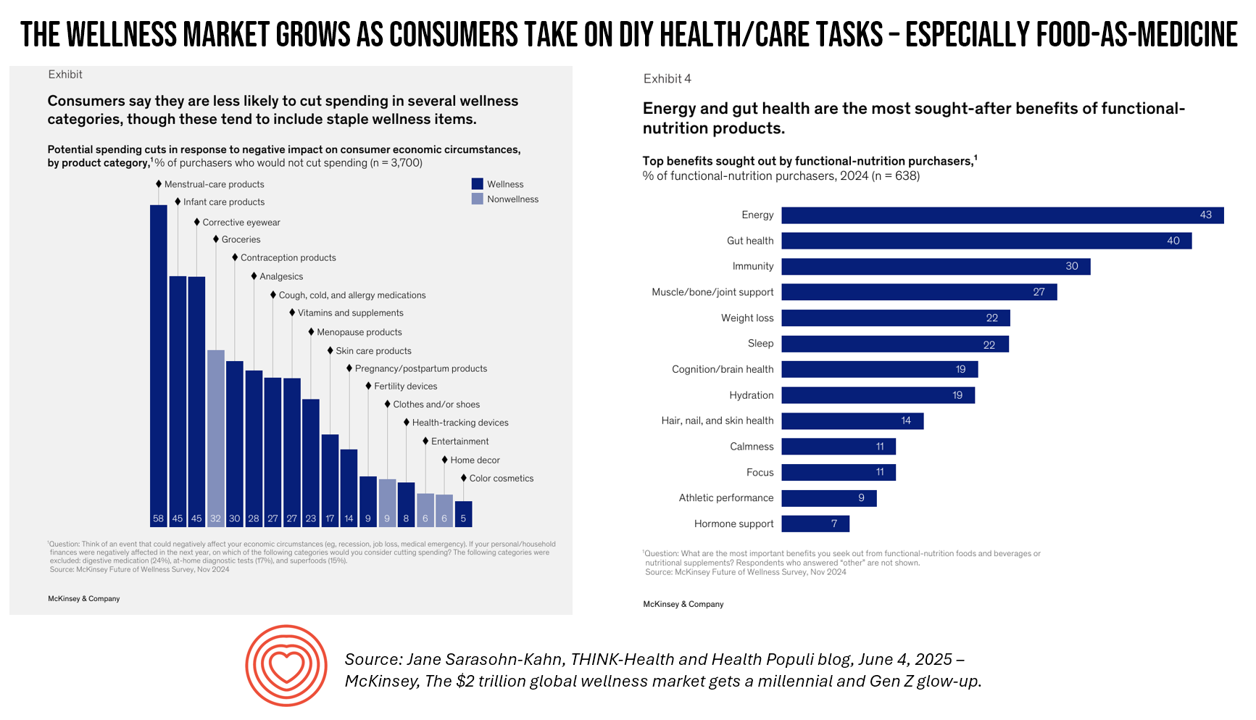
Self-care is a growing thing as people face increasing health care costs, declining access for services and certain products (think: drug shortages and wait times for specialist physician consults), and increasing consumer competence in sourcing information on health care — whether through AI-assisted on-ramps or greater digital literacy in seeking and finding help online. McKinsey has tracked the expanding landscape and value of the global wellness market — and evolving consumer segments — in The $2 trillion global wellness market gets a millennial and Gen Z glow-up. I covered wellness
Consumers Are Keen to Invest in Health and Well-Being – But Show Them the Evidence

Consumers around the world feel more invested than ever in what makes people feel both well and prosperous, we learn in the NielsenIQ Global State of Health & Wellness 2025 survey report. But there’s a trust deficit that must be healed in order for a health consumer to invest in services and products that feed health and well-being. NIQ fielded the survey research online in January and February 2025 among nearly 19,000 adults living in 19 countries: Brazil, Canada, China, the Czech Republic, France, Germany, Hungary, India, Indonesia Italy, Mexico, Netherlands, Poland, South Africa, Spain, Turkiye, UAE, United Kingdom, and
We Go Further Together: Calling for Collaborations, An Actionable Context for AHIP 2025

There are many ways to measure the dysfunction of health care in the U.S.: we can point to relatively poor incomes relative to the rest of the developed world, given how much money is allocated to health care in America. The maternal mortality rate in the U.S. is unconscionably high, akin to some middle- and lower-income nations in the world. And medical debt is a uniquely American form of financial toxicity compared with other OECD nations where the concept is, well, foreign. Even with these many failures, though, it’s important to put U.S. health care in a larger context: the
In Health Care, Consumers Are Seeking Kindness Coupled with Efficiency

Kindness + efficiency + listening + personalization: together, these are the most important experiences consumers seek from health care touchpoints, we learn in Humanizing Brand Experience: Healthcare Edition from Monigle. In this 8th volume of the company’s Humanizing series, Monigle tracks a different pattern of patient engagement — to be sure, built on trust, yet not just as a health consumer dealing with a diagnosed condition — but more holistically for getting me and keeping me healthy and well. The implication and recommendation here is to deliver even more personalized care
Health, Wealth, and How Business Can Support Consumers in an Era of “Uncertainty on Steroids”

Facing uncertainties across everyday life flows, U.S. consumers look to economic and health security — and welcome businesses to support these, we learn in an analysis from The Conference Board. The Conference Board (TCB) polled 3,000 U.S. consumers gauging their perspectives on uncertainties emerging out of the new Trump administration’s policy changes introduced in the first quarter of 2025. The chart details people’s financial/fiscal responses in blue, and the health (mental, social, and physical aspects) in yellow: Consumers’ fiscal strategies for coping with uncertainty are to seek out more affordable brands and retailers, adjusting
If Food Is Medicine, Some Might Feel It’s a Luxury Good Like a Specialty Drug
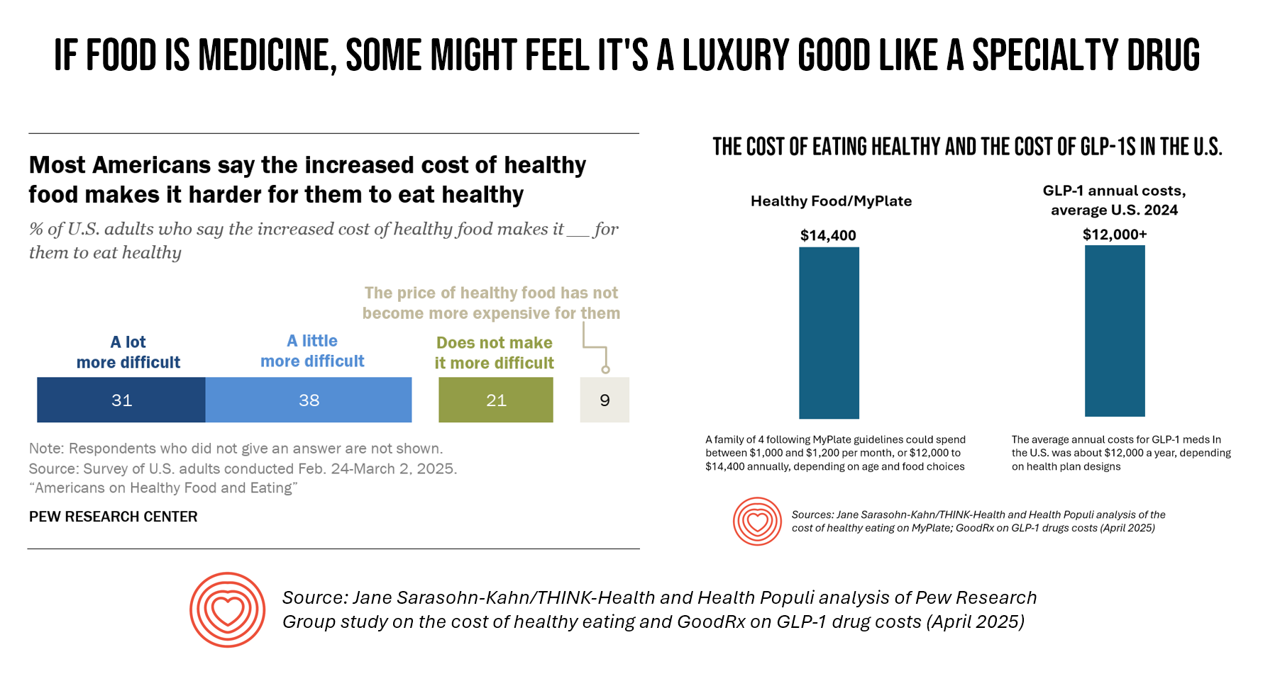
Most people in the U.S. say it’s harder to eat healthy given the cost of “healthy food,” we learn in the report on Americans on Healthy Food and Eating from the Pew Research Center, published 7 May 2025. With a view that healthy food is “too expensive,” it may feel like aspiring for it feels like luxury-good shopping, or being a patient prescribed a specialty (high-cost) drug. The Pew team polled 5,123 U.S. adults’ perspectives on eating, fielded between 24 February and 2 March 2025. This report is timely as Secretary of Health and
Americans’ Trust in Public Health Agencies Has Become Politicized, Though There is Bipartisan Support for Many Public Health Priorities

While health citizens’ trust in the “messengers” of health information has become polarized by partisans’ political views, there is real concordance of support for many public health priorities. We weave together two current studies to come to this realization: the latest (April 2025) KFF Tracking Poll on Health Information and Trust, KFF’s ongoing health survey (published 6 May); and, the de Beaumont – Harvard Chan School of Public Health poll into Americans’ views on public health in “the first 100 days” of President Trump’s presidency. First, consider the KFF study, conducted among
How Consumers’ Economic Sentiments Are Shaping Peoples’ Financial and Emotional Well-Being (Spoiler: Not So Good): Learning from CivicScience
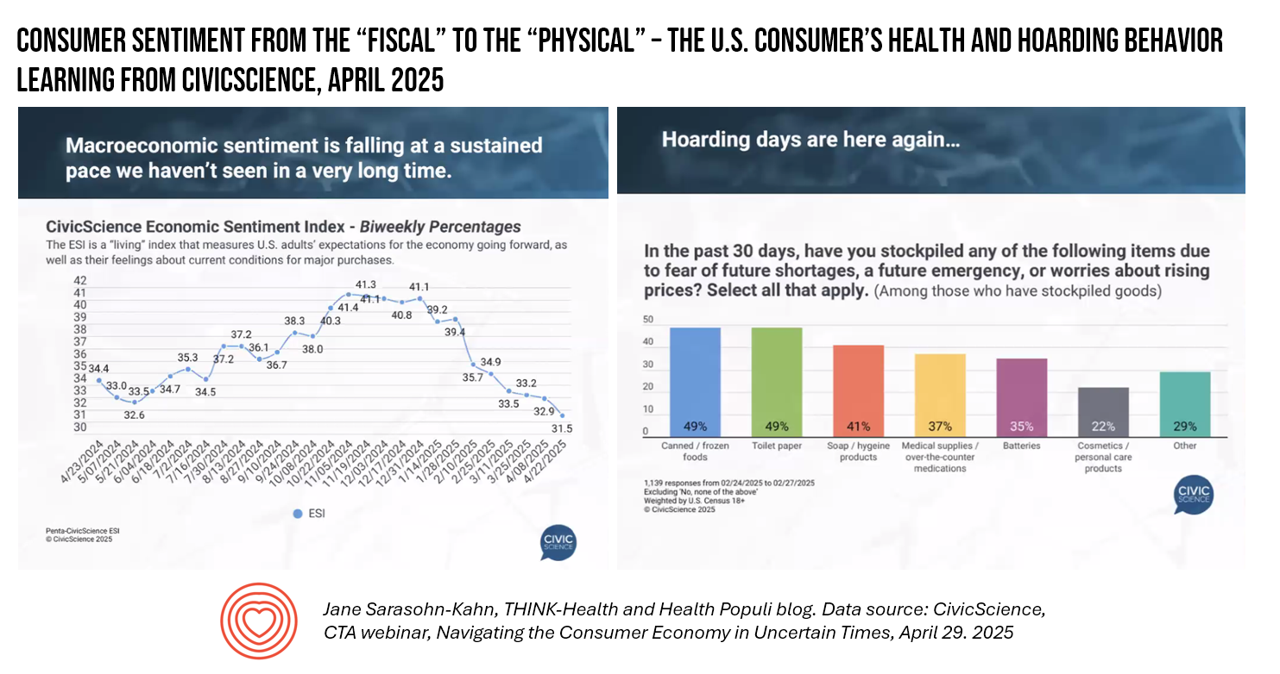
When it comes to health, the words “fiscal” and “physical” are morphing as peoples’ economic feelings (the “fiscal”) are shaping physical and emotional health, we find in U.S. consumer data presented by John Dick, Founder and CEO of CivicScience. The Consumer Technology Association convened a special session with John, who painted a portrait of the U.S. consumer at a point in time — late April 2025 — reminding us more than once during the hourlong session that, “Everything is constantly changing.” One certainty that we can be sure of, in the dismal-scientist way
“The Church As Field Hospital” – Learning from Pope Francis About the Power of Loneliness and Connection

“I see the church as a field hospital after battle.” The death of Pope Francis gives me reason today to turn to one of the key themes he spoke about during his years leading the Catholic Church. That is, the Church as Field Hospital. Healthwise, the Pope had a history of respiratory conditions which began in his early 20s when he had surgery to remove a piece of his lung affected by an infection. Still, he lived to a ripe 88 years of age, participating in Easter Sunday’s morning mass at The
The Biggest Opportunity for Sporting Goods is Consumers’ Physical Inactivity: Learning from McKinsey (with a personal nod to pickleball)
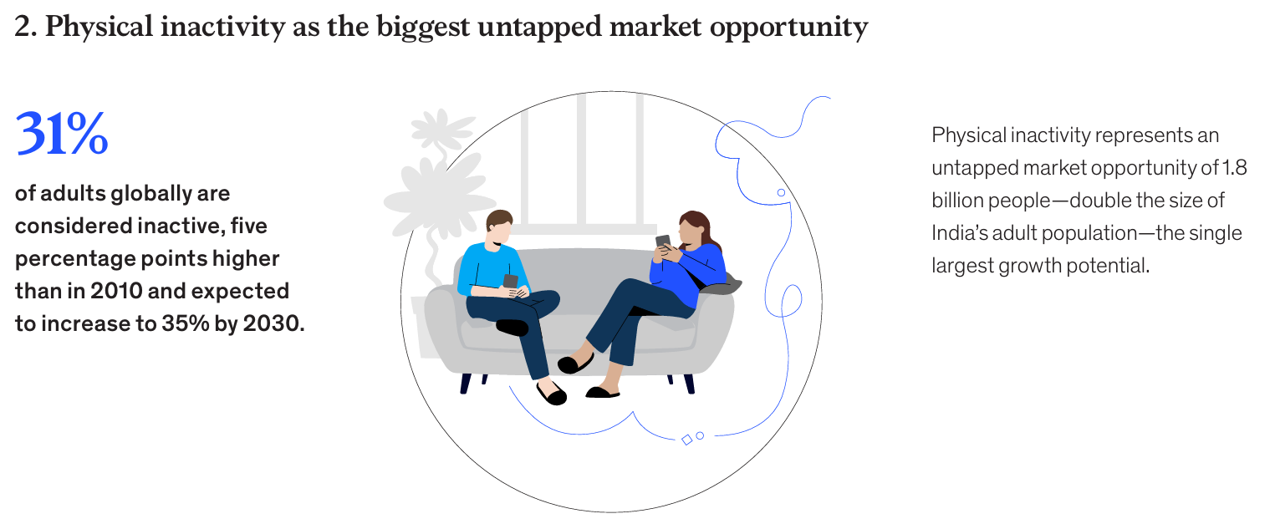
McKinsey just published a detailed report into Sporting Goods 2025, which the firm calls a “new balancing act” that must turn uncertainty into opportunity. The report is based on five key observations: Only a few sporting goods companies have expanded growth and margins since 2018 — and must “rethink the value chain” in the face of challenging geopolitical headwinds One-half of so-called “active consumers” say that fitness is a core element of their identity, with emotional connections to brands they purchase for the lifestyle Incumbent sporting goods companies are losing market share to
Are We Liberated Yet? Tariffs Can Impact Financial Health (Riffing on MoneyLion’s Health Is Wealth Report)
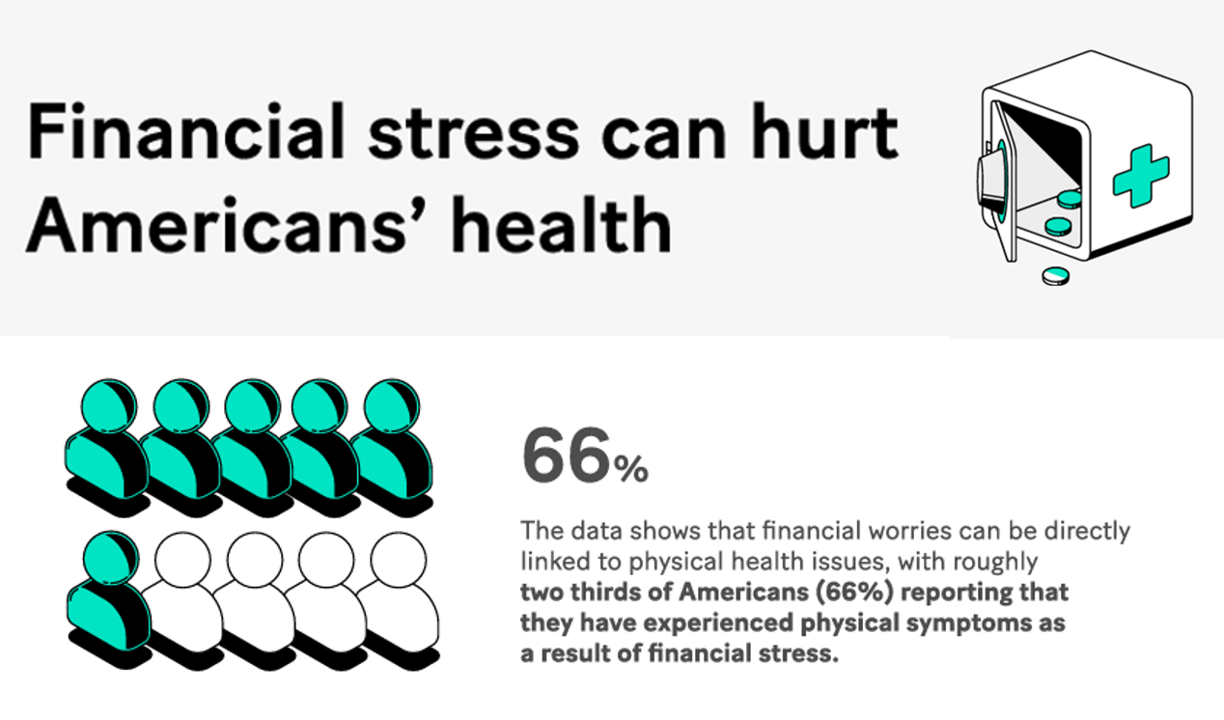
Americans’ financial health was already stressing consumers out leading up to Liberation Day, April 2nd, when President Trump announced tariffs on dozens of countries with whom the U.S. buys and sells goods. A new report from MoneyLion and Mastercard called Health is Wealth is well-timed for today’s Health Populi blog. The study was fielded by The Harris Poll online among 2,092 U.S. adults 18 and older between February 28 and March 4, 2025, so it was completed a month before the tariffs came to hit peoples’ 401(k) savings and employers’ company stock market caps.
What is a Consumer Health Company? Riffing Off of Deloitte’s Report on CHCs/A 2Q2025 Look at Self-Care Futures
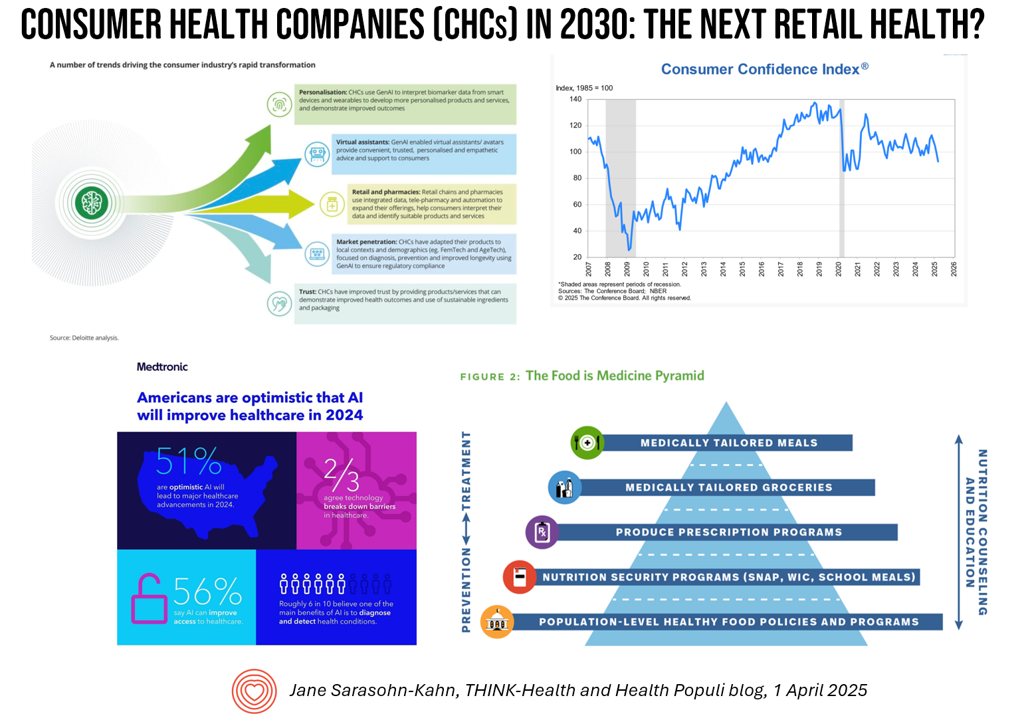
The health care landscape in 2030 will feature an expanded consumer health industry that will become, “an established branch of the health ecosystem focused on promoting health, preventing, disease, treating symptoms and extending healthy longevity,” according to a report published by Deloitte in September 2024, Accelerating the future: The rise of a dynamic consumer health market. While this report hit the virtual bookshelf about six months ago, I am revisiting it on this first day of the second quarter of 2025 because of its salience in this moment of uncertainties across our professional and personal lives — particularly related to
Still Life in Need: Art, Food Justice, and Health

As Thomas Jefferson reminded us, travel makes us wiser…but less happy. And so it is when you confront a piece of art that makes you stop in your tracks, swim in it, and know what it’s saying in terms of what you know you know. Such was the case yesterday during a walking meeting through the Frist Art Museum in Nashville when I passed by this quilt, a multimedia work titled “Still Life in Need” by Lee Colvin, a local artist. This work was part of a
From Bowling Alone to Eating Alone – What the Shift to Take-Out Food Means for Our Social Well-Being and Mental Health
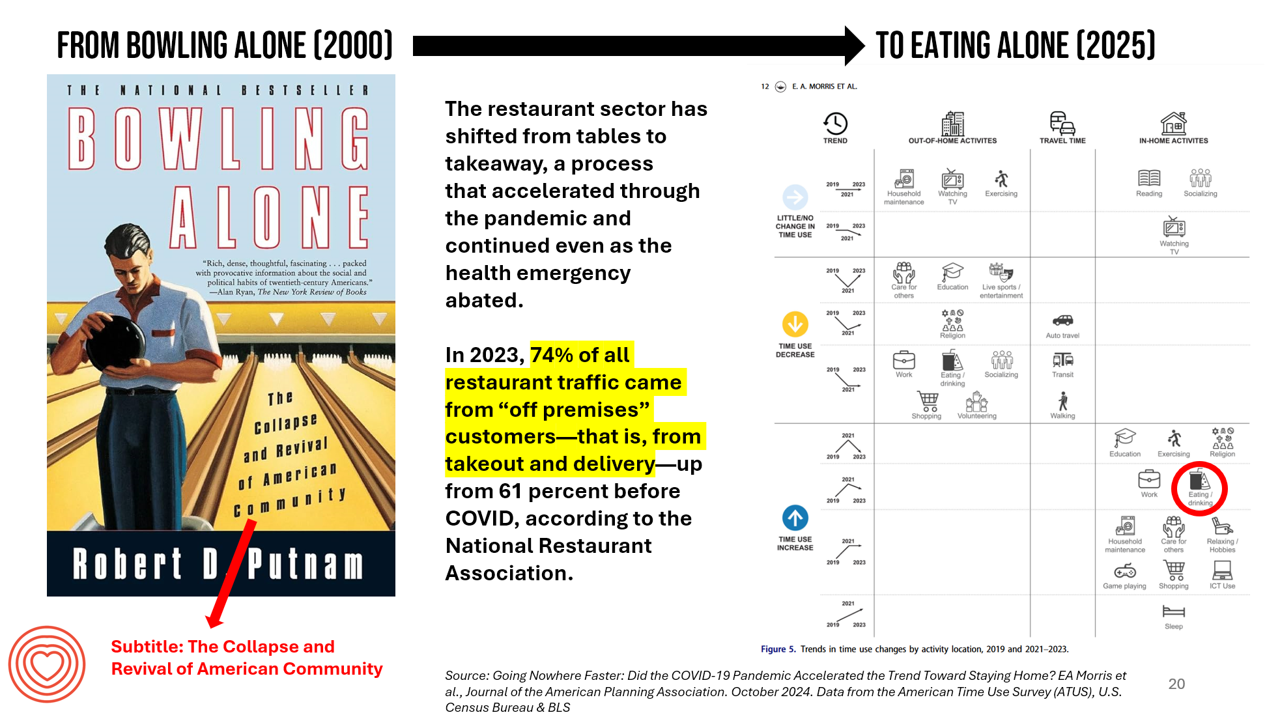
New data from the American Time Use Survey, research conducted by the U.S. Census Bureau and the Bureau of Labor Statistics, shows that Americans now favor eating in-home compared with eating out at restaurants. Corroborating this shift is other data from the National Restaurant Association sharing that 74% of all restaurant traffic in 2023 came from “off premises” customers — that is, from takeout and delivery — up from 61% in the pre-COVID era. What does this mean for our health, well-being, and sense of community and connectivity? I’m preparing a new talk to
Art Collides with Health Policy: When “When Calls the Heart” Met MAHA This Week
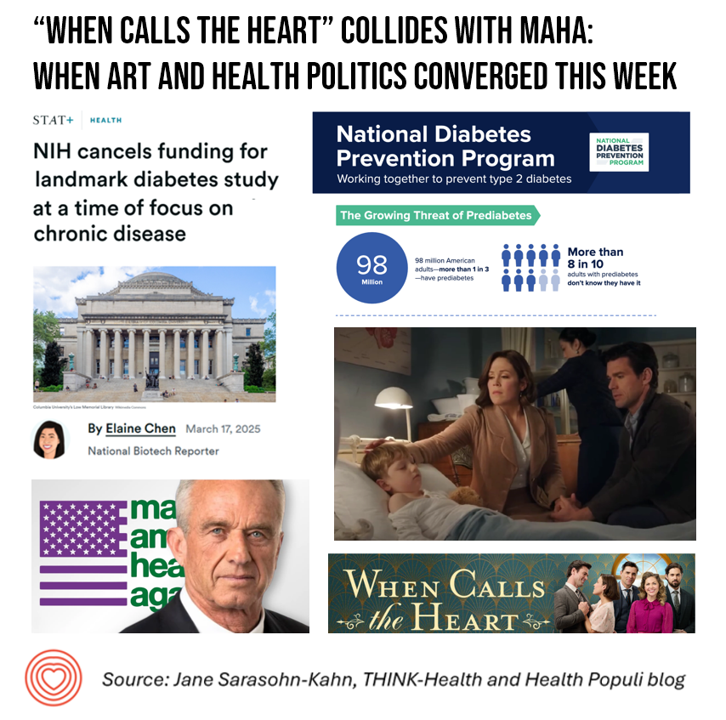
Art reflects life — or in this case, bumps into life and health care — once again when the pop culture facet of my own media consumption converges with a news announcement where the timing of these events is just too uncanny. It never occurred to me I’d ever write about the Hallmark Channel in the Health Populi blog. But reading the news that President Trump’s administration plans to cut funding for the ongoing 30-year study into diabetes and pre-diabetes — the landmark National Diabetes Prevention Program (NDPP) — dovetailed (or perhaps more honestly stated, collided) with the plotline of
Consumers Are Financially Stressed – What This Means for Health/Care in 2025
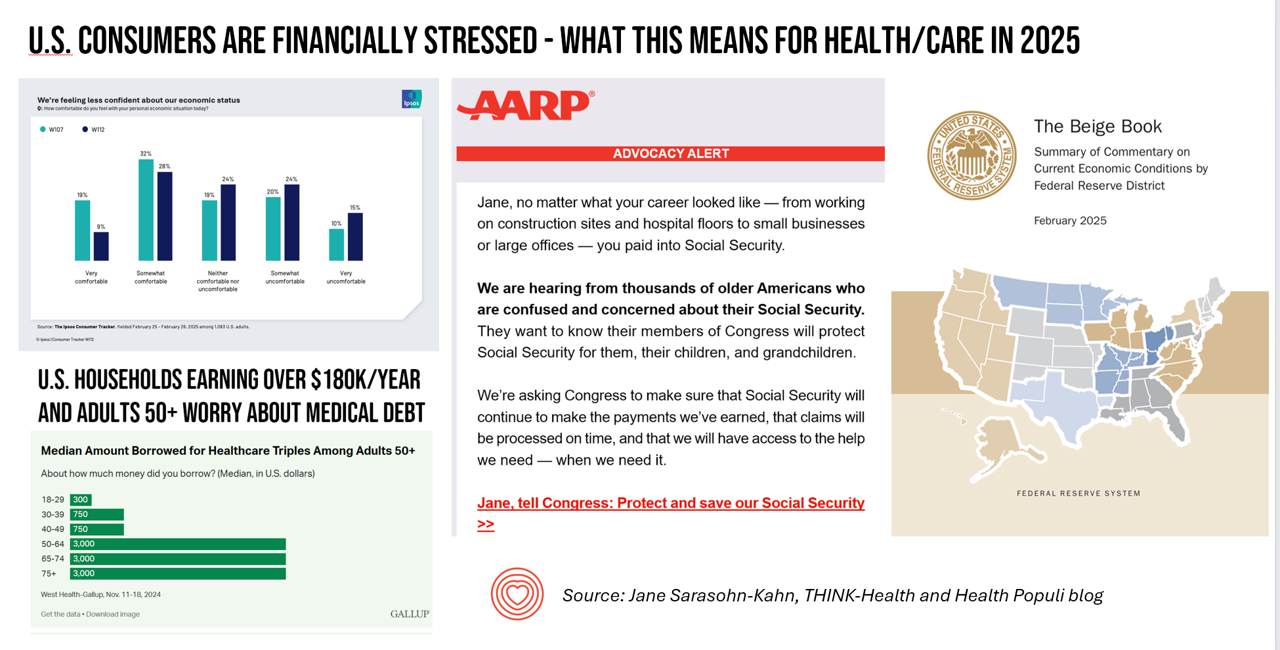
People define health across many life-flows: physical health, mental health, social health, appearance (“how I look impacts how I feel”) and, to be sure, financial well-being. In tracking this last health factor for U.S. consumers, several pollsters are painting a picture of financially-stressed Americans as President Trump tallies his first six weeks into the job. The top-line of the studies is that the percent of people in America feeling financially wobbly has increased since the fourth quarter of 2024. I’ll review these studies in this post, and discuss several potential impacts we should keep in mind for peoples’ health and
Think Quintuple Aim This Week at #HIMSS25
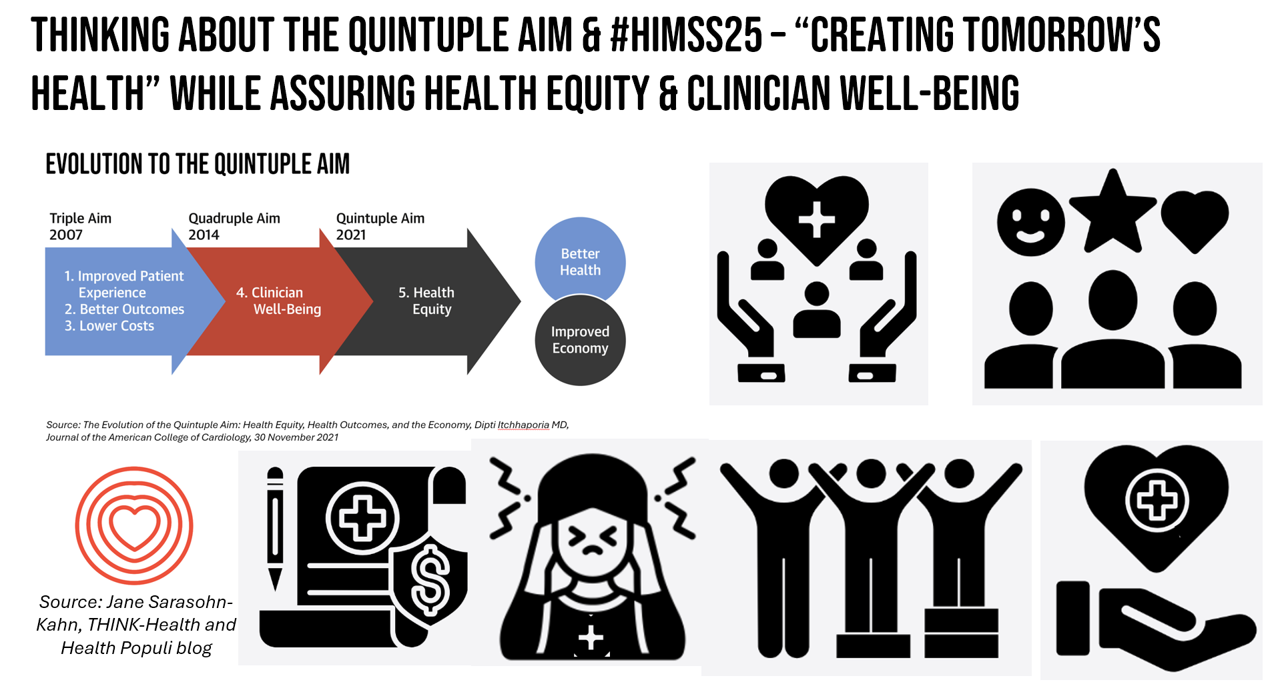
As HIMSS 2025, the largest annual conference on health information and innovation meets up in Las Vegas this week, we can peek into what’s on the organization’s CEO’s mind leading up to the meeting in this conversation between Hal Wolf, CEO of HIMSS, and Gil Bashe, Managing Director of FINN Partners. If you are unfamiliar with HIMSS, Hal explains in the discussion that HIMSS’s four focuses are digital health transformation, the deployment and utilization of AI as a tool, cybersecurity to protect peoples’ personal information and its use, and, workforce development. I have my own research agenda(s) underneath these themes
Improve Sleep, Improve the World and Health: ResMed’s Look at Global Sleep Trends
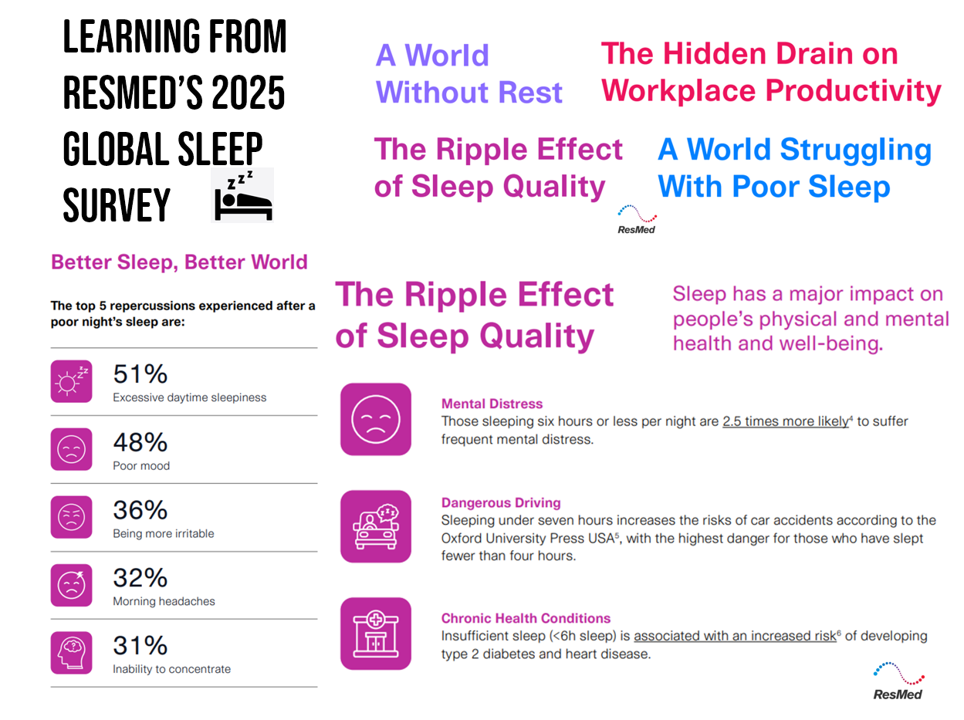
The world would be a better place if we had more, and better quality sleep. That’s the hopeful conclusion from the fifth annual Global Sleep Survey from ResMed. ResMed’s global reach with the sleeping public enabled the company to access the perspectives of over 30,000 respondents in 13 markets, finding that one in 3 people have trouble falling or staying asleep 3 or more times a week. We now live in “a world struggling with poor sleep” — “a world without rest,” ResMed coins our sleepless situation. The irony is that most people believe
Telehealth, Right Here, Right Now: Calling on Congress to Vote for America’s Health and Well-being
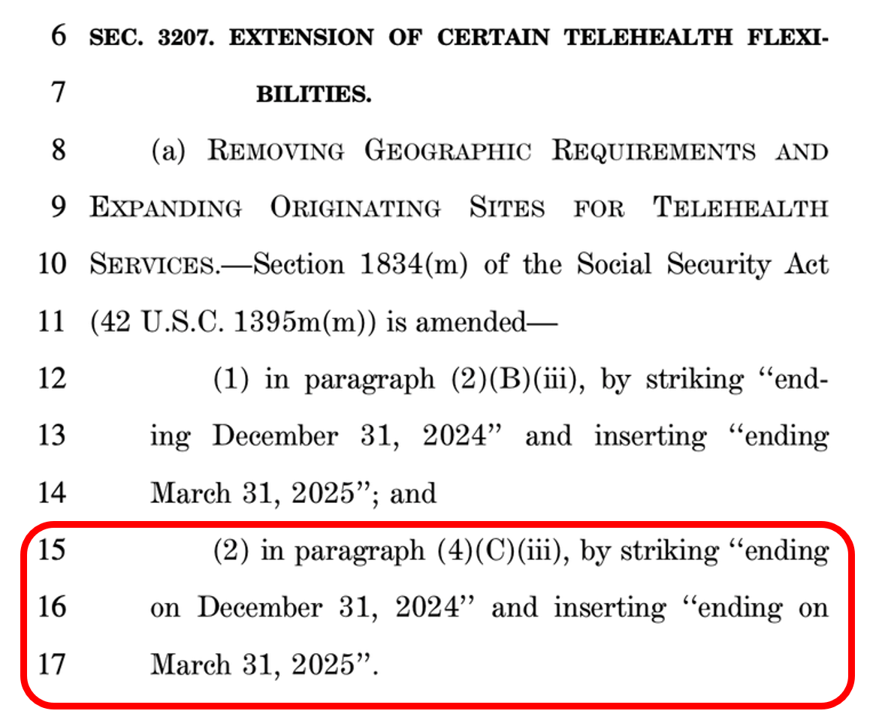
In the U.S., there are some issues that still unite most Americans in 2025. We can agree that, • The cost of eggs is too high • AI can be both exciting and promising at the same time as concerning • It sucks to have your personal data cyberattacked and breached, and, • Having access to telehealth is important. While I would be really sad to give up my omelets, I’m sticking a mindful toe into AI for some simple workflows, and I’m still dealing with the aftermath of the Change Healthcare data breach, it’s the looming telehealth deadline that’s
Health/Care at Super Bowl LIX, GLP-1s, Kaiser and Tufts on Food-As-Medicine, and the RFK, Jr. Factor: A Health Consumer Check-In
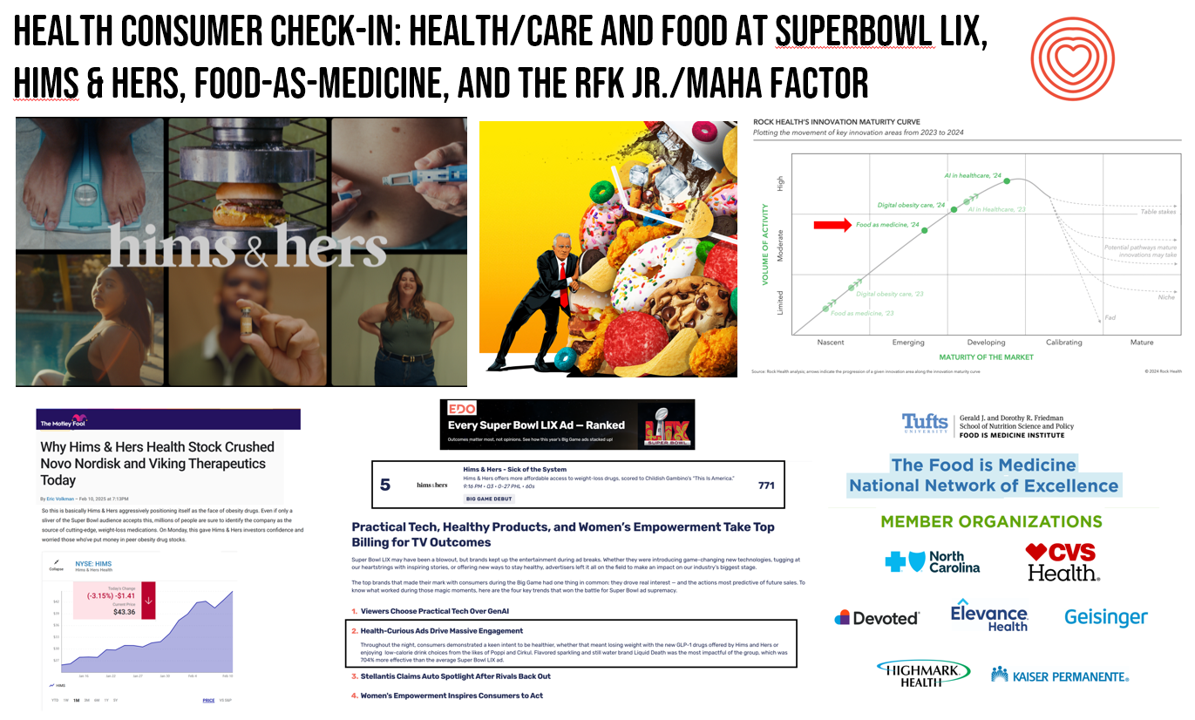
In the wake of the always-creative ads for Super Bowl and last Sunday’s LIX bout, game-watchers got to see a plethora of commercials dedicated to the annual event’s major features: food and game-day eating. Oh, and what’s turned out to be the most controversial commercial, the one on GLP-1s from Hims & Hers. In that vein, and converging with many news and policy events, I’m trend-weaving the latest insights into that most consumer-facing of the social determinants of health: food, and in particular, health consumers viewing and adopting food as part of their health and well-being moves. First, to the
Health Consumer Check-In: From Digital Detox to Analog Wellness, Social Re-Wilding, and a Return to the Bookstore
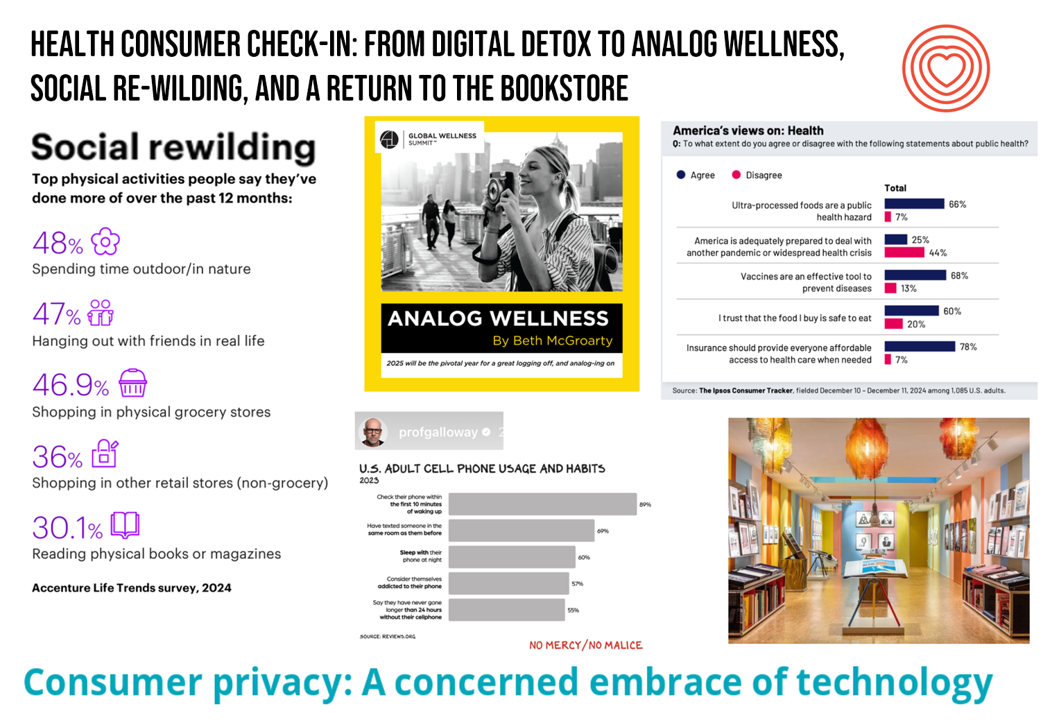
As humans have undergone personal digital transformations, living omni-channel and appreciating the conveniences that being switched-on can bring, there’s a growing demand for “analog wellness.” That’s one of ten trends covered in the Global Wellness Institute’s (GWI) report on 2025 Wellness Trends, and one I want to dig into early this year as consumers are facing growing challenges to our privacy, social bullying, and workforce stressors compelling many employees to spend too many hours in digital isolation and loneliness. To paint the larger landscape of and drivers underpinning analog wellness, I will weave several important reports and studies together, all
Measuring Progress for Life Sciences: Trust, Patient Access, and Prevention at a Fork in the Road of Public Health
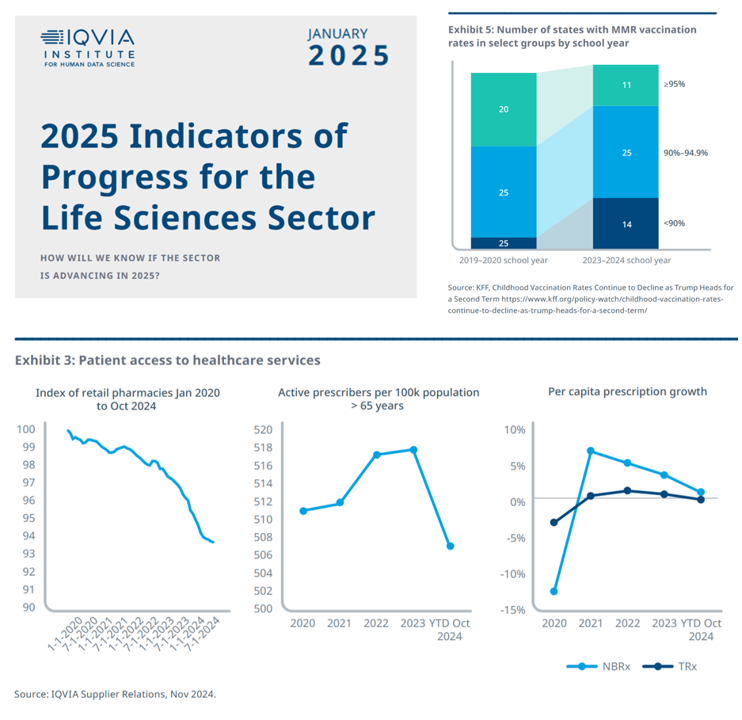
How will we know if the life sciences sector is advancing in 2025? This is the question asked at the start of the report, a Research Brief: 2025 Indicators of Progress for the Life Sciences Sector, from the IQVIA Institute for Human Data Science (IQVIA). To answer that question, IQVIA identified ten indicators for this 2025 profile on the life sciences sector. I selected four key data points for this discussion which provide particularly informative insights for my advisory work right now at the intersection of health, people/consumers, and technology: Trust for/with/in life science
There’s a Health Gap for Women Around the World – and the World Economic Forum Has a Blueprint to Fix It
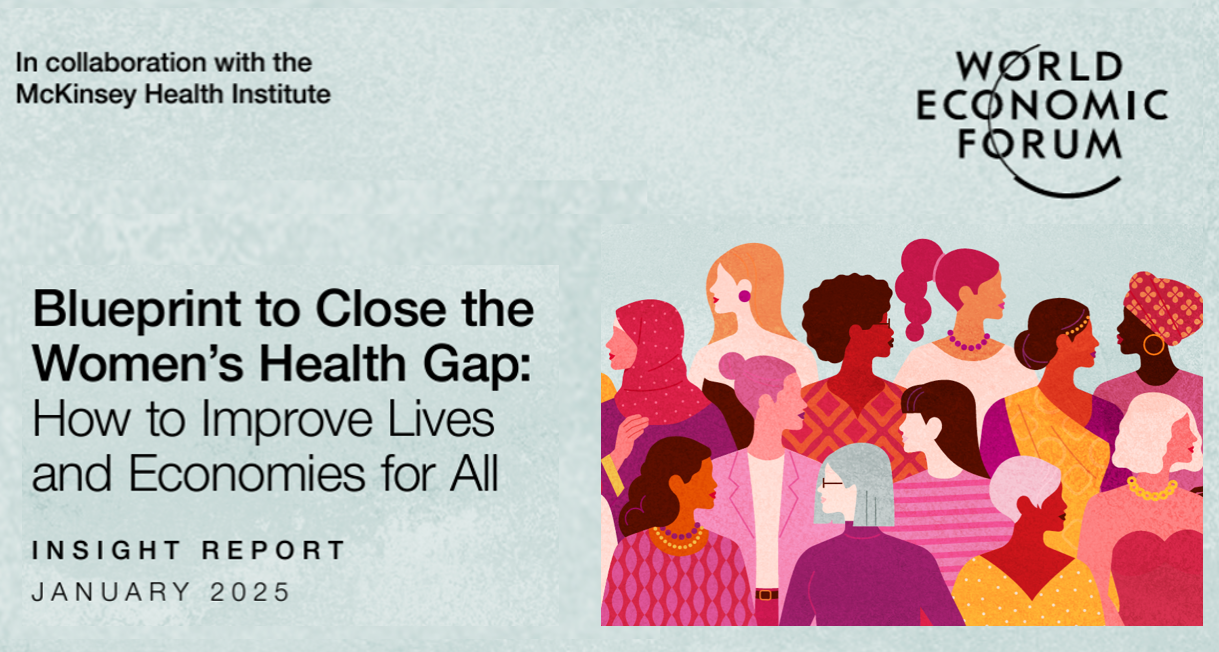
Even though women comprise one-half of the world’s population, their health outcomes and inputs do not match up to men’s: there’s a women’s health gap on Planet Earth. Meeting in Davos this week for #WEF2025, the World Economic Forum published a report on that gender-health chasm titled, Blueprint to Close the Women’s Health Gap: How to Improve Lives and Economies for All. In collaboration with the McKinsey Health Institute, the report focuses on nine key conditions that, if addressed, could reduce the global disease burden by 27 million disability adjusted life years and add
Trust and Grievance in 2025: The Edelman Trust Barometer on MLK Jr. Day Converging with the World Economic Forum Kick-Off and the Inauguration of the 47th U.S. President
At the start of each new year comes the World Economic Forum meet-up in Davos, Switzerland and with that conference start today, 20 January 2025, the publication of the Edelman Trust Barometer. Now in the study’s 25th annual edition, the Edelman Trust Barometer this year finds us, globally, in a Crisis of Grievance which is eroding trust. Edelman surveyed 1,150 residents (plus or minus) in each of 28 countries around the world, yielding over 33,000 citizens’ voices sharing perspectives on trust and institutions. Interviews were fielded from late October to mid-November 2024.
Nurses Rank Highest in Honesty and Ethics in Professions Far Above All Other Work Roles in America – The Gallup Annual Survey 2025
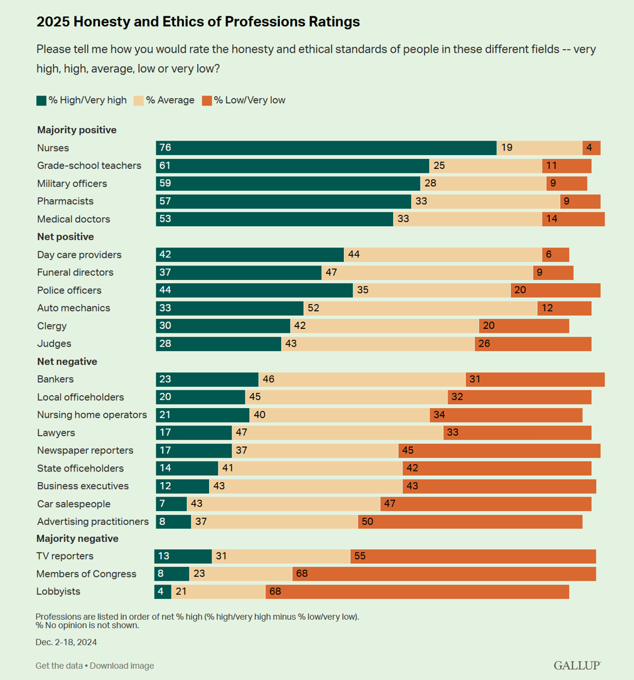
While nursing has ranked top of U.S. professions for honesty and ethics for over a decade, U.S. adults speak even more assuredly in 2025 that nurses far outrank other professions in America. according to the latest Gallup Poll. The study summary report is titled, “Americans’ Ratings of U.S. Professions Stay Historically Low.” The data speak for itself — in 2025, the margin of people who put nurses on top of all other professions in America is much wider than in past years — and physicians have fallen further down
CTA Tech Trends to Watch for 2025 – Health-Context for Kicking off #CES2025
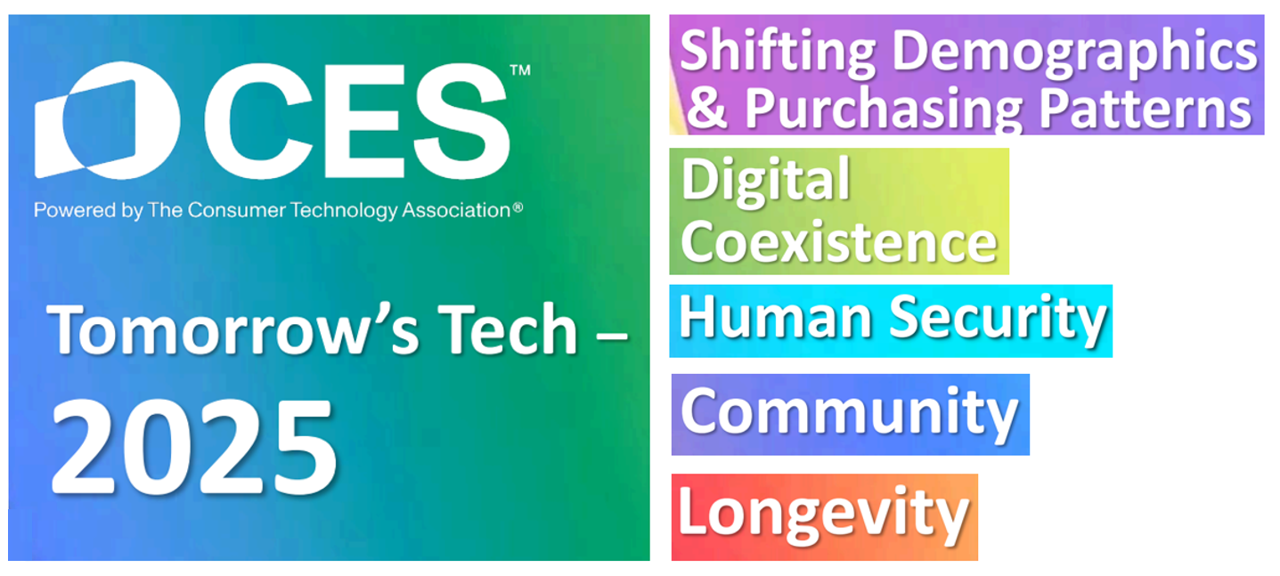
People are living everyday life in digital coexistence — where the connected technologies we use for communication and entertainment now enable life-flows across our lives, morning to night, at work and play and even while we’re sleeping. Welcome to the five key tech-trends for 2025, brought to life Sunday afternoon by Melissa Harrison, CTA’s Vice President of Marketing & Communications tag-teaming with Brian Comiskey, Senior Director, Innovation & Trends. This annual session at CES always provides a practical context for exploring the annual conference, the largest in the world covering technology used by everyday people. And this year, the trends
The Rough Guide to Health/Care Consumers in 2025: The 2025 Health Populi TrendCast
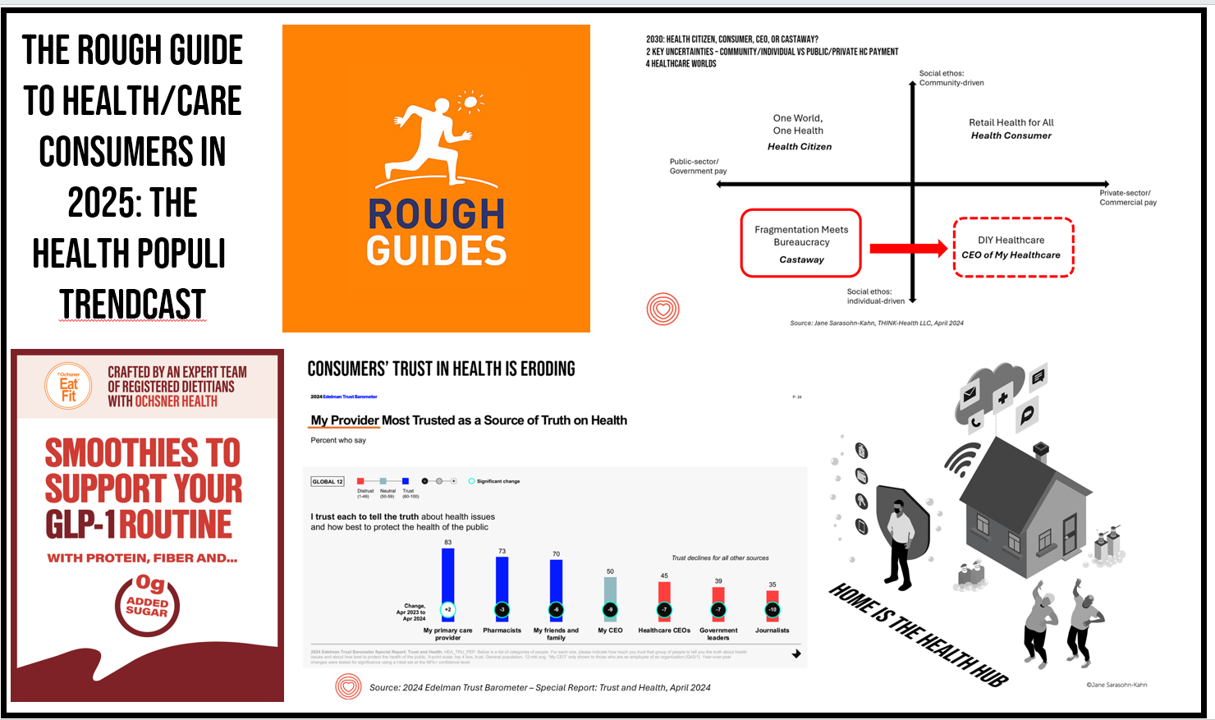
At this year-end time each year, my gift to Health Populi readers is an annual “TrendCast,” weaving together key data and stories at the convergence of people, health care, and technology with a look into the next 1-3 years. If you don’t know my work and “me,” my lens is through health economics broadly defined: I use a slash mark between “health” and “care” because of this orientation, which goes well beyond traditional measurement of how health care spending is included in a nation’s gross domestic product (GDP); I consider health across the many dimensions important to people, addressing physical,
Health-Tech at the Holidays: 2024 Consumer Health-Tech Trends Under the Tree
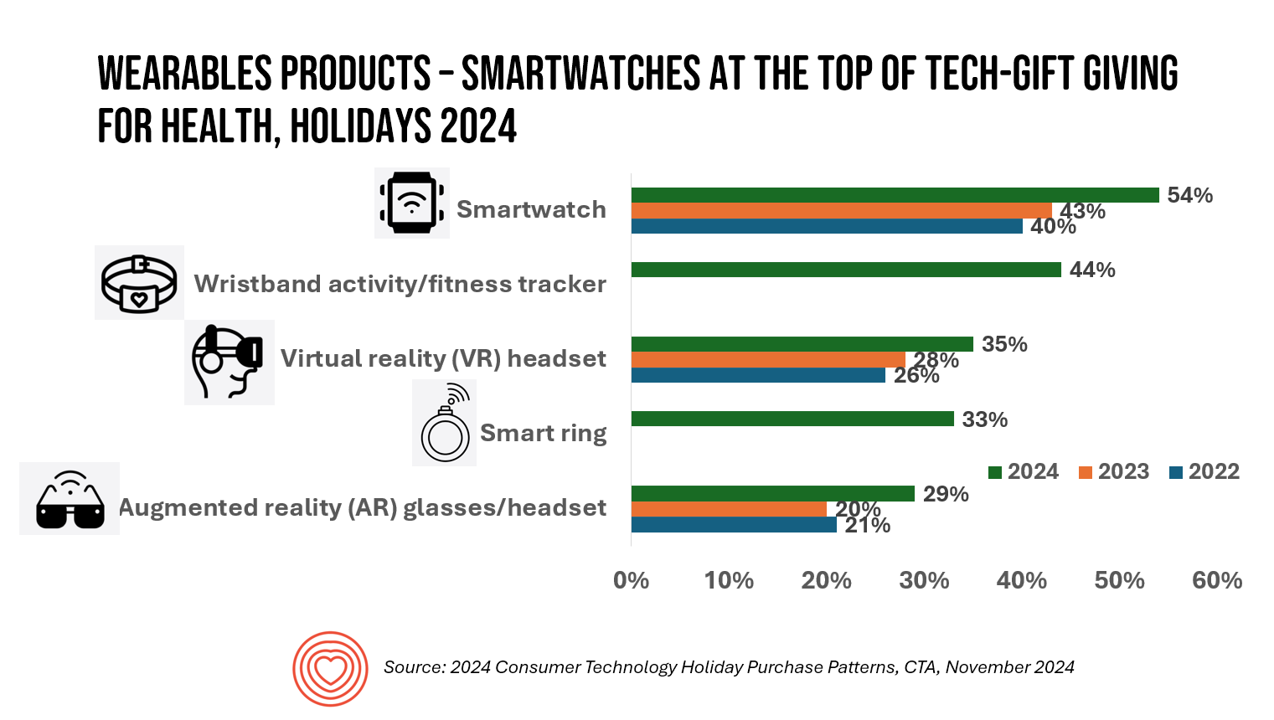
One in two U.S. adults plans to purchase at least one health and wellness digital health technology product to gift during the winter 2024 holiday season, according to the 2024 Consumer Technology Holiday Purchase Patterns study served up by CTA, the Consumer Technology Association — aka the annual host of CES. Specifically, 41% of givers are looking to buy a dedicated health monitoring device, and 31% a product covering connected sports or fitness. For this annual study, CTA conducted an online survey among 1,205 U.S. adults 18 and over in August-September 2024 to gauge
Digital Divides and Disability – Ranking Health Determinants in a Digital Age: Learning from WHO and LSE
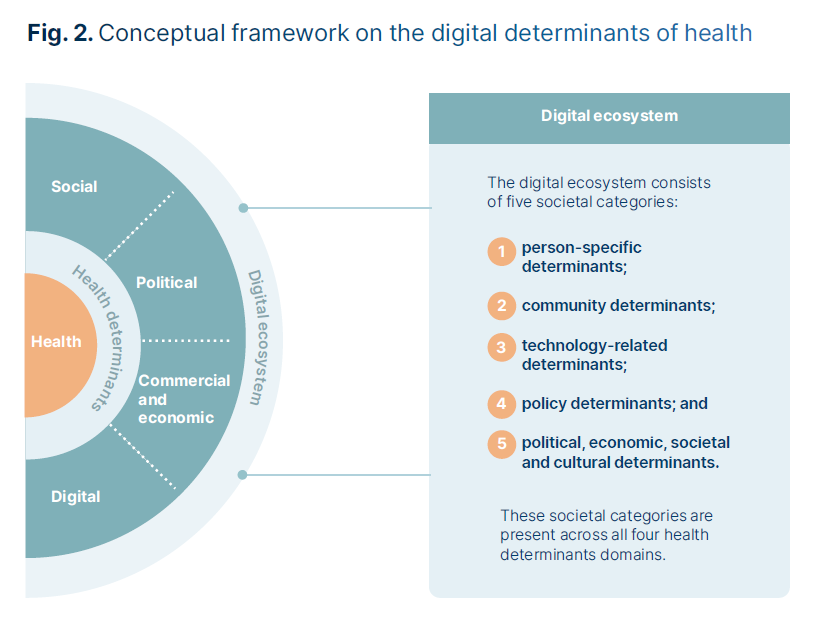
Among 127 health determinants, two rank highest: digital divides in the era of tech-enabled health and care: digital divides that shape a person’s political, economic, and social environment, and the person’s health/disability status. The digital transformation of health and care compel us to re-consider and re-frame social determinants of health in the “digital age,” which is what the World Health Organization in collaboration with the London School of Economics have done in research, published this week in the report, Addressing health determinants in a digital age. The report was funded by the European
The Evidence for Gratitude and Health, 2024 Giving Thanks
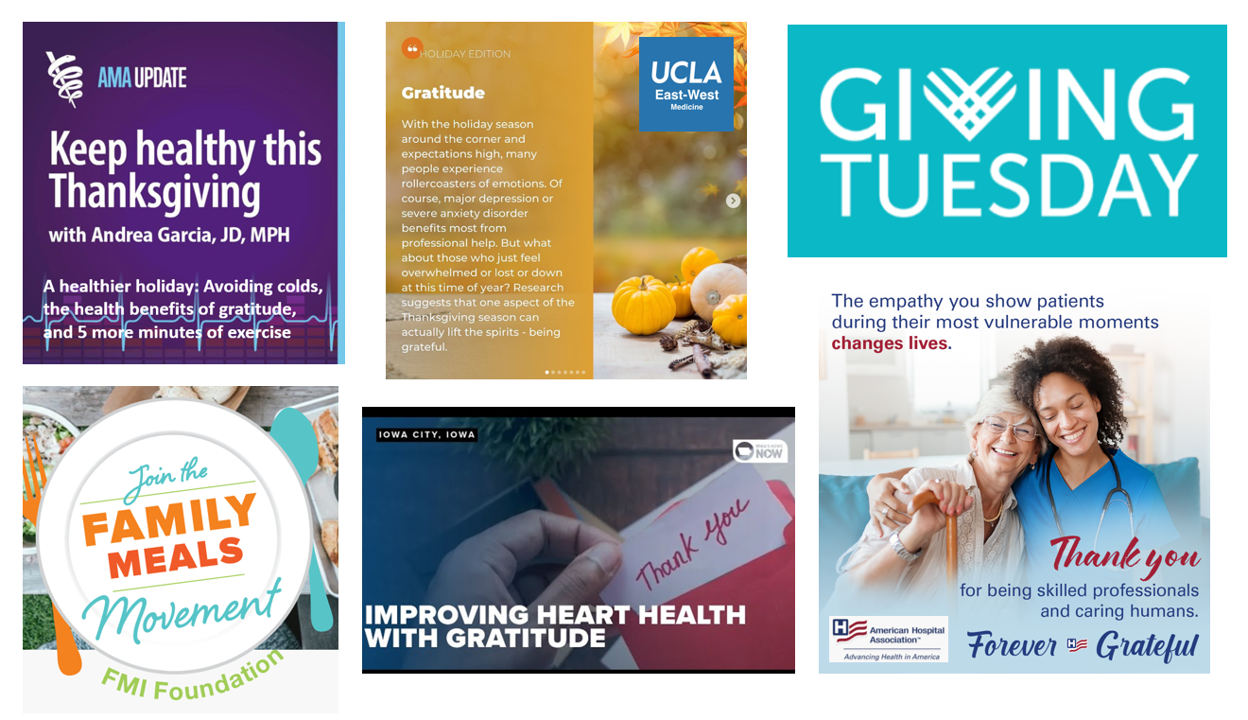
In our home, we’re feeling very grateful for our healthy lives and work-flows right now, being very mindful about seeing blessings around me and within me…. So I’m sharing the love (or “scaling the love” as I recently coined at OSF’s Digital Health Symposium!) to honor American Thanksgiving 2024 here in Health Populi pointing out several sources highlighting the evidence on gratitude and health….underpinned with love, the ultimate driver of health and well-being. Leslie Sarasin, President and CEO of FMI, the Food Industry Association, reminds us that, “Our immigrant ancestors, the pilgrim settlers, worked hard
Workers Feel “Stuck,” Under-Insured, Financially Stressed, and Neglecting Mental Health
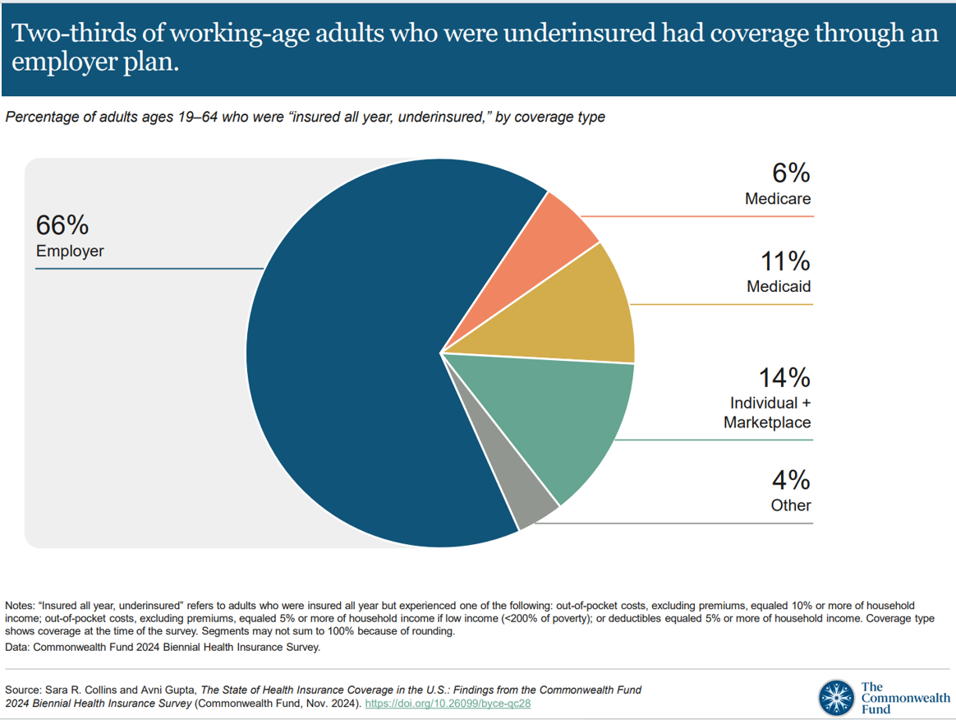
“It’s the economy stupid,” Jennifer Tescher, CEO of the Financial Health Network, titles her latest column in Forbes. Published two weeks after the 2024 U.S. elections, Jennifer’s assertion sums up what, ex post facto, we know about what most inspired American voters at the polls in November 2024: the economy, economics, inflation, the costs of daily living….pick your noun, but it’s all about those Benjamins right now for mainstream American consumers across many demographic cuts. With that realization, we must remind ourselves as we enter a new year under a second-term President Trump that health care spending for everyday people
“People will seek wellness, peace and healing” – Reading the GWI Future of Wellness Report, 2024 Trends
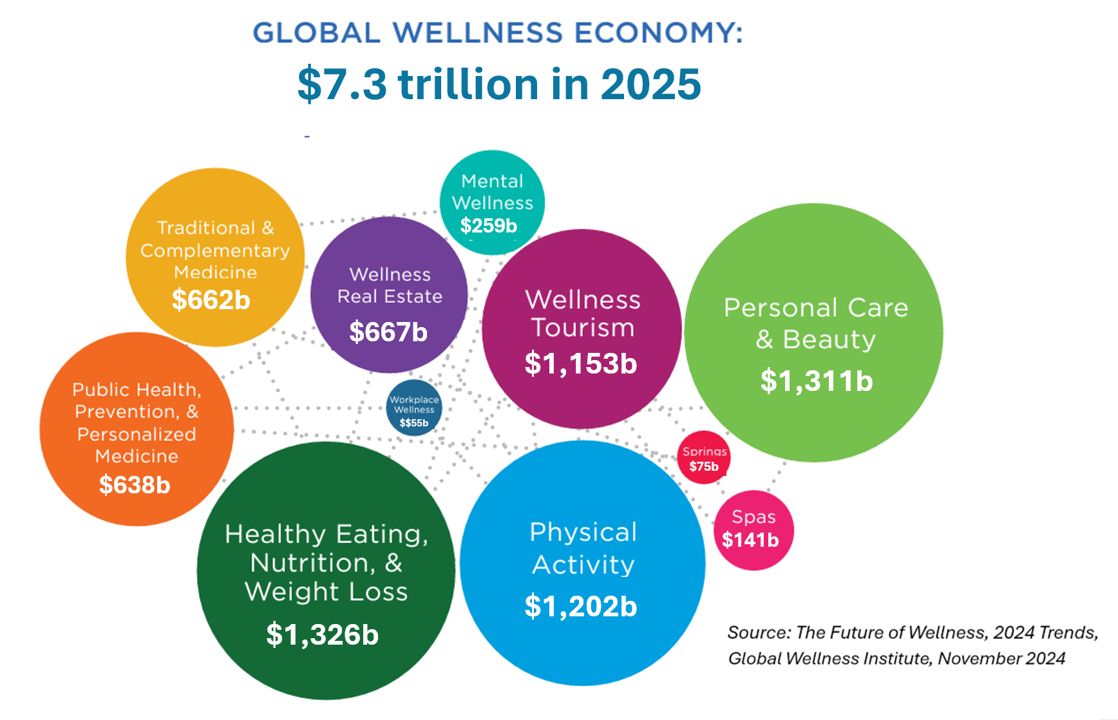
Healthy eating and weight loss, personal care and beauty, exercise and physical activity, and wellness tourism are the four biggest components of the world’s wellness economy, quantified in The Future of Wellness, 2024 Trends, the perennial report from the Global Wellness Institute (GWI). Here’s the bubble chart, which I’ve updated with the 2025 data so we get a sense of what the coming year will bring for the eleven total segments that make up the global wellness market. The fine print of the projections for these areas identifies the annual growth rates for
Peace and Health: A Causal Relationship Explored in the AMA Journal of Ethics
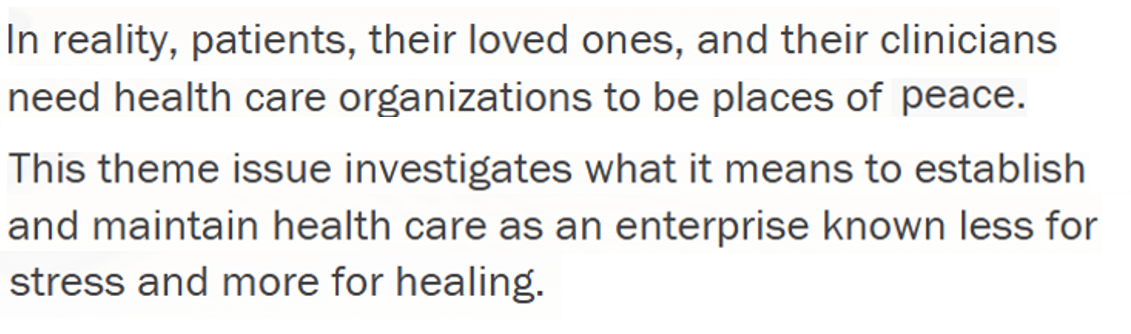
“Peace and health are inextricably connected,” the Editors of the AMA Journal of Ethics introduce an issue of the journal devoted to Peace in Health Care published November 2024. In this timely journal issue, we can explore nearly one dozen essays exploring the interrelationship between peace and health in various clinical, care, and community settings — including hospice, maternal/child care, built environments, and adjacencies looking at the use of psychedelics and music for quieting one’s inner voices. You, the reader, will find your own favorite issues to explore based on your work, values, and interests.
How’s Life? Around the World – In the U.S., It’s the Sadness That Stands Out
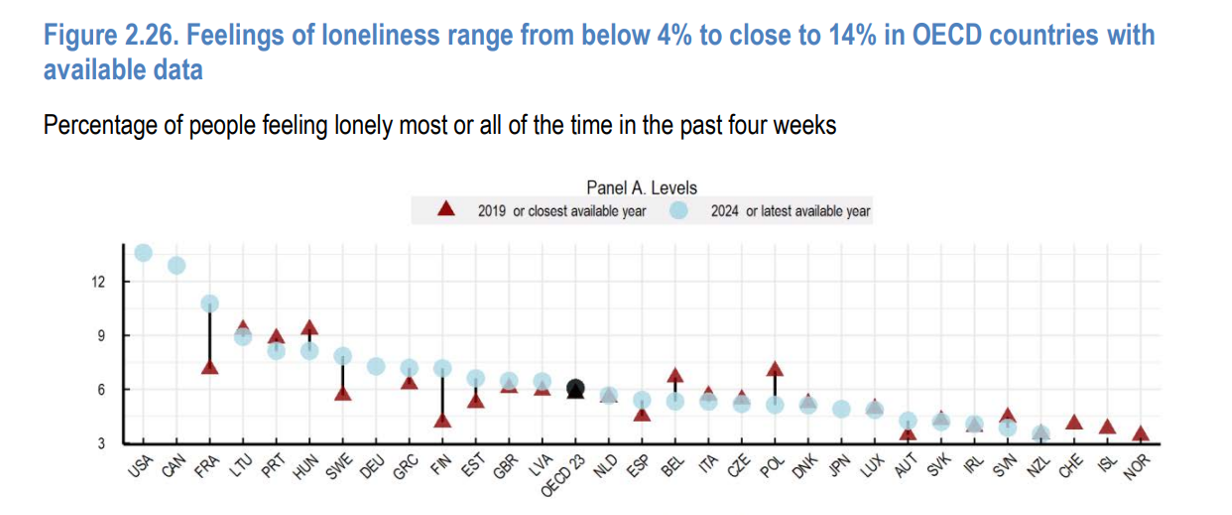
A new report from the OECD asks the question, “How’s Life?” with the tagline letting us know the plotline focuses on “well-being and resilience in times of crisis.” The Organization of Economic Cooperation and Development (OECD) has tracked the well-being of member nations for the past six years, taking a broad view on the definition of holistic health — including physical, mental, financial, and social aspects of people living in OECD countries. The first “How’s Life?” report was published at the height of the global financial crisis; the authors of this report introduce it saying that, “the
Keep Calm and Carry On – Election Day Anxiety Hacks from Calm, Aloft Hotels, and Sesame Street
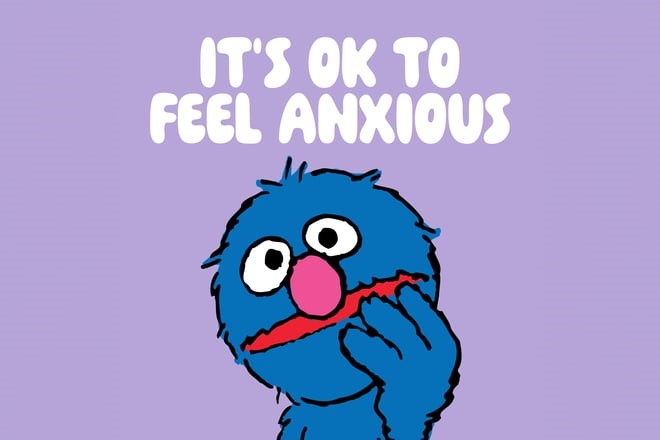
As my phone keeps pinging today with texts of friends and colleagues sharing #Election2024 angst, I am grateful to the folks at Calm for providing some moments of silence. Here’s their share to help us cope with political stress today. Calm provided similar support previously in 2020 when the meditation app collaborated with the media network CNN on election anxiety management — covered here in Health Populi. Political stress and anxiety is a mainstream mental health challenge in the U.S. (and other countries dealing with divisive politics). Many brands and products have taken positions
We Are Stressed in America – APA’s 2024 Stress in America Survey on “A Nation in Turmoil”
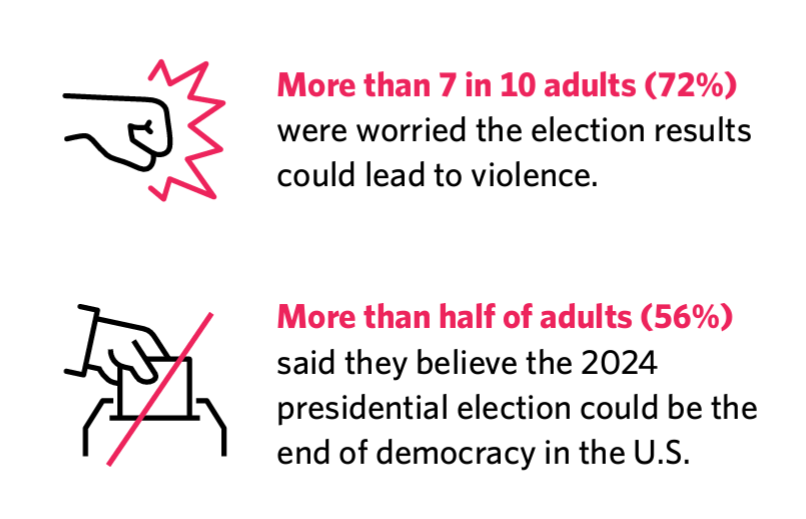
Two in three people in the U.S. are dealing with Presidential Election Stress — a significant contributor to Americans’ overall stress we learn from the American Psychological Association’s study into Stress in America 2024. I’ve covered the APA’s Stress in America studies for many years, appreciating the role that anxiety and stress play in peoples’ overall health status and well-being. In 2024, “stress” is a mainstream factor in daily life whether you identify with Main Street or Wall Street. Here was my most recent post on the APA study here in Health Populi,
The Smart Home for Health, Brought to You by Samsung and Ashley

Today I am keynoting the OSF Digital Health Symposium in Peoria, IL, discussing The State(s) of Digital Health. A double-entendre intended, one of the states I’ll be discussing is the migration of acute care back to peoples’ homes, embedded with sensors, householders donning smart rings, and rooms fitted with Internet-of-Things for health and well-being. In this context, news that Samsung has begun to partner with Ashley, the national furniture dealer, struck me as interesting and important. I visited the Samsung Health House at CES 2024 last January: here is my write-up about what I
Well-Being Burnout – Lululemon’s 4th Annual Study Into Our Pressured Lives
Lululemon has published the 2024 Global Well-Being Report, a study into peoples’ perspectives on their personal health from the company best known for athleisure wear and self-care. This year’s report is titled, The Pressure to Be Well. That pressure is coming from peoples’ experiencing “well-being burnout.” In the company’s fourth annual report on well-being, Lululemon learned that most people have tried to adopt personal strategies to bolster their health, and one-half of these folks are confronting “well-being burnout.” Lululemon collaborated with Edelman Data & Intelligence to field the study in April and May 2024 in 15 markets where the company
1 in 2 U.S. Women (“The Bedrock of Society”) Self-Ration Care – the Latest Deloitte Findings
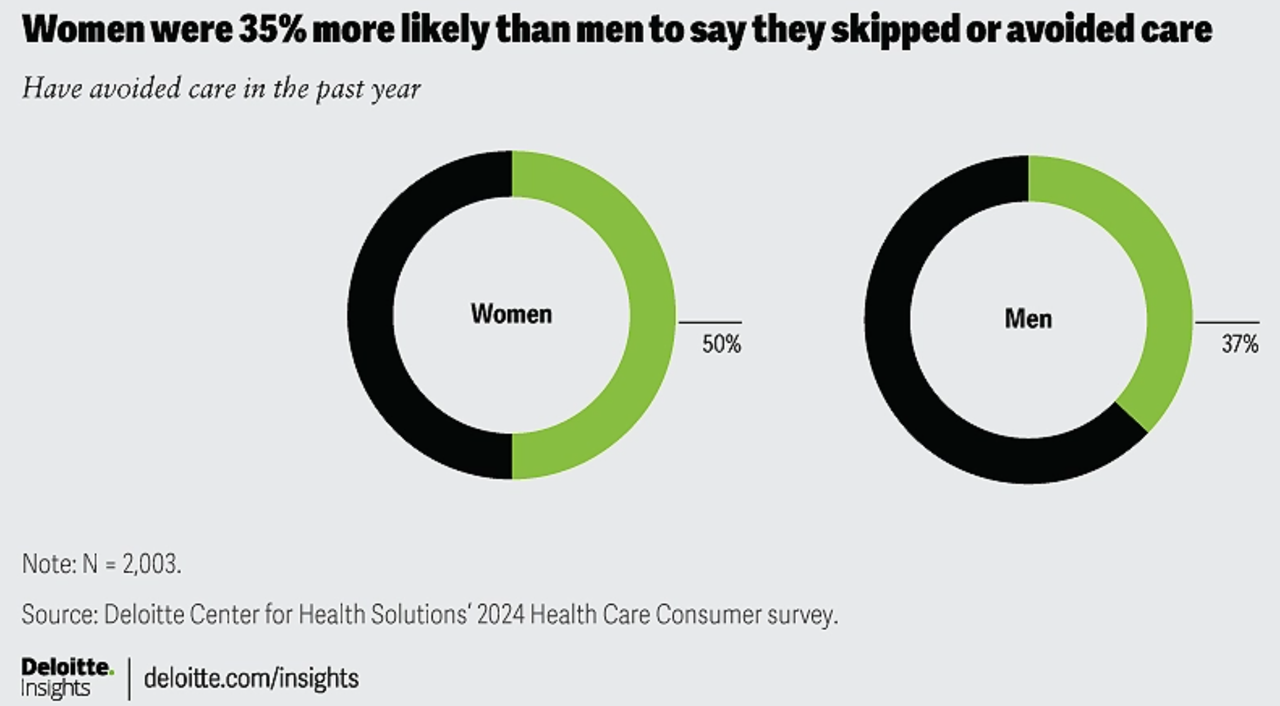
Women in the U.S. are more likely to avoid care than men in America, Deloitte found in the consulting firm’s latest survey on consumers and health care. Deloitte coins this phenomenon as a “triple-threat” that women face in the U.S. health care environment, the 3 “threats” being, Affordability, Access, and, Prior experience — that is the health disparity among women who have seen personal mis-diagnosis, bias, or treatment that hasn’t been consistent with current protocols and practices. The data come out of Deloitte’s fielding of the U.S. consumer survey in February and March, 2024.
Obesity is a Public Health Epidemic in the U.S. — The Case for GLP-1 Coverage, Affordability and Equity
“If the U.S. were sensible, weight management would be treated as a public health issue,” David Cutler writes in the JAMA Health Forum dated August 15, 2024. Dr. Cutler, distinguished economics professor at Harvard, talks about “the pathology of U.S. health care” citing the example of weight loss medications — in short, the uptake of GLP-1 drugs to address Type 2 diabetes first, and subsequently obesity. Dr. Cutler notes that the price of these drugs in the U.S. “far exceeds” that of other countries: specifically, 9 times that of the prices in Germany and the Netherlands
Leaning In to Joy, from Hello Kitty to LEGO – The Power of Play for Adults

U.S. Surgeon General Vivek Murthy has been an outspoken advocate calling out the state of mental health in America for all health citizens, young and old alike. He wrote the book, Together, reflecting on the toxic side effect of the COVID-19 pandemic that exacerbated many Americans’ feelings of loneliness and lack of human connection. Most recently, he’s raised the issue of parents’ anxiety and stress, especially in light of children’s use of social media and the recognition of children’s need for access to therapy. Parents are also at-risk, Dr. Murthy asserted as a
The Impacts of Heat on Health Across All Dimensions – from Death to “Heat-Flation” on the Pocketbook
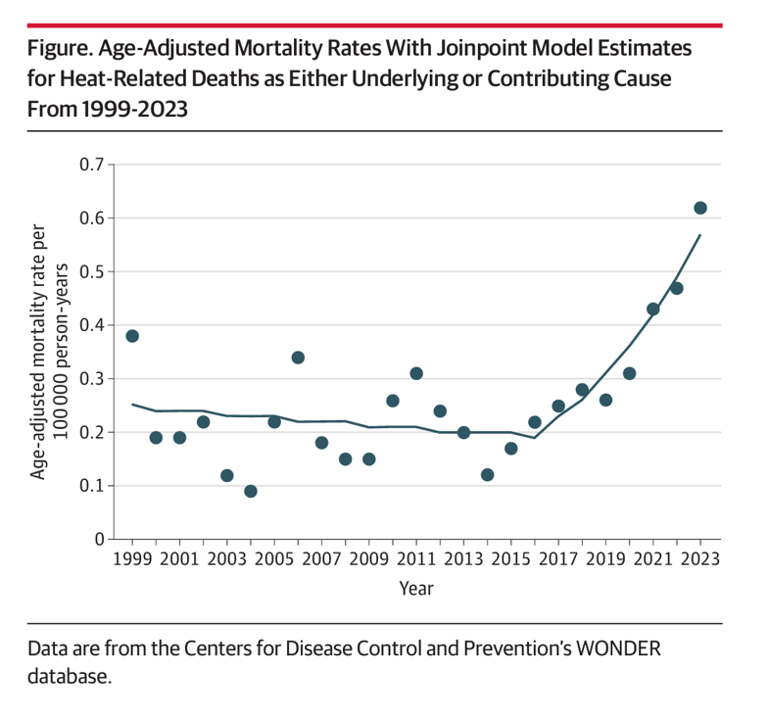
Rising energy bills are confronting U.S. households (and indeed, health citizens in many parts of the world) due to extreme heat, PBS reported on 1st September. But the record heat waves in so much of the world is impacting both peoples’ fiscal and financial well-being along with physical health impacts, ranging from exacerbating chronic respiratory conditions to, literally, risks to lives. A recent letter to JAMA, published August 26, 2024, quantifies Trends of Heat-Related Deaths in the U.S., 1999-2023. The authors examined studies finding exposure to extreme heat associated with mortality,
Best Buy Health’s Latest Insights into Technology and Care at Home
In the U.S., aging in and staying at home is a priority for most people over the age of 45 — and for nearly one-half of younger people between 18 and 44 — we learn in Best Buy Health’s Research Brief discussing the company’s survey of 1,000 U.S. consumers. Best Buy Health, the health-focused operation which is part of the electronics retailer Best Buy, worked with Sage Growth Partners to assess 1,000 U.S. consumers, 18 years and over, on their perspectives on health care, technology, aging in place, and caregiving. The research was fielded
How Voting Plays Into Health, Health Equity, and Community Well-Being
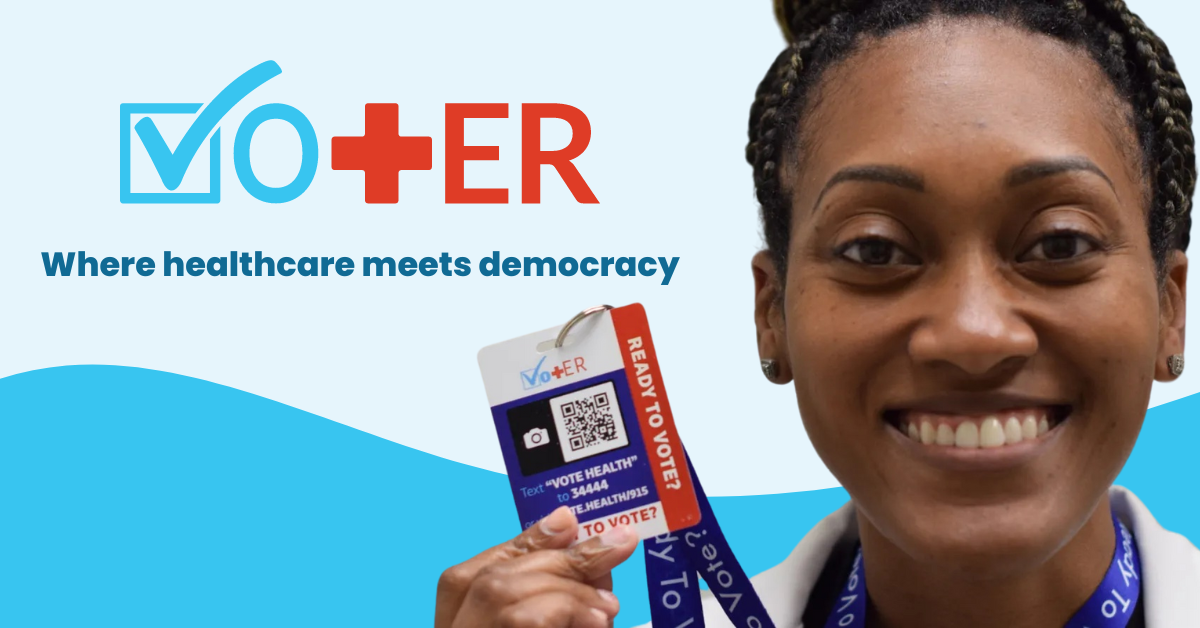
“Voter registration in hospitals is the new frontier in health care.” That’s the headline in a WBUR story last week detailing the efforts of health care professionals in “amplifying” their patients’ voices inside and outside of the hospital walls by advocating for their health citizenship — through voter registration and public health policy advocacy. I’m a long-time evangelist for health citizenship and the role that a person’s engagement in the civic commons plays in one’s own health, the health of their communities and of the nation as a whole. I’m not alone
Women’s Health Outcomes in the U.S.: Spending More, Getting (Way) Less – 4 Charts from The Commonwealth Fund
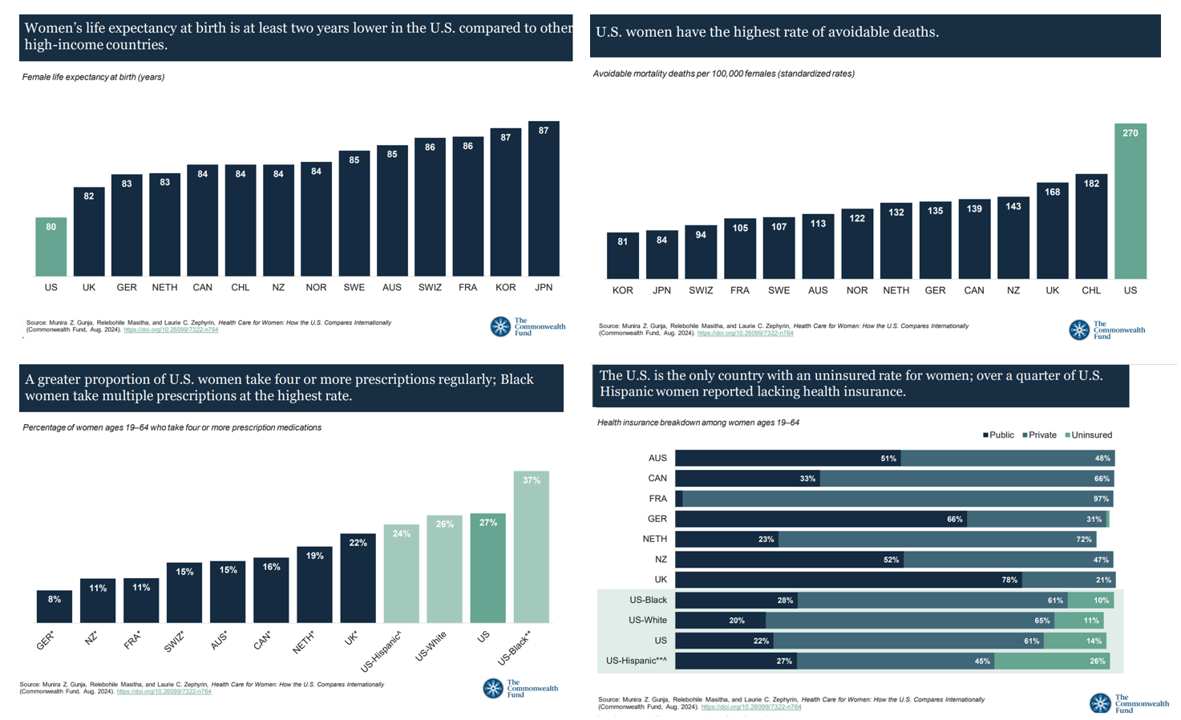
Women in the U.S. have lower life expectancy, greater risks of heart disease, and more likely to face medical bills and self-rationing due to costs, we learn in the latest look into Health Care for Women: How the U.S. Compares Internationally from The Commonwealth Fund. The Fund identified four key conclusions in this global study: Mortality, shown in the first chart which illustrates women in the U.S. having the lowest life expectancy of 80 years versus women in other high-income countries; Health status, with women in the U.S. more likely to consume multiple prescription
The Health Care Costs for Someone Retiring in 2024 in the U.S. Will Reach $165,000 – Fidelity’s 23rd Annual Update
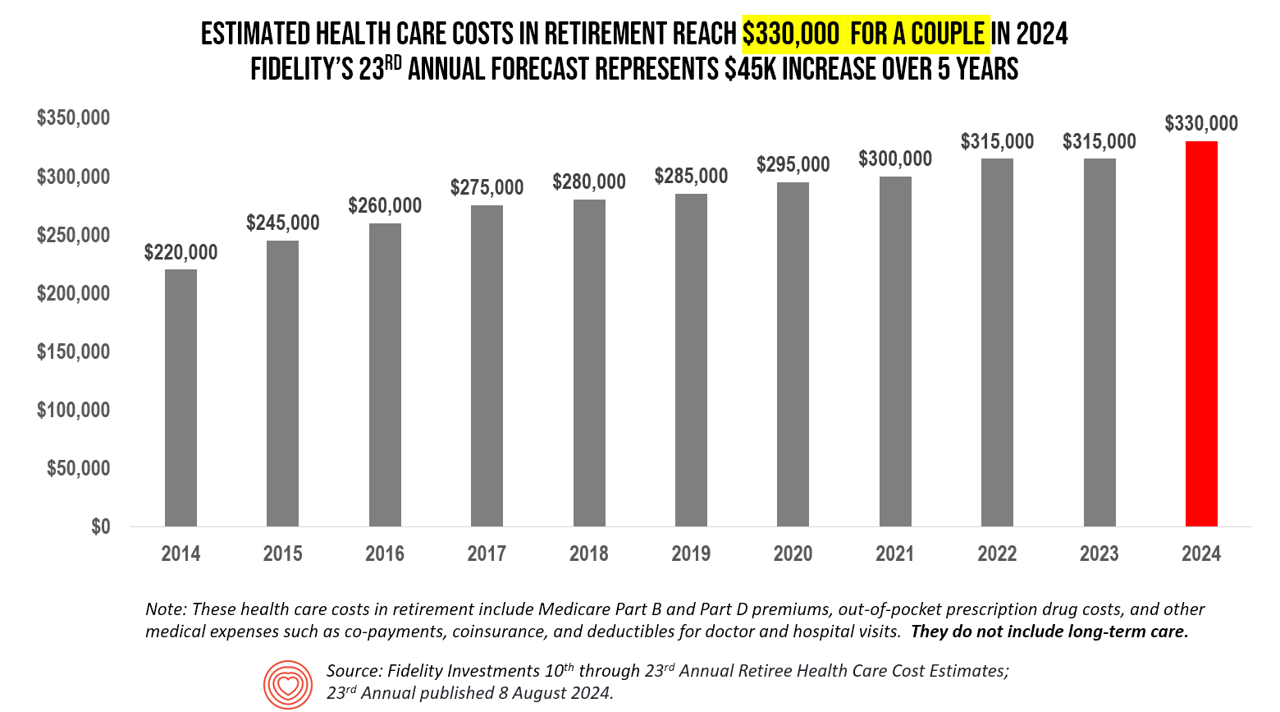
The average person in the U.S. retiring in 2024 will need to bank $165,000 to pay for health care costs in retirement — a sum that does not include long-term care, Fidelity Investments advises us in the 23rd annual look at this always-impactful (and sobering) forecast. I’ve covered this study every year since 2011 here in Health Populi, continuing to add to this bar chart; in the interest of space and legibility, I started this year’s version of the chart at 2014, when the cost for a couple was gauged at $220K. Fidelity began
What the “Vibe-Cession” Means for Health Care in the U.S. – Spending is Personal
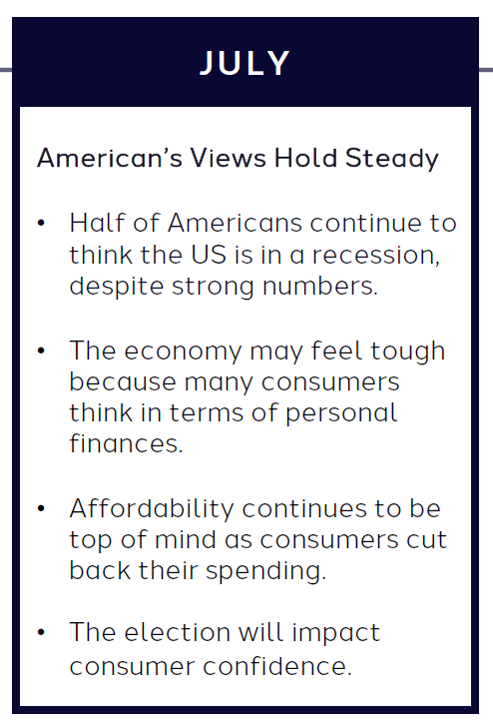
People living in the U.S. continue to feel a “vibe-cession” malaise, based on the American Mindset July 2024 update from Dentsu’s Consumer Navigator research. Notwithstanding generally good news about the American macroeconomy — in terms of growth, downward ticking inflation, and expected interest rate relief come September from the Federal Reserve — one in two Americans still thinks the country is in a recession. And this context is important for consumer’s personal spending on health care, fitness, and wellness, because, as Dentsu puts it, “consumers think in terms of personal finances.” As
“Listen to Me:” Personalization in Health Care Starts With Taking Patients’ Voices Seriously – the 15th Beryl Institute-Ipsos PX Pulse Survey
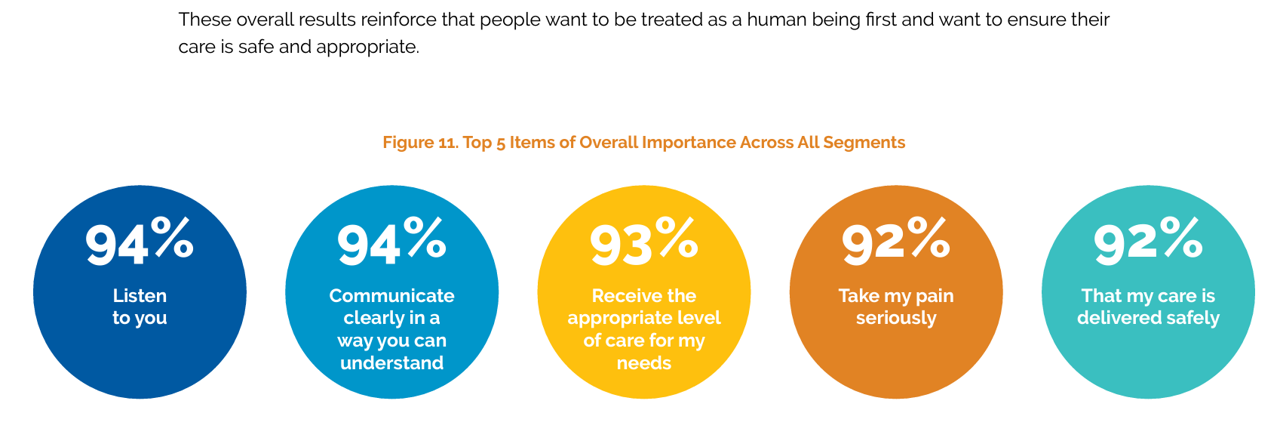
Patients’ experience with health care in the U.S. dropped to its lowest point over the past year, explained in the 15th release of The Beryl Institute – Ipsos PX Pulse survey. The study into U.S. adult consumers’ perspectives defined “patient experience” (PX) as, “The sum of all interactions, shaped by an organization’s culture, that influence patient perceptions across the continuum of care.” The survey was fielded by Ipsos among 1,018 U.S. adults in March 2024. Health care providers (and other industry stakeholders that go B2B or B2B2C (or P) are all thinking
Medical Debt, Aflac on Eroding Health Benefits, the CBO’s Uninsured Forecast & Who Pays for Rising Health Care Prices: A Health Consumer Financial Update
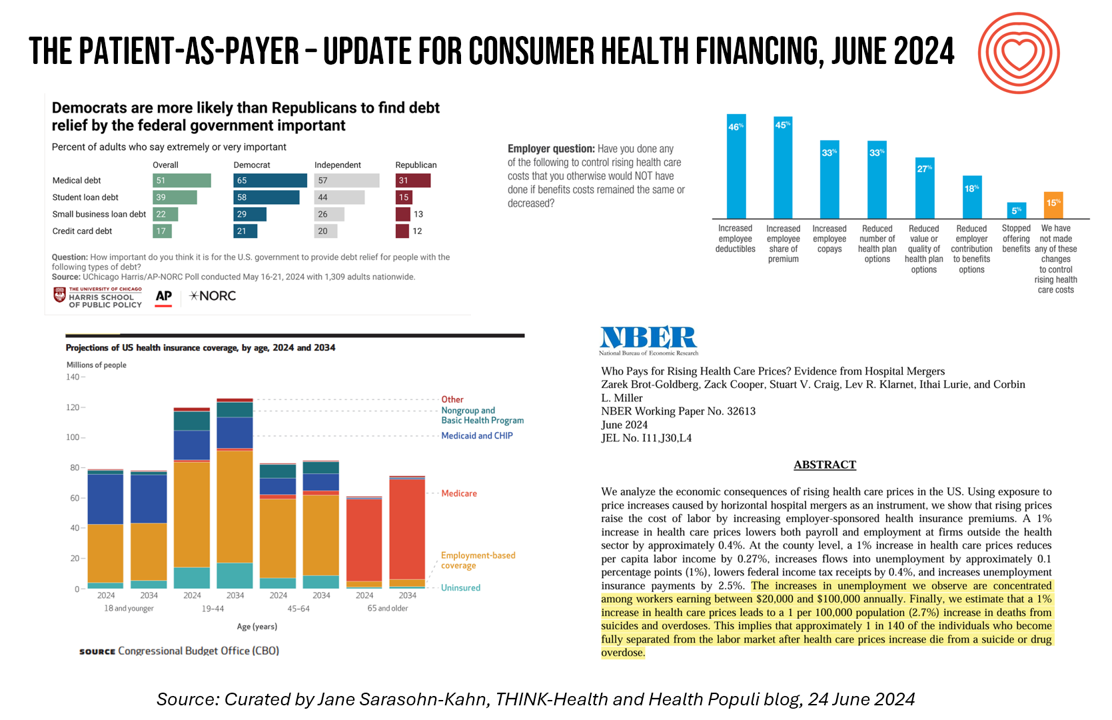
On June 11, Rohit Chopra, the Director of the Consumer Financial Protection Bureau (CFPB) announced the agency’s vision to ban Americans’ medical debt from credit reports. He called out that, “In recent years, however, medical bills became the most common collection item on credit reports. Research from the Consumer Financial Protection Bureau in 2022 showed that medical collections tradelines appeared on 43 million credit reports, and that 58 percent of bills that were in collections and on people’s credit records were medical bills.” Chopra further explained that medical debt on a consumer credit report was quite different than other kinds
Most Americans Follow an Eating Pattern in Search of Energy, Protein, and Well-Being – With Growing Financial Stress: A Food as Medicine Update
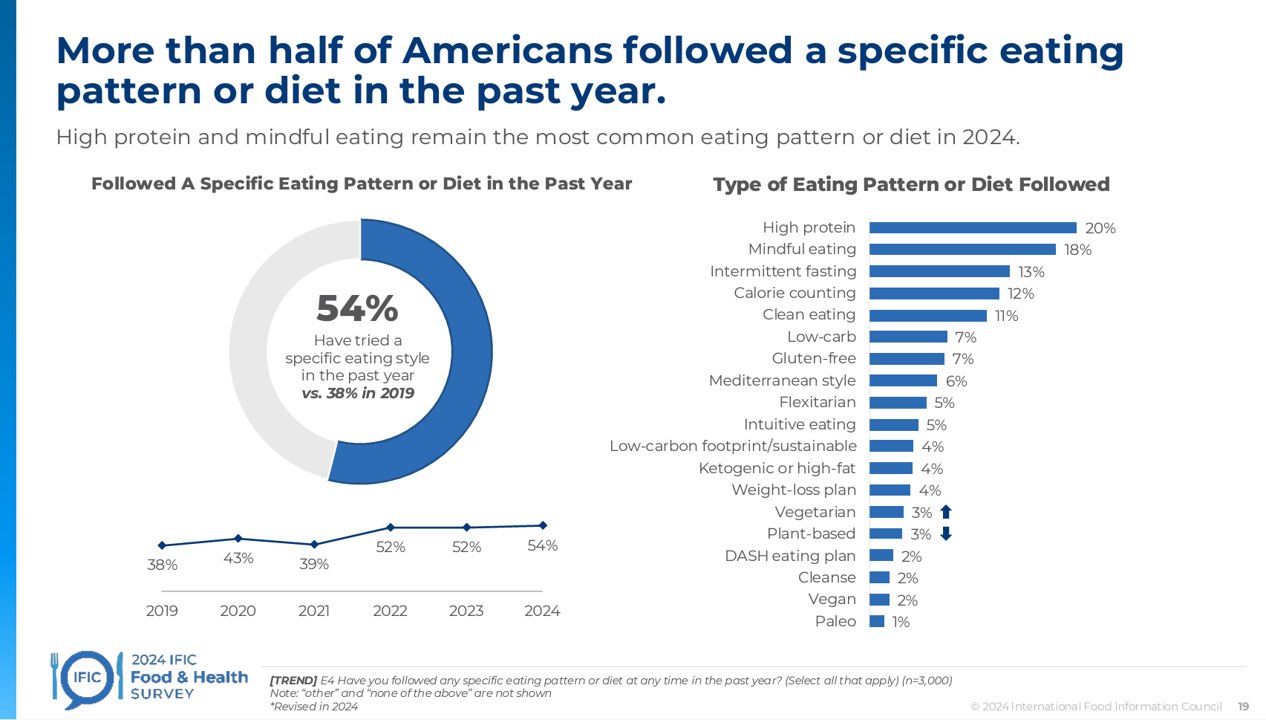
Most Americans follow some kind of eating regime, seeking energy, more protein, and healthy aging, according to the annual 2024 Food & Health Survey published this week by the International Food Information Council (IFIC). But a person’s household finances play a direct role in their ability to balance healthful food purchases and healthy eating, IFIC learned. In this 19th annual fielding of this research, IFIC explored 3,000 U.S. consumers’ perspectives on diet and nutrition, trusted sources for food information, and new insights into peoples’ views on the GLP-1 weight-loss drugs and the growing sense
Most Americans, Both Younger and Older, Worry About the Future of Medicare and Social Security
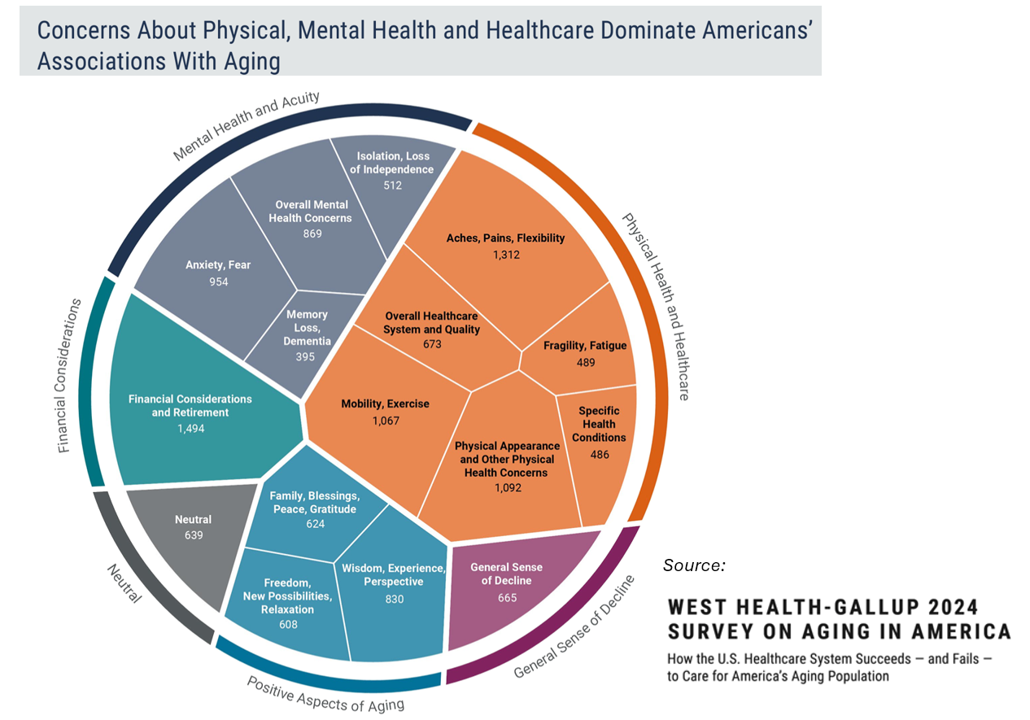
You would assume that most people over 50 would be worried about the financial future of Medicare to cover health care as those middle-aged Americans age. But a surprising two-thirds of young Americans between 18 and 29, and 7 in 10 between 30 and 39 years of age, are concerned that Medicare’s solvency will worsen leading to their not being able to receive Medicare when eligible to receive it, discovered in the 2024 Healthcare in America Report from West Health and Gallup. This year’s research focused on aging in America, exploring areas of U.S. health care system successes as well
The Most Trusted Brands of 2024 Tell Us A Lot About Health Consumers
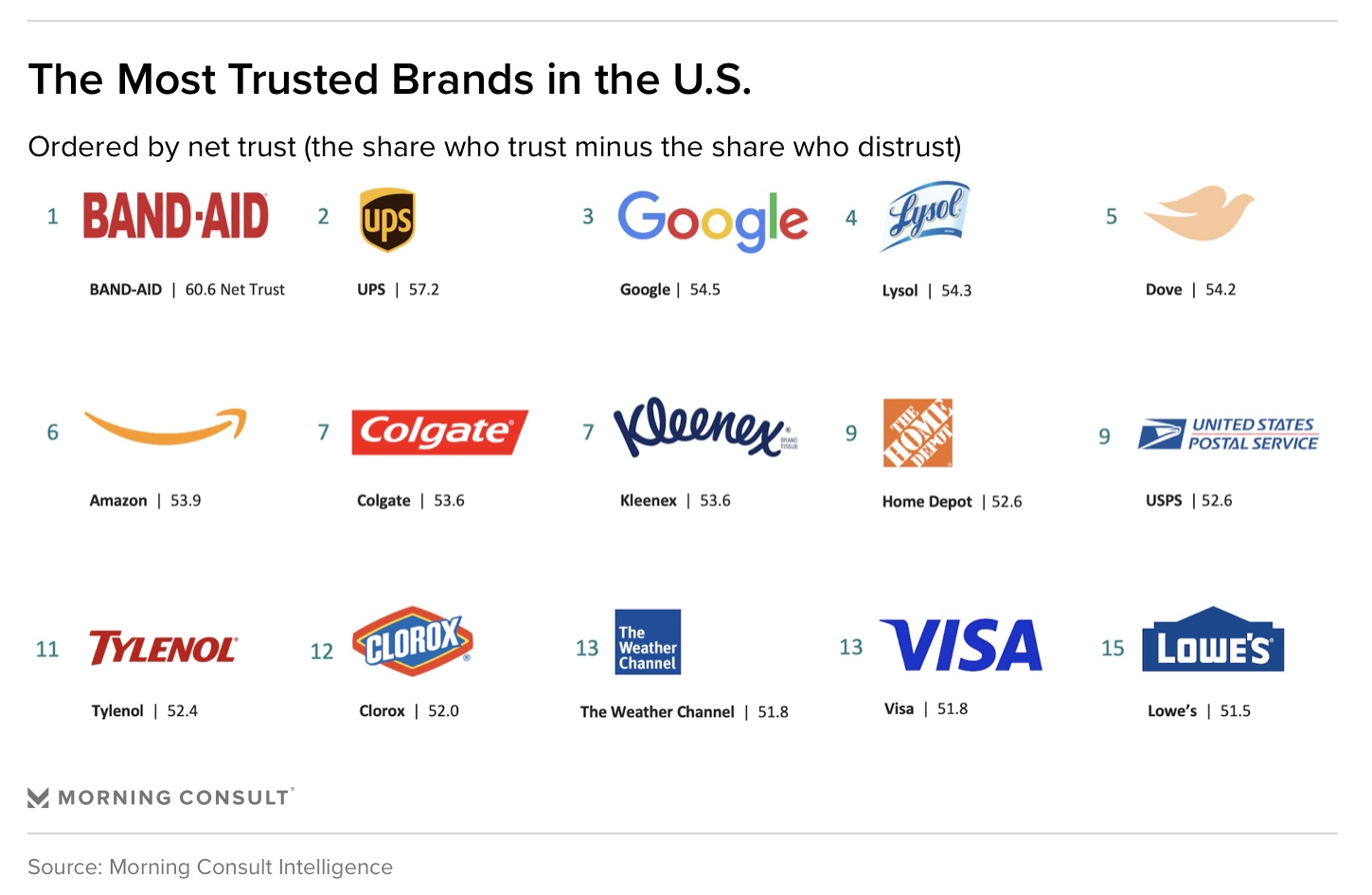
From bandages to home hygiene, OTC pain meds and DIY home projects, Morning Consult’s look into the most-trusted brands of 2024 give us insights into health consumers. I’ve been tracking this study since before the public health crisis of the coronavirus, and it always offers us a practical snapshot of the U.S. consumer’s current ethos on trusted companies helping people risk-manage daily living — and of course, find joy and satisfaction as well. In the top 15, we find self-care for health and well-being in many brands and products: we can call out Band-Aid, Dove, Colgate, Kleenex, and Tylenol. For
The Thematic Roadmap for AHIP 2024: What the Health Insurance Conference Will Cover

Health insurance plans make mainstream media news every week, whether coverage deals with the cost of a plan, the cost of out-of-network care, prior authorizations, or cybersecurity and ransomware attacks, among other front-page issues. This week, AHIP (the acronym for the industry association of America’s Health Insurance Plans) is convening in Las Vegas for its largest annual 2024 meeting. We expect at least 2,400 attendees registered for the meeting, and they’ll not just be representing the health insurance industry itself; folks will attend #AHIP2024 from other industry segments including pharmaceuticals, technology, hospitals and health systems, and the investment and financial services
Is There an Easy-Button for AI In Healthcare Team Well-Being? Exploring a New PC with Embedded AI

“The greatest opportunity offered by AI is not reducing errors or workloads, or even curing cancer: it is the opportunity to restore the precious and time-honored connection and trust,” Dr. Eric Topol wrote in his 2019 book, Deep Medicine: How Artificial Intelligence Can Make Healthcare Human Again. In the five years since Dr. Topol looked for AI to bolster the human-touch in health care, we’ve lived, worked, and muddled our way through the COVID-19 pandemic and witnessed the growing epidemic of burnout among clinicians, the front-line of medical care. I recalled Dr. Topol’s assertion on AI’s promise for humanizing health
Grocers, Food Retailers and Retail Pharmacies Prioritizing Wellness and Health in 2024
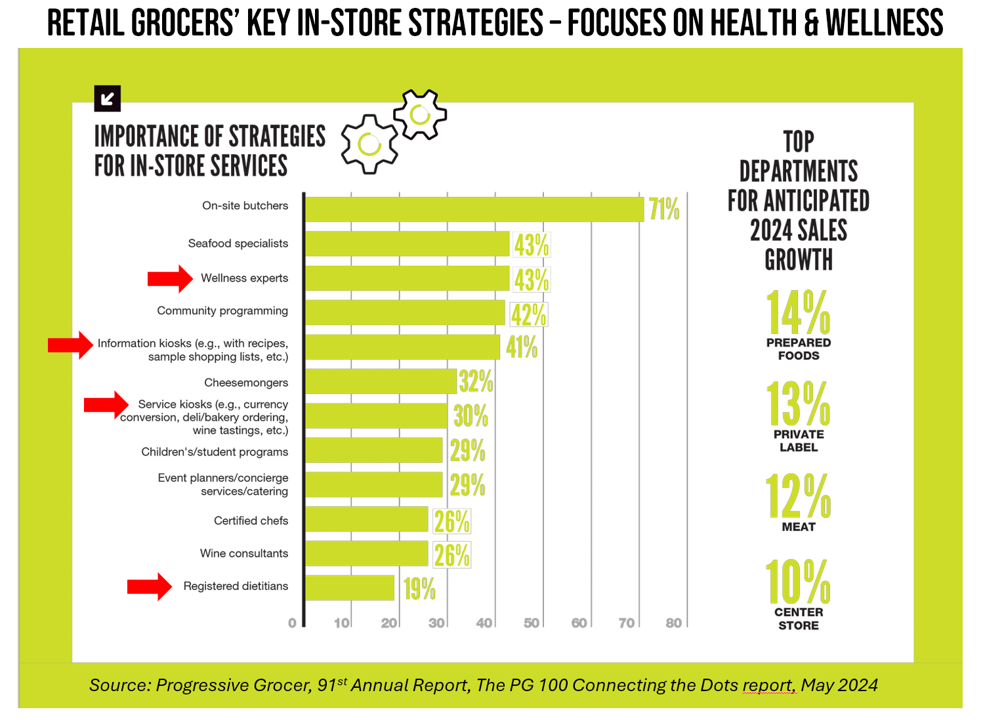
Thanks to Progressive Grocer’s 91st annual report and research therein, we have fresh insights into where wellness and nutrition fit into food retailers’ — and pharmacies’ and Big Box stores’ — strategies. That priority ranks high in grocers’ plans for in-store services in 2024 and beyond. Far above all other strategies for food retailers’ in-store services, we see that on-site butchers rank high — among 3 in 4 retailers. Why this might be the case: cost- and value-focused consumers often have questions about how to cook different (lower-priced) costs of meat, or desire
GLP-1s’ direct and indirect impacts on health care and consumer goods – Jane speaks with Bloomberg BNN
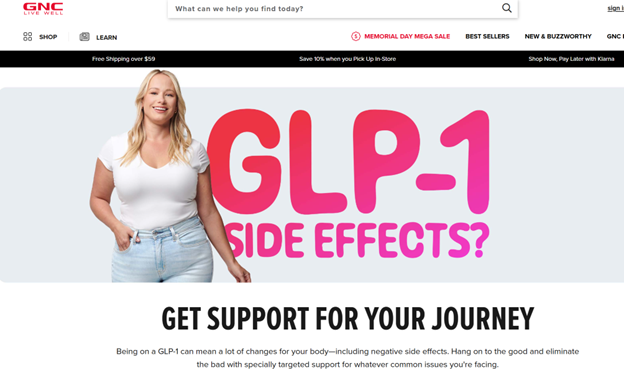
Today, I spoke live with Paul Bagnell, news anchor with Bloomberg BNN, on the topic of the GLP-1 agonists and their impact on health care, industries beyond health and medicine, and consumers. In this post, I’ll share with you some of the plotline for our discussion. Gallup polled U.S. adults in March to gauge their experience with injectable weight loss drugs, the results published earlier this week. The first chart tells us that 6% of people have used these drugs, and 3% were doing so in March. Consumers using the meds were more
Inflation, Health, and the American Consumer – “The Devil Wears Kirkland”
The Wall Street Journal reported yesterday that surging hospital prices are helping to keep inflation high. Hospital costs rose 7.7% last month, the highest increase in 13 years. This chart from WSJ’s reporting illustrates the >2x change in the CPI for hospitals vs the overall rate of price increases. Hospitals are not alone in price cliffs, with health insurance premiums spiking last year at the fastest rate in a decade, the Labor Statistics data showed. “For patients and their employers, the increases have meant higher health-insurance premiums, as well as limiting wage
A Tax on Moms’ Financial and Physical Health – The 2024 Women’s Wellness Index
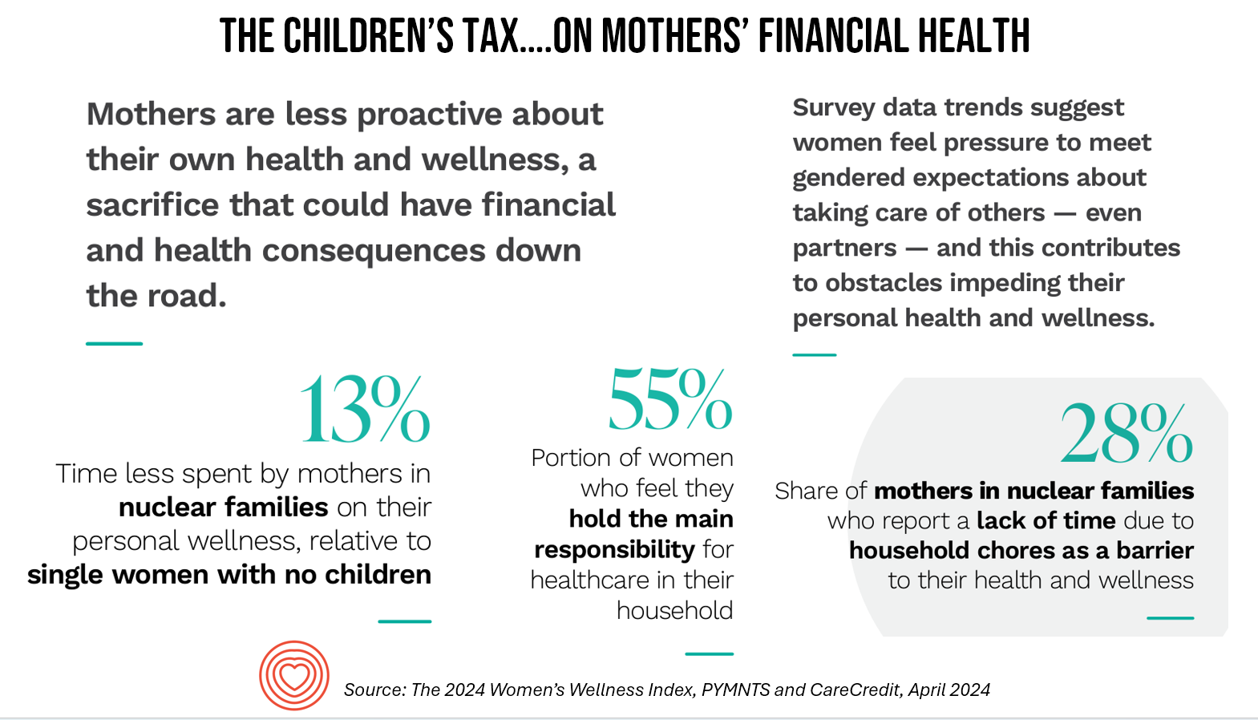
“Motherhood is the exquisite inconvenience of being another person’s everything” is a quote I turn to when I think about my own Mom and the remarkable women in my life raising children. With Mother’s Day soon approaching, the 2024 Women’s Wellness Index reminds us that the act of “being another person’s everything” has its cost. The Index, sponsored by PYMNTS in collaboration with CareCredit, was built on survey responses from 10,045 U.S. consumers fielded in November-December 2023. The study gauged women’s perspectives on finances, family, social life impacts on health and well-being. My key takeaway from
Trust is a Superpower for Public Health – The 2024 Edelman Trust Barometer Through the Health Lens
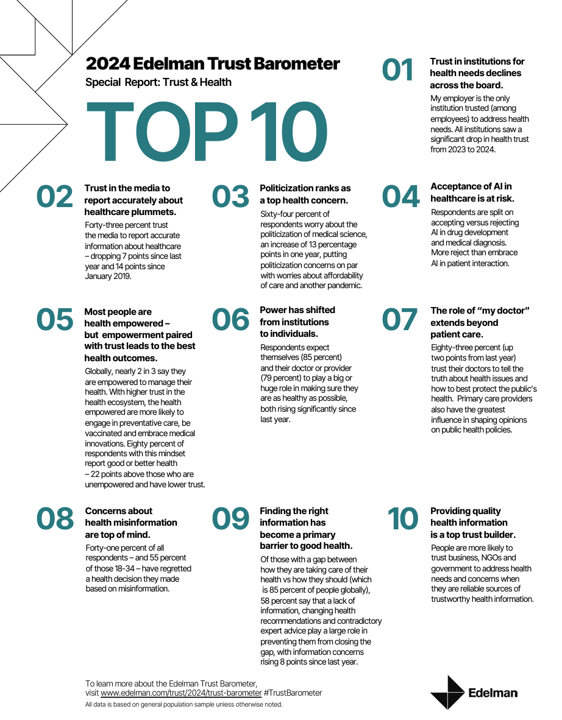
Less than 50% of people living in 16 countries do not trust government, media, or NGOs to do what is right to address their health needs and concerns, based on the responses from over 15,000 people living in 16 countries whose opinions are captured in the 2024 Edelman Trust Barometer’s Special Report on Trust and Health. Edelman launched the 2024 Trust Barometer earlier this year during the Davos World Economic Forum, and today released this round of research focused on health. Globally (among health citizens in the 16 countries polled in the study), trust for
Healthcare 2030: Are We Consumers, CEOs, Health Citizens, or Castaways? 4 Scenarios On the Future of Health Care and Who We Are – Part 1
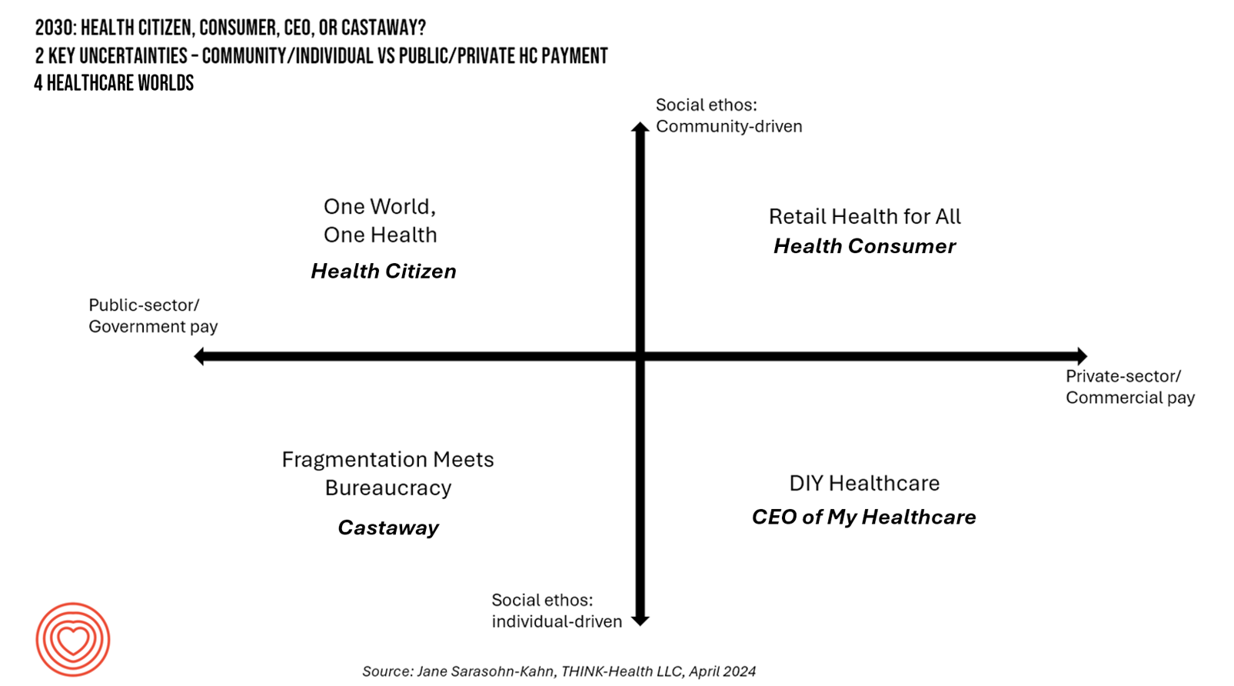
In the past few years, what event or innovation has had the metaphorical impact of hitting you upside the head and disrupted your best-laid plans in health care? A few such forces for me have been the COVID-19 pandemic, the emergence of Chat-GPT, and Russia’s invasion of Ukraine. That’s just three, and to be sure, there are several others that have compelled me to shift my mind-set about what I thought I knew-I-knew for my work with organizations spanning the health care ecosystem. I’m a long-time practitioner of scenario planning, thanks to the early education at the side of Ian
Safety in Health Care Ties Closely to Workforce Well-Being – Updates from Press Ganey and ECRI
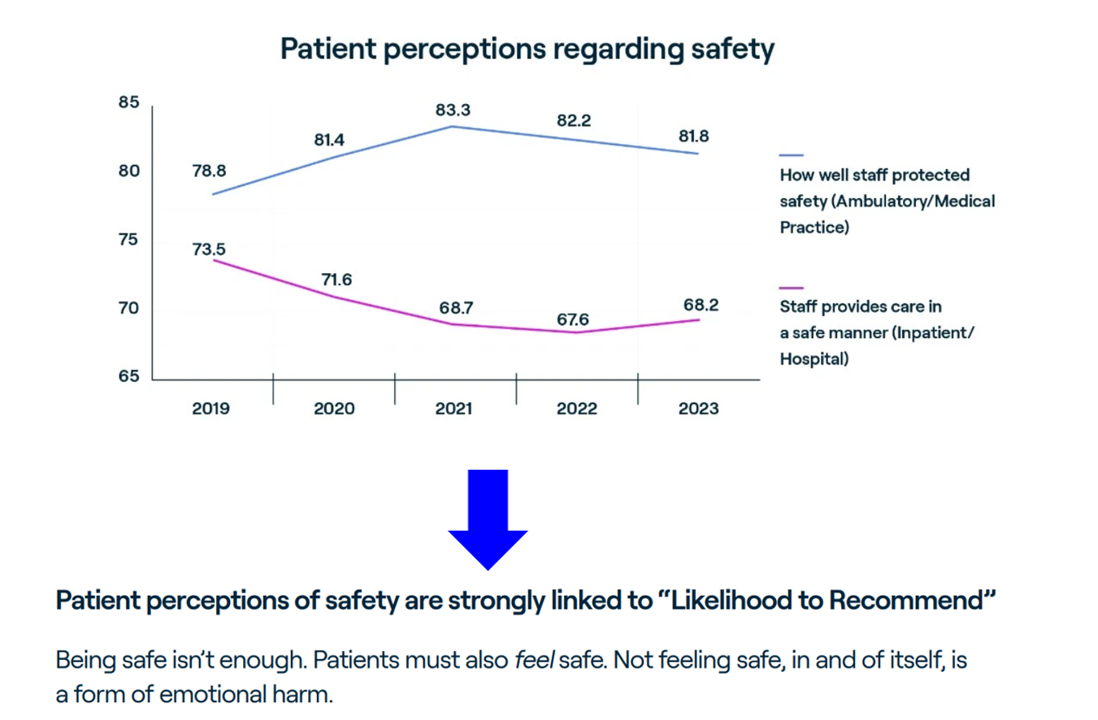
“First, do no harm” is a key M.O. in health care. The phrase “patient safety” summons up a list of common sources such as medication errors, surgical errors, health care-associated infections, diagnostic errors, among other adverse events and harms people experience in the course of receiving health care. While safety outcomes and health care organizations’ “safety cultures” are improving, there is evidence in the U.S. that people — both patients and the health care workforce — feel less safe, discussed in Safety in Healthcare 2024 from Press Ganey. “Safety is the foundation of healthcare. It anchors all experiences — for patients
Celebrating World Sleep Day 2024 – Sleep Equity for Global Health
On the long list of things people can do to bolster their well-being, sleep ranks third after eating well and being physically active. We are calling out sleep as a key ingredient for health today, World Sleep Day 2024. Yes, it’s a real thing, and this year speaks to the theme of Sleep Equity for Global Health. The data point here comes from Datassential‘s latest consumer survey conducted across all adult age groups in the U.S. This information was shared with us yesterday during the company’s session covering Health and the Food & Beverage
The Women’s Health Gap Is Especially Wide During Her Working Years – Learning from McKinsey, the World Economic Forum, and AARP in Women’s History Month
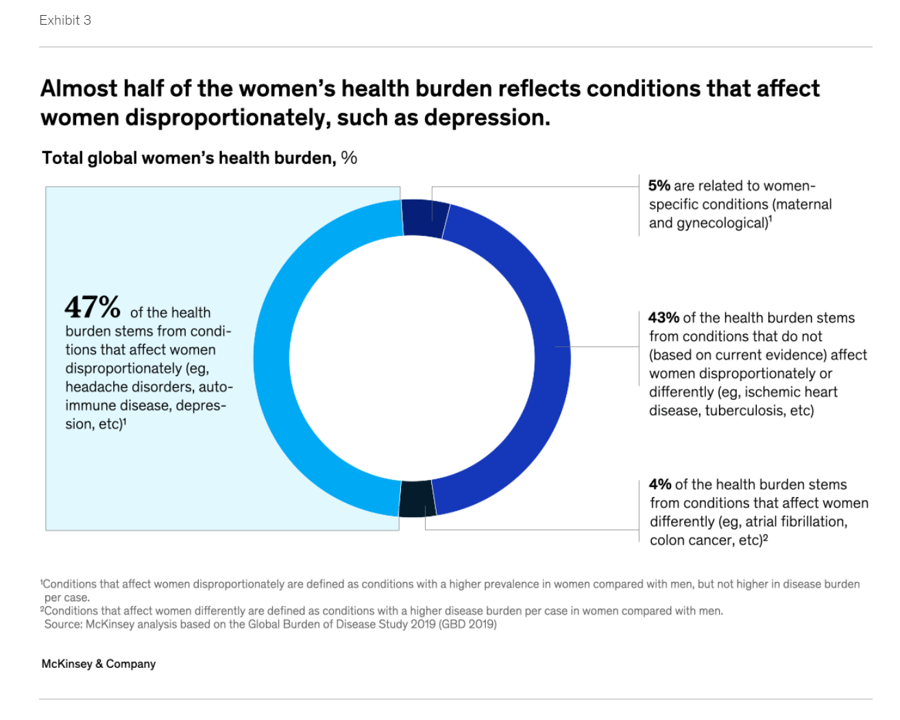
There’s a gender-health gap that hits women particularly hard when she is of working age — negatively impacting her own physical and financial health, along with that of the community and nation in which she lives. March being Women’s History Month, we’ve got a treasure-trove of reports to review — including several focusing on health. I’ll dive into two for this post, to focus in on the women’s health gap that’s especially wide during her working years. The reports cover research from the McKinsey Health Institute collaborating with the World Economic Forum on
As Food-As-Medicine Gains Momentum, Watch for Dietitians and Pharmacists to Sit at The FaM Table – And A Lesson from George Washington Carver
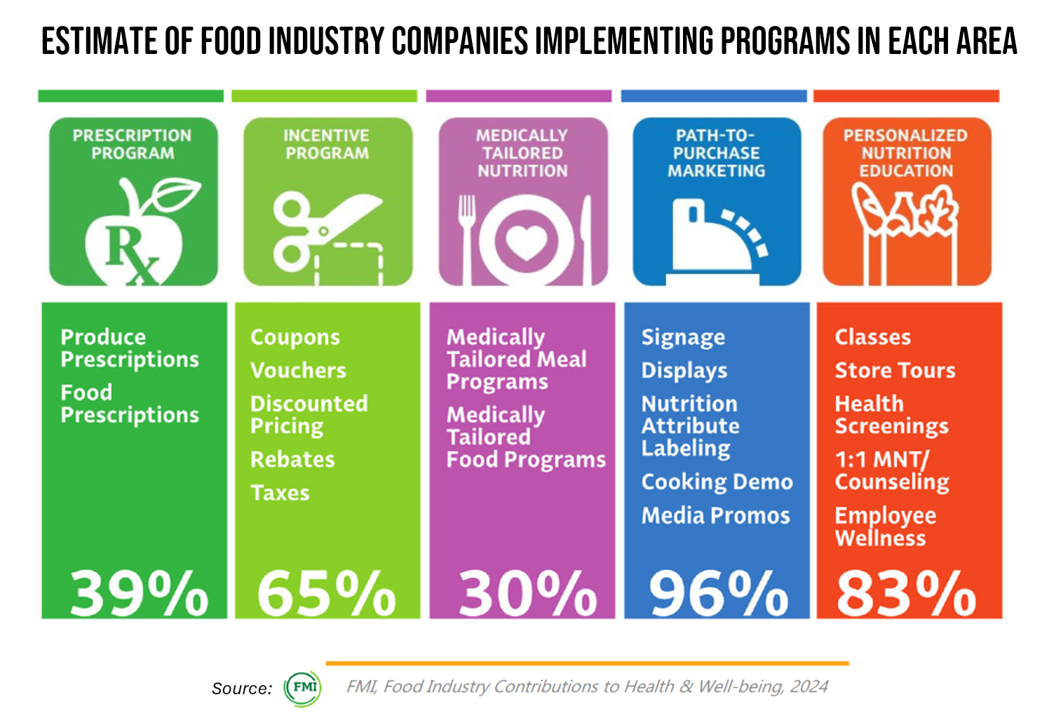
The food industry, both retail food chains and food suppliers, has found health and nutrition are having a positive impact on their businesses both for margins and for missions, we learn in the latest annual survey on Food Industry Contributions to Health & Well-being, 2024, from FMI. Most retail food channels operate pharmacies, three in five operate clinics in stores, and 2 in 5 of the clinics are health system-owned and operated. FMI, the Food Industry Association, conducted this industry poll in October 2023 among food retail and supplier members, totaling 36 organizations representing over
From Evolution to Innovation, from Health Care to Health: How Health Plans With Collaborators Are Re-Defining the Industry
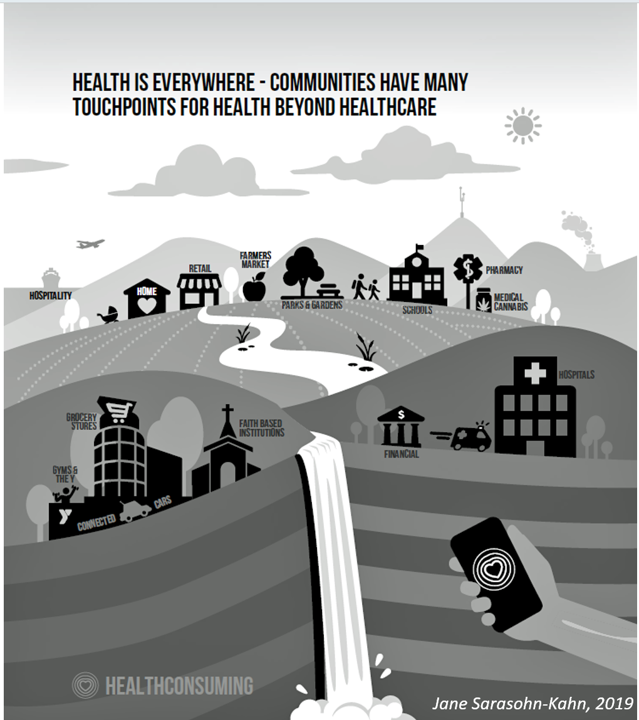
As a constant observer and advisor across the health/care ecosystem, for me the concept of a “health plan” in the U.S. is getting fuzzier by the day. Furthermore, health plan members now see themselves as medical bill payers, seeking value and consumer-level services for their health insurance premium investment. Weaving these ideas together is my mission in preparing a session to deliver at the upcoming AHIP 2024 conference in June, I’m thinking a lot about the evolving nature of health insurance, plans, and the organizations that provide them. To help me define first principles, I turned to the American father
Physicians Feeling Burnout and Depression Continues in 2024 — The Annual View From Medscape
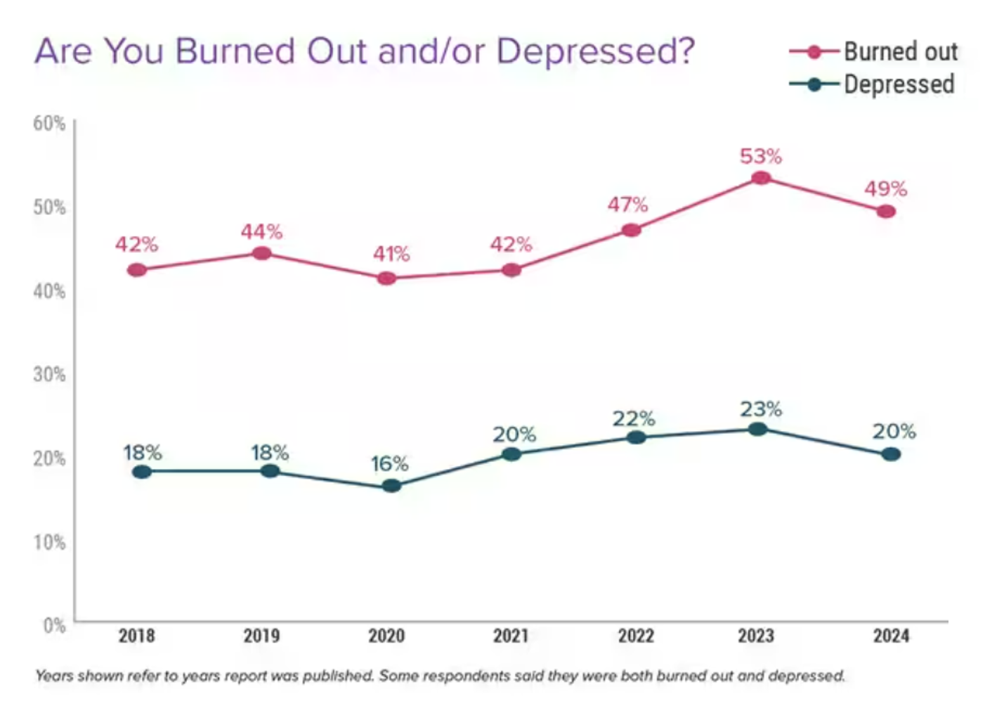
One-half of U.S. physicians report feeling burned out, and 3 in 5 of those doctors say they have felt burned out for over two years, according to the Physician Burnout & Depression Report for 2024 from Medscape. While the study’s press release asserts there may be “progress” given the percent of doctors citing burnout fell by 4 percentage points from 53% of doctors in 2022 to 49% in 2023, it is obvious the U.S. physicians need greater support and less taboo concerning their mental health which impacts both their professional and personal lives.
The Wellness Market Shaped by Health at Home, Wearable Tech, and Clinical Evidence – Thinking McKinsey and Target
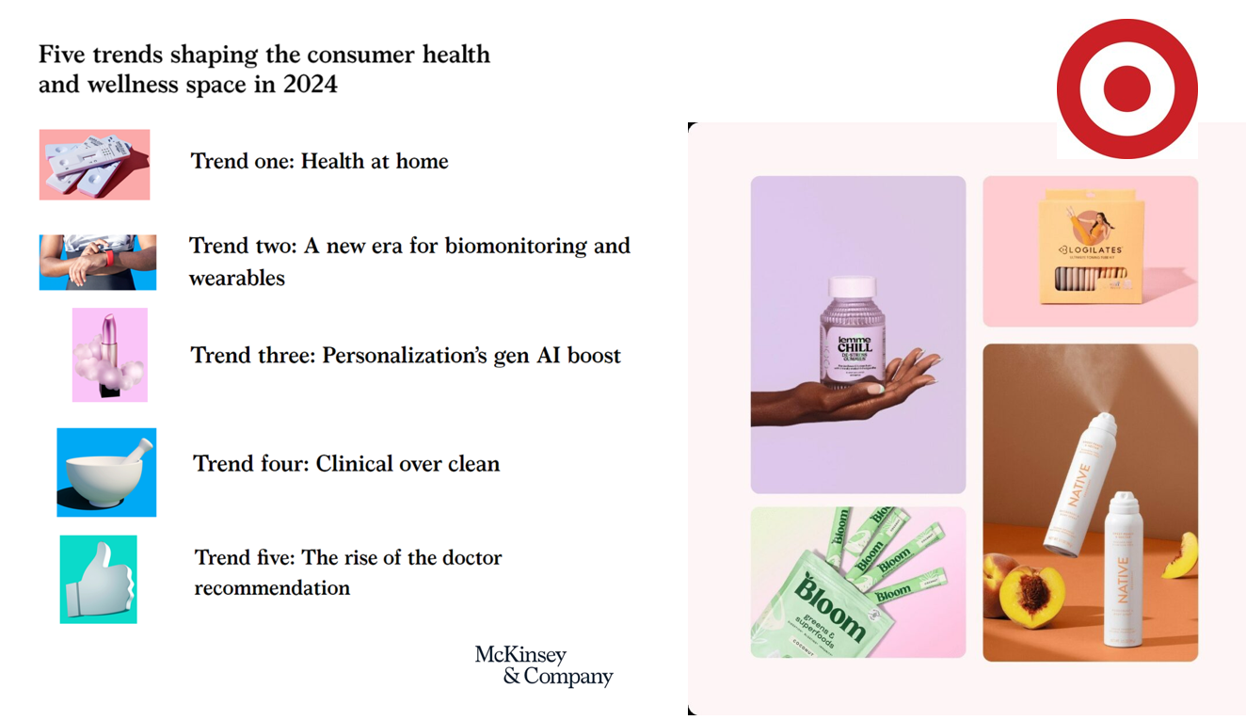
Target announced that the retail chain would grow its aisles of wellness-oriented products by at least 1,000 SKUs. The products will span the store’s large footprint, going beyond health and beauty reaching into fashion, food, home hygiene and fitness. The title of the company’s press release about the program also included the fact that many of the products would be priced as low as $1.99. So financial wellness is also baked into the Target strategy. Globally, the wellness market is valued at a whopping $1.8 trillion according to a report published last week by McKinsey. McKinsey points to five trends
Access to Technology Is the New Pillar for Well-Being: CES & the UN Partner for Human Security for All
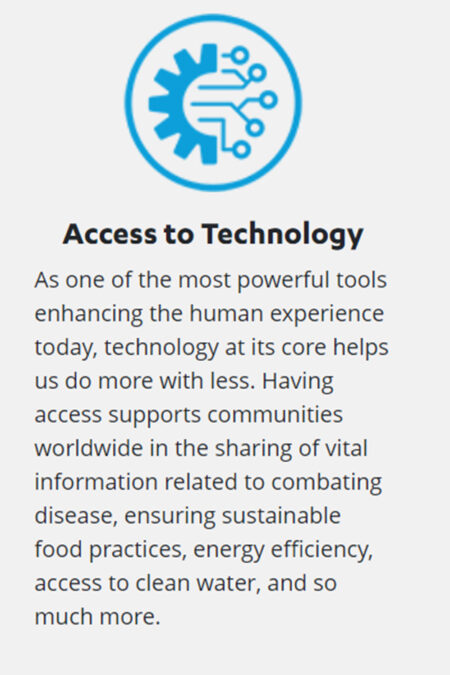
In kicking off #CES2024, CTA’s researchers noted the acceleration of global connectivity, with gaps in peoples’ ability to connect depending where they live: by region, the percent of people connected to the internet today are, according to CTA’s data, 92% in the U.S. 87% in the E.U. 76% in Latin America 73% in China 55% in Nigeria 46% in India. Such gaps in connectivity threaten peoples’ individual well-being, but also social and political stability that impacts the entire world’s security. And not to overlook, as well, the promise of AI to do good at scale at the enterprise-level, globally.
What to Expect For Health/Care at CES 2024
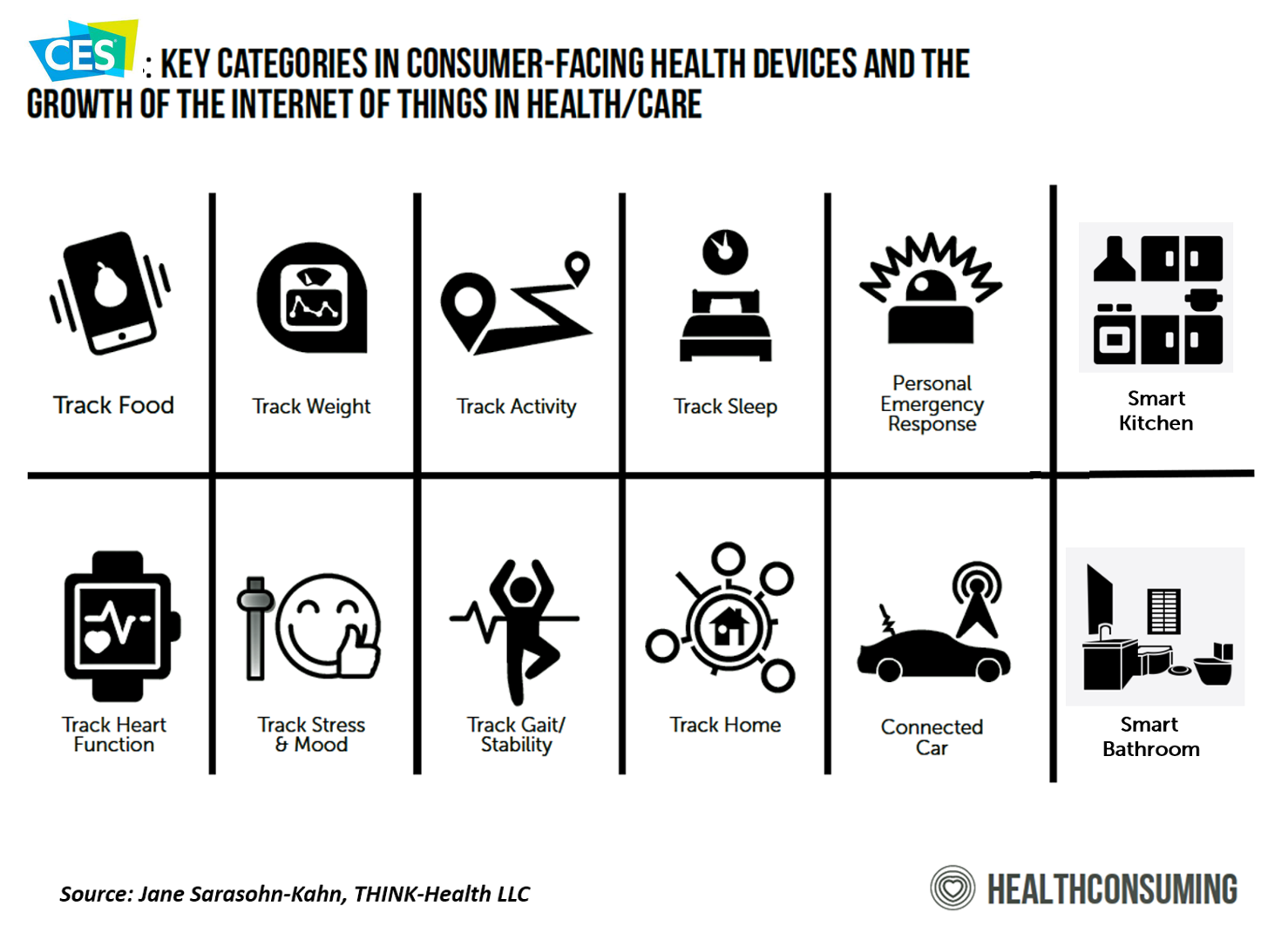
Not known for its salubrious qualities, Las Vegas will nonetheless be a locus for health, medical care, and well-being inspiration next week when the Consumer Technology Association convenes the annual CES featuring innovations in consumer technology. Ten years ago here in Health Populi, I wrote about New Year’s Resolutions for Health and the 2013 Consumer Electronics Show. Then, one-third of consumers were keen to buy health tracking technology but most of those people were healthy, CTA’s research found. I talked about the “battle of the (wrist)bands” witnessed at CES 2013, and spotted the
Technology Is Playing a Growing Role in Wellness and Healthy Aging – AARP’s Latest Look Into the 50+ Tech Consumer
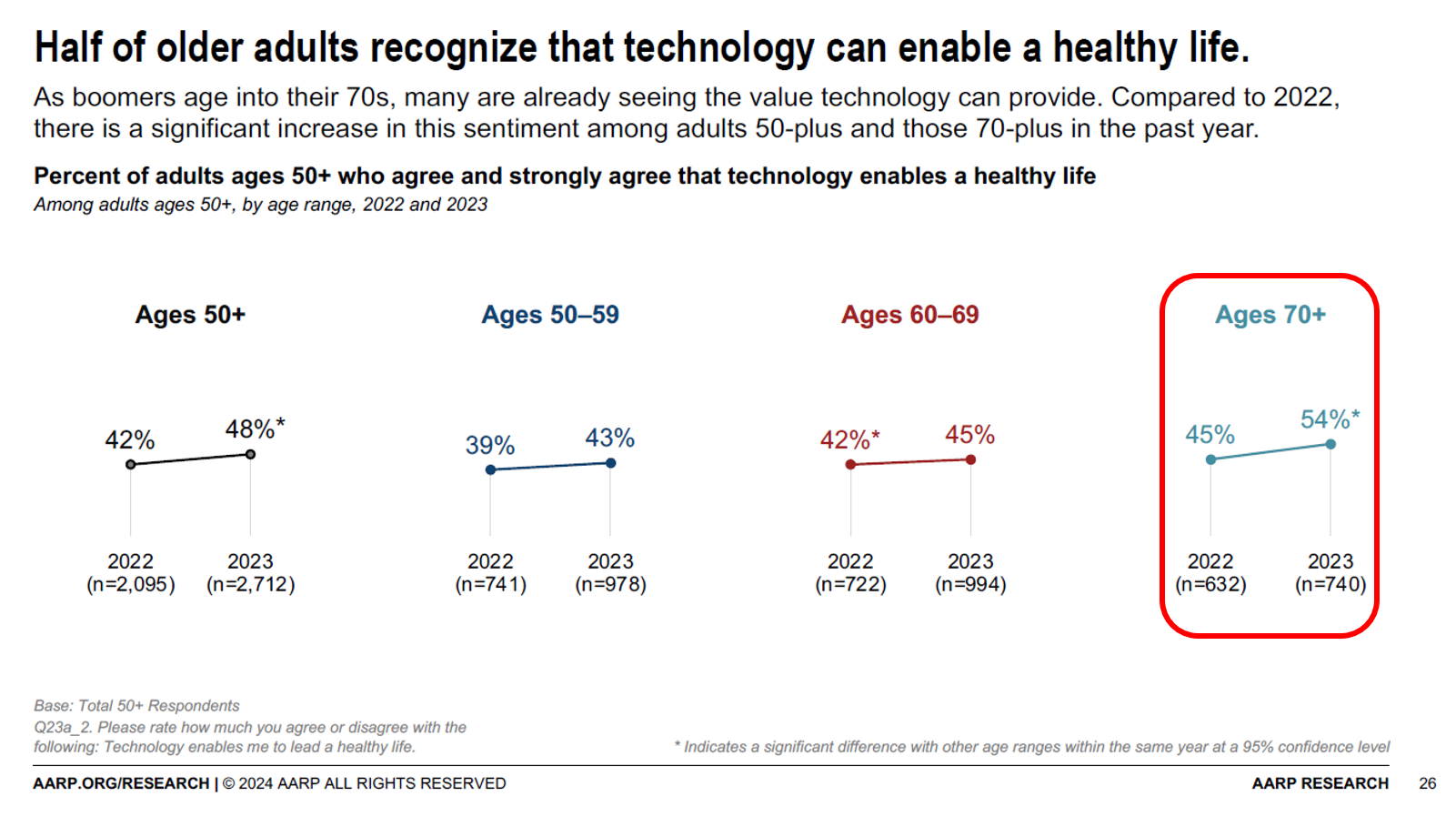
Most people over 70 years of age recognize technology’s role in supporting peoples’ health, we learn from a new report on 2024 Tech Trends and Adults 50+ from AARP. But adoption and ongoing use of digital innovations among older people will be tempered without attending to four key barriers that carry equal weight in the minds of 50+ consumers: design and user experience, awareness and interest, cost and acquisition, and trust and privacy concerns. [Spoiler alert: in the Hot Points, below, I add a fifth consideration: health equity + dignity]. To gauge older Americans’ views on
In 2024 U.S. Consumers Will Mash Financial Resolutions With Those For Physical Health and Mental Health, Fidelity Finds

One-third of U.S. consumers feel in worse financial shape now than in 2022, with inflation a top concern, discovered in the 2024 New Year’s Financial Resolutions Study from Fidelity Investments. In this 15th annual update of Fidelity’s research into Americans’ New Year’s resolutions for financial health, we learn the mantra that 2024 will be the year of living practically, opening new chapters for saving and paying down debt. Fidelity conducted an online poll among 3,002 U.S. adults 18 and over in October 2023 to gauge peoples’ perspectives on personal finances, and well-being currently and into 2024. This
The Best Global Brands Through a Lens on Health – Reading Interbrand’s 2023 Annual Report
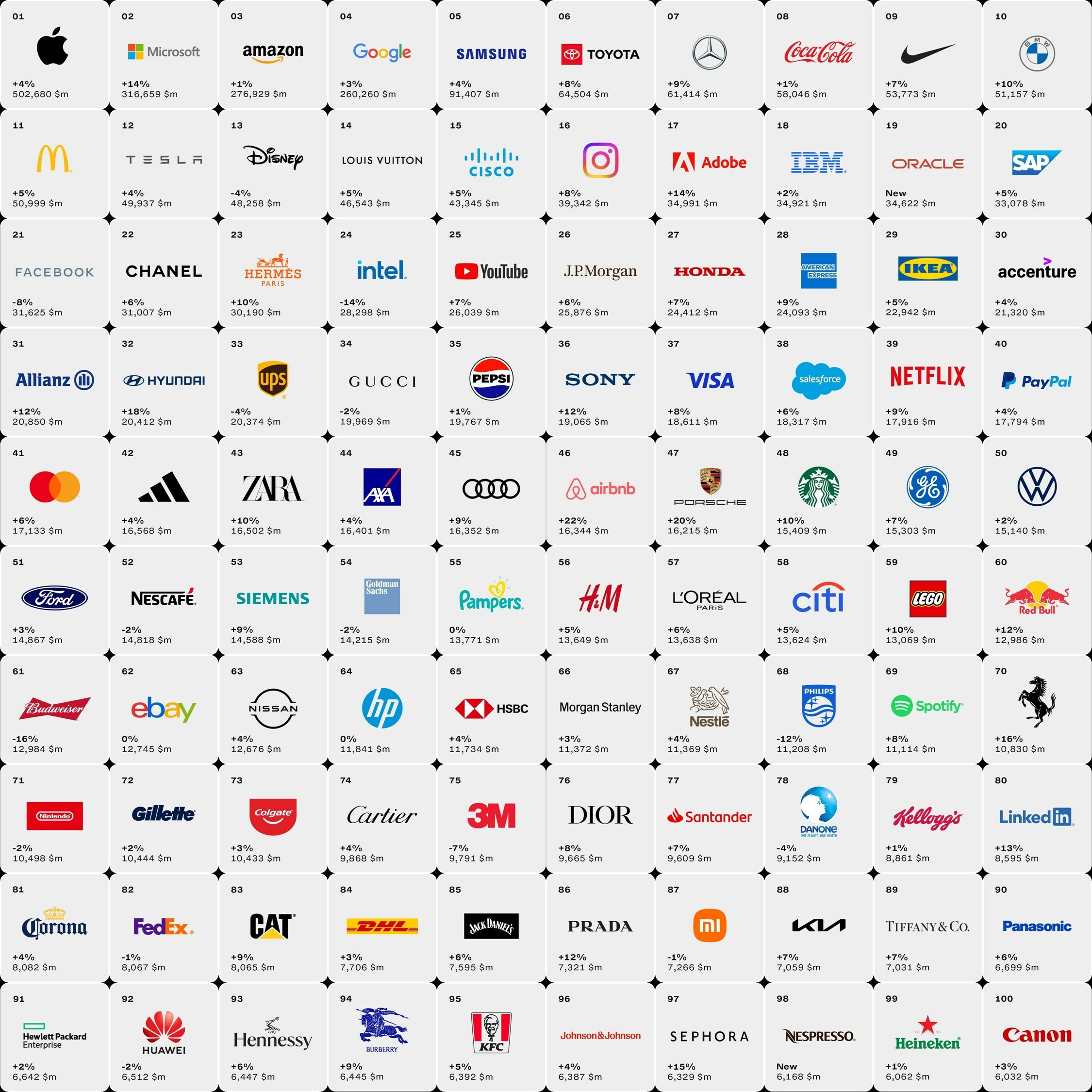
“Businesses which have witnessed a rise in brand value…have all transcended their established category norms and play a more significant and meaningful role in society and consumers’ lives,” we learn in the Interbrand Best Global Brands 2023 report, subtitled, “How Iconic Brands Lead Across Arenas. Most brands stagnated or lost ground in terms of brand value in 2023, with average growth rate of 5.7% compared to 16% in 2022. But those who rose fast bucked the stagnation trend, and included the fastest risers Airbnb (growing brand value by 21,8%) and Microsoft (increasing in brand value by 14%, the highest growth rate
An Antidote to Loneliness – Amazon’s 2023 Holiday Ad-Video Is A Lesson in Social Health, Aging and Love

To complement today’s sobering Health Populi post discussing Accenture’s 2024 Life Trends Study — an outlook for a decade of “deconstruction” based on technology and other trends in the ether — I share with you Amazon’s ad for this holiday season gift-giving motivation. The agency responsible for the campaign, Hungry Man and director Wayne McClammy, weave together a beautiful plotline of friendship, the Beatles’ In My Life, and a time-traveling image that captivated me. The evidence base on loneliness and aging is deep and quantifiable: loneliness can kill like a daily inhalation of a pack of cigarettes. It is up
Accenture’s Great Expectations for a Decade of Deconstruction – the 2024 Life Trends Forecast
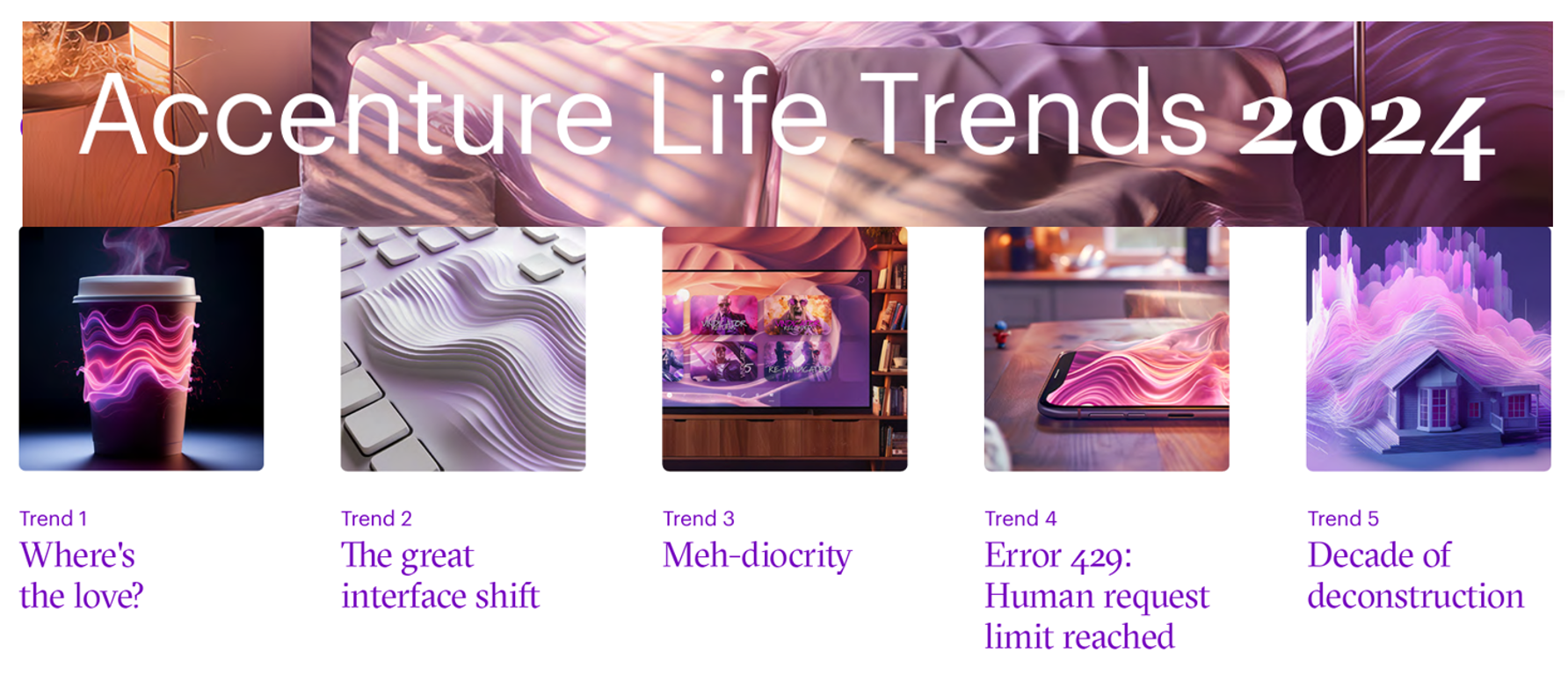
In the company’s 17th annual look into consumers’ “life trends,” Accenture finds that, top-line, “The harmony between people, tech and business is showing tensions, and society is in flux.” And these consumer-facing trends will also shape peoples’ attitudes about their health care, how they access and pay for it, and what kinds of services and support health consumers will expect in this era of “deconstruction.” Taken together, the trends noted in Accenture’s 2024 report on Life Trends finds that one-half of consumers, globally, are changing their life goals, making their jobs and retirement stability more important than
Everybody is Stressed in America, and It’s Not Good for Our Health: the 2023 Update from the American Psychological Association
The U.S. is “a nation recovering from collective trauma,” the according to the latest survey on Stress in America 2023 from the American Psychological Association (APA). The APA has been quantifying Stress in America since 2007; for context, at the end of that year The Great Recession kicked in, and in response President Obama’s team put together assistance to bolster the national economy, jobs, and health technology (codified in the American Recovery and Reinvestment Act). American health citizens are experiencing a deja vu in 2023 akin to their financial stress experienced in the APA 2008 Stress
How Ahold-Delhaize Connects the Grocery, Climate Change, ESG and Consumers’ Health

In the food sector, “the opportunity for us and the role that we play is to connect climate and health,” Daniella Vega of Ahold Delhaize told Valerio Baselli during the Morningstar Sustainable Investing Summit 2023. In a conversation discussing the importance of non-financial metrics in companies’ ESG efforts, Vega connected the dots between climate change, retail grocery, and consumers’ health and well-being. Vega is the Global Senior Vice President, Health & Sustainability, with Ahold Delhaize— one of the largest food retail companies in the world. Based in the Netherlands, the company operates mainly in
Money and Mental Health in the U.S. – How Difficulty Paying Medical Bills Can Hurt Healing and Well-Being
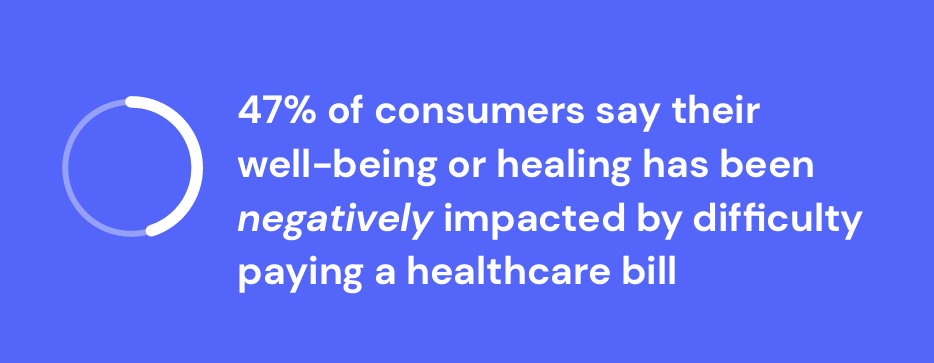
There is growing evidence on the connection between people’s financial health and their mental health, explored and explained in Understanding the Mental-Financial Health Connection, a study published by the Financial Health Network. Keep that relationship in mind in the context of a new forecast from Kaiser Family Foundation estimate the 2023 cost for employer-sponsored insurance for a family to reach nearly $24,000 in 2023. That cost is a 7% increase over last year, and is expected to be split with companies covering $17K (about 70%) and employees about $6600 (roughly 30%). KFF heard that
What Walmart’s Look at Ozempic Users Tells Us About Health/Care Consumers
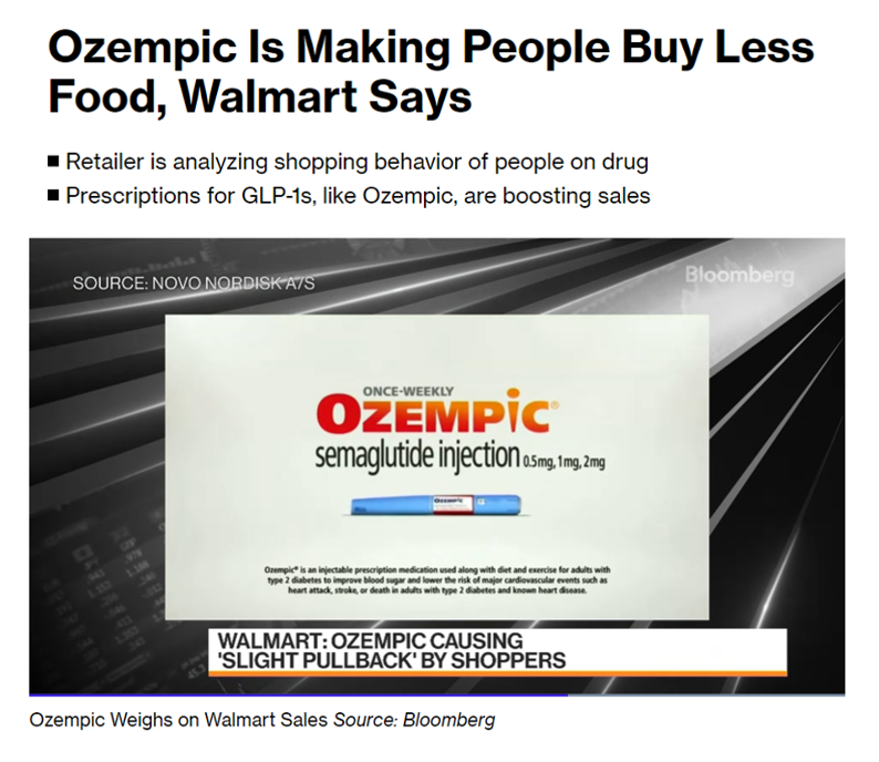
“We definitely do see a slight change compared to the total population, we do see a slight pullback in overall basket,” the CEO of Walmart US is quoted in Bloomberg. “Just less units, slightly less calories.” With patients’ use GLP-1 drugs such as Ozempic, Wegovy, and Mounjaro fast-rising in the pharmacy market, so are the concerns of companies that stock the-middle-of-the-grocery-store aisles for processed foods like sweet and salty snacks. As the prospects for the drug companies who manufacture prescription drugs made for patients managing diabetes and obesity are on the
Nurses Hacking for Health, Addressing Burnout, Workplace Violence, and AI
Three in four nurses working in hospitals care about the success of their institution — “they show up and gown up…yet only 57% feel a sense of ownership in their hospitals, leaving leaders to expect 100% quality to be delivered by about half of the nursing workforce.” This is the key finding in a study from PRC on the implications of nurses’ dis-engagement from their work. That context puts this year’s NurseHack4Health event all the more essential and impactful. This year’s virtual hackathon was sponsored by Johnson & Johnson, SONSIEL, Microsoft, and the ALL
 Hackathons are intense, fast-paced events where interdisciplinary teams come together to solve complex problems. In this SEE YOU NOW Insight from Episode 46: What The Hack? I collaborated with inspiring nurse innovator Rebecca Love to discuss why it's critical to bring nurses into the hackathon mix to address some of the most pressing problems in healthcare.
 I'm once again pretty gobsmackingly happy to have been named a judge for the 2026 CES Innovation Awards, focusing on digital health, longevity, and fitness. Preceding every year's global conference, CES receives hundreds of applications from innovators around the world building tech-based solutions to big challenges. So glad to be part of this annual initiative to see what global health-tech pioneers are cooking up to address and scale the health and well-being of fellow health citizens, globally.
You can see the results of the Digital Health Awardees here on the #CES2026 website.
I'm once again pretty gobsmackingly happy to have been named a judge for the 2026 CES Innovation Awards, focusing on digital health, longevity, and fitness. Preceding every year's global conference, CES receives hundreds of applications from innovators around the world building tech-based solutions to big challenges. So glad to be part of this annual initiative to see what global health-tech pioneers are cooking up to address and scale the health and well-being of fellow health citizens, globally.
You can see the results of the Digital Health Awardees here on the #CES2026 website. Stay tuned to Health Populi in early January as I'll be attending Media Days and meeting with innovators in digital health, longevity, and the home-for-health during CES 2026 in Las Vegas. I'll be at the conference for an entire week meeting with clients and exhibitors at the biggest-meeting-of-the-year on consumer-facing technology. I'll be reporting daily from Vegas here in the blog, sharing with you insights about the latest breakthroughs, products, and services that enable people to manage health, well-being, and medical issues in their own hands and homes.