Categories

Why Progresso Soup was at CES 2026: How Food is Playing Into the Evolving Health Consumer and Retail Health Landscape
By Jane Sarasohn-Kahn on 15 January 2026 in Aging, AI and health, Amazon, Behavior change, Business and health, Cardiovascular health, Chronic disease, Consumer experience, Consumer-directed health, Design and health, Determinants of health, Diabetes, Diet and health, Digital health, DTC health, DTP health, Exercise, Family, Financial health, Financial wellness, Fitness, Food and health, Food as medicine, Food security, Future of health care, GLP-1s, Grocery stores, Health access, Health apps, Health at home, Health care industry, Health care marketing, Health Consumers, Health costs, Health Economics, Health ecosystem, Health education, Health engagement, Health insurance, Health literacy, Health marketing, Health media, Health Plans, Health policy, Healthcare access, Healthcare DIY, Heart disease, Heart health, Home care, Home economics, Home health, Hospital to home, longevity, Mental health, Money and health, Nutrition, Obesity, Omnichannel healthcare, Out of pocket costs, Patient engagement, Patient experience, Personal health finance, Personalized medicine, Pharmaceutical, Pharmacy, Popular culture and health, Population health, Prescription drugs, Prevention, Prevention and wellness, Primary care, Retail health, SDoH, Self-care, Seniors and health, Shopping and health, Social determinants of health, Social media and health, Social networks and health, Specialty drugs, Telehealth, Telemedicine, Transparency, Trust, User experience UX, Value based health, Virtual health, Weight loss, Wellbeing, Wellness

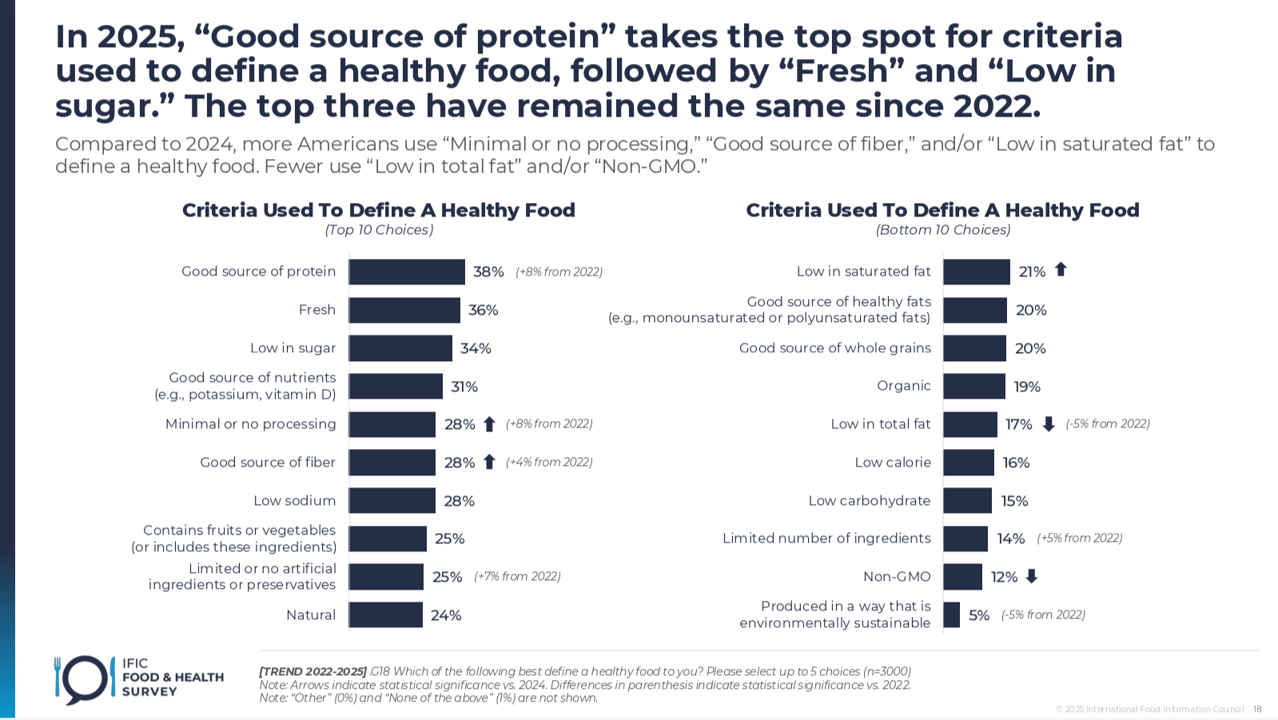
Why was Progresso Soup and its manufacturer General Mills at CES 2026? Specifically, in the AgeTech Collaborative curated by AARP? If you are part of the health/care ecosystem in any of its segments, chances are you’re attending conferences at the start of 2026 or soon to attend one. I spent last week at CES 2926 in Las Vegas getting updates on digital health, well-being, and self-care innovations. This week, hundreds of my colleagues are attending #JPM2026, the 44th annual J.P. Morgan Healthcare Conference held in San Francisco every year at this time. One conference that would not have been well-attended


Aging is Not a Decline, but an Awakening at CES 2026 – Learning from AARP About Consumers, Lifespan, and Technology
By Jane Sarasohn-Kahn on 8 January 2026 in Accessibility, Aging, Aging and Technology, AI and health, Art and health, Baby Boomers and Health, Banks and health, Bathroom and health, Beauty and health, Bedroom and health, Boomers, Business and health, Cardiovascular health, Caregivers, Chronic care, Chronic disease, Connected health, Consumer electronics, Consumer experience, Consumer-directed health, Demographics and health, Design and health, Diagnostics, Diet and health, Digital health, DTC health, Education and health, Exercise, Family, Fashion and health, Financial health, Fitness, Food and health, Food as medicine, Grocery stores, Happiness, Health and Beauty, Health at home, Health care industry, Health care real estate, Health Consumers, Health ecosystem, Health privacy, Heart health, Home care, Home economics, Home health, Hospital to home, Housing and health, Life expectancy, Loneliness, longevity, Love and health, Medical innovation, Medicare, Medication adherence, Mental health, Money and health, Music and health, Nutrition, Patient experience, Patient Protection and Affordable Care Act, Popular culture and health, Privacy and security, Quality of Life, Remote health monitoring, Retail health, Retirement and health, Robots, Robots and health, Self-care, Seniors and health, Sensors and health, Shopping and health, Sleep, Smart homes, Smartphone apps, Smartphones, Smartwatches, Social health, Social isolation, Social security, Telehealth, Telemedicine, Trust, User experience UX, Virtual health, Voice technology, Wearable tech, Wearables, Wellbeing, Wellness, Women and health

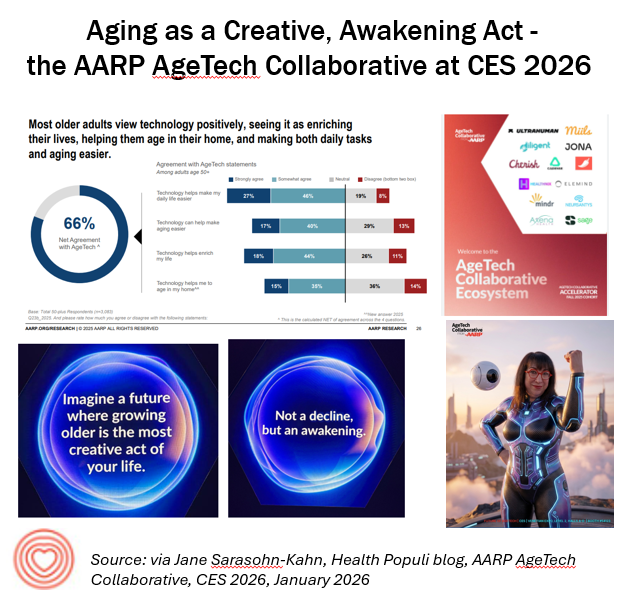
Aging and longevity are key themes driving technology innovations and markets, and walking the miles of aisles of CES 2026 demonstrates the expanding landscape of the role of tech in healthy living across the lifespan. I spent time at the AARP AgeTech Collaborative space this week as I did last year (here was my write-up of AARP and CES 2025 for historical context). In experiencing this year’s portfolio of AgeTech collab partners, from start-ups to Fortune 100 companies in the mix, was informative, inspiring, and even energizing as someone who has been a member of AARP since turning 50 some


Sleep as a Pillar of Health at CES 2026 — What Can Happen When A Lamborghini Legacy Mashes Up With Sleep Tech

Well-being is a new form of luxury….and sleep is an inherent aspect of well-being and health, a message reinforced during a press conference hosted by the National Sleep Foundation at CES 2026.           Sleep has been an ongoing theme at CES for many years: here’s a post I wrote on sleep at CES 2025 a year ago for some historical context. In today’s growing home-as-our-health-hub ethos, sleep-tech takes on a variety of forms, from new-fangled beds and sensors, smart rings, other wearable tech (like earbuds), and circadian rhythm lighting innovations. In yesterday’s Health Populi, I focused


The Bathroom’s Role in the Home as Health Hub: Catching Up with Kohler Health’s CEO at CES 2026

A key Tech Trend to Watch at CES 2026 is consumers’ re-imagining and fitting out their homes as sites for bolstering health and well-being. I’ve been tracking this concept as far back as 2011 when I wrote this post from the 2011 Consumer Electronics Show.                   A decade-and-a-half later, in déjà vu spirit, the concept is no longer theoretical or futures-thinking. Fast forward from 2011 to the COVID-19 pandemic, when everyone’s home spaces became re-purposed for health, for medical care, for well-being, for fitness and exercise, for cooking up nutritious food, for


Tech Trends to Watch at CES 2026 – For Health, It’s About Longer Living, Smarter Living, and Better Living
By Jane Sarasohn-Kahn on 5 January 2026 in Accessibility, Aging, Aging and Technology, AI, AI and health, Artificial intelligence, Augmented intelligence, Autonomous cars, Autos and health, Beauty and health, Bedroom and health, Behavioral health, Big Tech, Bioethics, Burnout, Business and health, Climate change, Cloud computing and health, Connected health, Consumer electronics, Cybersecurity, Data analytics and health, Depression, Design and health, Diabetes, Diet and health, Digital health, Digital transformation, Doctors, DTP health, Environment and heatlh, Exercise, Family, Fashion and health, Fitness, Food and health, Food as medicine, Food security, Future of health care, GenAI, Global Health, GLP-1s, Grocery stores, Health access, Health and Beauty, Health apps, Health at home, Health care industry, Health care real estate, Health Consumers, Health ecosystem, Health engagement, Health equity, Healthcare access, Healthcare DIY, Heart health, Heat and health, Home care, Home economics, Home health, Hospital to home, Housing and health, Hygiene and health, Large language models LLMs, Life expectancy, Loneliness, longevity, Machine learning, media and health, Medical device, medical home, Medical innovation, Medical technology, Medicines, Mental health, mHealth, Mobile apps, Mobile health, Moms and health, Money and health, Nutrition, Obesity, Oral care, Patient engagement, Patient experience, Pharmaceutical, Pharmacy, Physicians, Play and health, Popular culture and health, Prescription drugs, Prevention, Prevention and wellness, Primary care, Privacy and security, Quality of Life, Real estate and health, Remote health monitoring, Retail health, Retirement and health, Robots, Robots and health, Schools and health, Self-care, Seniors and health, Sensors and health, Shopping and health, Sleep, Smart cities, Smart homes, Smartphone apps, Smartphones, Smartwatches, Social health, Social media and health, Social networks and health, Social responsibility, Sports and health, Sustainability, Tariffs, Techquity, Telehealth, Trust, User experience UX, Virtual health, Voice technology, Wearable tech, Wearables, Weight loss, Wellbeing, Wellness, Women and health

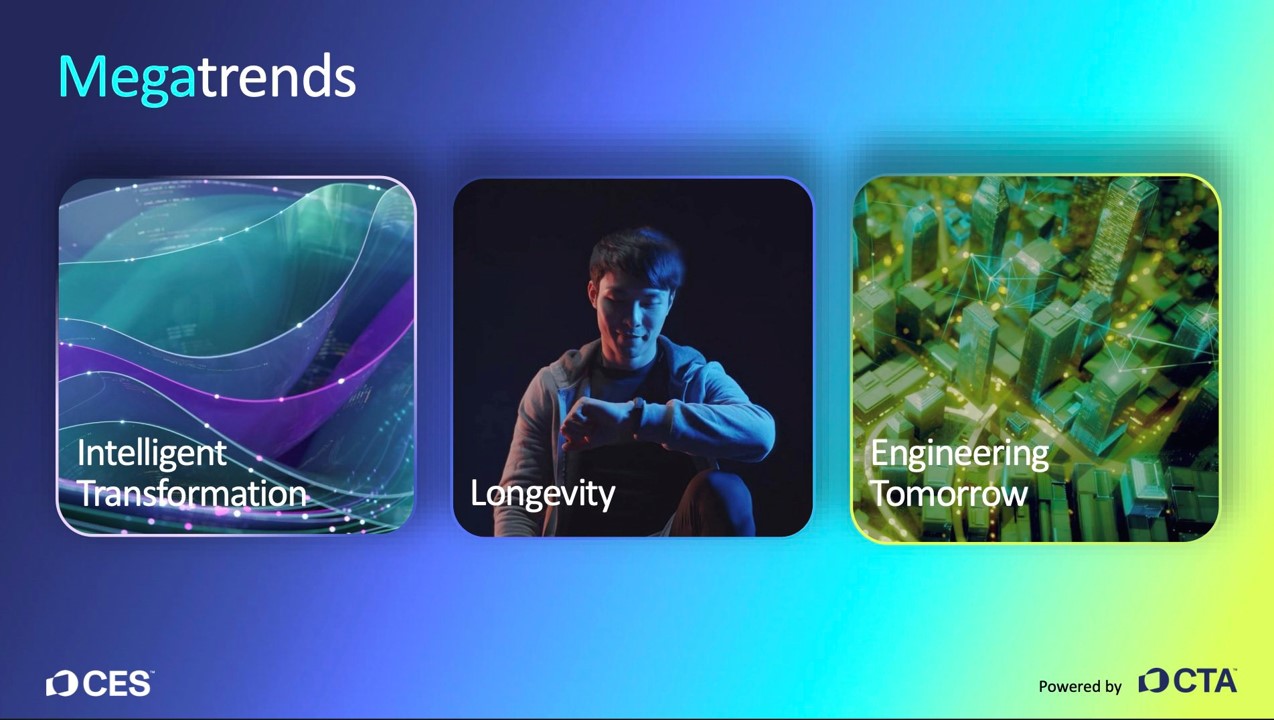
Live from CES 2026 in Las Vegas…the first day of CES Media Days preceding the big show always covers a context-setting report on Tech Trends to Watch. This is one of my annual go-to programs which helps orient media and industry analysts with a lens on CES’s key tech categories and some hard data on market size and growth expectations.               While I’ll focus on the health/care specifics in the trend forecast, let me first update you on the overall technology market revenues for the U.S. which are estimated at $565 billion for 2026.


Exercise is Health Care, and Consumers Are Willing to Pay – Context for #CES2026
By Jane Sarasohn-Kahn on 3 January 2026 in ACA, Affordable Care Act, Behavior change, Behavioral health, Big Tech, Business and health, Connected health, Consumer electronics, Consumer experience, Consumer-directed health, Demographics and health, Design and health, Determinants of health, Diabetes, Diet and health, Digital health, Digital therapeutics, Digital transformation, DTC health, DTP health, Financial health, Financial wellness, Fitness, Food and health, Food as medicine, Food security, GLP-1s, Grocery stores, Health and Beauty, Health and wealth, Health at home, Health benefits, Health care industry, Health care marketing, Health care real estate, Health citizenship, Health Consumers, Health costs, Health disparities, Health Economics, Health ecosystem, Health engagement, Health equity, Health finance, Health insurance, Health marketing, Health Plans, Health politics, Healthcare access, Healthcare DIY, High deductibles, Home economics, Home health, longevity, Mental health, Mobile apps, Mobile health, Money and health, Nutrition, Obesity, Out of pocket costs, Patient engagement, Patient experience, Personal health finance, Politics and health, Popular culture and health, Prevention, Primary care, Real estate and health, Remote health monitoring, Retail health, Self-care, Seniors and health, Sensors and health, Shopping and health, Smart homes, Smartwatches, Social determinants of health, Social health, Techquity, Telehealth, Transparency, Trust, User experience UX, Value based health, Virtual health, Wearable tech, Wearables, Weight loss, Wellbeing, Wellness

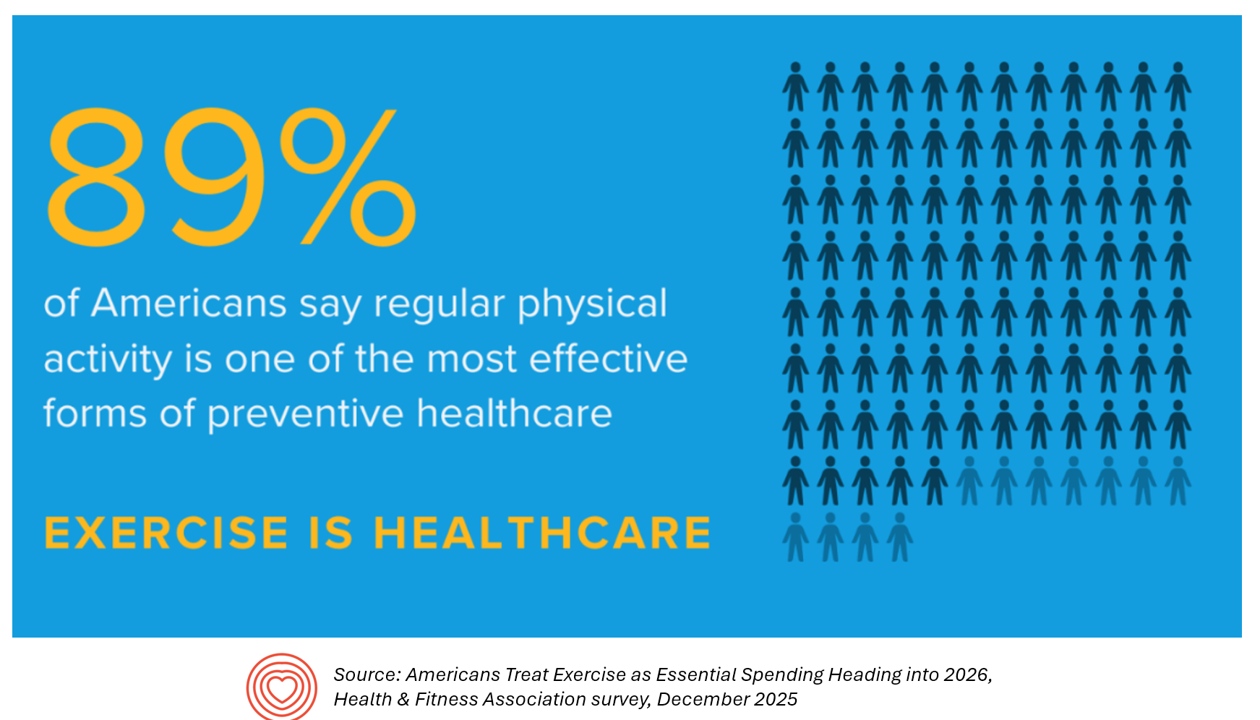
“Americans are not just setting fitness goals; they are budgeting for them,” Liz Clark, President and CEO of the Health & Fitness Association observed. “People increasingly see exercise as an essential investment in their long-term health. Even in a challenging economic environment, Americans are prioritizing physical activity as a proactive form of preventive healthcare.”           Americans see exercise as healthcare — and health — according to a survey from the Health & Fitness Association (HFA). HFA commissioned Kantar to conduct the online survey among 2,000 U.S. adults 18 and over in December 2025 — well-timed for the


A Primer on Health Consumers for CES 2026 – How Macro Consumer Trends Will Shape Healthcare Consumers in 2026
By Jane Sarasohn-Kahn on 30 December 2025 in Affordable Care Act, Aging, Aging and Technology, AI, AI and health, Autos and health, Baby Boomers and Health, Beauty and health, Bedroom and health, Boomers, Clinical lab, Connected health, Connectivity, Consumer electronics, Consumer experience, Consumer-directed health, Demographics and health, Design and health, Determinants of health, Diagnostics, Diet and health, Digital health, Digital therapeutics, Digital transformation, DTC health, DTP health, Environment and heatlh, Exercise, Fashion and health, Financial health, Financial wellness, Fitness, Food and health, Food as medicine, Future of health care, Games and health, GLP-1s, Grocery stores, Health access, Health and Beauty, Health apps, Health at home, Health care industry, Health care marketing, Health care real estate, Health Consumers, Health costs, Health Economics, Health ecosystem, Health engagement, Health equity, Health insurance, Health marketing, Health media, Health policy, Healthcare access, Home care, Home economics, Home health, Housing and health, Integrative medicine, Internet and Health, Internet of things, longevity, Medical bills, Medical debt, Medical innovation, Medical technology, Medicines, Mental health, Mobile apps, Mobile health, Money and health, Nutrition, Obesity, Out of pocket costs, Patient engagement, Patient experience, Personal health finance, Play and health, Popular culture and health, Prevention, Primary care, Real estate and health, Remote health monitoring, Retail health, Robots and health, Self-care, Shopping and health, Sleep, Smart homes, Smartwatches, Social determinants of health, Social health, Social networks and health, Stress, Telehealth, Trust, User experience UX, Value based health, Virtual health, Wearable tech, Wearables, Weight loss, Wellbeing, Women and health

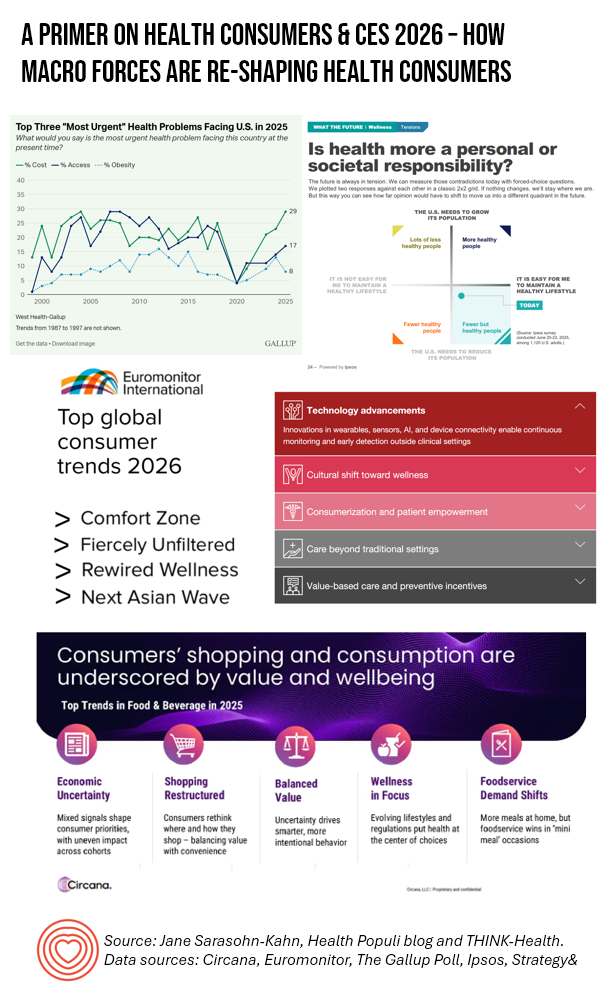
Increasingly, people are engaging more in health care decision making due to many factors impacting their personal medical choices — from the cost and access to health insurance to co-payments for prescription drugs and the supply of primary care doctors, more patients developed and exercised their health consumer muscles in 2025, For 2026, the health consumer muscle-building will grow as people will be re-shaped by macro market factors we are currently gleaning from forecasts looking into the new year: for personal finances, social issues, technology adoption, views on AI and privacy, and other issues. Here are some data points to


Navigating a Constellation of Uncertainties: Health/Care in 2026 (My Un-Forecast)
By Jane Sarasohn-Kahn on 22 December 2025 in AI and health, Anxiety, Artificial intelligence, Big Tech, Burnout, Business and health, Connected health, Consumer electronics, Consumer experience, Consumer-directed health, Corporate responsibility, Demographics and health, Depression, Design and health, Determinants of health, Diet and health, Digital transformation, Doctors, DTC health, DTP health, Employee benefits, Employers, Financial health, Financial toxicity, Financial wellness, Fitness, Food and health, Food as medicine, Food security, GLP-1s, Grocery stores, Happiness, Health access, Health at home, Health benefits, Health care industry, Health citizenship, Health Consumers, Health costs, Health disparities, Health ecosystem, Health engagement, Health equity, Health insurance, Health marketing, Health Plans, Health policy, Health politics, Health social networks, Home care, Home economics, Home health, Hospital to home, Loneliness, longevity, Love and health, media and health, Medicaid, Medical bills, Medical debt, Medical innovation, Medicare, Medicines, Mental health, Misinformation and health, Money and health, Nurses, Nutrition, Omnichannel healthcare, Out of pocket costs, Patient engagement, Patient Protection and Affordable Care Act, Peer-to-peer health, Pharmaceutical, Pharmacists, Pharmacy, Physicians, Politics and health, Popular culture and health, Prescription drugs, Prevention, Prevention and wellness, Primary care, Remote health monitoring, Retail health, Self-care, Seniors and health, Shopping and health, Smartphones, Smartwatches, Social determinants of health, Social health, Social isolation, Social media and health, Social networks and health, Social security, Specialty drugs, Stress, Tariffs, Techquity, Telehealth, Transparency, Trust, User experience UX, Vaccines, Value based health, Virtual health, Wearable tech, Wearables, Wellbeing, Workplace benefits

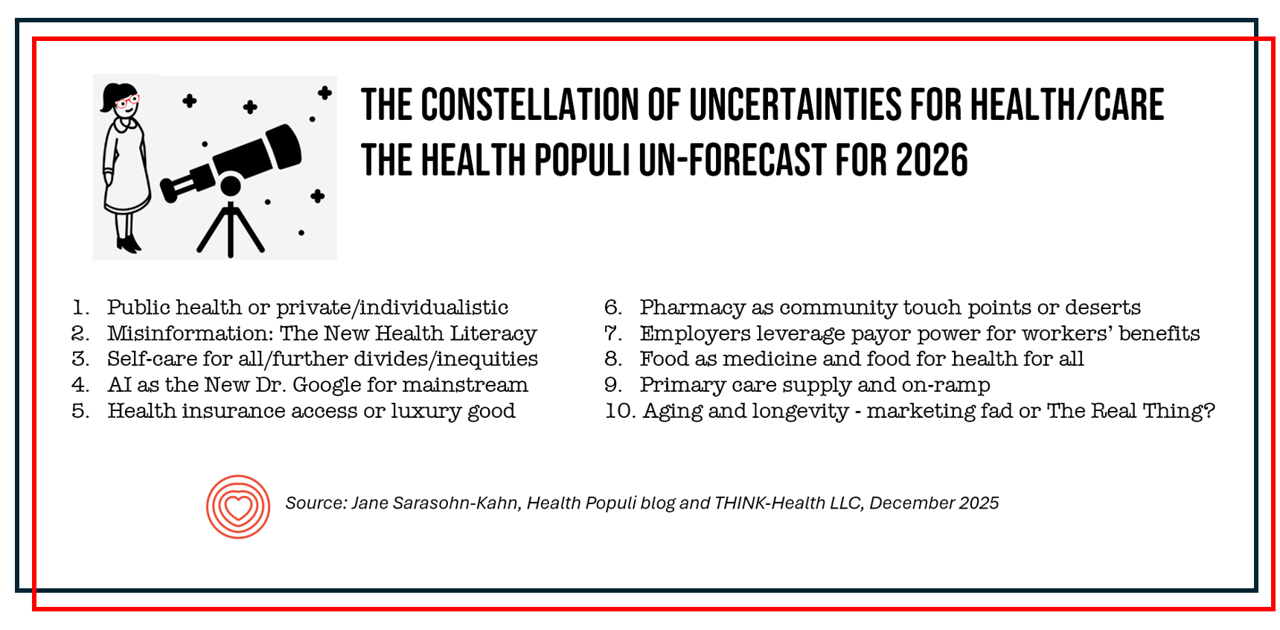
Almost from the first year of launching Health Populi in 2007, I’ve written a “TrendCast” for the coming year of health care. Over many years, there weren’t so many blogs devoted to health care which featured such prognostications, and so readers could divine signal from noise and move forward into new years with manageable lists of What To Expect Next Year in Healthcare. Here’s one from ten years ago that brings a sense of déjà vu: most of the findings are consistent with what we know for sure about 2026 and it’s useful to look back with today’s eyes to


The New Health Consumer Mindset and Wallet: From GLP-1s to Trading Up for Health & Longevity
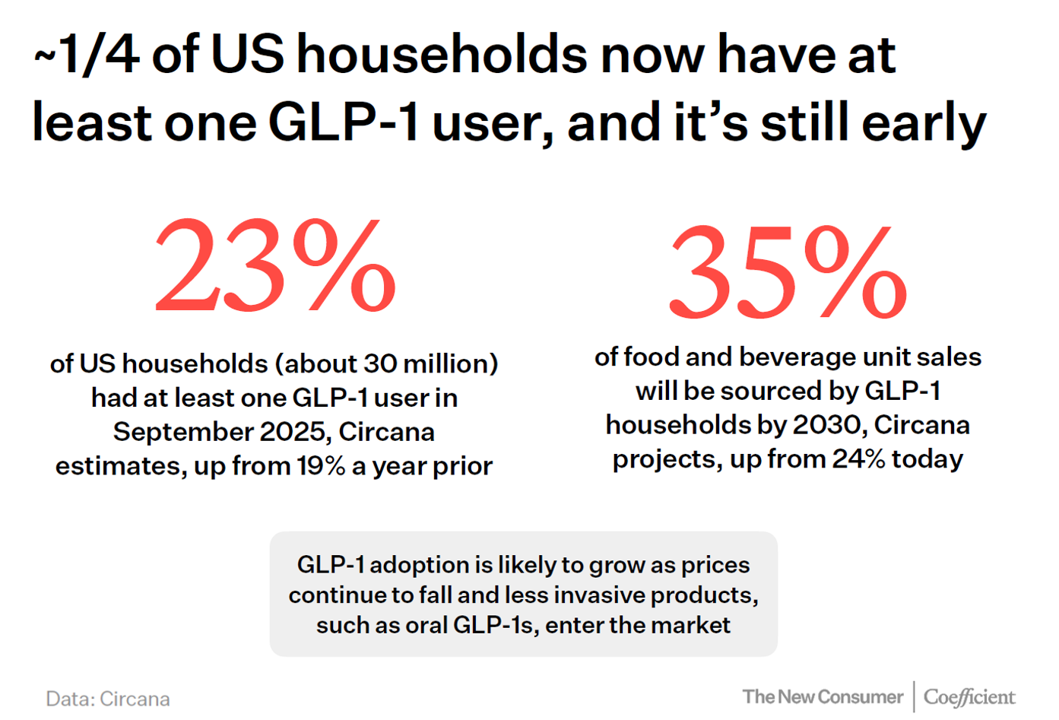
From GLP-1s to longevity and new views on self-care for healthcare, the people are taking their health in-hand, at-home, and via-tech to complement and sometimes replace the legacy health system touchpoints which are the traditional categories for care: hospitals, doctors, rehab centers, diagnostics and labs, and health care financing and plans — some opting out of plans and going full-risk (cash, out-of-pocket) truly self-insuring against future medical risks. As I prepare to publish my Year-End/New Year TrendCast for 2026, I felt like front-ending next week’s annual long post with details on the demand side of the forecast — a focus


A Month Until #CES2026 – The Journey to Our Personal Health Operating Systems

By Jane Sarasohn-Kahn on 3 December 2025 in Aging, Aging and Technology, AI, AI and health, Amazon, Anxiety, Apple, Artificial intelligence, Augmented intelligence, Autos and health, Baby Boomers and Health, Beauty and health, Bedroom and health, Behavior change, Bio/life sciences, Business and health, Cardiovascular health, Caregivers, ChatGPT, Chronic care, Chronic disease, Clinical lab, Computers and health, Connected health, Connectivity, Consumer electronics, Consumer experience, Consumer-directed health, Coronavirus, COVID-19, Demographics and health, Depression, Design and health, Determinants of health, Diabetes, Diagnostics, Diet and health, Digital health, Digital transformation, Doctors, DTC health, Exercise, FDA, Fitness, Food and health, Future of health care, Games and health, GenAI, GLP-1s, Health access, Health and Beauty, Health apps, Health at home, Health care industry, Health care real estate, Health Consumers, Health ecosystem, Health engagement, Health privacy, Health regulation, Health social networks, Healthcare access, Heart disease, Heart health, Home care, Home health, Hospital to home, Hospitals, Housing and health, Internet of things, Life expectancy, longevity, Medical innovation, Medicare, Mobile apps, Mobile health, Nutrition, Obesity, Omnichannel healthcare, Out of pocket costs, Patient engagement, Patient experience, Pharmaceutical, Physicians, Politics and health, Popular culture and health, Pre-existing conditions, Prescription drugs, Prevention, Prevention and wellness, Privacy and security, Remote health monitoring, Retail health, Security and health data, Self-care, Seniors and health, Shopping and health, Smart homes, Smartwatches, Telehealth, Telemedicine, Transparency, Trust, Wearable tech, Wearables, Weight loss, Wellbeing

In a month, I’ll board a plane for Las Vegas to spend a week at CES 2026, the annual electronics conference that last year brought together over 140,000 global technology stakeholders to display, demonstrate, and sell the latest in consumer-facing tech.             This will be my fourteenth CES (including the virtually convened meeting held in 2021). If you want to time travel, here’s a link to an early CES post featuring “The Battle of the (Wrist)bands.” Indeed, the digital health aisle at the time had many wrist-worn activity trackers, largely amped-up pedometers, with the likes