


Aging is Not a Decline, but an Awakening at CES 2026 – Learning from AARP About Consumers, Lifespan, and Technology
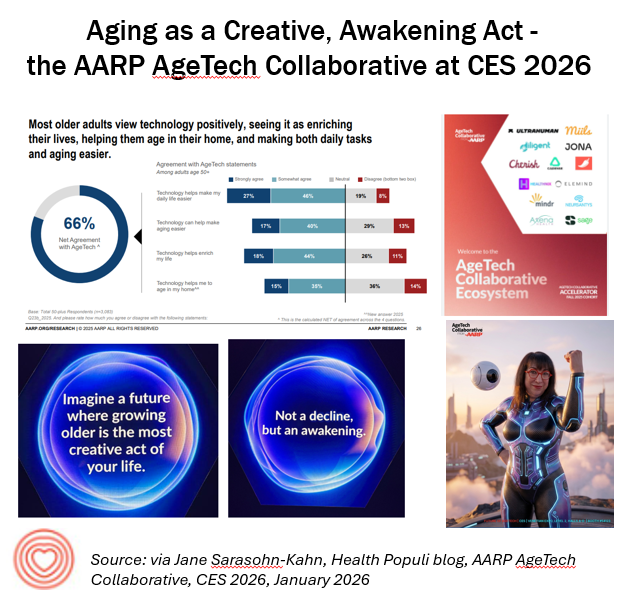
Aging and longevity are key themes driving technology innovations and markets, and walking the miles of aisles of CES 2026 demonstrates the expanding landscape of the role of tech in healthy living across the lifespan. I spent time at the AARP AgeTech Collaborative space this week as I did last year (here was my write-up of AARP and CES 2025 for historical context). In experiencing this year’s portfolio of AgeTech collab partners, from start-ups to Fortune 100 companies in the mix, was informative, inspiring, and even energizing as someone who has been a member of AARP since turning 50 some
Sleep as a Pillar of Health at CES 2026 — What Can Happen When A Lamborghini Legacy Mashes Up With Sleep Tech

Well-being is a new form of luxury….and sleep is an inherent aspect of well-being and health, a message reinforced during a press conference hosted by the National Sleep Foundation at CES 2026. Sleep has been an ongoing theme at CES for many years: here’s a post I wrote on sleep at CES 2025 a year ago for some historical context. In today’s growing home-as-our-health-hub ethos, sleep-tech takes on a variety of forms, from new-fangled beds and sensors, smart rings, other wearable tech (like earbuds), and circadian rhythm lighting innovations. In yesterday’s Health Populi, I focused
Tech Trends to Watch at CES 2026 – For Health, It’s About Longer Living, Smarter Living, and Better Living
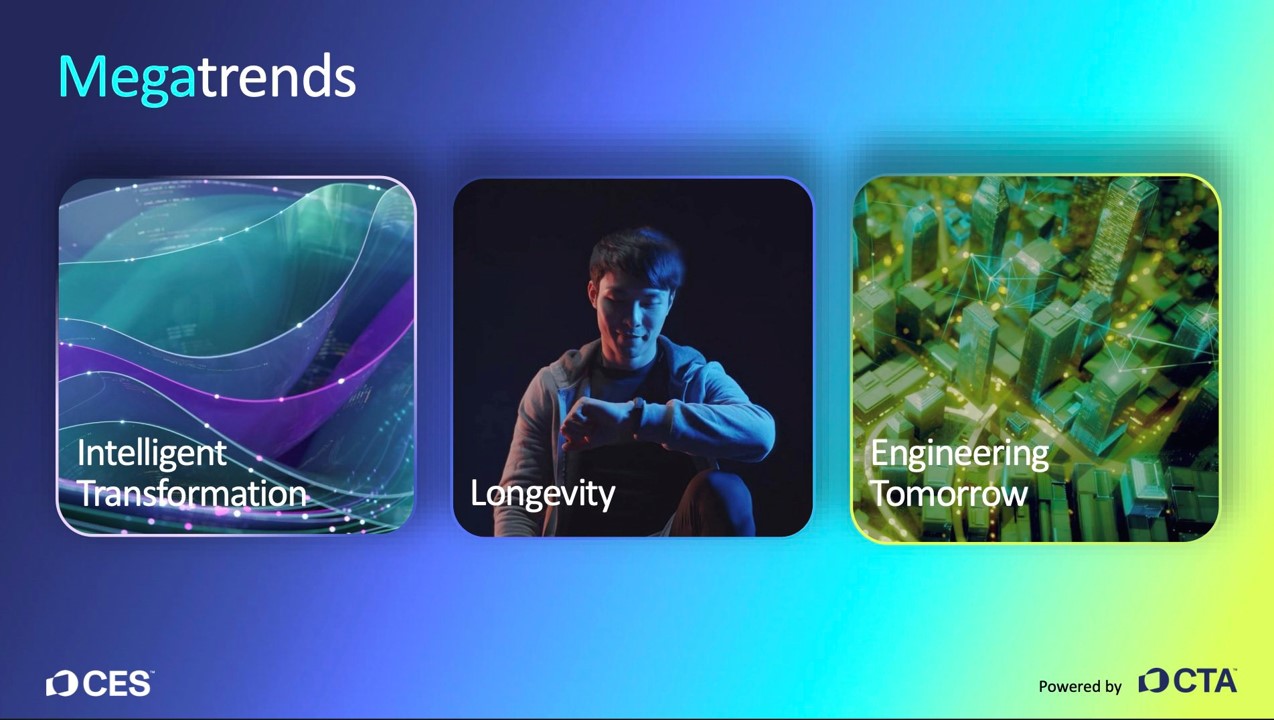
Live from CES 2026 in Las Vegas…the first day of CES Media Days preceding the big show always covers a context-setting report on Tech Trends to Watch. This is one of my annual go-to programs which helps orient media and industry analysts with a lens on CES’s key tech categories and some hard data on market size and growth expectations. While I’ll focus on the health/care specifics in the trend forecast, let me first update you on the overall technology market revenues for the U.S. which are estimated at $565 billion for 2026.
Health Tracking Wrapped Around Your Finger: All About Wearable Tech’s Growing Smart Rings Category at CES 2026
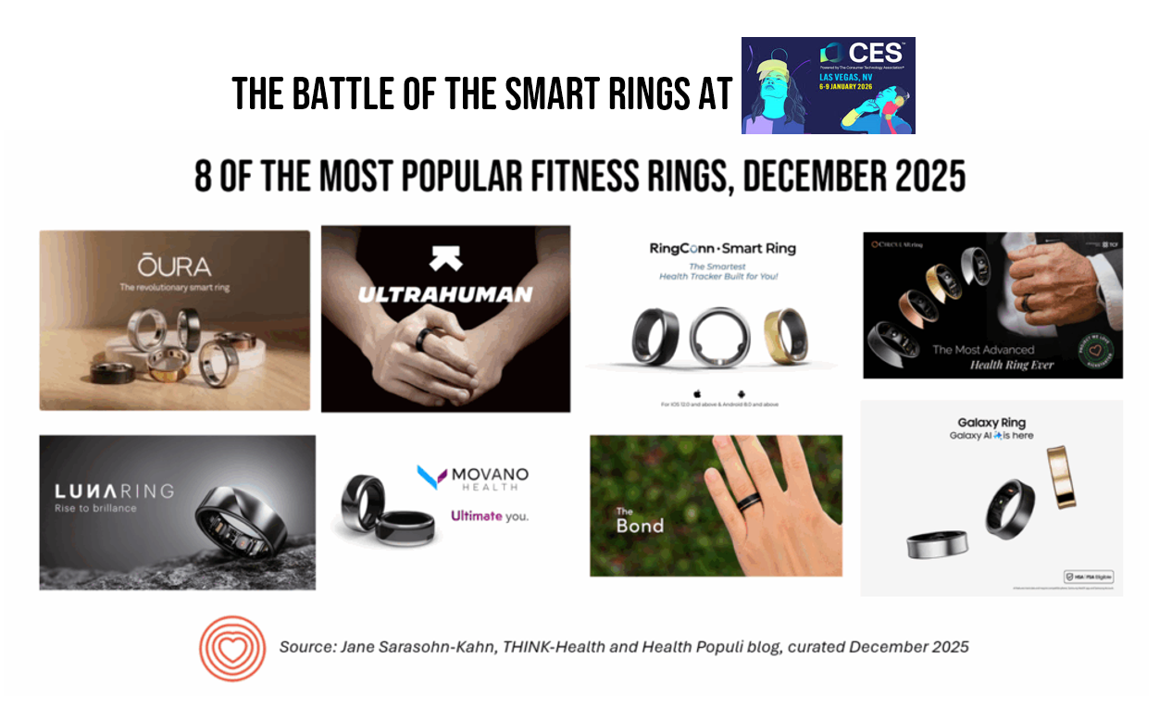
For well over a decade, wearable technologies have been developed for humans from head-to-toe — from forehead-worn bands to address stress and headaches to smart shoes with sensor-embedded soles that assess our gait and posture. In 2013, my CES coverage had a focus on “The Battle of the (Wrist)Bands.” This year, the #wearabletech category feels like a fierce competition for the human real estate of the finger — that is, a battle of the smart rings. Twelve years later, smartwatches are mainstream trackers for health embedded with sensors that are gaining clinical evidence for use in medical care well beyond
In 10 Years, Health Care Will Happen Where Life Happens – PwC’s Tea Leaves into 2035
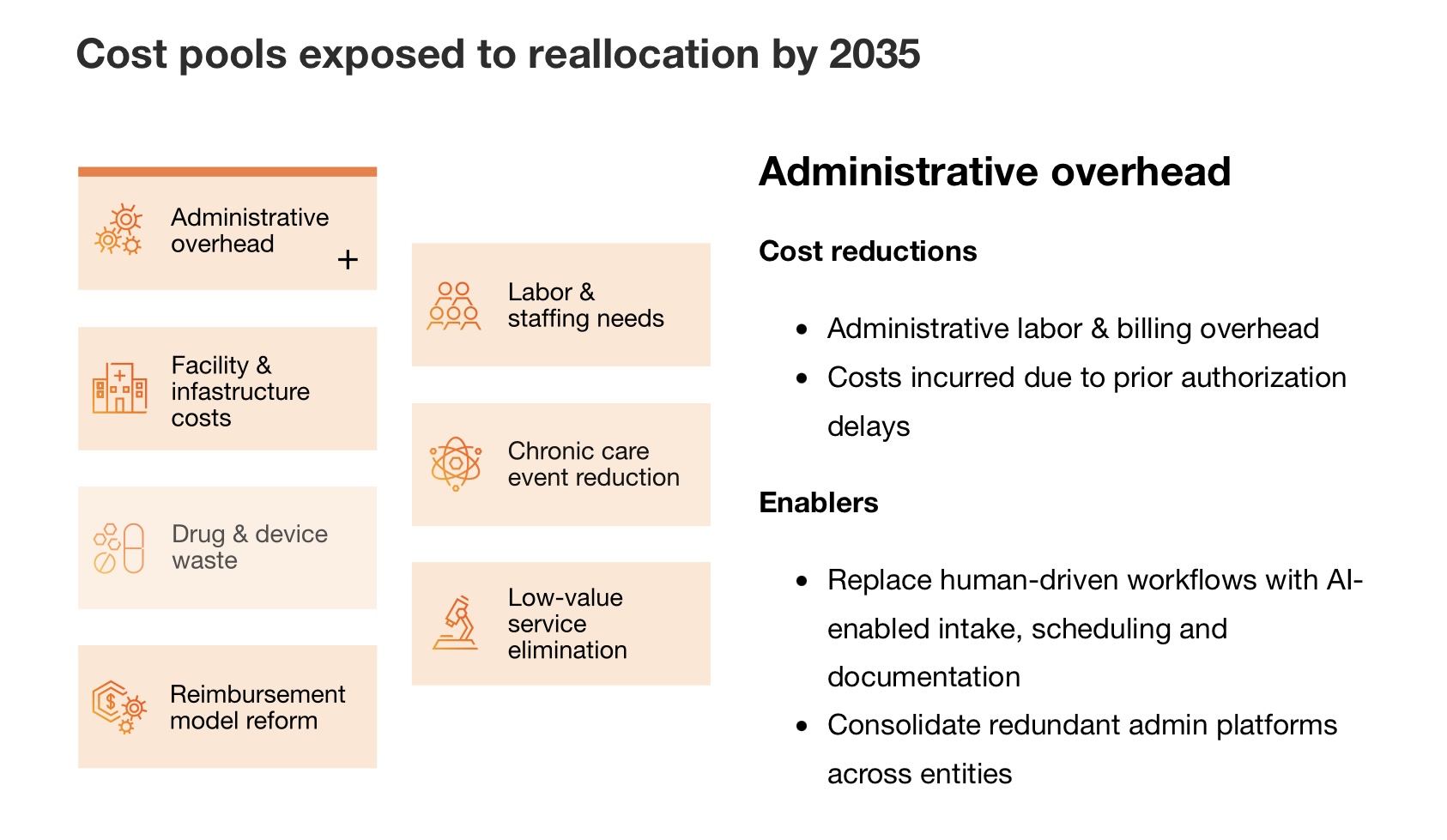
The costs of medical care are breaking the system, PwC asserts at the start of its new report on the $1 trillion opportunity to reinvent healthcare. The past 3 years of 8+% U.S. national health expenditure increases are “untenable,” PwC says, with 90% of that spending going toward patients with chronic and mental health conditions. What will transform the system and move us from “breaking point to breakthrough?” Biology and technology, PwC explains, with technology moving exponentially and simplifying care at scale, and biology decoding the “human operating system” enabling precision at scale. This
Why a Grocery Store Signed On to “Make Health Tech Great Again”

Joining the ranks of technology heavyweights Amazon, Anthropic, Apple, Google, and OpenAI, as well as digital health innovators Noom, Oura, Virta Health and Welldoc, who have pledged to “Make Health Tech Great Again,” Albertsons, one of the largest grocery chains in the U.S., put its name on the list with these and other early adopter collaborators. The Albertsons’ company blog published on 31 July discussed the background and rationale for this decision. “Specifically, we pledge to explore how our Sincerely Health platform can connect to The Centers for Medicare and Medicaid Services (CMS) Aligned
Americans Hear More Frequently About GLP-1 Drugs Than About Menopause, Sleep, or Bird Flu
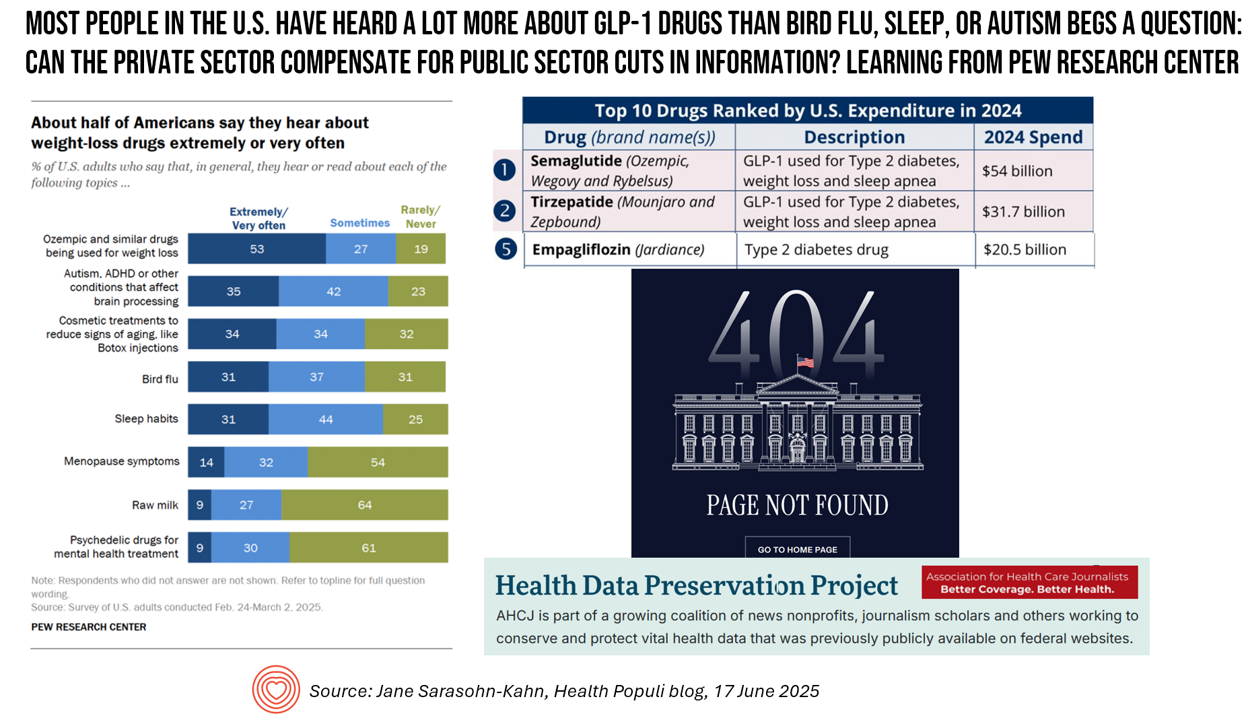
Yu In a sign of our health communications times, GLP-1s are a much more frequently health topic Americans hear about than autism and ADHD, cosmetic treatments like Botox, Bird flu, sleep issues, or menopause. The Pew Research Center polled 5,123 U.S. consumers in February and March 2025 to gauge peoples’ perspectives on health information and communications trends in America. In the study summary titled, From weight-loss drugs to raw milk, Americans hear more often about some health topics than others, the Pew Research team. The finding that
Consumers Are Keen to Invest in Health and Well-Being – But Show Them the Evidence

Consumers around the world feel more invested than ever in what makes people feel both well and prosperous, we learn in the NielsenIQ Global State of Health & Wellness 2025 survey report. But there’s a trust deficit that must be healed in order for a health consumer to invest in services and products that feed health and well-being. NIQ fielded the survey research online in January and February 2025 among nearly 19,000 adults living in 19 countries: Brazil, Canada, China, the Czech Republic, France, Germany, Hungary, India, Indonesia Italy, Mexico, Netherlands, Poland, South Africa, Spain, Turkiye, UAE, United Kingdom, and
In Health Care, Consumers Are Seeking Kindness Coupled with Efficiency

Kindness + efficiency + listening + personalization: together, these are the most important experiences consumers seek from health care touchpoints, we learn in Humanizing Brand Experience: Healthcare Edition from Monigle. In this 8th volume of the company’s Humanizing series, Monigle tracks a different pattern of patient engagement — to be sure, built on trust, yet not just as a health consumer dealing with a diagnosed condition — but more holistically for getting me and keeping me healthy and well. The implication and recommendation here is to deliver even more personalized care
A Profile of Health Consumer-Generations’ Use of Digital Health – Rock Health Takes Us Through the Ages

In the past year, most consumers in the U.S. have used virtual care, tracked at least one health metric digitally, and own a wearable or connected health device. Digital health has certainly gone mainstream across U.S. consumers, with varying utilization and motivation by generation, we learn in the report, Screenagers to Silver Surfers: How each generation clicks with care from Rock Health. To segment health consumers by age/generation, the RH team mined the firm’s 10th Consumer Adoption of Digital Health Survey which polled over 8,000 U.S. adults in 2024 on peoples’ perspectives
How BioPharma Can Improve Consumers’ Experience and Health
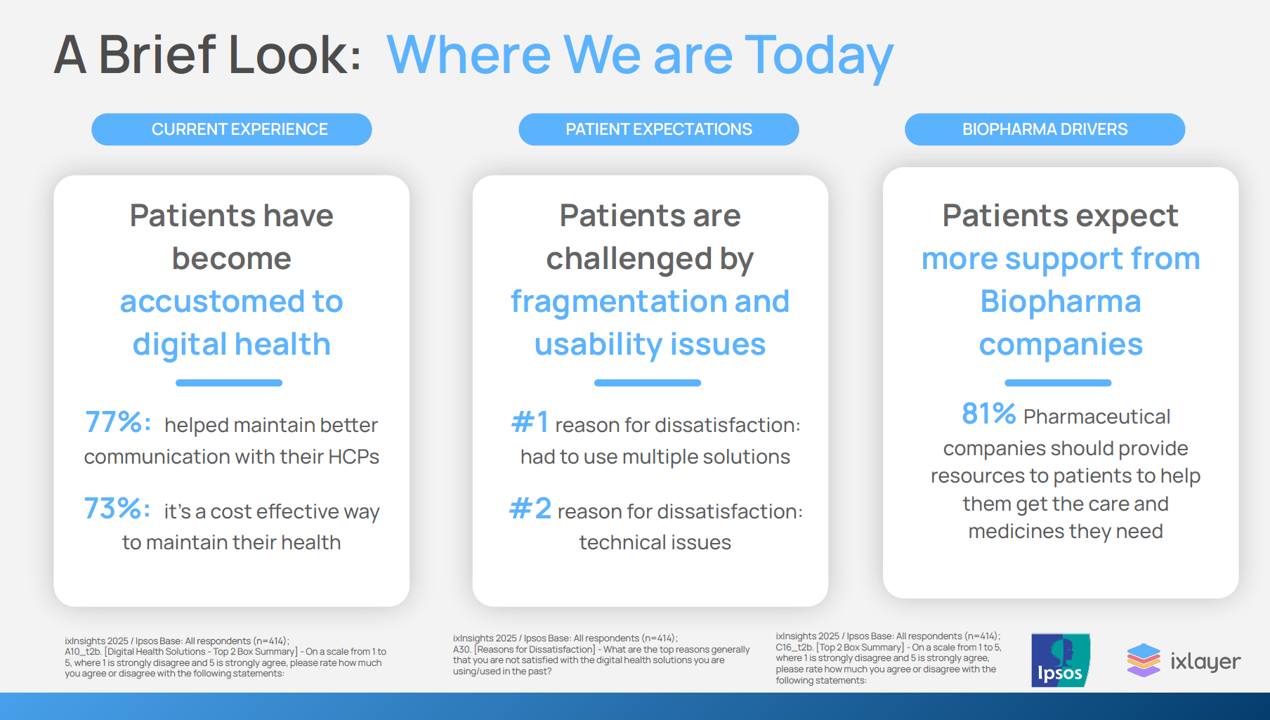
Patients as health consumers now know what “good” looks like in their digital experiences. People have tasted the convenience and respect they feel from well-designed, streamlined omnichannel retail experiences, and they now expect this from health care — specifically supported by the pharmaceutical companies who manufacture the medicines they use in managing chronic conditions, we learn in ixlayer ixInsights 2025: Pharma’s Role in Improving the Health Experience from ixlayer and Ipaos. The patient-focused report gets specific about people dealing with asthma, COPD, Type 2 diabetes, heart disease, psoriasis, and atopic dermatitis with a lens on
The Growth of DIY Digital Health – What’s Behind the Zeitgeist of Self-Reliance?
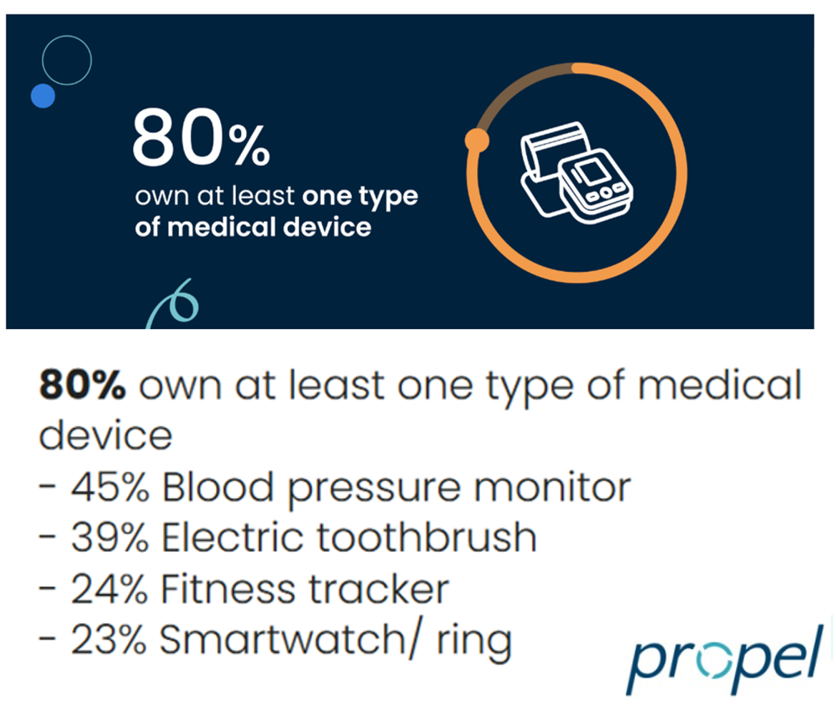
Most people in the U.S. use at least one medical device at home — likely a blood pressure monitor. used by nearly one-half of people based on a survey of 2,000 consumers conducted for Propel Software. The Propel study’s insights build on what we know is a growing ethos among health consumers seeking to take more control over their health care and the rising costs of medical bills and out-of-pocket expenses. That includes oral health and dental bills: 2 in 5 U.S. consumers use electric toothbrushes (a growing smart-device category at the
Improve Sleep, Improve the World and Health: ResMed’s Look at Global Sleep Trends
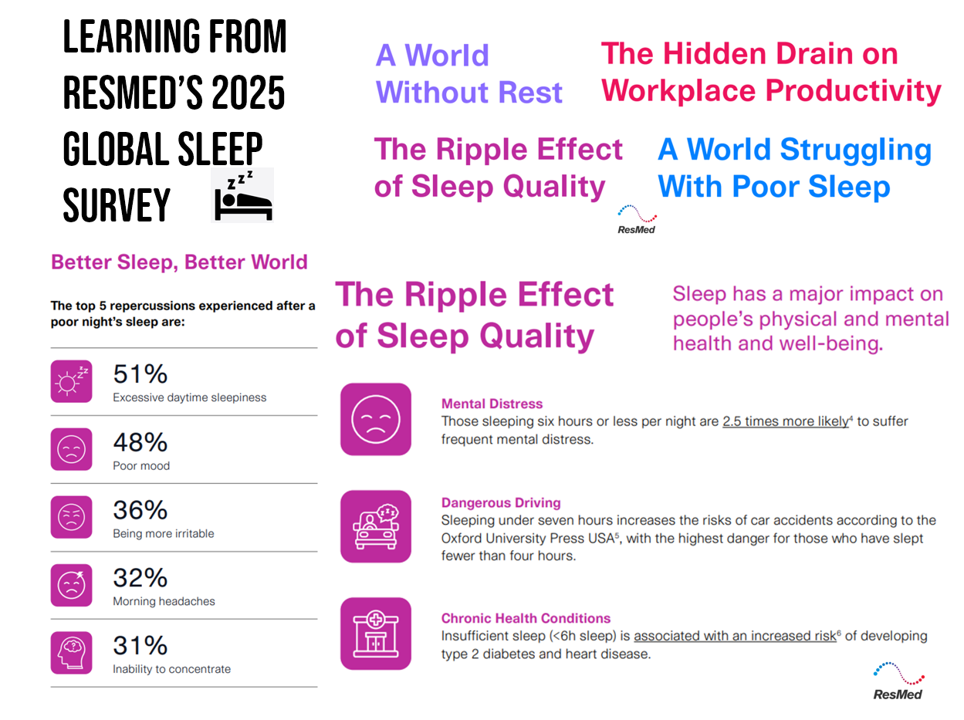
The world would be a better place if we had more, and better quality sleep. That’s the hopeful conclusion from the fifth annual Global Sleep Survey from ResMed. ResMed’s global reach with the sleeping public enabled the company to access the perspectives of over 30,000 respondents in 13 markets, finding that one in 3 people have trouble falling or staying asleep 3 or more times a week. We now live in “a world struggling with poor sleep” — “a world without rest,” ResMed coins our sleepless situation. The irony is that most people believe
Healthy Aging at Home – Learning from AARP at #CES2025
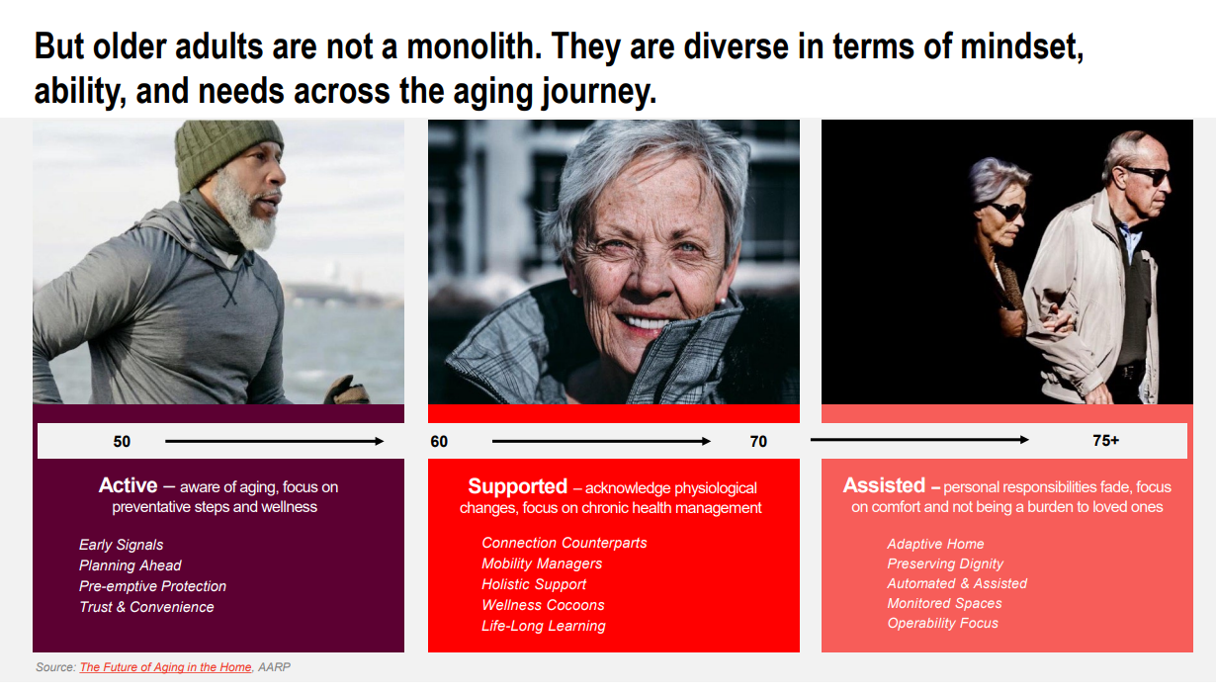
You would expect an auto manufacturer, a Big Tech, or a big-screen TV company would commandeer the largest exhibit booths at CES 2025, the largest annual conference of consumer-facing technology stakeholders. We can add another exhibitor to the largest CES “real estate” presences at #CES2025: that would be AARP hosting the AgeTech Collaborative. And a pickleball court, too! Why feature pickleball at a AARP booth at CES? Well, IMHO health is everywhere at #CES2025, and pickleball, the fastest-growing sport in the U.S., is good for many facets of health: physical to be sure, and also social
CTA Tech Trends to Watch for 2025 – Health-Context for Kicking off #CES2025
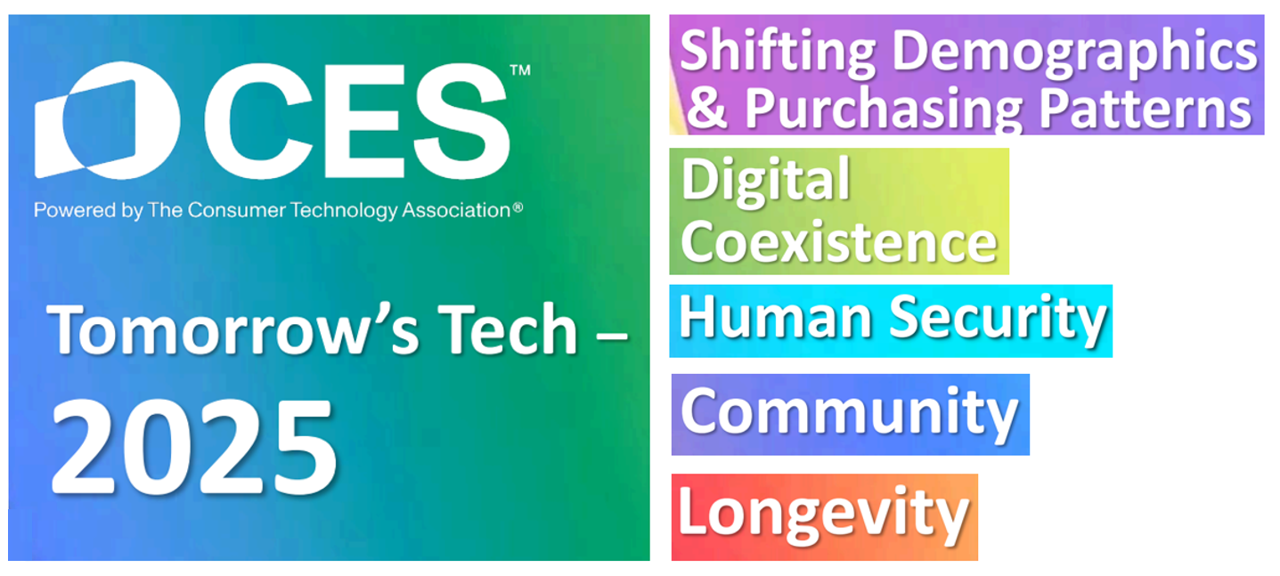
People are living everyday life in digital coexistence — where the connected technologies we use for communication and entertainment now enable life-flows across our lives, morning to night, at work and play and even while we’re sleeping. Welcome to the five key tech-trends for 2025, brought to life Sunday afternoon by Melissa Harrison, CTA’s Vice President of Marketing & Communications tag-teaming with Brian Comiskey, Senior Director, Innovation & Trends. This annual session at CES always provides a practical context for exploring the annual conference, the largest in the world covering technology used by everyday people. And this year, the trends
Health-Tech at the Holidays: 2024 Consumer Health-Tech Trends Under the Tree
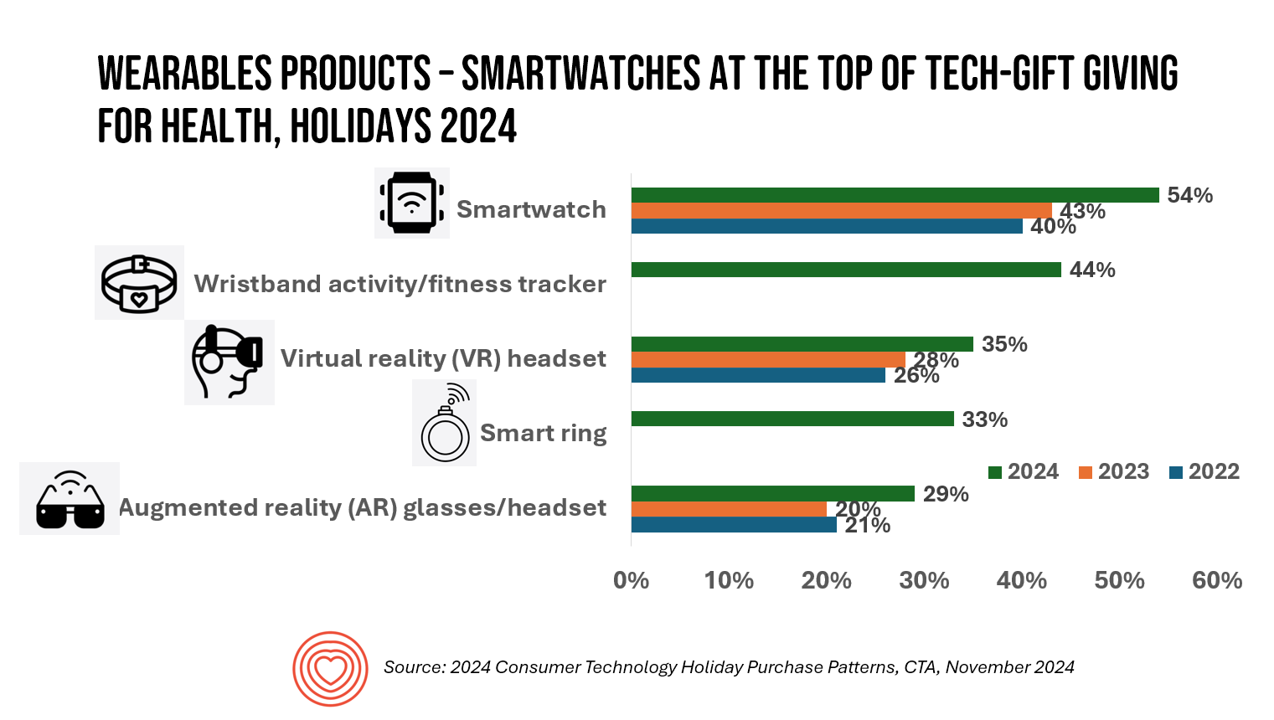
One in two U.S. adults plans to purchase at least one health and wellness digital health technology product to gift during the winter 2024 holiday season, according to the 2024 Consumer Technology Holiday Purchase Patterns study served up by CTA, the Consumer Technology Association — aka the annual host of CES. Specifically, 41% of givers are looking to buy a dedicated health monitoring device, and 31% a product covering connected sports or fitness. For this annual study, CTA conducted an online survey among 1,205 U.S. adults 18 and over in August-September 2024 to gauge
“People will seek wellness, peace and healing” – Reading the GWI Future of Wellness Report, 2024 Trends
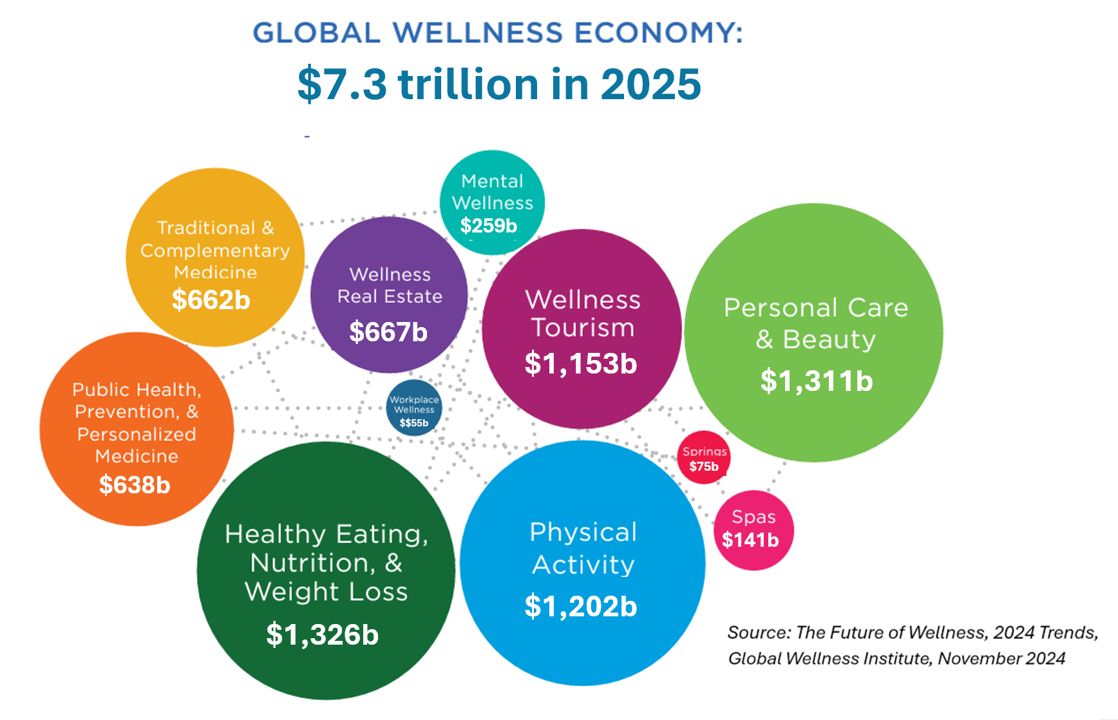
Healthy eating and weight loss, personal care and beauty, exercise and physical activity, and wellness tourism are the four biggest components of the world’s wellness economy, quantified in The Future of Wellness, 2024 Trends, the perennial report from the Global Wellness Institute (GWI). Here’s the bubble chart, which I’ve updated with the 2025 data so we get a sense of what the coming year will bring for the eleven total segments that make up the global wellness market. The fine print of the projections for these areas identifies the annual growth rates for
Doctors’ Recommendations Are Top Motivators for Consumers Who Buy Digital Health Devices: Trust and Health
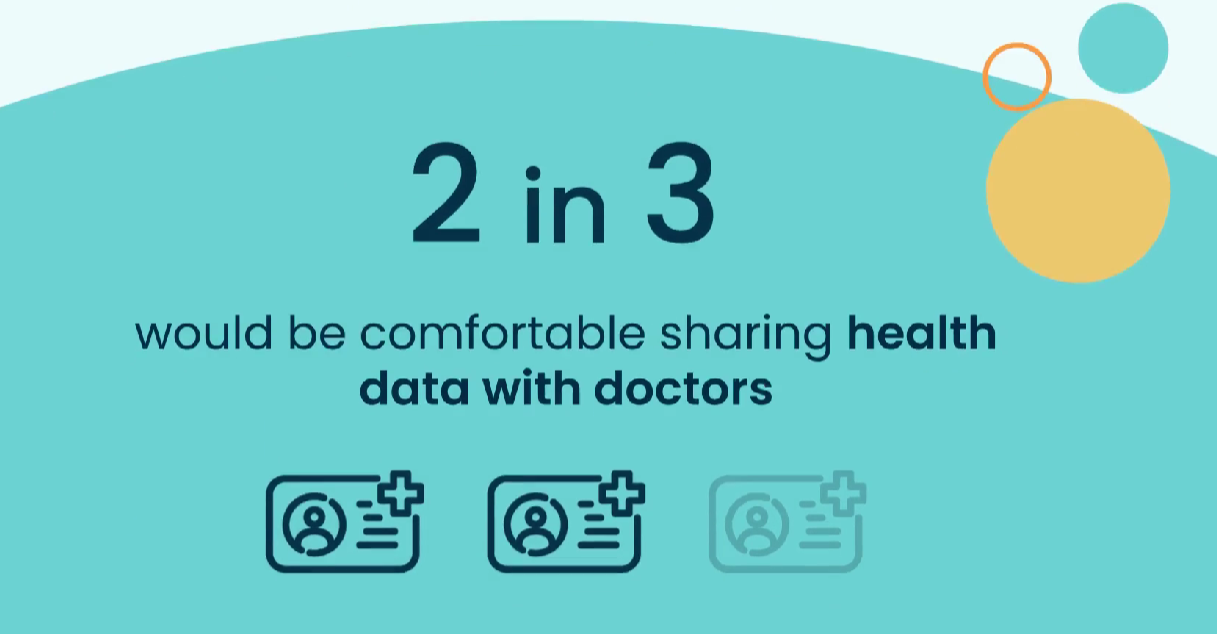
Most consumers using digital health devices felt more trust in the technology when coupled with doctors’ office reviews — another lens on the importance of trust-equity between patients and physicians. This insight came out of a report on How Consumers Purchase, Use and Trust Medical Devices based on market research sponsored by Propel Software. For the study, Propel Software engaged Talker Research to conduct a survey among 2,000 U.S. adults in October 2024 to gauge peoples’ views on digital health tools, buying trends, and trust. Start with the rate of 1 in 4 Americans’ experience
The Smart Home for Health, Brought to You by Samsung and Ashley

Today I am keynoting the OSF Digital Health Symposium in Peoria, IL, discussing The State(s) of Digital Health. A double-entendre intended, one of the states I’ll be discussing is the migration of acute care back to peoples’ homes, embedded with sensors, householders donning smart rings, and rooms fitted with Internet-of-Things for health and well-being. In this context, news that Samsung has begun to partner with Ashley, the national furniture dealer, struck me as interesting and important. I visited the Samsung Health House at CES 2024 last January: here is my write-up about what I
Growing Investments in Digital Health Are Driven by Consumer Demand, Clinical Outcomes, and Cost-Savings
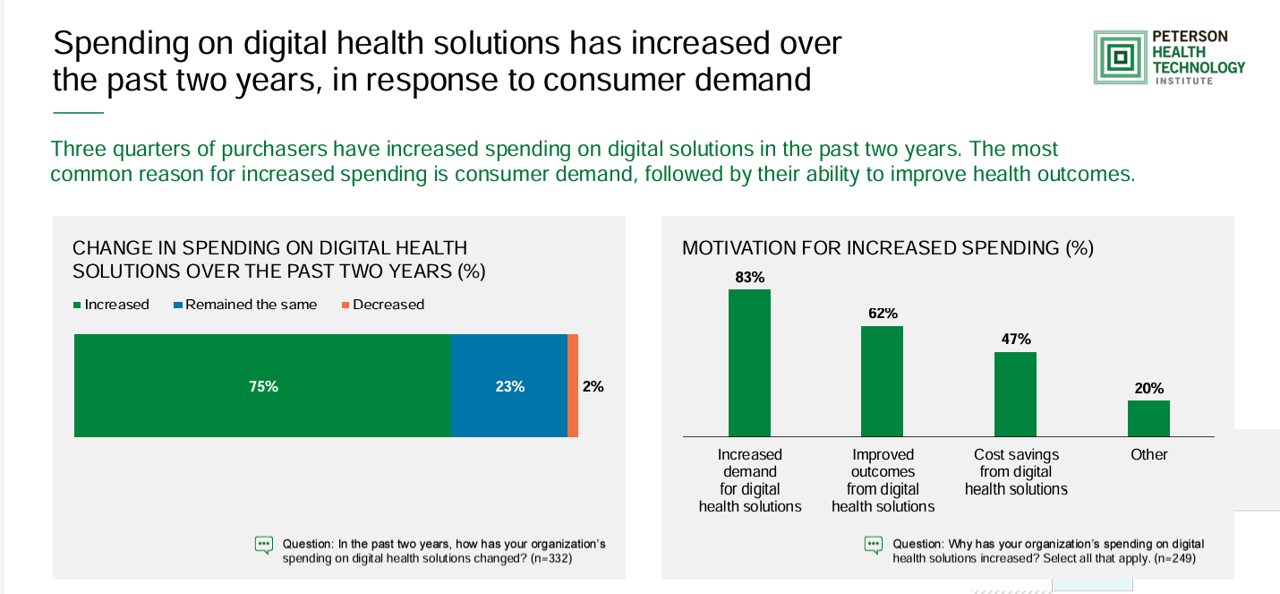
The marketing for purchasing digital health technologies is expecting to grow, driven by increased consumer demands for tech-based solutions, improved outcomes enabled through the innovations, and cost savings derived from deploying the technologies. That’s the top-line finding in the 2024 State of Digital Health Purchasing from the Peterson Health Technology Institute (PHTI). PHTI surveyed 322 digital health decision makers working in employers, health plans, and health systems, fielding the study in July and August 2024. 3 in 4 purchasers grew spending on digital health technologies in the past two years,
How to Get Better Care to More People? Address Burnout, Bridge Insights with AI, Embed Sustainability – the Philips Future Health Index 2024
Health care access is a challenge in rural and urban areas, cities and suburbs, and across more demographic groups than you might realize, as we see wait times grow for appointments, primary care shortages, and delays in screening plaguing health systems around the world. In the Future Health Index 2024, Philips’ latest annual report presents a profile of the state of health care focused on how to provide better care for more people. For the report, Philips surveyed a total of 2,800 healthcare leaders consisting of 200 respondents in 14 countries: Australia, Brazil, China,
Why Elevance Health is “Prescribing” Phones for Members
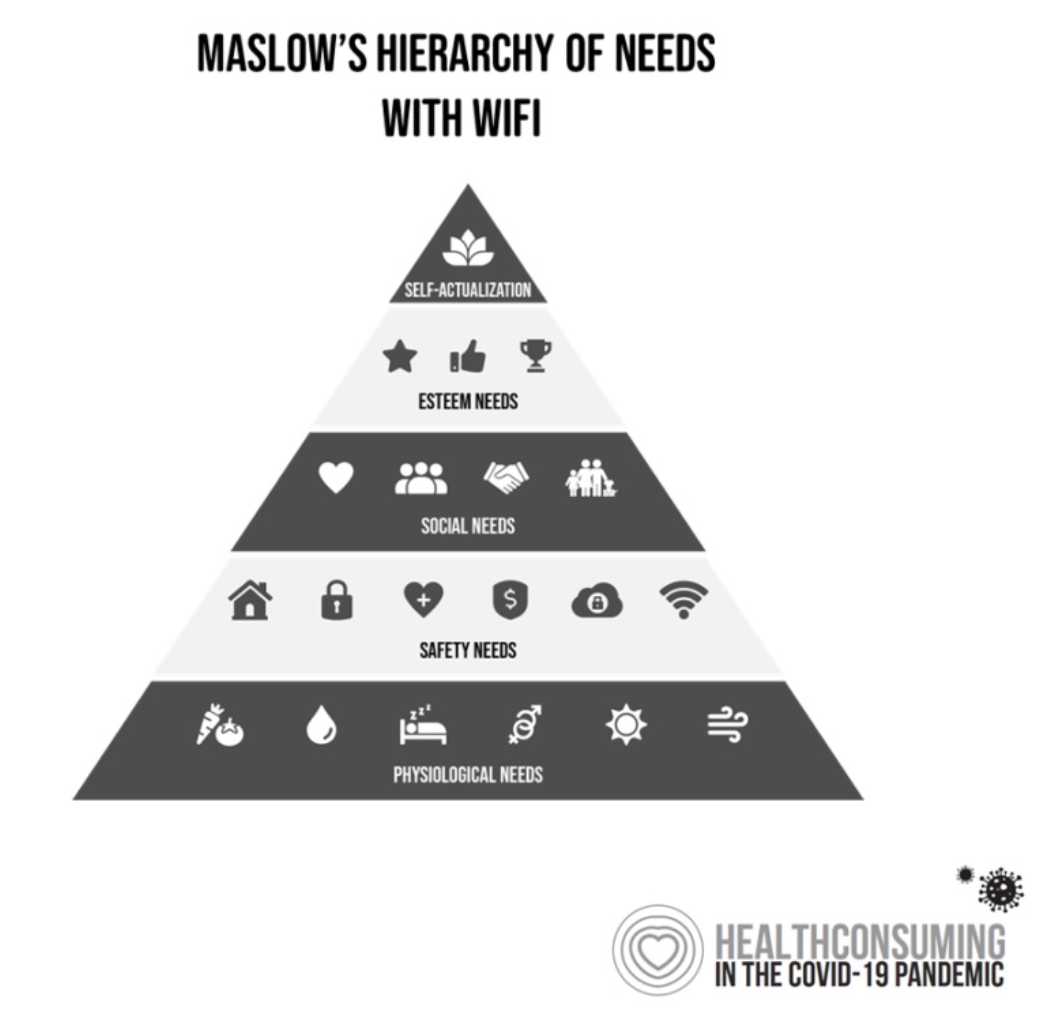
You’ve heard of food-as-medicine and exercise-as-medicine. Now we see the emergence of telecomms-as-medicine — or more specifically, a driver of health, access, and empowerment. Elevance Health, the health plan organization serving 117 million members, launched a program to channel mobile phones and data plans into the hands of some Medicaid plan enrollees, explained in the organization’s press release on the program. To implement this program and get connectivity into consumers’ hands and homes, Elevance Health is collaborating with several telecomms companies including Verizon, AT&T, Samsung, and T-Mobile. Funding is supported by the FCC’s Affordable Connectivity Program.
Consumers’ Spending on Tech in 2024 Will Increase: CTA’s #CES2024 Forecast
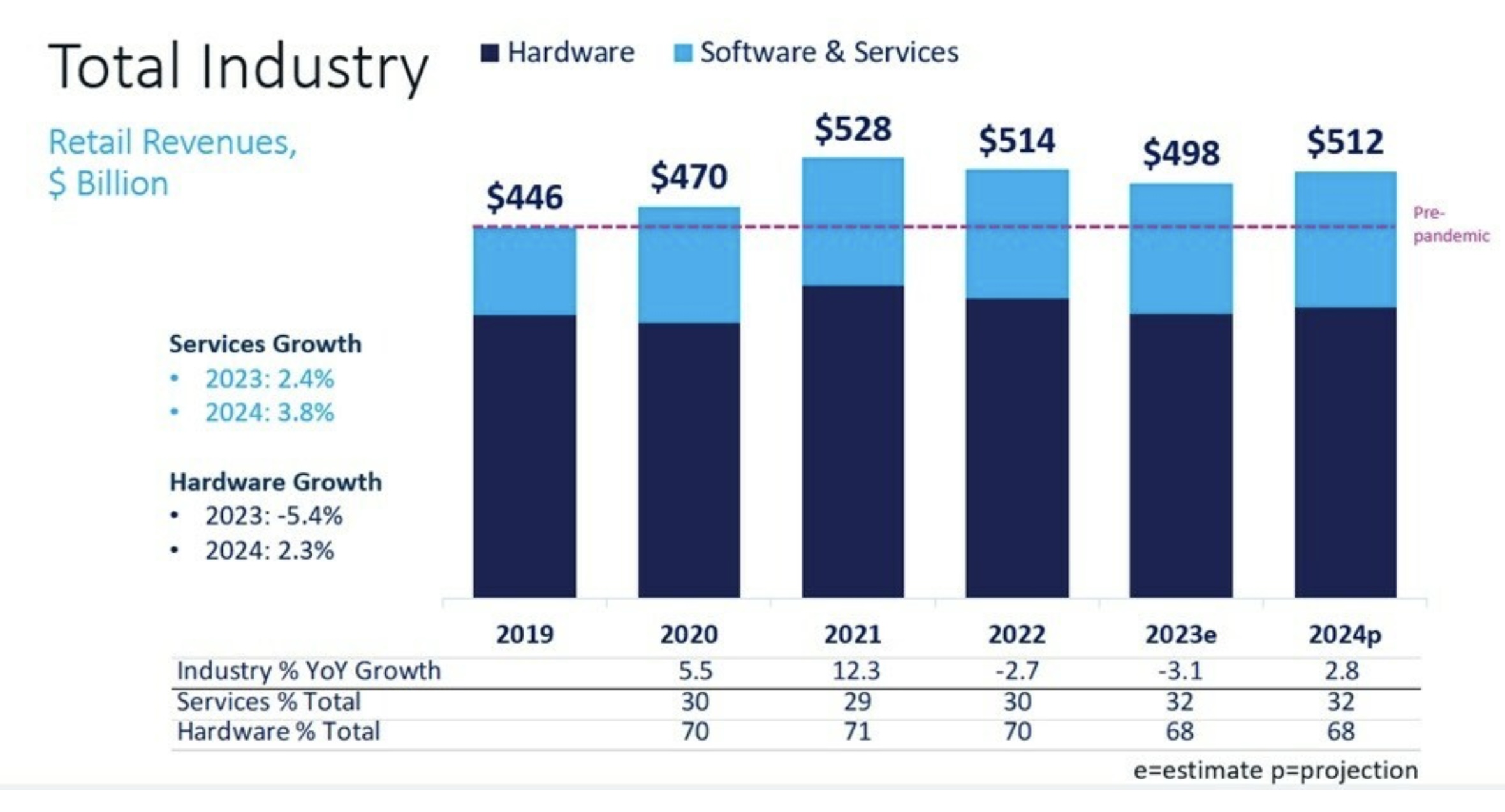
2023 was a pretty lackluster year for consumers’ spending on technology: inflation, concerns about global instability, and general household economic ennui caused consumers to ration spending on most electronic gadgets last year. Enter a more cash-positive mood for many consumers keener in the new year to acquire updated and upgraded tech, from computer hardware to wearable tech for health, according to the forecast released by the Consumer Technology Association (CTA) research team. The study results, announced on the first of two pre-conference Media Days, kicks off CES 2024 convening this week in Las Vegas. The bullish spending statistics reverse a two-year
What to Expect For Health/Care at CES 2024
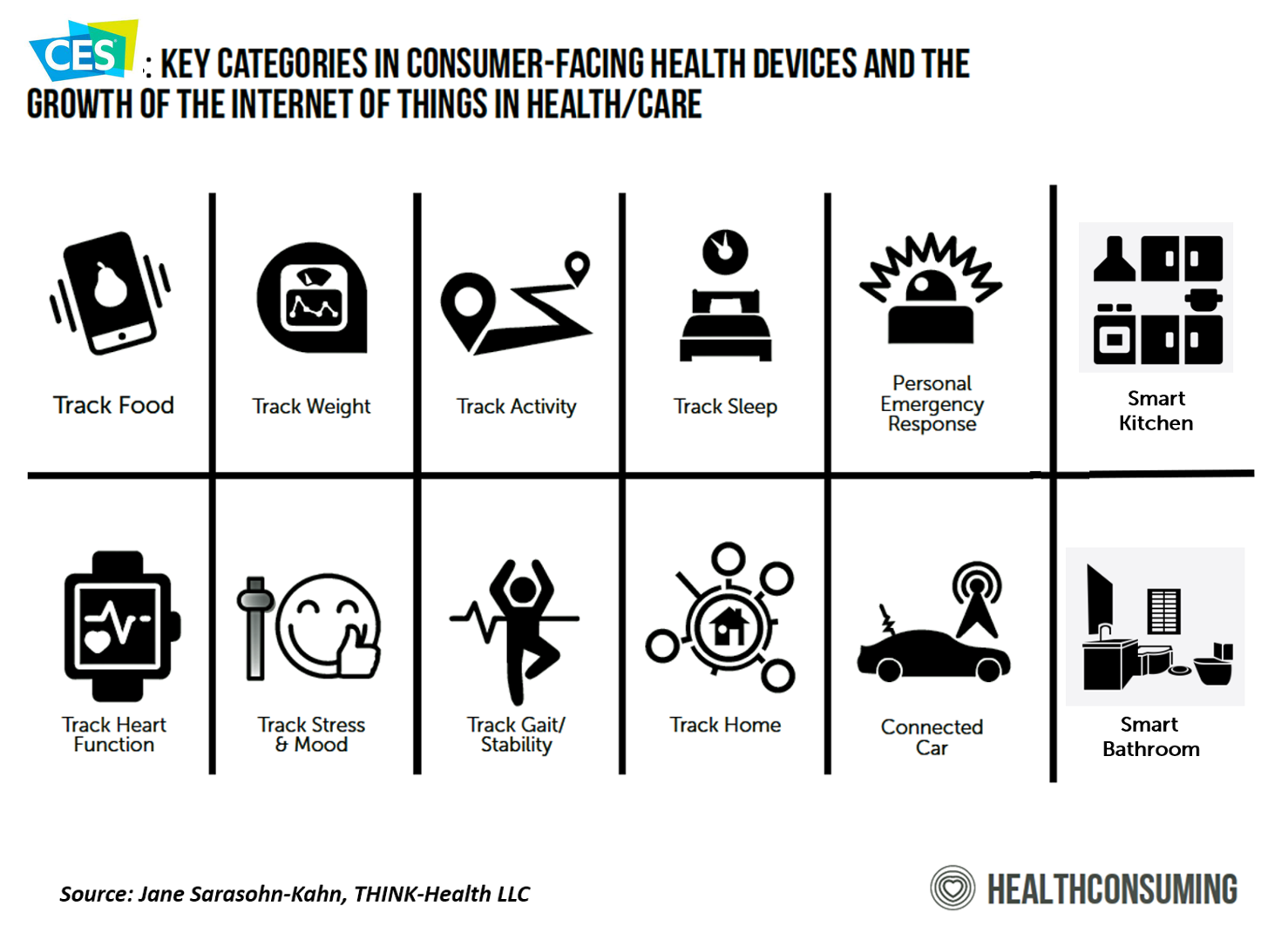
Not known for its salubrious qualities, Las Vegas will nonetheless be a locus for health, medical care, and well-being inspiration next week when the Consumer Technology Association convenes the annual CES featuring innovations in consumer technology. Ten years ago here in Health Populi, I wrote about New Year’s Resolutions for Health and the 2013 Consumer Electronics Show. Then, one-third of consumers were keen to buy health tracking technology but most of those people were healthy, CTA’s research found. I talked about the “battle of the (wrist)bands” witnessed at CES 2013, and spotted the
“My Doctor’s Office” Should Accept Wearable Tech Health Data, Most Patients Say
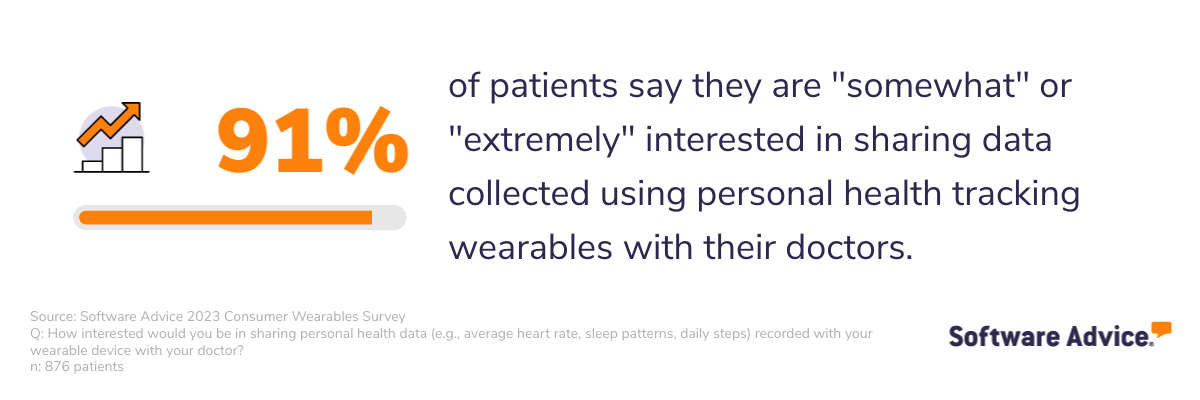
“Do personal health trackers belong in the doctor’s office?” Software Advice wondered. “Yes,” the company’s latest consumer survey found, details of which are discussed in a report published on their website. Unique to this study is the patient sample polled: Software Advice surveyed 876 patients in September 2023 to gauge their perspectives on wearable tech and health. Note that the patient sample was limited to consumers who had seen a health care provider in the past two years and who also owned and used a personal wearable health device such as an Apple Watch or Fitbit. Thus, the responses shared
Consumers’ Growing Use of Portals and Apps: People Embracing Their Patient Journeys
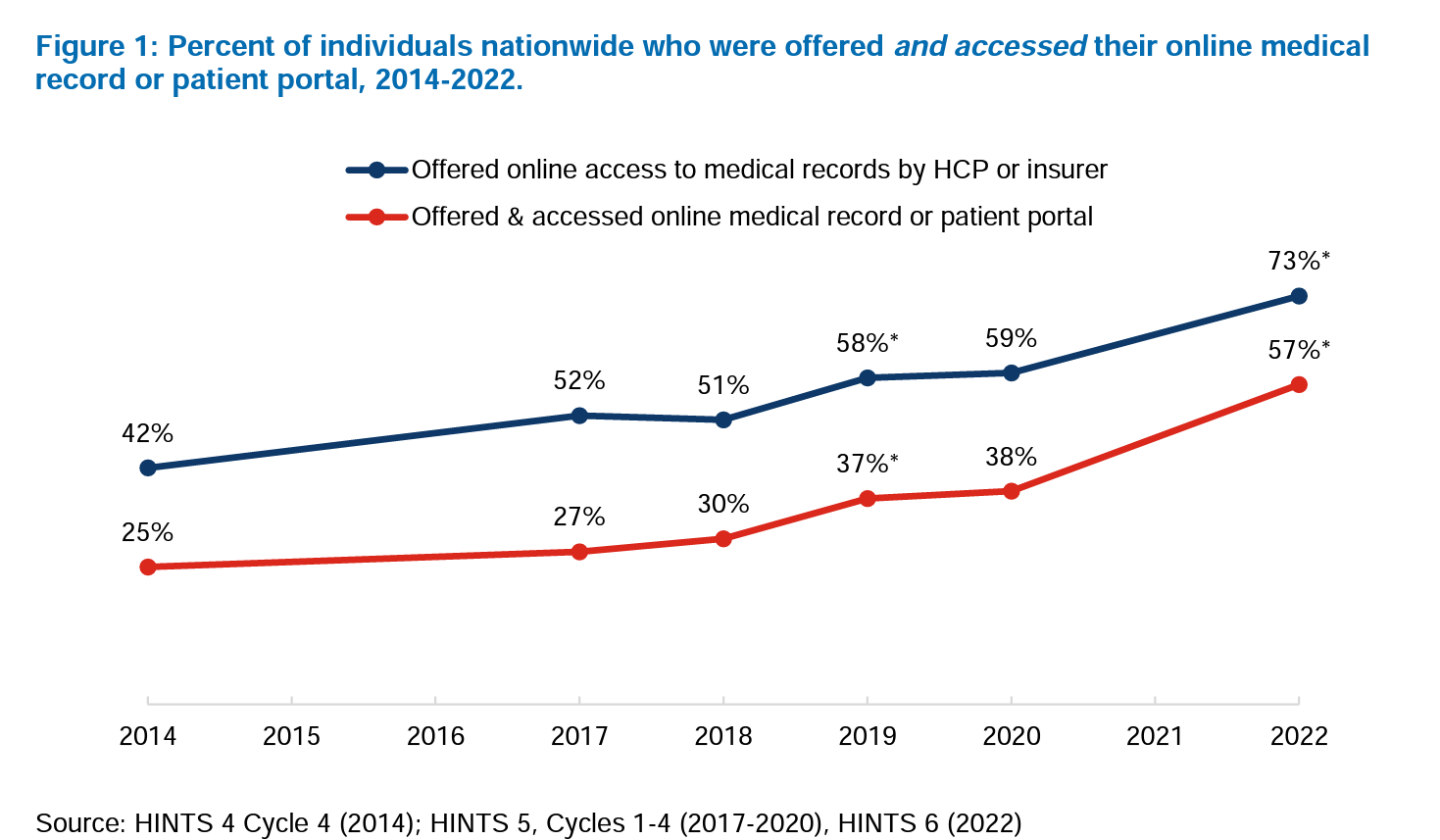
The latest read from ONC, the Office of the National Coordinator for Health IT, tells a story about patients’ growing use of online portals, medical records, and smartphone apps to access personal health information. We now have solid evidence empowering us to disagree with Col, Nathan Jessup, the iconic character played by Jack Nicholson in A Few Good Men, who responded to Tom Cruise’s Lt. Kaffee’s demand for “the truth” as the villainous Colonel raged, “You can’t handle the truth.” But ONC data belies that: as it happens, patients can handle the truth, as we learn that 9 in 10
 Thanks to Jennifer Castenson for her article in Green Builder Media tracking the growing trend of home-building baked with wellness inside and out. She interviewed me for the piece and I'm grateful to have my perspectives covered in this important issue. Here's one snippet: “Now, we are starting to see areas of the home purposed for health and we have started to think about how to repurpose the home for health."
 Jane joined host Dr. Geeta "Dr. G" Nayyar and colleagues to brainstorm the value of vaccines for public and individual health in this challenging environment for health literacy, health politics, and health citizen grievance. Click onto the Pfizer Value of Vaccines site and you can watch four episodes covering the challenges with adult vaccination, the employer and health plan member's journey to vaccination, reimbursement, and collaborating for proactive prevention.
 I'm grateful to be part of the Duke Corporate Education faculty, sharing perspectives on the future of health care with health and life science companies. Once again, I'll be brainstorming the future of health care with a cohort of executives working in a global pharmaceutical company.