


Healthcare AI Direct-to-Consumer: Everything, Everywhere, All At Once
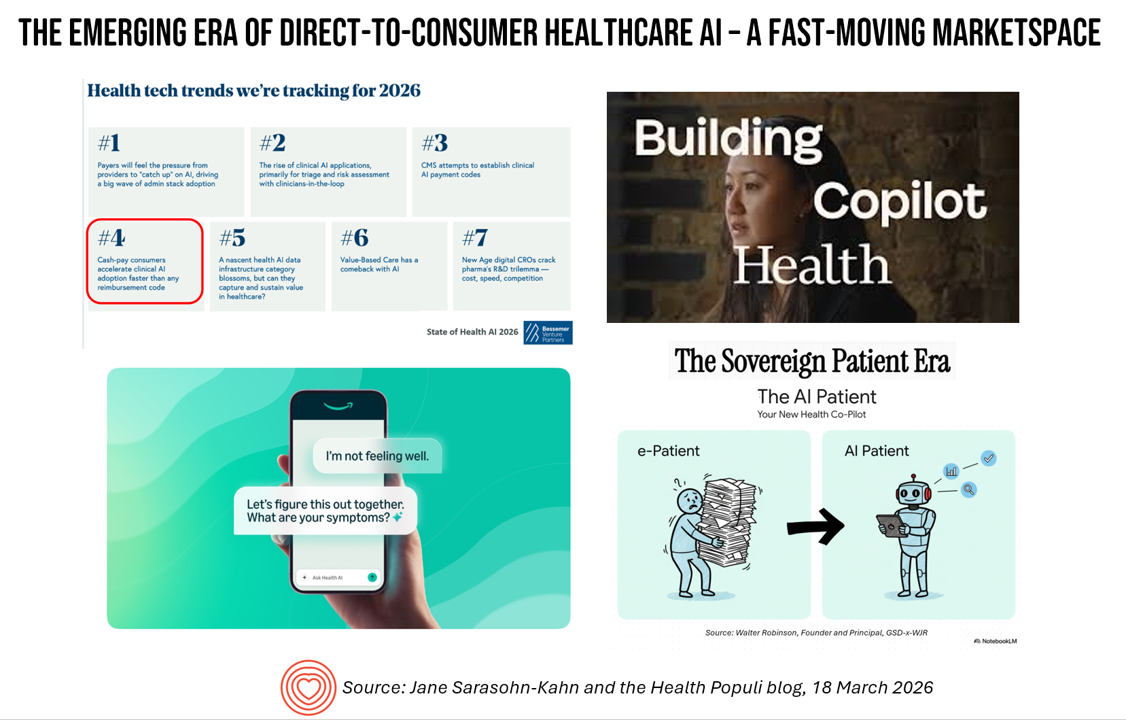
The announcements of consumer-focused AI for health are coming Fast and Furious. As we are coming off of the 2026 Oscars broadcast, it inspires me to quote another movie title, Everything, Everywhere, All at Once. In the moment, it feels like consumer health-focused AI is indeed in a fast-and-furious launch phase. It’s time for me to provide an update on this fast-moving-consumer service, discussing the latest vendor announcements and the ongoing concerned embrace of AI among early adopting citizen-users of AI for health/care. For context, let’s start with long-time AI-medical expert Dr. Eric Topol’s view on the current state. Registering
Dr. Wachter Bets on A Giant Leap for AI in Health Care
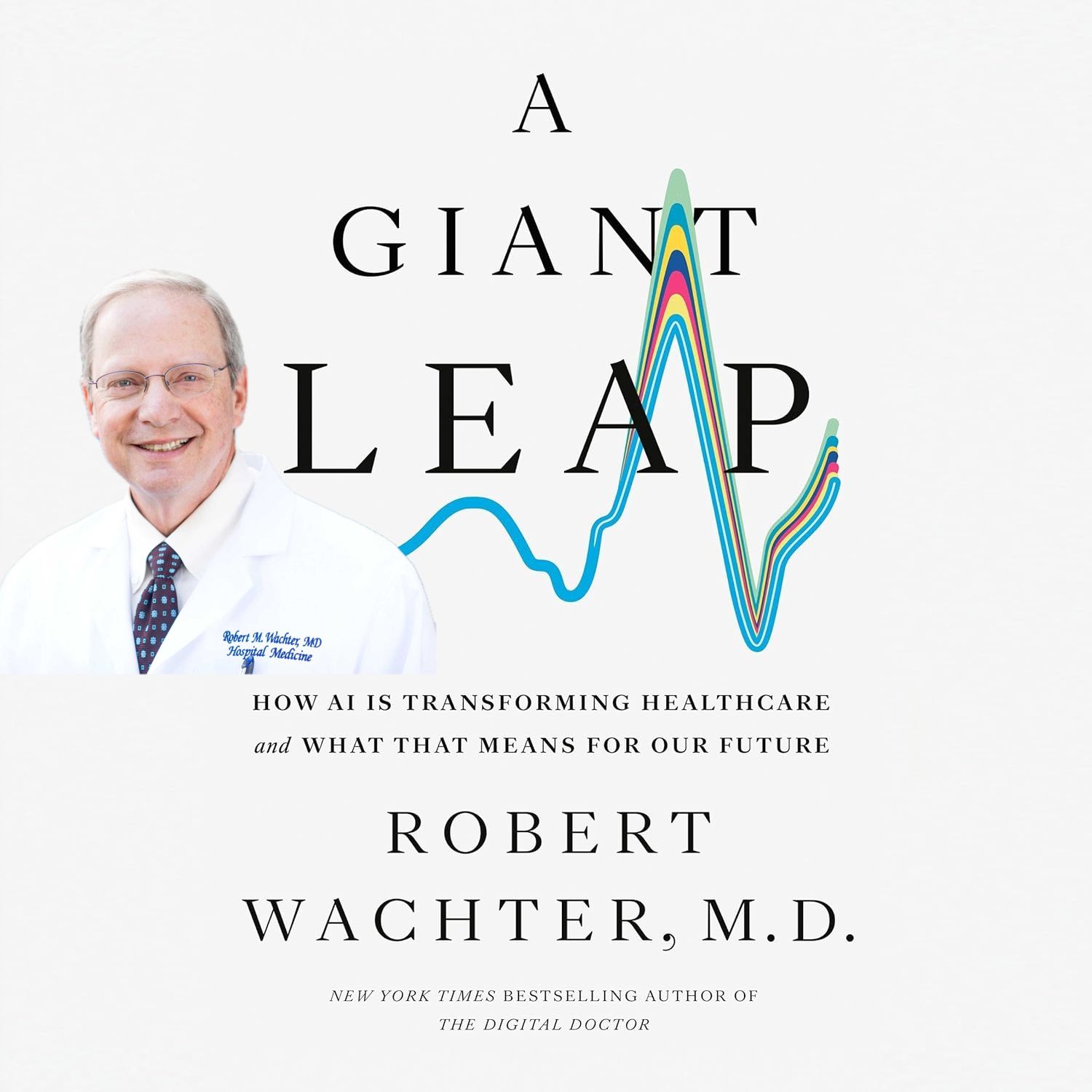
“Stop worrying and let AI help save your life,” a New York Times op-ed prescribed in January. So I wanted to ask Dr. Robert Wachter, author of that essay, “why not worry?” and read his latest book, A Giant Leap, before speaking with him. I spent time with Bob on a Zoom session last week to dig into some patient/consumer-facing issues regarding AI and health care. Before I launch into our engaging conversation, I’d like to share some context about Dr. Wachter and his evolution that I believe makes him
Optimistic and Skeptical: How Older Americans Are Using and Seeing AI – the View from AARP
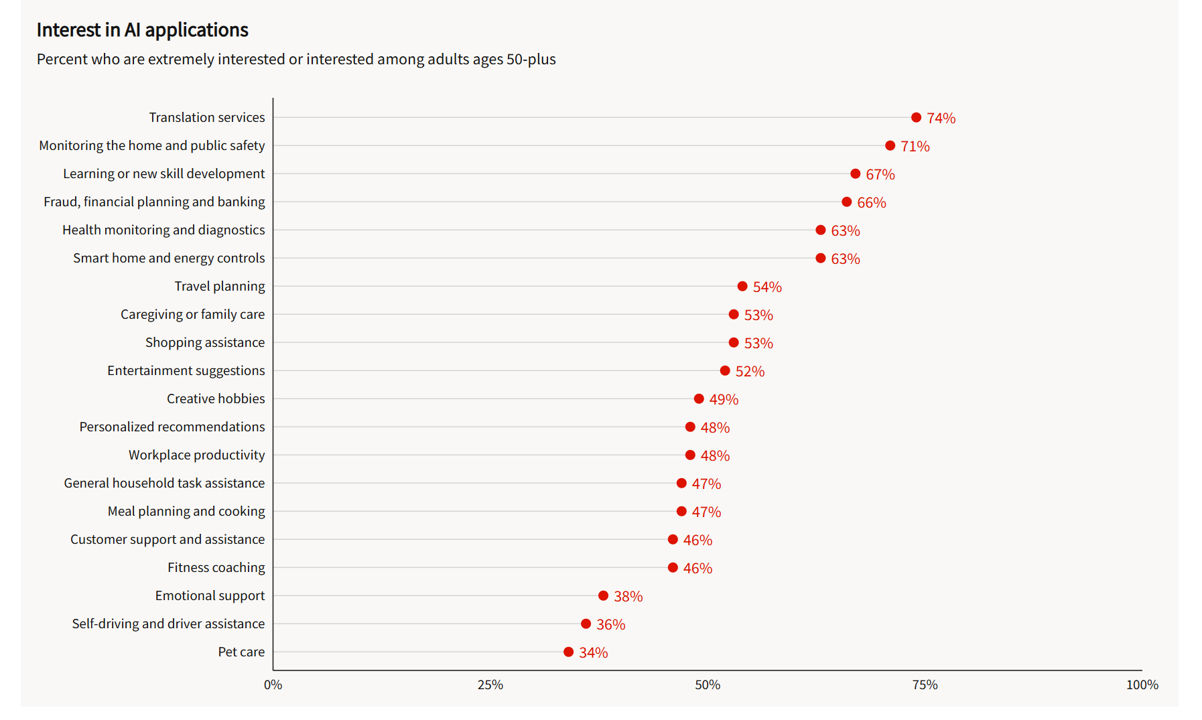
People over 50 in America typically hold two thoughts in mind at once when it comes to AI: they’re optimistic and skeptical, depending on the “job” that AI could do, according to research from AARP explained in the report, Navigating the World of AI: Awareness, Attitudes, and How People Expect to Use It. Topline, most people 50 and over have used AI in some way, with roughly 3 in 5 older Americans saying “I am a beginner” in using AI across age groups from 50 to 70+. Most older Americans are familiar with many terms in the
Tech Trends to Watch at CES 2026 – For Health, It’s About Longer Living, Smarter Living, and Better Living
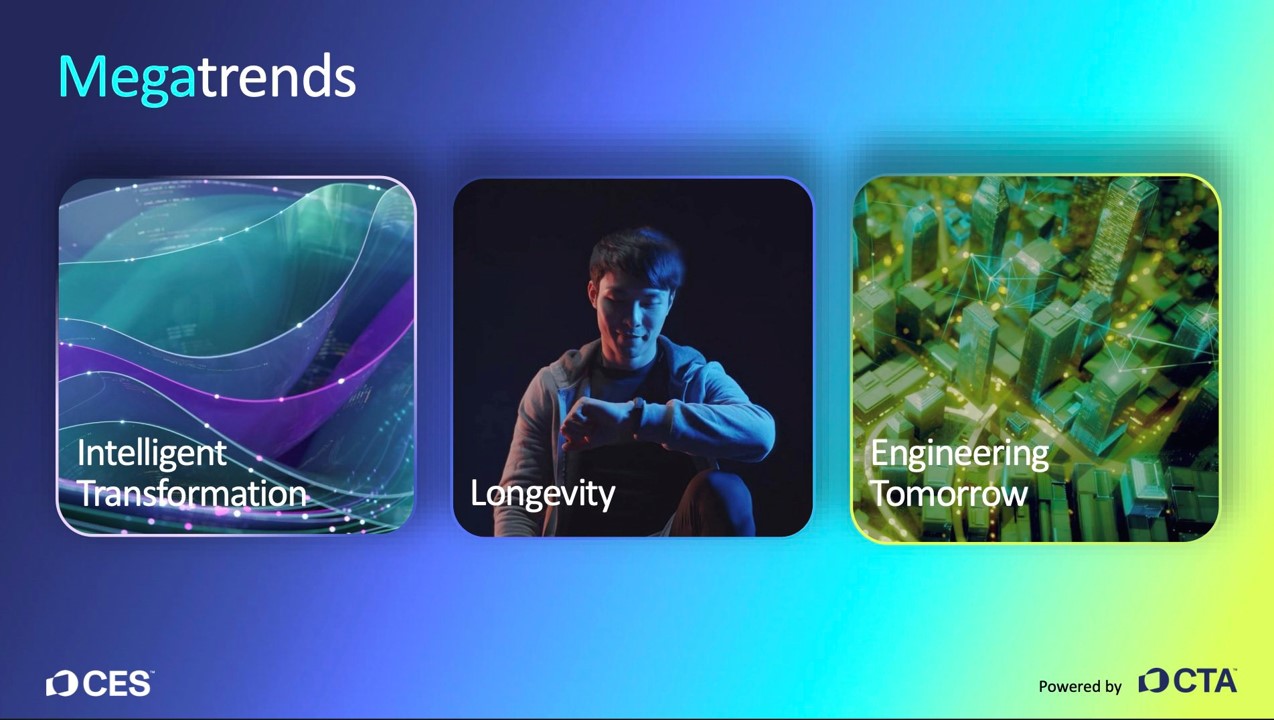
Live from CES 2026 in Las Vegas…the first day of CES Media Days preceding the big show always covers a context-setting report on Tech Trends to Watch. This is one of my annual go-to programs which helps orient media and industry analysts with a lens on CES’s key tech categories and some hard data on market size and growth expectations. While I’ll focus on the health/care specifics in the trend forecast, let me first update you on the overall technology market revenues for the U.S. which are estimated at $565 billion for 2026.
What Children Can Teach Us About Using GenAI – Insights from The Alan Turing Institute and LEGO

“While children are the group that may be most impacted by the widespread deployment of generative AI, they are simultaneously the group least represented in decision-making processes relating to the design, development, deployment or governance of AI,” we learn in Understanding the Impacts of Generative AI Use on Children, research conducted by The Alan Turing Institute in partnership with the LEGO Group. But it’s the children who shared their perspectives who can teach adults about some potential positive and negative aspects of GenAI, and help inform us in managing downside risks. FYI, The Institute is headquartered in the British Library
In Health Care, Consumers Are Seeking Kindness Coupled with Efficiency

Kindness + efficiency + listening + personalization: together, these are the most important experiences consumers seek from health care touchpoints, we learn in Humanizing Brand Experience: Healthcare Edition from Monigle. In this 8th volume of the company’s Humanizing series, Monigle tracks a different pattern of patient engagement — to be sure, built on trust, yet not just as a health consumer dealing with a diagnosed condition — but more holistically for getting me and keeping me healthy and well. The implication and recommendation here is to deliver even more personalized care
The New “Paging Dr. Google?” DTC-AI for Health Care
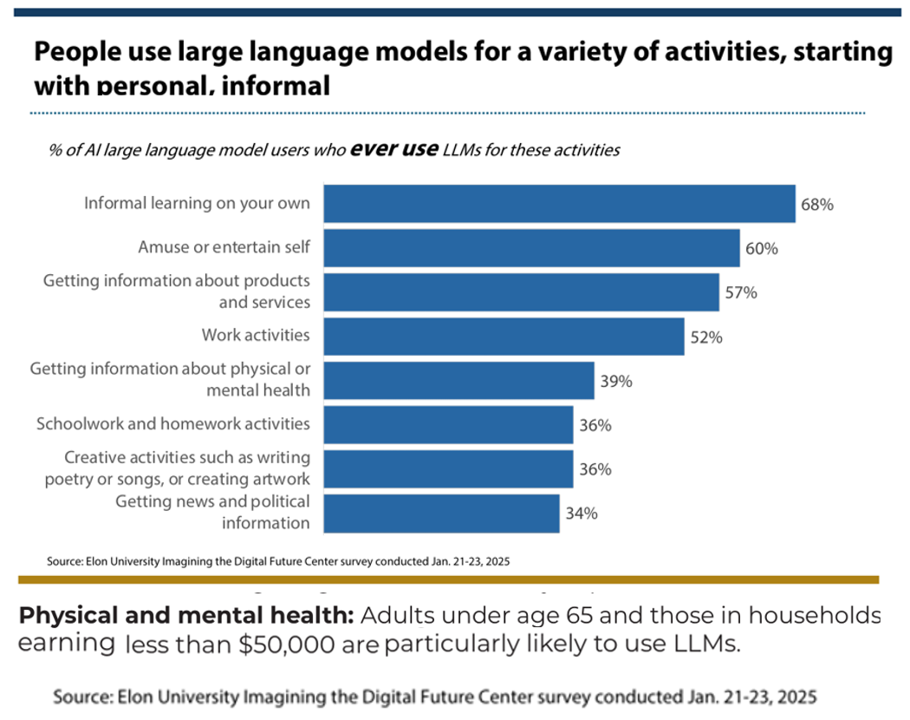
While most people in the U.S. who have used large language models (like ChatGPT) for informal learning, entertainment, and getting information about products and services, 39% of U.S. adults have also tapped into LLMs to source information about physical or mental health. This insight is brought to us in the brilliantly titled report, Close encounters of the AI kind, from the Imagining the Digital Future Center at Elon University. The principle author of the survey report is the Center’s Director, Lee Rainie, whose name many of you will know from his two+ decade career at the Pew Research Center (and
 Thank you Aaron Strout for hosting our conversation on the Reaching Higher Podcast, now live on Apple, Spotify, and YouTube. We covered a lot of ground addressing health care and health citizenship, the growing prospects for our homes as our health hubs, and how our humanity is a key ingredient in health-making for all.
 Jane joined host Dr. Geeta "Dr. G" Nayyar and colleagues to brainstorm the value of vaccines for public and individual health in this challenging environment for health literacy, health politics, and health citizen grievance. Click onto the Pfizer Value of Vaccines site and you can watch four episodes covering the challenges with adult vaccination, the employer and health plan member's journey to vaccination, reimbursement, and collaborating for proactive prevention.
 I'm grateful to be part of the Duke Corporate Education faculty, sharing perspectives on the future of health care with health and life science companies. Once again, I'll be brainstorming the future of health care with a cohort of executives working in a global pharmaceutical company.