

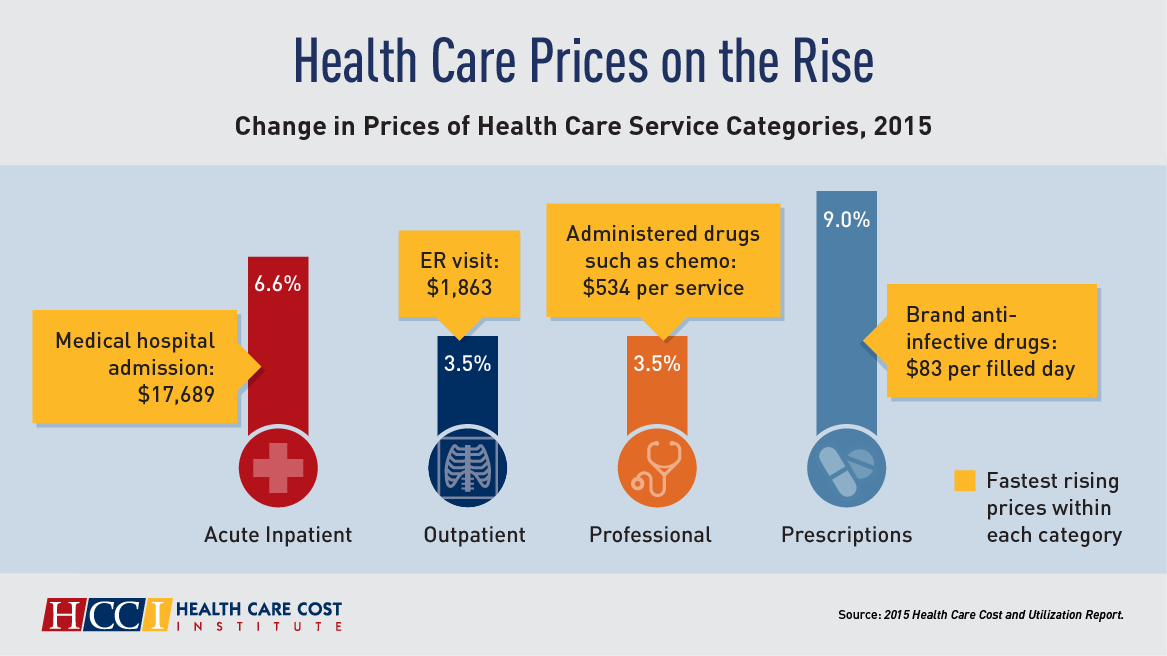
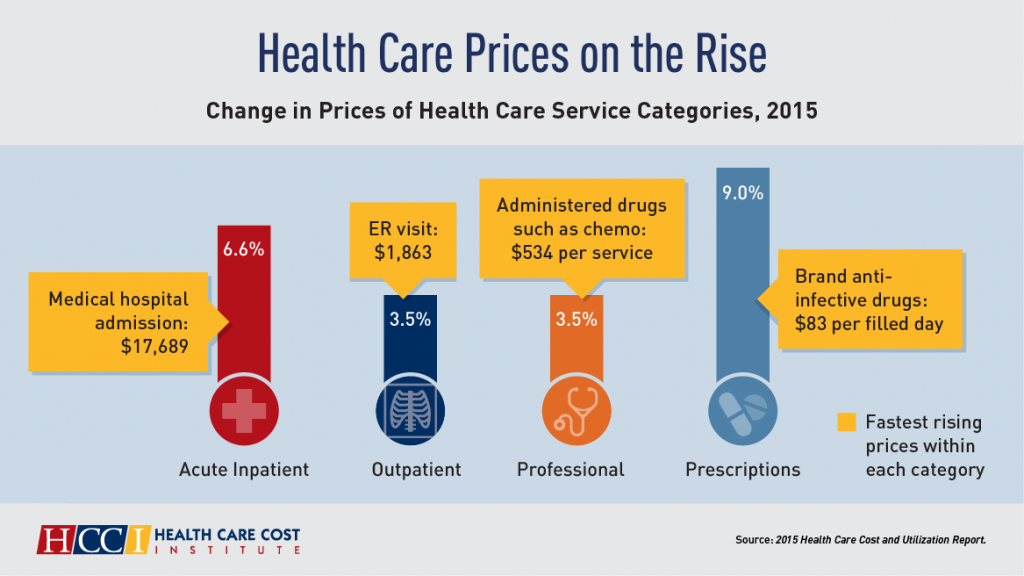
Health care spending grew 4.6% in 2015, higher than the rise in either 2013 or 2014, according to the 2015 Health Care Cost and Utilization Report published by HCCI, the Health Care Cost Institute.
The key contributors to health care spending by percentage were, first and foremost, prescription drugs which rose 9% in the year — notably, specialty medicines like anti-infective drugs (such as those for Hepatitis C and HIV) costing on average $83 per “filled day.” This cost doubled from $53 per person in 2012 to $101 per person in 2015.
Hospital costs saw the second greatest percentage price increase at 6.6%, with the average price of an inpatient hospital admission at $17,689. ER visit prices rose by 3.5%, averaging $1,863 per visit. Prices for doctor visits rose by 3.5%, as well.
Consumers’ out-of-pocket spending continued to increase each year between 2012 and 2015. Generic drug prices helped slow the growth of consumer healthcare spending in 2015, when spending among older people slowed the most (due to their relatively higher proportion of prescription drugs consumption). Nonetheless, spending per capita for people ages 55-64 rose the most compared to younger age cohorts, by $901 between 2012 and 2015.
Health Populi’s Hot Points: People enrolled in consumer-driven health plans (CDHPs) spent 1.5 times more out-of-pocket than consumers enrolled in traditional health insurance plans, HCCI found in a study published in September 2016. CDHPs are high-deductible plans usually bundled with a health spending account (a health savings account, HSA, or a health reimbursement arrangement, HRA). CDHPs have prompted consumers to pay more for doctor and emergency room visits, yet motivate people to seek less care (8% fewer physician visits and 10% fewer ER visits).
People with CDHPs had higher spending out-of-pocket on deductibles, copayments, and coinsurance shared amounts, separate from premium payments. HCCI calculated that consumers enrolled in CDHPs were responsible, on average, for nearly 25% of their medical costs, versus 14% for people enrolled in traditional health plans.
As CDHPs continue to grow as preferred plan options among employers as well as on health insurance exchanges, people enrolled in health plans will be expected to become real health consumers, shopping for health insurance plans, health care services, and supplies like prescription drugs. A survey among health consumers from Radius, conducted in September and October 2016, found that only 51% of consumers could define “deductible,” 22% “coinsurance,” 53% “copay,” and 42% “out-of-pocket maximum.” It will continue to be a bumpy, painful and expensive road toward Americans’ collective health care consumerism.
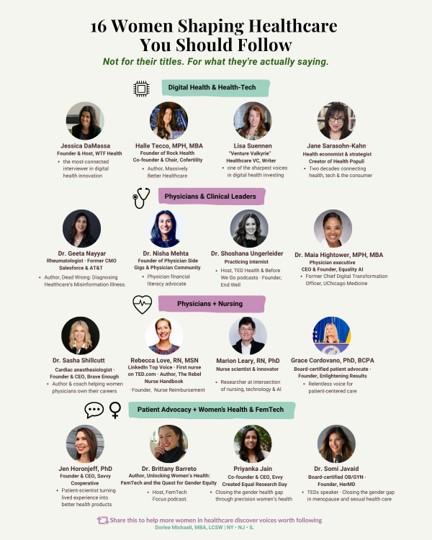 I'm gratified to be named on
 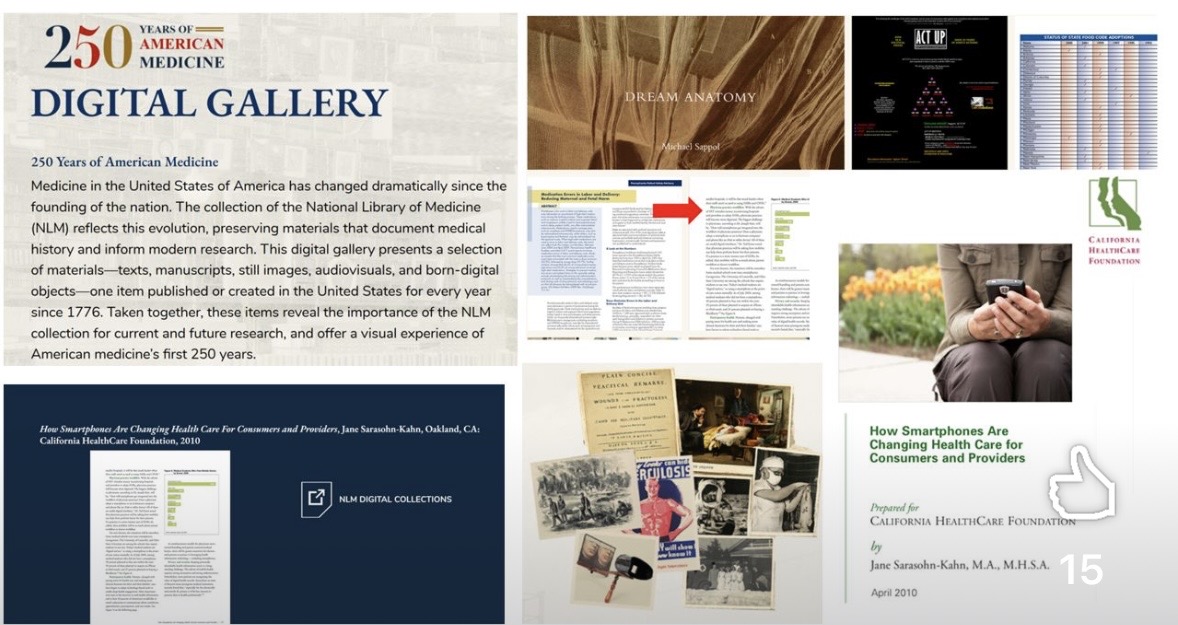 I’m celebrating America’s 250th birthday both patriotically and professionally, honored that the NLM included my 2010 paper, “How Smartphones Are Changing Healthcare for Consumers and Patients” as one of 250 items curated for the digital archive of 250 Years of American Medicine.
 I'm grateful to be part of the Duke Corporate Education faculty, sharing perspectives on the future of health care with health and life science companies. Once again, I'll be brainstorming the future of health care with a cohort of executives working in a global health care enterprise.