


 Incentives for wellness in the workplace are gaining favor among employers, according to a survey jointly conducted by the ERISA Council (ERIC) and the National Association of Manufacturers.
Only 30% of employers offering wellness programs are measuring the results of these activities. Of those who measure, 83% of employers have seen positive or break-even ROIs for these investments.

The proportion of companies using incentives to promote employer-sponsored health and wellness programs increased to 71% in 2008 from 62% in 2007.
Although employers are being drawn to offer these incentives, there is a wide range of value for them. The average value of incentives per person per year was between $100 and $300, averaging $192 per person per year.
Smoking cessation had a huge range, from a low of $5 to a high of $600.
Weight loss ranged form $5 to $500 for incentives.
As the chart shows, the most common incentive is rewarded for simply participating in a program, used by 1 in 2 employers.
Health Populi’s Hot Points: Welcome to the age of ‘nudge,’ where employers’ benefit plans are getting smarter about motivating employees to engage in healthy behaviors. These are more carrot-than-stick strategies. See Thaler and Sunstein’s book, Nudge, for more on the economic rationale and theory behind this tactic. I posted on this strategy in Health Populi earlier this year here.
Only 30% of employers currently measure outcomes. More should and will track these numbers, which will allow them to calculate their ROIs for these programs. As positive ROIs are demonstrated, plan designers will be able to sort out the levels of incentives that work for the various wellness components. This is a growing and moving target — and an important one that can impact health costs and productivity — that we’ll continue to monitor.
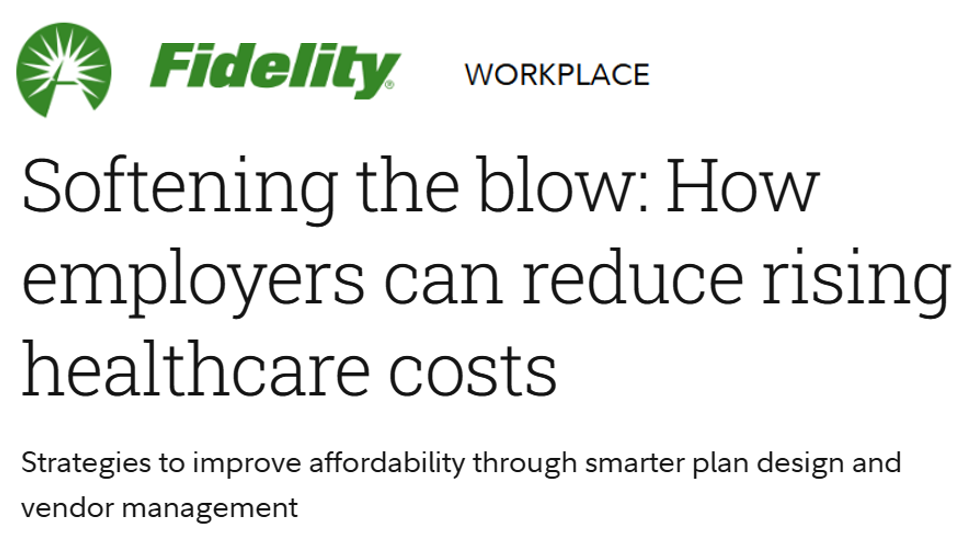 One of the best aspects of my work is collaborating across the health/care ecosystem to address how health citizens can deal with health care costs and and care for families. I'm grateful to have collaborated with Fidelity on their research into this issue,
 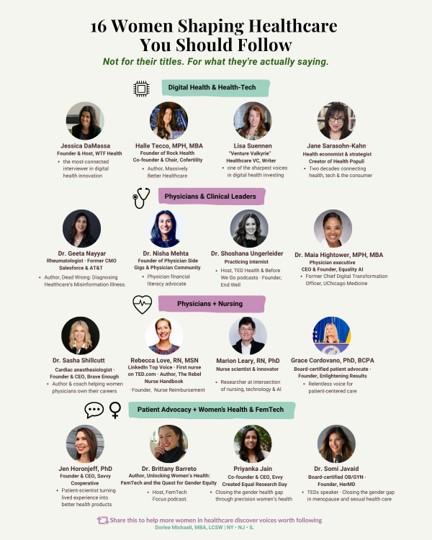 I'm gratified to be named on
 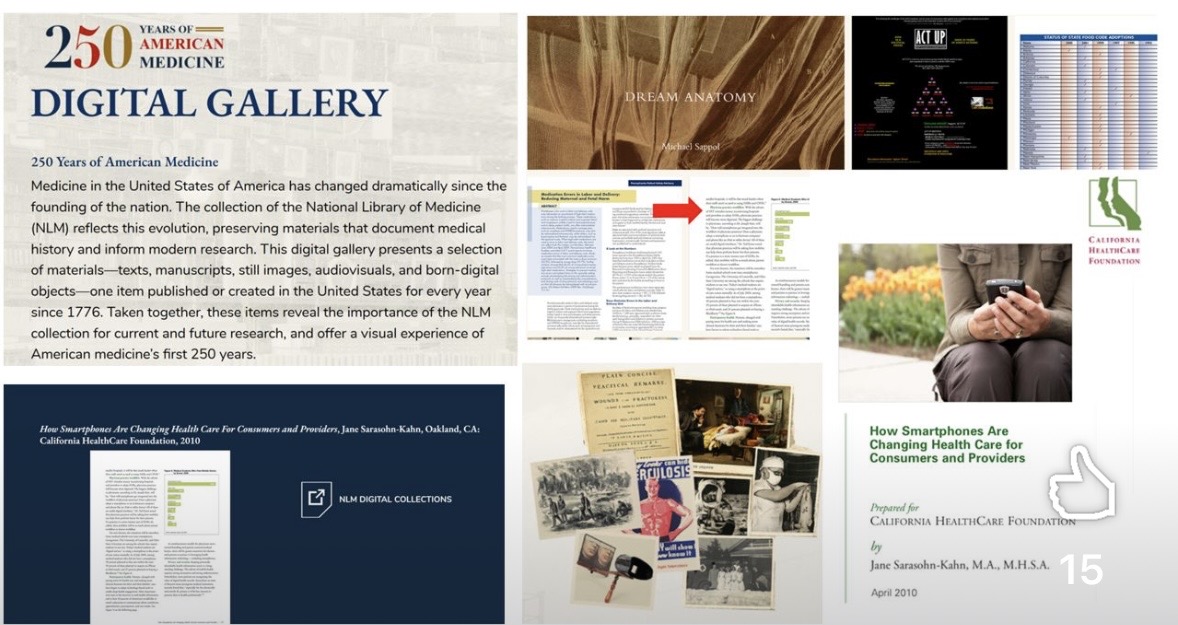 I’m celebrating America’s 250th birthday both patriotically and professionally, honored that the NLM included my 2010 paper, “How Smartphones Are Changing Healthcare for Consumers and Patients” as one of 250 items curated for the digital archive of 250 Years of American Medicine.