

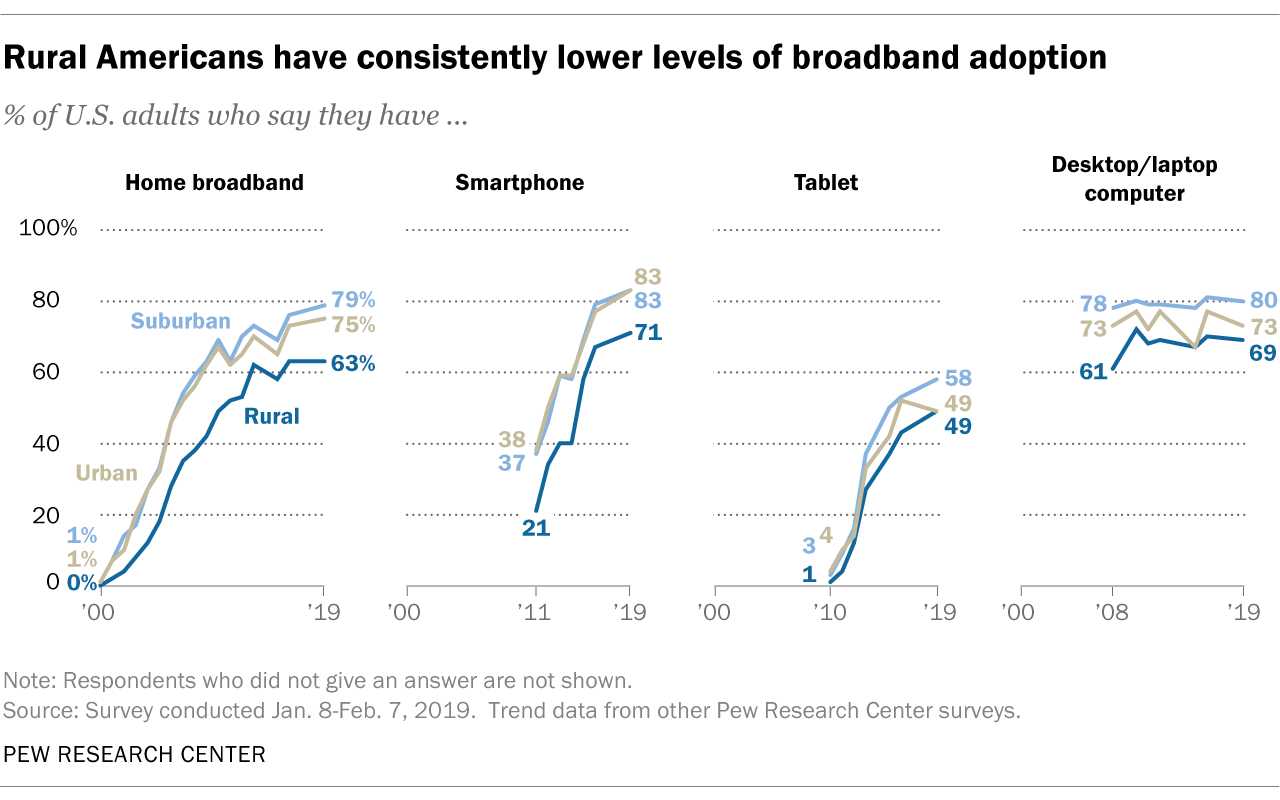
In the U.S., rural residents’ access to broadband at home continues to lag behind urban and suburban dwellers, the Pew Research Group noted in a May 2019 research note on Americans’ use of technology.
The Pew survey explored Americans’ adoption of technology and found that rural dwellers are also less likely to have multiple devices than non-rural consumers. Across the four types of tech studied, it’s smartphones that top the list of penetration in rural areas (at 71%), closely followed by computers (desktop or laptop, with 69% adoption), broadband (at 63%) and tablets in fourth/last place (49%).
The chart illustrates that rural residents’ adoption of broadband and computers has remained flat over the past couple of years, with faster-paced growth for smartphones and tablets.
Health Populi’s Hot Points: There’s a new social determinant of health in town, and it’s broadband connectivity.
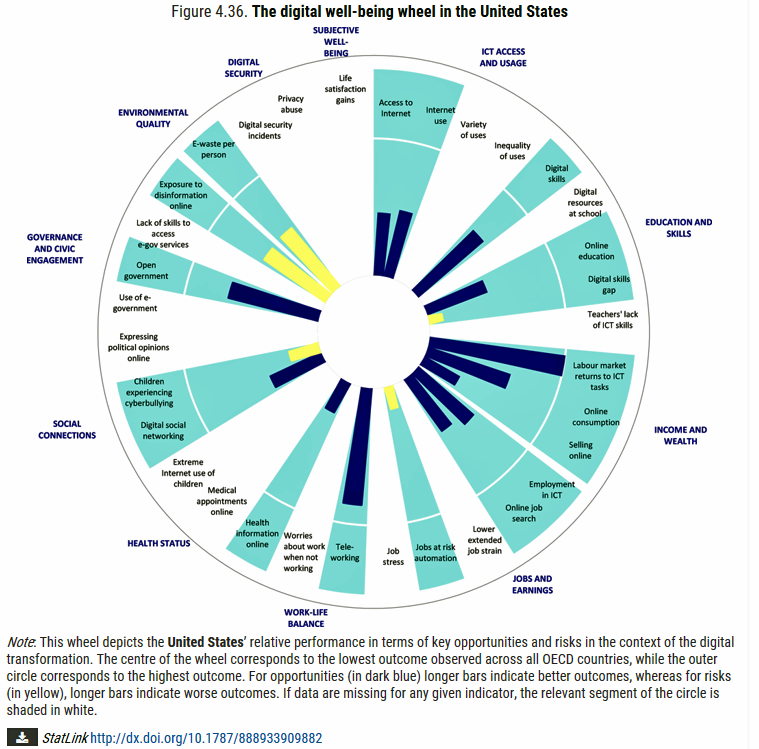
Without access to broadband, an individual can’t seek a job online, get banked, apply for health insurance, or access a health information portal, among many other daily tasks EveryWoman and EveryMan do to streamline life.
The lack of broadband to rural health citizens exacerbates disparities by preventing people from digital engagement in their health and caring for loved ones.
Consider the importance of national infrastructure investment for broadband to the last person, not just to the “last mile.” Furthermore, net neutrality is also an important underpinning for fast health care connections that deliver access to telehealth and virtual health channels that can scale care to under-served people, patients, and caregivers.


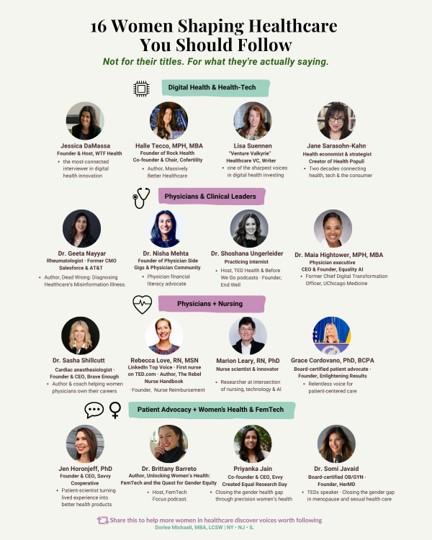 I'm gratified to be named on
 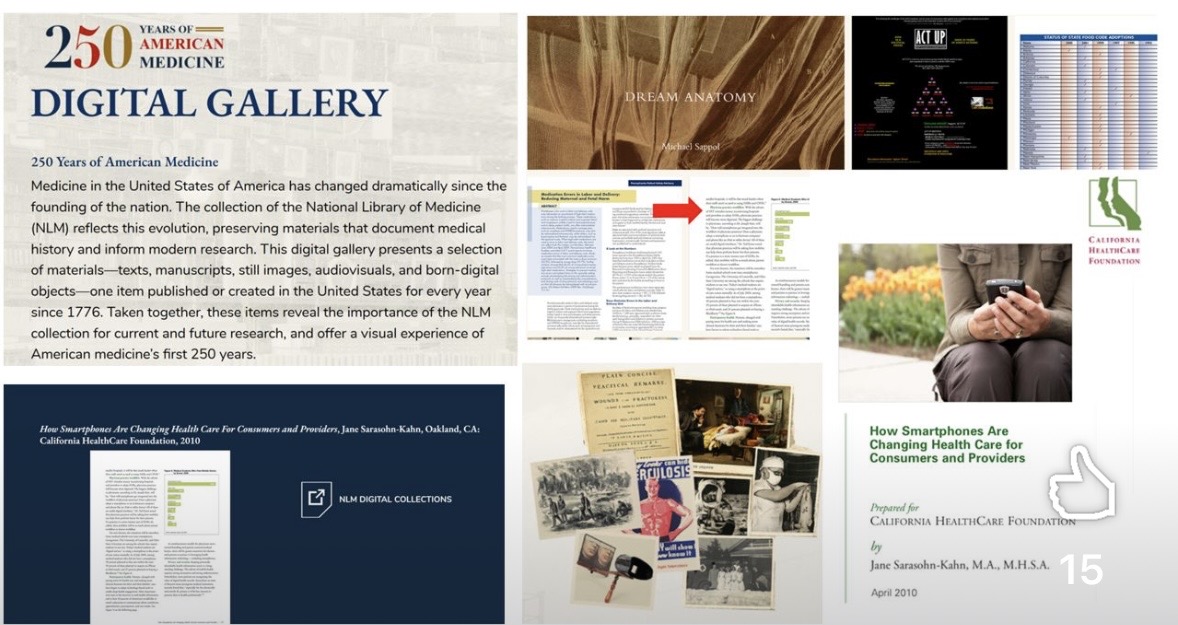 I’m celebrating America’s 250th birthday both patriotically and professionally, honored that the NLM included my 2010 paper, “How Smartphones Are Changing Healthcare for Consumers and Patients” as one of 250 items curated for the digital archive of 250 Years of American Medicine.
 I'm grateful to be part of the Duke Corporate Education faculty, sharing perspectives on the future of health care with health and life science companies. Once again, I'll be brainstorming the future of health care with a cohort of executives working in a global health care enterprise.