

A key Tech Trend to Watch at CES 2026 is consumers’ re-imagining and fitting out their homes as sites for bolstering health and well-being. I’ve been tracking this concept as far back as 2011 when I wrote this post from the 2011 Consumer Electronics Show.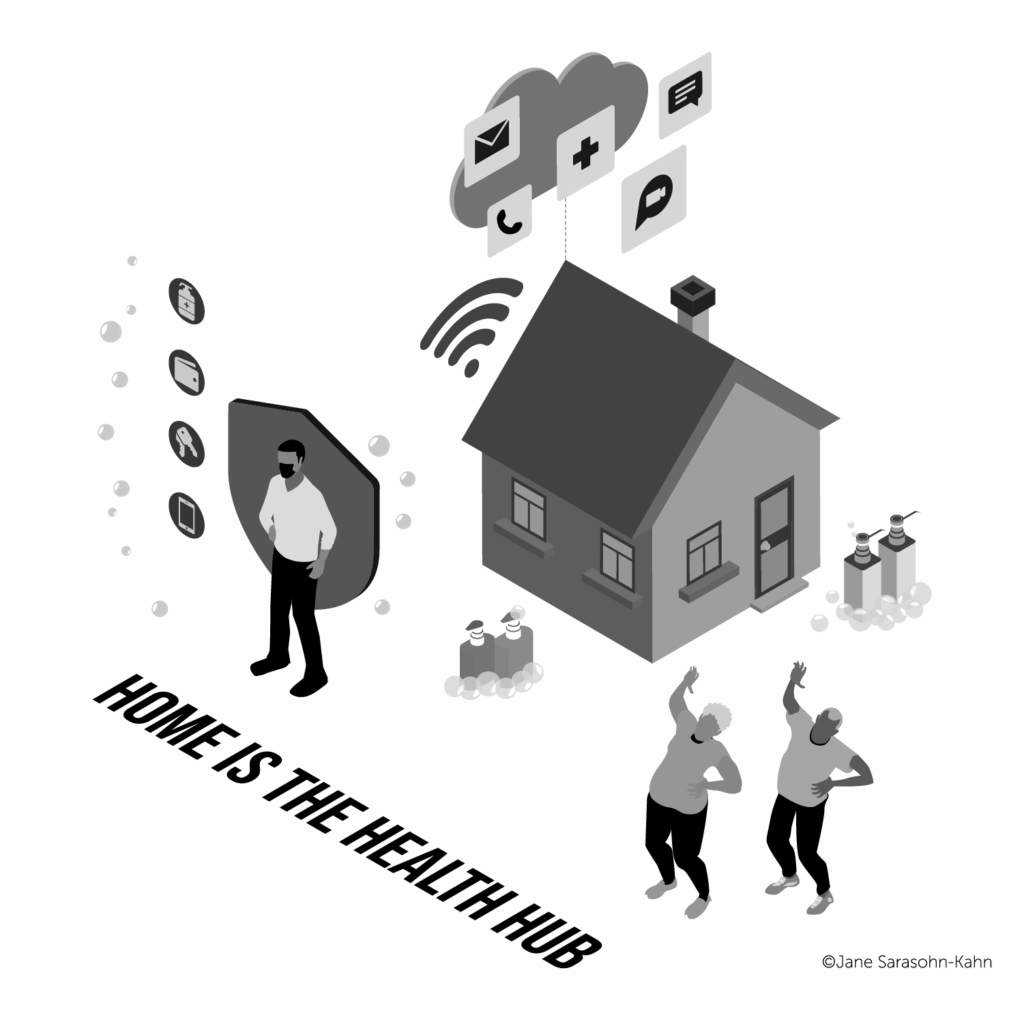
A decade-and-a-half later, in déjà vu spirit, the concept is no longer theoretical or futures-thinking. Fast forward from 2011 to the COVID-19 pandemic, when everyone’s home spaces became re-purposed for health, for medical care, for well-being, for fitness and exercise, for cooking up nutritious food, for our mental and social health via virtual care and telehealth on-ramps….and these home-care life-flows have sustained past the pandemic effect.
Looking at the home’s physical blueprint, many spaces have been reimagined for health/care, from the kitchen to the bedroom and, to be sure, the bathroom.

So the loo has been on my mind as a key area for personal data collection and self-care for a long time. At CES 2026, I was delighted and grateful to be able to spend a bit of time with Kash Kapadia, CEO of Kohler Health, and Nora Tophof, the company’s Executive Director-Head of Business. I met Kash in 2019 at the Health 2.0 Conference when he was launching Anchor Health — a start-up developed to engage people in health care and support their self-agency in health. (Here we are at our meet-up on 5th January).
Now, launching the start-up of Kohler Health, Kash is on a similar journey to support peoples’ health journeys — this time, through self-care via the quantified self route….starting with the loo.
Yes, “that” Kohler, the company whose name you know for well-designed faucets and fixtures. The company recently celebrated its 150 years in business, so knows something about innovation and re-invention.
Kohler launched the Kohler Health division in 2025, and with it the announcement of the Dekoda — that is, a smart toilet accessory that enables the collection of personal health data, as personal as it gets — through your use of the toilet. Think of the device as a Wi-Fi-enabled camera that attaches inside the rim of a toilet and “reads” the contents in the bowl.
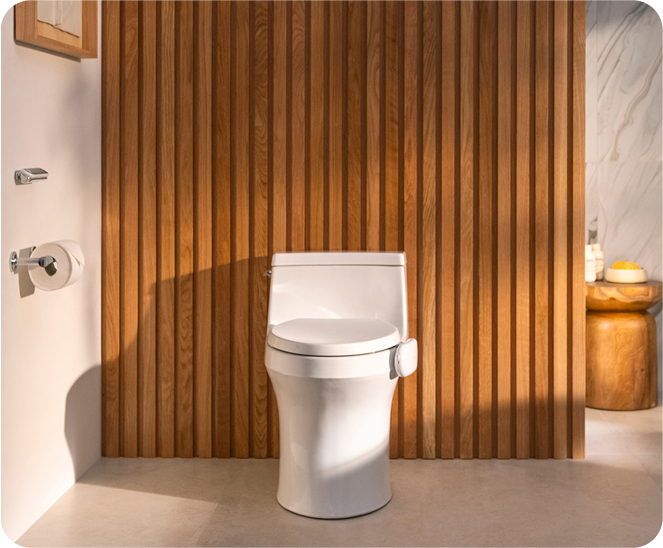
Here’s a photo from Kohler Health where you can see the Dekoda in its bathroom context. Its streamlined design helps it visually melt seamlessly to the side of the toilet’s base, securely held in place by a clamp that hugs the inner rings of the commode.
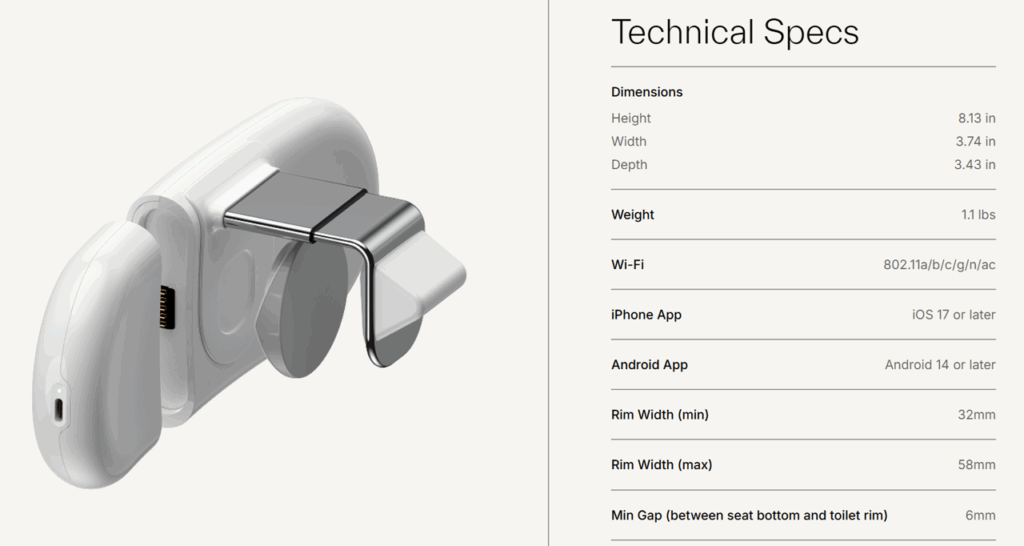
This graphic shows you the technical specs of Dekoda, with the clamp enabling the device to fit with most standard toilet sizes. In addition, you can see from the chart that Dekoda is Wi-Fi enabled with accompanying apps for iOS and Android.
The device was built from scratch over more than three years: Kash was employee #1 and led the development from the start, from design to hardware and software engineering, manufacturing to distribution. Nora’s team ran studies to build scientific evidence, putting the device in the hands (and commodes) of 850 users in the U.S. Those interactions generated over a million data points used to train the algorithms that analyze what Dekoda’s tech-combination of optics, spectroscopy, and sensors do that ultimately inform consumers about their gut health, level of hydration, and the presence of blood in the bowl.
You probably know of the iconic Good Housekeeping seal. [If you don’t, click here to get the background]. Good Housekeeping kicked the proverbial tires on Dekoda and published its review in November 2025, with the positive recommendation that, “Kohler’s Dekoda is worth a shot.”
Kohler Health’s aim is to make the bathroom the center of health and wellness in the home. While the company is not exhibiting at #CES2026, you’ll see other innovators with offerings to fit out a home as health hub — based on a health citizen’s health goals, values, and sense of value (that is, willingness to pay for home/health technologies). The momentum for the home health-hub has finally reached a healthy slope on the consumer adoption curve since I wrote my 2011 CES post on the topic. Do let me know what innovations you’re seeing at CES 2026 that spike your interest and pass your personal tests for utility, enchanting design, and good value.

 Stay tuned to Health Populi in early January as I'll be attending Media Days and meeting with innovators in digital health, longevity, and the home-for-health during
  Jane collaborated on
  I'm grateful to be part of the Duke Corporate Education faculty, sharing perspectives on the future of health care with health and life science companies. Once again, I'll be brainstorming the future of health care with a cohort of executives working in a global pharmaceutical company.