

The COVID-19 pandemic was a watershed era for people re-assessing and re-imagining their homes as hubs for health, healthcare, and well-being (as well as learning, exercising, and baking sourdough bread).
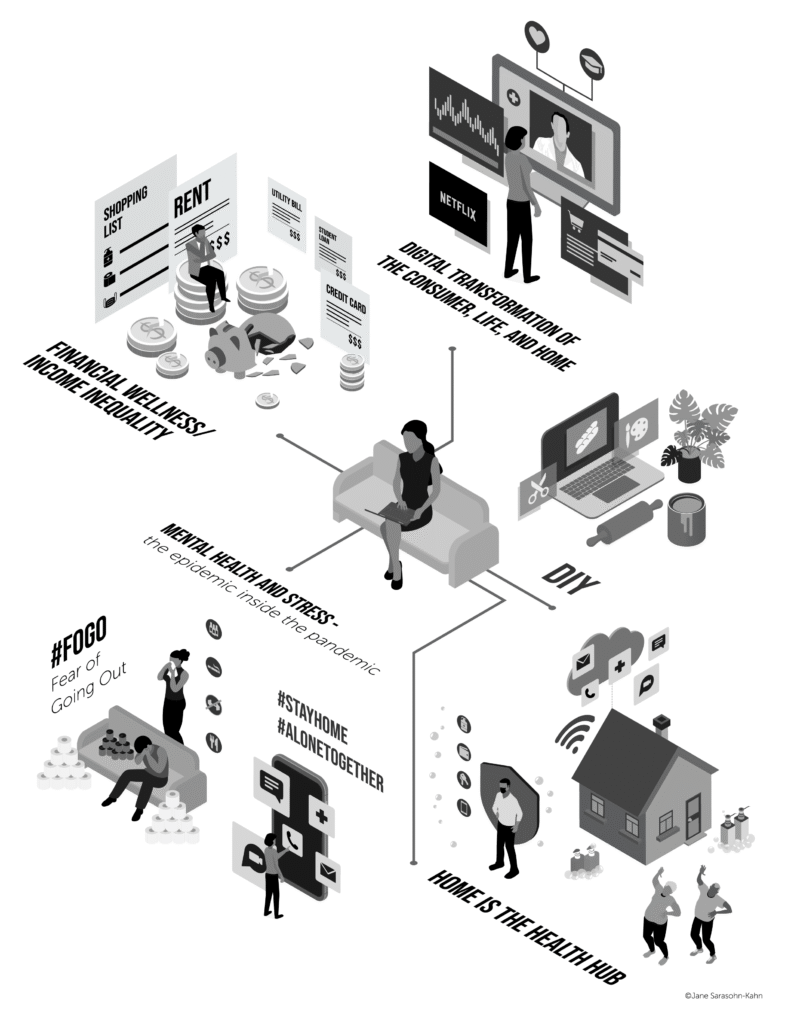
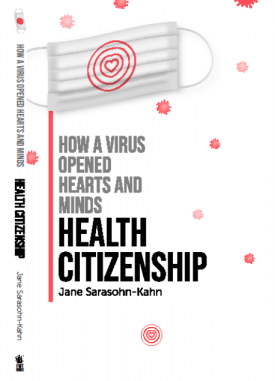
This graphic comes from my book, Health Citizenship: How a Virus Opened Hearts and Minds, written in the midst of the pandemic based on consumers’ newly adopted behaviors during the #workfromhome and #stayhome epoch. We experienced the digital transformation of people through life and home-based work and education, a growing sense of DIY for things we could do for ourselves, receiving health care at home via telehealth and virtual care channels, and growing stressors for mental, social, and financial health.
As our homes became our safe havens for health and wellbeing, a particular life-flow took precedence: hygiene. From cleaning off groceries (picked up in store or delivered), washing hands, and keeping the home laundry running, cleanliness was, if not next to godliness, pretty close.
A new report from Clorox examines the phenomenon of the growing role of hygiene for holistic health and home-keeping, titled Home Care Redefined.
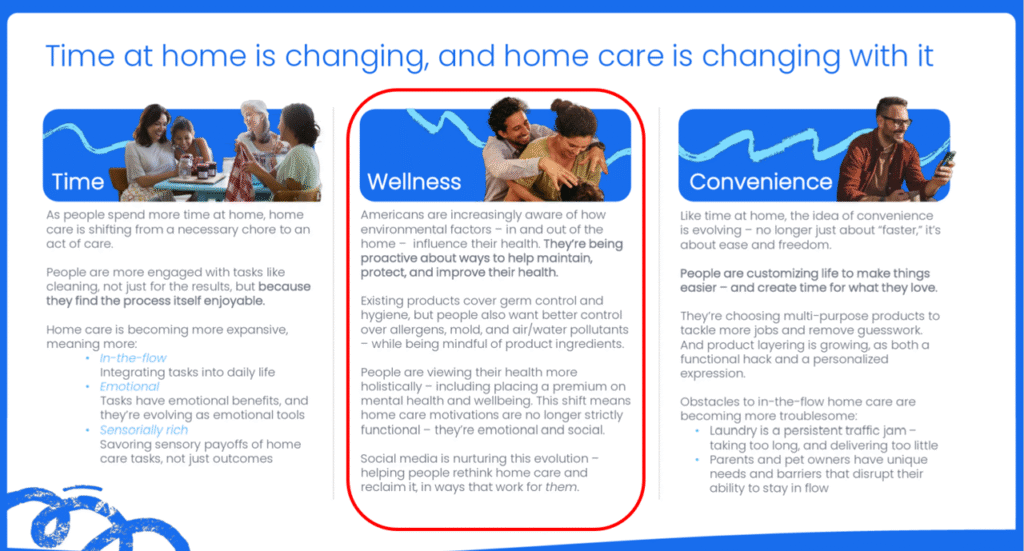
Topline: “The role of home in personal wellbeing is expanding and elevating in importance,” the Clorox and collaborating firm Human8 make the case.
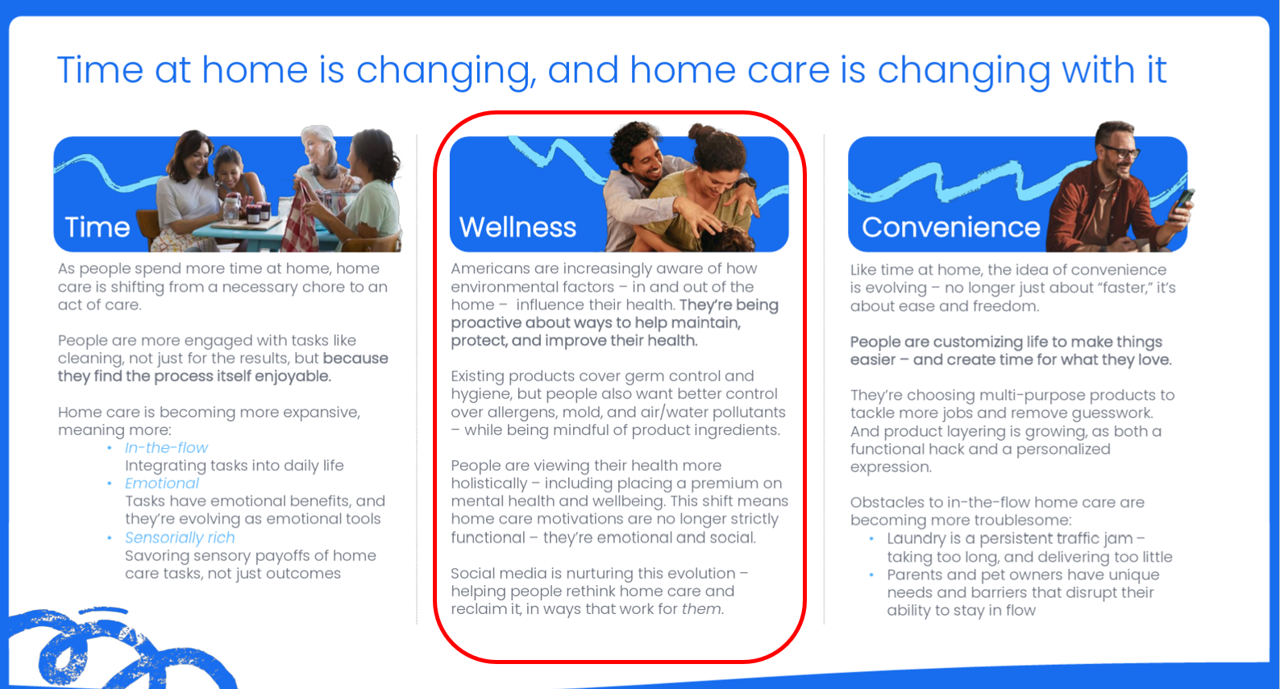
This first chart clipped from the report sets out how people are spending time at home, with wellness and convenience featuring top priorities for consumers — who are, we read in the Wellness pillar, are “being proactive about ways to help maintain, protect, and improve their health.”
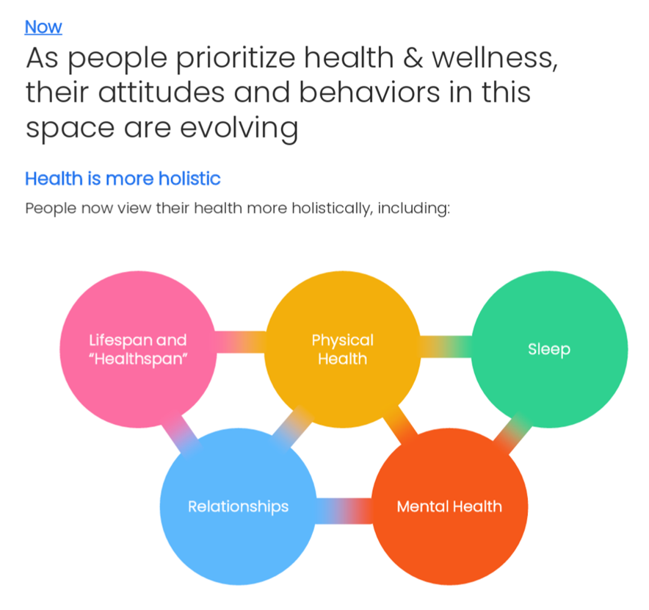
Consumers as health-focused citizens define health broadly, holistically considering lifespan and healthspan, physical health, sleep, relationships (that is, social health), and mental health in the Clorox model redefining home care.
In my view of the health/care ecosystem and health citizenship, we can also add in financial health in the mix, as kitchen-table discussions on home budgeting now call into discussion and priorities health and medical spending in a context of housing and mortgage expenses, utilities and energy, food and nutrition, transportation, education, and other family budget line-items
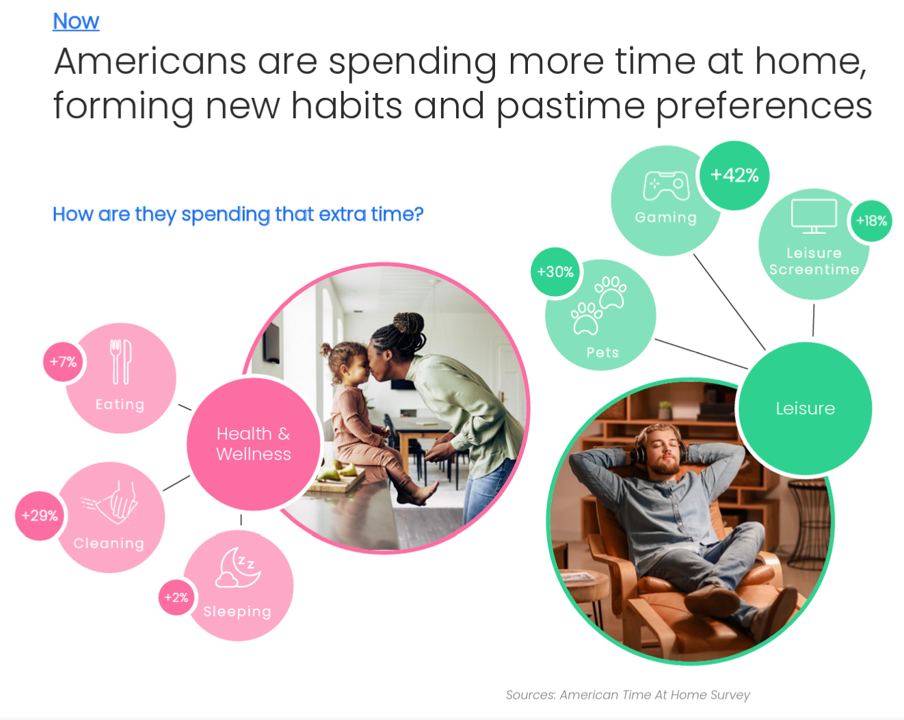
Consumers have a surplus of time at home as a benefit of less commuting time and more work-from-home time, studies have shown. So how are people spending extra time? Many people are allocating more time and money to health and wellness– here, first cleaning as part of that life-flow, along with more time devoted to eating (and cooking) and a bit more to sleeping (a fast-growing health consumer priority across generations and genders).
The double-digit growth in cleaning and home hygiene has more to do with the direct cleaning outcome– clearly a priority — but also with emotional benefits “amplified through delightful, sensory experiences,” Clorox and team assert. An important aspect of this for well-being is that this “side effect” benefit can positively impact people across the income spectrum. The report smartly calls out the “influence of the K-shaped economy,” that is differential economic growth between more affluent versus less affluent consumers. People with lower incomes can still benefit from consumer products purchased in their usual grocery and Big Box/discount stores that “elevate product experiences,” from the laundry room to the bathroom and kitchen sink area.
“Today, cleaning is self-care,” Clorox asserts” there are emotional triggers quantified in the consumer survey such as maintaining a pleasant enironmetn (for 66% of people), keeping a healthy environment (for 64% of people), and keeping homes under control (52%). Emotional outcomes address people feeling a sense of accomplishment through cleaning, feeling refreshed, and a sense of satisfaction.
Note that pet-parents have an even deeper commitment to hygiene at home — with more time at home translating into more pets, the report found. These fur families’ product priorities include fast odor control, continuous order control, minimal dust, and minimal tracking.
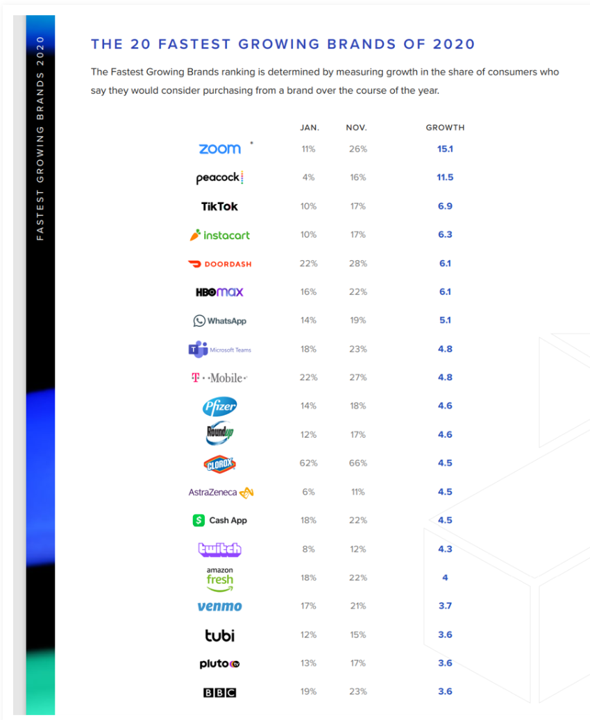
Some historical context is interesting here: I wrote about the fastest-growing brands of 2020 at the height of the COVID-19 pandemic, where Morning Consult polled American consumers on brand equity and purchase intentions that year.
My blog discussing these brands divined the health-and-wellness-and-safety ethos that consumers felt in the wake of the coronavirus — with uncertainties about how the virus was contracted and the certainties of living and working from home for peoples’ foreseeable futures.
Note that Clorox ranked 12th fastest-growing — very impressive for a legacy brand. In 2020, Zoom ranked top as people working from home adopted the platform for virtual meetings and some for family connections). Also notable: Pfizer and AstraZeneca in the top 20 both of which was getting vaccines to the market as quickly as possible. 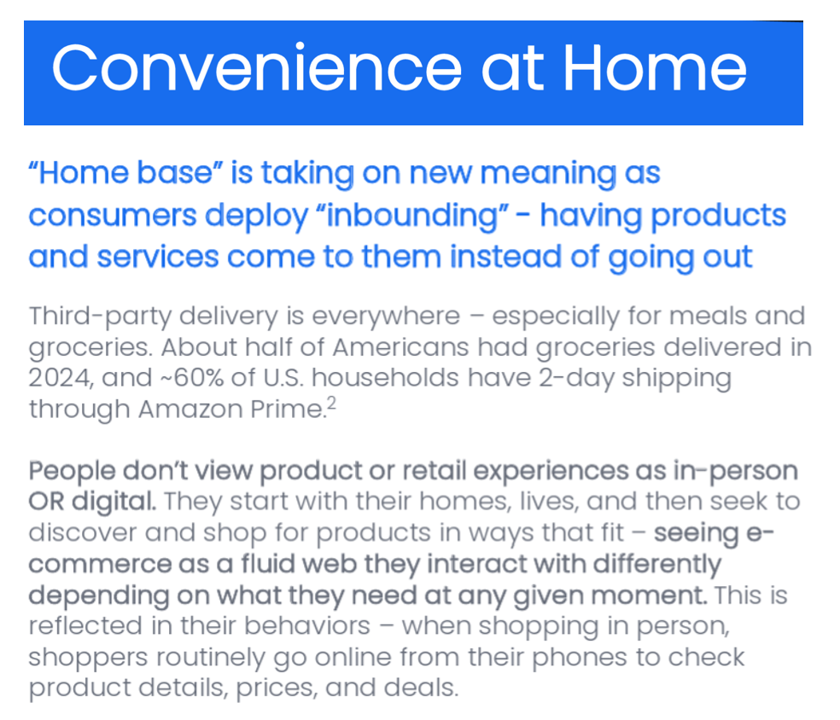
Health Populi’s Hot Points: “Beyond clean surfaces,” Clorox recognizes, “people are gaining a broader awareness of how their home environment impacts their health.” This includes growing attention to air quality at home (again, inspired during COVID-19 concerns), allergens and mold/mildew concerns, and awareness of water quality and supply.
Convenience is another key pillar among health consumers, explained in detail in the report. “The ‘home base’ is taking on new meaning as consumers deploy ‘inbounding,'” with products and services coming to peoples’ doorsteps. This reflects consumers’ demand for omni-channel services delivered across platforms which is impacting every aspect of peoples’ daily lives — indeed for retail, but also for healthcare. Consider…
- LillyDirect’s easy on-ramp to GLP-1s in direct-to-patient pharma mode
- Home-based testing for many conditions via Everlywell for a broad range of clinical labs along with LabCorp and Quest, growing their direct-to-consumer channel, and Cologuard for non-invasive colon cancer testing (the company founder Exact Sciences acquired by Abbott last year), and,
- Wearable tech devices like the fast-growing adoption of the Oura ring and its growing wearables-and-services ecosystem.
The new home care, redefined, supports health consumers in self-care as the home is morphing into a medical home for many families, from hygiene to prevention to hospital-to-home innovations.
 I'm grateful to be part of the Duke Corporate Education faculty, sharing perspectives on the future of health care with health and life science companies. Once again, I'll be brainstorming the future of health care with a cohort of executives working in a global pharmaceutical company.