


Obesity is a Public Health Epidemic in the U.S. — The Case for GLP-1 Coverage, Affordability and Equity
“If the U.S. were sensible, weight management would be treated as a public health issue,” David Cutler writes in the JAMA Health Forum dated August 15, 2024. Dr. Cutler, distinguished economics professor at Harvard, talks about “the pathology of U.S. health care” citing the example of weight loss medications — in short, the uptake of GLP-1 drugs to address Type 2 diabetes first, and subsequently obesity. Dr. Cutler notes that the price of these drugs in the U.S. “far exceeds” that of other countries: specifically, 9 times that of the prices in Germany and the Netherlands
Consumers Demand Foods That Are Healthy AND Delicious – and Some Health Equity Implications
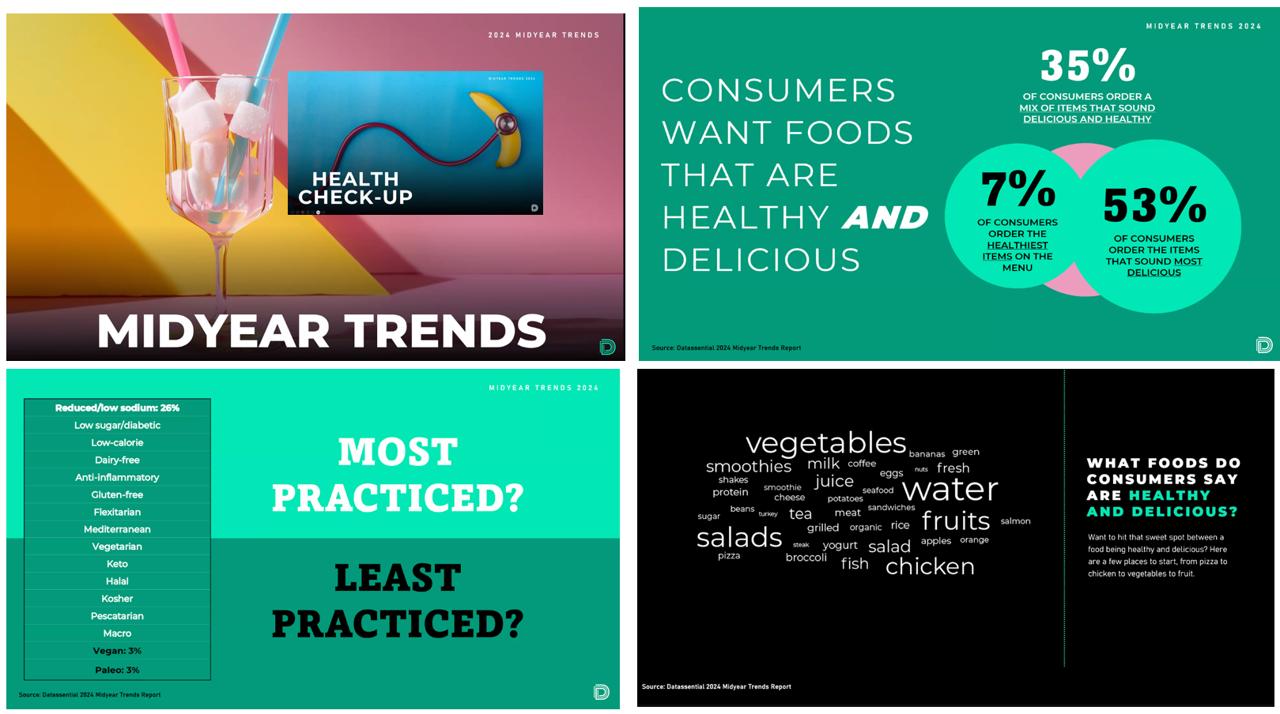
The most common food-eating styles practiced by U.S. consumers are low sugar/diabetic diets, low-calorie, dairy-free, anti-inflammatory, and gluten-free, ccording to the Midyear Trends update from Datassential. In their update on the food trends entering the second half of 2024, Datassential offered several insights on consumers and food-as-medicine in a section called the Health Check-Up. These trends are shaping consumers’ food demands in both their grocery shopping preferences (for food consumed in the home) as well as their eating-out ordering strategies — where 35% of consumers want to see menu offerings with foods that are
The Cost of GLP-1 Drugs on Payers’ Minds as Nearly 1/3rd of U.S. Consumers Could Become Users
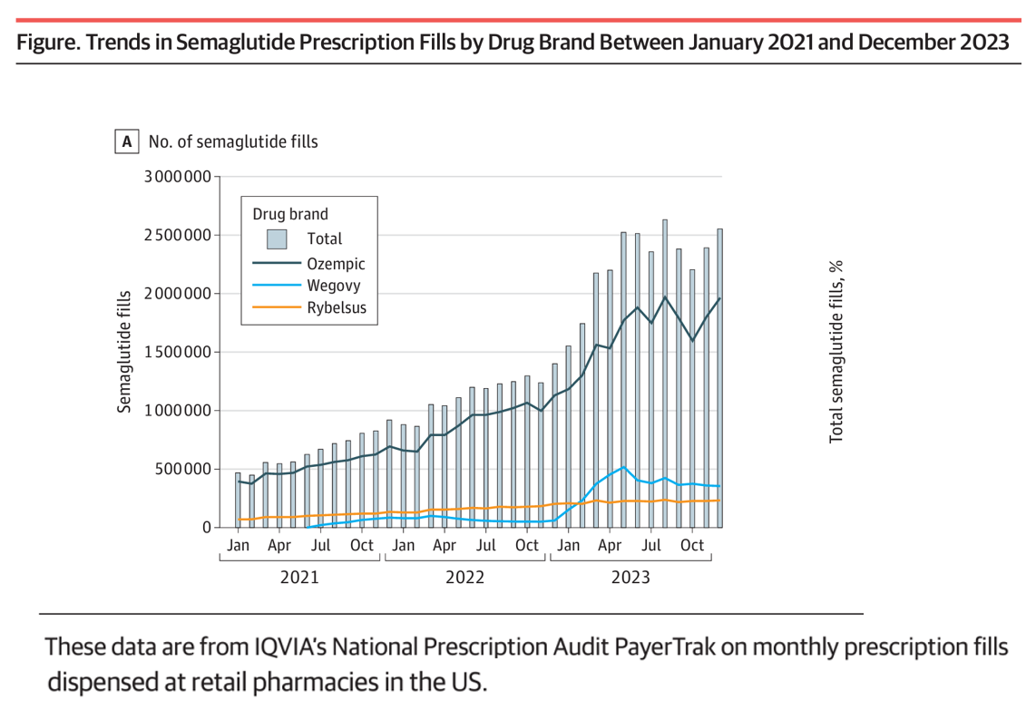
With 70 different clinical trials for GLP-1 drugs in process with the FDA, payers — and other stakeholders in the health care ecosystem — have the semaglutide-SENSE top of mind, based on my ongoing updating of this fast-moving market space. For overall market context on pace-of-growth in adoption, check out this chart from a JAMA Health Forum research letter on Prescription Fills for Semaglutide Products by Payment Method, published August 2nd. The study was based on the IQVIA National Prescription Audit PayerTrak data which captures 92% of Rx’s filled at retail pharmacies in
Most Americans Follow an Eating Pattern in Search of Energy, Protein, and Well-Being – With Growing Financial Stress: A Food as Medicine Update
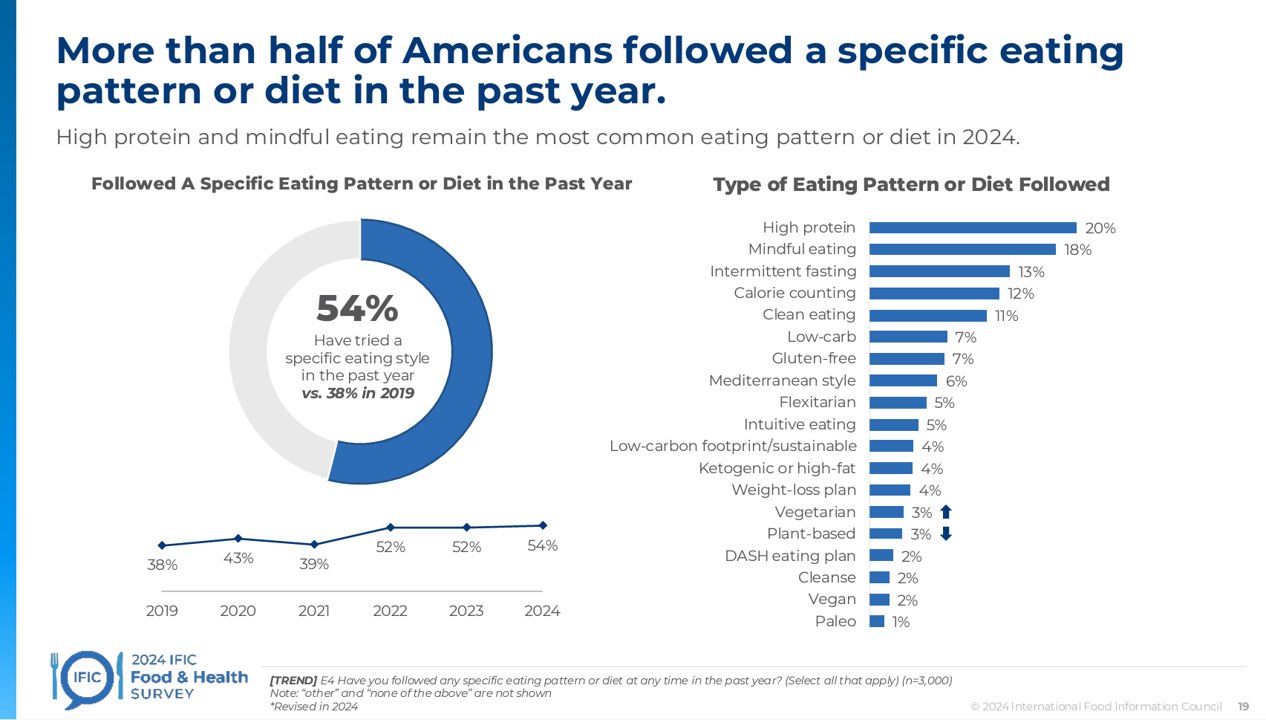
Most Americans follow some kind of eating regime, seeking energy, more protein, and healthy aging, according to the annual 2024 Food & Health Survey published this week by the International Food Information Council (IFIC). But a person’s household finances play a direct role in their ability to balance healthful food purchases and healthy eating, IFIC learned. In this 19th annual fielding of this research, IFIC explored 3,000 U.S. consumers’ perspectives on diet and nutrition, trusted sources for food information, and new insights into peoples’ views on the GLP-1 weight-loss drugs and the growing sense
Grocers, Food Retailers and Retail Pharmacies Prioritizing Wellness and Health in 2024
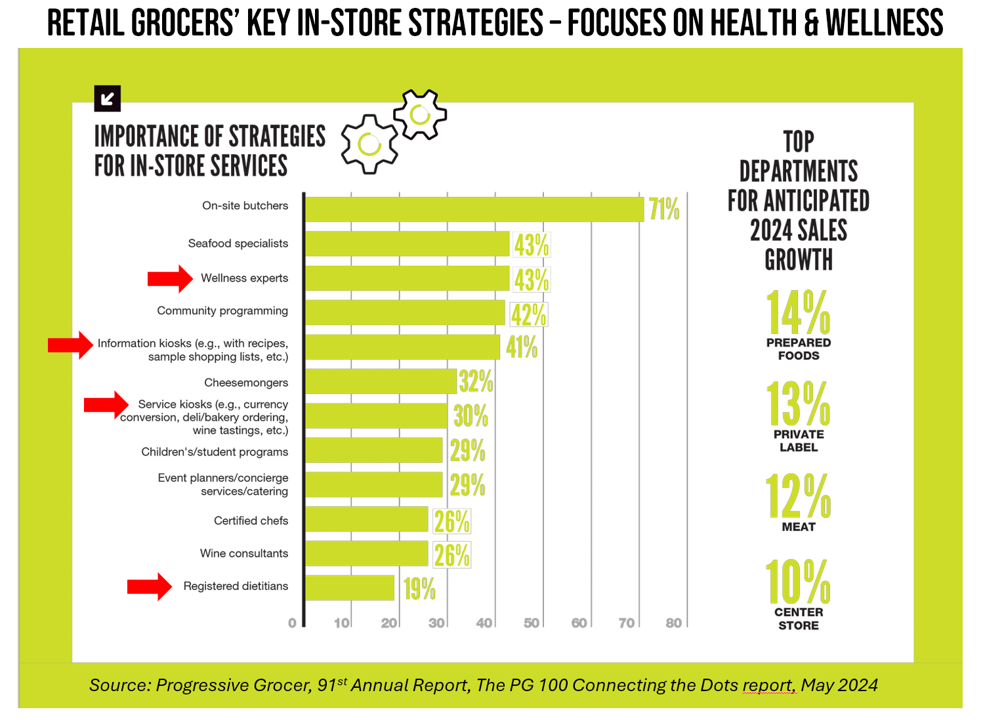
Thanks to Progressive Grocer’s 91st annual report and research therein, we have fresh insights into where wellness and nutrition fit into food retailers’ — and pharmacies’ and Big Box stores’ — strategies. That priority ranks high in grocers’ plans for in-store services in 2024 and beyond. Far above all other strategies for food retailers’ in-store services, we see that on-site butchers rank high — among 3 in 4 retailers. Why this might be the case: cost- and value-focused consumers often have questions about how to cook different (lower-priced) costs of meat, or desire
GLP-1s’ direct and indirect impacts on health care and consumer goods – Jane speaks with Bloomberg BNN
Today, I spoke live with Paul Bagnell, news anchor with Bloomberg BNN, on the topic of the GLP-1 agonists and their impact on health care, industries beyond health and medicine, and consumers. In this post, I’ll share with you some of the plotline for our discussion. Gallup polled U.S. adults in March to gauge their experience with injectable weight loss drugs, the results published earlier this week. The first chart tells us that 6% of people have used these drugs, and 3% were doing so in March. Consumers using the meds were more
Telehealth Legislation Passes Ways & Means, As GLP-1s Are Fast-Meshing with Telemedicine in the Marketplace
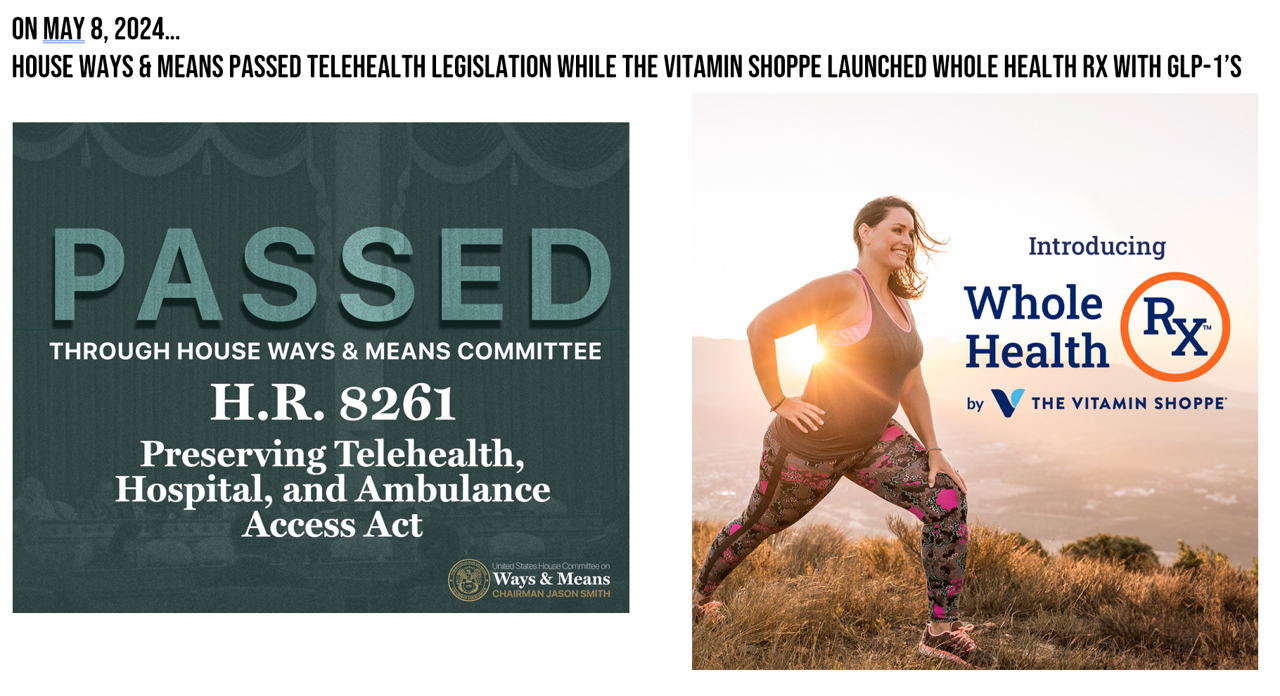
Yesterday, the U.S. House Committee on Ways and Means passed six pieces of legislation that would bolster telehealth in the U.S. for the next two years, assuring several aspects of access for health citizens across the country. “One of our top priorities on this Committee is helping every American access health care in the community where they live, work, and raise a family,” Committee Chairman Jason Smith (R-Mo.) explained in his introductory statement. Being from Missouri, Chairman Smith is especially keen on the role virtual care and telehealth can play to expand access to the under-served in the U.S. “In rural
Leveraging Trust, Showing Humility: How Health Care Organizations Can Serve Consumers – A New Read from McKinsey
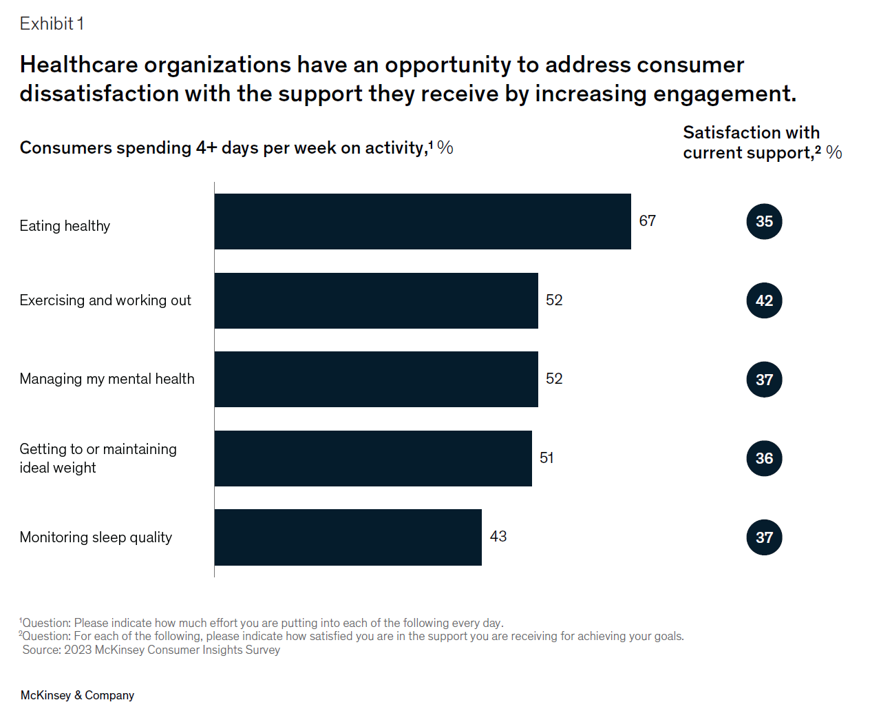
Three trends underpin health consumers’ evolving demands for service: spending more but getting less satisfaction and innovation; trusting health care with data but underwhelmed by the use of that personal information; and, growing “shopping” behavior seeking quality, availability, proximity, cost, and options across channels for health care. That’s the current read from McKinsey & Company’s team noting that Consumers rule: Driving healthcare growth with a consumer-led strategy. In this health consumer update, McKinsey spoke with three consumer marketing experts from other industries to learn best practices on how best to “be there”
Considering Equity and Consumer Impacts of GLP-1 Drugs – A UBS Economist Weighs In
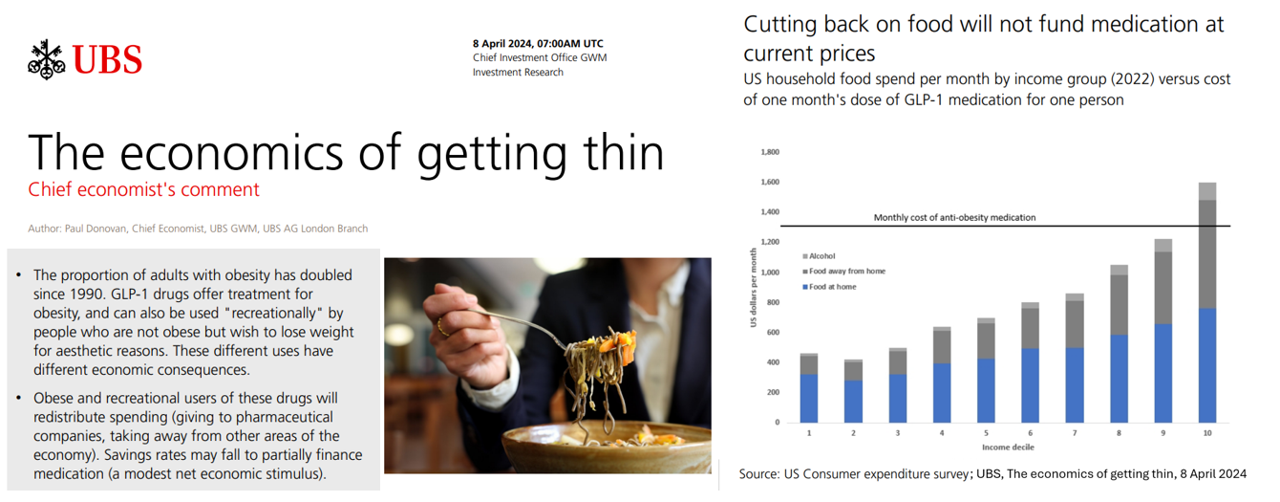
Since the introduction of GLP-1 drugs on the market, their use has split into two categories: for obesity and “recreationally,” according to the Chief Economist with UBS (formerly known as Union Bank of Switzerland). Paul Donovan, said economist, discusses The economics of getting thin in his regularly published comment blog. “These different uses have different economic consequences,” Donovan explains: Obese patients who use GLP-1s should become more productive employees, Donovan expects — less subject to prejudice, and less likely to be absent from work. While so-called recreational GLP-1 consumers may experience these
The Self-Prescribing Consumer: DIY Comes to Prescriptions via GLP-1s, the OPill, and Dexcom’s CGM
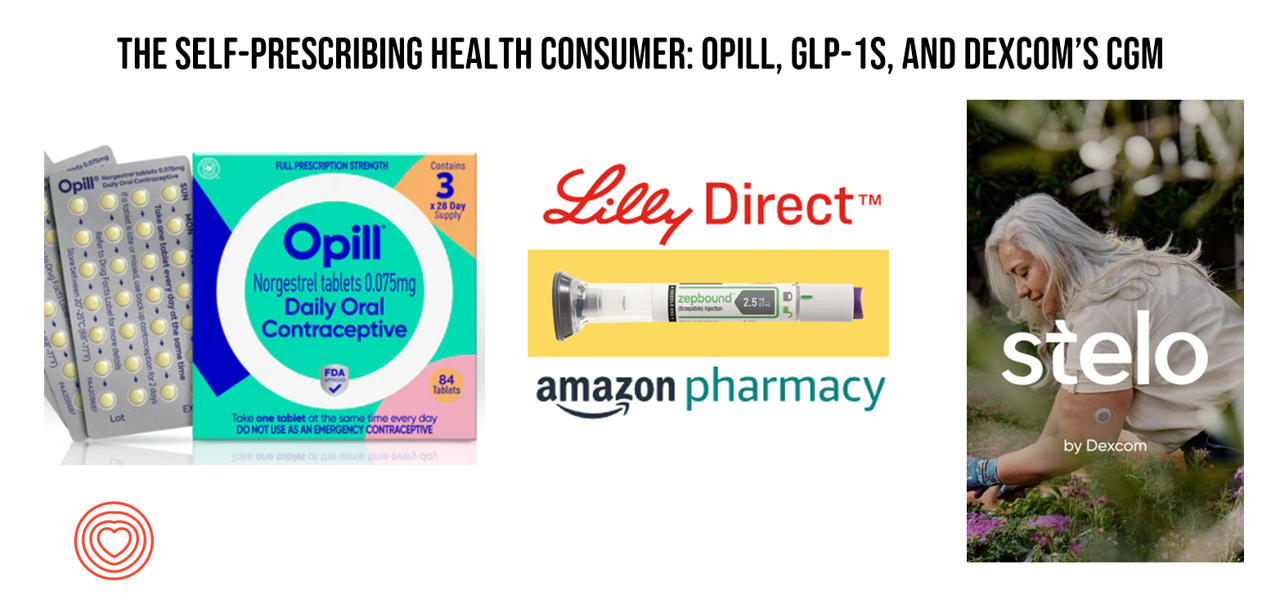
Three major milestones marked March 2024 which compel us to note the growing role of patients-as-consumers — especially for self-prescribing medicines and medical devices. This wave of self-prescribed healthcare is characterized by three innovations: the Opill, GLP-1 receptor agonists, and Dexcom’s Continuous Glucose Monitoring (CGM) system that’s now available without a prescription. Together, these products reflect a shift in health care empowerment toward patients as consumers with greater autonomy over their health care when the products and services are accessible, affordable, and designed with the end-user central to the value proposition and care flows. Let’s take a look at each
Celebrating World Sleep Day 2024 – Sleep Equity for Global Health
On the long list of things people can do to bolster their well-being, sleep ranks third after eating well and being physically active. We are calling out sleep as a key ingredient for health today, World Sleep Day 2024. Yes, it’s a real thing, and this year speaks to the theme of Sleep Equity for Global Health. The data point here comes from Datassential‘s latest consumer survey conducted across all adult age groups in the U.S. This information was shared with us yesterday during the company’s session covering Health and the Food & Beverage
The Wellness Market Shaped by Health at Home, Wearable Tech, and Clinical Evidence – Thinking McKinsey and Target
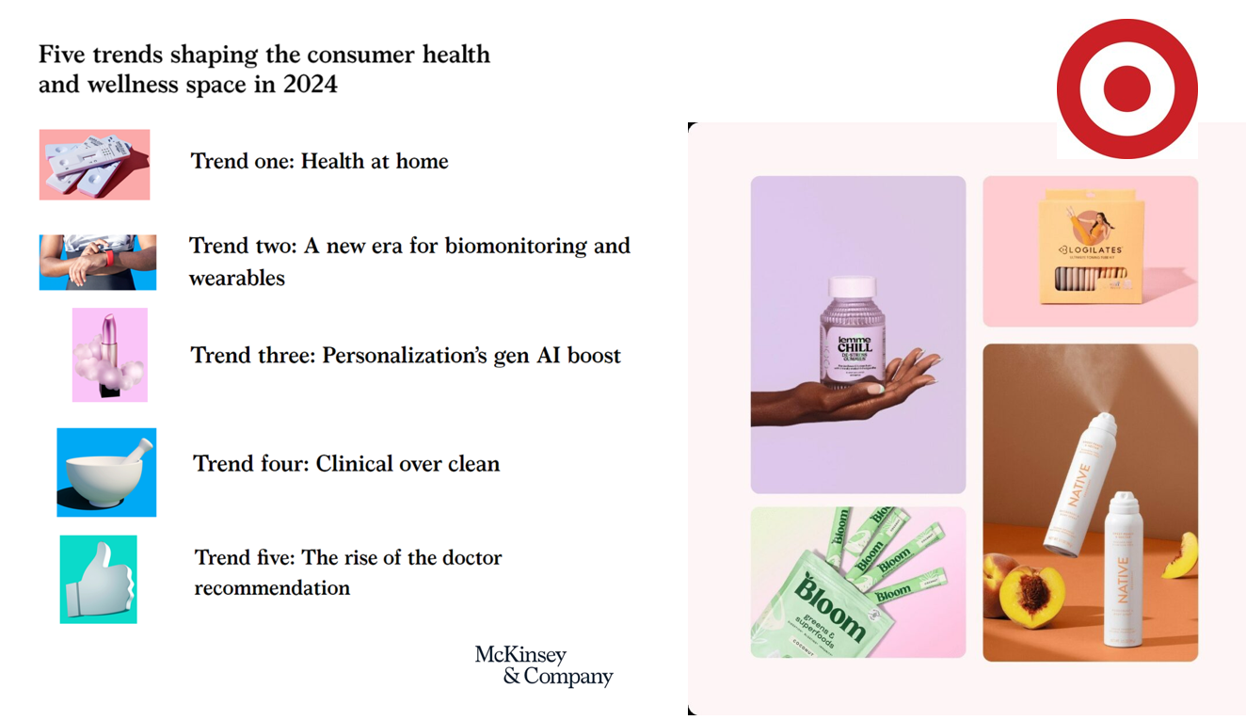
Target announced that the retail chain would grow its aisles of wellness-oriented products by at least 1,000 SKUs. The products will span the store’s large footprint, going beyond health and beauty reaching into fashion, food, home hygiene and fitness. The title of the company’s press release about the program also included the fact that many of the products would be priced as low as $1.99. So financial wellness is also baked into the Target strategy. Globally, the wellness market is valued at a whopping $1.8 trillion according to a report published last week by McKinsey. McKinsey points to five trends
What to Expect For Health/Care at CES 2024
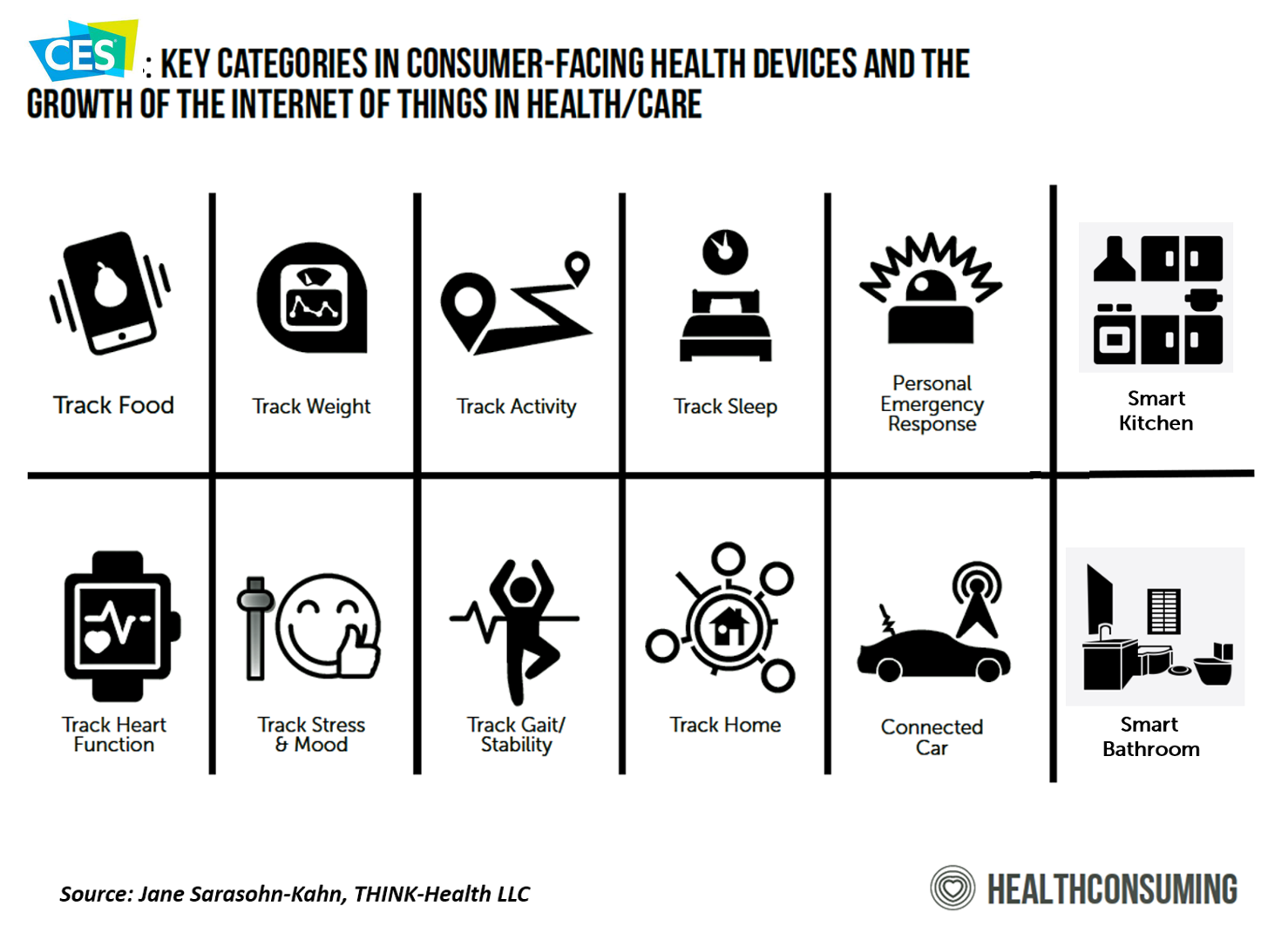
Not known for its salubrious qualities, Las Vegas will nonetheless be a locus for health, medical care, and well-being inspiration next week when the Consumer Technology Association convenes the annual CES featuring innovations in consumer technology. Ten years ago here in Health Populi, I wrote about New Year’s Resolutions for Health and the 2013 Consumer Electronics Show. Then, one-third of consumers were keen to buy health tracking technology but most of those people were healthy, CTA’s research found. I talked about the “battle of the (wrist)bands” witnessed at CES 2013, and spotted the
The Health Consumer in 2024 – The Health Populi TrendCast
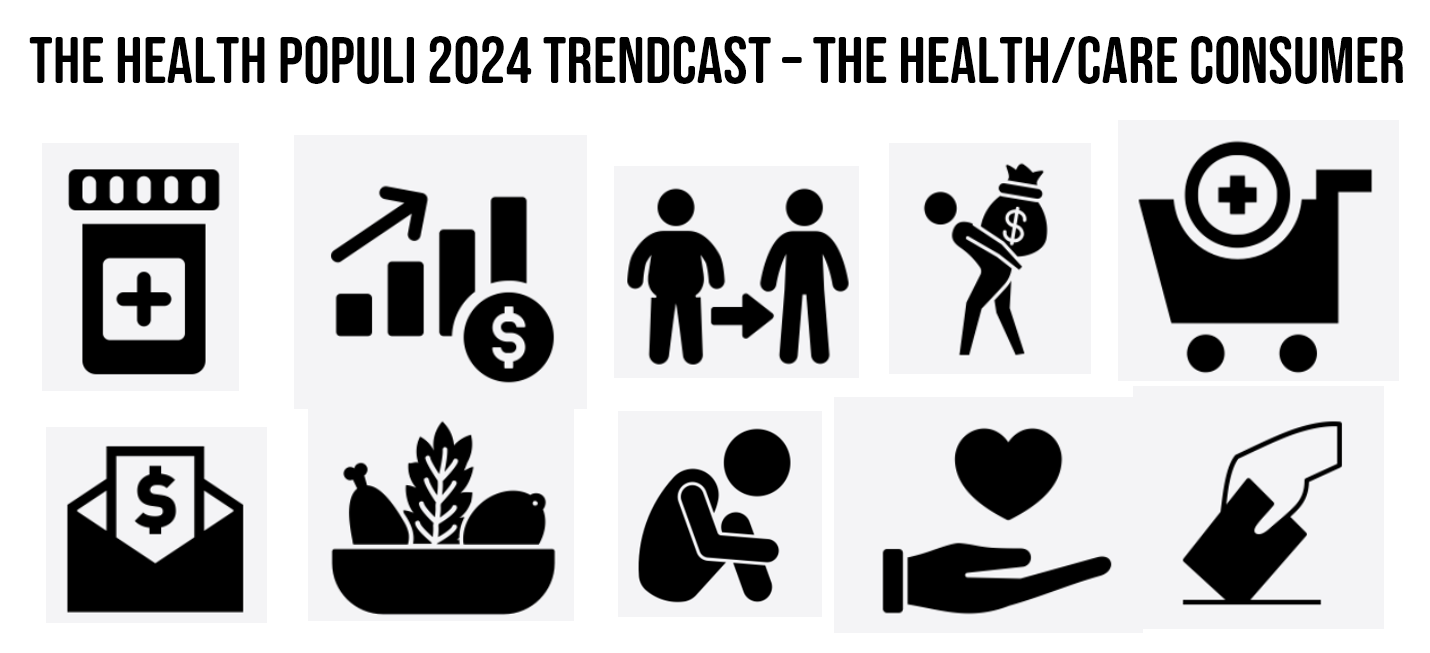
At the end of each year since I launched the Health Populi blog, I have put my best forecasting hat on to focus on the next year in health and health care. For this round, I’m firmly focused on the key noun in health care, which is the patient – as consumer, as Chief Health Officer of the family, as caregiver, as health citizen. As my brain does when mashing up dozens of data points for a “trendcast” such as this, I’ll start with big picture/macro on the economy to the microeconomics of health care in the family and household,
What Walmart’s Look at Ozempic Users Tells Us About Health/Care Consumers
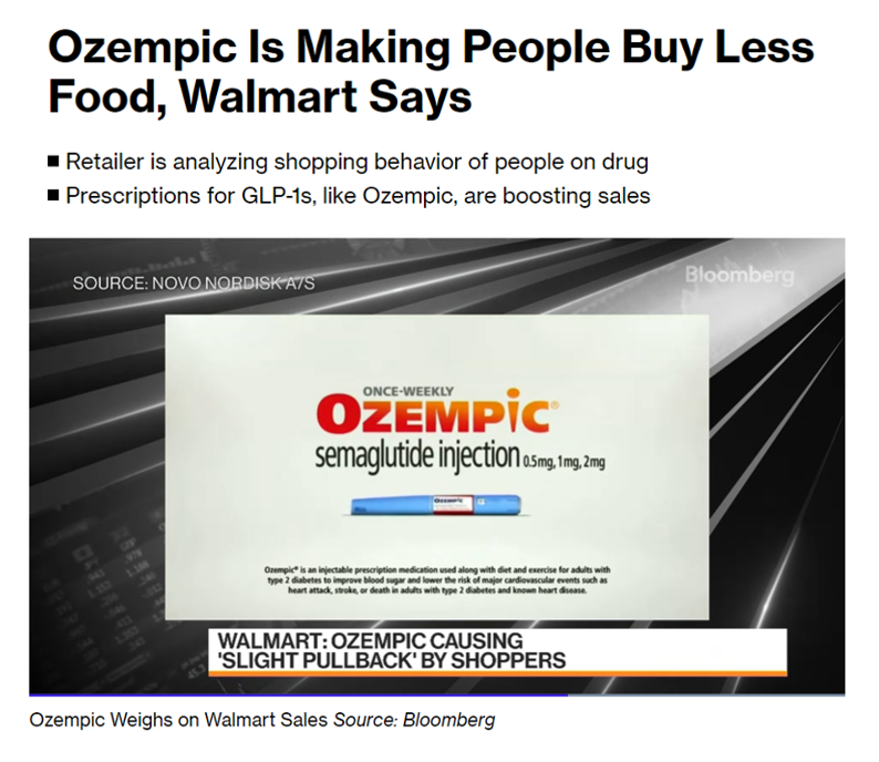
“We definitely do see a slight change compared to the total population, we do see a slight pullback in overall basket,” the CEO of Walmart US is quoted in Bloomberg. “Just less units, slightly less calories.” With patients’ use GLP-1 drugs such as Ozempic, Wegovy, and Mounjaro fast-rising in the pharmacy market, so are the concerns of companies that stock the-middle-of-the-grocery-store aisles for processed foods like sweet and salty snacks. As the prospects for the drug companies who manufacture prescription drugs made for patients managing diabetes and obesity are on the
To Avert a GLP-1 Cost Tsunami, Add Lifestyle Interventions: Learning from Virta Health
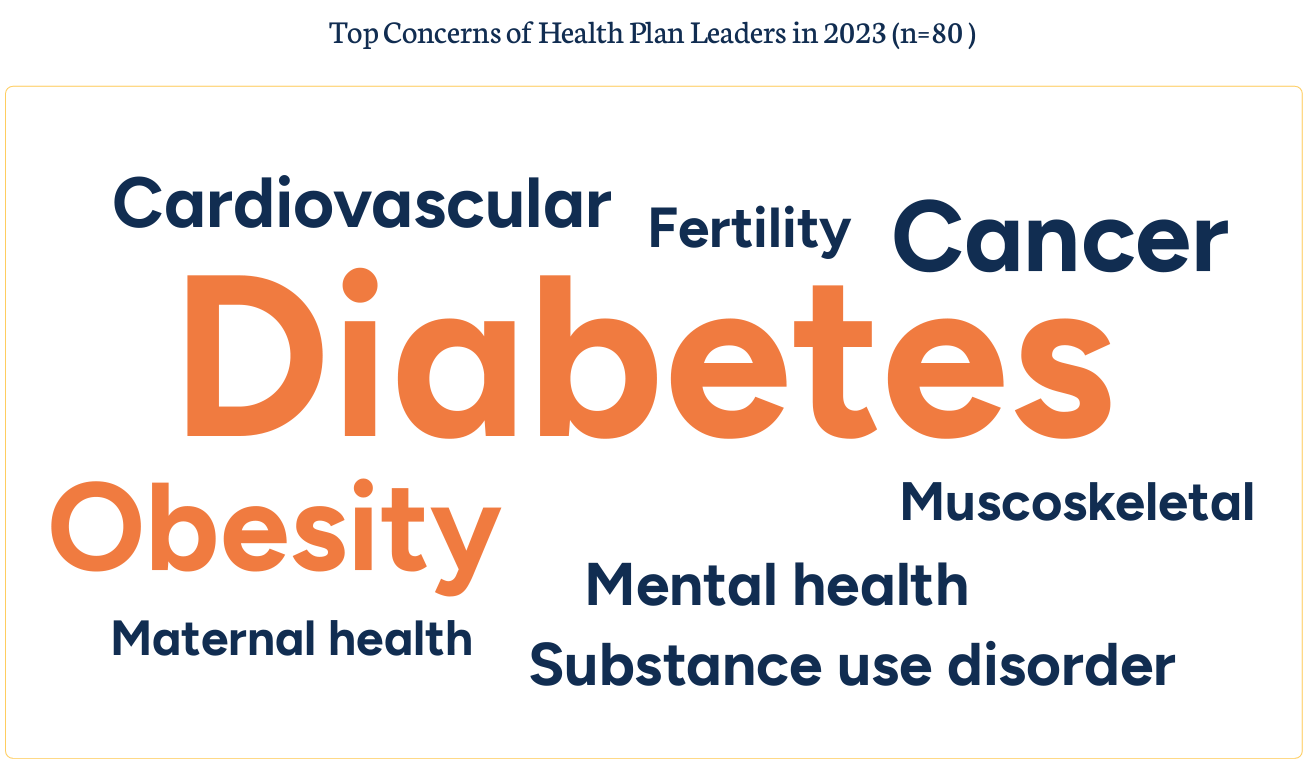
With consumer and prescriber interest in GLP-1 receptor agonist drugs “soaring,” health plan managers have a new source of financial stress and clinical questions on their to-do list. A team of Virta Health leaders held a webinar on 13th July 2023 to explain the results of a study the company just completed assessing health plan execs’ current views on Ozempic and other GLP-1 medicines with a view on both clinical outcomes and cost implications for this growing category of drugs that address diabetes and obesity. Indeed, diabetes and obesity are top health concerns among the
Our Mental and Emotional Health Are Interwoven With What We Eat and Drink – Chewing On the IFIC 2023 Food and Health Survey
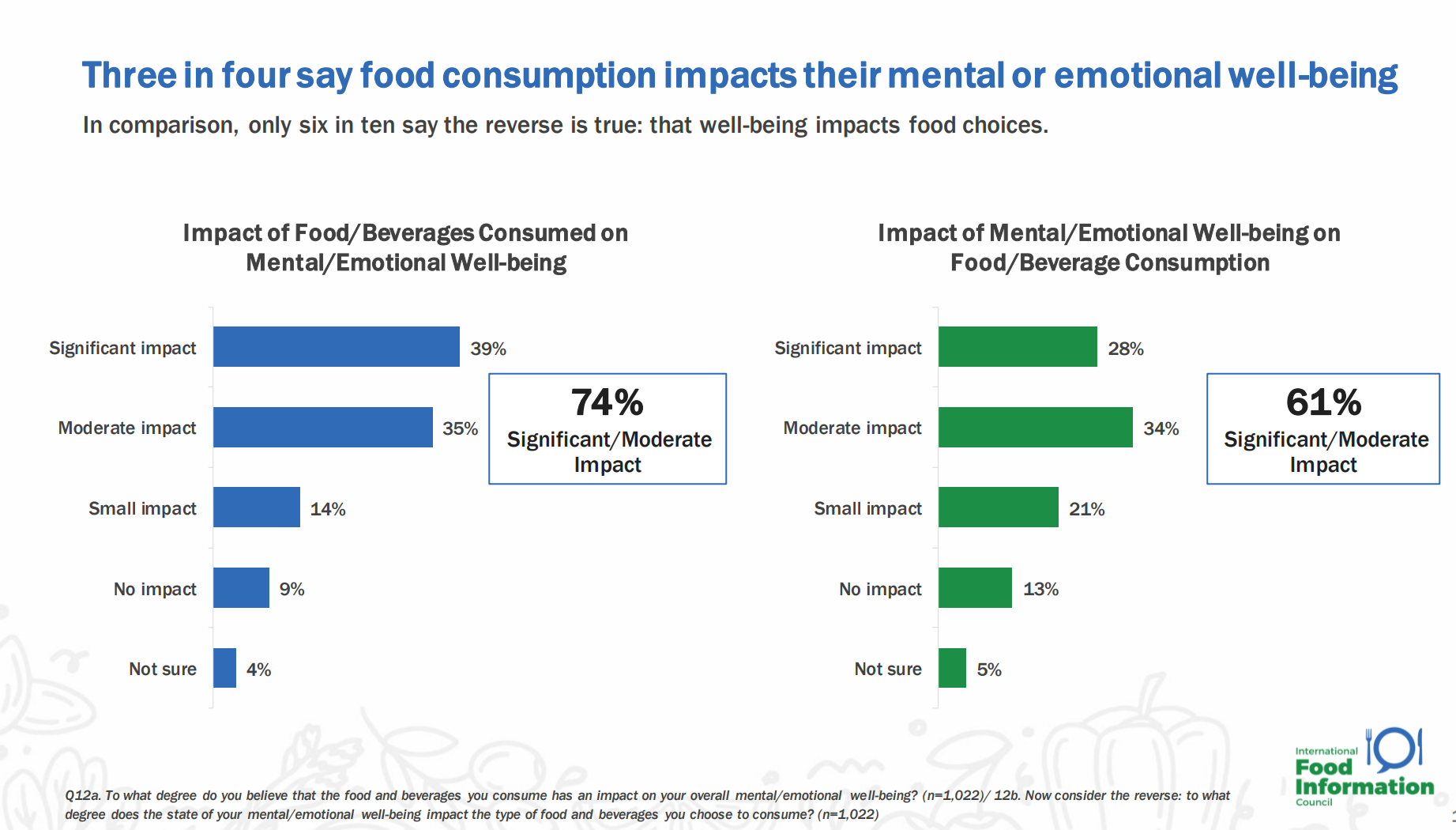
As most Americans confess to feeling stressed over the past six months, peoples’ food and beverage choices have been intimately connected with their mental and emotional well-being, we learn from the 2023 Food & Health Survey from the International Food Information Council (IFIC). For this year’s study, IFIC commissioned Greenwald Research to conduct 1,022 interviews with adults between 18 and 80 years of age in April 2023. The research explored consumers’ perspectives on healthy food, the cost of food, approaches to self-care through food consumption, the growing role of social media in the food system, and the influence of sustainability
Three More Signposts on the Road to Retail Health – Weight Loss Drugs, OTC Birth Control and Fashion-Meets-the-Flu
We continue to track to evolving, expanding landscape of retail health — which we see as the expanding ecosystem of health/care accessible to people-as-health consumers. This week, three intriguing examples are resonating with us: The ever-evolving weight-loss industry FDA favors OTC use for Perrigo’s Opill daily oral contraceptive birth control pill The convergence of fashion and health — specifically, how an over-the-counter medicine converges with clothing that helps us feel better. Let’s start with weight-loss, as several aspects of health/care come together in the consumer’s retail health sandbox. Dr. Eric Topol
Women’s Health on Her Own Terms – “She Knows” What She Needs
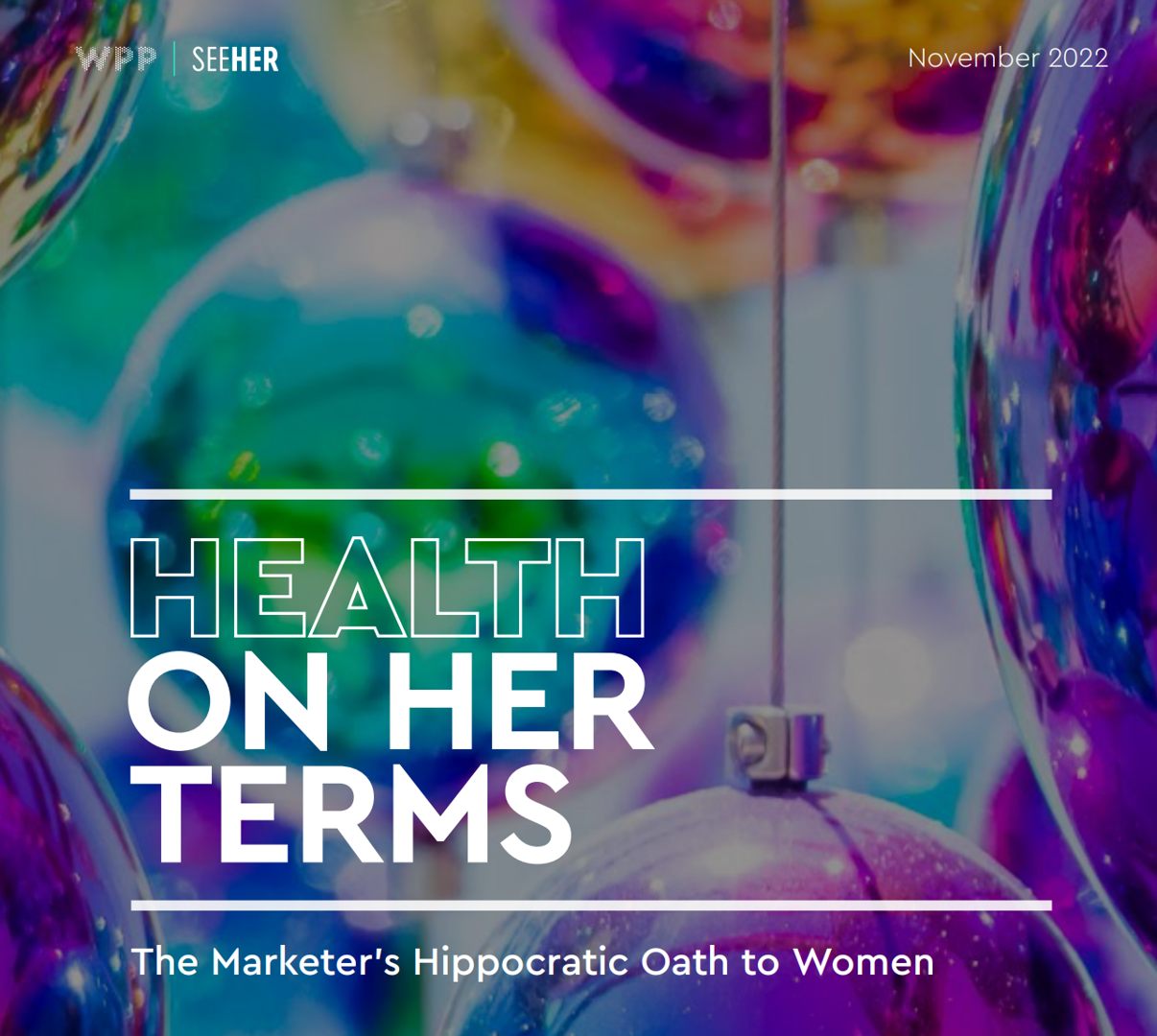
Despite some improvement in the representation of women by cinema, TV shows, and brands, distortions in media remain that are risks to women receiving appropriate health care. Breaking through taboos of weight, reproductive services, and mental health are the top 3 factors preventing women from getting proper care, according to Health On Her Terms, a research study from WPP and Ogilvy partnering with SeeHer, an organization of collaborations from media, technology, business, education, and other sectors (including over 7,000 brands) focused on the accurate portrayal of women and girls in society. Taglined as “The Marketer’s Hippocratic Oath to Women, the
People Using Health Apps and Wearable Tech Most Likely Track Exercise and Heart Rate, Sleep and Weight – But Cost Is Still A Barrier
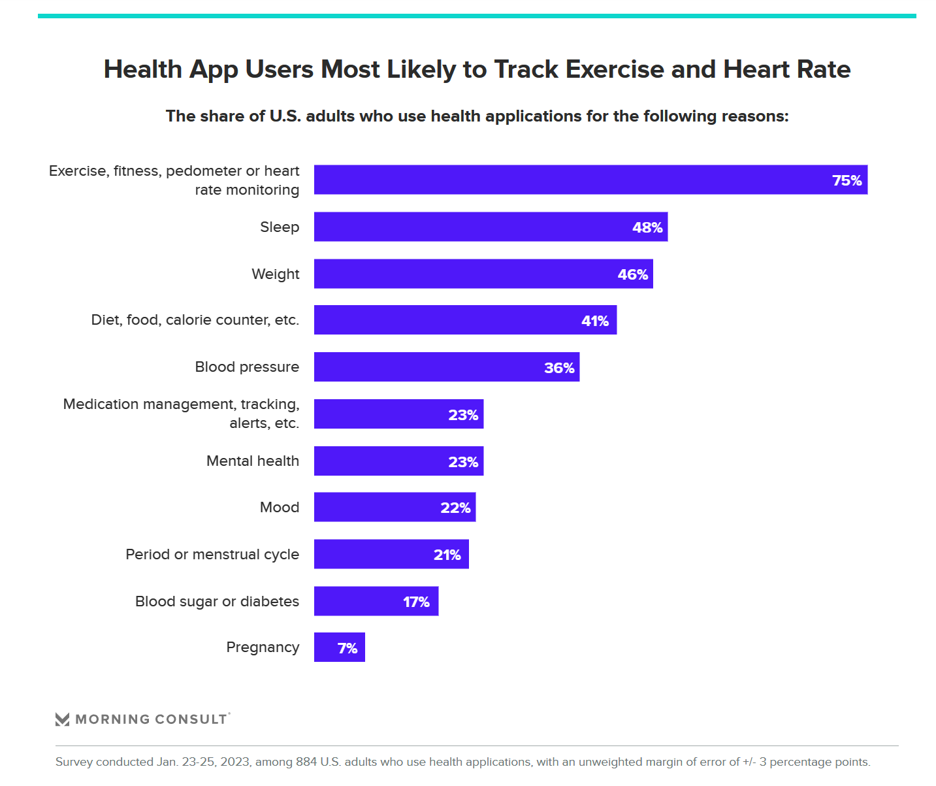
Over one in three U.S. consumers use a health app or wearable technology device to track some aspect of their health. “The public’s use of health apps and wearables has increased in recent years but digital health still has room to grow,” a new poll from Morning Consult asserts, published today. Among digital health tech users, most check into them at least once every day in the past month. One in four use these tech’s multiple times a day, the first pie chart illustrates. Eighteen percent of people use their digital
Wellness in 2023 Is About Connections, Mental Health and Science – Global Wellness Summit’s 2023 Trends

Consumers’ wellness life-flows and demands in 2023 will go well beyond exercise resolutions, eating more greens, and intermittent fasting as a foodstyle. It’s time for us to get the annual update on health consumers from the multi-faceted team who curated the Global Wellness Summit’s annual report on The Future of Wellness 2023 Trends. In this year’s look into wellness for the next few years, we see that health-oriented consumers are seeking solutions for dealing with loneliness and mental health, weight and hydration, travel-as-medicine as health destinations, and — not surprisingly —
Consumers’ and the White House’s Growing Focus on Food and Nutrition
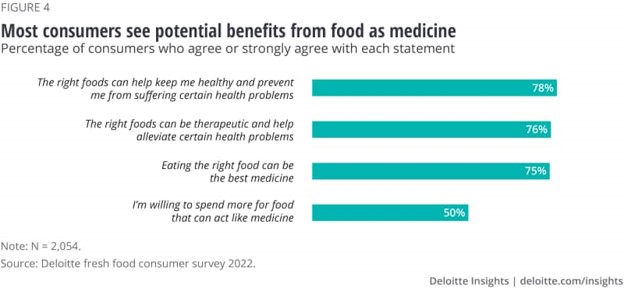
Today, the White House is convening a Conference on Hunger, Nutrition and Health. So it’s a propitious time to weave together some of the latest research and insights into food-as-medicine and a key determinant of health and well-being. This is the first White House conference focused on nutrition and food in over 50 years. The National Strategy was released today, and covers a range of programs that bake health and nutrition into Federal policies going beyond “food” itself: we see various determinants of health embedded into the Strategy, such as supporting physical activity,
Can a Food-As-Medicine App Extend Chronic Health Management at the Grocery Store?

Foogal, a recipe app designed to support patients’ healthy cooking and eating, launched on 24th March. In its initial version, Foogal addresses several specific diet paradigms: for patients demanding a wellness protocol, an autoimmune protocol, or wanting to address insulin resistance. Foogal got my attention via a tweet @FoogalApp on 25th March. The snippet featured a photo of a delectable Salad Lyonnaise, one of my favorite things to eat, which adds a soft-cooked egg and bacon lardons to the greens for an easy light (and delicious!) meal. Foogal was developed by Todd Knobel, who has worked in law, in plastics,
Stress in America on the Pandemic’s 2nd Anniversary: Money, Inflation, and War Add to Consumers’ Anxiety

As we mark the second anniversary of the COVID-19 pandemic, the key themes facing health citizens deal with money, inflation, and war — “piled on a nation stuck in COVID-19 survival mode,” according to the latest poll on Stress in America from the American Psychological Association. Financial health is embedded in peoples’ overall sense of well-being and whole health. Many national economies entered the coronavirus pandemic in early 2020 already marked by income inequality. The public health crisis exacerbated that, especially among women who were harder hit financially in the past two years than men were. That situation was even worse
The Wellness Economy in 2022 Finds Health Consumers Moving from Feel-Good Luxury to Personal Survival Tactics
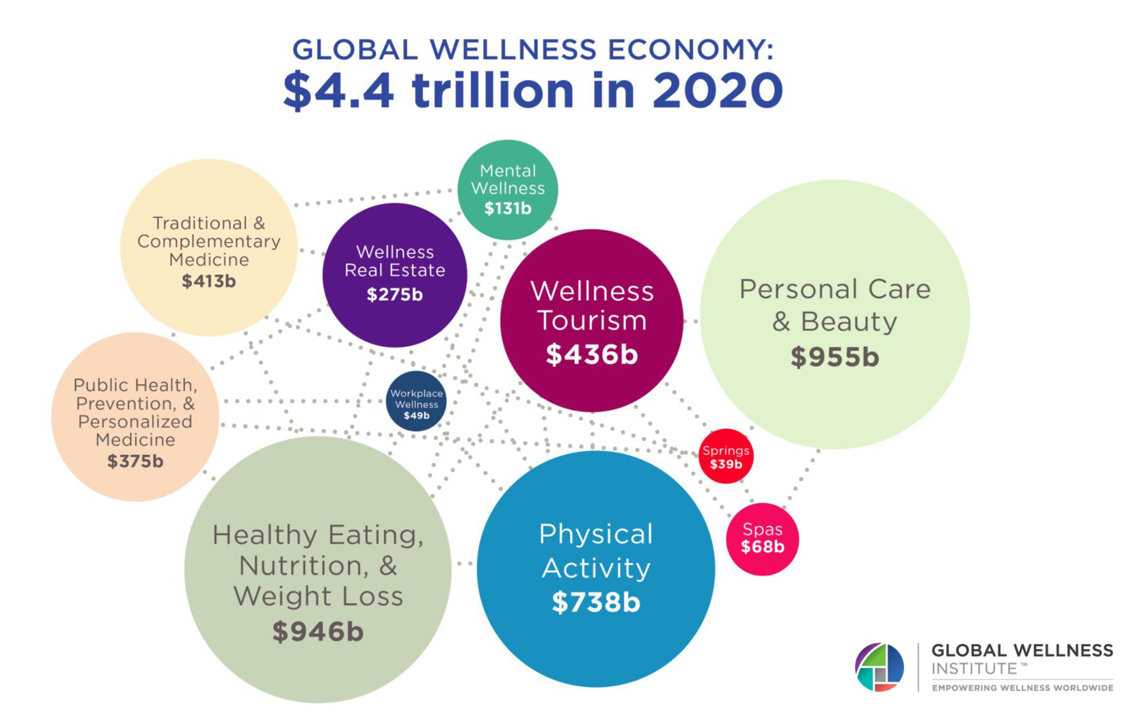
The Future of Wellness in 2022 is, “shifting from a ‘feel-good’ luxury to survivalism as people seek resilience,” based on the Global Wellness Institute’s forecast on this year’s look into self-care and consumer’s spending on health beyond medical care — looking beyond COVID-19. GWI published two research papers this week on The Future of Wellness and The Global Wellness Economy‘s country rankings as of February 2021. I welcomed the opportunity to spend time for a deep dive into the trends and findings with the GWI community yesterday exploring all of the data, listening through my health economics-consumer-technology lens. First, consider
Americans’ Views on Food Have Been Re-Shaped by the Pandemic: Think Security, Immunity, and Sustainability
As vaccinations jabbed into peoples’ arms in the U.S. continue to immunize health citizens from contracting the coronavirus, millions of folks are looking forward to getting back inside restaurants to enjoy meals out, as well as un-masking when grocery shopping. But people in the U.S. love their food both outside and inside the home: about one-half of people in the U.S. are continuing to cook at home more, according to the 2021 Food & Health Survey published today by the International Food Information Council (IFIC). This sixteenth annual report is a go-to for those of us in the health/care ecosystem who
Stress in America, One Year into the Pandemic – an APA Update on Parents, Healthcare Workers, and Black Americans
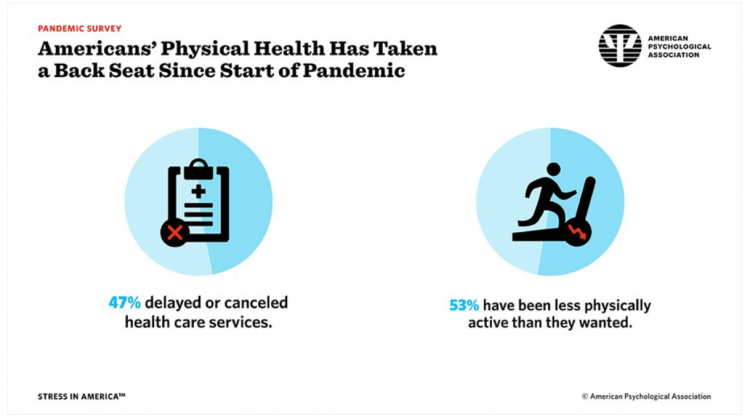
A Year into our collective coronavirus experience, Americans remain stressed, with physical health taking a back seat to our daily grinds based on the 2021 Stress in America survey from the American Psychological Association (APA). The APA has been updating us on U.S.-stress for several years, and more frequently since the start of the COVID-19 pandemic at the start of 2020. In their latest report, APA updates their previous profiles of Americans’ stress looking into different demographic groups and coping mechanisms. The topline, across all adults living in America, is that one-half have delayed or cancelled health care services. One-half has
Preparing for a Long-COVID Lifestyle in 2021 – A Health-At-Home Focus for CES 2021

In the U.S., the latest read on supply-and-demand for COVID-19 vaccines illustrates a gap between what had been promised for the first phase of vaccine rollout versus the reality of supply chain challenges, cold storage, and 50-state and local fragmentation at the last mile for U.S. health citizens. An op-ed published in yesterday’s Washington Post by Dr. Robert Wachter of UCSF and Dr. Ashish Jha of Brown University found these two wise physicians feeling “punched in the face” with the state of coronavirus vaccination in America. As a result, they soberly, pragmatically recommended administering just the first jab of vaccine
Healthy Thinking: Inside the Mind of the COVID-19 Consumer
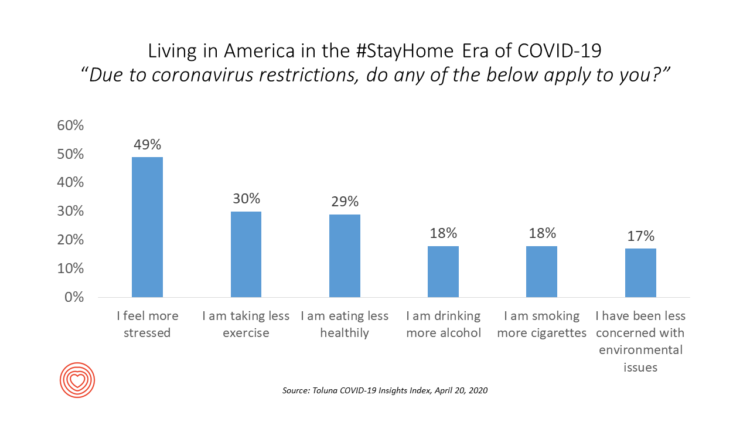
Stress is up, smoking increasing, drinking more alcohol….Americans are tapping into a variety of coping mechanisms in the coronavirus outbreak, with health on their collective minds. Toluna and Harris Interactive are collaborating on the COVID-19 Barometer, publishing biweekly data on consumers’ views on the coronavirus pandemic. The data here are a snapshot of consumers taken through the Toluna-Harris poll conducted among 1,047 U.S. adults between 9-20 April 2020. The first chart shows various life-flows Americans have adopted in April, all risk factors impacting peoples’ overall health status and mental well-being. There were demographic differences across these factors: more women felt
Consumers Seek Benefits From Food, a Personal Social Determinant of Health
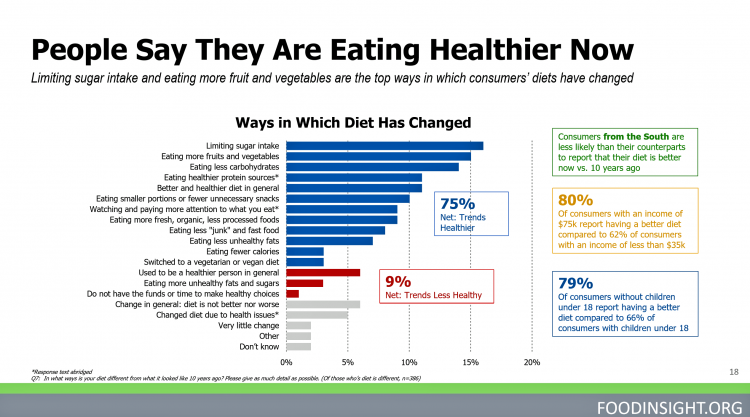
As consumers in the U.S. wrestle with accessing and paying for medical benefits, there’s another sort of health benefit people increasingly understand, embrace, and consume: food-as-medicine. More people are taking on the role of health consumers as they spend more out-of-pocket on medical care and insurance, and seeking food to bolster their health is part of this behavior change. One in four Americans seek health benefits from food, those who don’t still seek the opportunity to use food for weight loss goals, heart health and energy boosting, according to the 2019 Food & Health Survey from the International Food Information
Food As Medicine: Grocery Stores Expand as Health Destinations While the Federal Government Cuts Food Stamps
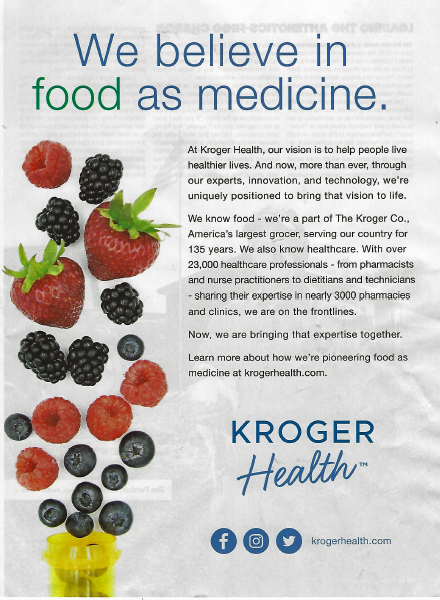
There’s something like cognitive dissonance as I prepare my 2020 Health Populi TrendCast of what to expect in the health/care ecosystem in the new year. One of my key pillars for health-making is food-as-medicine, and that opportunity in this moment resonates in this holiday season with Dickens’ “Best of Times, Worst of Times” context-setting that kicks off Great Expectations. In the “best of times” part of the food+health equation, we recognize the growing role of grocery stores, food-tech and food manufacturers in the health/care landscape. A current example comes from Kroger, partnering with Ascension’s health system in Tennessee, enhancing the organization’s
A Health Future with Lyft and Uber as Patient Data Stewards: Rock Health’s 2019 Consumer Survey
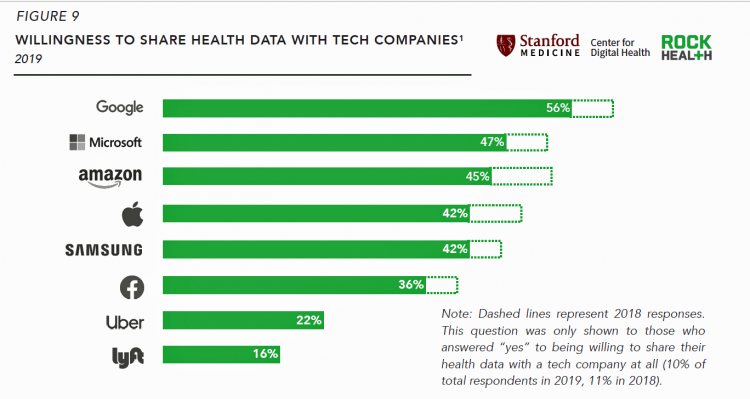
Patients searching online for health information and health care provider reviews is mainstream in 2019. Digital health tracking is now adopted by 4 in 10 U.S. consumers. Rock Health’s Digital Health Consumer Adoption Report for 2019 was developed in collaboration with the Stanford Medicine Center for Digital Health. Rock Health’s research has tracked peoples’ use of telemedicine, wearable technology, digital health tracking, and online health information since 2015, and the results this round show relative flattening of adoption across these various tools. Rock Health’s top-line findings were that: Patient-generated health data creates opportunity, and potential challenges Online health information is
“Telehealth is a digital distribution channel for health care” – catching up with Roy Schoenberg, President and CEO of American Well

Ten years ago, two brothers, physicians both, started up a telemedicine company called American Well. They launched their service first in Hawaii, where long distances and remote island living challenged the supply and demand sides of health care providers and patients alike. A decade later, I sat down for a “what’s new?” chat with Roy Schoenberg, American Well President and CEO. In full transparency, I enjoy and appreciate the opportunity to meet with Roy (or very occasionally Ido, the co-founding brother-other-half) every year at HIMSS and sometimes at CES. In our face-to-face brainstorm this week, we covered a wide range
Consumers Expand Their Definition of Well-Being to Include Food-As-Medicine
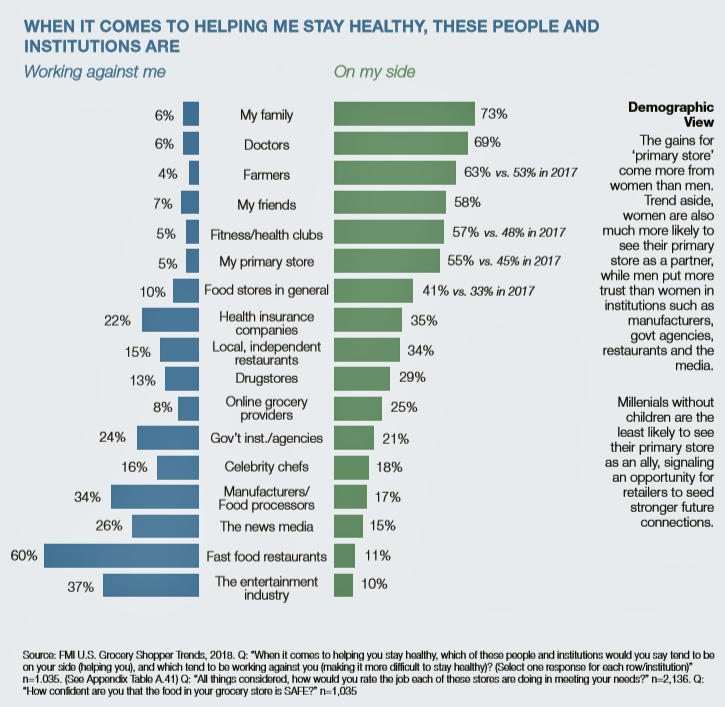
Consumers put food front-and-center when thinking about their health. Viewing food-as-medicine is going mainstream for health consumers, who look beyond the “medicine” in that phrase toward a broader concept of personal well-being. This is the theme of a new report from the FMI Foundation called The Power of Health and Well-Being in Food Retail. The report’s insights are based on surveys FMI has conducted over the past two years, as the Foundation has observed that consumers broadening their definition of health to include emotional health, energy levels, and sleep quality. The consumer-as-medical-bill-payor is now looking at foods with health benefits, first
Kohl’s and the Rebranded Weight Watchers in Retail Health

For the past two holiday shopping seasons in 2017 and 2018, I’d noticed pre-print ads in my local Sunday newspaper from Kohl’s, the value-priced retailer, featuring wearable technology for health. There were devices branded Fitbit on the front page of Black Friday’s 2018 ad, shown here, with other tech brands promoted inside the pages. These ads were bundled in my newspaper along with ones from Best Buy, Target, Walmart, and other retailers featuring the same or similar wearable health-tech. This week, Kohl’s announced a collaboration with WW, the newly-rebranded Weight Watchers, for the retailer to bring a WW “salon” space
 Thank you, Feedspot, for calling out Health Populi as a top 15 women-led blog in health care. I am gratified to be in great company with these sisters in health/care communication!
 As a proud Big Ten alum, I'm thrilled to be invited to meet with the OSU HSMP Alumni Society to share perspectives on health care innovation.
 I was invited to be a Judge for the upcoming CES 2025 Innovation Awards in the category of digital health and connected fitness. So grateful to be part of this annual effort to identify the best in consumer-facing health solutions for self-care, condition management, and family well-being. Thank you, CTA!