


How the Pandemic, Inflation and Ukraine Are Re-Shaping Health Consumers – Learnings from dunnhumby
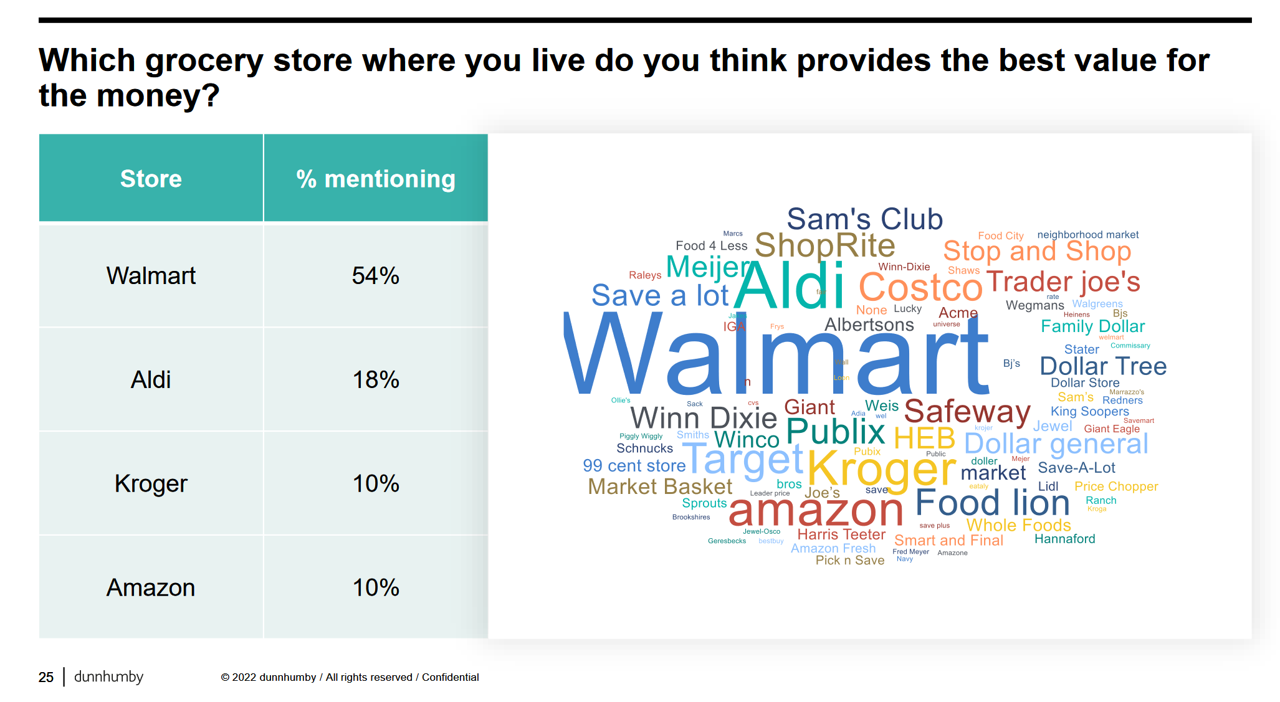
Too many dollars, stimulated by an influx of COVID-19 government stimulus, are chasing too few goods in economies around the world. Couple this will labor, material shortages, and disrupted supply chains, the exogenous shock of the Ukraine crisis amplifying cost increases and shortage driving higher prices for food and commodities, and global consumers are faced with strains in household budgets. This is impacting grocery stores and. through my lens, will impact health consumers’ spending, as well. In their discussion of Customer First Retailer Responses to Inflationary Times, dunnhumby, retail industry strategists, covered an update on inflation with the top-line that
What Person-Centered Interoperability Looks Like: Seqster
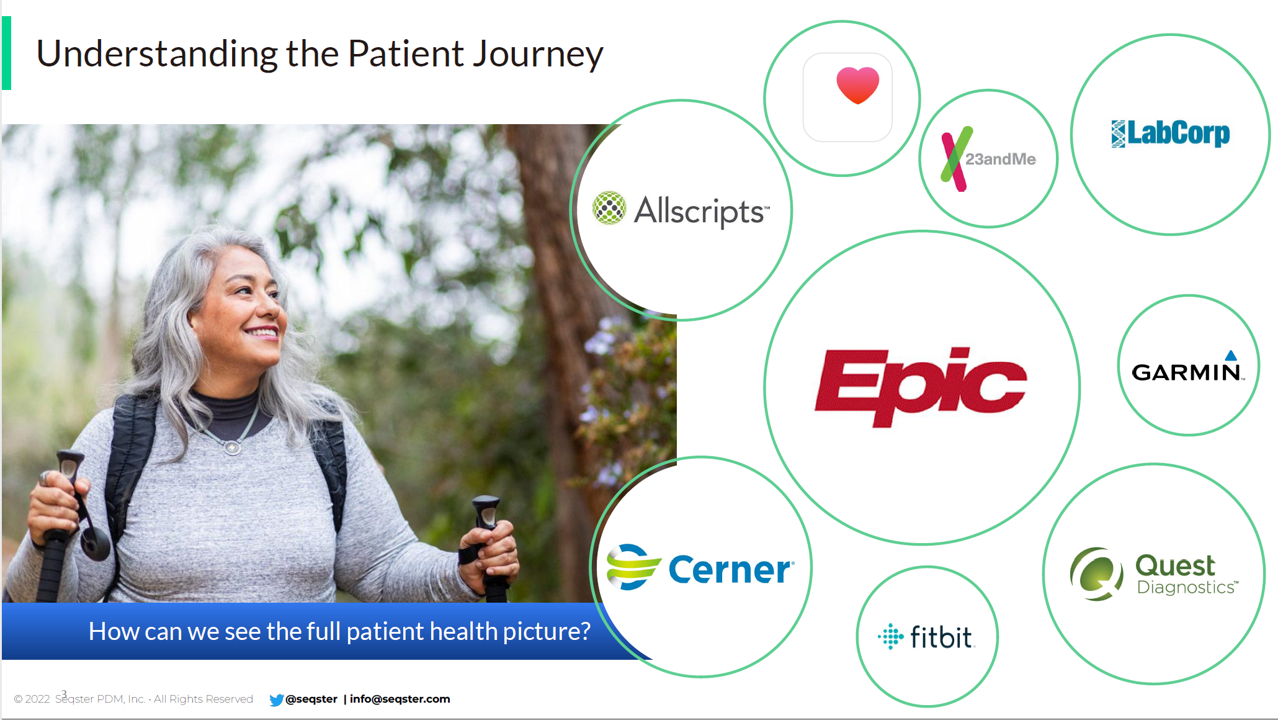
He had me at the statement, “I believe health data is medicine.” Those were the words of Ardy Arianpour, CEO and Co-Founder of Seqster, when sharing with me how his company was founded. We met up last week at the DIA Europe 2022 meeting (Drug Information Association) in the cool SQUARE Conference Center in Brussels, Belgium (my current home base for work and life). It was a rare opportunity to sit still with this on-the-go guy with whom an hour spent is the equivalent of three hours with most other folks. Ardy and the team call Seqster “the operating system
In the New Inflationary Era, Gas and Health Care Costs Top Household Budget Concerns
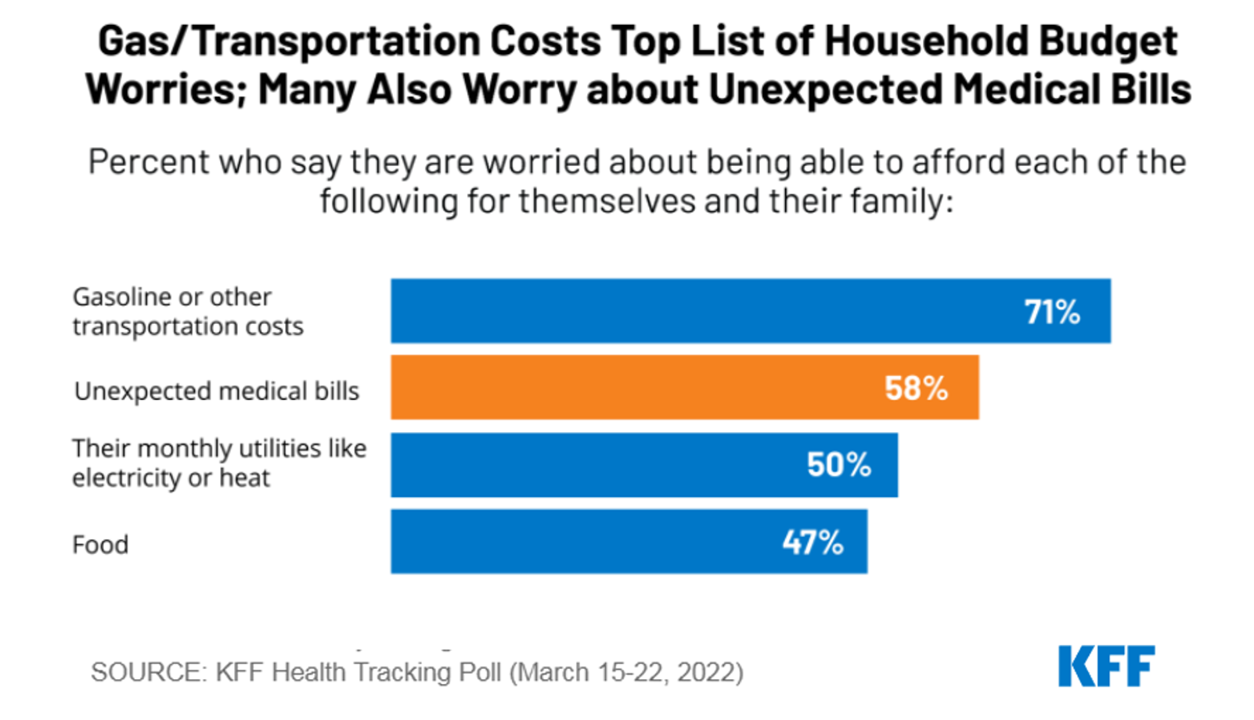
Inflation and rising prices are the biggest problem facing America, most people told the Kaiser Family Foundation March 2022 Health Tracking Poll. Underpinning that household budget concern are gas and health care costs. Overall, 55% of people in the U.S. pointed to inflation as the top challenge the nation faces (ranging from 46% of Democrats to 70% of Republicans). Second most challenging problem facing the U.S. was Russia’s invasion into Ukraine, noted by 18% of people — from 14% of Republicans up to 23% of Democrats. The COVID-19 pandemic has fallen far down Americans’ concerns list tied third place with
McKinsey’s Six Shifts To Add Life to Years — and One More to Consider
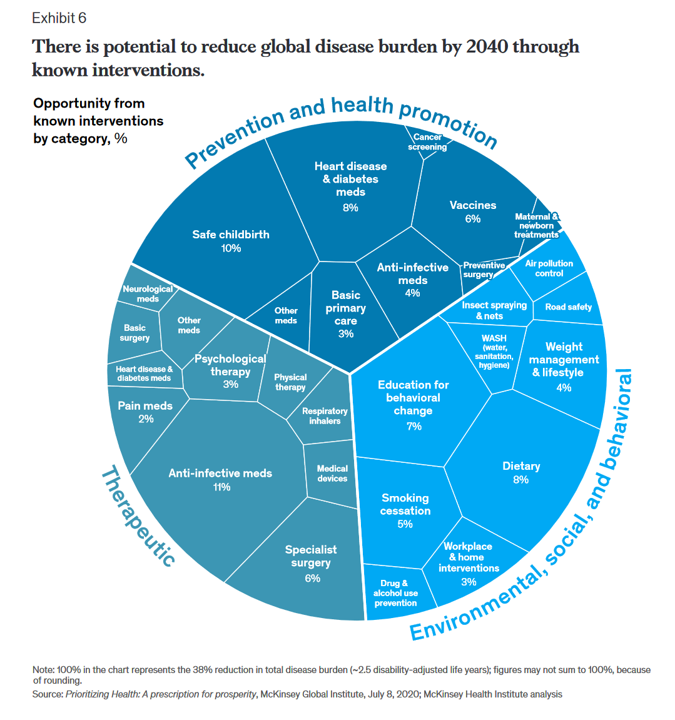
People spend one-half of their lives in “less-than-good health,” we learn early in the paper, Adding years to life and life to years from the McKinsey Health Institute. In this data-rich essay, the McKinsey team at MHI sets out an agenda that could help us add 45 billion extra years of higher-quality life equal to an average of six years per person (depending on your country and population demographics). The first graphic from the report illustrates four dimensions of health and the factors underneath each of them that can bolster or diminish our well-being: personal behaviors (such as sleep and diet),
Can a Food-As-Medicine App Extend Chronic Health Management at the Grocery Store?

Foogal, a recipe app designed to support patients’ healthy cooking and eating, launched on 24th March. In its initial version, Foogal addresses several specific diet paradigms: for patients demanding a wellness protocol, an autoimmune protocol, or wanting to address insulin resistance. Foogal got my attention via a tweet @FoogalApp on 25th March. The snippet featured a photo of a delectable Salad Lyonnaise, one of my favorite things to eat, which adds a soft-cooked egg and bacon lardons to the greens for an easy light (and delicious!) meal. Foogal was developed by Todd Knobel, who has worked in law, in plastics,
People in the U.S. Without the Internet Were More Likely To Die in the Pandemic
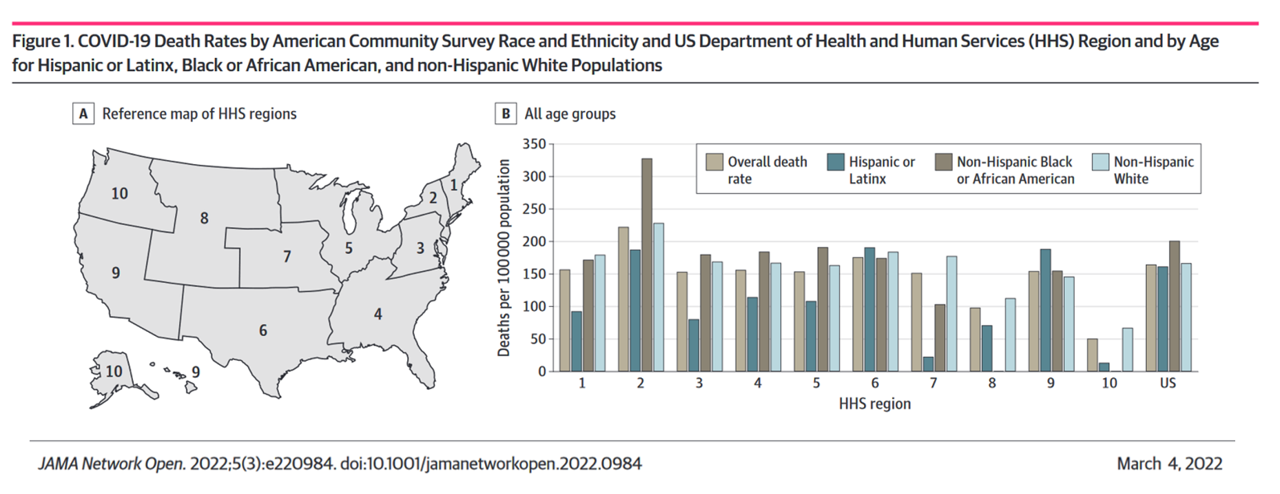
Access to the Internet has been a key determinant of health — or more aptly, death — during the COVID-19 pandemic. Americans lacked Internet access were more likely to die due to complications from the coronavirus, according to a study published in JAMA Network Open this month. The study’s key finding was that for every additional 1% of people living in a county who have access to the Internet, between 2.4 and 6.0 COVID-19 deaths per 100,000 were preventable. The paper asserts that, “More awareness is needed about the essential asset of technological access to reliable information, remote work, schooling
Go Local and Go Beyond Medical Care: What Hospitals, Health Plans, and Pharma Can Do to Rebuild Trust
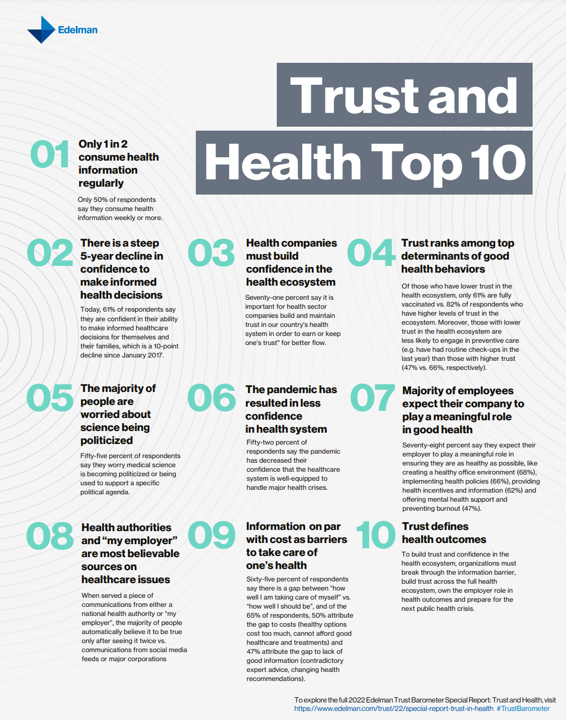
Without trust, people do not engage with health care providers, health plans, or life science companies….nor do many people accept “science fact.” I explore the sad state of Trust and Health Care. published in the Medecision Liberate Health blog, with a positive and constructive call-to-action for health care industry stakeholders to consider in re-building this basic driver of well-being. That is, trust as a determinant of health. Edelman’s 2022 Trust Barometer came out in January 2022, coinciding as it annually does with the World Economic Forum’s meeting in Davos, Switzerland. Every year, WEF convenes the world’s biggest thinkers to wrestle with the
The Financial Toxicity of Health Care Costs: From Cancer to FICO Scores
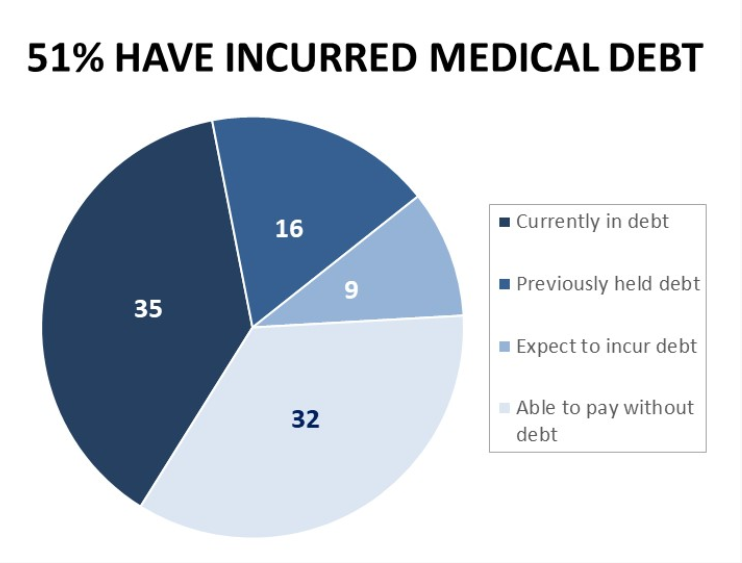
The financial toxicity of health care costs in the U.S. takes center stage in Health Populi this week as several events converge to highlight medical debt as a unique feature in American health care. “Medical debt is the most common collection tradeline reported on consumer credit records,” the Consumer Financial Protection Bureau called out in a report published March 1, 2022. CFPB published the report marking two years into the pandemic, discussing concerns about medical debt collections and reporting that grew during the COVID-19 crisis. Let’s connect the dots on: A joint announcement this week from three major credit agencies,
Primary Care in the U.S. – Still a Weak Backbone for the Health of Health Citizens
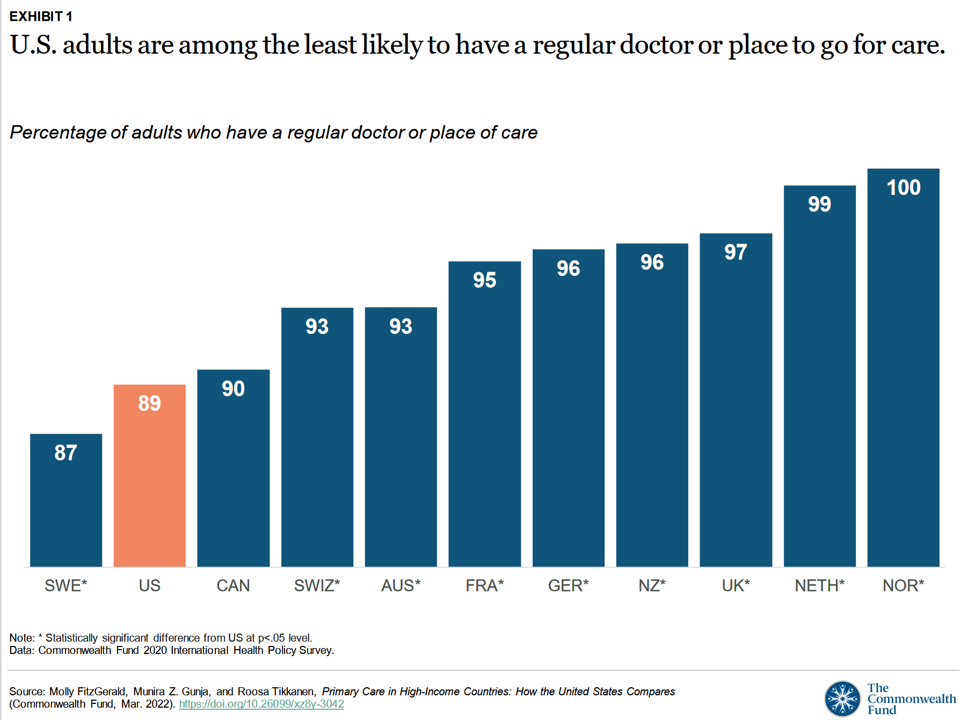
Compared with health citizens living in other wealthy countries, people living in the U.S. are still among the least likely to have a regular doctor or place to go for care. Thus, millions of Americans continue to lack access to primary care compared with peers in other nations, according to a report from The Commonwealth Fund. The Commonwealth Fund has tracked primary care access for many years, and over time has found the United States to lack the kind of primary care “backbone” that many wealthy nations have — whose health citizens also enjoy much better health outcomes that relate
What John Mackey of Whole Foods Said at the 2022 HIMSS Conference – and Why This is Important for the Whole Health Ecosystem
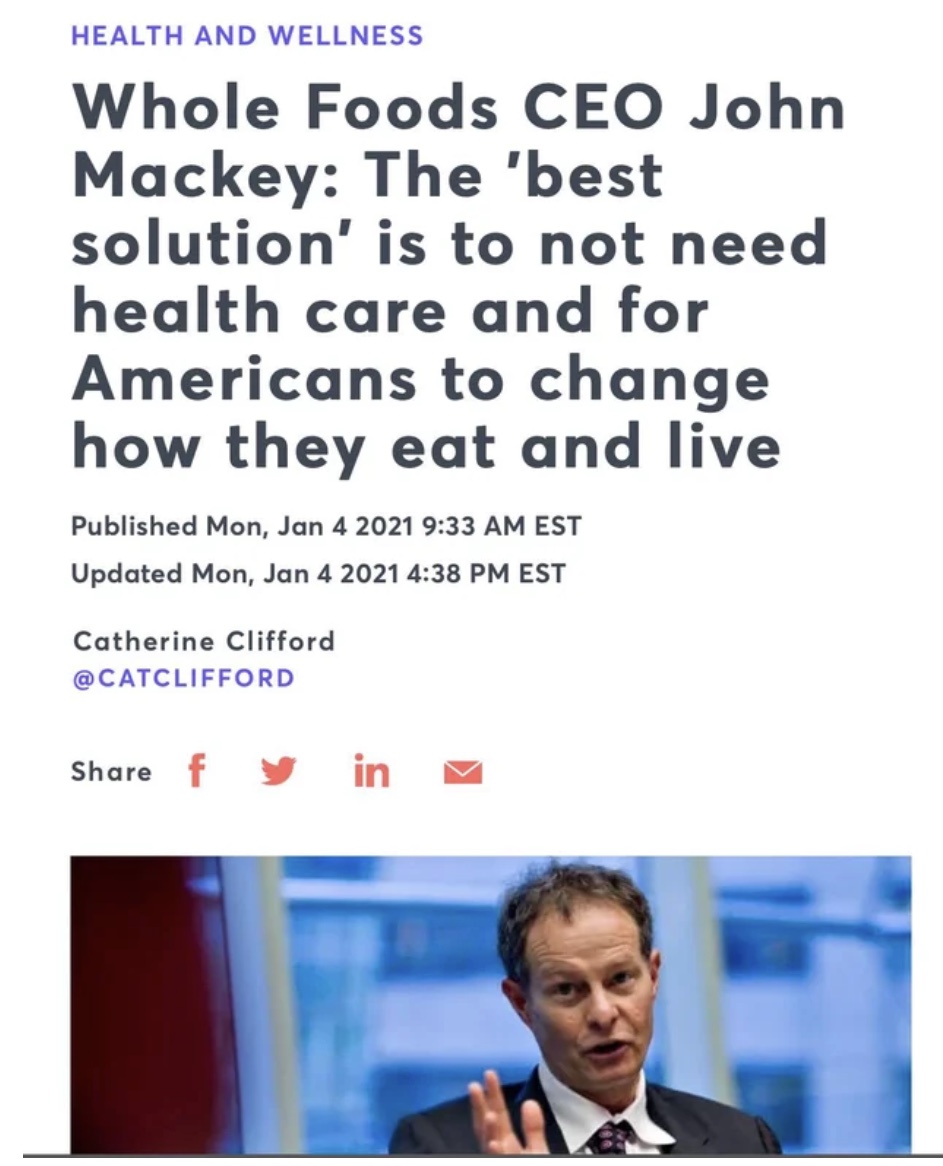
HIMSS convenes its annual conference this week in Orlando, kicking off with an Executive Summit that featured John Mackey, the CEO and Co-Founder of Whole Foods, in conversation with Cris Ross, CIO of the Mayo Clinic. Mackey said in support of his long-held belief that food is the”best solution” to address Americans’ health. As for health care? Not so much, at least as it’s delivered in the United States. ”Why don’t we have clinics that help people change their diets and lifestyles so that they can reverse the disease or prevent it?” Mackey asked, rhetorically. ”It’s astounding. There’s a huge entrepreneurial
Stress in America on the Pandemic’s 2nd Anniversary: Money, Inflation, and War Add to Consumers’ Anxiety

As we mark the second anniversary of the COVID-19 pandemic, the key themes facing health citizens deal with money, inflation, and war — “piled on a nation stuck in COVID-19 survival mode,” according to the latest poll on Stress in America from the American Psychological Association. Financial health is embedded in peoples’ overall sense of well-being and whole health. Many national economies entered the coronavirus pandemic in early 2020 already marked by income inequality. The public health crisis exacerbated that, especially among women who were harder hit financially in the past two years than men were. That situation was even worse
Thinking About Telehealth Through the Lens of Real Estate – Listening to JLL
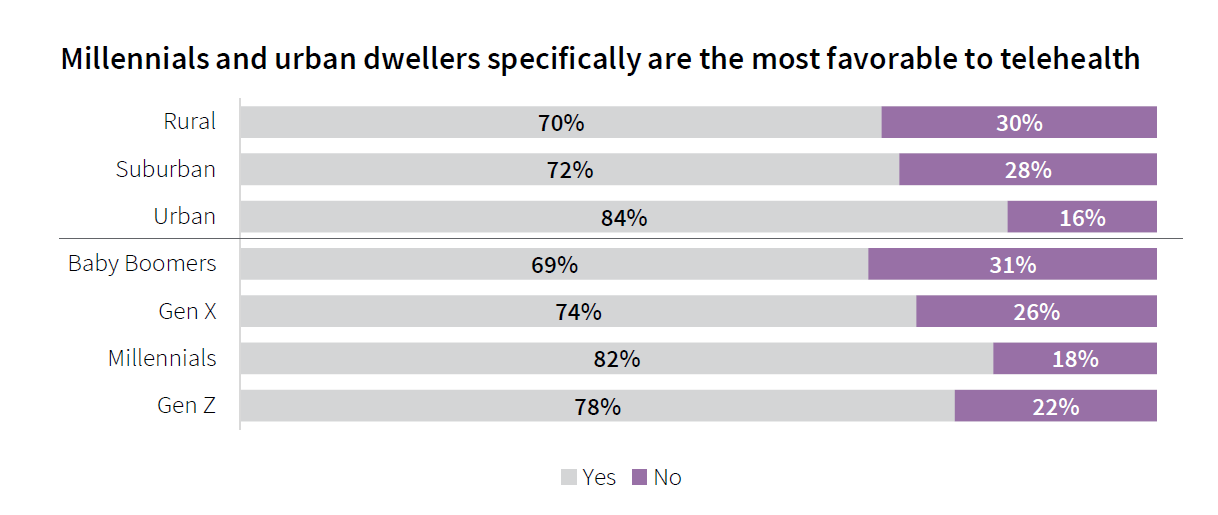
If you made your living in commercial real estate — and especially, working with hospitals’ and health systems’ office space — would the concept of telehealth be freaking you out right now? If you heed the words of JLL’s 2022 Patient Consumer Survey, you’d chill (at least a bit). The tagline on this paper is, “Convenience and choice drive patient decisions as new digital options take hold.” I was particularly keen to dig into this study based on its sponsoring organization: JLL is a real estate services company serving over a dozen vertical markets — including health care, life sciences,
Techquity: How Technology Can Help to Scale Health and Digital Equity, Live from VIVE 2022
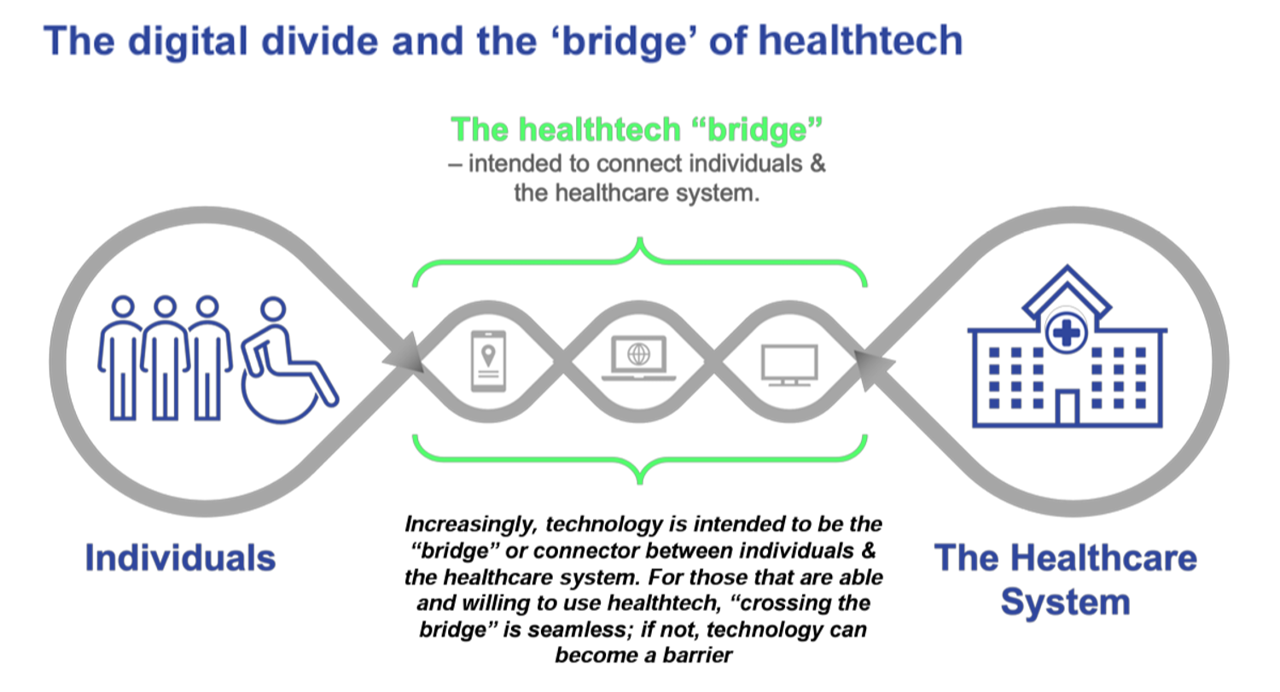
The COVID-19 pandemic revealed long-systemic health disparities in the U.S. and in other parts of the world. Income inequality, sickly environments in homes and communities (think unclean air and water), lack of public transportation and nutritious food deserts combine to limit peoples’ health and well-being., Beyond the traditional social determinants of health, such as these, we’ve called out another health risk that became crucial for life in the coronavirus pandemic era: digital connectivity, Indeed, WiFi and broadband represent the newest social determinant of health to add to a growing list of risk factors that challenge health citizens’ health. Kudos to
Brand Relevance Has A Lot To Do with Health, Wellness, and Empowerment – Listening to (the) Prophet
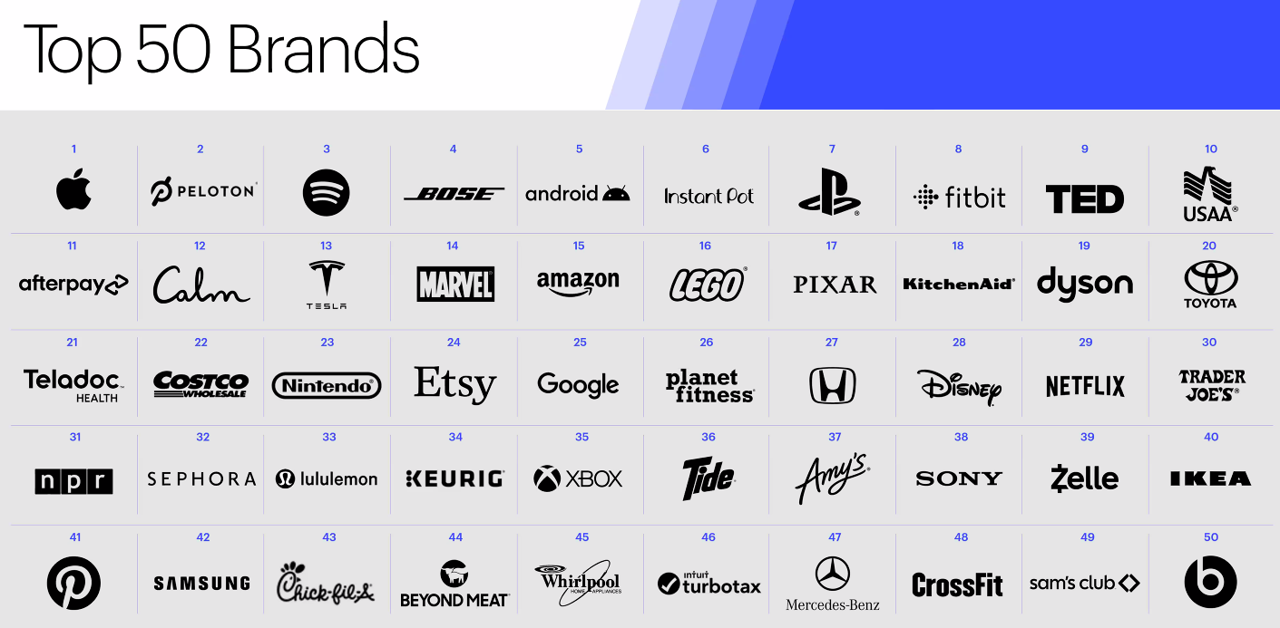
s in the seventh annual 2022 Brand Relevance Index from Prophet. The research developed a list of 50 companies representing what Prophet characterizes “the brands that people can’t live without in 2022.” For the 7th year in a row, Apple tops the study. Following Apple, the nine companies rounding out the top ten most relevant brands were Peloton, Spotify, Bose, Android, Instant Pot, Pixar, Fitbit, TED, and USAA. There are relative newbies in this list, representing consumers’ collective response to the COVID-19 pandemic and new life-flows. Put Calm and AfterPay in that category, along with Beyond Meat, and Zelle. The
“Talk to me, Teladoc”
Voice technology has become a mainstream household Internet of Things thing for consumers, used to streamline and ease peoples’ daily tasks to hear about the weather, listen to favorite tunes, or seek information. At the same time, the pandemic fostered growing experience with and appreciation for virtual care platforms and on-ramps to health care when needed. Patients have come to accept telehealth in their health care workflows when they value virtual care’s virtues: convenience, access, availability among other features. A leading provider of virtual care is Teladoc, whose most recent explanation of corporate strategy is shown in the first graphic
Food Insecurity, Energy Prices, and Medical Debt Spike in February 2022

There’s a trifecta cost challenge hitting U.S. household budgets in February 2022, highlighted in a poll from Morning Consult: inflationary spikes for housing, food, and energy, and the COVID-19 Omicron variant forcing health care costs up for some consumers driving medical debt up. This further underscores the reality that medical spending in the U.S. is taking shape as a consumer service or good, competing with — potentially crowding out — other household line items like food and increasingly costly petrol to fill gas tanks. Or taken the other way, gas and food crowding out health care spending, leading to either
Medical Distancing Is Bad For Your Health
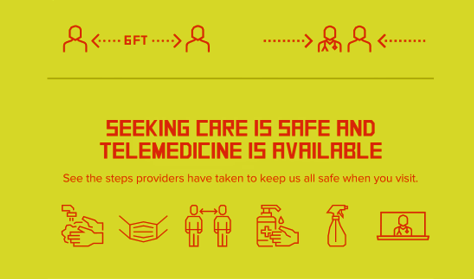
“Social distancing is great. Medical distancing? Not so much,” I observe in Medical Distancing in America: A Lingering Pandemic Side Effect., my essay published this week in Medecision’s Liberate Health blog. Since we learned to spell “coronavirus,” we also learned the meaning and risk-managing importance of physical distance early in the COVID-19 pandemic. But medical distancing became a corollary life-flow of the physical version, and for our collective health and well-being, it hasn’t been good for our health in ways beyond keeping our exposure to the virus at bay. For health care providers — physicians, hospitals, ambulatory clinics, diagnostic centers —
Doximity Study Finds Telehealth Is Health for Every Day Care
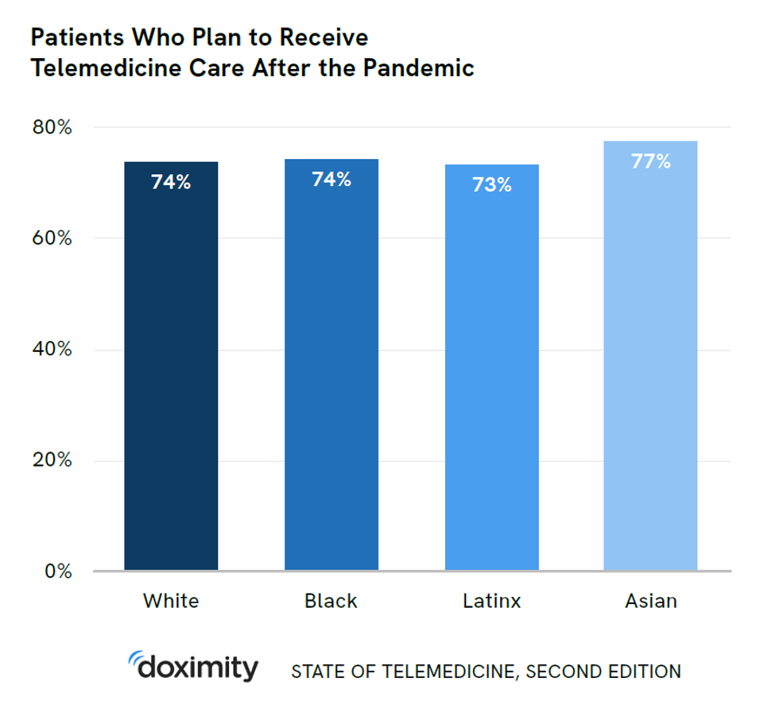
There’s more evidence that doctors and patients, both, want to use telehealth after the COVID-19 pandemic fades. Doximity’s second report on telemedicine explores both physicians’ and patients’ views on virtual care, finding most doctors and health consumers on the same page of virtual care adoption. For the physicians’ profile, Doximity examined 180,000 doctors’ who billed Medicare for telemedicine claims between January 2020 and June 2021. Telemedicine use did not vary much across physician age groups. Doctors in specialties that manage chronic illnesses were more likely to use telehealth: endocrinology (think: diabetes), gastroenterology, rheumatology, urology, nephrology, cardiology, ENT, neurology, allergy, and
Michael Graves and CVS Health – A Match Made in Health Design Heaven
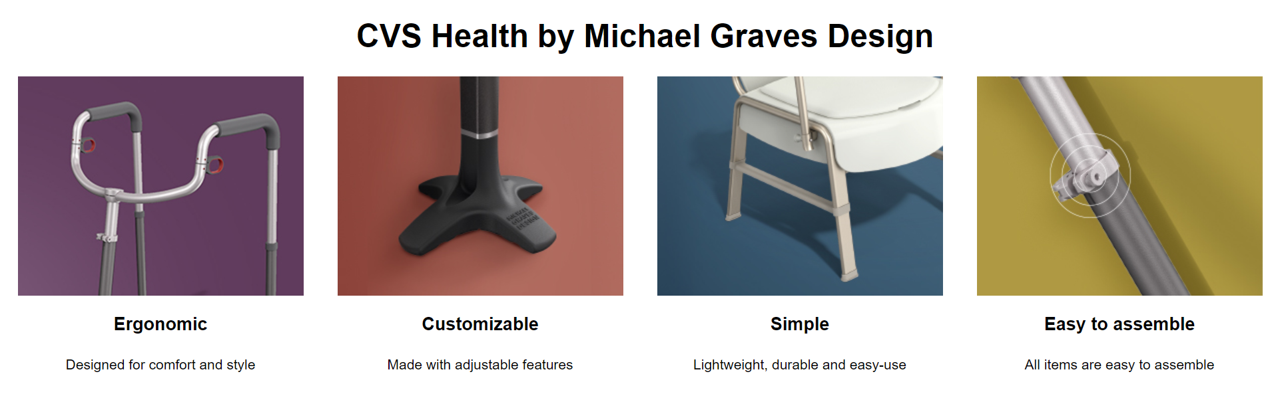
On the Michael Graves Design company’s website, they talk about “Design for All” and “The House and Everything in it.” “Michael Graves Design exists to offer products that create moments of joy in your life.” Prominently featured in the Health section on the homepage are “walking canes reimagined.” The company has unveiled its partnership with CVS Health to continue the architect-turned-disability rights advocate’s legacy combining brilliant design with mainstream retail accessibility and another riff on accessibility: for health care and caregiving. Graves passed away in 2015. He continues to inspire the Michael Graves Design team/family with the mission: “By focusing
How Social Media Can Get Public Health So Wrong
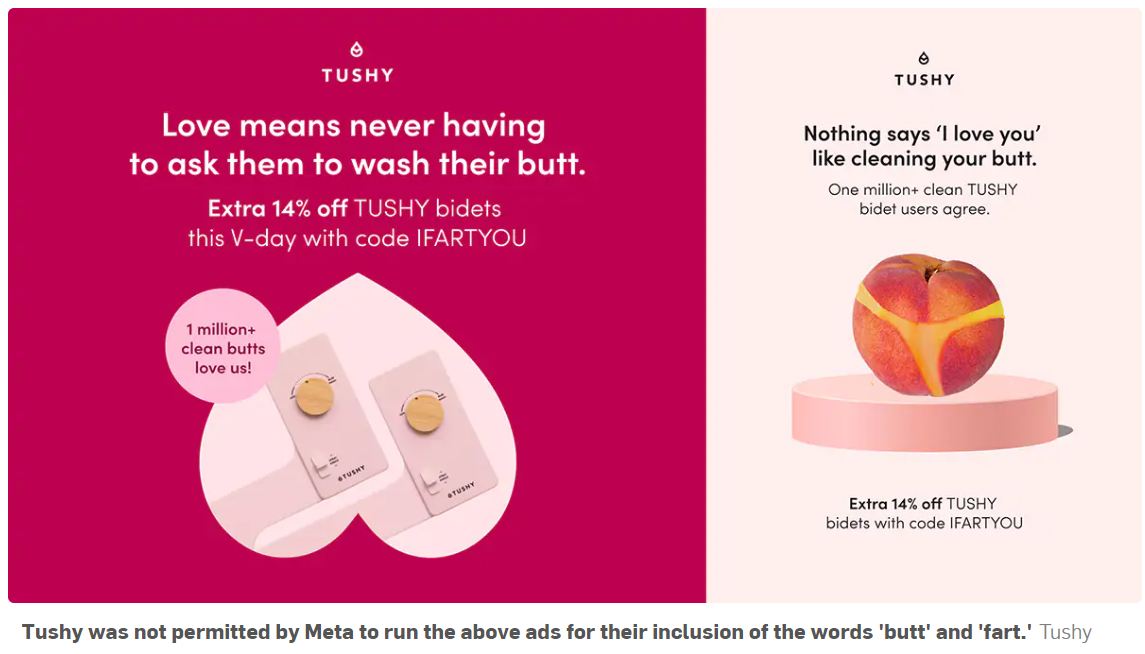
This week, public health truths have collided with social media, the infodemic, and health citizenship. First, I read in Becker’s Health IT on February 16 that the peer-reviewed policy journal Health Affairs was prevented by a social media outlet from promoting its February 2022 issue themed “Racism and Health.” The company said the topic was too controversial to feature in this moment. “Google and Twitter are blocking its paid media ads to promote the content, flagging racism as ‘sensitive content,'” Molly Gamble explained in Becker’s. I myself used the blogging platform you’re on now to promote the February ’22 issue of
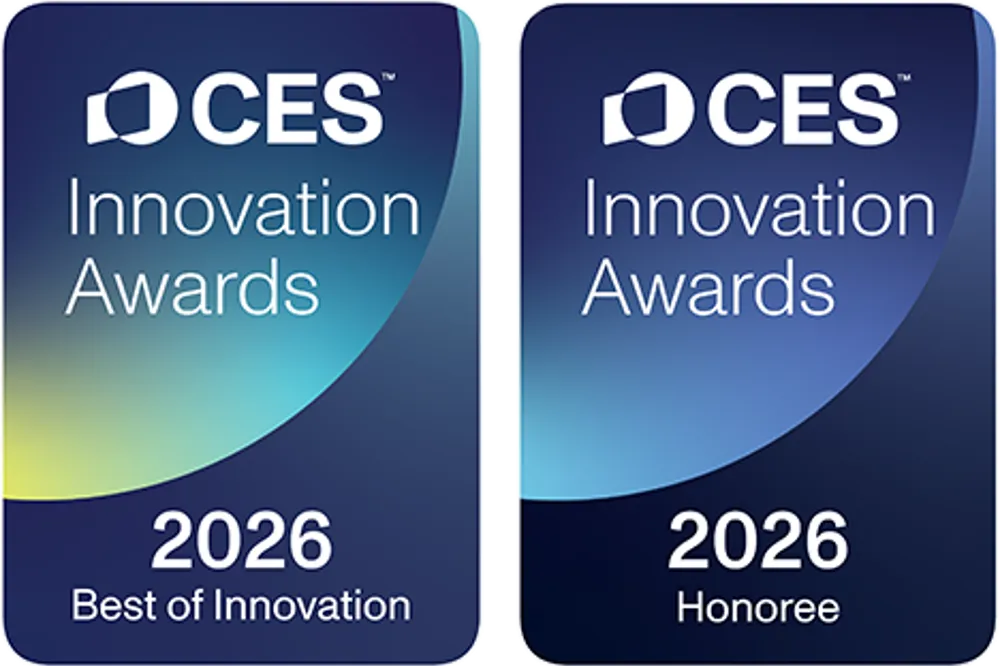 I'm once again pretty gobsmackingly happy to have been named a judge for the 2026 CES Innovation Awards, focusing on digital health, longevity, and fitness. Preceding every year's global conference, CES receives hundreds of applications from innovators around the world building tech-based solutions to big challenges. So glad to be part of this annual initiative to see what global health-tech pioneers are cooking up to address and scale the health and well-being of fellow health citizens, globally.
You can see the results of the Digital Health Awardees here on the #CES2026 website.
I'm once again pretty gobsmackingly happy to have been named a judge for the 2026 CES Innovation Awards, focusing on digital health, longevity, and fitness. Preceding every year's global conference, CES receives hundreds of applications from innovators around the world building tech-based solutions to big challenges. So glad to be part of this annual initiative to see what global health-tech pioneers are cooking up to address and scale the health and well-being of fellow health citizens, globally.
You can see the results of the Digital Health Awardees here on the #CES2026 website. Stay tuned to Health Populi in early January as I'll be attending Media Days and meeting with innovators in digital health, longevity, and the home-for-health during CES 2026 in Las Vegas. I'll be at the conference for an entire week meeting with clients and exhibitors at the biggest-meeting-of-the-year on consumer-facing technology. I'll be reporting daily from Vegas here in the blog, sharing with you insights about the latest breakthroughs, products, and services that enable people to manage health, well-being, and medical issues in their own hands and homes.
 Jane collaborated on Robin Strongin's Health Dame webcast to discuss Halle Tecco's new book, Massively Better Healthcare, due out in early 2026. We brainstormed with Maven Founder Kate Ryder and the company's Chief Medical Officer Dr. Neel Shah about the state of U.S. healthcare and solutions not just to tweak at the margins but to "massively" improve health care delivery, financing, outcomes, and equity in America. It was a delightful, enlightening conversation -- I hope you'll check it out.