


Medicare at 60: Prior Authorizations Are a Problem for People in the U.S., Regardless of One’s Political Party, Income, or Insurance Type
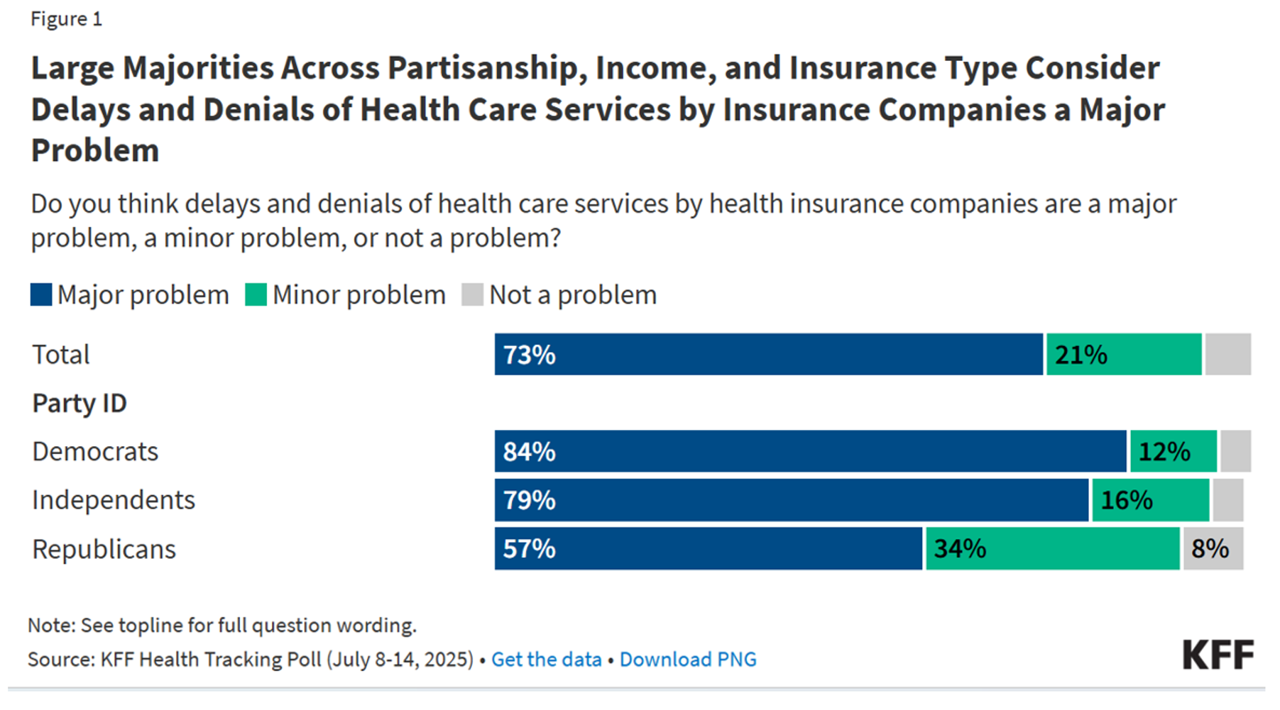
Happy 60th Anniversary Medicare, today marking six decades since the passage of this law which was a landmark milestone for The Great Society, U.S. style. Since its inception and implementation, Medicare quite often leads in adoption of new medicines, new processes, new technologies in health care. But as I track the phenomenon of health citizenship in the U.S., I observe growing consensus among American patients — cross health plan type — increasingly impatient for health care access. We can now add Americans’ growing dissatisfaction with the prior authorization process, an opinion that now spans majorities of consumers regardless of their
How Taking Care of Our Pets Could Inspire Us to Care Better for Ourselves (and Each Other)

In a recent study which was part of the American Heart Association’s Healthy Bond for Life initiative, two-thirds of Americans told the AHA that they took better care of their pets than themselves. So with a lens on how to help inspire peoples’ self-care, I was keen to dive into research from Pet Partners Insurance (PPI), a pet health insurance provider, collaborating with the Human Animal Bond Research Institute (HABRI), to learn more about The Power of Pet Perks: How Pet-Inclusive Benefits Drive Employee Engagement, Retention, and Positive Workplace Culture. My interest
Most People Would Choose Food Over Meds to Get Healthy. But Barriers to Consumers Doing So Will Require Collaborative Approaches That Get Closer and Personal
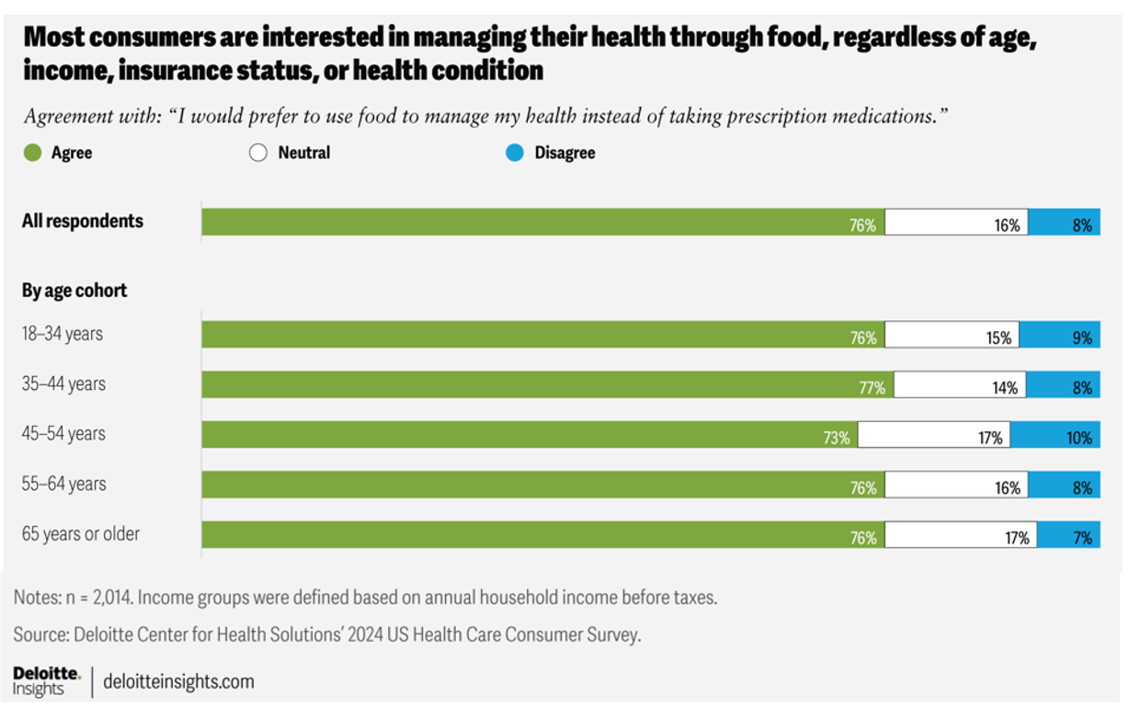
The pandemic era re-shaped consumers’ views on food as an input for health across all dimensions. We look back with affection for our local grocery stores and pharmacies which played leading roles as first responders f0r our health and, quite literally, the basic needs at the base of our personal hierarchies the way Maslow conceived them. As I tracked home-bound consumers’ behaviors from the start of COVID-19 in March 2020, I hunted-and-gathered data from Nielsen, Acosta, Circana, Gallup, Harris, and other sources of consumers @ retail. The DIY food-health concept, coined by Nielsen, was the build-up of our “pandemic pantries.”
U.S. Workers Who Get Health Insurance From Work Can Expect Greater Cost-Sharing and New Networks in 2026

At least one-half of employers will likely raise employee cost-sharing amounts in 2026, according to the Survey on health & benefit strategies for 2026 from Mercer. Mercer surveyed 711 organizations for this study, fielded in April 2025, to assess employers’ views on and strategies for health benefits in 2026. There are three challenging pillars underlying employers’ 2026 approaches to workers’ benefits: How to disrupt cost growth with what Mercer coins as “bolder” strategies How to consider and address all dimensions of affordability, and, How to design and implement inclusive benefits that build workforce
Medical Cost Trend at 8.5% in 2026? PwC Sees “No End in Sight” for Increased Healthcare Spending
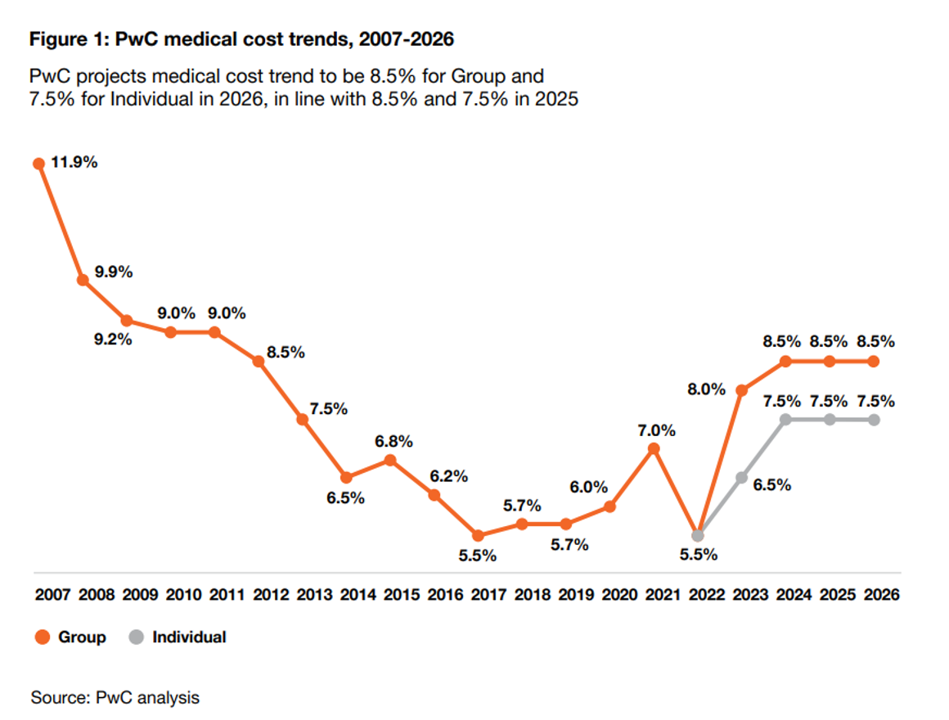
For the third year in a row, medical cost trend — the expected increase of health care costs by health plans — will be 8.5% for group health insurance. This contrasts with a low of 5.5% in 2022 when cost trend dipped coming out of the COVID-19 pandemic….then shot up to 8.0% the following year in patients’ healthcare catch-up mode. Welcome to Behind the Numbers 2026, the annual medical trend report from PwC. What’s continuing to drive up health care costs? PwC identifies 4 medical cost inflators, and 2 “deflators” (these being
As Time Becomes More of a Luxury Thing, Consumers Ration Visits to Health Care Providers

When it comes to luxury goods, forget about that Rolex watch, a Louis Vuitton bag, or Porsche. The top luxury item among U.S. consumers in 2025 is time, and with many luxury goods, time is in short supply for most people. An important new report from Duckbill explores the Permission to Ask: Why Americans Need Help — And Why They Struggle to Get It. The top-line finding gleaned through Duckbill’s survey of 2.069 U.S. consumers in early May 2025 was that 2 in 3 Americans are just trying to get through the day. This struggle
Consumers Look to Brands to Both “Do Good” and Help Me “Feel Good” – Another Riff on the Edelman Trust Barometer and What This Means for Health Care
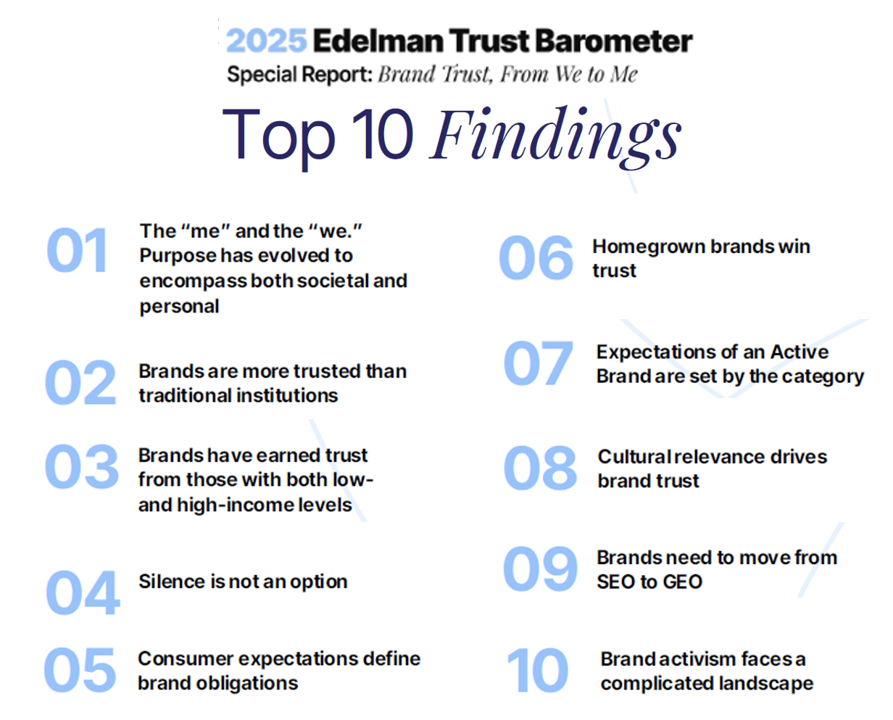
With consumers the world over feeling greater financial stress and social chasms in 2025, people are trusting brands more than institutions to help them both feel good and expecting them to “do” good, we learn in Brand Trust, From We to Me, a special report from the 2025 Edelman Trust Barometer. The overall theme of this year’s Trust Barometer was “Trust and the Crisis of Grievance.” One artifact of peoples’ grievance is their shift from “we” to “me;” in this new report with a lens on brands, Edelman finds that consumers expect
 Jane joined host Dr. Geeta "Dr. G" Nayyar and colleagues to brainstorm the value of vaccines for public and individual health in this challenging environment for health literacy, health politics, and health citizen grievance. Click onto the Pfizer Value of Vaccines site and you can watch four episodes covering the challenges with adult vaccination, the employer and health plan member's journey to vaccination, reimbursement, and collaborating for proactive prevention.
 I'm grateful to be part of the Duke Corporate Education faculty, sharing perspectives on the future of health care with health and life science companies. Once again, I'll be brainstorming the future of health care with a cohort of executives working in a global health care enterprise.
 Jane will be working with EU- and UK-based clients in September and October 2026, collaborating with stakeholders in digital health, public/community health, retail health, and growing opportunities for health-at-home. Stay tuned to her updates here on Health Populi on-the-ground as she lives the digital nomadic work-life in Italy, Belgium, the Netherlands, and in London.