


When the Cost of Food is a Health Risk: Dollar Stores, Tariffs, Family Meals, and the Rising Cost of Food
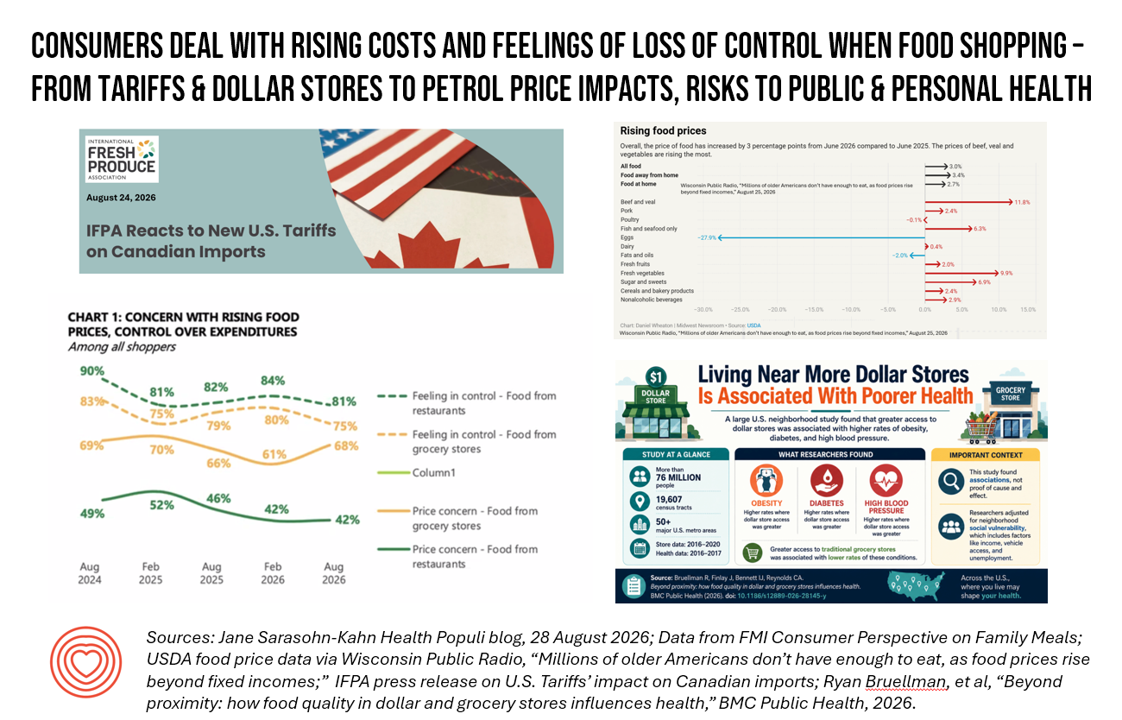
“Shoppers are feeling less control of their spending on food and more concerned about food prices than in February 2026.” Researchers with The Food Industry Association discussed their latest research into U.S. consumers’ worries about food prices’ impacts on family meals this week, and their findings comport with what I see happening in peoples’ self-care choices at-home directly impacting nutrition as well as adjacent areas of retail health and home health life-flows. This data point meshes with trends in geopolitics, home economics, and consumers’ growing demand for self-care outside of traditional “front doors” compelling me to call-out the health risks
Technology is Reshaping Trust in Health Care – Consider Humanity, Transparency, Capability, and Reliability
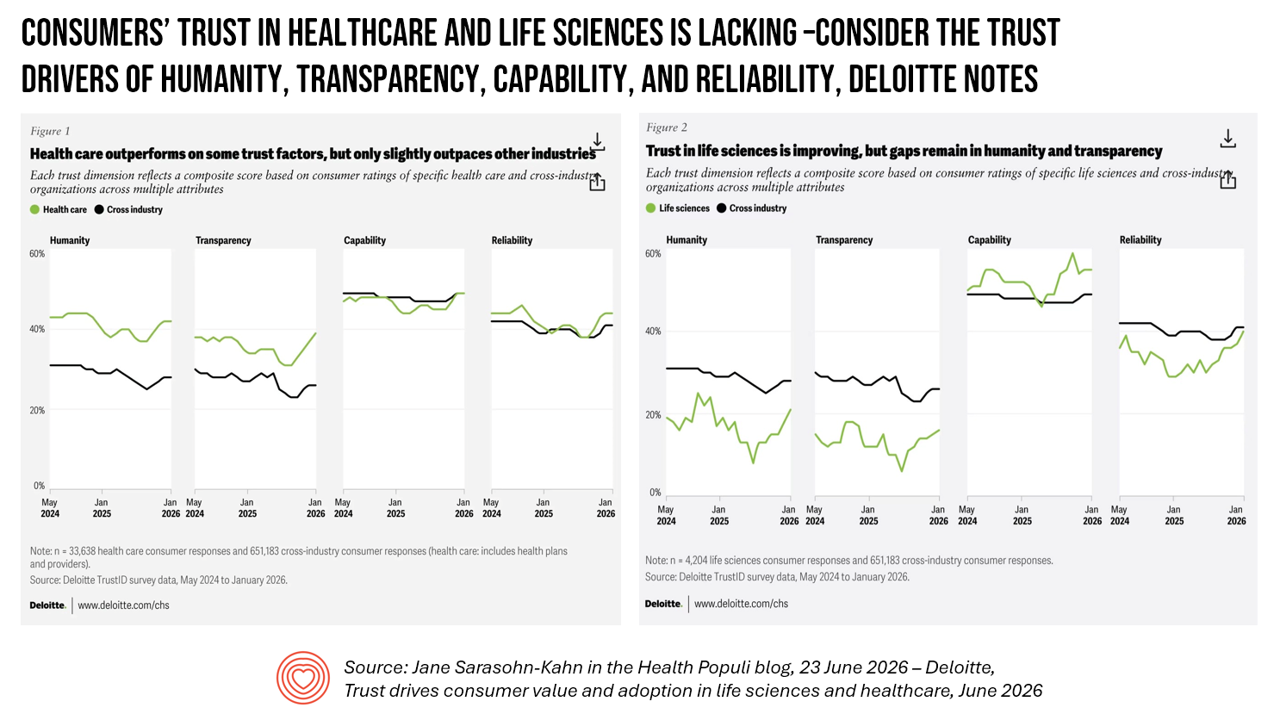
“Trust is like blood pressure. It’s silent, vital to good health, and if abused, it can be deadly.” So wrote Frank Sonnenberg, prolific author and commentator about morals and life. We can broaden Sonnenberg’s observation on trust beyond “health” itself to healthcare. Trust is indeed vital to healthcare, and to the health care industry, we learn from research from Deloitte discussed in the paper, Trust drives consumer value and adoption in life sciences and health care. Deloitte assessed consumers’ ratings of health care delivery systems (hospitals, providers) and life science companies (pharma, biotech, med-tech) across four drivers of trust: Humanity, assessing
Distrust is the default, insularity is our mindset: The Edelman Trust Barometer in 2026
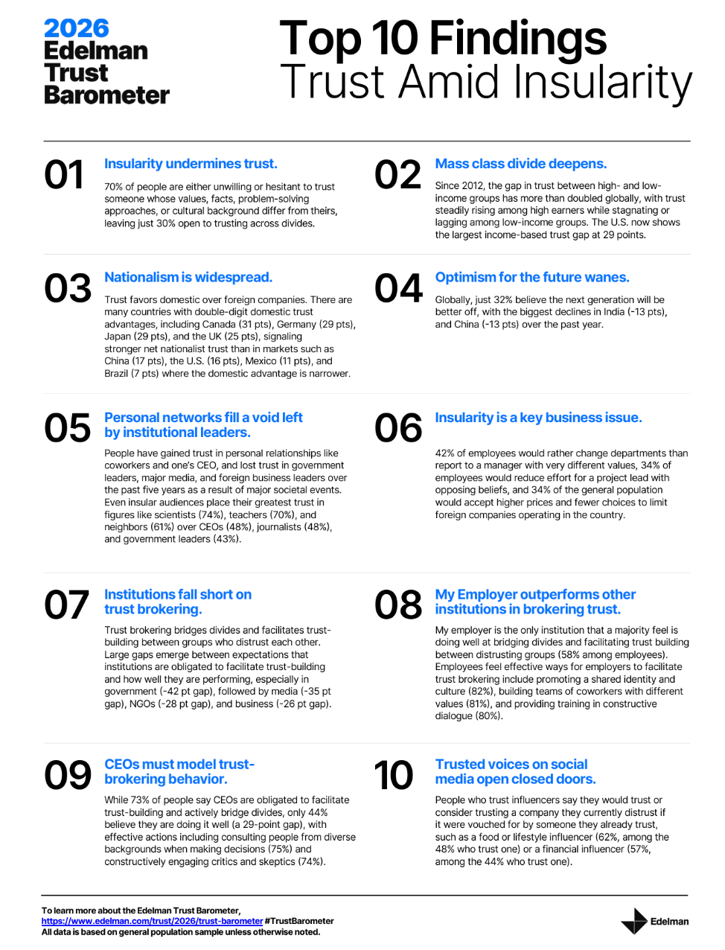
ss Last year’s “shared reality” was a culture of trust and a crisis of grievance: this year, it’s trust and insularity, we learn from the Edelman Trust Barometer for 2026, launched this week during the World Economic Forum in Davos, Switzerland. Here are the Top 10 findings from the annual study, which Edelman conducted among nearly 34,000 citizens in 28 countries in October and November 2025: Insularity undermines trust The mass class divide deepens Nationalism is widespread Optimism for the future wanes Personal networks fill a void left by
In the U.S., Belief and Trust in Science and Scientists is Tied to Political Party and Education
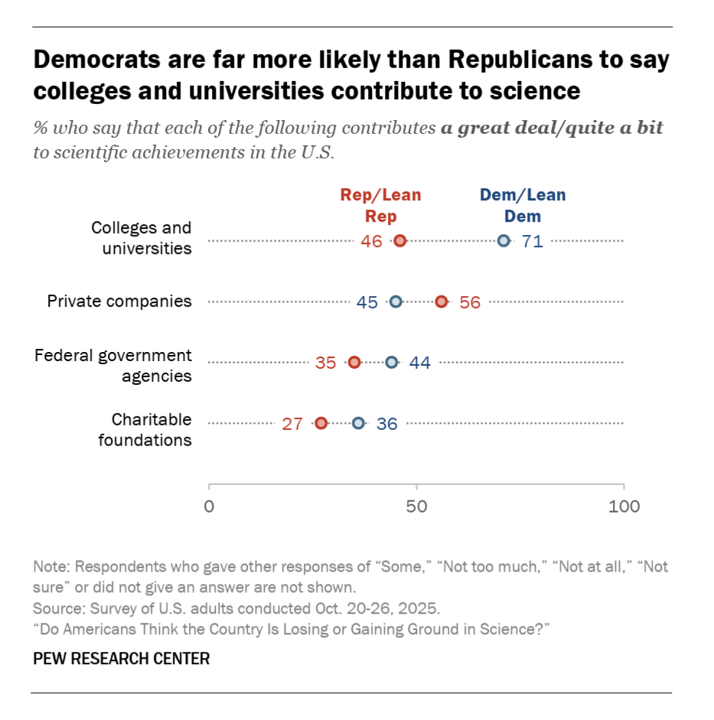
Most Americans believe it’s very important for the nation to lead in scientific achievements. But twice as many Democrats as Republications, 65% versus 32%, say the U.S. is losing ground in science innovations. The Pew Research Center asks and answers the Do Americans Think the Country Is Losing or Gaining Ground in Science? And the answer is, “millions of people do think so.” The Pew team polled 5,111 U.S. adults in late October 2025 for this research. There are a few political chasms related to science-trust in the U.S. that are important
 I'm grateful to be part of the Duke Corporate Education faculty, sharing perspectives on the future of health care with health and life science companies. Once again, I'll be brainstorming the future of health care with a cohort of executives working in a global health care enterprise.
 Jane joined host Dr. Geeta "Dr. G" Nayyar and colleagues to brainstorm the value of vaccines for public and individual health in this challenging environment for health literacy, health politics, and health citizen grievance. Click onto the Pfizer Value of Vaccines site and you can watch four episodes covering the challenges with adult vaccination, the employer and health plan member's journey to vaccination, reimbursement, and collaborating for proactive prevention.
 Jane will be working with EU- and UK-based clients in September and October 2026, collaborating with stakeholders in digital health, public/community health, retail health, and growing opportunities for health-at-home. Stay tuned to her updates here on Health Populi on-the-ground as she lives the digital nomadic work-life in Italy, Belgium, the Netherlands, and in London.