


The State of Health Insurance in the U.S. Leading Up to the 2026 Midterm Elections: Healthcare Costs Play Into Voters’ Views on Affordability

The U.S. kitchen table has been host to American consumers’ challenging budgets for the persistently higher costs of food at the grocery store, petrol at the gas station pump, interest rates for houses and expensive durable goods like cars, and healthcare. U.S. adults’ ability to afford healthcare was at a five-year low, a Gallup-West Health poll alerted earlier this year in June. [The methodology calculated that only one-half of Americans felt “cost secure” for healthcare]. TIME magazine, writing from a mass/popular media point of view, wrote that, “Health care costs are becoming unsustainable.” Providing evidence for TIME‘s assertion, several reports
Stress Is the New Normal for Americans in 2026 – Listening to the American Psychological Association
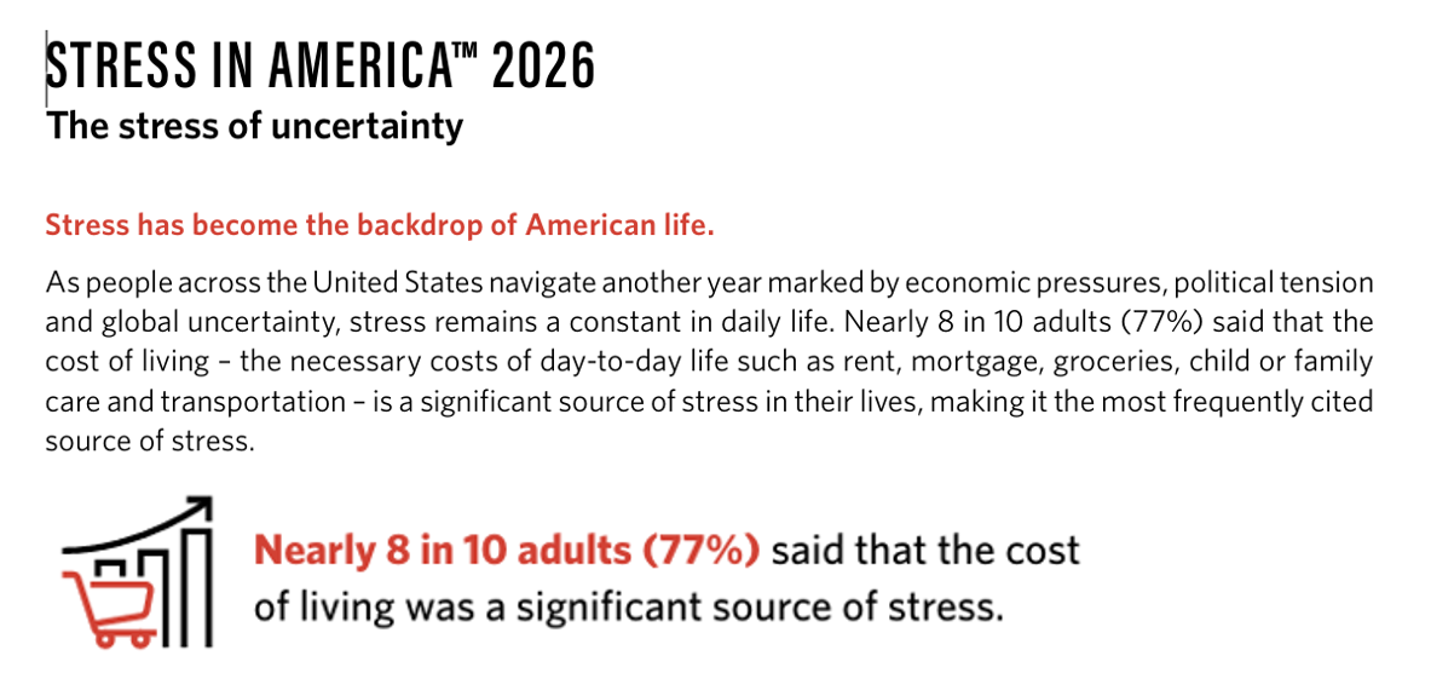
Three in four people in the U.S. say that “stress is just something I have to live with,” and that, “Bad news no longer shocks me the way it used to.” Welcome to the New Normal for people in America: Stress for All (or most), quantified and detailed in Stress in America 2026: The Stress of Uncertainty from the American Psychological Association. Two in three people also say they have become accustomed to living with uncertainty. The APA conducted research online in July-August 2026 among 3,132 adults 18 years of age and over with The
Gas ‘N Healthcare ‘N Voting in November 2026: A Last Pre-Midterms Snapshot on Health Politics on Main Street USA
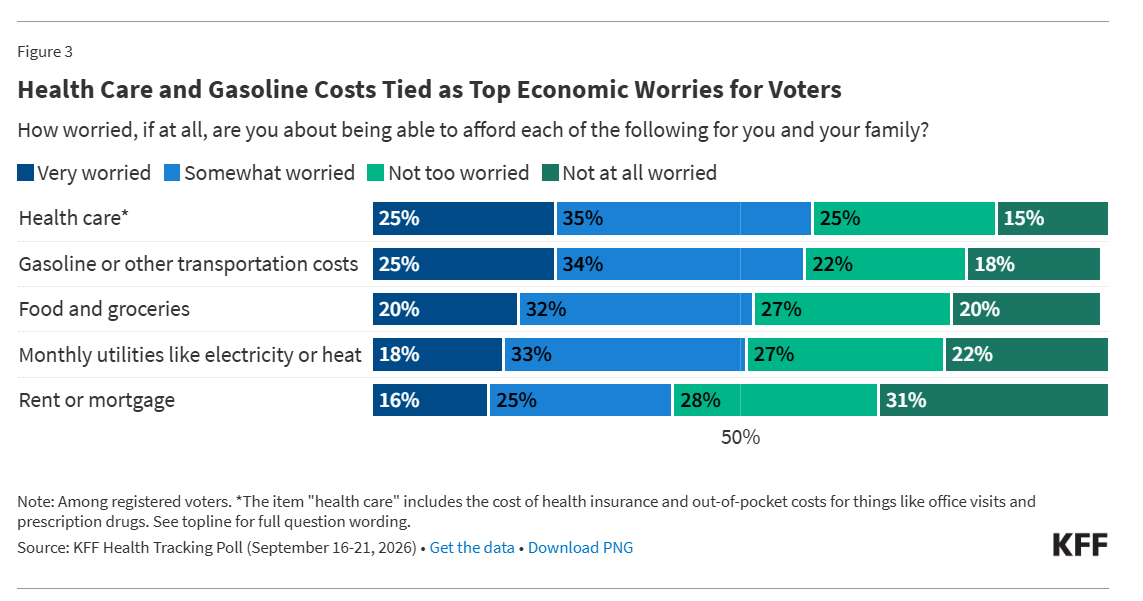
Trust has been eroding between U.S. health citizens and the key stakeholder touchpoints that are meant to serve patients in America — whether health insurance plans, hospitals, providers, pharma and med-tech companies, and increasingly technology purveyors such as EHR platforms (most prominently, Epic) and AI for self-care information support. Some of the trust-eroding factors underpinning Americans’ growing sense of healthcare grievance are increased denials via prior authorization processes, cuts in health care access (such as Medicaid cuts, discussed in this POLITICO analysis), and increasing out-of-pocket spending coupled with low and unsatisfactory levels of expected customer service and lack of personalization
Food As the Universal Prescription for Health with the Grocer in the Health/Care Ecosystem – Learning from Ahold Delhaize
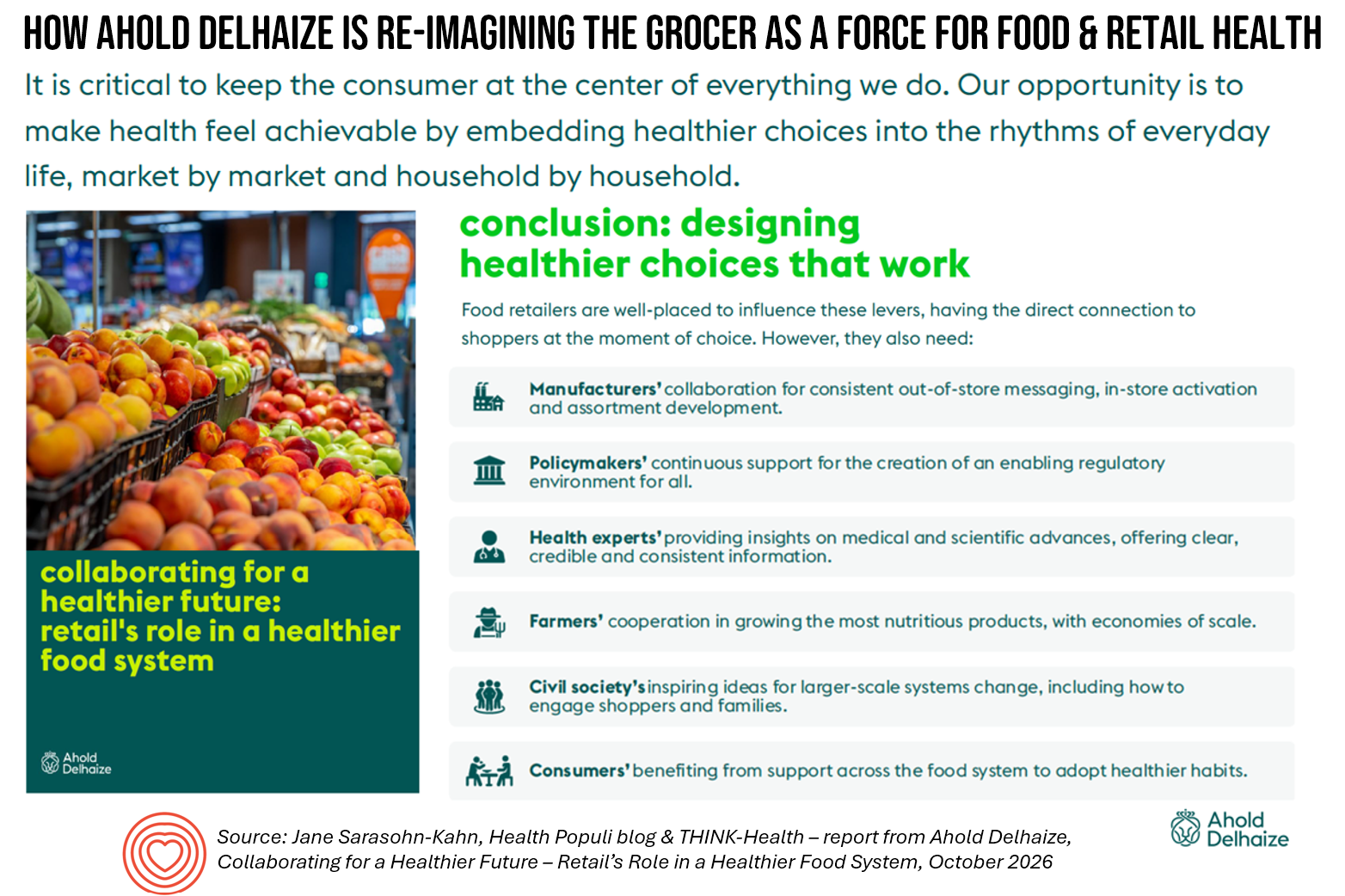
92% of consumers, globally, want to change their diet to be healthier; 8 in 10 global health citizens are actively trying to be healthier. But these health-intentioned people share challenges and frustrations in meeting these well-intentioned goals. Having spent the last month of living and working in 4 cities in Europe, I’ve had the opportunity to experience many dimensions of health and medical care in four European countries. One universal truth in the “I-know-what-I-know” category of evidence-based health is that (good) food bolsters, sustains, and assures health for individuals, families, communities, and nations. I saw evidence of this in conversations
 It was an honor to be a CES Innovation Awards 2027 judge once again for the digital health category. Based on the new-new things I reviewed in the process, we'll be seeing some amazing developments that should have positive impacts on peoples' health and well-being, from head and brain to toe. Viva Las Vegas, as usual, right after New Year January 2027!
 January 2027 is in our sights, and that means we're making plans for #CES2027. I've attended the largest consumer electronics show for nearly 20 years, tracking the evolution of digital health which enables people for greater self-care and health agency and literacy. I'm looking forward to collaborating on this webcast with fellow CES experts in their fields to brainstorm what we expect in this "All Things CES" Zoom session organized by the great Robin Raskin and the Virtual Events Group on December 10.
 Jane joined host Dr. Geeta "Dr. G" Nayyar and colleagues to brainstorm the value of vaccines for public and individual health in this challenging environment for health literacy, health politics, and health citizen grievance. Click onto the Pfizer Value of Vaccines site and you can watch four episodes covering the challenges with adult vaccination, the employer and health plan member's journey to vaccination, reimbursement, and collaborating for proactive prevention.