


When the Cost of Food is a Health Risk: Dollar Stores, Tariffs, Family Meals, and the Rising Cost of Food
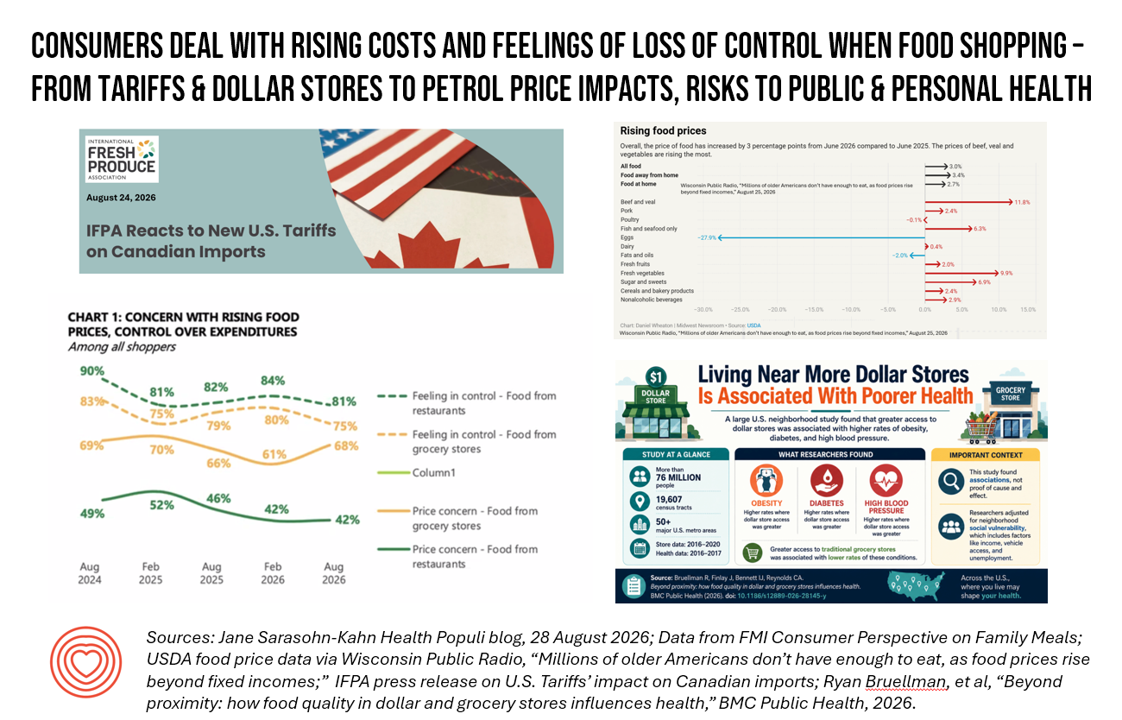
“Shoppers are feeling less control of their spending on food and more concerned about food prices than in February 2026.” Researchers with The Food Industry Association discussed their latest research into U.S. consumers’ worries about food prices’ impacts on family meals this week, and their findings comport with what I see happening in peoples’ self-care choices at-home directly impacting nutrition as well as adjacent areas of retail health and home health life-flows. This data point meshes with trends in geopolitics, home economics, and consumers’ growing demand for self-care outside of traditional “front doors” compelling me to call-out the health risks
A Bullish Market for Wearables and the Health-Driven Consumer
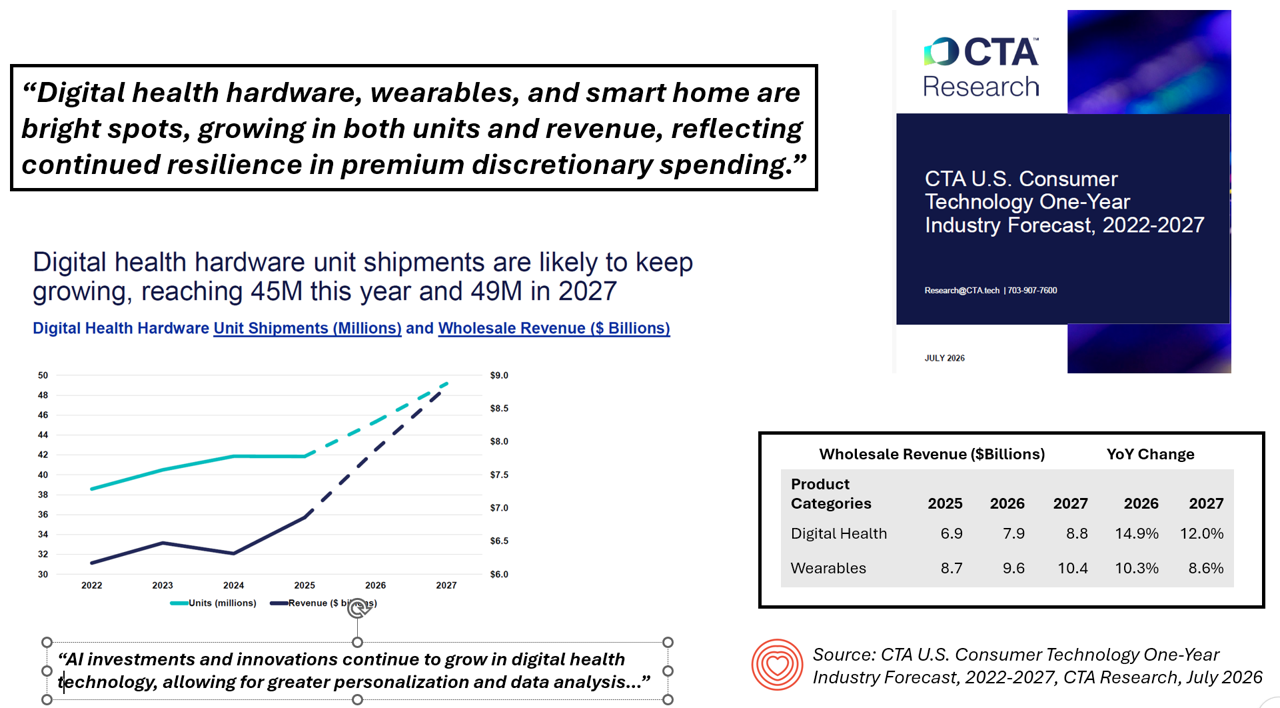
The forecasts for wearable tech for health range from a state of “war” innovators to a consumer-led bull market for quantifying selves across a range of measures. There is a growing array of options for health-driven consumers across a spectrum of goals and applications, and varying levels of clinical evidence. In this post, I’ll discuss the current (fast-moving and -morphing) state of the wearable tech-health market, following up with implications for consumers, caregivers, and health citiznes-at-large. Let’s start with the forecast from the Consumer Technology Association (CTA), which held a webinar on their latest annual
How Kroger and Instacart Are Delivering Food as Medicine, and Medicine with Food

A new study in Circulation, published 10 August 2026 found that home delivery of healthy groceries significantly improved blood sugar levels for people dealing with Type 2 diabetes. Now an alliance between the major grocery chain Kroger working with Instacart can scale such an effort for consumers embracing their own approaches to food-as-medicine, combining the delivery of groceries with prescriptions by enrolling in Kroger’s My Prescriptions and Online Pay apps. Kroger operates some 2,800 grocery stores serving 11 million people a day. The banners of Kroger include at least one name you
The Cost of Healthcare for Retirees in America Hit $185,500 for a Person Retiring in 2026 – Welcome to Fidelity Investment’s 25th Annual Report
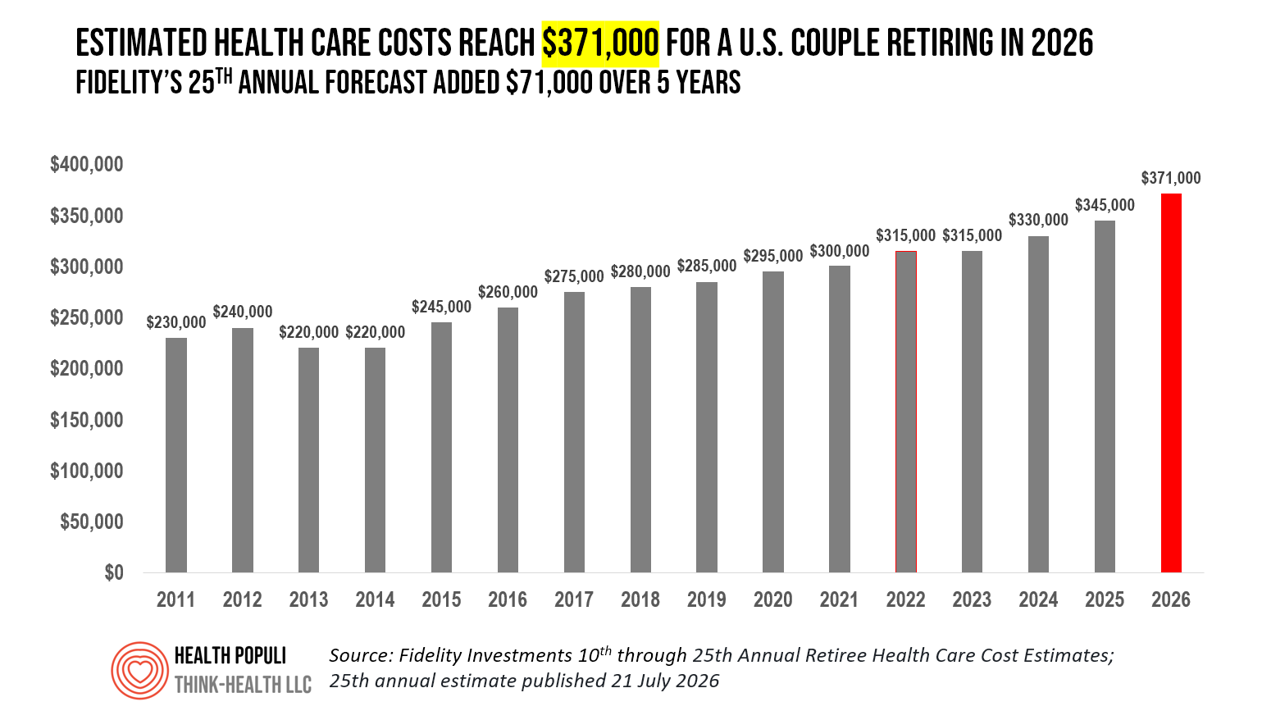
A 65-year-old retiring in 2026 can expect to spend an average of $185,500 on health care and medical expenses throughout retirement, we learn in Fidelity Investment’s 25th Annual Retiree Health Care Cost Estimate report published in July. I’ve reviewed this study annually since 2011, creating this graph starting that year and adding to it with each annual report’s updated data. Nearly all years, we see the retirees’ healthcare costs increase, with a couple of declines — between 2012 and 2013, and again from 2022 to 2023. This year, from 2025 to 2026, we
How to Segment AI-Using Consumers: The Harris Poll AI Atlas, and What It Means for Healthcare
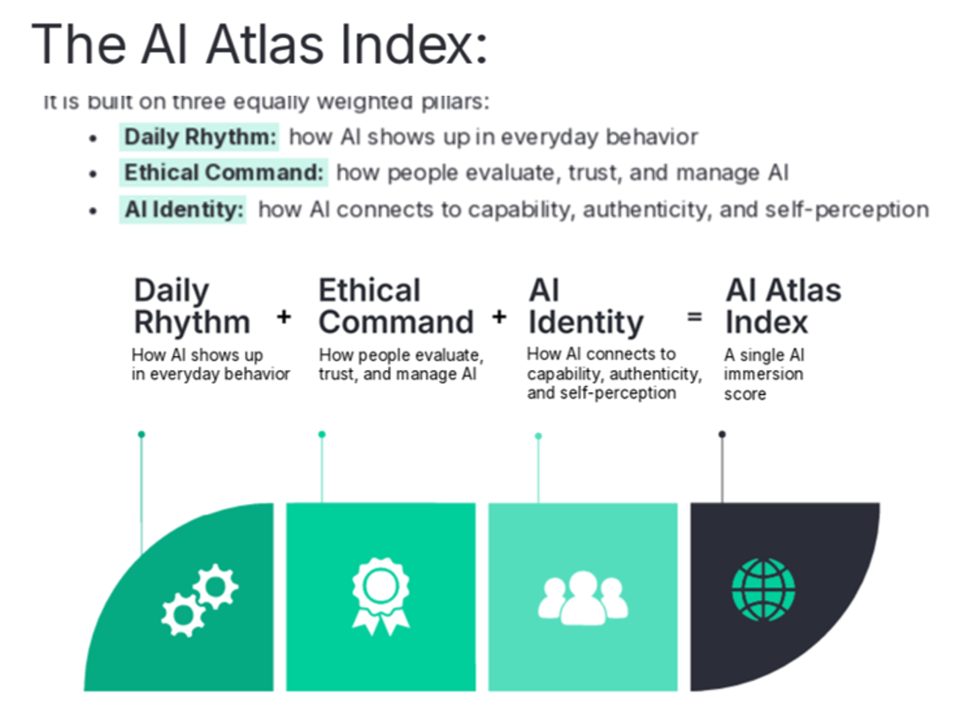
AI adoption is scaling faster than trust, where trust is tied to concerns about data privacy, transparency, and control in the U.S., Canada, and the UK. Welcome to the AI Atlas, what The Harris Poll calls “A living map of how people relate to AI and how those relationships evolve.” I consumed the Atlas with my lens on healthcare and self-care firmly in context, and in the Hot Points below, distill some thoughts on Harris’s fascinating market segmentation of AI/consumers. To construct the Atlas, The Harris Poll conducted a survey online in
 Jane will be working with EU- and UK-based clients in September and October 2026, collaborating with stakeholders in digital health, public/community health, retail health, and growing opportunities for health-at-home. Stay tuned to her updates here on Health Populi on-the-ground as she lives the digital nomadic work-life in Italy, Belgium, the Netherlands, and in London.
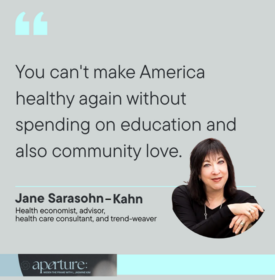 I was grateful to be Jasmine's first conversation-guest on her new podcast, "Aperture - Widen the Frame," where this expert in narrative medicine is bringing together the broad range of voices to sit at the table and address what health care needs: those humans in the health-system-loop who address health equity and empathy along with delivering evidence-based medicine for all.
 Jane joined host Dr. Geeta "Dr. G" Nayyar and colleagues to brainstorm the value of vaccines for public and individual health in this challenging environment for health literacy, health politics, and health citizen grievance. Click onto the Pfizer Value of Vaccines site and you can watch four episodes covering the challenges with adult vaccination, the employer and health plan member's journey to vaccination, reimbursement, and collaborating for proactive prevention.