


Health care ratings games
Most Americans believe there are fair and reliable ways to gauge the quality of health care. 9 in 10 Americans are interested in their health plans having a website where you can rate doctors on issues like trust, communications, medical knowledge, availability and office environment – and participating on such social networks (THINK: The Health CAre Scoop or Zagat/WellPoint). The latest Wall Street Journal/HarrisInteractive survey published March 25 finds that 3 in 4 consumers favor patient satisfaction surveys – once again asserting they value opinions from peers (aka “people like me”) even more than those coming from institutions, whether private
Mother-Power online
4 in 5 moms go online at least once a month, according to My Mommy’s Online. The report is based on 2007 data from Simmons Consumer Research Survey published by eMarketer. “Being a parent makes going online almost a necessity,” according to eMarketer. 40% of all women who go online in the US are mothers with kids under 18. There are 35 million of them (including me). Intriguingly, virtually all women who are pregnant (94%) use the Internet, and half of the mothers surveyed use the Internet more since having a child. What do Moms do online? 94% visit portals
Google and Cleveland Clinic — a tidy project built for disruption, and a word on privacy
The Google–Cleveland Clinic health records venture has been announced. Cleveland Clinic is a leader among providers when it comes to health IT, so Google has chosen well. This is a small, quick pilot between two mega-brands in their respective spaces. Word is that the project will last only a couple of months. While Cleveland Clinic has electronic health records for over 100,000 patients, this project will have an N of 10,000. I will be exploring more about the project with Googlefolks at HIMSS next week. For now, I’m in research mode. I’ve already come across several useful posts
Health Populi’s Tea Leaves for 2008
I “leave” you for the year with some great, good, and less-than-sanguine expectations for health care in 2008. These are views filtered through my lens on the health care world: the new consumer, health information technology, globalization, politics, and health economics. Health politics shares the stage with Iraq. Health care is second only to Iraq as the issue that Americans most want the 2008 presidential candidates to talk about, according to the latest Kaiser Health Tracking Poll. Several candidates have responded to the public’s interest with significant health care reform proposals. But major health reform – such as universal access
Welcome to Health Populi
You’re paying more out-of-pocket for health care co-payments and premiums. You are overwhelmed with health care choices. You search for health information online. You might be lucky enough to have health insurance covered by your employer, but you’re worried about losing it if you leave your job. You shop for healthy food, might do Pilates or Yoga, and spend money on health-oriented cosmeceuticals. You want to engage with the health system, and be empowered in your own health and health care. Welcome to Health Populi. As a health economist, I believe that health is a person’s most valuable asset. My
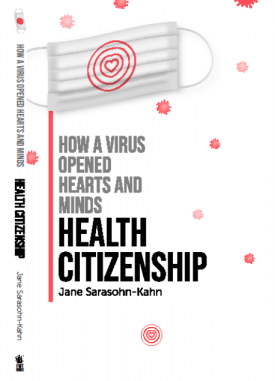
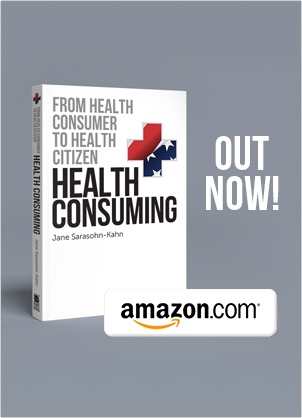
 Thank you Aaron Strout for hosting our conversation on the Reaching Higher Podcast, now live on Apple, Spotify, and YouTube. We covered a lot of ground addressing health care and health citizenship, the growing prospects for our homes as our health hubs, and how our humanity is a key ingredient in health-making for all.
 Jane joined host Dr. Geeta "Dr. G" Nayyar and colleagues to brainstorm the value of vaccines for public and individual health in this challenging environment for health literacy, health politics, and health citizen grievance. Click onto the Pfizer Value of Vaccines site and you can watch four episodes covering the challenges with adult vaccination, the employer and health plan member's journey to vaccination, reimbursement, and collaborating for proactive prevention.
 I'm grateful to be part of the Duke Corporate Education faculty, sharing perspectives on the future of health care with health and life science companies. Once again, I'll be brainstorming the future of health care with a cohort of executives working in a global pharmaceutical company.