


Physicians in America – Too Many Burned Out, Depressed, and Not Getting Support
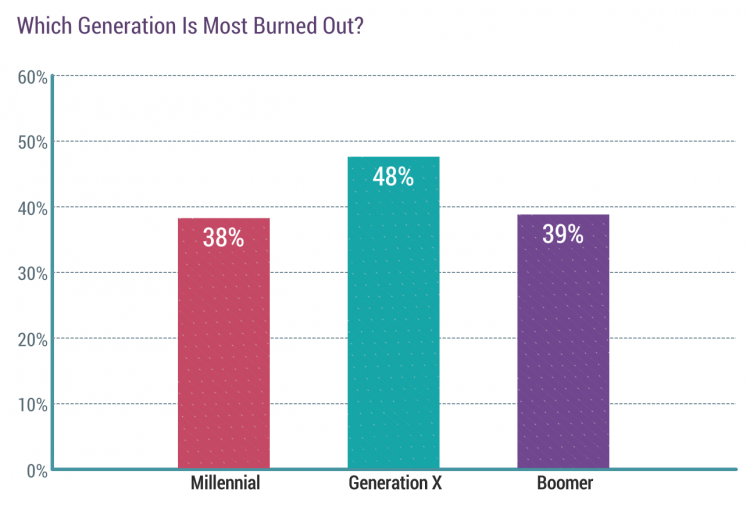
Some one in three physicians is burned out, according to the Medscape’s National Physician Burnout & Suicide Report. The subtitle, “The Generational Divide,” tells a bit part of the subtext of this annual report that’s always jarring and impactful for both its raw numbers and implications for both patient care and the larger health care system in America. Nearly 1 in 2 physicians in Generation X, those people born between 1965 and 1979, feel burned out compared with roughly 4 in 10 doctors who are Millennials or Boomers. Furthermore, many more women than men physicians feel burned out: 48% of
Home Is Where the Health Is, CareMore Health (And Most People) Believe
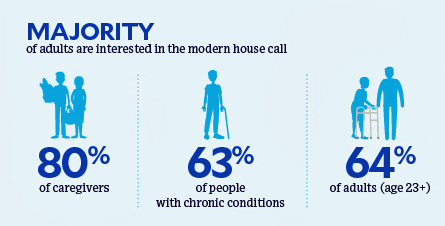
Most people dealing with chronic conditions, and those who care for them, believe that “home is where the health is,” according to a survey about the “21st century house call” from CareMore Health. To gain peoples’ perspectives on health care at home and chronic disease management, CareMore Health and Aspire Health commissioned a survey among 2,009 U.S. adults 23 years of age and over in September and October 2019. The survey sample included people dealing with chronic disease themselves, as well as caregivers attending to people with chronic illnesses. The definition of that “modern house call” is largely based on the
The 2020 Social Determinants of Health: Connectivity, Art, Air and Love
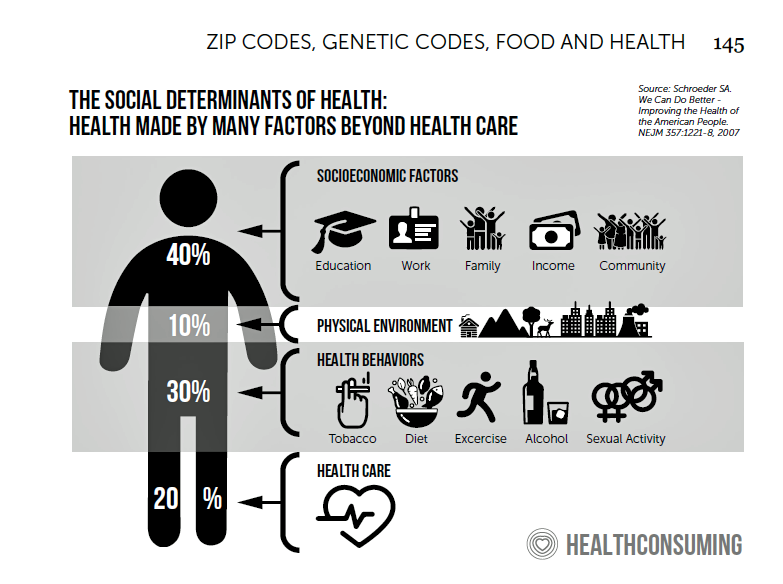
Across the U.S., the health/care ecosystem warmly embraced social determinants of health as a concept in 2019. A few of the mainstreaming-of-SDoH signposts in 2019 were: Cigna studying and focusing in on loneliness as a health and wellness risk factor Humana’s Bold Goal initiative targeting Medicare Advantage enrollees CVS building out an SDOH platform, collaborating with Unite US for the effort UPMC launching a social impact program focusing on SDoH, among other projects investing in social factors that bolster public health. As I pointed out in my 2020 Health Populi trendcast, the private sector is taking on more public health
Social Determinants of Health – My Early Childhood Education and Recent Learnings, Shared at the HealthXL Global Gathering
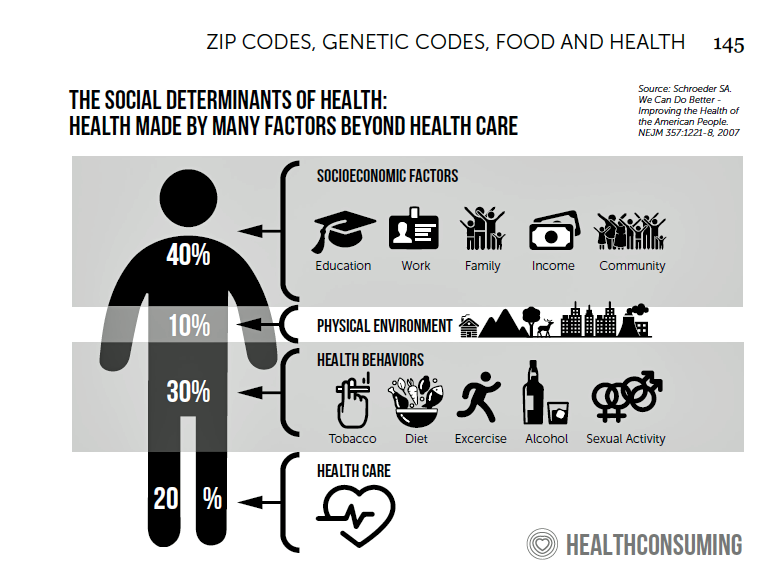
My cousin Arlene got married in Detroit at the classic Book Cadillac Hotel on July 23, 1967, a Sunday afternoon wedding. When Daddy drove us back out to our suburban home about 30 minutes from the fancy hotel, the car radio was tuned to WWJ Newsradio 950, all news all the time. As soon as Daddy switched on the radio, we were shocked by the news of a riot breaking out in the city, fires and looting and gunshots and chaos in the Motor City. Two days later, my father, who did business with Mom-and-Pop retail store owners in the
Art As Medicine – WHO Weaves the Evidence for Arts’ Role in Improving Health

“What’s the evidence on the role of the arts in improving health and well-being?” asks a report from the World Health Organization‘s Europe region team (WHO-Europe). There’s a lot of proof supporting arts-as-medicine, WHO details in this paper, which synthesizes research published in over 3,000 studies. The first chart illustrates the logic model that bridges arts to health in three segments: “Components” of arts programs, including but not limited to cognitive stimulation (e.g., learning a new arts skill such as painting, drawing or journaling), social interaction (e.g., participating in theatre), physical activity (e.g., dance), and evocation of emotion (e.g., listening
Making Health Care Better, from the N of 1 to the Public’s Health – Trend-Weaving Medecision Liberation 2019
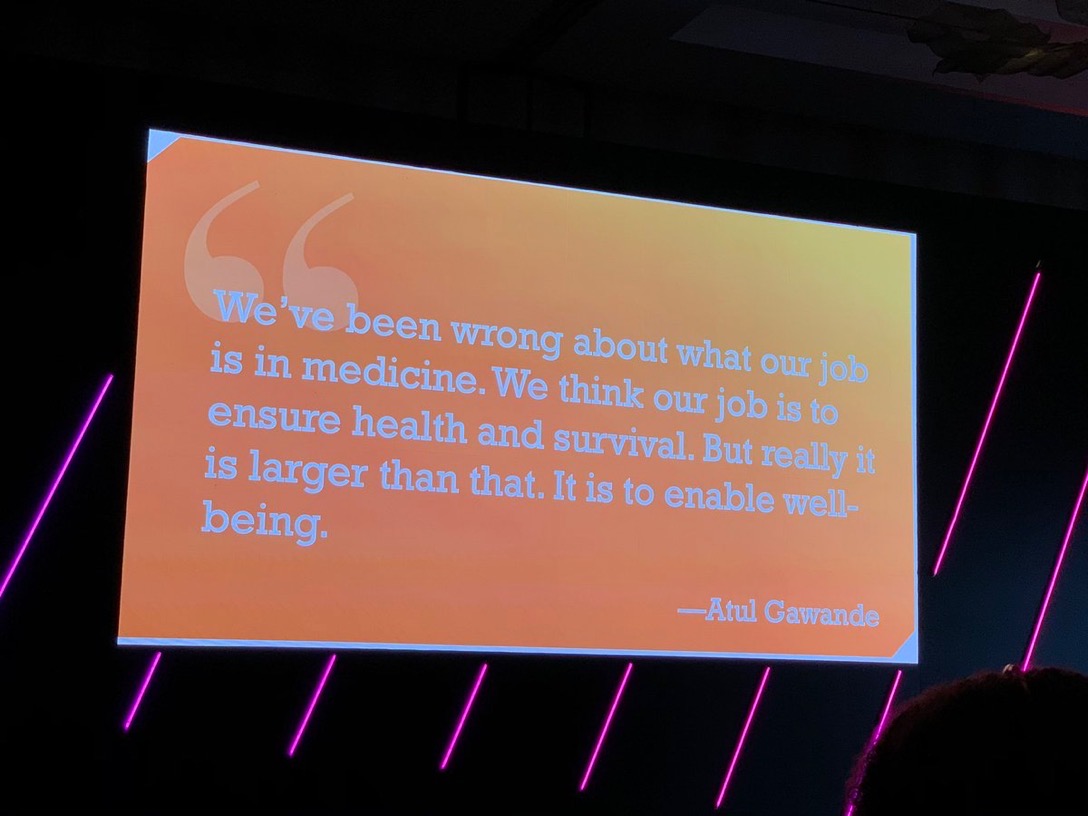
Health and our health information are deeply personal. Changing health care and inspiring positive health behaviors is hard to do. But we must and we will, a group of inspiring and inspired people who work across the health/care ecosystem affirmed this week in Dallas at the conference of Medecision Liberation 2019. I was engaged at this conference to wear several hats — as a keynote speaker, a sort of “emcee,” and, finally, to trend-weave the many talks and discussions happening throughout the meeting. This post is my synthesis of the summary I delivered live at the end of the conference,
How a Razor Bolsters Health, Wellness and Love for Caregiving
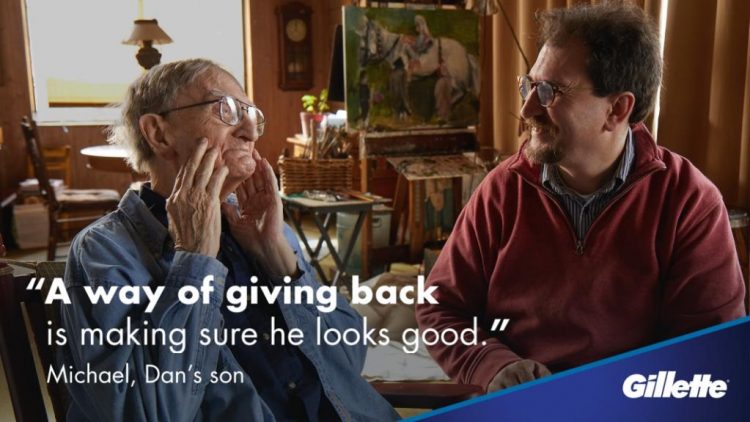
The market for caregiving is growing and the business community has, finally, begun to pay attention. The Washington Post referred to this market as a “gold rush” to design smart shoes, custom razors and technology for the “over-65 crowd.” Caregiving in the U.S., the seminal report from AARP, estimated that 43,5 million adults in the U.S. had provided unpaid care to an adult or child in the past year, about one in five people being caregivers. Over half of caregivers are women, and are about 49 years of age on average. Caregivers spent over 24 hours a week providing care go
There Is No Health Without Mental Health – Today Is World Mental Health Day
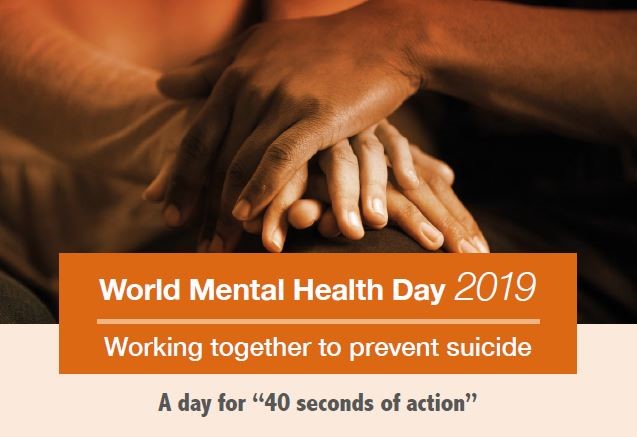
There is no health without mental health. Every 40 seconds, someone loses their life to suicide. So #LetsTalk (the Twitter hashtag to share stories and research and support on the social feed). Today is October 10th, World Mental Health Day. As we go about our lives today and truly every day, we should be mindful that mental health is all about each of us individually, and all of us in our communities and in the world. First, let’s hear from Prince Harry and Ed Sheeran (who, video spoiler alert, decides to pivot his lyrics to a draft song titled “Gingers
The Promise of Telehealth for Older People – the U-M National Poll on Healthy Aging
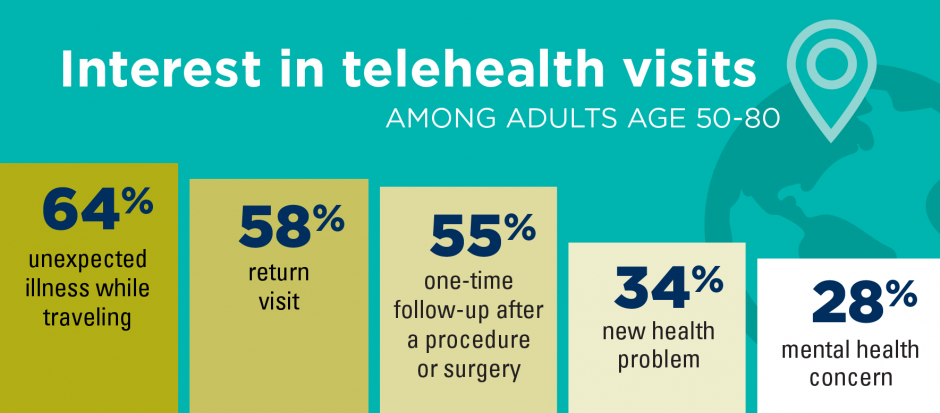
Older people are re-framing their personal images and definitions of aging, from continuing to work past typical retirement age, Skyping and texting with grandchildren, and traveling to destinations well beyond the “snowbird” locales of Florida and Arizona to more active and often charitable/volunteer situations in developing economies. And so, too, are older folks re-imagining how and where their health care services could be delivered and consumed. Most people over 50 years of age are cautious but open to receiving health care virtually via telehealth platforms, according to the National Poll on Healthy Aging from my alma mater, the University of Michigan. U-M’s
The Rise of Social Determinants of Health in Healthcare is Just Real Life Stuff for People, Patients, Consumers

Based on the influx of research studies and position papers on social determinants of health flowing into my email box and Google Alerts, I can say we’re past the inflection point where SDoH is embraced by hospitals, professional societies, health plans and even a couple of pioneering pharma companies. PwC published a well-researched global-reaching report this week appropriately titled, Action required: The urgency of addressing social determinants of health. The “wheel of determinants” illustrates potential partners for collaborating in communities to address SDoH factors. The collaborators include governments, health care providers, payors, life science and pharma, tech and telecomms, policy
Phone Calls, Social Plans, and Entertainment As Prescriptions for Older Peoples’ Loneliness

Loneliness is a killer, a health risk factor that’s been equated to smoking 15 cigarettes a day. There’s a Loneliness Epidemic in America, according to the Health Resources & Services Administration, part of the U.S. Department of Health and Human Services. HRSA’s infographic here tells us that there’s a 45% greater risk of mortality among older people who feel lonely. Given that millions of seniors in the U.S. feel lonely on a regular basis, that translates into a huge risk of death for so many older people who feel disconnected from others. “As a force in shaping our health, medical
How Whirlpool’s #CareCounts Campaign Bolsters a Key Social Determinant of Health

Did you know that September is Attendance Awareness month? Me, neither. But reading one of last Sunday’s national newspapers, I noticed a full-page ad that read, “Whirlpool is helping keep kids in schools with washers and dryers.” Reading further on, the copy called out two data points making the point about laundry and education: One in five students don’t have access to clean clothes, making them more likely to miss school; and Students who miss school are 7 times more likely to drop out of educational system. The full ad’s theme in the words of Whirlpool is that, “Education has a
100 Million People in America Lack Broadband — an On-Ramp to Health and Safety

One in three Americans does not have a broadband connection, according to a new report from the NPD Group. This means that about 100 million people in the U.S. can’t benefit from telehealth and other digital health connections that can bolster self-care, home care, and lower cost care. Most of these folks in the broadband-digital divide live in rural America/ “The so-called digital divide, between those that can or cannot make the best use of the Internet, can be clearly felt in rural markets where the lack of broadband impacts everything from entertainment to the educational system,” Eddie Hold, President
The Grocery Store As Health Destination: Publix Produce for Kids and the Social Determinants of Health
Food insecurity ranks high on Americans’ greatest social health risks. In local communities, grocery stores are playing key roles in bolstering neighborhood wellness. Publix and other food chains, collaborating with the Produce for Kids program, are walking the talk on nutrition for local health citizens. Produce for Kids is associated with Feeding America, which works with local food banks and non-profits to help channel healthy food to children and families. Feeding America is a national network of over 200 food banks fighting hunger in America, serving over 46 million people and 60,000 food pantries, and advocating for legislation that addresses
Intent, Insiders/Outsiders and Insights — Disney Institute’s Women’s Leadership Summit
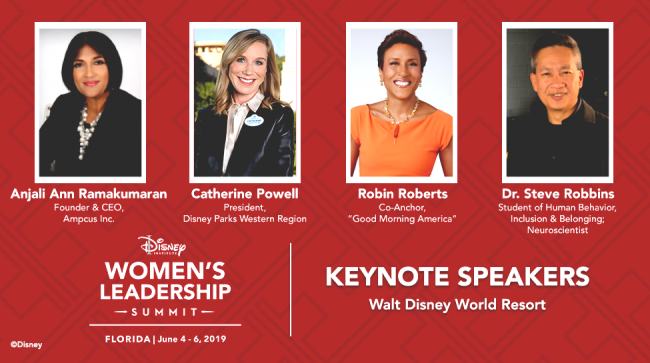
There are many forms of magic inspired by Disney, the company. There’s the obvious attraction, the Magic Kingdom, that was Walt’s original destination vision, “imagineered” in 1932. Then there are other kinds of magic. The one I’m deep into in the moment is inspiration, ideation, and “reimagineering” my own thinking about work, legacy, and social justice. I’m grateful to have had the opportunity to spend much of this week at the inaugural Disney Institute Women’s Leadership Summit. The Institute convened about 300 women (and a handful of brave “He-for-She” men keen on diversity) in Orlando to learn about and brainstorm
People Want to Flourish, Not Just Live – Speaking Health Politics to Real People
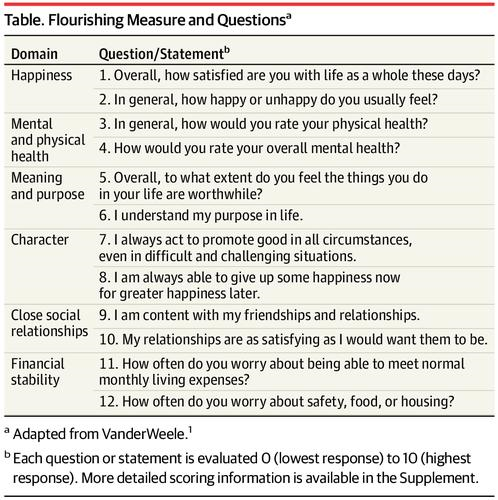
“How should we define ‘health?'” a 2011 BMJ article asked. The context for the question was that the 1948 World Health Organization definition of health — that health is, “a state of complete physical, mental and social well-being and not merely the absence of disease or infirmity”– was not so useful in the 21st century. The authors, a global, multidisciplinary team from Europe, Canada and the U.S., asserted that by 2011, human health was marked less by infectious disease and more by non-communicable conditions that could be highly influenced, reversed and prevented through self-care by the individual and public health policy
How Consumers Look At Social Determinants of Health for Cancer, Diabetes and Mental Health

Enlightened health/care industry and public policy stakeholders have begun to embrace and address social determinants of health. These are the inputs that bolster health beyond health care services: they include economic stability like job security and income level (and equity), education, and access to healthy food, food security, safe neighborhoods, social support, clean environments (water and air), and in my own update on SDoH factors, access to broadband connectivity. As physician leaders in the AMA, technology advocates from AMIA, and numerous health plans focus efforts on strengthening social determinants, what do people – consumers, patients, caregivers — think about these
Will Health Consumers Morph Into Health Citizens? HealthConsuming Explains, Part 5

The last chapter (8) of HealthConsuming considers whether Americans can become “health citizens.” “Citizens” in this sense goes back to the Ancient Greeks: I return to Hippocrates, whose name is, of course, the root of The Hippocratic Oath that physicians take. Greece was the birthplace of Democracy with a capital “D.” Hippocrates’ book The Corpus is thought to be one of the first medical textbooks. The text covered social, physical, and nutritional influences, and the concept of “place” for health and well-being. Here, the discussion detailed the roles of air and water for health. The Hippocratic texts also coached doctors to
The Promise of Digital Health and the Privacy Perils – HealthConsuming Explains, Part 4

The supply side of digital health tools and tech is growing at a hockey-stick pace. There are mobile apps and remote health monitors, digital therapeutics and wearable tech from head-to-toe. Today in America, electronic health records (EHRs) are implemented in most physician offices and virtually all hospitals. Chapter 5 of my book, HealthConsuming: From Health Consumer to Health Citizen, details the promise of digital health: wearable, shareable and virtual. Today, we can also call on Alexa to remind us to take medications, play nostalgic music when we are lonely, check our physical activity status with Fitbit, and query WebMD about
What We Know We Know About ZIP Codes, Food, and Deaths of Despair – HealthConsuming Explains, Part 3

“There’s a 15-year difference in the life expectancy between the richest and poorest Americans.” That’s the first sentence of Chapter 7 in my book, HealthConsuming: From Health Consumer to Health Citizen. This data point comes from research published in JAMA in April 2016 on the association between income and life expectancy in the U.S. (That’s endnote #399 in the back of the book, one of 519 notes I use to support the plotline). Today, the Brookings Institution convened a meeting on the funding for social determinants of health to address disparities, costs, and quality of healthcare in America. The overall
Time To Travel And Wait In Health Care: The Opportunity For Self-Care At Home
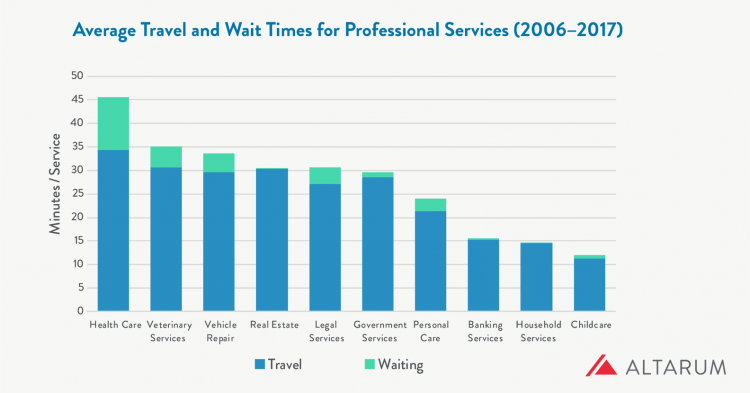
What industry compels its “consumers” to wait longer and travel further for services more than any other in a person’s daily life? That would be health care, a report from Altarum notes. People travel further and wait longer for medical services than for veterinary care (second in this line-up), auto repair, banking, and household services. The annual opportunity cost for travel and wait time in health care is $89 billion, Altarum estimated. For the average person, that translates to 34 minutes of travel time and 11 minutes waiting time at the provider’s office. In terms of personal opportunity costs, Altarum gauged the
“Telehealth is a digital distribution channel for health care” – catching up with Roy Schoenberg, President and CEO of American Well
Ten years ago, two brothers, physicians both, started up a telemedicine company called American Well. They launched their service first in Hawaii, where long distances and remote island living challenged the supply and demand sides of health care providers and patients alike. A decade later, I sat down for a “what’s new?” chat with Roy Schoenberg, American Well President and CEO. In full transparency, I enjoy and appreciate the opportunity to meet with Roy (or very occasionally Ido, the co-founding brother-other-half) every year at HIMSS and sometimes at CES. In our face-to-face brainstorm this week, we covered a wide range
It’s Not All About Pink for Women’s Tech at CES 2019
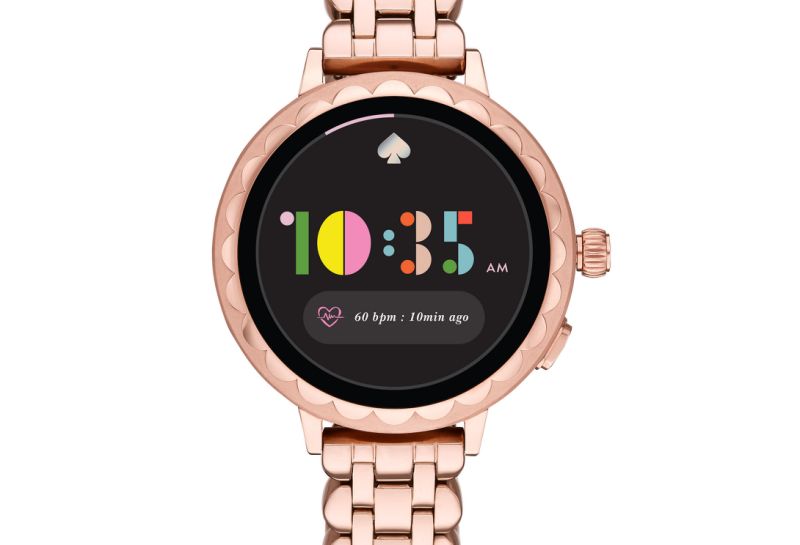
This is not a watch. Well, not just a watch. It can track heart rate. And it’s not even pink. Well, rose gold, perhaps. One of the benefits about being a woman attending CES is that there are no lines in the loos. The men’s rooms, however, are, shall we say, over-subscribed due to the big disparity between the number of male attendees versus females. Clearly, women are under-represented in technology companies at all levels, as the ladies’ room observation and many other more statistical reports recognize. But I’ve good news to report on the product front about women-focused consumer
The Consumer as Payor – Retail Health at CES 2019
All health/care is retail now in America. I say this as most people in the U.S. who have health insurance must take on a deductible of some amount, which compels that insured individual to spend the first dollar on medical services up until they meet their financial commitment. At that point, health insurance kicks in, and then the insured may have to spend additional funds on co-payments for general medicines and services, and coinsurance for specialty drugs like injectables and high-cost new therapies. The patient is a consumer is a payor, I asserted today during my talk on the expanding
Costs, Consumerism, Cyber and Care, Everywhere – The 2019 Health Populi TrendCast

Today is Boxing Day and St. Stephens Day for people who celebrate Christmas, so I share this post as a holiday gift with well-wishes for you and those you love. The tea leaves have been brewing here at THINK-Health as we prepared our 2019 forecast at the convergence of consumers, health, and technology. Here’s our trend-weaving of 4 C’s for 2019: costs, consumerism, cyber and care, everywhere… Health care costs will continue to be a mainstream pocketbook issue for patients and caregivers, with consequences for payors, suppliers and ultimately, policymakers. Legislators inside the DC Beltway will be challenged by the
Broadband As Social Determinant of Health – Microsoft’s Plan to Bolster Rural Access

In the U.S., the highest levels of unemployment are in places that often have the lowest access to broadband connectivity. And, “without a proper broadband connection, these communities can’t start or run a modern business, access telemedicine, take an online class, digitally transform their farm, or research a school project online,” Microsoft President Brad Smith said yesterday as the company announced their continued commitment to expanding broadband in rural America. Microsoft is expanding a program the company launched last year to address the rural broadband gap in the U.S. The Airband Initiative is working from Northwest Georgia to South Africa to bolster
Money First, Then Kids: The State of the American Family in 2018

Most American families with children at home are concerned about paying bills on a monthly basis. One in two people have had at least one personal “economic crisis” in the past year, we learn in the American Family Survey 2018, released last week from Deseret News and The Brookings Institution. The project surveyed 3,000 U.S. adults across the general population, fielded online by YouGov. This poll, conducted since 2005, looks at the state of U.S. families through several issue lenses: the state of marriage and family, parents and teenagers, sexual harassment (with 2018 birthing the #MeToo movement), social capital and
The Ultimate Health Outcome, Mortality, Is Rising in America

How long can people living in the U.S. expect to live? 78.6 years of age, if you were born in 2017. That’s a decline of 0.1 year from 2016. This decline especially impacted baby boys: their life expectancy fell to 76.1 years, while baby girls’ life expectancy stayed even at 81.1 years. That’s the latest data on Mortality in the United States, 2017, soberly brought to you by the Centers for Disease Control and Prevention, part of the U.S. Department of Health and Human Services. Underneath these stark numbers are the specific causes of death: in 2017, more Americans died
Radicalizing Kindness for Health: Learning from Bhutan

“Happiness is within, but not within you alone as it is among us. If we can create happiness in a community, then we will be able to attain happiness as individuals,” observed Saamdu Chetri speaking at the International Psychological Congress last week. Chetri is head of Bhutan’s Gross National Happiness Centre, which developed the Gross National Happiness Index. The phrase “Gross National Happiness” was first mentioned in 1972 by the 4th King of Bhutan, King Jigme Singye Wangchuck in an interview with the Financial Times. King Wangchuck said that, “Gross National Happiness is more important than Gross Domestic Product.” The GNH
Financial Stress Is An Epidemic In America, Everyday Health Finds

One in three working-age people in the U.S. have seen a doctor about something stress-related. Stress is a way of American life, based on the findings in The United States of Stress, a survey from Everyday Health. Everyday Health polled 6,700 U.S. adults between 18 and 64 years of age about their perspectives on stress, anxiety, panic, and mental and behavioral health. Among all sources of stress, personal finances rank as the top stressor in the U.S. Over one-half of consumers say financial issues regularly stress them out. Finances, followed by jobs and work issues, worries about the future, and relationships cause
Loneliness, Public Policy and AI – Lessons From the UK For the US
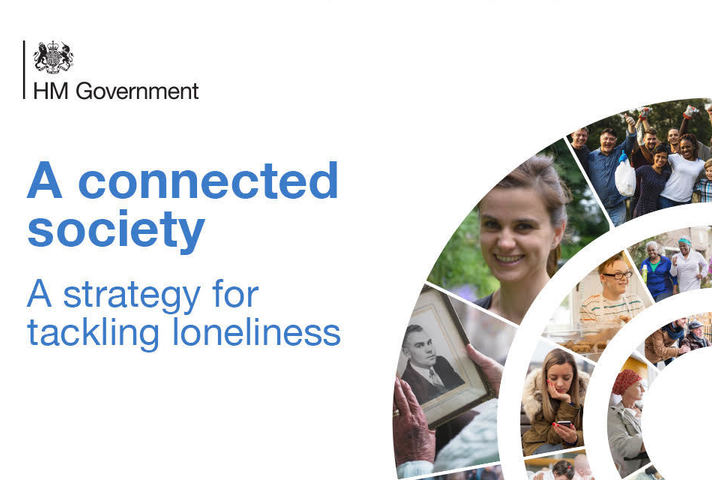
There’s a shortage of medical providers in the United Kingdom, a nation where healthcare is guaranteed to all Britons via the most beloved institution in the nation: The National Health Service. The NHS celebrated its 70th anniversary in July this year. The NHS “supply shortage” is a result of financial cuts to both social care and public health. These have negatively impacted older people and care for people at home in Great Britain. This article in the BMJ published earlier this year called for increasing these investments to ensure further erosion of population and public health outcomes, and to prevent
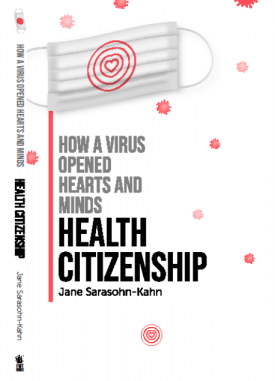
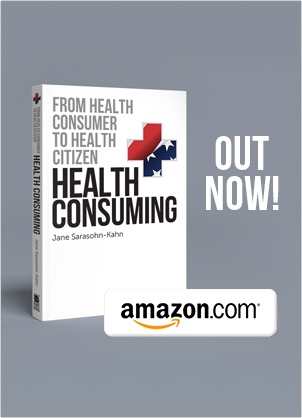
 Thanks to Jennifer Castenson for her article in Green Builder Media tracking the growing trend of home-building baked with wellness inside and out. She interviewed me for the piece and I'm grateful to have my perspectives covered in this important issue. Here's one snippet: “Now, we are starting to see areas of the home purposed for health and we have started to think about how to repurpose the home for health."
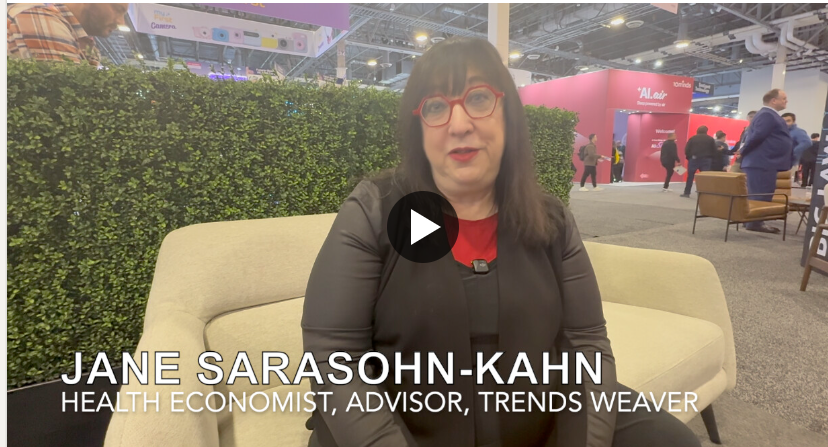 yeva, digital storyteller, for engaging in a wide-ranging conversation with me about hos digital health and health/care have grown at CES (once called the Consumer Electronics Show) over the 16 years I have attended the meeting. We covered a lot of ground, from the early Fitbit/Nike/UnderArmour era where health covered a couple of aisles in the Venetian/Sands exhibition hall to 2026, where health/care is everywhere, from #digitalhealth and remote care monitoring to connected cars, smart homes, and mirrors for tracking well-being.
 Jane joined host Dr. Geeta "Dr. G" Nayyar and colleagues to brainstorm the value of vaccines for public and individual health in this challenging environment for health literacy, health politics, and health citizen grievance. Click onto the Pfizer Value of Vaccines site and you can watch four episodes covering the challenges with adult vaccination, the employer and health plan member's journey to vaccination, reimbursement, and collaborating for proactive prevention.