


A Springtime Re-Set for Self-Care, From Fitness to Cozy Cardio: Peloton’s Latest Consumer Research

How many people do you know that don’t know their cholesterol or their BMI, their net worth or IQ, their credit score, astrological sign, or ancestry pie-chart? Chances are fewer and fewer as most people have gained access to medical records and lab test results on patient portals, calorie burns on smartwatches, credit scores via monthly credit card payments online, and completing spit tests from that popularly gifted Ancestry DNA test kits received during the holiday season. Meet “The Guy Who Didn’t Know His Cholesterol” conceived by Roz Chast,
What to Expect For Health/Care at CES 2024
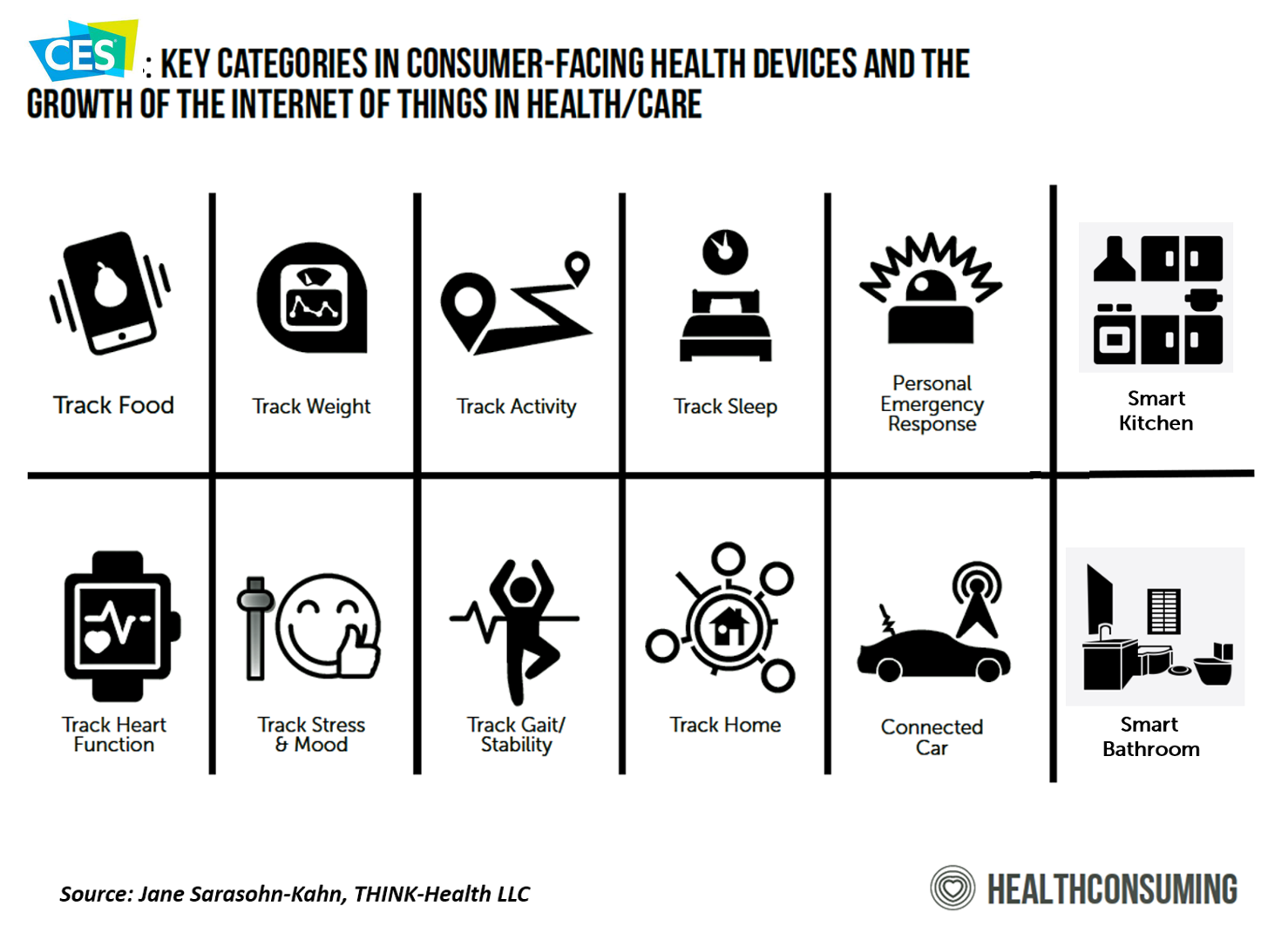
Not known for its salubrious qualities, Las Vegas will nonetheless be a locus for health, medical care, and well-being inspiration next week when the Consumer Technology Association convenes the annual CES featuring innovations in consumer technology. Ten years ago here in Health Populi, I wrote about New Year’s Resolutions for Health and the 2013 Consumer Electronics Show. Then, one-third of consumers were keen to buy health tracking technology but most of those people were healthy, CTA’s research found. I talked about the “battle of the (wrist)bands” witnessed at CES 2013, and spotted the
The Best Global Brands Through a Lens on Health – Reading Interbrand’s 2023 Annual Report
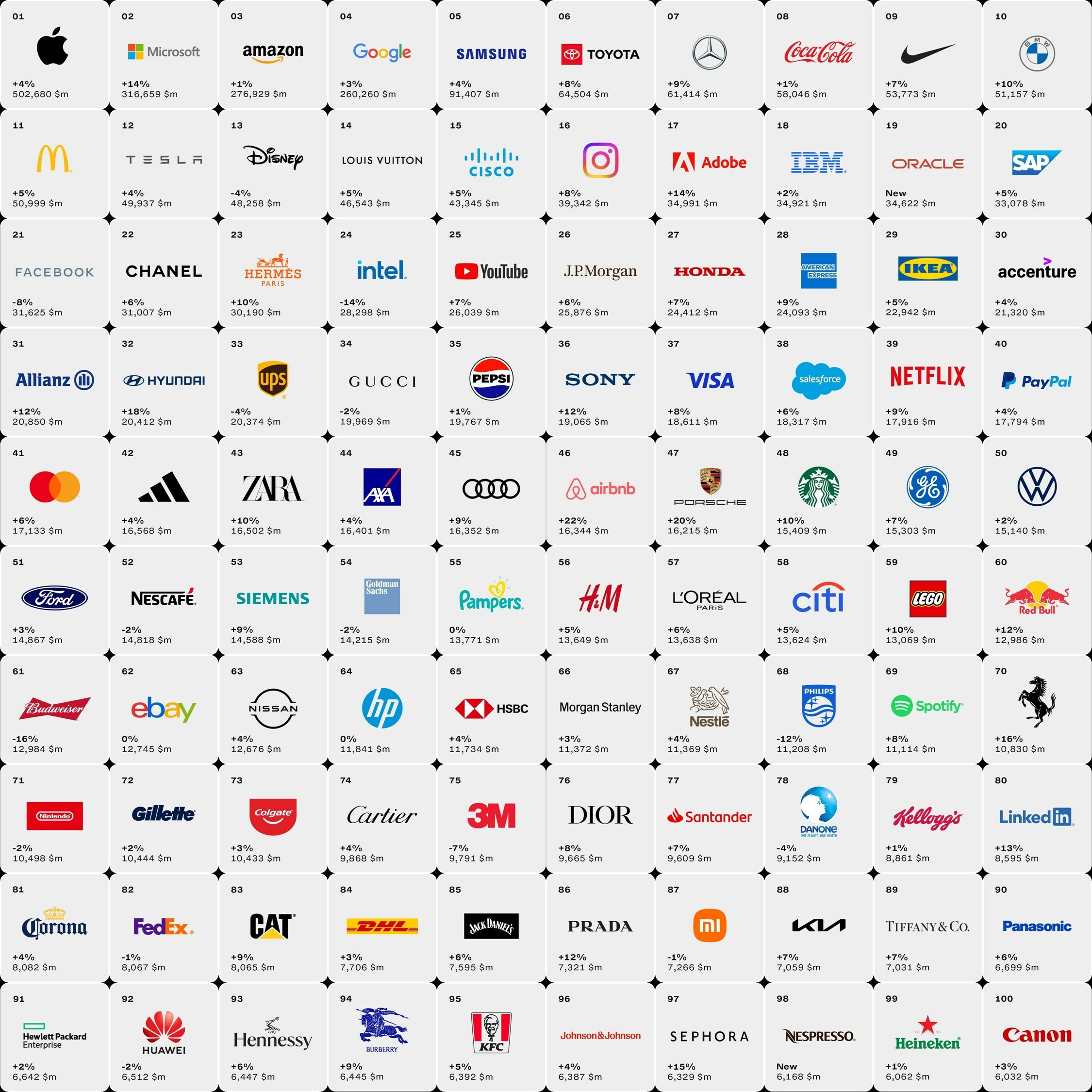
“Businesses which have witnessed a rise in brand value…have all transcended their established category norms and play a more significant and meaningful role in society and consumers’ lives,” we learn in the Interbrand Best Global Brands 2023 report, subtitled, “How Iconic Brands Lead Across Arenas. Most brands stagnated or lost ground in terms of brand value in 2023, with average growth rate of 5.7% compared to 16% in 2022. But those who rose fast bucked the stagnation trend, and included the fastest risers Airbnb (growing brand value by 21,8%) and Microsoft (increasing in brand value by 14%, the highest growth rate

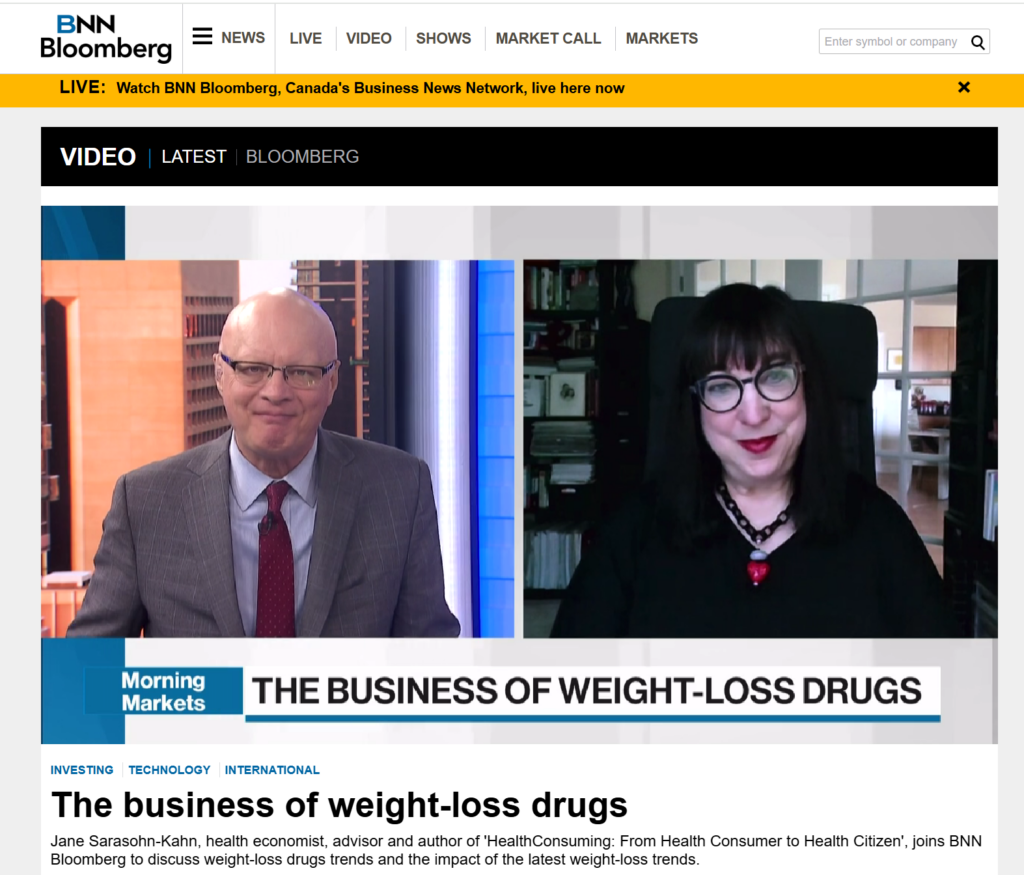 Interviewed live on BNN Bloomberg (Canada) on the market for GLP-1 drugs for weight loss and their impact on both the health care system and consumer goods and services -- notably, food, nutrition, retail health, gyms, and other sectors.
 Thank you, Feedspot, for citing the Health Populi blog as one of the best in the field this year! Very grateful to be among the company of some of my own go-to's such as Everyday Health, NPR Health Shots, Health Affairs, and Kaiser Health News, among others...
 As you may know, I have been splitting work- and living-time between the U.S. and the E.U., most recently living in and working from Brussels. In the month of September 2024, I'll be splitting time between London and other parts of the U.K., and Italy where I'll be working with clients on consumer health, self-care and home care focused on food-as-medicine, digital health, business and scenario planning for the future...