


The Heart of Health at CES 2020 – Evidence & Innovation Bridge Consumers and Doctors
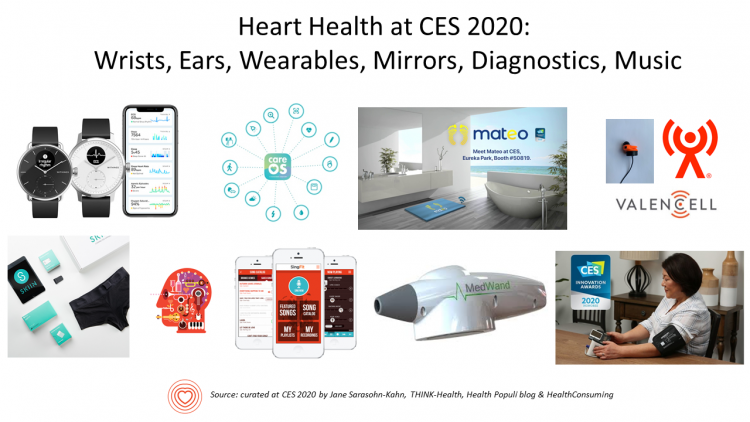
The digital health presence at CES 2020 is the fastest-growing segment of consumer technologies at the Show this year, increasing by 25% over 2019. Heart-focused technologies are a big part of that growth story. In fact, in our search for devices and tools underpinned with clinical proof, evidence is growing for consumer-facing technology for heart-health, demonstrated by this year’s CES. Wrist-worn devices, digital therapeutics, patient engagement platforms, pharma and health plans converged at this year’s CES, with the professional association “blessing” of the American College of Cardiology who granted a continuing medical education credit for physicians attending a one-day “disruptive
Out-of-Pocket and Prescription Drug Costs – Connecting Digital Health Dots at CES 2020
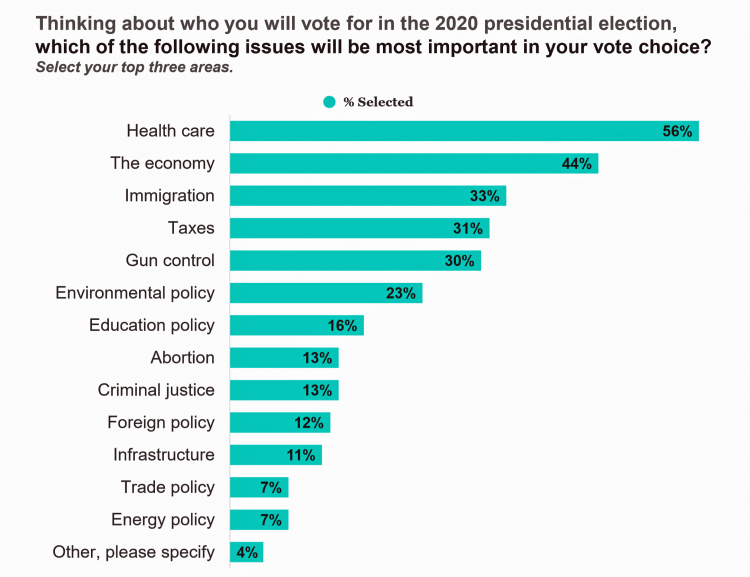
The top two health care concerns facing Americans are out-of-pocket costs and prescriptions drug costs, according to a poll published today in Morning Consult. Apropos to my title of this post, the survey was sponsored by the Bipartisan Policy Center, whose mission is to promote, cross-party affiliations, “health, security and opportunity for all Americans.” Health care is the top issue driving voters’ choices in the 2020 elections for most Americans. The economy follows second with 44% of voters, then immigration with 33% of Americans keen on the issue. For overall healthcare reform, the plurality of Americans prefer improving the current system
The Internet of Teeth – The Growth of Oral Health at CES 2020
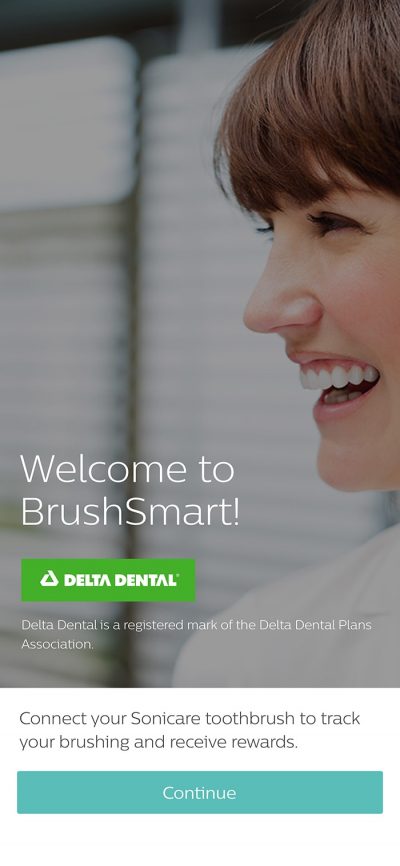
The presence of health and medicine is growing at CES, the annual conference of all-things-tech for consumers. At this week’s Show in Las Vegas, we see that the Internet of Healthy Things (a phrase coined by Dr. Joe Kvedar) has taken hold and gone mainstream in remote health monitoring, wearable tech, and heart rate tracking which is now embedded (and expected by health-seeking consumers) in wristbands. An expanding category in the Internet of Healthy Things is oral care. Let’s call this the Internet of Teeth, yet another riff on “IoT.” Of course, oral health goes well beyond teeth and toothbrushes.
“Digital Health Is An Ecosystem of Ecosystems” – CTA’s 2020 Trends to Watch Into the Data Age
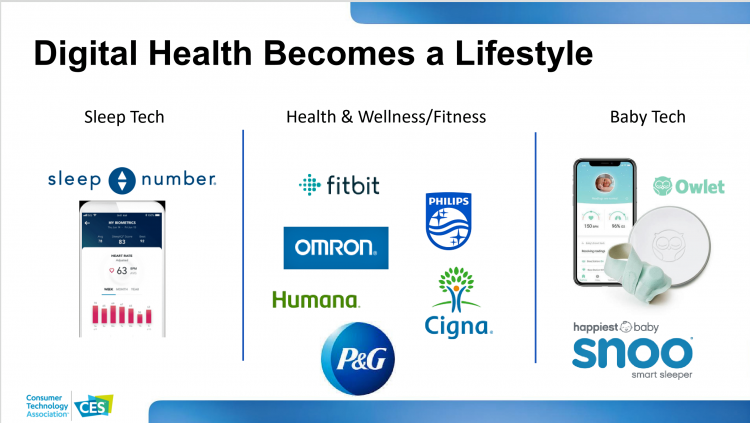
In CTA’s 2020 Consumer Tech Forecast launched yesterday at Media Day 1 at CES, Steve Koenig VP of Research, said that, “digital health is an ecosystem of ecosystems.” Health, medical and wellness trends featured large in the forecast, which brought together key trends for 5G, robotics, voice tech, AR/VR/XR, and the next iteration of IoT — which Steve said will still be called “IoT,” but in this phase will morph into the “Intelligence of Things.” That speaks to Steve’s phrase, “ecosystem of ecosystems,” because that’s not just “digital” health — that’s now the true nature of health/care, and what is
Living in Digital Healthcare Times – Kicking off #DigitalHealthCES & #CES2020
Today is Day 1 of two Media Days at #CES2020 in Las Vegas, kicking off this manic week of the Consumer Electronics Show at the Mandalay Bay convention center. For several years, I’ve convened with journalists and industry analysts from around the world for these two days before the “official” opening of CES to hear the latest news from some of the largest tech-focused companies on Earth. Announcements come from across industry sector — from automotive and transportation, telecoms, consumer goods, entertainment, social media, travel, and retail…with platform technologies playing a role including but not limited to AI, AR/VR/XR (the
What HealthyThinker Is Thinking About Health at CES 2020

Next week, the Consumer Technology Association (CTA) will convene CES, the Consumer Electronics Show, where over 180,000 tech-minded people from around the world will convene to kick the tires on new TVs, games, smart home devices, 5G connections, 3-D printing, drones, and to be sure, digital health innovations. At #CES2020, exhibitors in the health/care ecosystem will go well beyond wearable devices for tracking steps and heart rate. I’ll be meeting with wearable tech innovators along with consumer electronics companies and retailers. I’ve also scheduled get-togethers with pharma and life science folks, health plan people, and execs from consumer health companies.
The 2020 Social Determinants of Health: Connectivity, Art, Air and Love
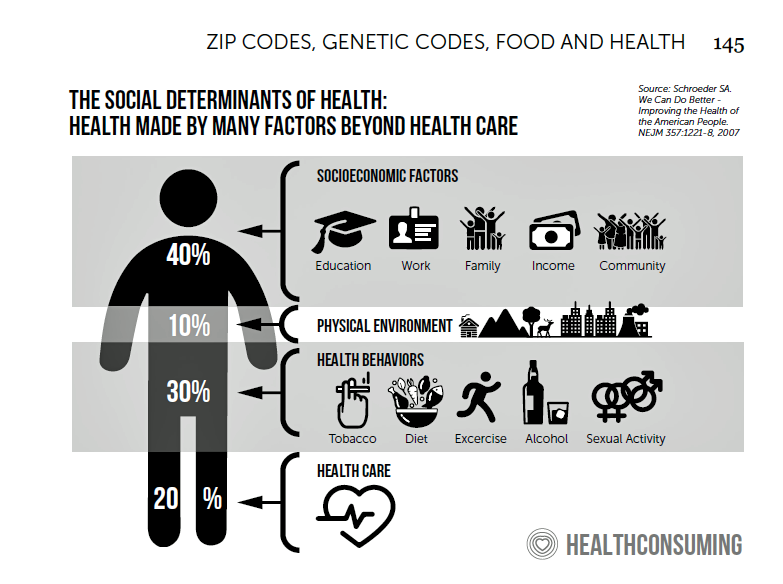
Across the U.S., the health/care ecosystem warmly embraced social determinants of health as a concept in 2019. A few of the mainstreaming-of-SDoH signposts in 2019 were: Cigna studying and focusing in on loneliness as a health and wellness risk factor Humana’s Bold Goal initiative targeting Medicare Advantage enrollees CVS building out an SDOH platform, collaborating with Unite US for the effort UPMC launching a social impact program focusing on SDoH, among other projects investing in social factors that bolster public health. As I pointed out in my 2020 Health Populi trendcast, the private sector is taking on more public health
In 2020, PwC Expects Consumers to Grow DIY Healthcare Muscles As Medical Prices Increase
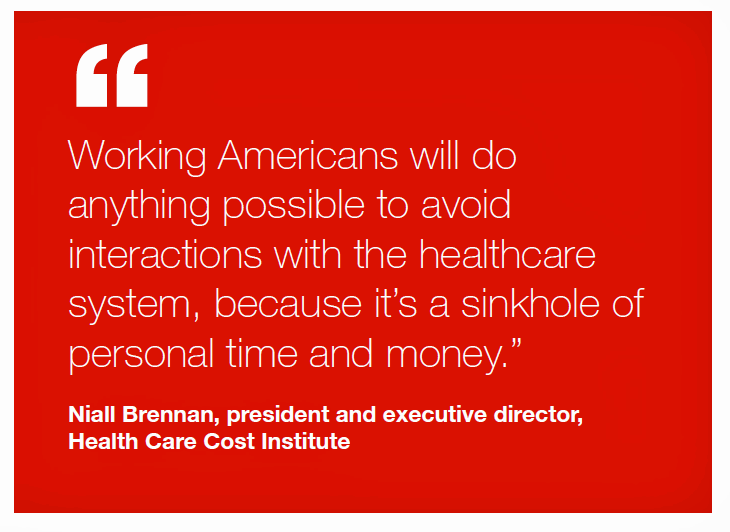
The new year will see a “looming tsunami” of high prices in healthcare, regulation trumping health reform, more business deals reshaping the health/care industry landscape, and patients growing do-it-yourself care muscles, according to Top health industry issues of 2020: Will digital start to show an ROI from the PwC Health Research Institute. I’ve looked forward to reviewing this annual report for the past few years, and always learn something new from PwC’s team of researchers who reach out to experts spanning the industry. In this 14th year of the publication, PwC polled executives from payers, providers, and pharma/life science organizations. Internally,
Food As Medicine: Grocery Stores Expand as Health Destinations While the Federal Government Cuts Food Stamps
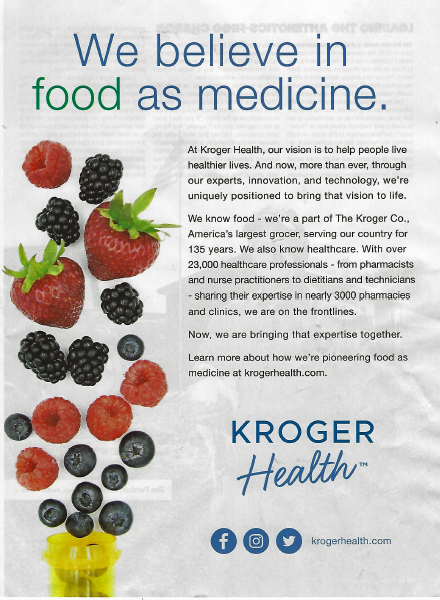
There’s something like cognitive dissonance as I prepare my 2020 Health Populi TrendCast of what to expect in the health/care ecosystem in the new year. One of my key pillars for health-making is food-as-medicine, and that opportunity in this moment resonates in this holiday season with Dickens’ “Best of Times, Worst of Times” context-setting that kicks off Great Expectations. In the “best of times” part of the food+health equation, we recognize the growing role of grocery stores, food-tech and food manufacturers in the health/care landscape. A current example comes from Kroger, partnering with Ascension’s health system in Tennessee, enhancing the organization’s
Hospitals Suffer Decline in Consumer Satisfaction

While customer satisfaction with health insurance plans slightly increased between 2018 and 2019, patient satisfaction with hospitals fell in all three settings where care is delivered — inpatient, outpatient, and the emergency room, according to the 2018-2019 ACSI Finance, Insurance and Health Care Report. ACSI polls about 300,000 U.S. consumers each year to gauge satisfaction with over 400 companies in 46 industries. For historic trends, you can check out my coverage of the 2014 version of this study here in Health Populi. The 2019 ACSI report bundles finance/banks, insurance (property/casualty, life and health) and hospitals together in one document. Health
Art As Medicine – WHO Weaves the Evidence for Arts’ Role in Improving Health

“What’s the evidence on the role of the arts in improving health and well-being?” asks a report from the World Health Organization‘s Europe region team (WHO-Europe). There’s a lot of proof supporting arts-as-medicine, WHO details in this paper, which synthesizes research published in over 3,000 studies. The first chart illustrates the logic model that bridges arts to health in three segments: “Components” of arts programs, including but not limited to cognitive stimulation (e.g., learning a new arts skill such as painting, drawing or journaling), social interaction (e.g., participating in theatre), physical activity (e.g., dance), and evocation of emotion (e.g., listening
Will Consumers Cross the Cost-and-Trust Chasm Between Prescription Drugs and Hospitals?
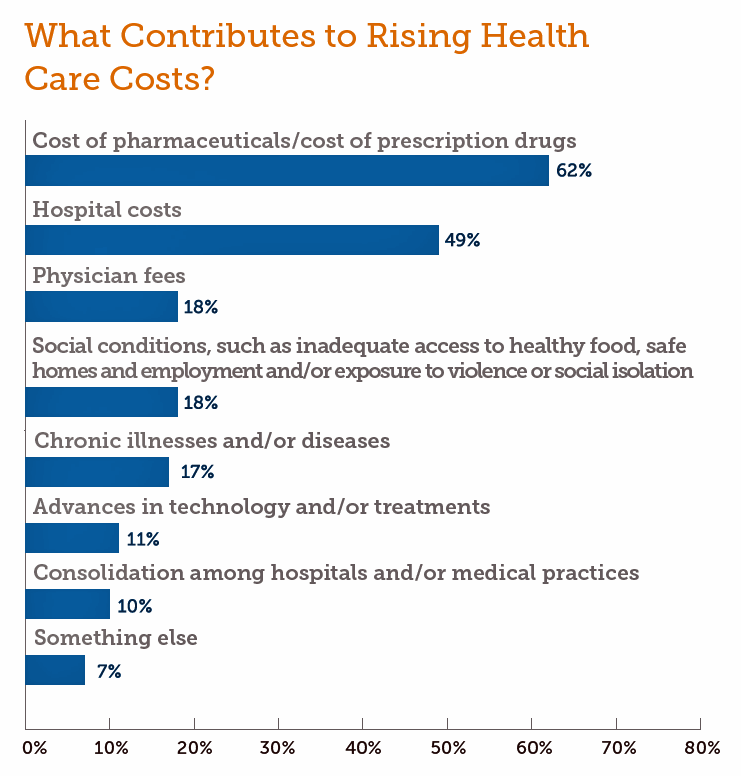
People in the U.S. rank prescription drugs, lab tests, emergency room visits, dental and vision care, preventive services, chronic disease management and mental health care as the “most essential” health care services, according to the 2019 Survey of America’s Patients conducted by The Physicians Foundation. When asked what factors contribute to rising health care costs in America, most consumers cite the cost of prescription drugs. Taken together, these two data points demonstrate the potent political import of prescription drug prices as the U.S. approaches the 2020 Presidential election. The Physicians Foundation surveyed 2,001 U.S. adults between 27 and 75 years
How a Razor Bolsters Health, Wellness and Love for Caregiving
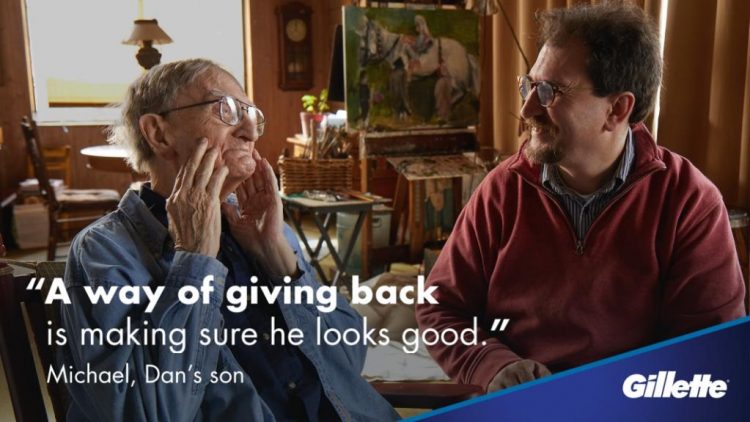
The market for caregiving is growing and the business community has, finally, begun to pay attention. The Washington Post referred to this market as a “gold rush” to design smart shoes, custom razors and technology for the “over-65 crowd.” Caregiving in the U.S., the seminal report from AARP, estimated that 43,5 million adults in the U.S. had provided unpaid care to an adult or child in the past year, about one in five people being caregivers. Over half of caregivers are women, and are about 49 years of age on average. Caregivers spent over 24 hours a week providing care go
The Hospital CFO in the Anxiety Economy – My Talk at Cerner’s Now/Next Conference
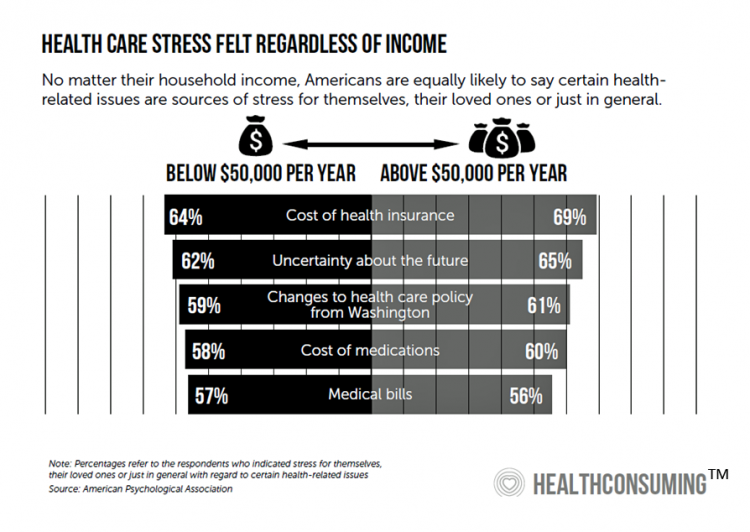
As patients have taken on more financial responsibility for first-dollar costs in high-deductible health plans and medical bills, hospitals and health care providers face growing fiscal pressures for late payments and bad debt. Those financial pressures are on both sides of the health care payment transaction, stressing patients-as-payors and health care financial managers alike. I’m speaking to health industry stakeholders on patients-as-payors at Cerner’s Now/Next conference today about the patient-as-payor, a person primed for engagement. That’s as in “Amazon-Primed,” which patients in their consumer lives now use as their retail experience benchmark. But consumers-as-patients don’t feel like health care today
The New Health/Care is Patient-Led, Retail-Enabled – The GMDC Self-Care Summit
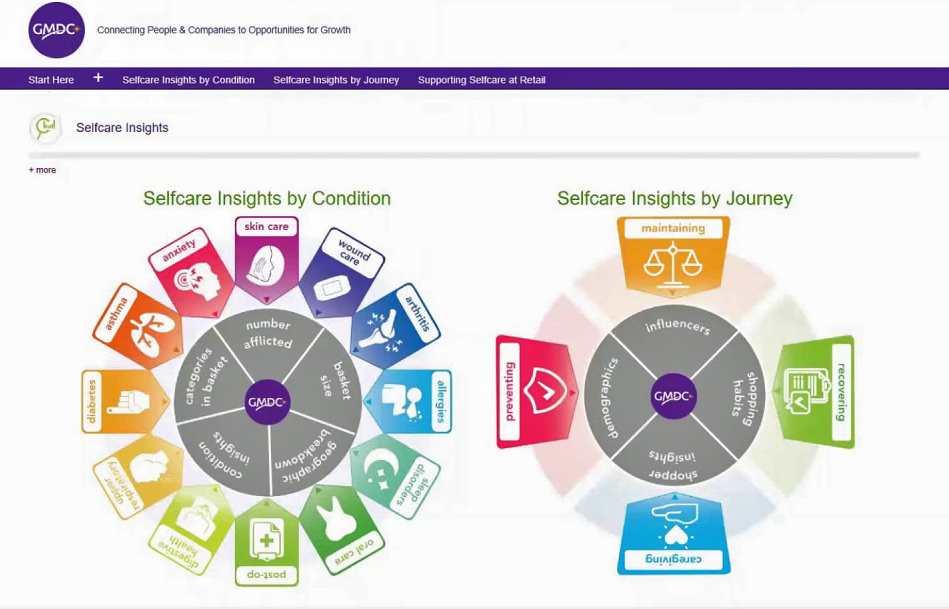
SelfCare is health/care, particularly as patients, everyday people, take on greater responsibility for clinical decisions and paying for medical services. We’re convening today through Sunday in Indianapolis with GMDC, the Global Market Development Center and Retail Tomorrow to brainstorm the current and future prospects for SelfCare, health and wellness in the hands, hearts, and homes of consumers. To bolster the message and engage with industry stakeholders, GMDC collaborated with the Hamacher Resource Group to develop a SelfCare Roadmap, an interactive tool that provides insights into twelve conditions where consumers typically looking to DIY their health using over-the-counter medicines, supplies and
Health @ Retail – Prelude to GMDC SelfCare Summit with Updates from Hims & Hers, GoodRx, Sam’s Club and Amazon Care
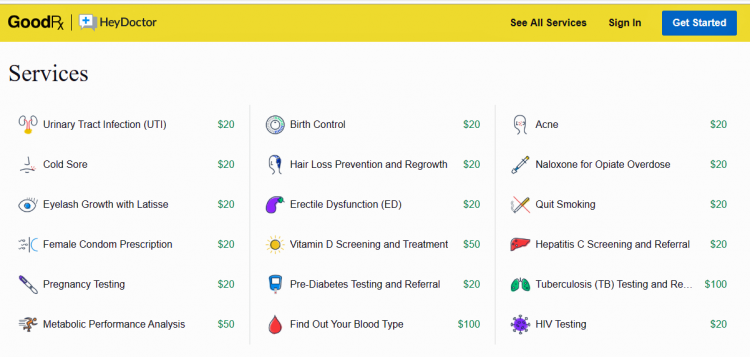
“We knew millions of people weren’t getting the care they needed — they were either too embarrassed to seek help or felt stuck in a system that was confusing and intimidating. Digital health has the potential to radically change the way people approach their wellness and, since launching in 2017, we’ve outpaced even our own expectations, delivering more than 1 million Hims & Hers products to our customers. In collaboration with highly-qualified doctors and healthcare providers, we’ve built a digital health platform that is changing the way people talk about and receive the care they need.” That’s a verbatim paragraph
The Rise of Social Determinants of Health in Healthcare is Just Real Life Stuff for People, Patients, Consumers

Based on the influx of research studies and position papers on social determinants of health flowing into my email box and Google Alerts, I can say we’re past the inflection point where SDoH is embraced by hospitals, professional societies, health plans and even a couple of pioneering pharma companies. PwC published a well-researched global-reaching report this week appropriately titled, Action required: The urgency of addressing social determinants of health. The “wheel of determinants” illustrates potential partners for collaborating in communities to address SDoH factors. The collaborators include governments, health care providers, payors, life science and pharma, tech and telecomms, policy
Why Humana Joined CTA – The Pivot from “Health Insurance” to Behaving as a Health-Tech Start-Up

“Every company is a tech company,” Christopher Mimms asserted in the Wall Street Journal in December 2018. Connectivity, artificial intelligence, and automation are now competencies every company must master, Mimms explains. This ethos underpins Humana’s decision to join CTA, the Consumer Technology Association which hosts CES every January in Las Vegas. If you read this blog, you know one of the fastest-growing “aisles” at the annual conference is digital health. Humana joined up with CTA’s Health and Fitness Technology Division this month. Last year, Humana hired Heather Cox in the new post of Chief Digital Health and Analytics Officer, reporting directly
Walmart’s Growing Footprint in Healthcare and Public Health, from Guns to Mental Health and Gardens
Over the past couple of weeks, Walmart is demonstrating its growing commitment to and leadership in healthcare and public health. The company’s announcement this week of pulling products that can be used in military-style weapons from its Outdoor Sports/Shooting department is a major move for public health that is something of a watershed that will impact well beyond the company’s inventory and stock price. This announcement will continue a trend among some thoughtful business leaders, like CEO Edward Stack of Dick’s Sporting Goods, banning gun sales from the retailer’s 125 stores in March 2019, who have begun to listen to
The Pharma Industry Hits Bottom of Consumers’ Industry Rankings, and Healthcare Is Only Marginally Higher on the List

from Gallup’s 2019 survey into Americans’ Views of U.S. Business Industry Sectors. Since reaching a relative high regard in 2015, the pharma industry reputation among consumers has declined each year since to the low this year with 58% of Americans having a negative view. This was a 31 percentage point drop in reputation in one year. This is one negativity point above peoples’ low regard for the Federal government. Gallup notes that Americans are over two times more likely to rank the pharmaceutical industry negatively (58%) as positively (27%). The healthcare industry, apart from pharma, didn’t fare well this year in
Celebrating “Labor Day” Welcoming Natalist to Our Health Ecosystem
There are many definitions of the word, “labor.” Oxford Dictionary provides context for the definition as follows: To work, as in especially hard physical work To make great effort (as in, “laboring from dawn to dusk”) To have difficulty in doing something despite working hard. For this third point, Oxford offers these synonyms: “strive, struggle, endeavor, try hard, do one’s best, do all one can, go all out, fight, push, be at pains, put oneself out.” And finally, one fourth contextual point: “A labor of love.” That is indeed the perfect framing this Labor Day week for my welcome to
Health Care Providers Grow Consumer-Facing Muscles Driven by Retail & Tech-Health Competition
As patients continue to morph into health care payers, they’re increasingly expecting value-for-money, transparency, and customer experiences that show respect, bolster trust, and deliver quality services. Is that so much to ask from health care providers? Sure is, as it turns out, based on this year’s annual report from Kaufman Hall, the 2019 State of Consumerism in Healthcare: The Bar is Rising. For several years, Kaufman Hall have developed an Index of healthcare consumerism based on several pillars that, together, gauge health care providers’ performance on consumer health engagement. Providers fall into one of four tiers, ranging from Tier 1
Happy National CBD Day! How CBD Fits Into the Retail Health Ecosystem
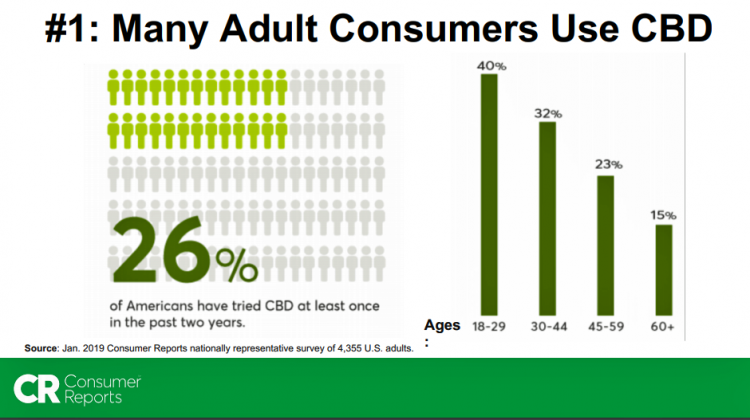
August 8 is National CBD Day. Who knew? Well, now you do, and I’m going to explain how this three-letter-acronym is rolling into the retail health landscape, opportunities, risks, and other issues I like to cover when forecasting the future of a new-new thing in health/care. “CBD” stands for cannabidiol, which is a derivative of cannabis, marijuana and hemp plants. CBD is the non-psychoactive compound derived from cannabis plants. CBD is being fast-adopted by consumers in retail and regulated shopping channels. One in seven Americans (14%) use CBD products, according to Gallup‘s new well-being research. One-third of U.S. consumers weren’t
Talking “HealthConsuming” on the MM&M Podcast
Marc Iskowitz, Executive Editor of MM&M, warmly welcomed me to the Haymarket Media soundproof studio in New York City yesterday. We’d been trying to schedule meeting up to do a live podcast since February, and we finally got our mutual acts together on 6th August 2019. Here’s a link to the 30-minute conversation, where Marc combed through the over 500 endnotes from HealthConsuming‘s appendix to explore the patient as the new health care payor, the Amazon prime-ing of people, and prospects for social determinants of health to bolster medicines “beyond the pill.” https://www.pscp.tv/MMMnews/1eaJbvgovBYJX Thanks for listening — and if you
Telehealth Awareness, Access and Adoption: Updates from J.D. Power, the ATA and FAIR Health
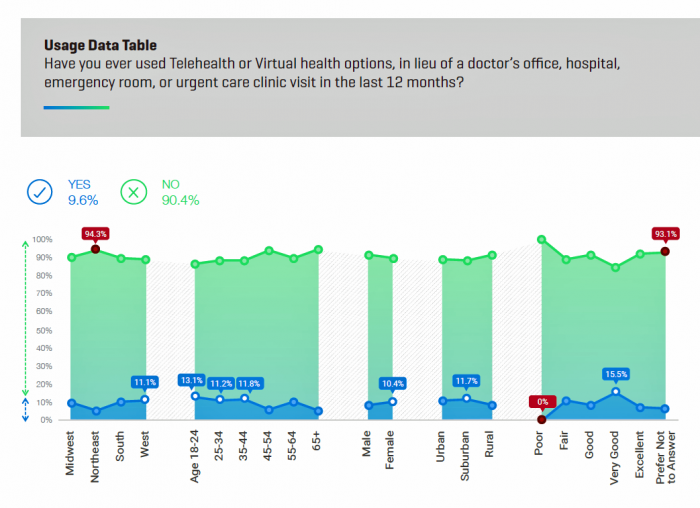
When you think “J.D. Power,” your mind probably imagines reviews of automotive performance, retail shopping experiences, or perhaps even health insurance plan customer service. Expanding its report-card role in the health ecosystem. J.D. Power has undertaken a survey on consumer satisfaction with 31 telehealth providers across 15 measures, which will be published in November 2019. In advance of the full report, the organization released a summary on telehealth access and satisfaction, which I’ll discuss in this post. I’ll also weave in the latest insights from the ATA 2019 State of the States report updating legislative/regulatory telemedicine activity at the U.S.
Marketing Health To Consumers in the Age of Retail Disruption

Today, I am speaking with marketing leaders who are members of CHPA, the Consumer Healthcare Products Association on this very topic. This is CHPA’s 2019 Marketing Conference being held at the lovely historic Hotel du Pont in Wilmington, DE. The gist of my remarks will be to focus on the evolving retail health ecosystem, with my HealthConsuming lens on health/care, everywhere. And timing is everything, because today is International Self-Care Day to promote peoples’ health engagement. The plotline begins with a tale of two companies — CVS/health and Best Buy — discussing these two organizations’ approach to acquiring companies to expand
The Growth of Emerging Consumer Electronics Categories Adds to Digital Health Platforms

Of the $401 billion that will flow through retailers for consumer technology products, many of the fastest-emerging categories will play a role as platforms for health and medical care at home and in wearable tech. This is my tea-leaf read from reviewing the projections in the report, U.S. Consumer Technology Sales and Forecasts, July 2019, from the Consumer Technology Association (CTA). [CTA is annual convener of CES, the world’s largest consumer electronics meet-up.] Along with artificial intelligence (AI) and fast 5G networking, the forecast also quantifies growth prospects for smart speakers, home robots, wireless earbuds, smartwatches. and in-vehicle technology —
Health Care and Consumers in 2030: A Profile from KPMG

A “one layered delivery network through which patients can move seamlessly as they age and their needs evolve” will be the new health care platform to meet patients’ demands by 2030, according to a forecast from KPMG’s Healthcare and Life Sciences Institute. In Healthcare 2030: The consumer at the center, the KPMG team explores the demographic shifts and market drivers that will challenge the health care industry in the current U.S. delivery and financing system. The lens on that 2030 future is a consumer-centric delivery model that KPMG believes will be a solution to dealing with a demographic divide between
On Amazon Prime Day, What Could Health Care Look Like?
Today is July 15, and my email in-box is flooded with all flavors of Amazon Prime’d stories in newsletters and product info from ecommerce sites — even those outside of Amazon from beauty retailers, electronics channels, and grocery stores. So I ask on what will probably be among the top ecommerce revenue generating days of all time: “What could health care look like when Amazon Prime’d?” I ask and answer this in my book, HealthConsuming, as chapter 3. For context, this chapter follows two that explain how patients in the U.S. have been morphing into health consumers based on how health
Prescription Drugs Are Becoming A Luxury Good in America – Join the #HCLDR Chat Tonight
“Drugmakers Push Their Prices Higher” is the top story under the Business & Finance banner in today’s Wall Street Journal. That’s in terms of drugs’ list prices, which most patients don’t pay. But drug costs to patients are in the eye of the beholder, who in a high-deductible plan or Medicare Part D donut hole becomes the first-dollar payer. Patients continue to face rising drug costs, pushing them into what I’ve been thinking about as luxury-goods territory. The economic definition of a luxury good is a product for which demand increases more than proportionally as income rises, so that spending
A Matter of Trust, Perception, Risk, and Uncertainty – The Big Issues Raised by the Acquisition of PatientsLikeMe and Other Patient Data Transactions

By Susannah Fox, Jane Sarasohn-Kahn and Lisa Suennen I’ve lived long enough to have learned The closer you get to the fire the more you get burned But that won’t happen to us Cause it’s always been a matter of trust A Matter of Trust, by Billy Joel If you’re in health care and don’t live under a rock, you have probably heard that United Health Group (UHG) has acquired PatientsLikeMe (PLM). After the announcement, there was a lot of sound and fury, some of which signified nothing, as the saying goes, and some which signified a lot.
Kroger Health Thinks Food is Medicine – Nutrition at the Grocery Store Via FMI’s Insights
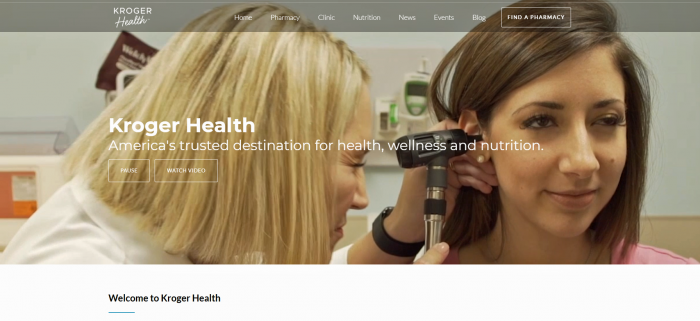
In reading the July/August issue of Eating Well magazine this week, I came across this ad which I scanned for you to see yourself: “We believe in food as medicine.” Signed, Kroger Health. Here’s the introductory text in the full-page ad: “As Kroger Health, our vision is to help people live healthier lives. And now, more than ever, through our experts, innovation, and technology, we’re uniquely positioned to bring that vision to life,” the copy read. “We know food,” the text continued, as part of The Kroger Co. which is the largest grocery chain in the U.S. celebrating 135 years
IKEA Garners the Top Health & Wellness Award at Cannes Lions 2019 – the Expanding Health/Care Ecosystem
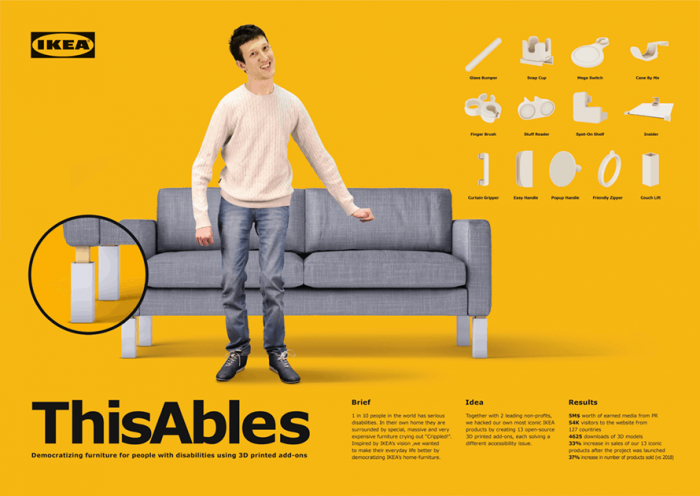
“Health is now everyone’s business,” Shaheed Peera, Executive Creative Director of Publicis LifeBrands, said this week at the 2019 Cannes Lions awards. Shaheed also led the Health & Wellness jury at Cannes Lions 2019, the mission of which is to, in the words of the award’s portal, “celebrate creativity for personal wellbeing.” The Grand Prix Lions award for Health & Wellness went to IKEA for the company’s ThisAbles campaign. ThisAbles is a project pioneered by IKEA’s team in Israel, looking to improve everyday living for people with special needs through well-designed IKEA products. IKEA collaborated with non-profit organizations to develop
The Grocery Store As Health Destination: Publix Produce for Kids and the Social Determinants of Health
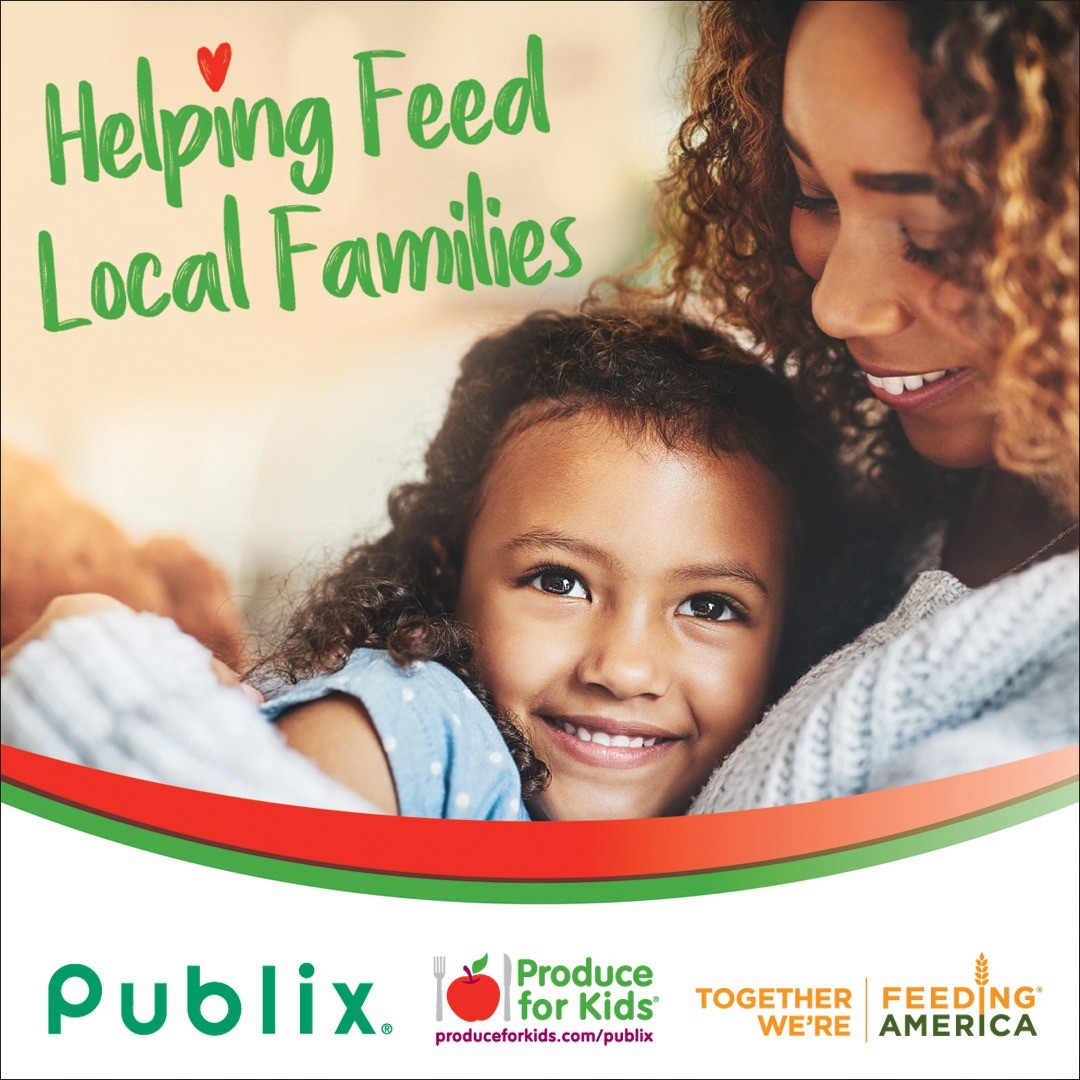
Food insecurity ranks high on Americans’ greatest social health risks. In local communities, grocery stores are playing key roles in bolstering neighborhood wellness. Publix and other food chains, collaborating with the Produce for Kids program, are walking the talk on nutrition for local health citizens. Produce for Kids is associated with Feeding America, which works with local food banks and non-profits to help channel healthy food to children and families. Feeding America is a national network of over 200 food banks fighting hunger in America, serving over 46 million people and 60,000 food pantries, and advocating for legislation that addresses
Healthcare Providers’ Consumer Experience Gaps – Learnings from Kaufman Hall’s 2019 Index
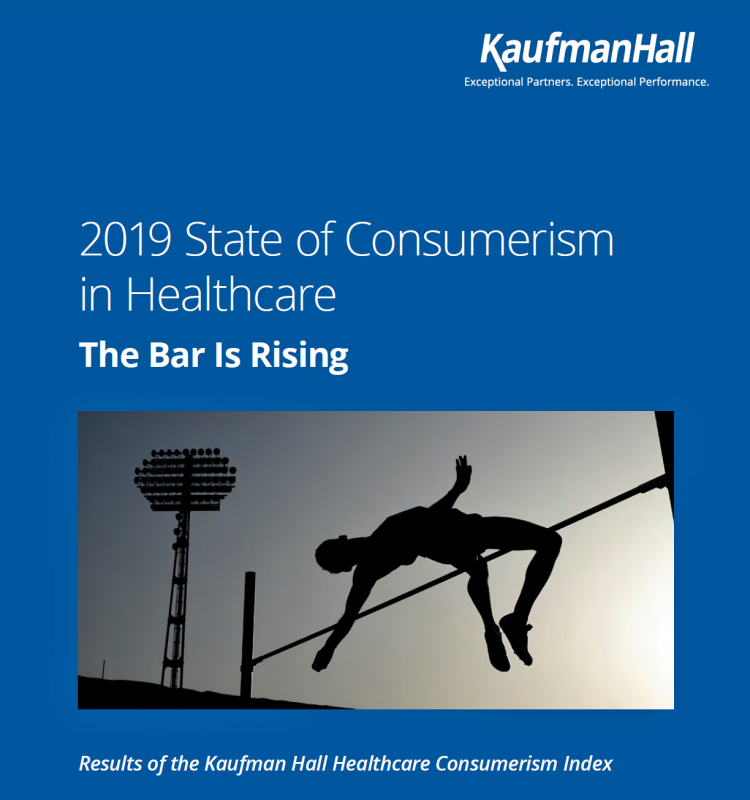
Most U.S. healthcare providers are spending more time, effort and capital with an eye to engaging with patients-as-consumers, a trend quantified in the report, the 2019 State of Consumerism in Healthcare: The Bar is Rising from Kaufman Hall, summarizing results from this year’s healthcare consumerism index survey conducted among about 200 healthcare providers. “Legacy organizations will need premier-level consumer capabilities to compete in today’s increasingly consumer-centric environment,” Kaufman Hall recommends. Providers identified the key capability gaps for consumer-centric care as improving the consumer experience, offering a variety of facility-based access points, utilizing digital tools for health engagement, providing price transparency,
How Consumers’ Belt-Tightening Could Impact Health/Care – Insights from Deloitte’s Retail Team

Over the ten years between 2007 and 2017, U.S. consumer spending for education, food and health care substantially grew, crowding out spending for other categories like transportation and housing. Furthermore, income disparity between wealthy Americans and people earning lower-incomes dramatically widened: between 2007-2017, income for high-income earners grew 1,305 percent more than lower-incomes. These two statistics set the kitchen table for spending in and beyond 2019, particularly for younger people living in America, considered in Deloitte’s report, The consumer is changing, but perhaps not how you think. The authors are part of Deloitte Consulting’s Retail team. The retail spending data
Two-Thirds of Americans Say Healthcare Doesn’t Work Well, in RealClear Politics Poll

Health care is the top issue facing the U.S. today, one in three Americans says, with another one-fourth pointing to the economy. Together, health care + the economy rank the top issues for 62% of Americans. Health care and the economy are, in fact, intimately tied in every American’s personal household economy I assert in my book, HealthConsuming: From Health Consumer to Health Citizen. This poll from RealClear Politics, conducted in late April/early May 2019, makes my point that the patient is the consumer and, facing deductibles and more financial exposure to footing the medical bill, the payor. Fully
When Will Self-Service Come to Health Care?

At least one in three people who have tried out virtual health care have done so because they use technology in all aspects of life and want to do the same with their healthcare. This data point has informed my vision for self-care and the home as our health hub, bolstered in part through the research of Accenture from which this first graphic comes. A common theme at health care meetings these days is how and when health care will meet its Amazon, Apple, or Uber moment? Lately, one of my speaking topics is the “Amazon Prime-ing” of health consumers,
The 3 A’s That Millennials Want From Healthcare: Affordability, Accessibility, Availability

With lower expectations of and satisfaction with health care, Millennials in America seek three things: available, accessible, and affordable services, research from the Transamerica Center for Health Studies has found. Far and away the top reason for not obtaining health insurance in 2018 was that it was simply too expensive, cited by 60% of Millennials. Following that, 26% of Millennials noted that paying the tax penalty plus personal medical expenses were, together, less expensive than available health options. While Millennials were least likely to visit a doctor’s office in the past year, they had the most likelihood of making a
Prescription Drug Costs In America Through the Patient Lens, via IQVIA, GoodRx and a New $2 Million Therapy

Americans consumed 17.6 prescriptions per person in 2018, two in three of which treated chronic conditions. Welcome to Medicine Use and Spending in the U.S. , the annual review of prescription drug supply, demand and Rx pricing dynamics from the IQVIA Institute for Human Data Science. In a call with analysts this week in which I participated, the Institute’s Executive Director Murray Aitken discussed the report which looks back at 2018 and forward to 2023 with scenarios about what the U.S. prescription drug market might look like five years from now. The report is organized into four sections: medical use
The Convergence of Health/Care and Real Estate

There’s no denying the growth of telehealth, virtual visits, remote health monitoring and mHealth apps in the healthcare landscape. But these growing technologies don’t replace the role of real estate in health, wellness and medical care. Health care is a growing force in retail real estate, according to the ICSC, the acronym for the International Council of Shopping Centers, which has been spending time analyzing, in their words, “what landlords should know in eyeing tenants from a $3.5 trillion industry.” Beyond the obvious retail clinic segment, the ICSC points out a key driving growth lever for its stakeholders, recognizing that,
Across All Political Parties, Likely Voters Over 50 Favor Cutting Prescription Drug Prices
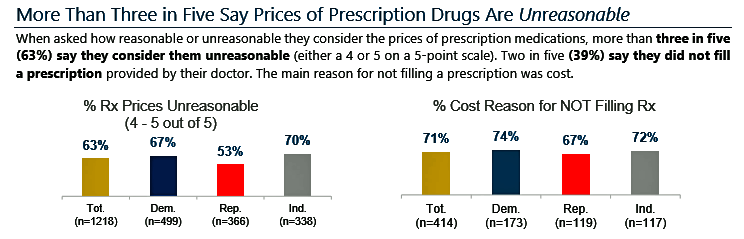
People over 50 in the U.S. that are likely to vote in the 2020 Presidential election are keenly interested in lowering the cost of prescription drugs, according to a survey conducted by AARP in February and March 2019. Most people over 50 take prescription drugs daily; one-third take two or three Rx’s regularly, and one in five older people take six or more prescription medicines regularly. Thus, prescription drugs are part of most older Americans’ daily life-flows and household spending considerations. About two-thirds of older people who are likely to vote say that Rx prices are “unreasonable,” including 67% of
Americans’ Trust in U.S. Healthcare Lags Tech — and Women Are Particularly Cynical
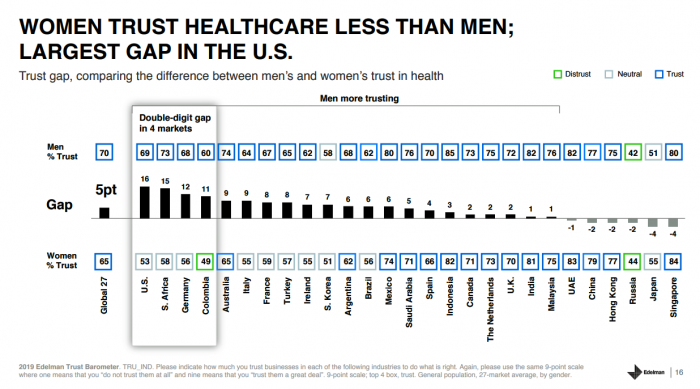
The 2019 Edelman Trust Barometer measured the biggest gap in trust for the healthcare industry between the U.S. “informed public” and the mass population. Fewer American women, too, trust the healthcare industry than men do. “This inequality of trust may be reflective of the mass population continuing to feel left behind as compared to others, even as they recognize the advances that are being made that could benefit them. Given tone and tenor of the day, and particularly among mass population, healthcare may continue to see increasing demands for change and regulation,” Susan Isenberg, Edelman’s head of healthcare, notes in
Health/Care Everywhere – Re-Imagining Healthcare at ATA 2019

“ATA” is the new three-letter acronym for the American Telemedicine Association, meeting today through Tuesday at the Convention Center in New Orleans. Ann Mond Johnson assumed the helm of CEO of ATA in 2018, and she’s issued a call-to-action across the health/care ecosystem for a delivery system upgrade. Her interview here in HealthLeaders speaks to her vision, recognizing, “It’s just stunning that there’s such a lag between what is possible in telehealth and what is actually happening.” I’m so keen on telehealth, I’m personally participating in three sessions at #ATA19. On Monday 15th April (US Tax Day, which is relevant
The United States of Diabetes: a $1,240 Tax on Every American
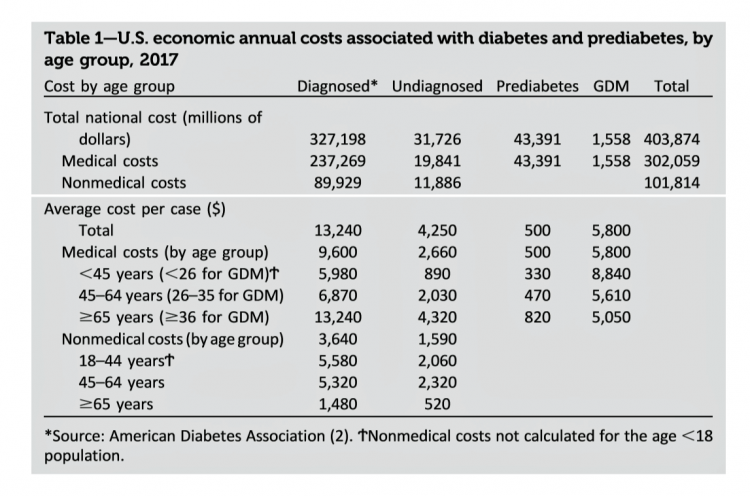
Pharmaceutical company executives are testifying in the U.S. Congress this week on the topic of prescription drug costs. One of those medicines, insulin, cost a patient $5,705 for a year’s supply in 2016, double what it cost in 2012, according to the Health Care Cost Institute. Know that one of these insulin products, Lilly’s Humalog, came onto the market in 1996. In typical markets, as products mature and get mass adoption, prices fall. Not so insulin, one of the many cost components in caring for diabetes. But then prescription drug pricing doesn’t conform with how typical markets work in theory.
Finding Healthy Food and Things At Amazon Go In Chicago
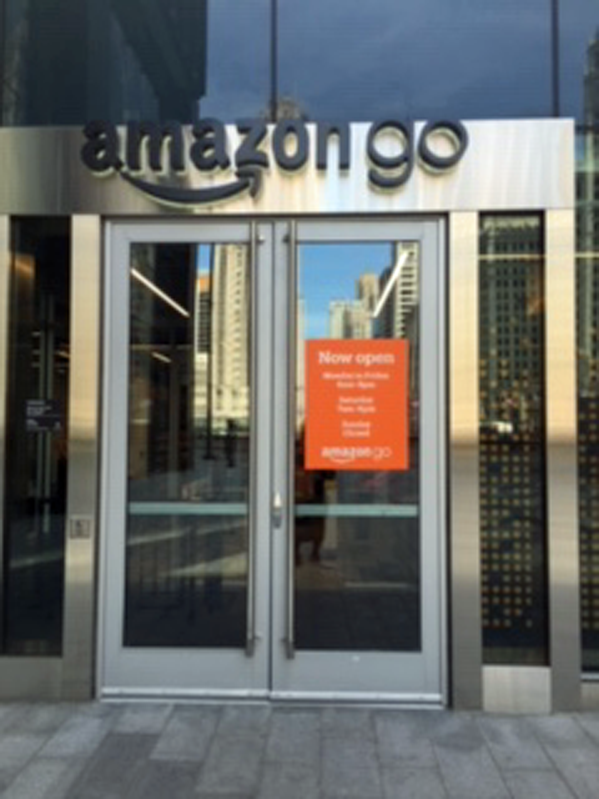
Health is everywhere, I find in my travels and in my community. I’m in Chicago at the Becker’s health care conference with VisitPay this week, and had the opportunity to take a walk around the corner from the Hyatt Regency to the Illinois Center to visit one of the few Amazon Go stores operating in the U.S. Here’s what I found in my search for all-things-healthy at retail. You cannot enter an Amazon Go store without downloading the app that’s freely available in your operating system’s appstores for Apple, Google and, yes, Amazon. The app was quick to download, but
Isn’t It Eyeconic? Vision Care in the Evolving Health Care Ecosystem
The vision/optical industry is one piece of the health/care ecosystem, but the segment has not been as directly impacted by patients’ new consumer muscles until just about now. It feels like the vision industry is at an inflection point at this moment, I intuited during yesterday’s convening of Decoding the Consumer: The new science of customer behavior, the theme of the 13th annual global leadership summit hosted by Vision Monday, a program of Jobson Medical Information which is part of the WebMD family. I was grateful to have an opportunity to share my views with attendees on the vision patient as
The Evolution of Self-Care for Consumers – Learning and Sharing at CHPA
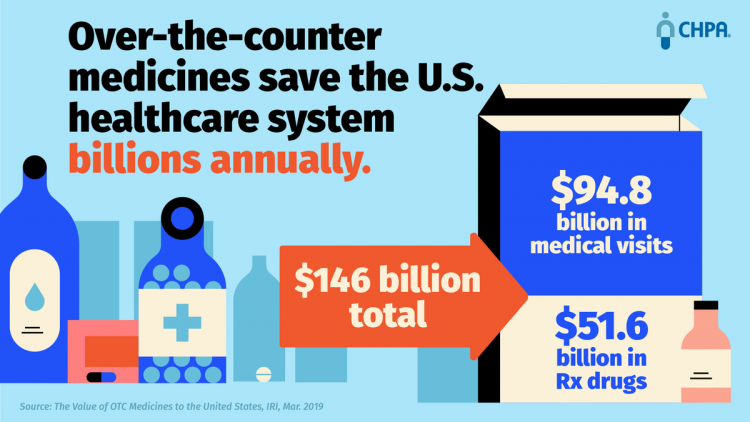
Self-care in health goes back thousands of years. Reading from Hippocrates’ Corpus about food and clean air’s role in health sounds contemporary today. And even in our most cynical moments, we can all hearken back to our grandmothers’ kitchen table wisdom for dealing with skin issues, the flu, and broken hearts. The annual conference of the Consumer Healthcare Products Association (CHPA) convened this week, and I was grateful to attend and speak on the evolving retail health landscape yesterday. Gary Downing, CEO of Clarion Brands and Chairman of the CHPA Board, kicked off the first day with a nostalgic look
Self-Care Is Healthcare In Consumers’ Hands, Peaking on Google Trends
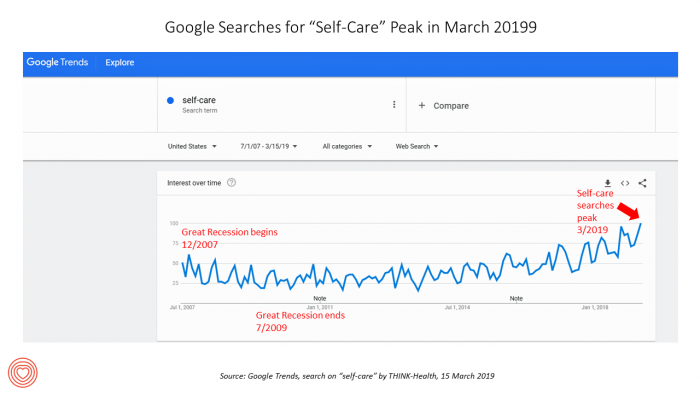
Today, the number of searches on Google using the phrase “self-care” reached a high, shown in the line graph I created on Google Trends and marked up in red. A Google search overall yielded over 2 billion results. I started this search when the Great Recession began in the U.S. in December 2007, and tracked “self-care” searches to today, 15 March 2019. I ran this little test because I’m speaking on Monday 18 March at the annual meeting of the Consumer Healthcare Products Association. CHPA was founded in 1881 as the “Proprietary Association.” In 1989, over 100 years later, the
Loving Wegmans and Amazon, Hating on the US Government: the Axios Harris Poll 100 in 2019
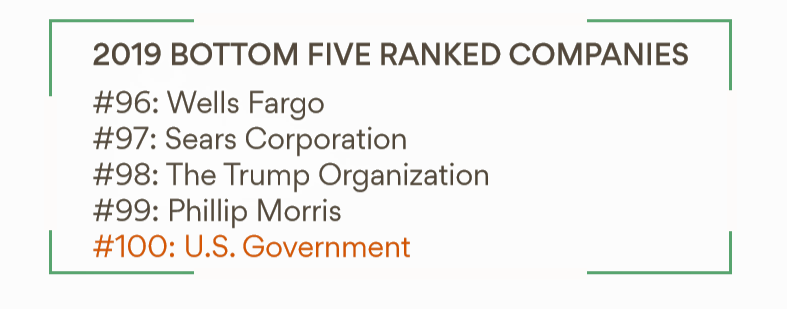
Americans love grocery stores, responsible retailers, technology and Amazon, Axios and Harris Poll found in this year’s top 100 visible company poll. The bottom five of the 100 include a big bank that ripped off consumers, a bankrupt retailer, a Big Tobacco company, and two organizations led by President Trump: The Trump Organization (#98) and the U.S. Government (#100). The summary points to five key findings in the report: The U.S. Government is the worst “company” in America according to “The Citizens of America,” in the words of Axios and Harris Poll. Americans have acquired “prime” tastes and expectations through
Most Americans Across Party ID Favor U.S. Government Negotiation to Lower Rx Drug Costs
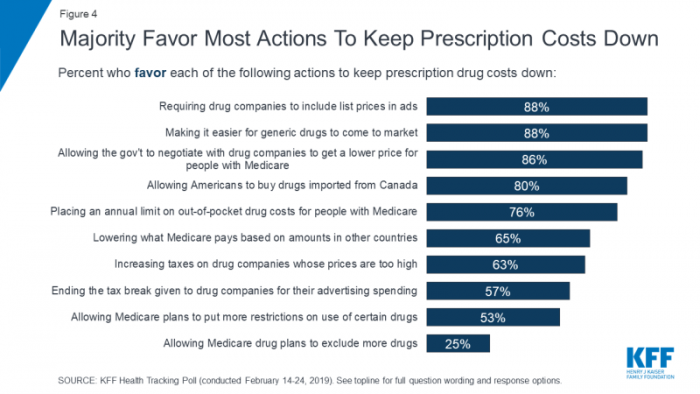
There’s little Americans, by political party, agree upon in 2019. One of the only issues bringing people together in the U.S. is prescription drug prices — that they’re too high, that the Federal government should negotiate to lower costs for Medicare enrollees, and that out-of-pocket costs for drugs should be limited. The Kaiser Family Foundation has been tracking this topic for a few years, and this month, their March 2019 Health Tracking Poll shows vast majorities of Democrats, Independents and Republicans all share these sentiments. It’s not that patients who take prescription drugs don’t appreciate them – most (58%) say medicines
Time To Travel And Wait In Health Care: The Opportunity For Self-Care At Home
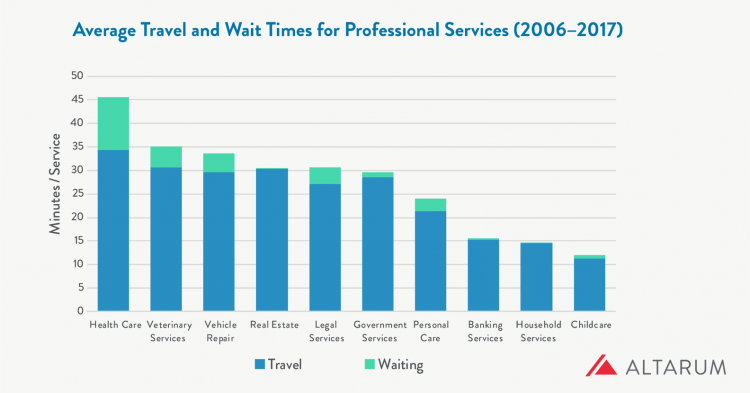
What industry compels its “consumers” to wait longer and travel further for services more than any other in a person’s daily life? That would be health care, a report from Altarum notes. People travel further and wait longer for medical services than for veterinary care (second in this line-up), auto repair, banking, and household services. The annual opportunity cost for travel and wait time in health care is $89 billion, Altarum estimated. For the average person, that translates to 34 minutes of travel time and 11 minutes waiting time at the provider’s office. In terms of personal opportunity costs, Altarum gauged the
Cost and Convenience Underpin Patient Demands As Health Consumers
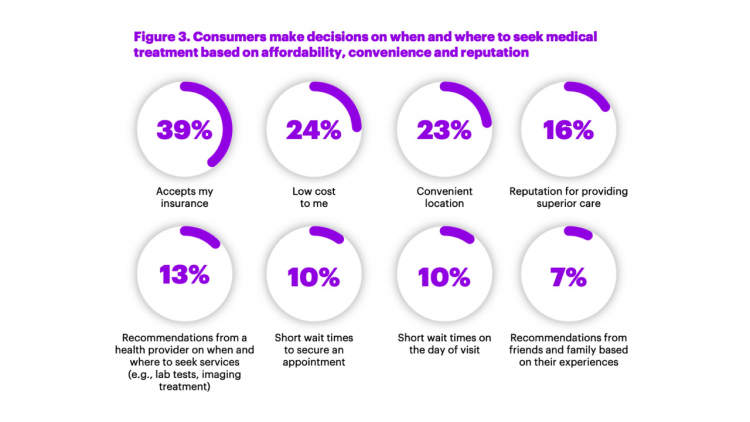
Across generations, from younger to older patients, cost, transparency and convenience drive consumer satisfaction, Accenture’s latest health consumer survey found. I had the opportunity to brainstorm the study’s findings in real-time on the day of survey launch, 12 February, with Dr. Kaveh Safavi, Brian Kalis, and Jenn Francis at HIMSS19. Our starting point was the tipping-point statistic that over 50% of people in the U.S. have chosen to use a non-traditional health care setting. Those non-traditional sites of care include walk-in and retail clinics, outpatient surgery centers, virtual health (whether on the phone, on video or via mobile apps), on-demand services,
Open Table for Health: Patients Are Online For Health Search and Physician Reviews
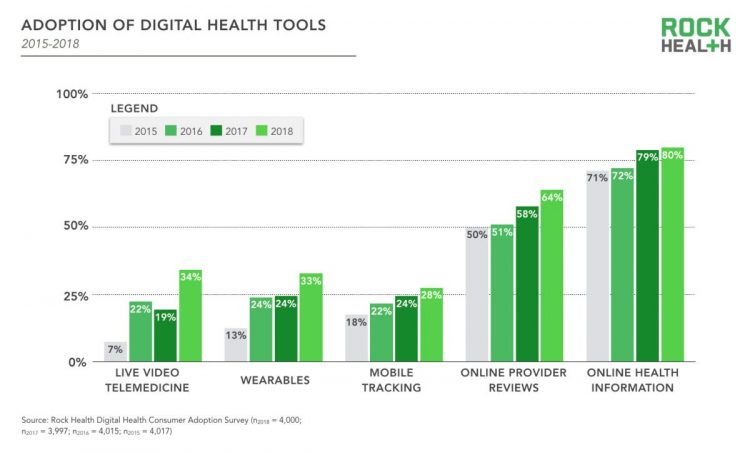
Seeking health information online along with researching other patients’ perspectives on doctors are now as common as booking dinner reservations and reading restaurant reviews, based on Rock Health’s latest health consumer survey, Beyond Wellness for the Healthy: Digital Health Consumer Adoption 2018. Rock Health has gauged consumes’ digital health adoption fo a few years, showing year-on-year growth for “Googling” health information, seeking peer patients’ physician and hospital reviews, tracking activity, donning wearable tech, and engaging in live telehealth consultations with providers, as the first chart shows. The growth of tracking and wearable tech is moving toward more medical applications beyond fitness
“Telehealth is a digital distribution channel for health care” – catching up with Roy Schoenberg, President and CEO of American Well
Ten years ago, two brothers, physicians both, started up a telemedicine company called American Well. They launched their service first in Hawaii, where long distances and remote island living challenged the supply and demand sides of health care providers and patients alike. A decade later, I sat down for a “what’s new?” chat with Roy Schoenberg, American Well President and CEO. In full transparency, I enjoy and appreciate the opportunity to meet with Roy (or very occasionally Ido, the co-founding brother-other-half) every year at HIMSS and sometimes at CES. In our face-to-face brainstorm this week, we covered a wide range
Telehealth and Virtual Care Are Melting Into “Just” Health Care at HIMSS19
Just as we experienced “e-business” departments blurring into ecommerce and everyday business processes, so is “telehealth” morphing into, simply, health care delivery as one of many channels and platforms. Telehealth and virtual care are key education topics and exhibitor presences at HIMSS19. Several factors underpin the adoption of telehealth in 2019: Consumers’ demand for accessible, lower-cost health care services as people face greater financial responsibility for paying the medical bill (via high-deductible health plans and greater out-of-pocket costs for co-payments) Some consumers’ lacking or losing health insurance as ACA coverage eroded in the past two years, resulting in these patients
The Expectation Gap Between What Patients Want Vs What They Get
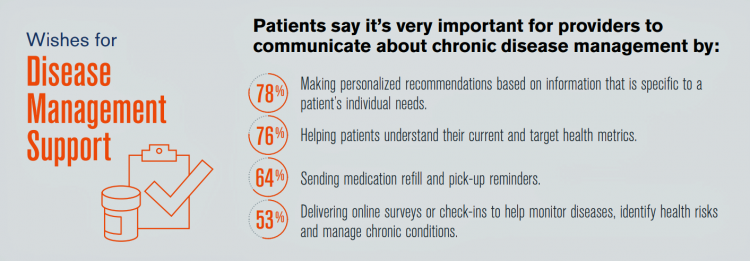
Talk to me, patients are demanding in unison. Most health consumers expect providers to communicate about routine health care and prevention; this is especially true among those patients trying to manage chronic conditions we learn from 10 Ways to Fulfill Patients’ Communication Wish List, a report based on a consumer survey from West, the communications and network infrastructure company. Four in five patients say that talking to “me” means they want personalized recommendations to their unique needs – but only one-third of patients say they’re getting that level of service from their healthcare providers. Most health consumers expect providers to communicate about
Consumers Expand Their Definition of Well-Being to Include Food-As-Medicine
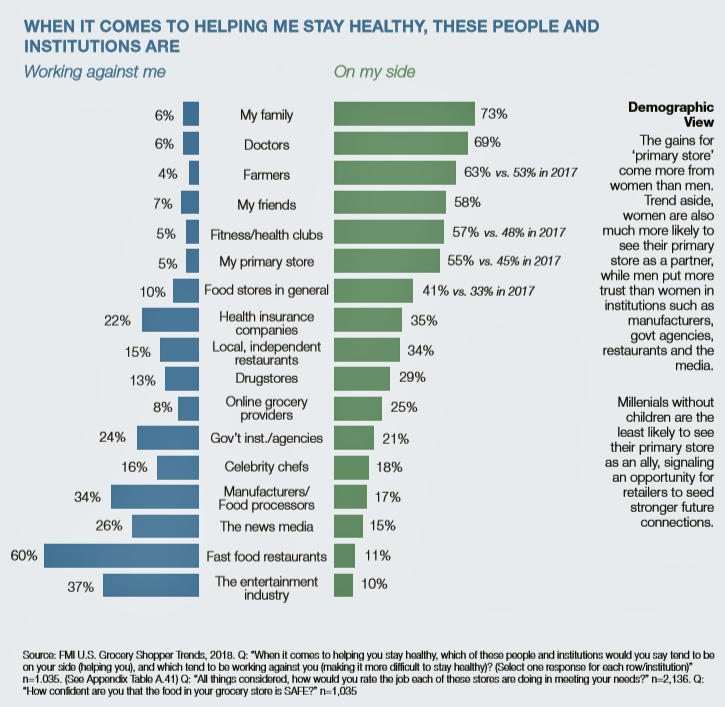
Consumers put food front-and-center when thinking about their health. Viewing food-as-medicine is going mainstream for health consumers, who look beyond the “medicine” in that phrase toward a broader concept of personal well-being. This is the theme of a new report from the FMI Foundation called The Power of Health and Well-Being in Food Retail. The report’s insights are based on surveys FMI has conducted over the past two years, as the Foundation has observed that consumers broadening their definition of health to include emotional health, energy levels, and sleep quality. The consumer-as-medical-bill-payor is now looking at foods with health benefits, first
Kohl’s and the Rebranded Weight Watchers in Retail Health

For the past two holiday shopping seasons in 2017 and 2018, I’d noticed pre-print ads in my local Sunday newspaper from Kohl’s, the value-priced retailer, featuring wearable technology for health. There were devices branded Fitbit on the front page of Black Friday’s 2018 ad, shown here, with other tech brands promoted inside the pages. These ads were bundled in my newspaper along with ones from Best Buy, Target, Walmart, and other retailers featuring the same or similar wearable health-tech. This week, Kohl’s announced a collaboration with WW, the newly-rebranded Weight Watchers, for the retailer to bring a WW “salon” space
Calling Out Health Equity on Martin Luther King Day 2019
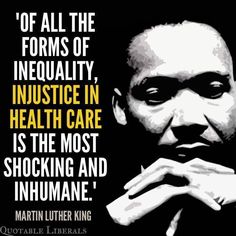
On this weekend as we appreciate the legacy of Martin Luther King, Jr., I post a photo of him in my hometown of Detroit in 1963, giving a preliminary version of the “I Have a Dream” speech he would deliver two months later in Washington, DC. Wisdom from the speech: “But now more than ever before, America is forced to grapple with this problem, for the shape of the world today does not afford us the luxury of an anemic democracy. The price that this nation must pay for the continued oppression and exploitation of the Negro or any other
It’s Not All About Pink for Women’s Tech at CES 2019
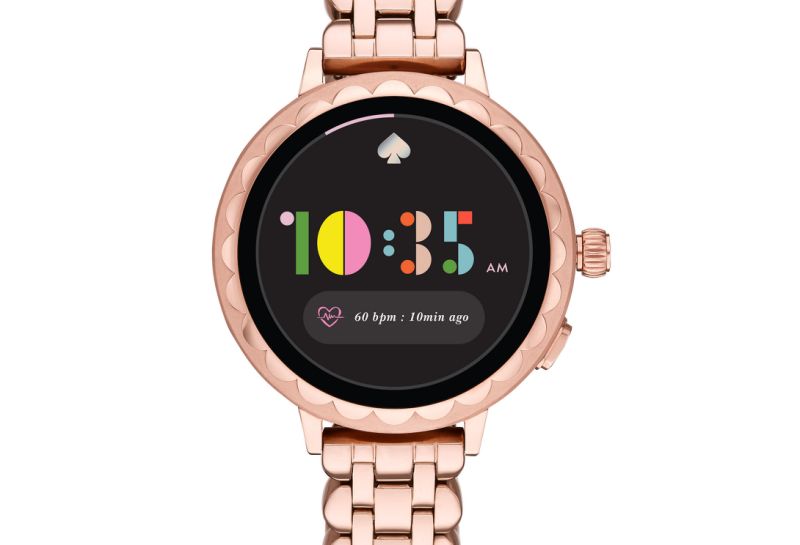
This is not a watch. Well, not just a watch. It can track heart rate. And it’s not even pink. Well, rose gold, perhaps. One of the benefits about being a woman attending CES is that there are no lines in the loos. The men’s rooms, however, are, shall we say, over-subscribed due to the big disparity between the number of male attendees versus females. Clearly, women are under-represented in technology companies at all levels, as the ladies’ room observation and many other more statistical reports recognize. But I’ve good news to report on the product front about women-focused consumer
The Consumer as Payor – Retail Health at CES 2019
All health/care is retail now in America. I say this as most people in the U.S. who have health insurance must take on a deductible of some amount, which compels that insured individual to spend the first dollar on medical services up until they meet their financial commitment. At that point, health insurance kicks in, and then the insured may have to spend additional funds on co-payments for general medicines and services, and coinsurance for specialty drugs like injectables and high-cost new therapies. The patient is a consumer is a payor, I asserted today during my talk on the expanding
Shelly Palmer De-Hypes CES 2019 & Has Lessons for Health/Care
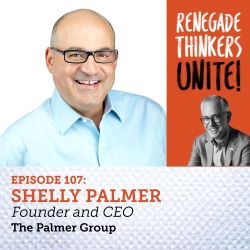
I had the pleasure once again of attending Shelly Palmer’s annual kick-off breakfast where he level-sets our expectations for CES two hours before the tech halls open. Shelly is a consumer tech expert and leads the Palmer Group; comments on Fox 5 in NYC, CNN, and CNBC; writes a weekly column in Advertising Age; composes music; and he’s a Renaissance Man who’s a generous sharer of knowledge with a great sense of humor and humanity. Shelly is one of my trusted touchpoints for all-things-consumer-tech. His message at the start of #CES2019: this year, the show is about connectivity and partnership.
What #CES2019 5 Tech Trends to Watch Mean for Health/Care

As #CES2019 kicks off in Las Vegas with today’s first Media Day, the Consumer Technology Association presented its forecast on the 5 Technology Trends to Watch in 2019 — and they all play into health, wellness, and medical care. The five trends are: Artificial Intelligence on the Rise Envisioning the Smart Home of the Future Digital Health Tech Empowers Patients Esports and Sports Technology, and Smart Cities Promote Resilience. Here are how these five mega-trends can bolster our health and healthcare products and services over the next decade. AI is indeed on-the-rise in healthcare: as I have begun planning my agenda for
Here’s Looking at Health at CES 2019
If I’m going to spend a week someplace, it usually has to be Italy. So next week in Las Vegas, I’ll deal with that bias by staying at the Venetian Hotel for the entire week to cover all-things-health at CES 2019, the annual convening of electronics retailers and enthusiasts. Most of the 180,000+ folks come to Vegas from over 150 countries to kick the proverbial tires on TVs, autos, games, virtual reality, 3-D printing, drones, and other shiny new things. For me, for the past eight years, CES means consumer-facing health in a person’s hands, on her phone, and increasingly
Costs, Consumerism, Cyber and Care, Everywhere – The 2019 Health Populi TrendCast

Today is Boxing Day and St. Stephens Day for people who celebrate Christmas, so I share this post as a holiday gift with well-wishes for you and those you love. The tea leaves have been brewing here at THINK-Health as we prepared our 2019 forecast at the convergence of consumers, health, and technology. Here’s our trend-weaving of 4 C’s for 2019: costs, consumerism, cyber and care, everywhere… Health care costs will continue to be a mainstream pocketbook issue for patients and caregivers, with consequences for payors, suppliers and ultimately, policymakers. Legislators inside the DC Beltway will be challenged by the
Blood Pressure From the Wrist for the First Time – Welcome, Omron HeartGuide
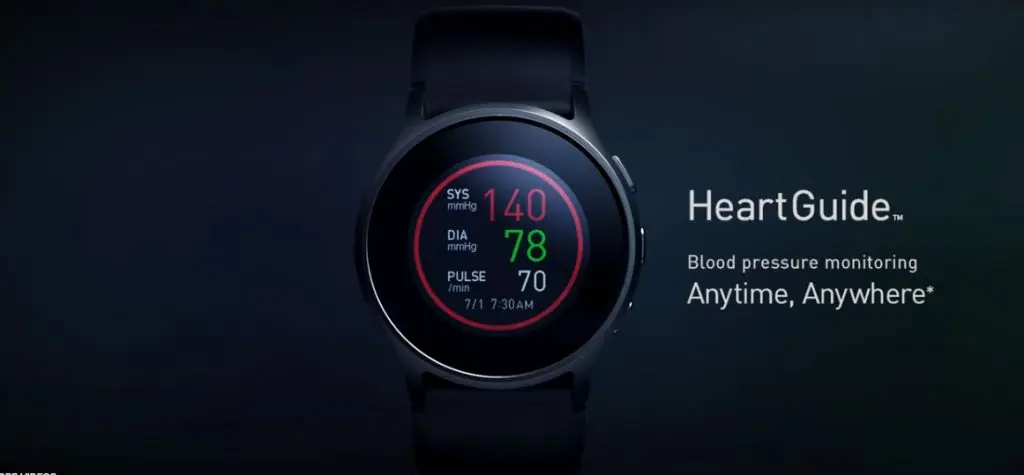
For the first time, we can take a clinically accurate blood pressure measurement from our wrist — welcome to the first of its kind wrist-worn blood pressure monitor, HeartGuide, brought to market by Omron. I know this journey has been a long, patient one, as I came to know Ranndy Kellogg, Omron’s President and CEO, several years ago at CES. Back in 2017, I spoke with Ranndy about the vision for BP measurement for Everyday People that would be a streamlined, simple consumer experience that the traditional armband and pump didn’t offer. I wrote about
Retail Health Ends 2018 With Big Plans for 2019

As the CVS + Aetna merger crosses its last regulatory hurdle at the close of 2018, we enter 2019 facing a fast-growing and -morphing retail health landscape. I brainstormed retail health yesterday with Patrick Freuler, CEO of Audicus (developer of hearing aids sold direct-to-consumer over-the-counter) and Shai Gozani, CEO of NeuroMetrix, maker of the Quell device for pain management. The three of us will be on a panel addressing retail health disruption at CES 2019 on 9th January 2019 at the Digital Health Summit. I explained to Shai what I’m going to say in my talk about retail health at
JWT’s Future 100 Tells Us Tomorrow Is All About Health

From culture to travel, food and drink to retail and beauty, health will be baked into consumer goods and experiences in 2019. Welcome to The Future 100: 2019 from The Innovation Group at JWT. In the 100 emerging trends across ten categories, the future is clearly health-driven, according to the tea-leaf readers at JWT.a Health is all over, Culture Tech and innovation Travel and hospitality Brands and marketing Food and drink Beauty Retail Luxury Health (as a category itself) Lifestyle. I’ve mined this report in previous years – you can review my findings from the 2017 report here in the Health
Data Privacy and Healthcare Access: Top Issues Shaping Consumers’ Societal ROI

Organizations that address consumers’ data privacy and access to healthcare create greater social brand equity, inspiring people to say nice things about the companies, recommend them as good employers, and be welcomed as businesses operating in peoples’ community. In The Societal ROI Index: A Measure for The Times We Find Ourselves In, Finn Partners and The Harris Poll measure U.S. companies’ reputations for social good, the project’s press release explains. “Our new data shows that the public has a definite opinion about what issues they feel companies should address and the social impact bar has been set high,” according to Amy Terpeluk,
The Smartphone Is the Consumer’s Personal Health Platform – Implications from Deloitte’s 2018 Survey

American consumers are now viewing their phones an average of 52 times daily, with 39 percent of consumers believing they use their smartphones too much. In fact, 60 percent of 18 to 34-year-olds admit to smartphone overuse, the highest level of any age group. However, 63 percent of the respondents reported trying to limit their smartphone usage, roughly half succeeding in cutting back. Smartphones also are helping blur the lines between work and leisure with 70 percent of respondents using personal smartphones at least occasionally for after-hours work. Furthermore, voice technologies are “making noise,” according to Deloitte in A New Era
The Growing State of Diabetes in America on World Diabetes Day 2018

Diabetes is a family issue, and its prevalence is growing in America. November 14, 2018, is World Diabetes Day, and the International Diabetes Federation reminds us that this condition impacts the whole household — not just the person diagnosed with diabetes. Why the family? Because diabetes is one disease that is largely preventable: through eating right, being physically active, and making healthy choices every day. The family is the primary ecosystem for daily living, and this environment can foster an individual’s healthy choices…or not. The IDF reminds us that family members can and should be aware of the signs and
Physicians Don’t Talk Enough with Patients About Non-Medical Needs

Most patients wish their doctors would have a conversation with them about non-medical issues. The Doctor-Patient Conversation, a survey conducted for the Samueli Foundation by the Harris Poll, examined how patients feel about their health, healthcare, and relationships with physicians. The Samueli Institute, has several missions including integrative health with a focuses on evidence-based practices for healing, wellbeing and resilience. Patients are keen to learn about non-medication alternatives, like food-as-medicine, meditation, and acupuncture. But most doctors base their conversations with patients on purely medical options like lab test results and surgical procedures. The top issues doctors discuss with patients are
Consumers Want Help With Health: Can Healthcare Providers Supply That Demand?

Among people who have health insurance, managing the costs of their medical care doesn’t rank as a top frustration. Instead, attending to health and wellbeing, staying true to an exercise regime, maintaining good nutrition, and managing stress top U.S. consumers’ frustrations — above managing the costs of care not covered by insurance. And maintaining good mental health and staying on-track with health goals come close to managing uncovered costs, Oliver Wyman’s 2018 consumer survey learned. These and other important health consumer insights are revealed in the firm’s latest report, Waiting for Consumers – The Oliver Wyman 2018 Consumer Survey of US
How Food and Data Can Support Consumers and Healthy Living: Listening at Groceryshop
Eat food, not too much, mostly plants, Michael Pollan advised us on the cover of his breakthrough book on nutrition in America, In Defense of Food. In Las Vegas, it’s not too easy to live and eat according to Pollan’s Food Rules. We’re at a fork in the road when it comes to food, retail grocery shopping, and health, which is an intersection I’m increasingly working in these days. The Groceryshop conference is further informing my understanding of the landscape of the technology that’s enabling the consumer’s ability to curate, purchase, and receive the food they want to satisfy hunger and
Food and Cooking for Health: a UK Perspective from Hammersmith & Fulham
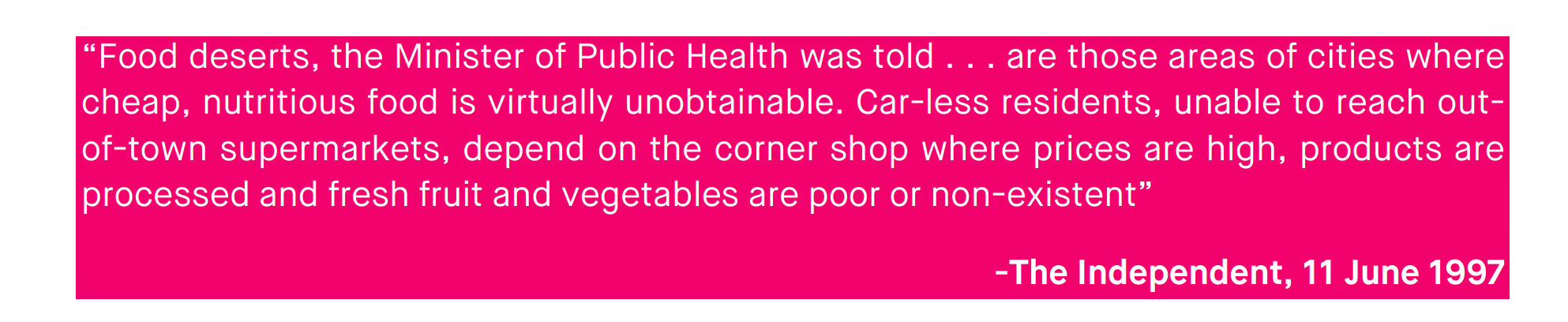
Food deserts aren’t just a U.S. phenomenon. They’re found all around the world. This week as I explore social determinants of health and technology solutions in several parts of Europe, I’ve learned more about food access challenges in the UK. These are discussed in a report published this month by the Social Market Foundation asking, What are the barriers to eating healthily in the UK? The research was supported by Kellogg’s, the food manufacturer. The first table comes from the report, and the topline shows that about 4 in 10 Britons shopped at a cheaper food store in response to high
Loneliness, Public Policy and AI – Lessons From the UK For the US
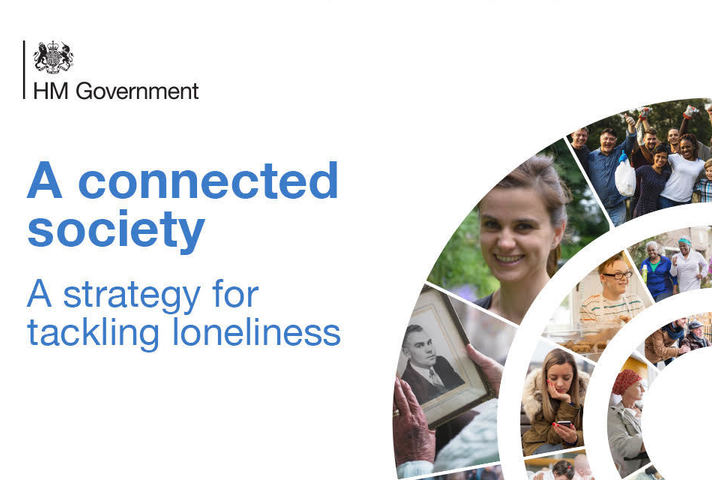
There’s a shortage of medical providers in the United Kingdom, a nation where healthcare is guaranteed to all Britons via the most beloved institution in the nation: The National Health Service. The NHS celebrated its 70th anniversary in July this year. The NHS “supply shortage” is a result of financial cuts to both social care and public health. These have negatively impacted older people and care for people at home in Great Britain. This article in the BMJ published earlier this year called for increasing these investments to ensure further erosion of population and public health outcomes, and to prevent
Koen Kas, the Gardener of Health Tech Delights

The future of healthcare is not about being sick, Prof. Dr. Koen Kas believes. Having spent many years in life sciences in both research and as an entrepreneur, Koen now knows that getting and staying healthy isn’t about just developing medicines and med-tech: optimally, health requires a tincture of delight, Koen advises in his breakthrough, innovative book, Your Guide to Delight. Healthcare must go beyond traditional user-centered design, Koen’s experience has shown, and aspire toward design-to-delight. The concept of “delight” in healthcare, such as we experience in hospitality, grocery stores, and entertainment, is elusive. I’ve observed this, too, in my
On World Food Day 2018, Imagine A Chef Cooking for Patients

Today, October 16, is World Food Day. At Health Populi and THINK-Health, we celebrate the birthday of the Food and Agriculture Organization (FAO), allied with the United Nations. FAO was founded to address malnutrition and bolster a sustainable, healthy food supply for people. World Food Day 2018 has four objectives: Don’t waste food Produce more food with fewer resources Advocate for #ZeroHunger by 2030, and, Adopt a healthier, more sustainable diet. All four of these pillars play a role in health, but I’ll focus today on the fourth: the role of food as a major social determinant of health. Hunger
CVS + Aetna: Inflection Point in US Healthcare, Merger Approved Update

CVS Health’s acquisition of Aetna was approved this week by U.S. Federal regulators after months of scrutinizing the antitrust-size-market control implications of the deal. I wrote this post on the deal as an inflection point in American healthcare on 3rd December 2017 when CVS and Aetna announced their marriage intentions. This post updates my initial thoughts on the deal, given the morphing US healthcare market on both the traditional health services front and fast-evolving retail health environment. The nation’s largest retail pharmacy chain signed a deal to combine with one of the top three health insurance companies. The deal
The Importance of Broadband and Net Neutrality for Health, to the Last Person and the Last Mile

California’s Governor Jerry Brown signed into law a net neutrality bill this weekend. Gov. Brown’s proverbial swipe of the pen accomplished two things: he went back to the Obama-era approach to ensure that internet service providers treat all users of the internet equally; and, he prompted the Department of Justice, representing the Trump Administration’s Federal Communications Commission (FCC), to launch a lawsuit. California, home to start-ups, mature tech platform companies (like Apple, Facebook and Google), and countless digital health developers, is in a particularly strategic place to fight the FCC and, now, the Department of Justice. Nearly two dozen other states
Slow Food, Slow Medicine: What Italy Can Teach America About Health
Obesity, diabesity, food deserts and food swamps co-exist across America, factors that cost the U.S. economy over $327 billion a year just in the costs of diagnosed diabetes. In addition, America’s overweight and obesity epidemic results in lost worker productivity, mental health and sleep challenges, and lower quality of life for millions of Americans. Food — healthy, accessible, fairly-priced — is a key social determinant of individual health, wellness, and a public’s ability to pursue happiness. There’s a lot the U.S. can learn from the food culture, policy and economy of Italy when it comes to health. This week, I have the
When Life and Health Insurance Blur: John Hancock, Behavioral Economics, and Wearable Tech

Most consumers look to every industry sector to help them engage with their health. And those companies include the insurance industry and financial services firms, we found in the 2010 Edelman Health Engagement Barometer. John Hancock, which covers about 10 million consumers across a range of products, is changing their business model for life insurance. Here’s the press release, titled, “John Hancock Leaves Traditional Life Insurance Model Behind to Incentivize Longer, Healthier Lives.” “We fundamentally believe life insurers should care about how long and well their customers live. With this decision, we are proud to become the only U.S. life insurance
The Health Consumer Seeks Fresh, Free-From and…Turmeric

The impact of health and wellness is on most consumers’ minds, Nielsen’s consumer research has found. Sarah Schmansky, Nielsen’s strategy leader for health, wellness and “fresh,” moderated a panel at the GMDC Health-Beauty-Wellness Conference in Orlando today that brainstormed how consumers are shopping for health. Underneath that “how” is more than the next-best-me-too-product for allergy or acne. It’s about efficacy of the product at the core, but bundled with social responsibility and sustainability, informative packaging, transparency of ingredients, and education that empowers the individual. “Self-care is the driver of growth,” Sarah began the discussion. But these needs under the self-care umbrella
Consumers Changing the Channel on Where They Shop for Health

Consumers who have long purchased over-the-counter medicines, anti-dandruff shampoo, whitening toothpaste, and cosmetics-with-benefits at food, drug and mass merchant retailers are switching to other places to shop for health, new data from AT Kearney and GMDC have found. The two organizations have collaborated to launch a new benchmarking study into health-beauty-wellness (HBW) sales, launched this weekend at the GMDC HBW Conference in Orlando. Overall, 2017 to 2018 year-on-year, HBW sales were flat-to-no growth, notwithstanding the consumer and influencer buzz around the categories. This study uncovered some very important trends underneath the macro numbers that tell a story
Retail Tomorrow, Today: A Smart Grocery Cart and Digital Samples For Paleo-Eating Moms

In our Amazon-Primed world, the future of retail is not ten years from now; it’s “tomorrow.” So GMDC, the association of retailers and brands who supply them, has formed a program called Retail Tomorrow to turbocharge the supply side with consumers who are already demanding convenience, immediate (or “soon”) gratification, and health where she/he “is.” That’s personalization, and that’s where retail health can and is making a difference in Everyday Peoples’ lives. In our DIY culture, we’re pumping our own petrol, making our own airline and hospitality reservations (from Expedia to Airbnb), trading stocks online, and cooking at home enabled by
Self-Care is Healthcare for Everyday People

Patients are the new healthcare payors, and as such, taking on the role of health consumers. In fact, health and wellness consumers have existed since a person purchased the first toothpaste, aspirin, heating pad, and moisturizing cream at retail. Or consulted with their neighborhood herbalista, homeopathic practitioner, therapeutic masseuse, or skin aesthetician. Today, the health and wellness consumer can DIY all of these things at home through a huge array of products available in pharmacies, supermarkets, Big Box stores, cosmetic superstores, convenience and dollar stores, and other retail channels – increasingly, online (THINK, of course, of Amazon — more on
Pharmacies Continue to Earn Consumer-Love

Among industries that consumers frequent, one continues to delight people more than most: pharmacies. J.D. Power’s 2018 ratings on U.S. pharmacies finds that consumers do indeed still love their pharmacies after ten years of rating customer satisfaction with brick-and-mortar and mail order channels. “U.S. consumers love their pharmacies,” J.D. Power asserts in its first study finding. In terms of total points across all pharmacies, Wegmans pharmacy was the overall top-ranked Rx retail channel with a total ranking of 906 out of 1,000 points. J.D. Power evaluated four categories of pharmacy: Brick-and-mortar chain drug stores, ranking Good Neighbor Pharmacy number one.
Surprise, Surprise: Most Americans Have Faced a “Surprise” Medical Bill

Most Americans have been surprised by a medical bill, a NORC AmeriSpeak survey found. Who’s responsible? Nearly all Americans (86% net responsible) first blame health insurance companies, followed by hospitals (82%). Fewer U.S. patients blamed doctors and pharmacies, although a majority of consumers still put responsibility for surprise healthcare bills on them (71% and 64% net). Most of the surprise bills were for charges associated with a physician’s service or lab test. Most surprise charges were not due to the service being excluded from a health plans provider network. The poll was conducted among 1,002 U.S. adults 18 and over
The Digital Health Consumer According to Rock Health
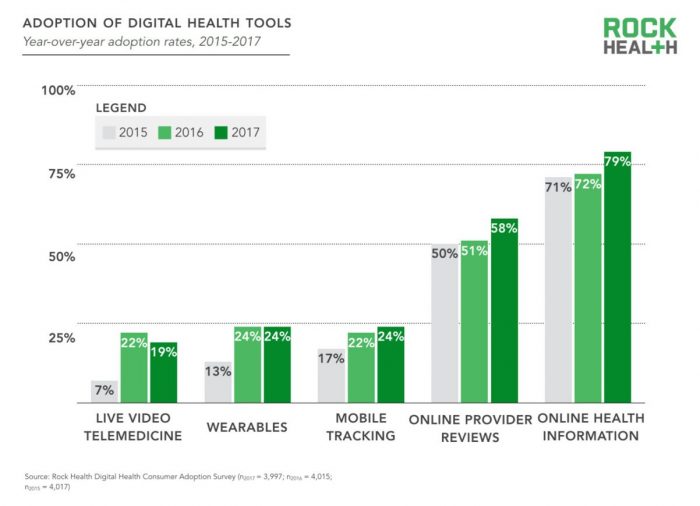
Looking for health information online is just part of being a normal, mainstream health consumer, according to the third Rock Health Digital Health Consumer Adoption Survey published this week. By 2017, 8 in 10 U.S. adults were online health information hunters. Six in 10 Americans looked for reviews of healthcare providers online, another new-normal consumer digital health activity. But only one in four people had used wearable technology for health, and one in five had participated in a live video telemedicine encounter. The Rock Health team observes that “the needle has not moved equally across every type of digital health solution.” Thus the
Multimorbidity In the US – Obesity As A Key Driver of Health Spending
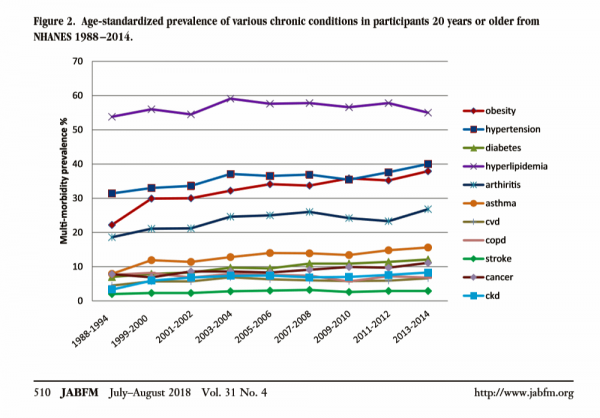
In the U.S., the growing prevalence of multi-morbidity is contributing to increased mortality and healthcare cost growth in America. Underlying this clinical and economic phenomenon is obesity, which primary care doctors are challenged to deal with as a chronic condition along with typically co-occurring comorbidities of hypertension, diabetes, and hyperlipidemia. The line chart come from a new study into Multimorbidity Trends in United States Adults, 1988-2014, published in the July-August 2018 issue of the Journal of the American Board of Family Medicine. The authors, affiliated with the West Virginia University Department of Family Medicine, call out that obesity (the pink-red line)
Disruption Is Healthcare’s New Normal
Googling the words “disruption” and “healthcare” today yielded 33.8 million responses, starting with “Riding the Disruption Wave in Healthcare” from Bain in Forbes, Accenture’s essay on “Big Bang Disruption in Healthcare,” and, “A Cry for Encouraging Disruption” in the New England Journal of Medicine Catalyst. This last article responded to the question, “Can we successfully deliver better quality care for patients at a lower cost?” asked by François de Brantes, Executive Director of the Health Care Incentives Improvement Institute. “Disruption” as a noun and an elephant in our room has been with us in healthcare since the September/October 2000 issue of
Best Buy Bets on AgingTech in the Expanding Retail Health Ecosystem
With the acquisition of GreatCall, a mature player in the aging-tech space, Best Buy is doubling down on consumer health technology@retail. This week at Best Buy. the electronics retailer, it’s out with CDs and in with technology for aging at home. The company announced that it would buy GreatCall for $800 million. A snippet from the announcement from Best Buy’s press release is shown in the first diagram, noting that GreatCall’s membership is approaching 1 million subscribers who use mobile phones and connected devices, “providing peace of mind to their loved ones.” Beyond the obvious “falling and I can’t get
Wealth is Health and Health, Wealth, Fidelity Knows – with Weight a Major Risk Factor
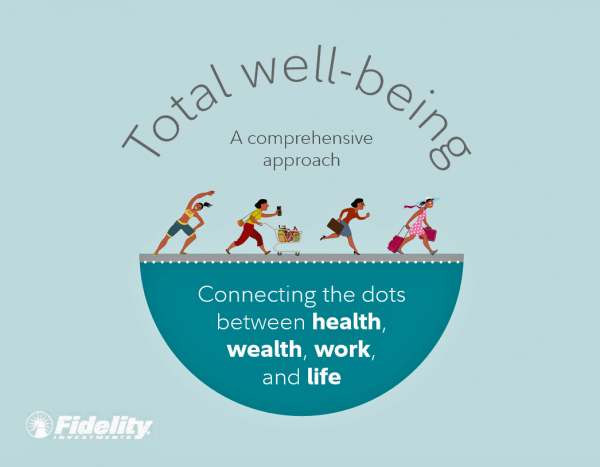
The two top stressors in American life are jobs and finances. “My weight” and my family’s health follow just behind these across the generations. Total Well-Being, a research report from Fidelity Investments, looks at the inter-connections between health and wealth – the combined impact of physical, mental, and fiscal factors on our lives. The first chart summarizes the study’s findings, including the facts that: One-third of people have less than three months of income in the bank for emergency Absenteeism is 29% greater for people who don’t have sufficient emergency funds saved People who are highly stressed tend not to
Healthcare’s Profits Will Be Dramatically Redistributed as Care Shifts to Consumers: Accenture
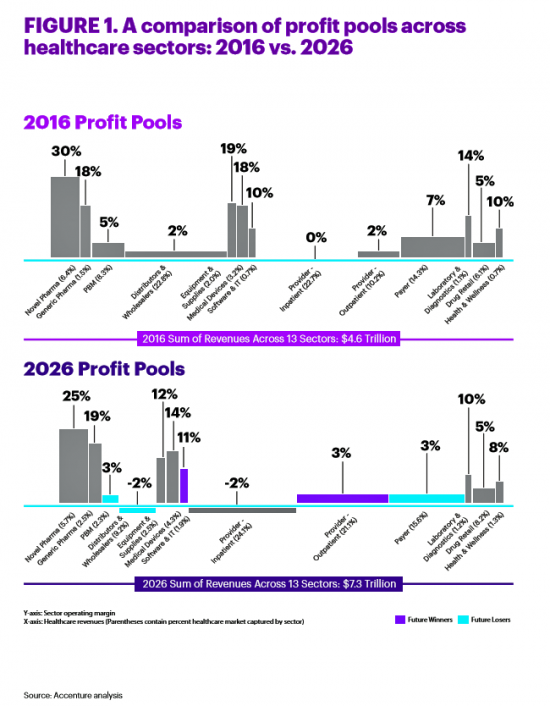
All sectors who are stakeholders in the healthcare ecosystem aren’t created equal, Accenture explains in their report, Healthcare’s future winners and losers. Observing the influx of new flavors of entrants like Amazon and Google, start-ups like Iora Health, Oscar and FetchMD, begs the question: how will legacy healthcare system players fare? Who will survive, and what will be the success factors that bolster long-term viability? To answer that question, Accenture points to three market trends that set “new rules” in healthcare: Blurred lines, which are the grey areas and adjacencies between technology, service, finance, and retail The middle of nowhere,
“Lower Prescription Drug Prices” – A Tri-Partisan Call Across America
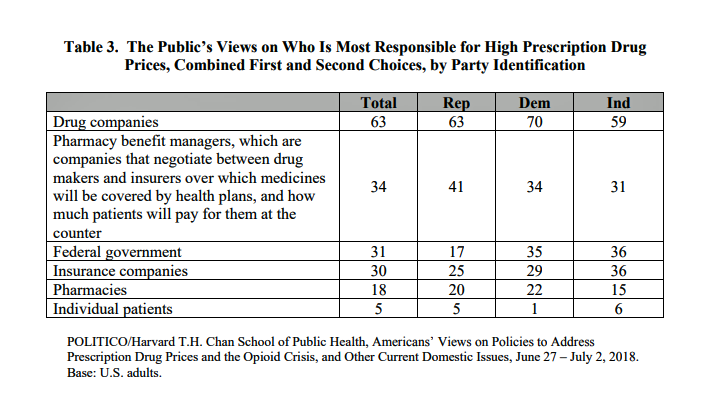
There’s growing evidence that a majority of U.S. voters, across the three-party landscape, agree on two healthcare issues this year: coverage of pre-existing conditions, and lowering the consumer-facing costs of prescription drugs. A new poll jointly conducted by Politico and the Harvard Chan School of Public Health bolsters my read on the latter issue – prescription drug pricing, which has become a mass popular culture union. There may be no other issue on voters’ collective minds for the 2018 mid-term election that so unites American voters than the demand for lower-cost medicines. This is directly relates to consumers’ tri-party
FANGs & MAGA – Meet WaWa for Health, Walgreens and Walmart
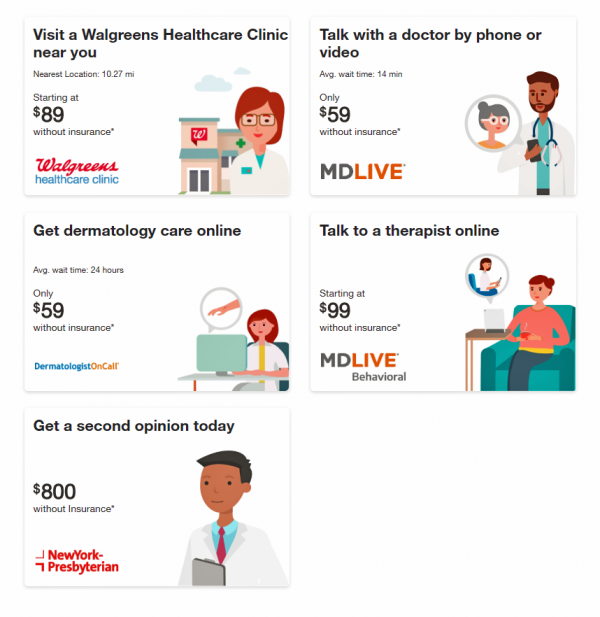
While Amazon and Google get lots of positive PR and media attention as major healthcare industry disruptors, don’t forget about two big “W’s,” Walgreens and Walmart, in the healthcare innovator mix. I recently read The Four in which Scott Galloway explains the dominance of Amazon, Apple, Google and Facebook in consumers’ everyday lives. These four tech-behemoths each have their particular designs on healthcare innovation, or disruption in the eyes of, say, Epic and Cerner working on health IT systems, or GE and IBM if you’ve been pioneers in health data or big-iron information technology. Then in the past week, the
Most Americans Over 50 Not Buying Groceries Online….Yet
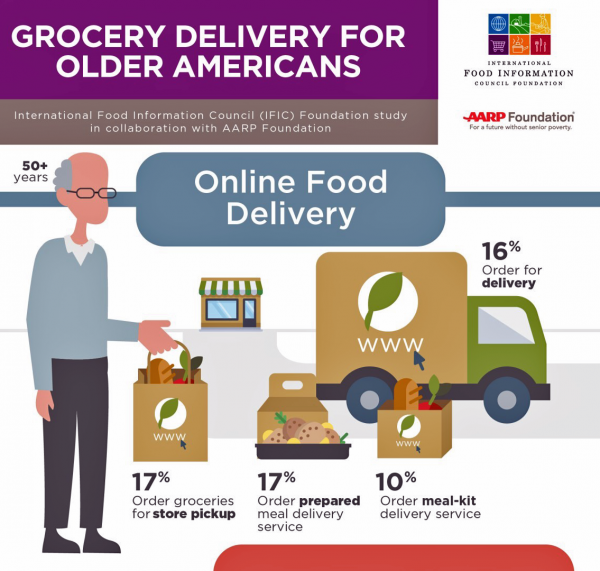
Only 17% of Americans over 50 years of age shopped for groceries online by mid-2018. But older people in the U.S. have underlying demands and needs that could nudge them to do online grocery shopping, unearthed in a survey from AARP Foundation and IFIC, the International Food Industry Council Foundation. Typically, older Americans who shop online tend to be college-educated, work full-time, and earn higher incomes. Older people with mobility issues also shop more online than folks without such challenges. But even among those older people who shop online for food, they do so less frequently than younger people do.
Heart Disease in America: Zip Code Determines Cardiovascular Disease-Destiny
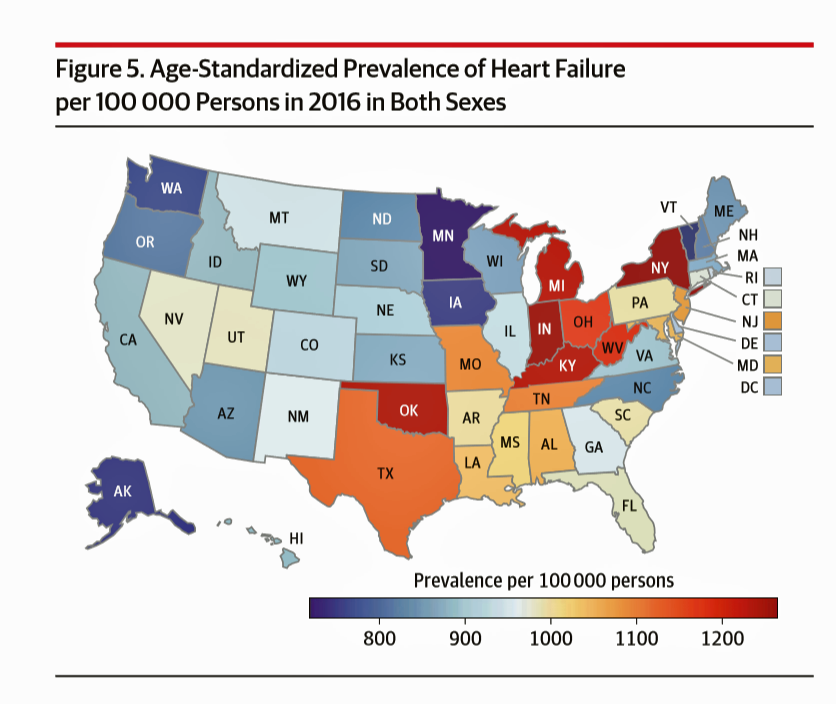
If you live in one of nine U.S. states, your chances of having heart disease are greater than living in the 41 others. This geography-as-destiny for heart conditions is examined in The Burden of Cardiovascular Diseases Among US States, 1990-2016 published in JAMA Cardiology. Researchers analyzed data on cardiovascular disease mortality, nonfatal health outcomes, and risk factors by age, sex, and year from 1990 to 2016 for the U.S. population. The outcome used to measure health by state was cardiovascular disease disability-adjusted life-years, or DALYs (FYI, “DALYs” are a commonly used metric in health economics research). Pennsylvania While overall cardiovascular
Closing the Digital Health Gap Between Consumers and Physicians
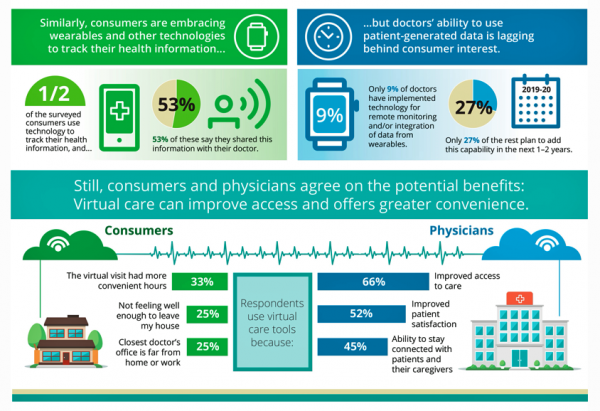
Consumers are more bullish demanding virtual and digital health tools from their physicians than doctors are in providing it, based on the research findings in What can health systems do to encourage physicians to embrace virtual care? from Deloitte. One-third of physicians have concerns about using virtual care services, such as medical errors that may result, access to technology, and data security. One in two U.S. consumers are now tracking health via digital tools, and one-half of these share the data generated by their apps. That sharing is limited by doctors’ ability to
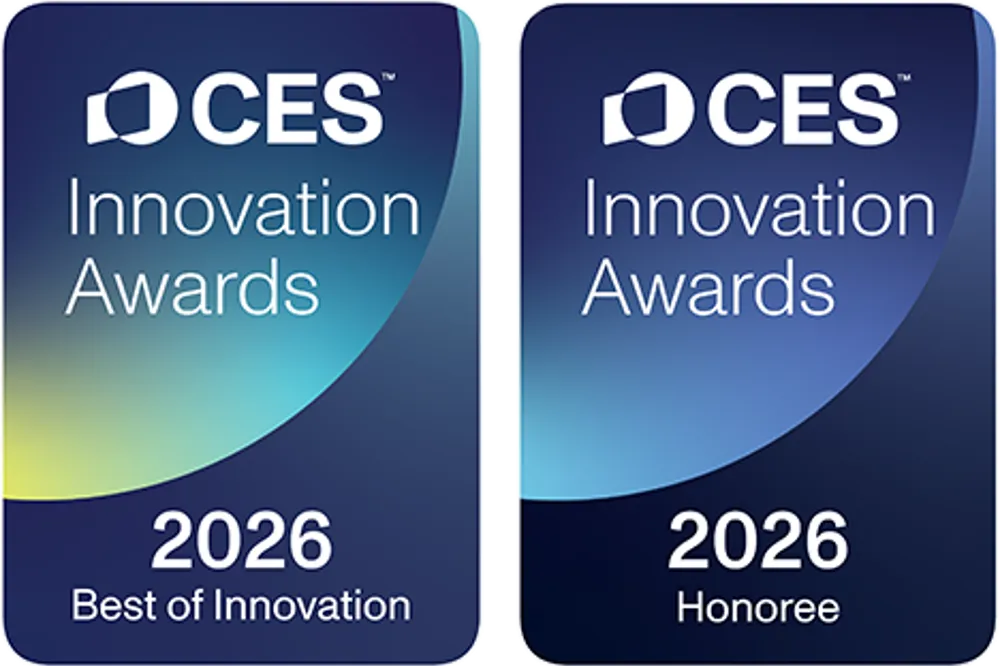 I'm once again pretty gobsmackingly happy to have been named a judge for the 2026 CES Innovation Awards, focusing on digital health, longevity, and fitness. Preceding every year's global conference, CES receives hundreds of applications from innovators around the world building tech-based solutions to big challenges. So glad to be part of this annual initiative to see what global health-tech pioneers are cooking up to address and scale the health and well-being of fellow health citizens, globally.
You can see the results of the Digital Health Awardees here on the #CES2026 website.
I'm once again pretty gobsmackingly happy to have been named a judge for the 2026 CES Innovation Awards, focusing on digital health, longevity, and fitness. Preceding every year's global conference, CES receives hundreds of applications from innovators around the world building tech-based solutions to big challenges. So glad to be part of this annual initiative to see what global health-tech pioneers are cooking up to address and scale the health and well-being of fellow health citizens, globally.
You can see the results of the Digital Health Awardees here on the #CES2026 website. Stay tuned to Health Populi in early January as I'll be attending Media Days and meeting with innovators in digital health, longevity, and the home-for-health during CES 2026 in Las Vegas. I'll be at the conference for an entire week meeting with clients and exhibitors at the biggest-meeting-of-the-year on consumer-facing technology. I'll be reporting daily from Vegas here in the blog, sharing with you insights about the latest breakthroughs, products, and services that enable people to manage health, well-being, and medical issues in their own hands and homes.
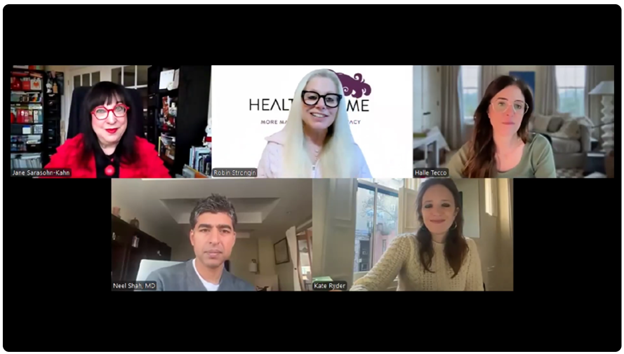 Jane collaborated on Robin Strongin's Health Dame webcast to discuss Halle Tecco's new book, Massively Better Healthcare, due out in early 2026. We brainstormed with Maven Founder Kate Ryder and the company's Chief Medical Officer Dr. Neel Shah about the state of U.S. healthcare and solutions not just to tweak at the margins but to "massively" improve health care delivery, financing, outcomes, and equity in America. It was a delightful, enlightening conversation -- I hope you'll check it out.