


1 in 2 U.S. Women (“The Bedrock of Society”) Self-Ration Care – the Latest Deloitte Findings
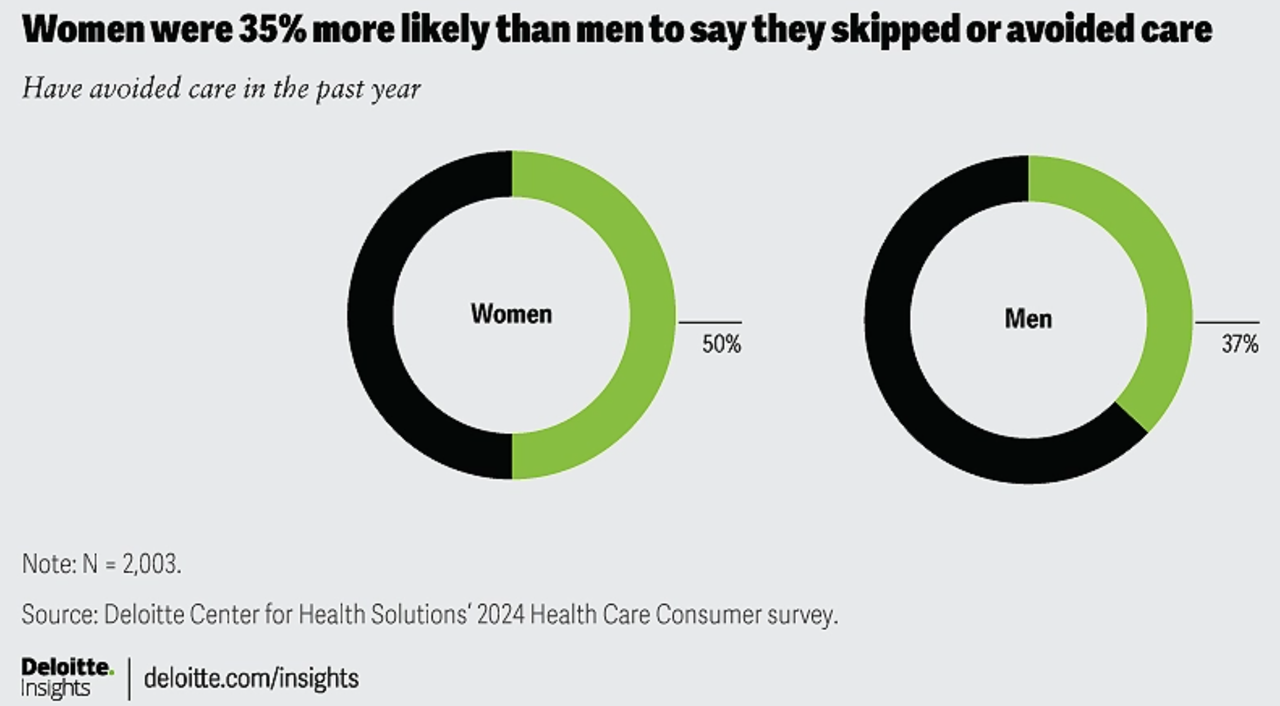
Women in the U.S. are more likely to avoid care than men in America, Deloitte found in the consulting firm’s latest survey on consumers and health care. Deloitte coins this phenomenon as a “triple-threat” that women face in the U.S. health care environment, the 3 “threats” being, Affordability, Access, and, Prior experience — that is the health disparity among women who have seen personal mis-diagnosis, bias, or treatment that hasn’t been consistent with current protocols and practices. The data come out of Deloitte’s fielding of the U.S. consumer survey in February and March, 2024.
Obesity is a Public Health Epidemic in the U.S. — The Case for GLP-1 Coverage, Affordability and Equity
“If the U.S. were sensible, weight management would be treated as a public health issue,” David Cutler writes in the JAMA Health Forum dated August 15, 2024. Dr. Cutler, distinguished economics professor at Harvard, talks about “the pathology of U.S. health care” citing the example of weight loss medications — in short, the uptake of GLP-1 drugs to address Type 2 diabetes first, and subsequently obesity. Dr. Cutler notes that the price of these drugs in the U.S. “far exceeds” that of other countries: specifically, 9 times that of the prices in Germany and the Netherlands
Leaning In to Joy, from Hello Kitty to LEGO – The Power of Play for Adults

U.S. Surgeon General Vivek Murthy has been an outspoken advocate calling out the state of mental health in America for all health citizens, young and old alike. He wrote the book, Together, reflecting on the toxic side effect of the COVID-19 pandemic that exacerbated many Americans’ feelings of loneliness and lack of human connection. Most recently, he’s raised the issue of parents’ anxiety and stress, especially in light of children’s use of social media and the recognition of children’s need for access to therapy. Parents are also at-risk, Dr. Murthy asserted as a
The New DTC Channel Is…A Vending Machine (From Advil to Plan B)

I’m off to Florence, Italy, soon, where about 10 years ago I happened upon a vending machine sited outside of a pharmacy just a few blocks from the Duomo — the Farmacia Della Condotta. And in that vending machine, accessible at all hours (especially overnight when the pharmacy was closed), were all manners of direct-to-consumer self-care goods….including condoms. What distinguished this from other vending machines that might have channeled condoms at the time was that those tended to be located in men’s rooms in, say, bars — not openly on a city street. You can see the Italian vending machine
Where Democrats and Republicans Agree on Health Care Policies – From Medicare and Prescription Drugs to Gun Safety
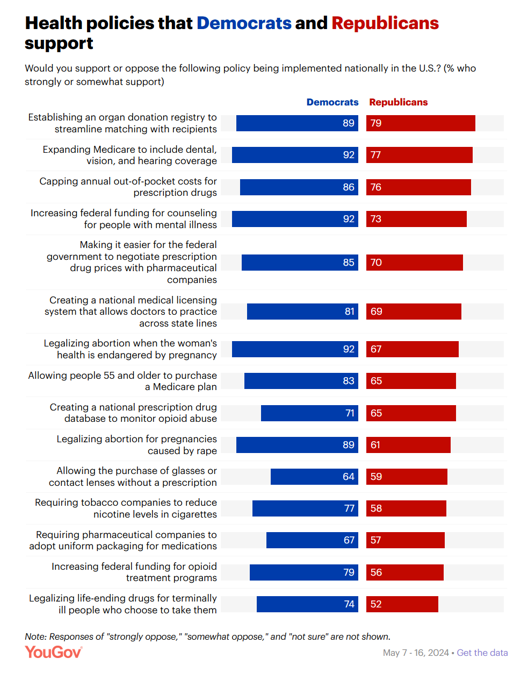
In a super-divided electorate like the U.S. with about 60 days leading up to the 2024 Elections, we might assume there are no “purple” areas of agreement between the Red (Republicans) and the Blue (Democrats) thinking in PANTONE color politics. Surprisingly, there are many health policies on which Democrats and Republicans concur, as found in a series of YouGov polls conducted in May 2024. YouGov fielded the health policies poll in five waves online, each among roughly 1,100 U.S. adults in May 2004. This bar chart summarizes health
The Impacts of Heat on Health Across All Dimensions – from Death to “Heat-Flation” on the Pocketbook
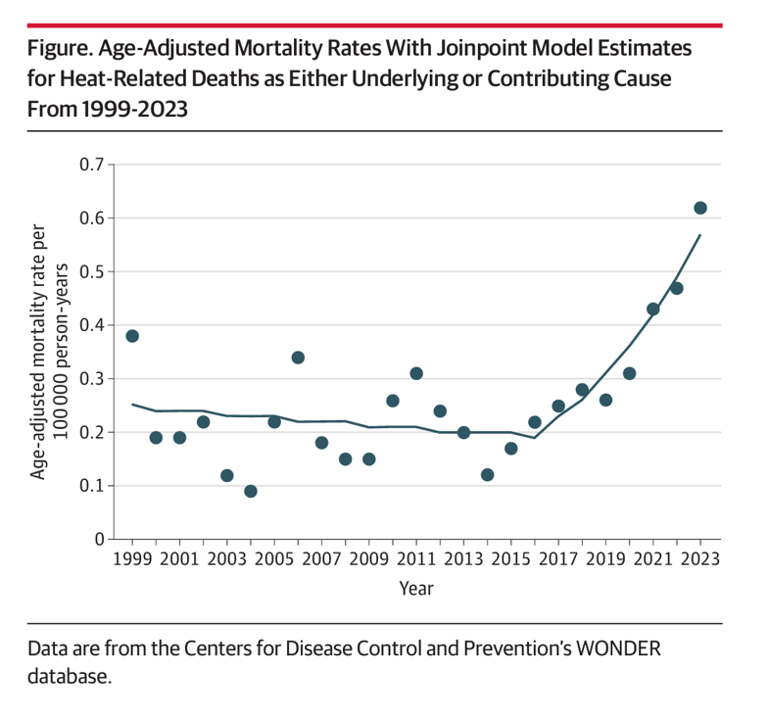
Rising energy bills are confronting U.S. households (and indeed, health citizens in many parts of the world) due to extreme heat, PBS reported on 1st September. But the record heat waves in so much of the world is impacting both peoples’ fiscal and financial well-being along with physical health impacts, ranging from exacerbating chronic respiratory conditions to, literally, risks to lives. A recent letter to JAMA, published August 26, 2024, quantifies Trends of Heat-Related Deaths in the U.S., 1999-2023. The authors examined studies finding exposure to extreme heat associated with mortality,
Best Buy Health’s Latest Insights into Technology and Care at Home
In the U.S., aging in and staying at home is a priority for most people over the age of 45 — and for nearly one-half of younger people between 18 and 44 — we learn in Best Buy Health’s Research Brief discussing the company’s survey of 1,000 U.S. consumers. Best Buy Health, the health-focused operation which is part of the electronics retailer Best Buy, worked with Sage Growth Partners to assess 1,000 U.S. consumers, 18 years and over, on their perspectives on health care, technology, aging in place, and caregiving. The research was fielded
How Voting Plays Into Health, Health Equity, and Community Well-Being
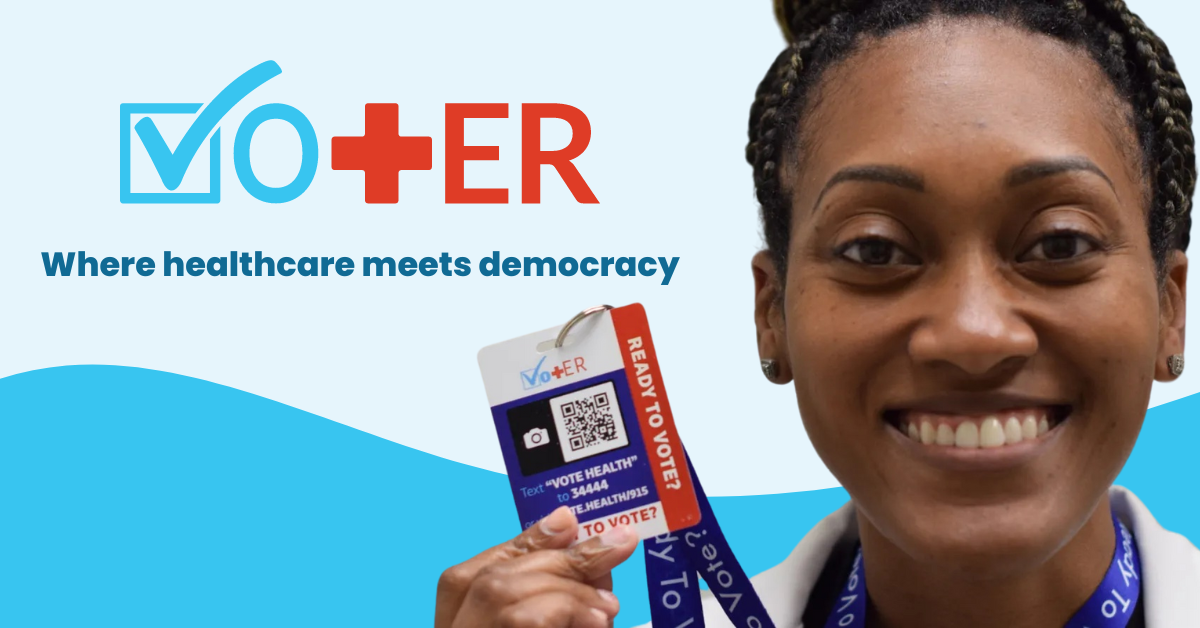
“Voter registration in hospitals is the new frontier in health care.” That’s the headline in a WBUR story last week detailing the efforts of health care professionals in “amplifying” their patients’ voices inside and outside of the hospital walls by advocating for their health citizenship — through voter registration and public health policy advocacy. I’m a long-time evangelist for health citizenship and the role that a person’s engagement in the civic commons plays in one’s own health, the health of their communities and of the nation as a whole. I’m not alone
Americans Who Perceive Negative Medical Treatment Due to Weight, Insurance Status, and Identity Metrics – YouGov Insights
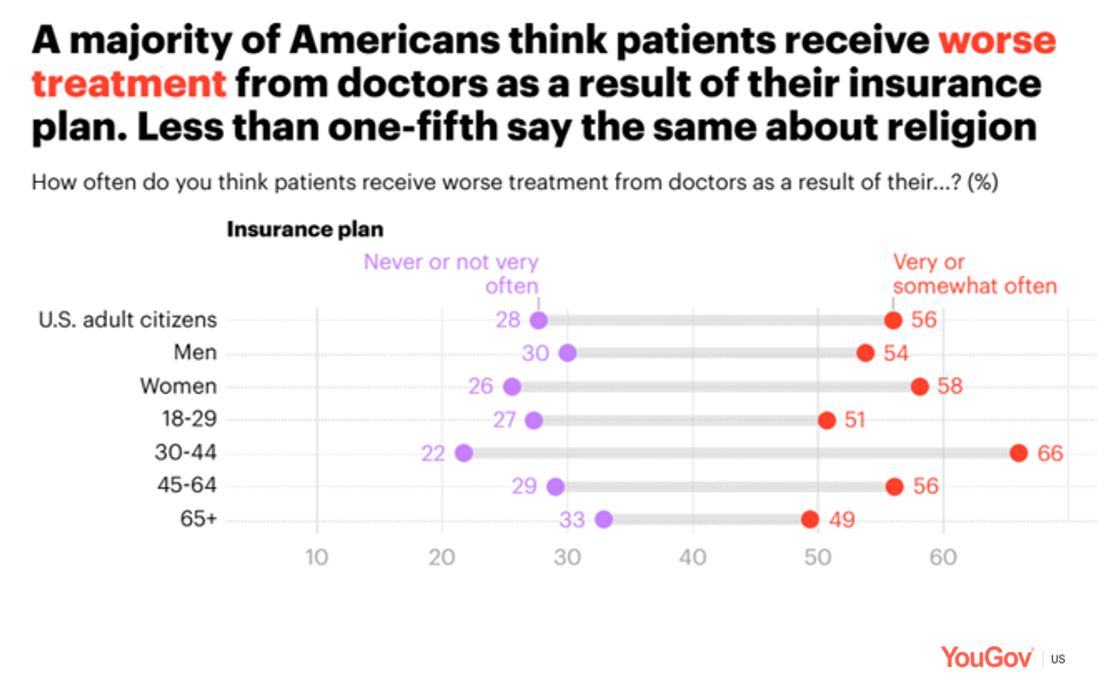
Millions of Americans believe they have been treated negatively by a physician due to their weight, insurance status, physical appearance and/or state of mental health, according to a YouGov poll published August 6, 2024. To gauge U.S. health citizens’ perceptions of fair and unfair treatment in the health care system, YouGov conducted this research among 1,200 U.S. adults 18 and over online in late June 2024. The first bar chart arrays various identity characteristics describing patients: we see that weight is by far the top characteristic putting the person at-risk for being
Women’s Health Outcomes in the U.S.: Spending More, Getting (Way) Less – 4 Charts from The Commonwealth Fund
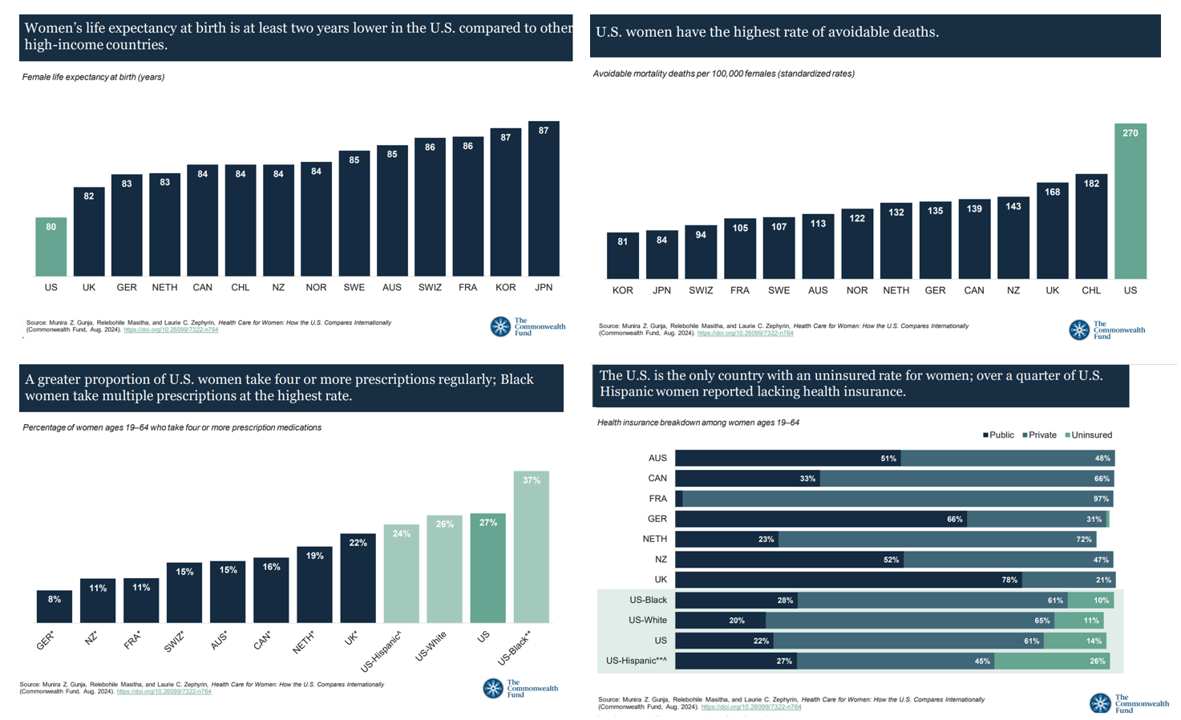
Women in the U.S. have lower life expectancy, greater risks of heart disease, and more likely to face medical bills and self-rationing due to costs, we learn in the latest look into Health Care for Women: How the U.S. Compares Internationally from The Commonwealth Fund. The Fund identified four key conclusions in this global study: Mortality, shown in the first chart which illustrates women in the U.S. having the lowest life expectancy of 80 years versus women in other high-income countries; Health status, with women in the U.S. more likely to consume multiple prescription
The Health Care Costs for Someone Retiring in 2024 in the U.S. Will Reach $165,000 – Fidelity’s 23rd Annual Update
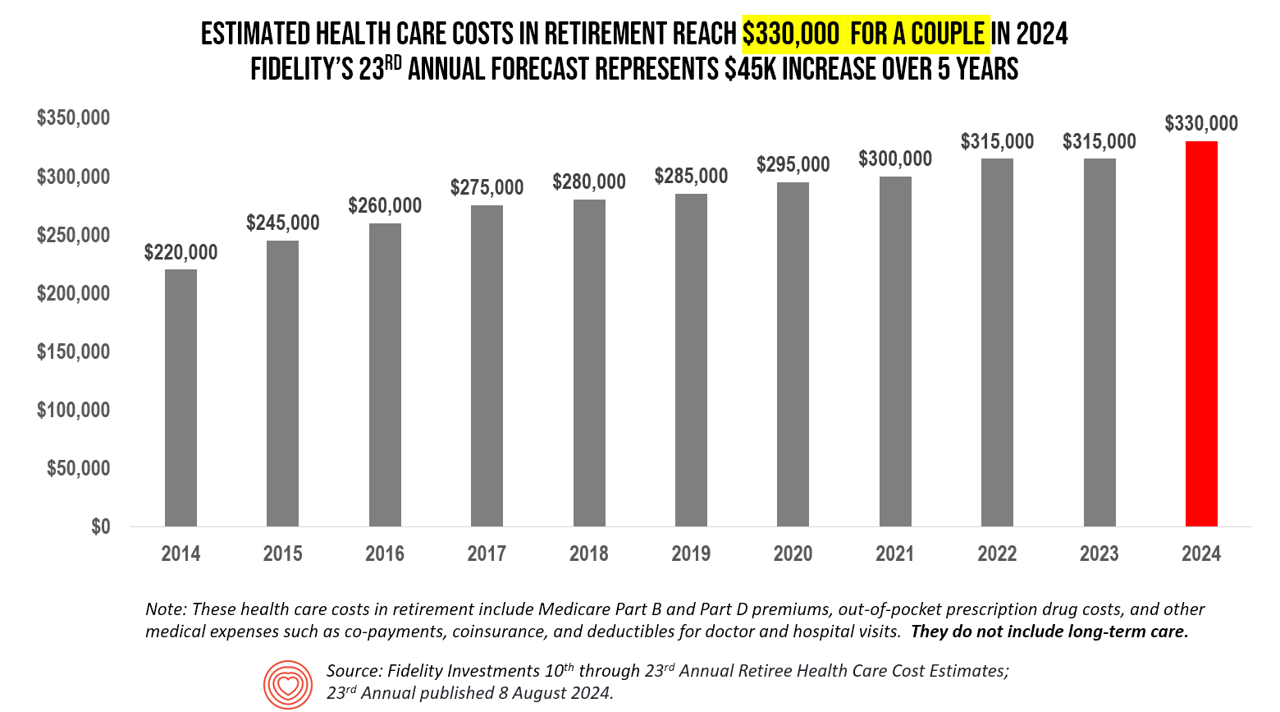
The average person in the U.S. retiring in 2024 will need to bank $165,000 to pay for health care costs in retirement — a sum that does not include long-term care, Fidelity Investments advises us in the 23rd annual look at this always-impactful (and sobering) forecast. I’ve covered this study every year since 2011 here in Health Populi, continuing to add to this bar chart; in the interest of space and legibility, I started this year’s version of the chart at 2014, when the cost for a couple was gauged at $220K. Fidelity began
What the “Vibe-Cession” Means for Health Care in the U.S. – Spending is Personal
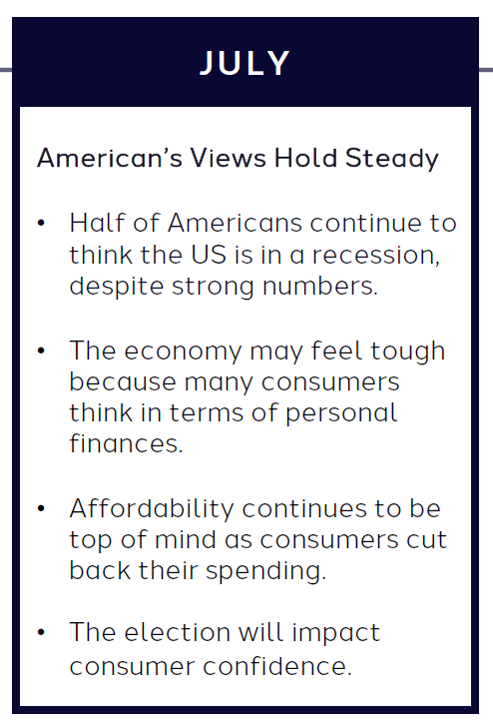
People living in the U.S. continue to feel a “vibe-cession” malaise, based on the American Mindset July 2024 update from Dentsu’s Consumer Navigator research. Notwithstanding generally good news about the American macroeconomy — in terms of growth, downward ticking inflation, and expected interest rate relief come September from the Federal Reserve — one in two Americans still thinks the country is in a recession. And this context is important for consumer’s personal spending on health care, fitness, and wellness, because, as Dentsu puts it, “consumers think in terms of personal finances.” As
Consumers Demand Foods That Are Healthy AND Delicious – and Some Health Equity Implications
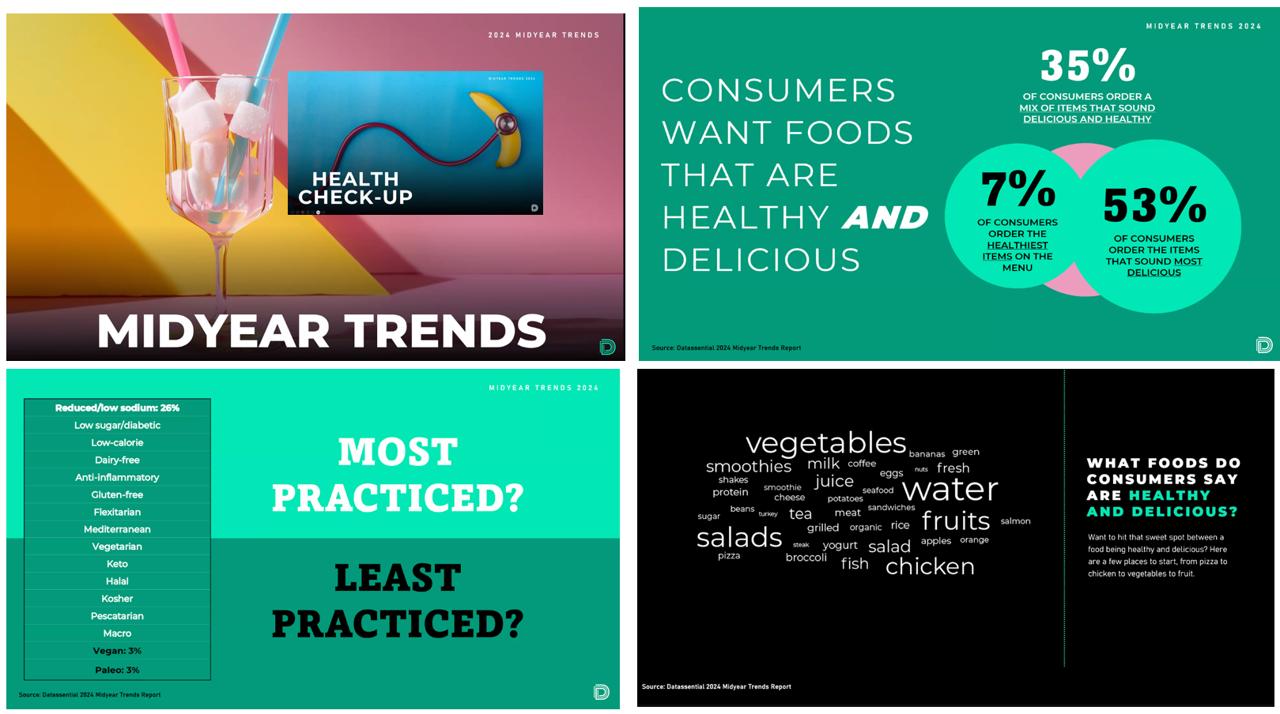
The most common food-eating styles practiced by U.S. consumers are low sugar/diabetic diets, low-calorie, dairy-free, anti-inflammatory, and gluten-free, ccording to the Midyear Trends update from Datassential. In their update on the food trends entering the second half of 2024, Datassential offered several insights on consumers and food-as-medicine in a section called the Health Check-Up. These trends are shaping consumers’ food demands in both their grocery shopping preferences (for food consumed in the home) as well as their eating-out ordering strategies — where 35% of consumers want to see menu offerings with foods that are
The Cost of GLP-1 Drugs on Payers’ Minds as Nearly 1/3rd of U.S. Consumers Could Become Users
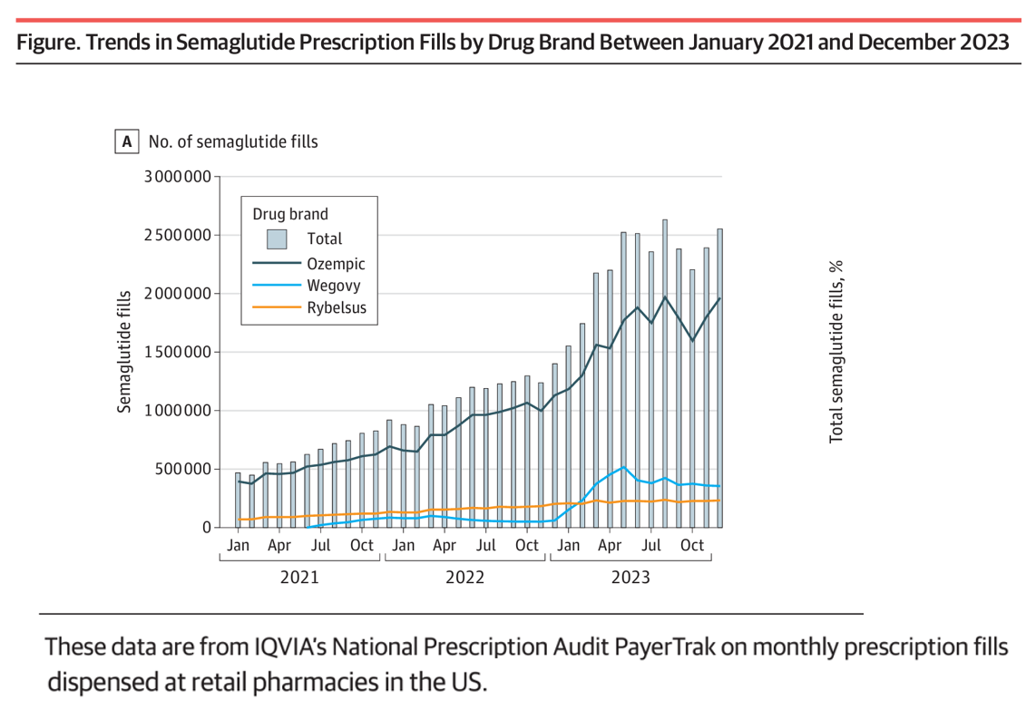
With 70 different clinical trials for GLP-1 drugs in process with the FDA, payers — and other stakeholders in the health care ecosystem — have the semaglutide-SENSE top of mind, based on my ongoing updating of this fast-moving market space. For overall market context on pace-of-growth in adoption, check out this chart from a JAMA Health Forum research letter on Prescription Fills for Semaglutide Products by Payment Method, published August 2nd. The study was based on the IQVIA National Prescription Audit PayerTrak data which captures 92% of Rx’s filled at retail pharmacies in
Retail Health Update for Pharmacy – Mail Order Beats Brick & Mortar, J.D. Power Finds
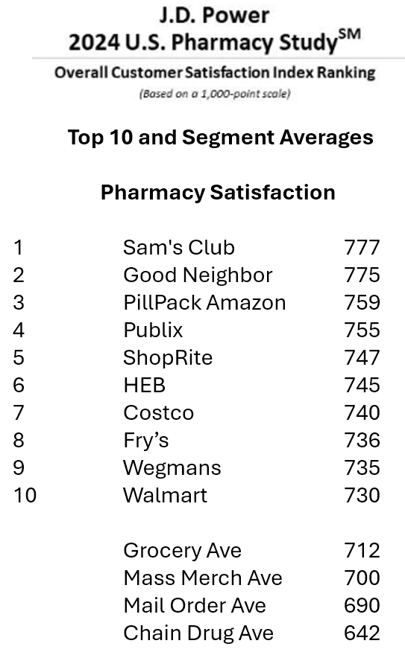
People have been undergoing their own human kind of digital transformations, turbocharged during the pandemic for many who never used Zoom or Amazon Prime or Uber. That consumer-borne digital transformation has shaped people as health consumers, many having used telehealth and appointment-scheduling online. And peoples’ relationships with pharmacies are also changing, with more health consumers finding greater satisfaction with their mail order pharmacy experiences than with moat retail brick and mortar chain drug stores, the latest J.D. Power 2024 U.S. Pharmacy Study found. It’s clear that mail order is
Older Americans Mostly Receptive to Apps for Health, but Chronically Ill People Could Use a Nudge (and a Payer)
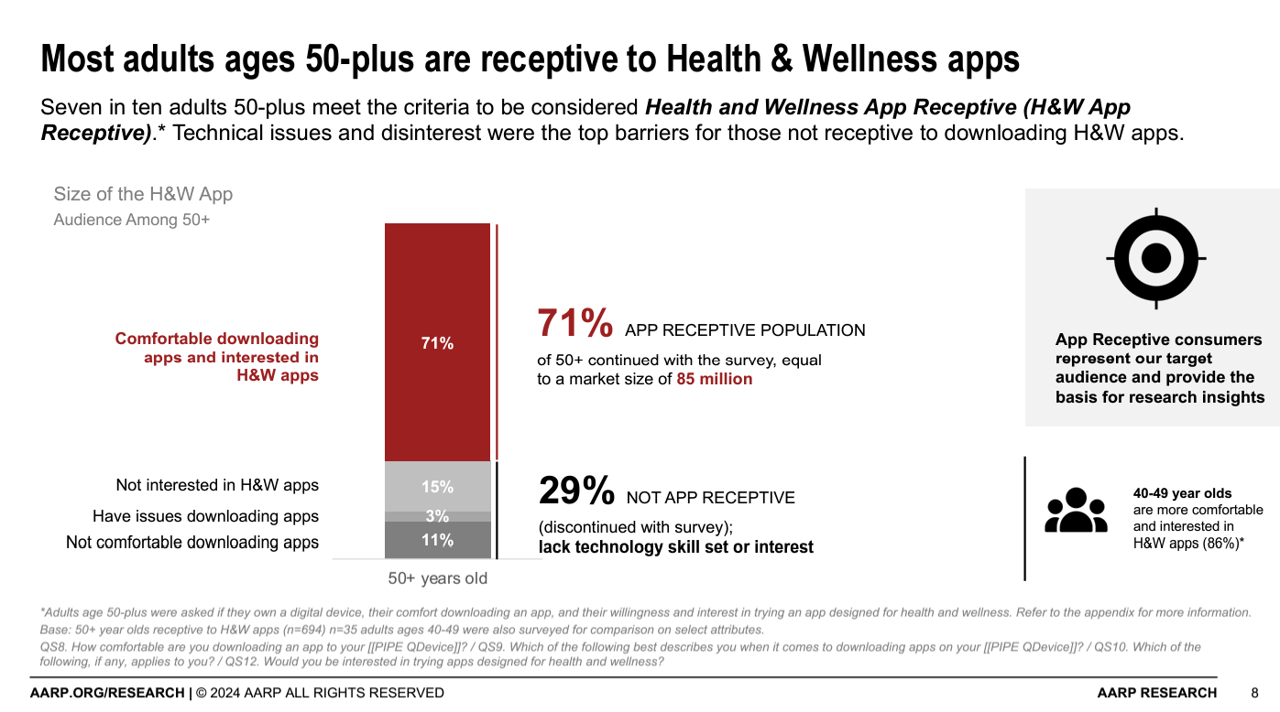
AARP found that 7 in 10 people ages 50+ are “app-receptive” for health and wellness apps in Unlocking Health and Wellness Apps: Experiences of Adults Age 50-Plus, a summary of research conducted with U.S. consumers 50 and over from AARP. The methodology for this study included only older consumers who were comfortable in downloading apps to smartphones or tablets, and were willing to do so — whom AARP considered the target audience for this research. In addition, the respondents surveyed were also at least interested in trying apps designed for health and wellness, thus dubbed “health
Globally Patients Seek Clear Communications to Build Trust with Healthcare, Especially in the AI Era
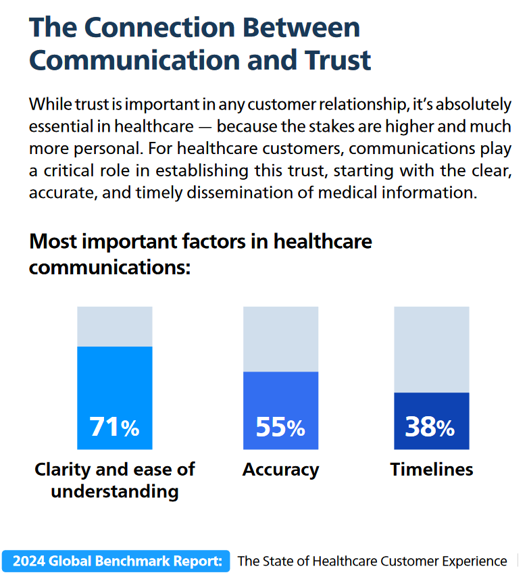
Globally, patients are growing consumer muscles leaning into trust that’s building on communications that connect with them, based on insightful research from Smart Communications. This consumer research was fielded by Toluna and Harris Interactive in February and March 2024. In The State of Customer Conversations, the report assesses input from global consumers from the APAC region (Australia, New Zealand, China, Hong Kong, Taiwan, Japan, and Singapore), German-speaking markets (Austria, Germany, Switzerland), the United Kingdom, and the U.S. The research revealed five key findings, shown in the first exhibit: Communications are increasingly important
What’s Expected to Drive Up Health Plan Costs in 2025: GLP-1s, Behavioral Health, and Inflationary Pressures for Hospitals and Doctors – PwC’s Behind the Numbers 2025
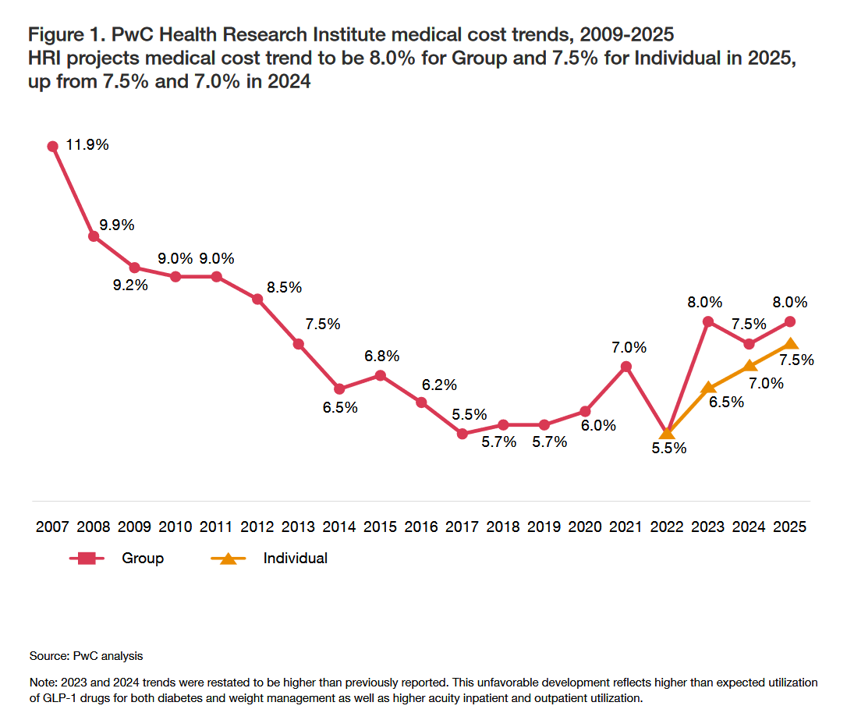
The U.S. Bureau of Labor Statistics had good news for American consumers long-facing inflation for household spending over the past couple of years, announcing on July 11, 2024, that the general consumer price index (CPI) fell, lowering real prices for people buying airline tickets, used cars and trucks, communication, and petrol to fill auto tanks. That positive economic news did not extend to medical care and personal care, the BLS reported, whose costs increased by 3.3% and 3.2%, respectively. (Motor vehicle insurance costs grew a whopping 19.5% in the report, FYI). Following the
Will the Apple Watch, Samsung Galaxy or Oura Rings Become “Intelligent Guardians” For Health?
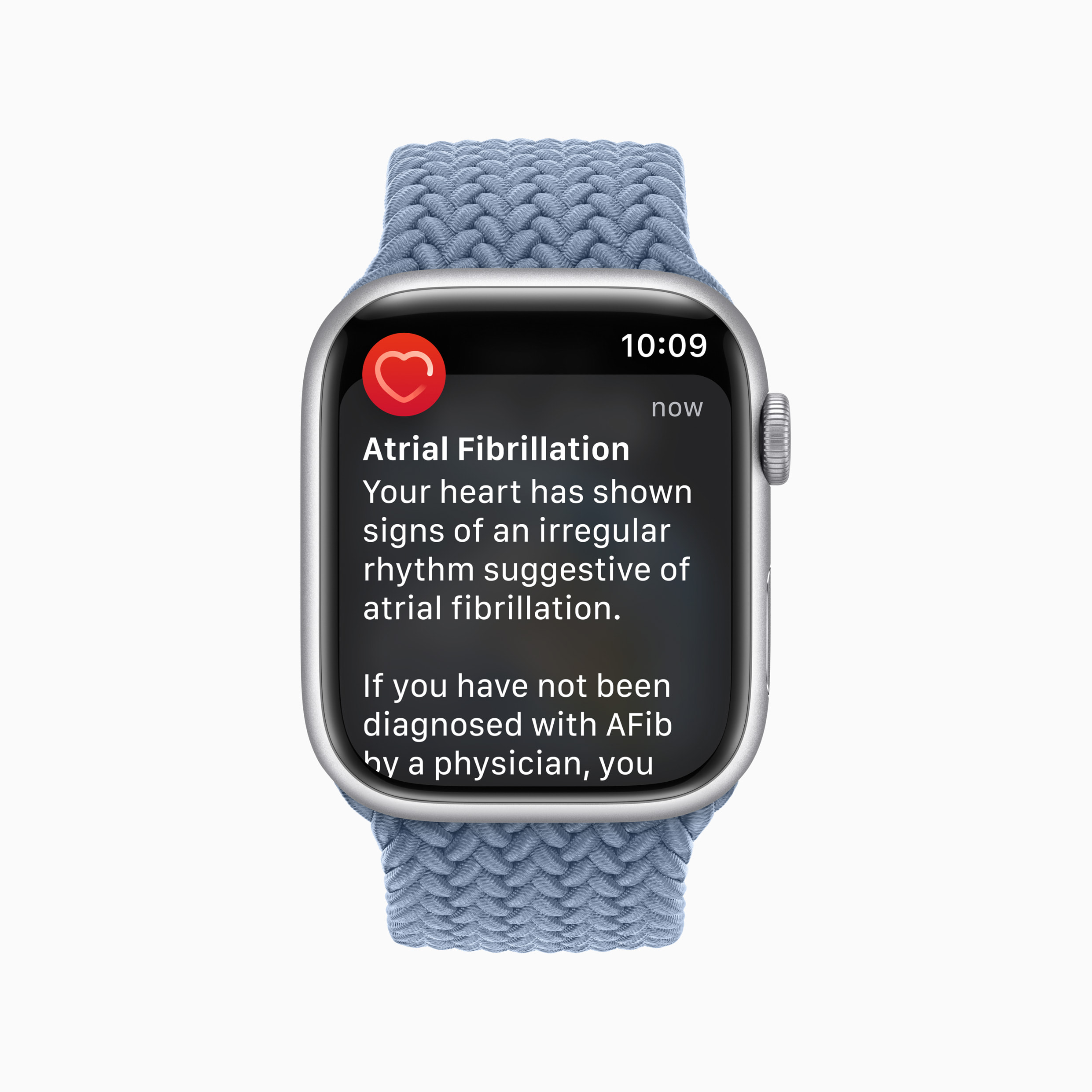
One of the few bright spots in consumer technology spending in the past couple of years of the U.S. economic “vibecession” has been the category of smartwatches. The Wall Street Journal recently talked, specifically, about the growing role of the Apple Watch for health care, gaining traction as a part of cardiologists’ and other physicians’ testing for and adoption of the wearable tech device for patients who are managing medical conditions. Data from CTA, the Consumer Technology Association, has been tracking such spending which I’ve often discussed here in Health Populi
Trust in Institutions Among Americans: Small Biz, the Military and Police More than the Medical System
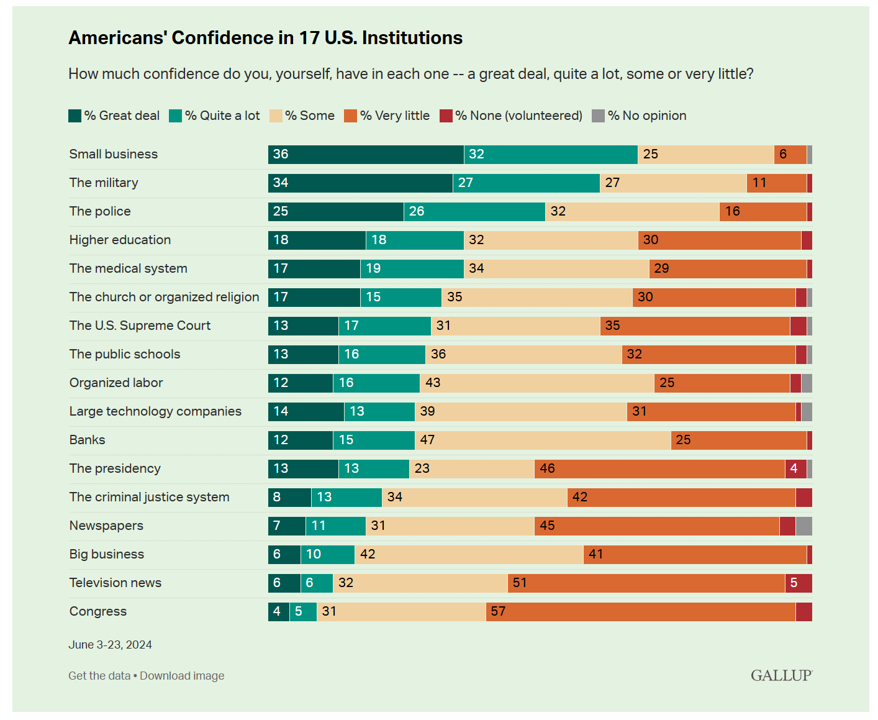
Two-thirds of Americans have a lot of confidence in small business in the U.S. In second place, 61% of people in the U.S. have confidence in the military, followed by 51% with the police. The Gallup Poll on Americans’ confidence in 17 U.S. institutions is out today, reflecting a snapshot of U.S. adults’ views on the organizations that touch their daily lives. And health care doesn’t fare too well in this latest read. Only 36% of Americans have confidence in the U.S. medical system, tied with peoples’ feelings of lack of confidence
 Jane will be working with EU- and UK-based clients in September and October 2026, collaborating with stakeholders in digital health, public/community health, retail health, and growing opportunities for health-at-home. Stay tuned to her updates here on Health Populi on-the-ground as she lives the digital nomadic work-life in Italy, Belgium, the Netherlands, and in London.
 I was grateful to be Jasmine's first conversation-guest on her new podcast, "Aperture - Widen the Frame," where this expert in narrative medicine is bringing together the broad range of voices to sit at the table and address what health care needs: those humans in the health-system-loop who address health equity and empathy along with delivering evidence-based medicine for all.
 Jane joined host Dr. Geeta "Dr. G" Nayyar and colleagues to brainstorm the value of vaccines for public and individual health in this challenging environment for health literacy, health politics, and health citizen grievance. Click onto the Pfizer Value of Vaccines site and you can watch four episodes covering the challenges with adult vaccination, the employer and health plan member's journey to vaccination, reimbursement, and collaborating for proactive prevention.