


The Internet of Health Things Can Deliver High Value for Consumers and Patients
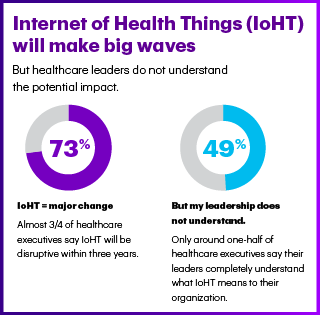
Did you know that the Echo Dot was the top-selling gift on Amazon in the 2016 holiday shopping season? The family of Amazon’s Alexa devices was the most popular product across all categories on the ecommerce site. As patients morph into health consumers, and consumers buy into wearable technologies and smart home devices through the growing Internet of Things (IoT), the home is becoming the new medical home. Most healthcare leaders believe that the Internet of Health Things (IoHT) will disruptive the healthcare industry within three years, noted in the Accenture 2017 Internet of Health Things Survey. But only one-half
So Far, Food and Nutrition Aren’t Baked Into President Trump’s Health Policies
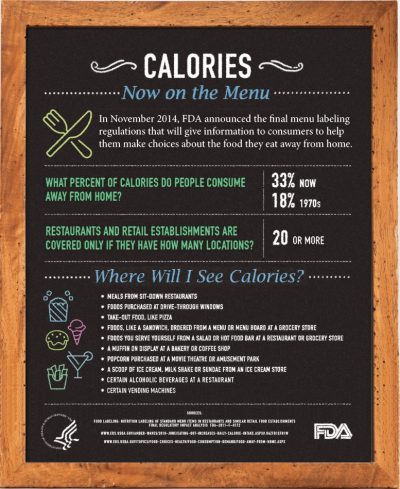
The FDA is delaying the public posting of calorie counts, a policy that President Obama’s administration had pioneered for public health and wellness. Menu labeling has applied to grocery stores, gas stations, convenience stores, movie theaters and sports stadiums that sell prepared food. “Health and Human Services Secretary Tom Price said the menu labeling requirements would be ‘unwise and unhelpful’ as currently written, and added that the FDA is looking for ways to make the rules ‘more flexible and less burdensome.'” Former FLOTUS Michelle Obama took on the issue of healthy food and fitness for America’s children. Except for keeping her White
Home Is the New and Future Medical Home for Dialysis
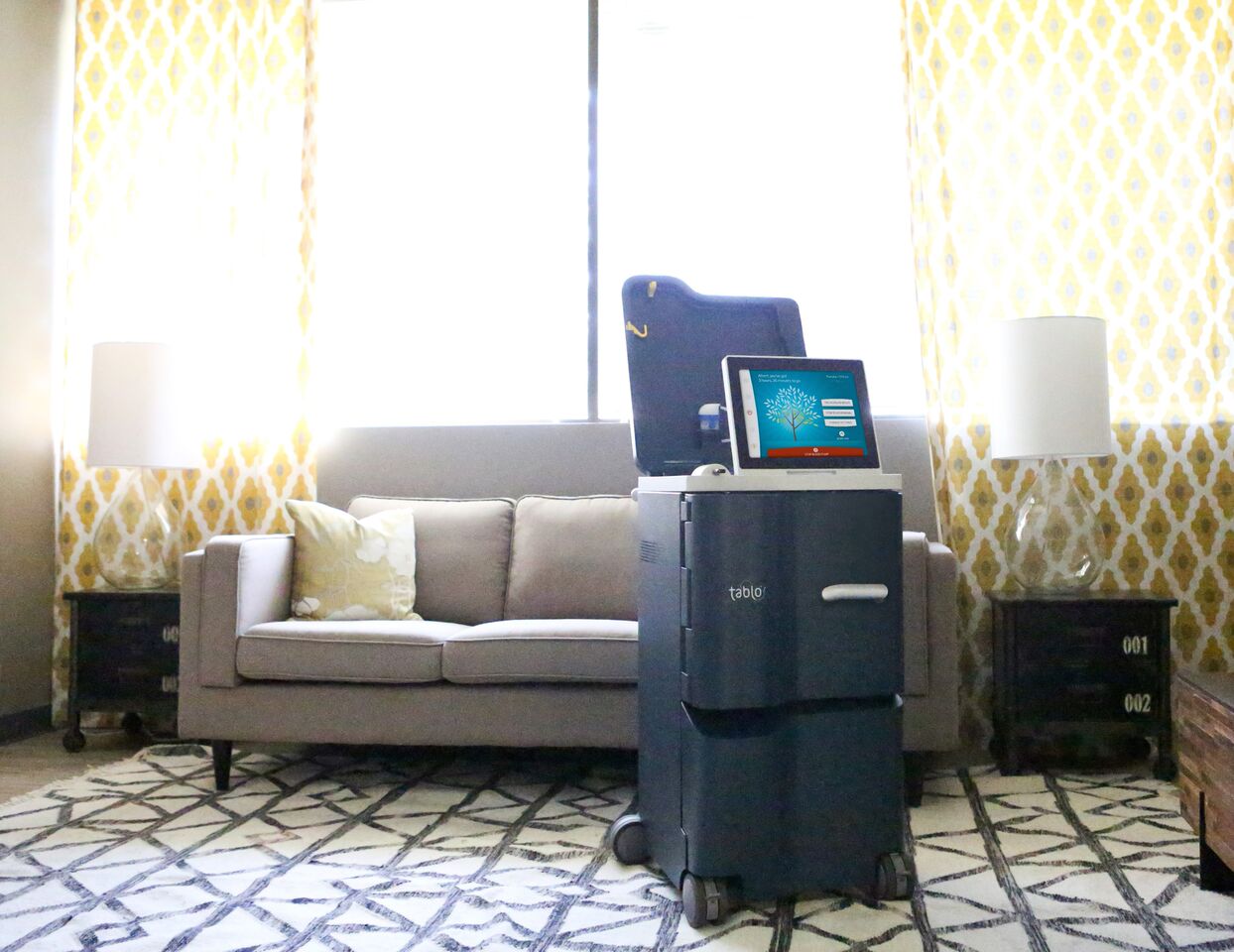
The economics of kidney disease in America is a hefty burden: about 26 million people in the U.S. have some aspect of chronic kidney disease and are at-risk of kidney failure. The number of people diagnosed with kidney disease doubled during each of the last two decades, according to the American Society of Nephrology. The annual cost of treating end-stage renal disease (ESRD) is over $32 billion, consuming 28% of Medicare expenditures…and increasing. Now consider the personal costs of dialysis in America: about $500 for a single hemodialysis treatment in a center, roughly $72,000 a year for one patient. There
Healthier Eating Is the Peoples’ Health Reform: the Gallup-Sharecare Well-Being Index
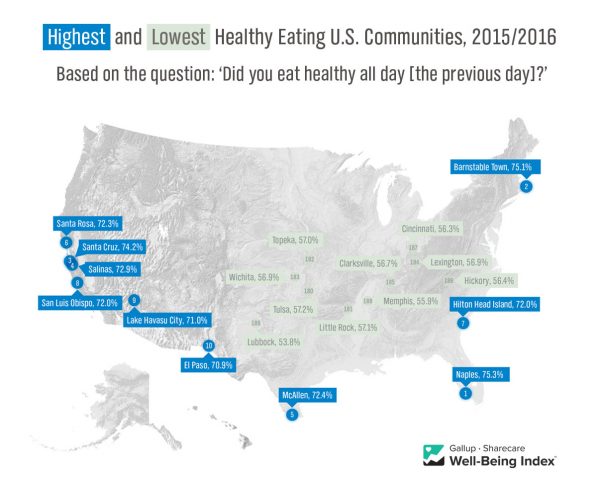
The top healthiest eating communities tend to circle the perimeter of the map of the lower 48 U.S. states. In these towns, more than 72% of health citizens report healthy eating. These areas are located in California, Florida, and Massachusetts, among others. Areas with the lowest rates of healthy eating are concentrated generally south of the Mason-Dixon Line, in places like Arkansas, Kentucky, and Mississippi, and other states. In these places, fewer than 57% of people eat healthy. Eating healthy foods in moderation is a mighty contributor to personal and public health, discussed in the report, State of American Well-Being
Learning Health Behavior Change From the Guru Prochaska
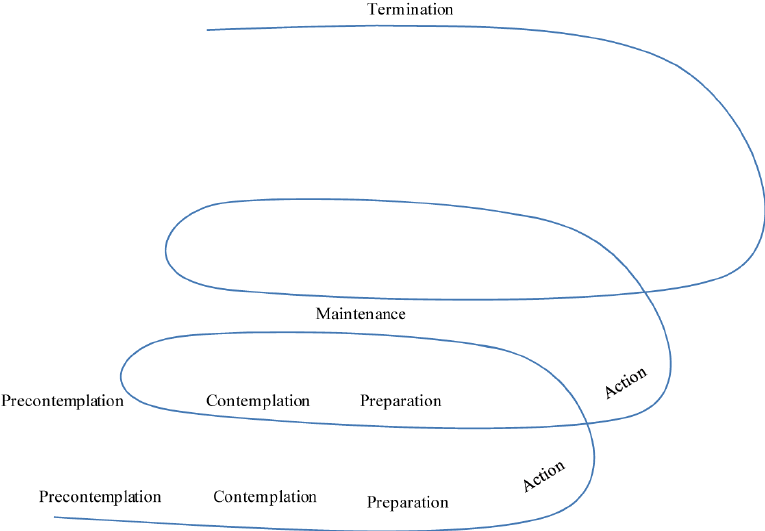
For us mere humans, behavior change is hard. Changing health behaviors is really tough. Enter Dr. James Prochaska, who has been at the forefront of researching and understanding human and health behavior for several decades. He’s the father of the Transtheoretical Model of Behavior Change (TTM). I have the honor today to listen live to Dr. Prochaska’s talk at the Health Integrated EMPOWER conference in St. Petersburg, Florida, where I’ll be addressing attendees on the new health consumer tomorrow. “Empower,” indeed. Dr. Prochaska is all about how people have good intentions to make good health decisions, but we all slip and
Consumer Healthcare Reviews on Yelp Help
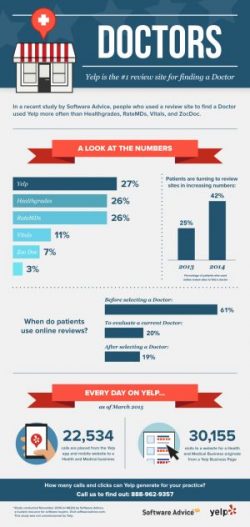
Just as consumers use TripAdvisor, Zagat, OpenTable, and their Facebook pages to review restaurants, hotels, automobiles, and financial services companies, many patients – now health consumers in earnest – have taken to reviewing healthcare services in social networks. Finding reliable, understandable information about healthcare quality and prices is very challenging for most consumers. Are healthcare reviews on social networks statistically valid? An analysis of consumer ratings for New York State hospitals on Yelp, the social network, were positively correlated to objective scores of hospital quality, according to the research published in Yelp for Health: Using the Wisdom of Crowds to
Telehealth and Virtual Healthcare Are Mainstreaming
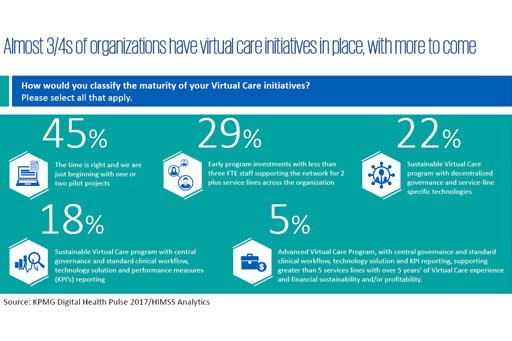
As the annual meeting of the American Telemedicine Association convenes this week in Orlando, there’s a lot of telehealth news to curate. The topline of it all: virtual healthcare is mainstreaming, with more providers, payors, and patients aligning in support of virtual health care delivery. Three-quarters of providers have some form of basic telemedicine or telehealth in place. One-third of healthcare providers use some flavor of virtual care technology in their workflow, according to research from KPMG and HIMSS Analytics summarized in the first graphic. KPMG sees virtual care options — remote patient monitoring, enhanced portals, and web interactions for patient-provider
The Pharmacy as Herbalist – An Italian Prescription

CNN called it, “the ancient perfume store you never heard of,” but the Officina Profumo-Farmaceutica di Santa Maria Novella had its literal roots in medicinal herbs. With scents wafting onto a 13th century Florence piazza, the Farmacia now operates as a pharmacy storefront for homeopathic and herbal supplements, along with perfumes and home scents. A visit to the pharmacy today is a journey into medicinal time-travel, back to the year 1221. I spent time in the pharmacy today to learn about the literal roots of the shop in medicinal herbs cultivated in a monastery garden and reformulated by monks into
Slow Food As Medicine: Eating In Italian
Finding Health in Consumer Goods
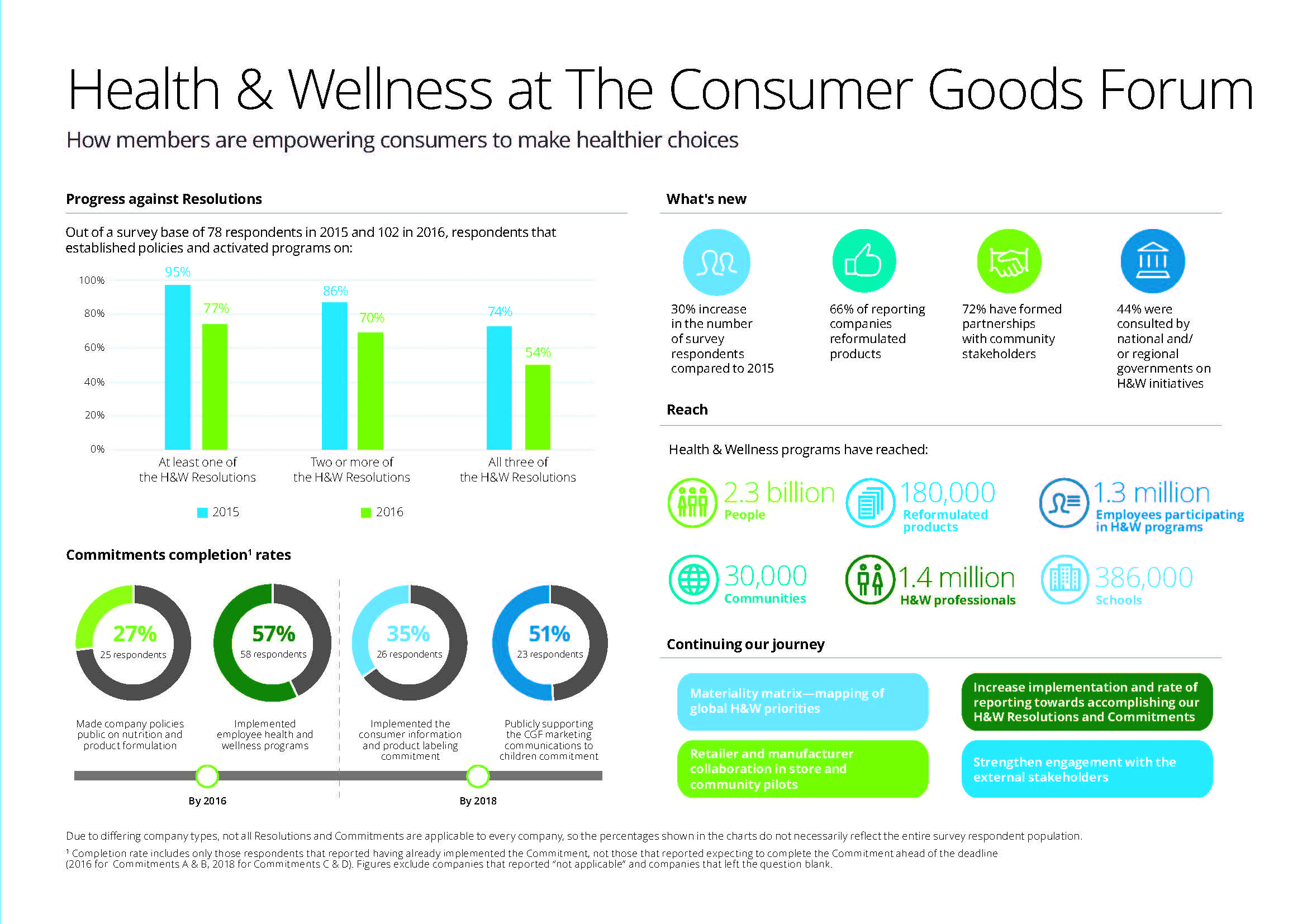
People want to live healthier lives, and consumer good companies are responding to these demands to keep and gain market share and profit margins. Consumer product firms reformulated over 180,000 consumer products in 2016 for in response to consumers’ health and wellness wishes, based on data collected by Deloitte for The Consumer Goods Forum project (CGF) and published in The CGF Health & Wellness Progress Report. The CGF is an industry network of some 400 consumer goods, retail, and service companies supporting the global adoption of standards and practices. This Report focused on the CGF members’ progress toward health and wellness
The Fall of the TrumpCare is Retail Health’s Gain in 2017
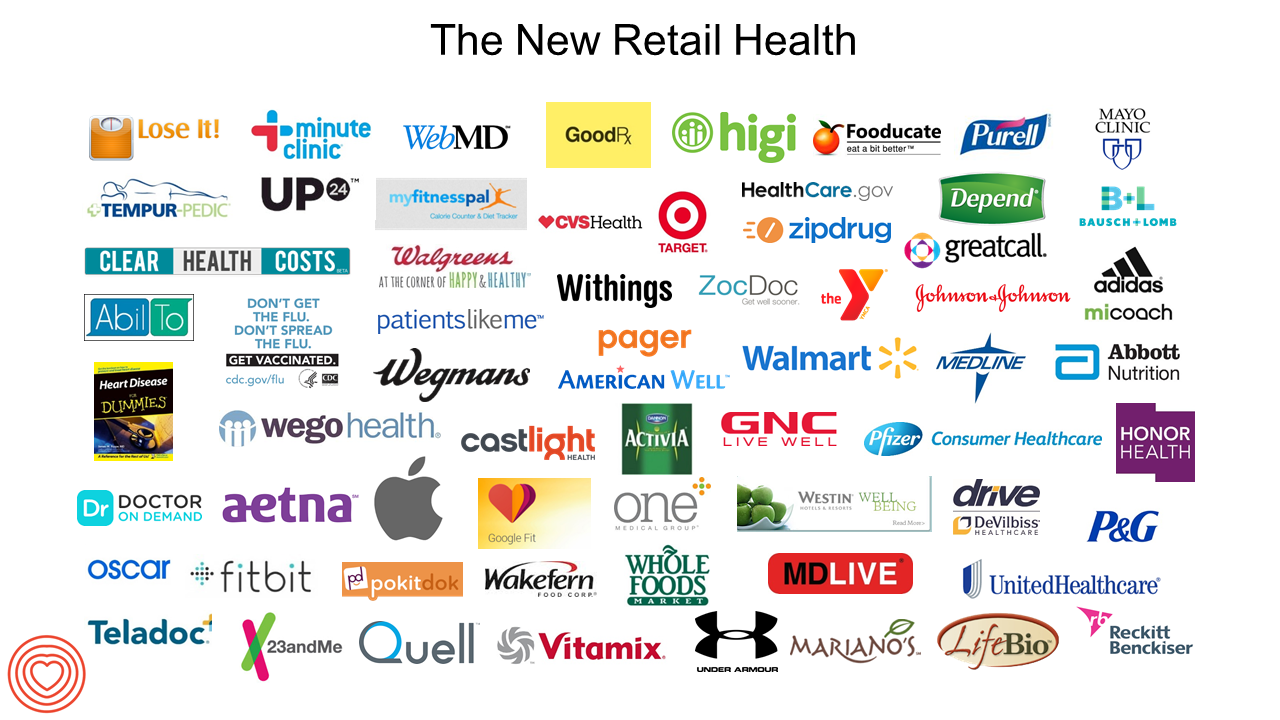
The non-vote for and withdrawal of The American Health Care Act on March 24, 2017, was a win for the retail health market, at least in the short-run. Before the vote, there had been some pronouncements that the passage of the AHCA would have been a boon to retail health. Here’s one story stating that, “A boom in medical tourism to Mexico predicted if Obamacare ends.” Another article asserts, “Why the American Health Care Act Works for Retailers,” a public policy statement from the National Retail Federation (NRF). But NRF, please don’t fret. Retail health is consumer-driven and will persist beyond the
Medical Bill Toxicity: 53% of Americans Say A Big Bill Is As Bad As A Serious Diagnosis
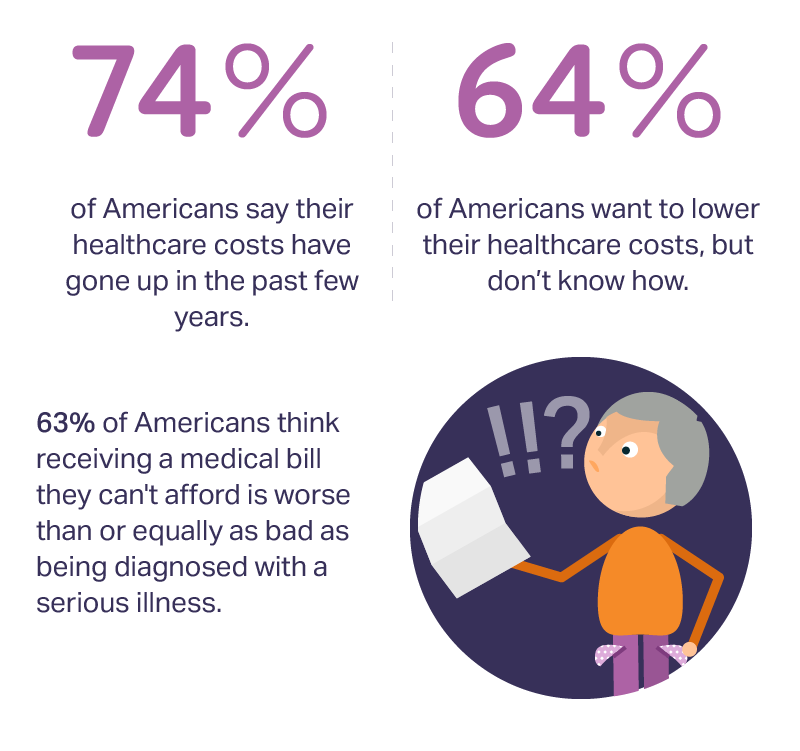
3 in 4 Americans’ health care costs have risen in the past few years. Two-thirds of Americans want to lower their costs, but don’t know how to do that. A survey from Amino released this week, conducted by Ipsos, has found that one in five people could not afford to pay an unexpected medical bill without taking on debt, and another 18% of Americans could only afford up to $100 if presented with an unexpected medical bill. This medical debt side effect more likely impacts women versus men, the less affluent, the unmarried, and those with no college degree. While
You Are The Expert of Your Own Health: adidas and The Future of Fit
The future of wellness combines: Connected (you) Social IRL (in-real-life) Banishing bad (de-tabooing what’s traditionally seen as “bad”) Humanizing data, and The end of experts. These insights come from adidas, whose team developed a forecast of the future of fit, announced at the 2017 South-by-Southwest Festival in Austin this weekend. I had the honor of participating in this forecast and shepherding the SXSW panel on The End of Experts: Crowdsourcing Your Wellness at the adidas meet-up held over the weekend. The future of fit and wellness is Connected, because we are growing to understand that balancing many elements in our daily
What’s the Future Of Fit? Join adidas At #SXSW17

The truest form of health reform and consumer-directed health care isn’t in a high-deductible health plan or a health savings account, and it doesn’t come out of Washington DC or your employer’s health benefits office. It comes from you in the form of self-care and DIY healthcare. In this case, think “inspired by sport, powered by you.” I’ll be participating on a panel at this weekend’s South-by-Southwest Festival in Austin, Texas, along with three wellness innovators: Nick Buettner of the Blue Zones project, Mary Liz McCurdy of Google, and John Wilbanks from Sage Bionetworks. Together, our quartet will brainstorm the
The Healthcare Reform Issue Americans Agree On: Lowering Rx Costs
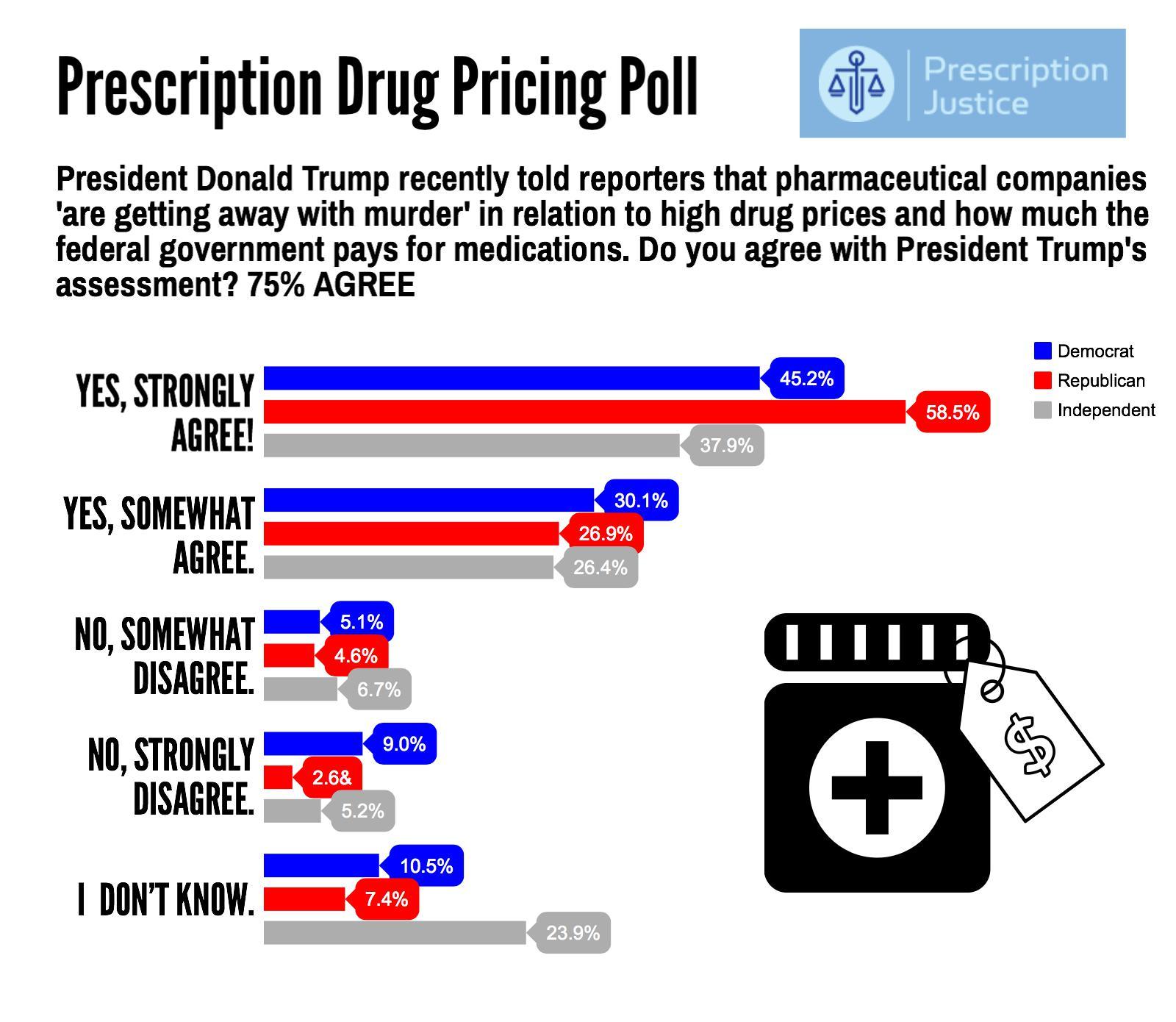
Yesterday, the Tweeter-in-Chief President Donald Trump tweeted, “I am working on a new system where there will be competition in the Drug Industry. Pricing for the American people will come way down!” Those 140 characters sent pharma stocks tumbling, as illustrated by the chart for Mylan shares dated 7 March 2017. This is one issue that Americans across the political spectrum agree on with the POTUS. The latest Zogby poll into this issue, conducted for Prescription Justice, found 3 in 4 Americans agree that pharmaceutical companies are “getting away with murder,” as President Trump said in a TIME magazine interview
Stress Is A Social Determinant of Health – Money and Politics Top the List in 2017

The American Psychological Association reports that Americans are experiencing greater levels of stress in 2017 for the first time since initiating the Stress in America Survey ten years ago in 2007. This is a statistically significant finding, APA calculated. The member psychologists of the American Psychological Association (APA) began to report that patients were coming to appointments increasingly anxious about the 2016 Presidential election. So the APA polled U.S. adults on politics for the first time in ten years of conducting the Stress in America survey. Two-thirds of Americans are stressed and/or anxious about the future of the nation, and
Healthcare and the Autonomous Car: Setting the Stage for HIMSS17

The autonomous car is a metaphor for healthcare: that’s how my first interview kicking off the HIMSS marathon began. The annual 2017 HIMSS conference isn’t your father’s or mother’s HIMSS of ten years ago, or even the HIMSS of 2010 — the year that financial incentives for EHR adoption began to stream from the HITECH Act of 2009, motivating thousands of healthcare providers to acquire and meaningfully use digital health records systems. Then, the HIMSS conference floor was abuzz with EHR frenzy. This week, over 43,000 people working at the intersection of healthcare and technology have converged in Orlando, Florida, for
Digital Technology Is A Bridge To Healthcare Consumers: A HIMSS Preface

“Digital technology can provide a bridge to the healthcare system via sensors, tools, and trackers for people who are living their lives each day,” I explained to the social media team at Philips, which is morphing as an organization to being all digital health, all-the-time. (Here’s what I learned about Philips and digital health in January 2017 after meeting with Jeroen Tas at the CES in Vegas). Here’s the larger discussion, shared with several of my fellow members of the HIMSS Social Media Ambassador family. I’ll be meeting with Philips’ leadership at HIMSS, the annual health IT conference that
How Amazon Has Primed Healthcare Consumers

We are all Amazon Prime primed as consumers now. So it should not surprise healthcare providers, plans and suppliers that consumers expect just-in-time convenience for their healthcare, Accenture has found. Mind the gap: 8 in 10 U.S. patients would welcome some aspect of virtual healthcare, but only 1 in 5 providers is meeting that need. The consumer demand for virtual care is palpable for: Tracking biometrics, among 77% of consumers (say, for measuring blood pressure or blood glucose for people managing diabetes) Following up appointments, for 76% of people after seeing a doctor or being discharged from hospital Receiving reminders
Patients Anxiously Prep to Be Healthcare Consumers, Alegeus Finds

Healthcare consumers are in a “state of denial,” according to research conducted for Alegeus, the consumer health benefits company. Overall, 3 in 4 consumers feel fear when it comes to their healthcare finances: most people worry about being hit with unexpected healthcare costs they can’t afford, and nearly half fear they won’t be able to afford their family’s healthcare needs. The wordle illustrates consumers’ mixed feelings about healthcare: while people feel frustrated, overwhelmed, powerless, confused and skeptical about healthcare in America, there are some emerging adjectives hinting at growing consumer health muscle-building: optimistic, hopeful, supported, engaged, accountable. Still, denial and
Americans Far More Likely to Self-Ration Prescription Drugs Due To Cost

Americans are more than five times more likely to skip medication doses or not fill prescriptions due to cost than peers in the United Kingdom or Switzerland. U.S. patients are twice as likely as Canadians to avoid medicines due to cost. And, compared with health citizens in France, U.S. consumers are ten-times more likely to be non-adherent to prescription medications due to cost. It’s very clear that more consumers tend to avoid filling and taking prescription drugs, due to cost barriers, when faced with higher direct charges for medicines. This evidence is presented in the research article, Cost-related non-adherence to prescribed
Doctors See Benefits in Patient Engagement Via Health IT
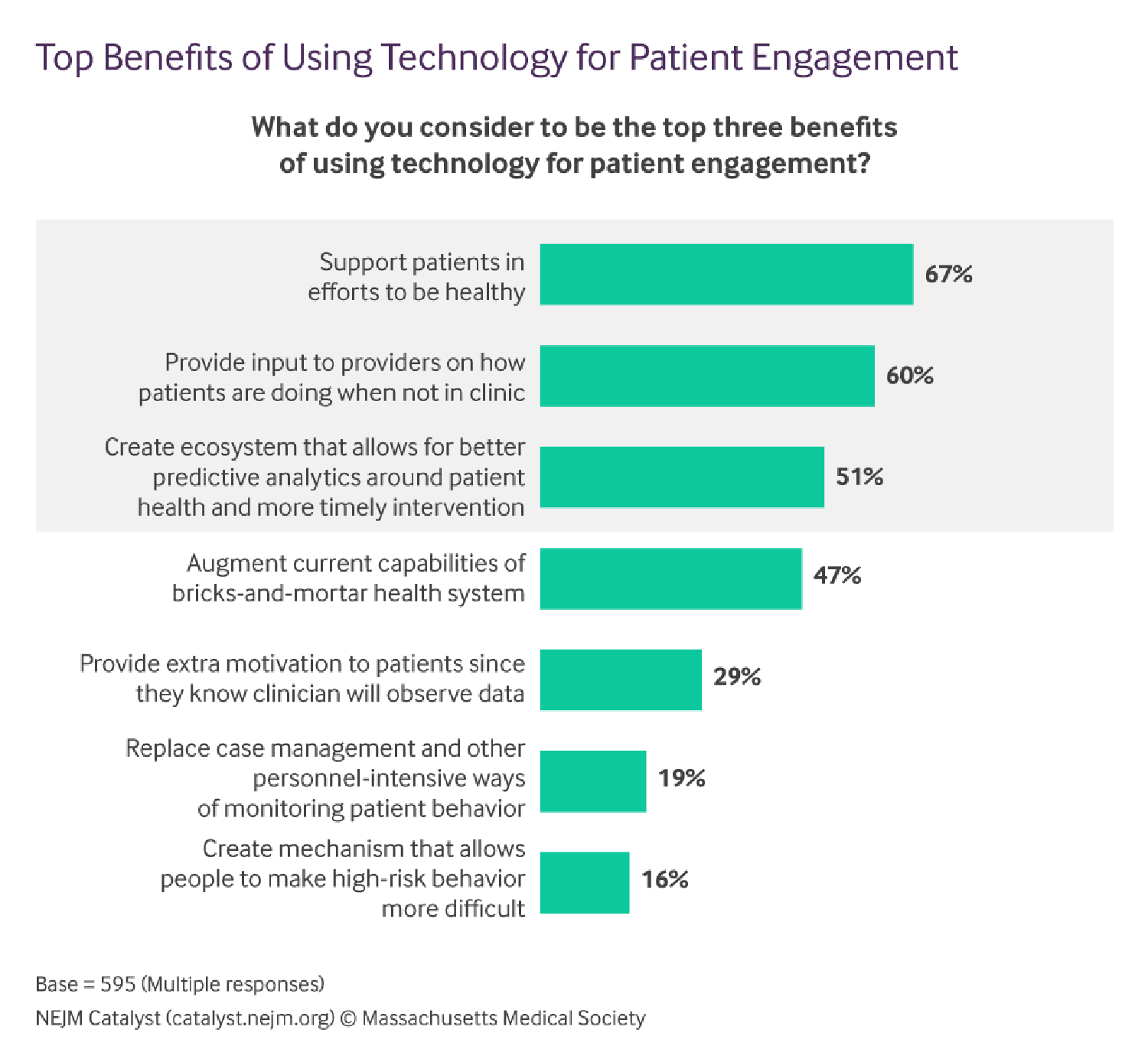
A special report on patient engagement and digital technology was published this month in the New England Journal of Medicine (NEJM). Based on a survey of doctors and healthcare executives, the research found that clinicians and managers welcome the opportunity to use digital tech — when it makes financial sense. That conclusion inspired the title of the article, Patient Engagement Survey: Technology Tools Gain Support – But Cost Is a Hurdle. NEJM polled 595 members of the NEJM Catalyst Insights Council, which included healthcare executives and clinicians who deliver healthcare. Here is NEJM’s scenario on patient-engaging health IT, a Holy Grail of sorts:
 Jane will be working with EU- and UK-based clients in September and October 2026, collaborating with stakeholders in digital health, public/community health, retail health, and growing opportunities for health-at-home. Stay tuned to her updates here on Health Populi on-the-ground as she lives the digital nomadic work-life in Italy, Belgium, the Netherlands, and in London.
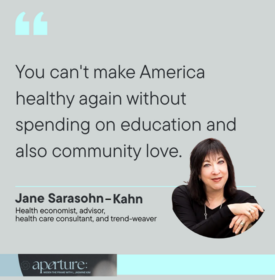 I was grateful to be Jasmine's first conversation-guest on her new podcast, "Aperture - Widen the Frame," where this expert in narrative medicine is bringing together the broad range of voices to sit at the table and address what health care needs: those humans in the health-system-loop who address health equity and empathy along with delivering evidence-based medicine for all.
 Jane joined host Dr. Geeta "Dr. G" Nayyar and colleagues to brainstorm the value of vaccines for public and individual health in this challenging environment for health literacy, health politics, and health citizen grievance. Click onto the Pfizer Value of Vaccines site and you can watch four episodes covering the challenges with adult vaccination, the employer and health plan member's journey to vaccination, reimbursement, and collaborating for proactive prevention.