


When Household Economics Blur with Health, Technology and Trust – Health Populi’s 2023 TrendCast
People are sick of being sick, the New York Times tells us. “Which virus is it?” the title of the article updating the winter 2022-23 sick-season asked. Entering 2023, U.S. health citizens face physical, financial, and mental health challenges of a syndemic, inflation, and stress – all of which will shape peoples’ demand side for health care and digital technology, and a supply side of providers challenged by tech-enabled organizations with design and data chops. Start with pandemic ennui The universal state of well-being among us mere humans is pandemic ennui: call it languishing (as opposed to flourishing), burnout, or
Our Homes as HealthQuarters – Finding Health and Well-Being at CES 2023

For over ten years, digital health technology has been a fast-growing area at the annual CES, the largest convention covering consumer electronics in the world. When the meet-up convenes over 100,000 tech-folk in Las Vegas at the start of 2023, we’ll see even more health and self-care tools and services at #CES23 — along with new-new things displayed in aisles well outside of the physical space on the Las Vegas Convention Center map labeled “digital health” at this year’s CES in the North Hall. Some context: my company has been a member
Consumers Are Feeling Their Healthcare Cost of Living – Research from Qualtrics
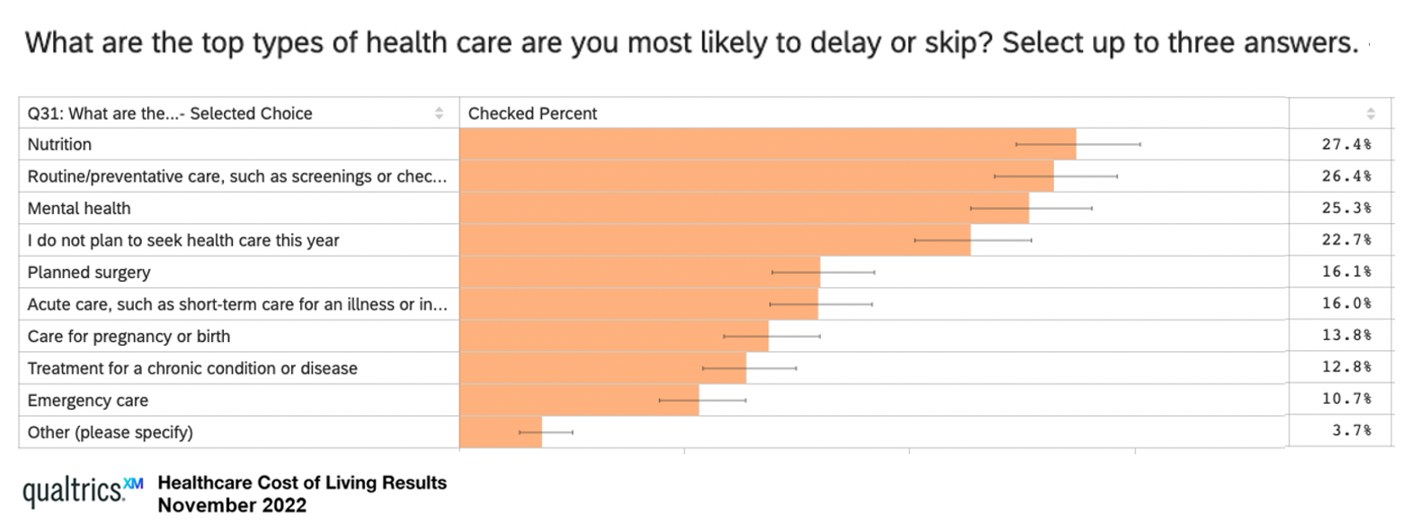
Rising costs are the #1 reason U.S. health consumers are avoiding or delaying health care, replacing concerns about COVID-19, based on survey research from Qualtrics. The company’s Healthcare Cost of Living survey research learned that 48% of U.S. adults chose to defer health care in 2022, split by 31% of consumers skipping care due to cost concerns, and, 17% of people delaying care who had concerns about the coronavirus. Note the types of care delayed or skipped: Over 27% of people delayed care related to nutrition 26% delayed routine or preventive care, such as screenings or
Irrational Exuberance for Hospital-To-Home? Care About the Caregivers, the House, the Fridge.
Home, Sweet Hospital-At-Home? It depends, I hedge in my latest essay for Medecision. In our bullish and, on its face, compassionate and cost-rational embrace of the migration of acute care from hospital beds to peoples’ living and bedrooms, there are several guardrails to consider beyond sheer payment and reimbursement calculations. Consider, The caregivers for the folks heading home from hospital The state of the physical home — for safety, comfort, environmental health, and emotional security, and, Food security and nutritional access. On caregiving: I spend extra time detailing research in which Alexandra Drane, founder of
Gallup Reveals Americans’ Views on Industry Are the Lowest Since 2008 – Implications for Healthcare and Pharma
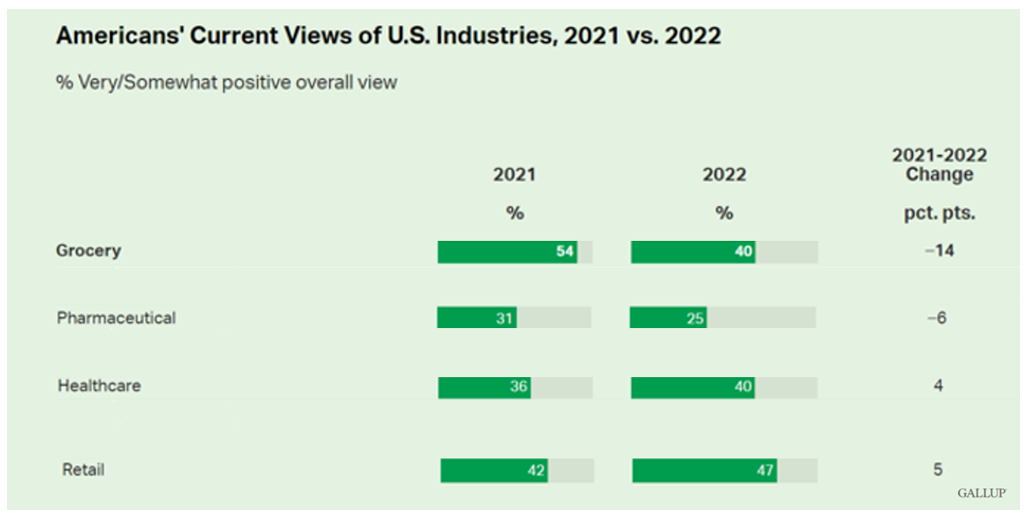
Americans’ positive views of 25 industries in the U.S. have declined in the past year. In their latest look into consumers’ views on business in America, Gallup found that peoples’ ratings on business fell to their lowest ratings overall since 2008. Peoples’ highest ratings of industry in American occurred in 2017 when nearly 50% of people gave business a very or somewhat positive grade. The year-on-year decline from 2021 find oil and gas at the lowest level of positivity, advertising/PR, legal, the Federal government, and pharma at the bottom of the ratings.
Most Consumers Are Health and Wellness Consumers Even in Hard Financial Times, Accenture Finds
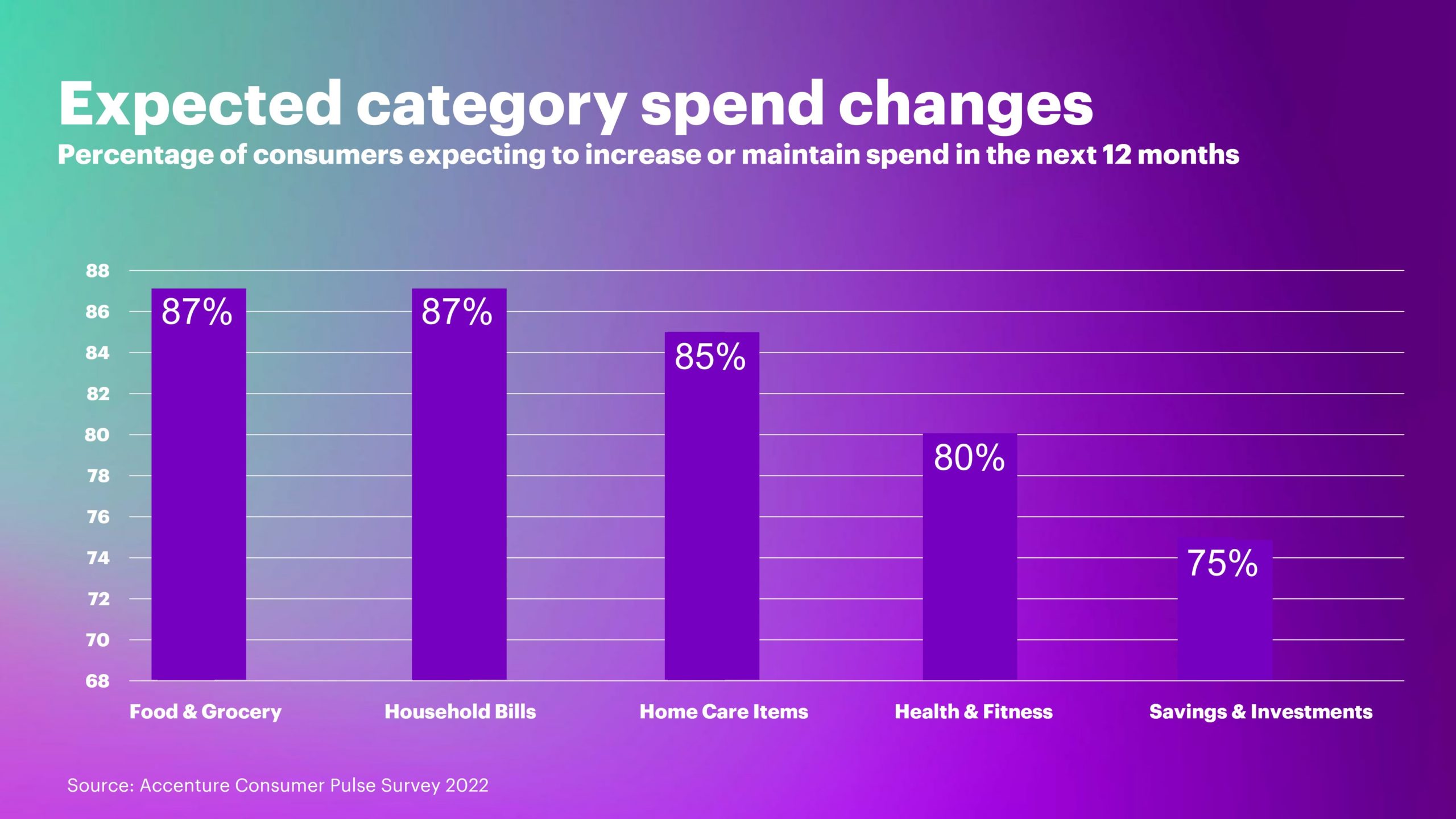
Consumers consider health and well-being as an “essential” household spending category based on new research from Accenture. Accenture polled over 11,000 consumers in 17 countries, considering how people are faring amid “widespread uncertainty and personal financial strains,” in the firm’s words. While two in three consumers feel financially stressed, 4 in 5 intend to grow or hold their personal spending on health and fitness steady in the next year. The first chart graphs data from Accenture’s global survey. In the U.S., more granularly, 26% of consumers intend to increase spending on health and wellness
As Walmart Allies with LLENA (AI), Food-as-Medicine Blurs with Digital Health Tech and Equity

In a busy week of news in the health care and digital health world, it would be easy to miss a press release published on 23rd August on the food-as-medicine front. But don’t blink this snippet away. It is another strong signal about the growing blur between grocery stores, food, digital tech, and population health. The digital health platform LLENA (AI) announced its collaboration with Walmart to support people managing diabetes with personalized nutrition support from data tracking pulling through to healthy food delivery. Note LLENA (AI)’s tagline: “where AI meets GI for better health.” “LLENA” is
Partnering Up in the Health Care Ecosystem to Drive Transformation – for Organizations and Health Consumers Alike
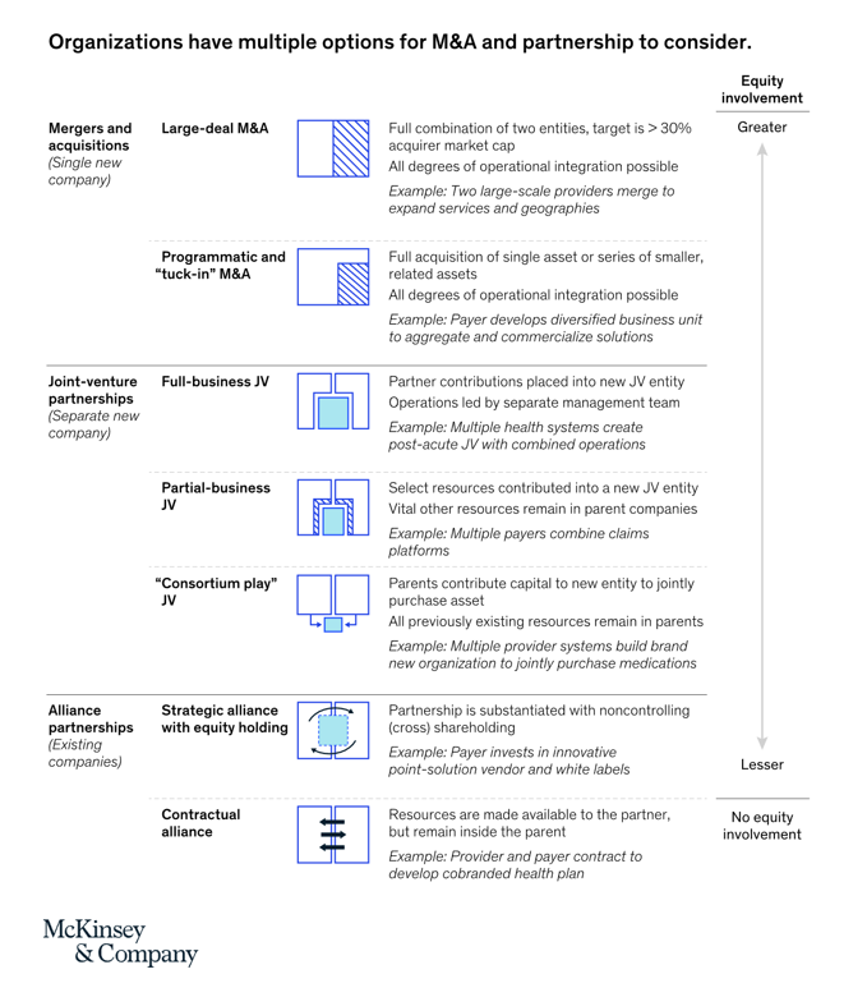
“Partnerships, including JVs and alliances with other healthcare organizations and with new entrants, are just one way to access new capabilities, unlock speed to market, and achieve capital, scale, and operational efficiencies” in health care transformations. “In an environment with continued competition for attractive assets and significant capital in play from institutional investors, these partnerships may also be the most accessible way for organizations to capture value in expanding healthcare services and technology value pools,” we learn in Overcoming the cost of healthcare transformation through partnerships from a team of health care folks with McKinsey & Company.
Your State as a Determinant of Health: Sharecare’s 2021 Community Well-Being Index
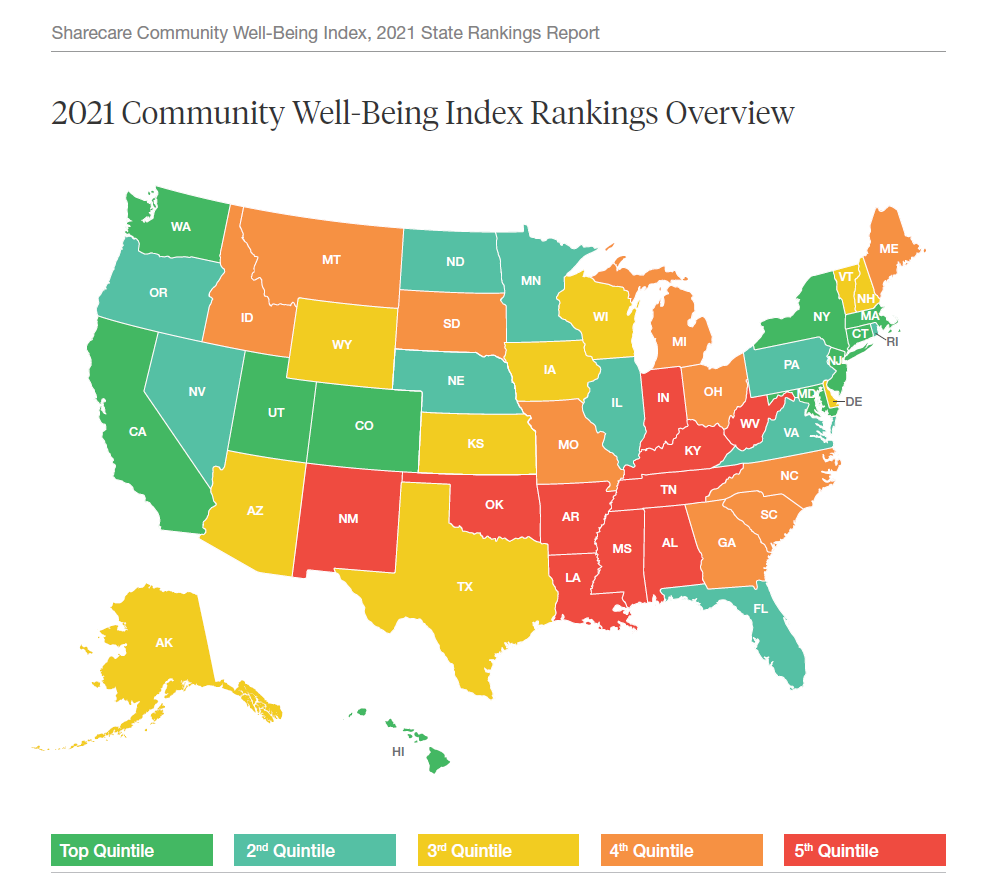
People whose sense of well-being shifted positively in the past two years are finding greater personal purpose and financial health, we see in Sharecare’s Community Well-Being Index – 2021 State Rankings Report. Sharecare has been annually tracking well-being across the 50 U.S. states since 2008. When the study launched, Well-Being Index evaluated five domains: physical, social, community, purpose, and financial. In 2020, Sharecare began a collaboration with the Boston University School of Public Health to expand the Index, including drivers of health such as, Healthcare access (like physician supply per 1,000
Consumers’ Dilemma: Health and Wealth, Smartwatches and Transparency
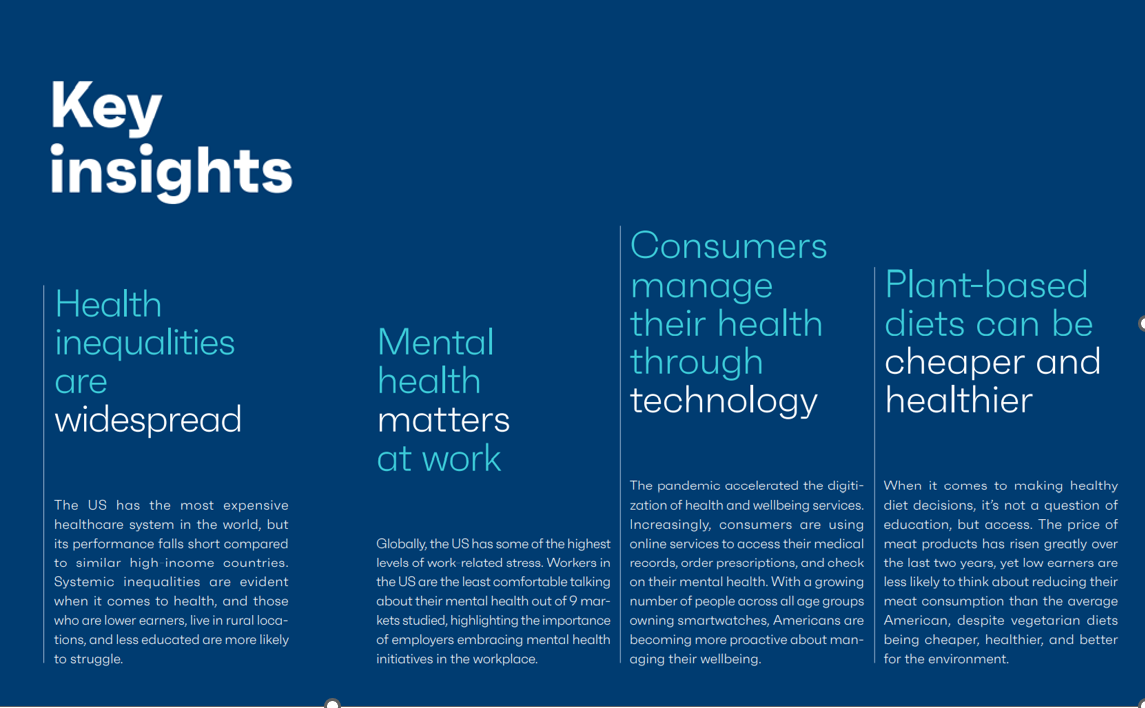
Even as spending on healthcare per person in the United States is twice as much as other wealthy countries in the world, Americans’ health status ranks rock bottom versus those other rich nations. The U.S. health system continues to be marred by health inequalities and access challenges for man health citizens. Furthermore, American workers’ rank top in the world for feeling burnout from and overworked on the job. Welcome to The Consumer Dilemma: Health and Wellness,, a report from GWI based on the firm’s ongoing consumer research on peoples’ perspectives in the wake of

 Jane will be working with EU- and UK-based clients in September and October 2026, collaborating with stakeholders in digital health, public/community health, retail health, and growing opportunities for health-at-home. Stay tuned to her updates here on Health Populi on-the-ground as she lives the digital nomadic work-life in Italy, Belgium, the Netherlands, and in London.
 I was grateful to be Jasmine's first conversation-guest on her new podcast, "Aperture - Widen the Frame," where this expert in narrative medicine is bringing together the broad range of voices to sit at the table and address what health care needs: those humans in the health-system-loop who address health equity and empathy along with delivering evidence-based medicine for all.
 Jane joined host Dr. Geeta "Dr. G" Nayyar and colleagues to brainstorm the value of vaccines for public and individual health in this challenging environment for health literacy, health politics, and health citizen grievance. Click onto the Pfizer Value of Vaccines site and you can watch four episodes covering the challenges with adult vaccination, the employer and health plan member's journey to vaccination, reimbursement, and collaborating for proactive prevention.