


Are We Health Engaged Yet? Frost & Sullivan Responds “Meh”
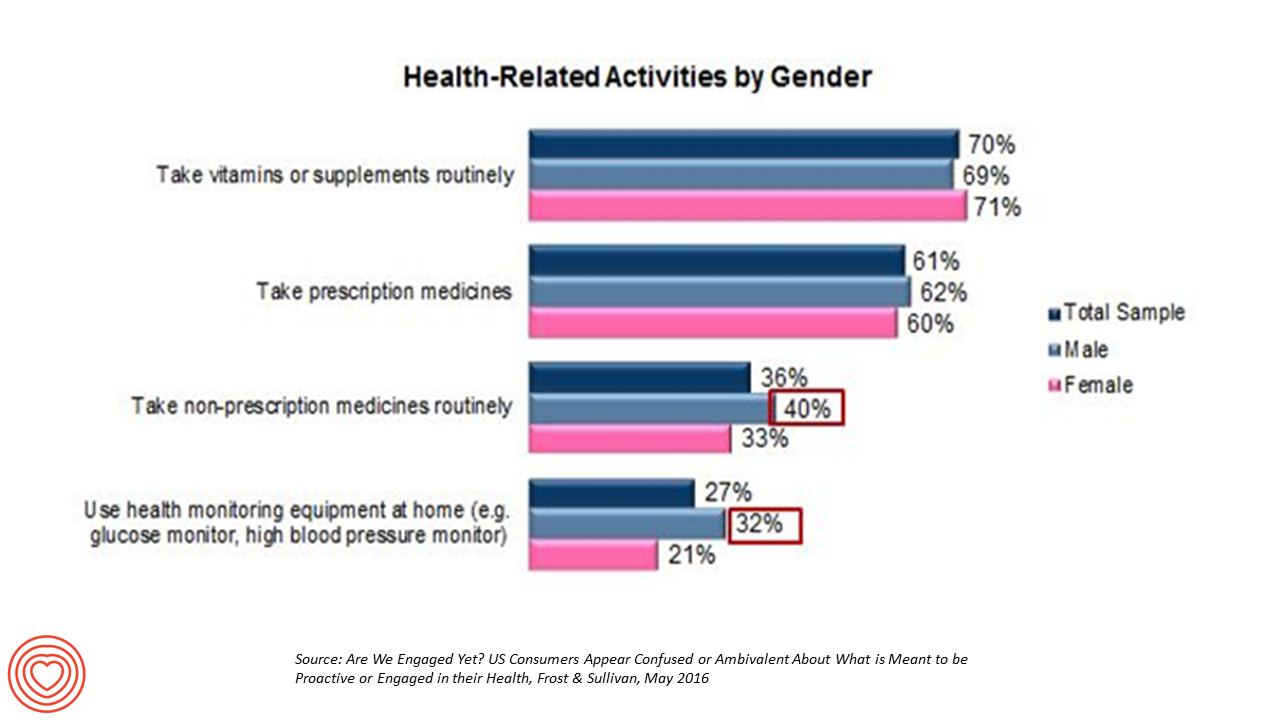
The top health-related activities among U.S. adults include routinely taking vitamins and supplements, and prescription medicines, according to Frost & Sullivan’s report, Are We Engaged Yet? Their response to the titular question lies in in the subtitle: “US consumers appear confused or ambivalent about what it means to be proactive or engaged in their health.” 1 in 2 U.S. adults says they’re “somewhat engaged” in their healthcare, according to Reenita Das’s write-up on the study in Forbes magazine. She notes that: Consumers with higher incomes have more confidence in their access to health care services and quality of care Budget-constrained consumer
One in Two People Use Wearable Tech in 2016
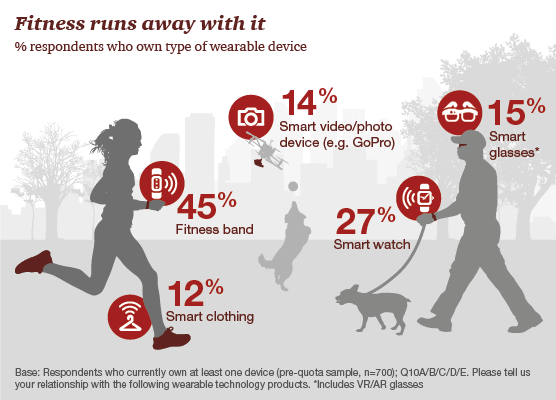
Nearly 1 in 2 people own at least one wearable device, up from 21% in 2014; one-third of people own more than one such device that tracks some aspect of everyday life, according to PwC’s latest research on the topic, The Wearable Life 2.0 – Connected living in a wearable world, from PwC. Wearable technology in this report is defined as accessories and clothing incorporating computer and advanced electronic technologies, such as fitness trackers, smart glasses (e.g., Google Glass), smartwatches, and smart clothing. Specifically, 45% of people own a fitness band, such as a Fitbit, the most popular device in this
GoHealthEvents, An Online Source For Consumer Retail Health Opportunities
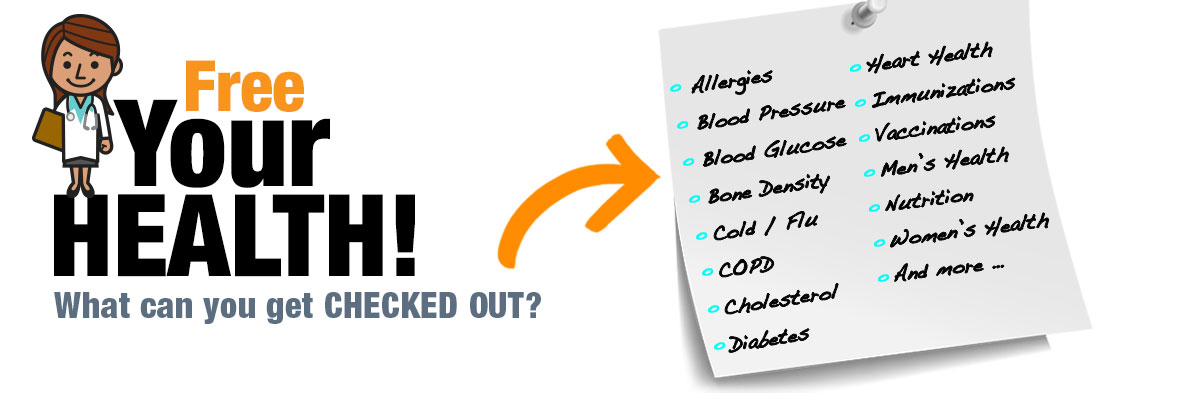
“Health comes to your local store,” explains the recently-launched portal, GoHealthEvents. This site is a one-stop shop for health consumers who are seeking health screenings and consults in local retail channels like big box stores, club stores, drug stores, and grocery stores. Events covered include cholesterol, diabetes, heart health, nutrition, osteoporosis, senior health, vaccinations and immunizations. By simply submitting a zip code, a health consumer seeking these kinds of services can identify where and when a local retailer will provide it. I searched on my own zip code in suburban Philadelphia, and found the following opportunities taking place in the
Wearable Activity Tracking Device Purchasing Expected to Grow 11% in 2016
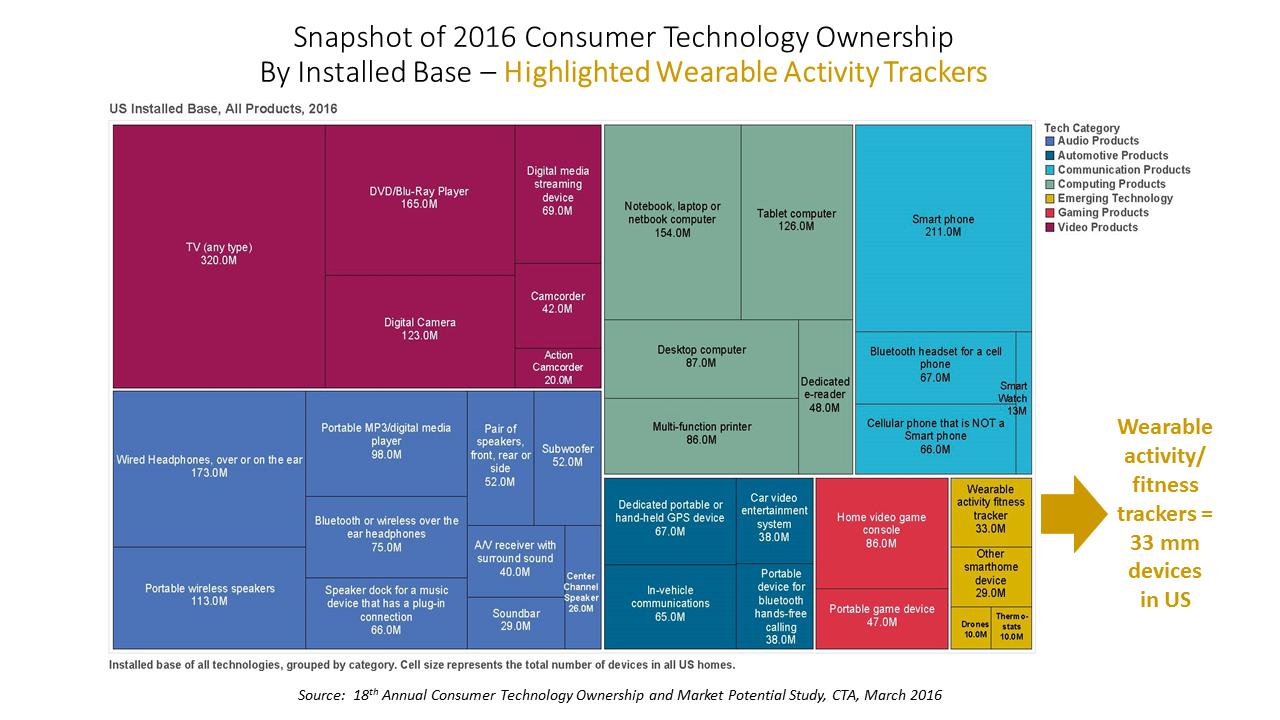
At the start of 2016, the current installed base of wearable activity tracking devices was just over 33 million in the U.S. This consumer market penetration is expected to grow by 11% in 2016, according to the Consumer Technology Association (CTA) forecast published in the 18th Annual Consumer Technology Ownership and Market Potential Study. Wearable tech comprises a very small piece of the larger consumer technology market, led by TVs, smartphones, headphones (wired), DVD players, and notebook/laptop/netbook computers, the four largest rectangles in the graphic. However, there is growth momentum for emerging consumer tech segments such as portable wireless speakers,
The Battle of the Health Data Ecosystems, in The Huffington Post
My latest column on The Battle of the Health Data Ecosystems went live today in The Huffington Post. Read about the implications of the Nokia + Withings merger in the context of the launch of Apple’s CareKit, Under Armour’s Healthbox, and Google’s health data mine and analytics capabilities, all in the emerging health/medical era of The Internet of Things (IoT). A Fitbit tracking device played an important role in a recent story of the IoT in health/care. A patient was admitted to an emergency room with an irregular heartbeat after a grand mal seizure at work. The ER team didn’t have
Withings Inside: Nokia’s Digital Health Vision
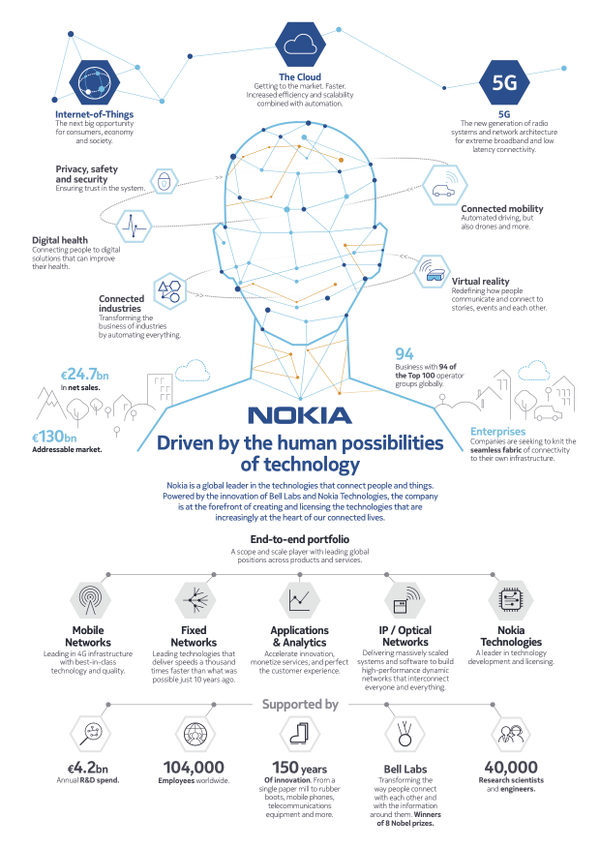
The first health news I read this morning in my Google Alerts was a press release explaining that Nokia planned to acquire Withings for EU170 (about $190mm). As an early adopter and devoted user of the Withings Smart Body Analyzer, I took this news quite personally. “What will Nokia be doing with my beloved Withings?” I asked myself via Twitter early this morning. As if on cue, a public relations pro with whom I’ve been collegial for many years contacted me to see if I’d like to talk with the Founder and CEO of Withings, Cédric Hutchings, and Ramzi Haidamus,
Digitizing Self-Healthcare with Google, Pfizer, Under Armour, Walgreens and WebMD
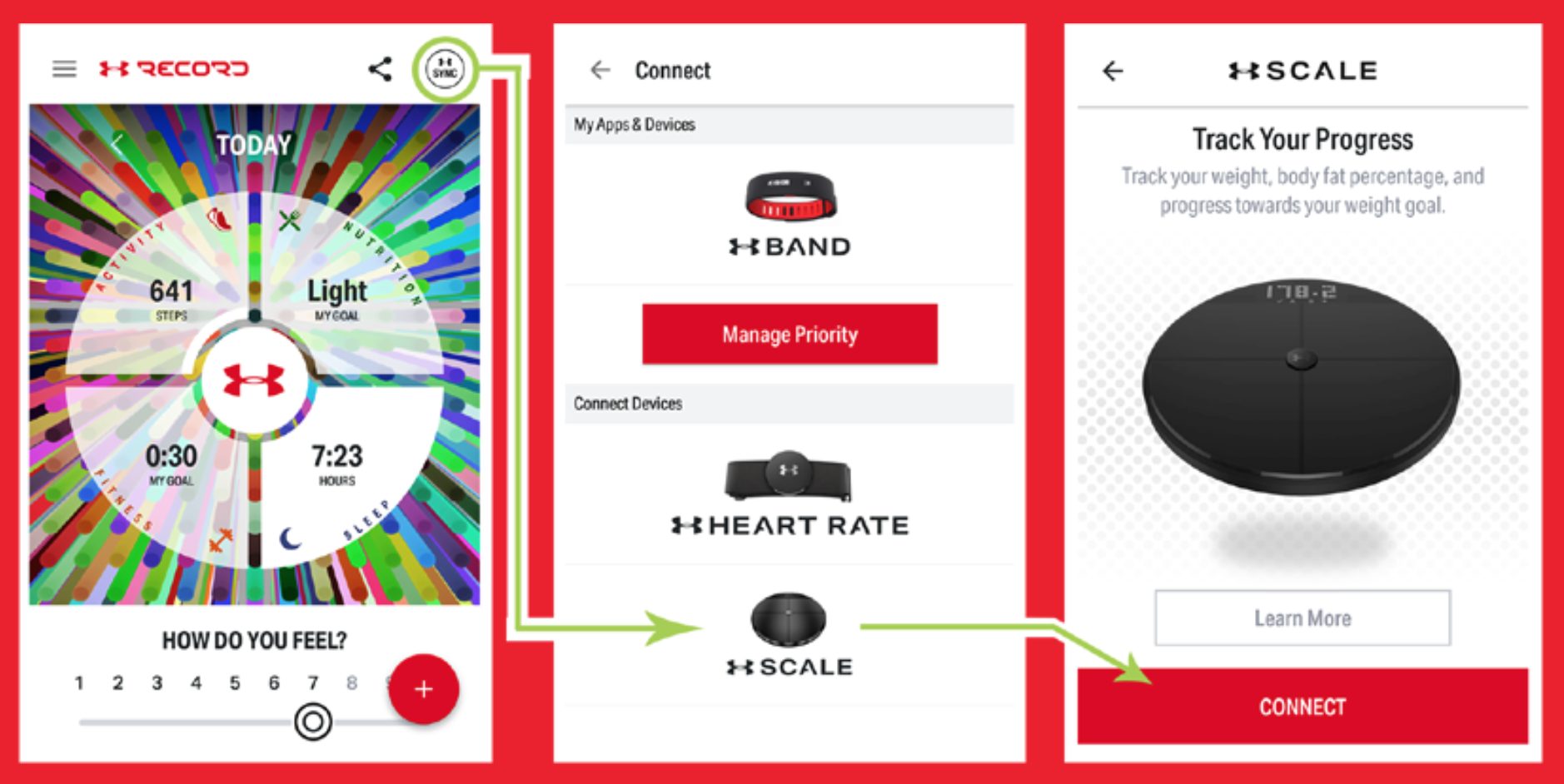
How can digital technologies enable self-healthcare in novel ways? This was the theme of a meeting sponsored by Pfizer Consumer Healthcare and hosted by Google, with the title, “Advancing Consumer Health through New Technology and Next Generation OTC Healthcare” held on 12th April 2016 at Google offices in Manhattan’s Chelsea neighborhood. Pharmaceutical brand drugs switching to over-the-counter packaged goods, the Cellscope Otoscope used by parents checking their young children’s earaches, connected shoes and earbuds for athletic enhancement, and omni-channel retail shopping….these are a few of the signals we see emerging to enable consumers’ to drive healthy behaviors, wellness and self-healthcare. Speakers
What Retail Financial Services Can Teach Healthcare
“Banks and insurance companies that cannot keep pace will find their customers, busy pursuing flawless service models and smart solutions, have moved on without them and they are stranded on the wrong side of the digital divide — from which there will be no return,” according to a report on The Future of Retail Financial Services from Cognizant, Marketforce, and Pegasystems. You could substitute “healthcare providers” for “banks and insurance companies,” because traditional health industry stakeholders are equally behind the consumer demand for digital convenience. This report has important insights relevant to health providers, health plans and suppliers (especially for
The Growth of Digital Patient Engagement
9 in 10 people in the U.S. use some form of digital technology or electronic tools for health management, Accenture found in the company’s 2016 Consumer Survey on Patient Engagement. Younger people (18-34) tend to favor wearable technology, apps and social media for health. More older people (age 65-74) mine electronic health records (EHRs) for personal health data and more likely use tech for remote consultations with care providers. Overall, the percent of U.S. consumers accessing their EHR data grew by over 50% between 2014 and 2016, from 27% to 45% of people doing so, with older people indexing higher
Digital Food
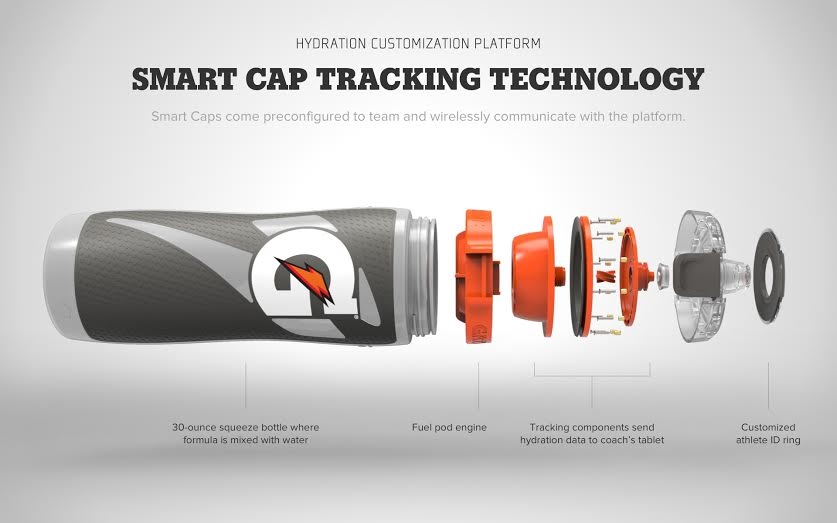
When I say “Fitbit,” you may think, “digital health.” When I mention “Gatorade,” “Nestle,” and “Dannon,” you might think, “drink,” “chocolate,” and “yogurt.” But soon, the phrase “digital health” will come to mind. That’s because a growing list of food manufacturers is looking to digital technologies to bake (or cook, blend, or mix) health into their value propositions. “Gatorade Taps Into Tech-Thirsty Consumers” is an article published in today’s Wall Street Journal, page B1 in the Business & Tech section of the newspaper. Mike Estrel writes that Gatorade is going high tech, working on a “smart cap” bottle with a microchip
Health Consumers’ Use of Apps Is Up, Accenture Finds
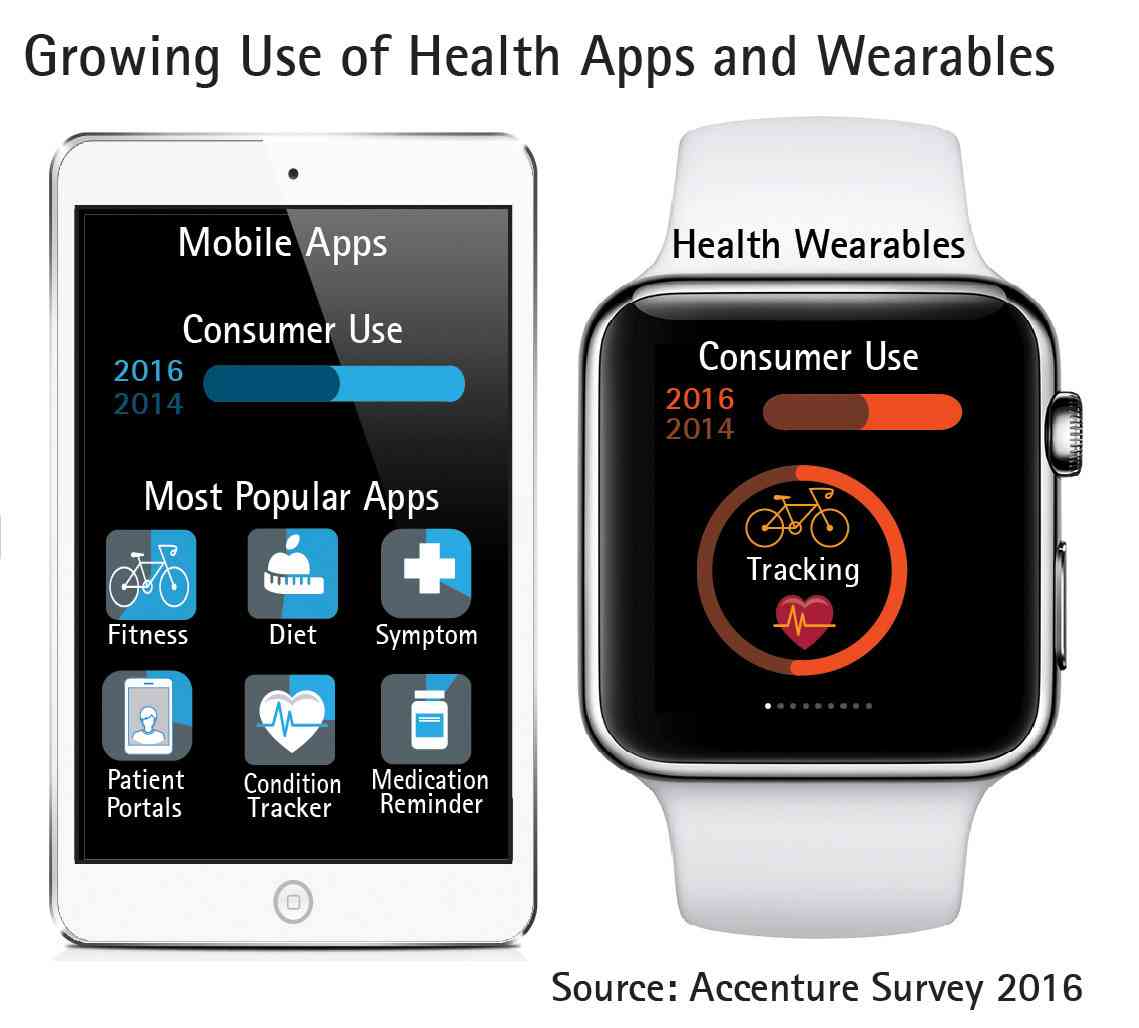
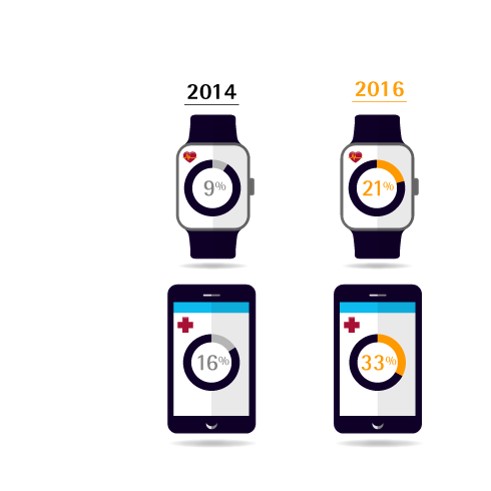
One in 3 consumers is using mobile apps for health, doubling from 16% in 2014 to 33% in 2016, according to a survey from Accenture released during HIMSS 2016 conference. The proportion of people donning a wearable device for health more than doubled, from 9% to 21% between 2014-15. Part of this response is due to more physicians asking their patients — consumers — to adopt a wearable to track a health or fitness metric. One in 5 consumers said their doctor “prescribed” the use of a wearable, and 76% of these people followed the doctor’s recommendation. Most consumers and
More Hospitals Connecting for Health: The HIMSS 2016 Connected Health Survey
One in 2 hospitals currently use three or more connected health technologies, according to the 2016 HIMSS Connected Health Survey released today at the annual HIMSS conference. The most commonly used connected health applications cited were: Patient portals, among 58% of providers Apps for patient education and engagement 48% Remote health monitoring, 37% Telehealth via fee-for-service, 34% SMS texting, 33% Patient-generated data, 32% Telehealth via concierge, 26%. 47% of health care providers plan to expand use of connected health technologies, especially for telehealth via concierge, patient-generated data, and SMS texting. HIMSS worked with the Personal Connected Health Alliance (PCHA) to
Behavioral Economics in Motion: UnitedHealthcare and Qualcomm
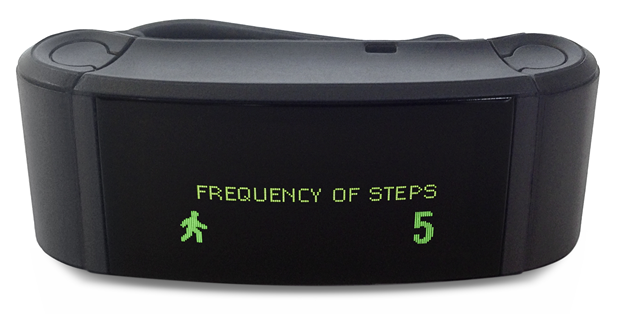
What do you get when one of the largest health insurance companies supports the development of a medical-grade activity tracker, enables data to flow through a HIPAA-compliant cloud, and nudges consumers to use the app by baking behavioral economics into the program? You get Motion from UnitedHealthcare, working with Qualcomm Life’s 2net cloud platform, a program announced today during the 2016 HIMSS conference. What’s most salient about this announcement in the context of HIMSS — a technology convention — is that these partners recognize the critical reality that for consumers and their healthcare, it’s not about the technology. It’s about
Good Design Can Drive Trust in Healthcare
“The best healthcare must involve kindness and instill trust,” reads the title of a Huffington Post UK article written by David Haslam, Chair of NICE, the National Institute for Health and Care Excellence. NICE (an appropriate acronym for the article’s sentiment) is in fact not an institution known for charity or do-goodness, but is the organization that is charged with assessing the cost-effectiveness and -benefit of medical innovations — drugs, devices, procedures and processes. Haslam writes that kindness and trust connote “care, community and friendship.” These factors have a profound impact on health outcomes, Haslam has observed. Trust drives health
Welcome to the Era of Personal Health IT – a #HIMSS16 Preview
People – patients, caregivers, health consumers all – have begun to use the digital tools they use in daily life for booking taxis, managing money, seeking information — for their health. This is the growing adoption of Personal Health IT (PHIT), and it’s a growing aspect of the annual HIMSS Conference that the planet’s health IT folk will attend from 29th February until 4th March in Las Vegas. I talk about the phenomenon of PHIT and #HIMSS16 in The State of Health IT to Engage the New Health Consumer, a summary of the driving forces of the trend and opportunities
Let’s Make a Deal: Patients Weigh Privacy Paybacks
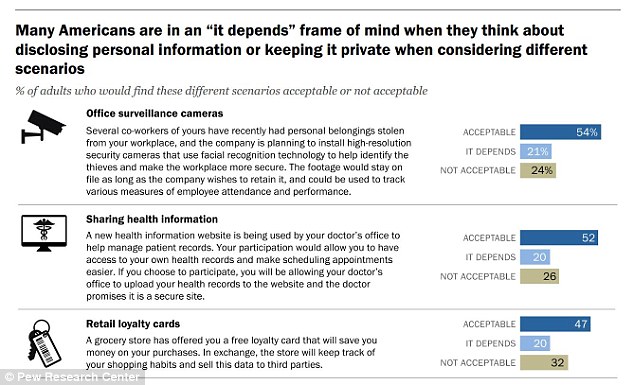
“It depends” is the hedge-phrase that characterizes how Americans see disclosing personal information versus keeping private information private, according to the consumer survey report, Privacy and Information Sharing, published by the Pew Research Center (PRC) in January 2016. U.S. adults see a privacy trade-off, living in the convenience-context of 21st century digital economy in exchange for some form of value. The “it depends” is a factor of what kind of data is geing collected, especially by third parties, how long that data area retained, for what use — vis-à-vis what a person is trading in return which could be a hard dollar
A Growing Market for DIY Digital Health for Sleep and Pain
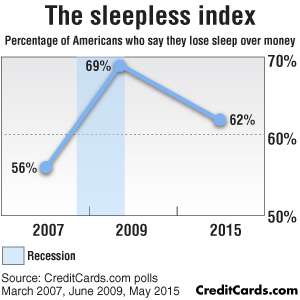
Sleeplessness and chronic pain are two epidemics that are mutually-enforcing, as the chart shows. The 2015 Sleep in America Poll found that pain is a key factor in Americans’ “sleep debt:” 21% of people have experienced chronic pain and lose 42 minutes of sleep due to it; 36% have experience acute pain, resulting in 14 minutes of lost sleep each night. People dealing with both conditions project-manage their health in numerous ways, multitasking with over-the-counter meds, prescription drugs (from “lite” to narcotic), meditation, yoga, homeopathic remedies, aural relaxation, Mozart, and more. There are a growing number of digital health tools now
Live from CES 2016 – The Healthy Connected Life

As he walked across the stage, back-and-forth, the CEO of the Connected Technology Association talked about pacing not to think, but to compete in a Fitbit Challenge at the 2016 CES this morning, live in Las Vegas. Shapiro leads the Consumer Technology Assoociation (CTA), formerly known as the Consumer Electronics Association. The Association was re-amed with “Technology” as its middle name, morphing away from Electronics, to recognize the growth of the market away from Radio Shack (metaphorically speaking) toward the Uber-ization of Everything and the Internet of Everyday Things like cars, refrigerators, washing machines, and thermometers. “Intelligence and data are
The 2016 THINK-Health Health/Care Forecast
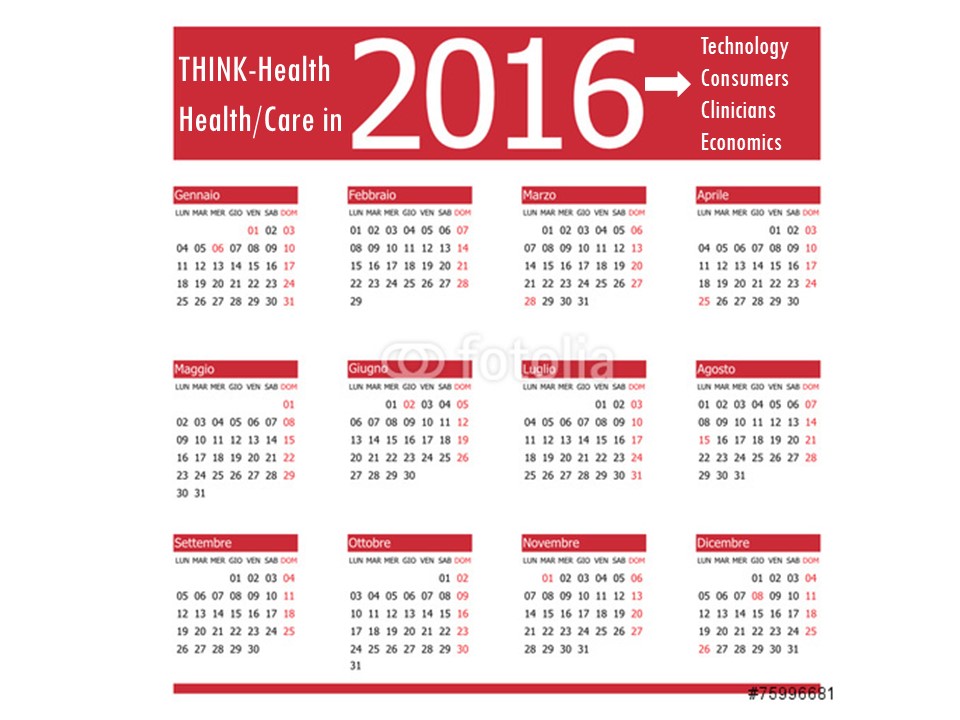
It’s time to get the tea leaves out and mash up trends in my world of health, health care, technology, policy and people for 2016. We’ll start with the central player: people, consumers, patients, caregivers all. Health consumerism on the rise. People – call us patients, consumers, caregivers – will take on even more financial and clinical decision making risk in 2016. Growing penetration of high-deductible and consumer-driven health plans will push (not just nudge) people into the role of health care consumers, and the emerging businesses and programs serving the transparency market for price and quality will gain traction
Connectivity Is A Social Determinant of Health
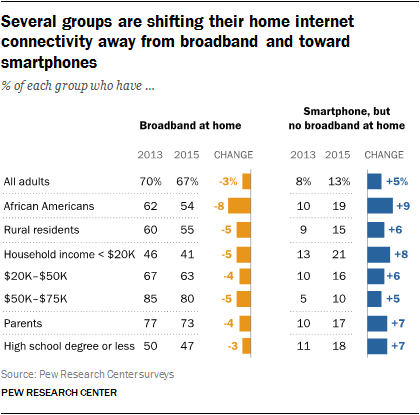
It’s Christmastime, so I’m thinking about connections. “Connectivity” can be social (offline and online), which is indeed a health factor (see Christakis and Fowler on being Connected). But the kind of connectivity to which I’m referring is broadband, WiFi, the kind most often associated with data plans, cable to the home, and free WiFi at your favorite coffee or fast food joint. That kind of connectivity is also a social determinant of health, and is increasingly becoming so for all people. Yet as peoples’ need for internet connectivity is fast growing, especially for health, home broadband connectivity has reached a
The Magic of Getting Fit Starring Penn Jillette (With Help From Withings)
Health is where we live, work, play, pray and have fun. And if you’re Penn Jillette, the magician who collaborates with Teller, it took more than sleight of hand or a magic trick to lose 100 pounds — one-third of his body weight. He did it, according to this video, with the help of hard work, and using activity tracking tools from Withings. [youtube https://www.youtube.com/watch?v=EQWCVLvuBzI?rel=0] Unlike many people who quantify themselves for wellness and fitness, Penn did so to avoid having a medical procedure (i.e., the implantation of a stomach sleeve for weight loss) and also to reduce the six
In 2016 Reaching For The Triple Aim Will Drive Health IT Spending
Adoption of telehealth, remote health monitoring, patient engagement platforms, mobile and digital health applications, and the emergence of the Internet of Things in health care will all be bolstered in 2016 based on health care providers’ having to do more with less (money, labor, resources). The value-based healthcare world — the migration of payment “from volume to value” — requires greater investment in information and communications technology that moves care to lower-cost sites, with lower-priced labor (as appropriate), and shifting greater clinical self-care and financial skin-in-the-game to patients. My annual health IT forecast was published yesterday in iHealthBeat, 2016: Technology
TIME Sees Lots of Health in the Best Inventions of 2015
Among TIME magazine’s 25 best inventions of 2015, most relate directly or adjacently to health and health care. Among the 25 are: The EKO Stethoscope A gluten-sniffing sensor, the 6SensorLabs Nima The Sproutling baby monitor Nike Flyease 8 shoes, that you can tie with one hand Cogni-Toys Dino, the toy that talks back A smart refrigerator that can fix you a glass of nutrient-enriched water The TZOA environmental tracker for personal pollution sensing, measuring atmosphere in a specific area (e.g., temperature, particulates such as dust, pollen, mold, and car exhaust), and UV exposure Doppler Labs Here Active Listening earbuds The
Where You Go Can Define Who You Are – Health/Apps Privacy Update
A start-up company called Factual was profiled in the Wall Street Journal on December 11, 2015. Factual profiles consumers using mobile devices based on the digital dust users’ apps create — “streams of location data supplied by apps,” as Elizabeth Dwoskin (@lizzadwoskin), author of the article, put it. The primary goal? To help publishers finely target ads to specific audiences. “If we know you go to the gym five times a week,” Lindy Jones of the Goodway Group is quoted, “it’s likely you’ll be interested in workout gear.” Factual garnered $35 mm of additional funding last week, “to make data
The Internet of Healthy Things According to Dr. Kvedar
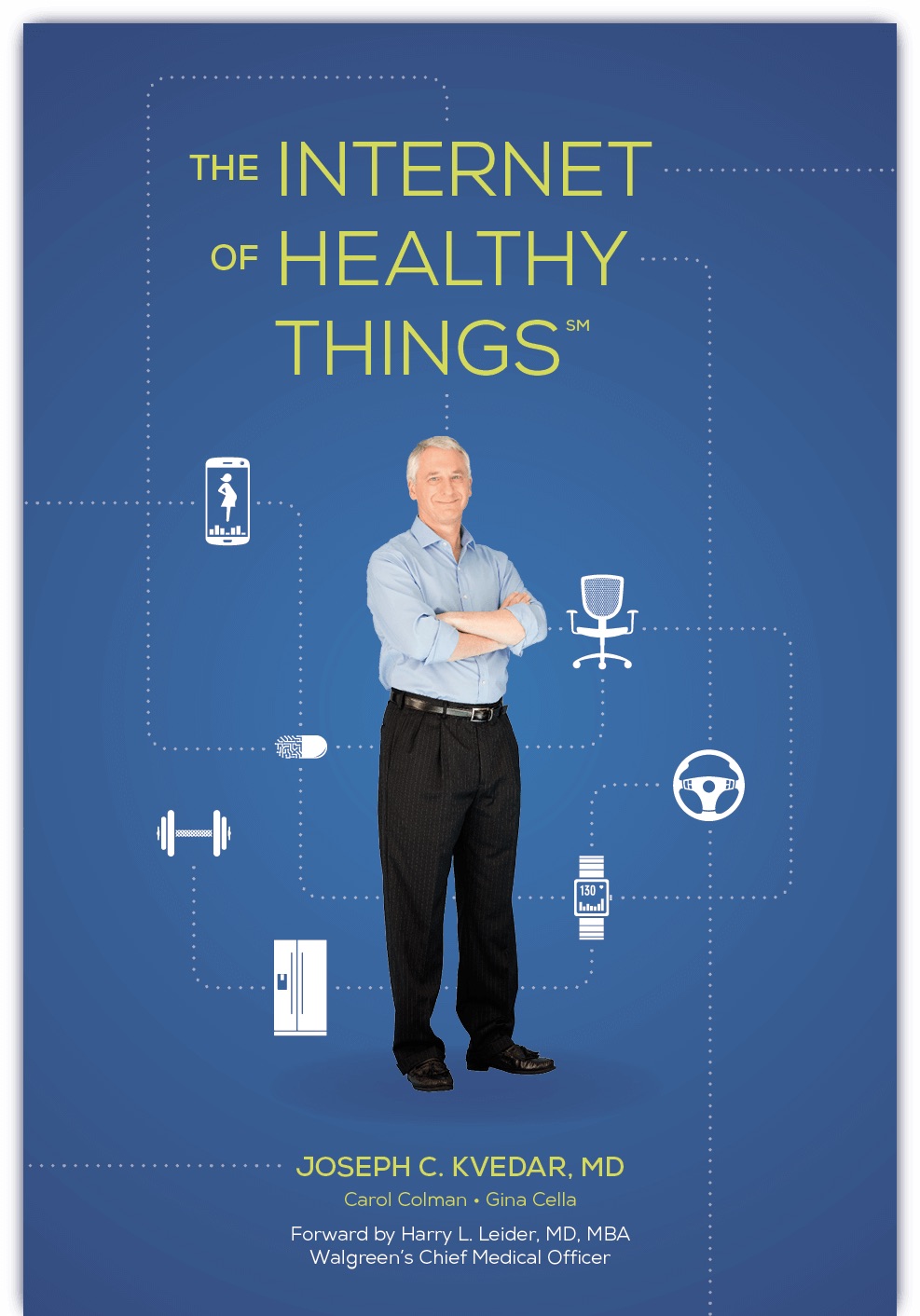
By 2020, according to the World Economic Forum, more than 5 billion people and 30 billion “things” will be connected to the Internet — cars, refrigerators, TVs, washing machines and coffeemakers, among those 5 bn folks’ electronic stuff. But so will medical devices, activity trackers, and a host of sensor-enabled “things” to help people and clinicians optimize health and manage illness. The Internet of Things (IoT) phenomenon, which is already penetrating households with energy management and security applications, is reaching health care. One of the pioneers in this connected health market is Dr. Joseph Kvedar, who leads the Center for
The Future 100 from JWT – Health Is Everywhere in 2016
Food + Drink, Beauty, Tech + Innovation, Retail, Lifestyle…JWT pulls out their crystal ball for 2016, and I see health, everywhere. The Future 100 – Trends and Change to Watch in 2016 is J. Walter Thompson Intelligence Innovation Group’s annual trend forecast, which I highly value and mine each year to help THINK-Health continue to hone our own environmental analyses for health and healthcare. [Here’s what I wrote one year ago about JWT’s 2015 forecast]. Health is baked into JWT’s 2016 trendscape, well beyond their “Health” chapter. Even the report’s introduction is health-flavored: “As forecasters, we’re watching the rapid metabolism
Activity Wearables on Black Friday 2015 – Doorbusters Abound
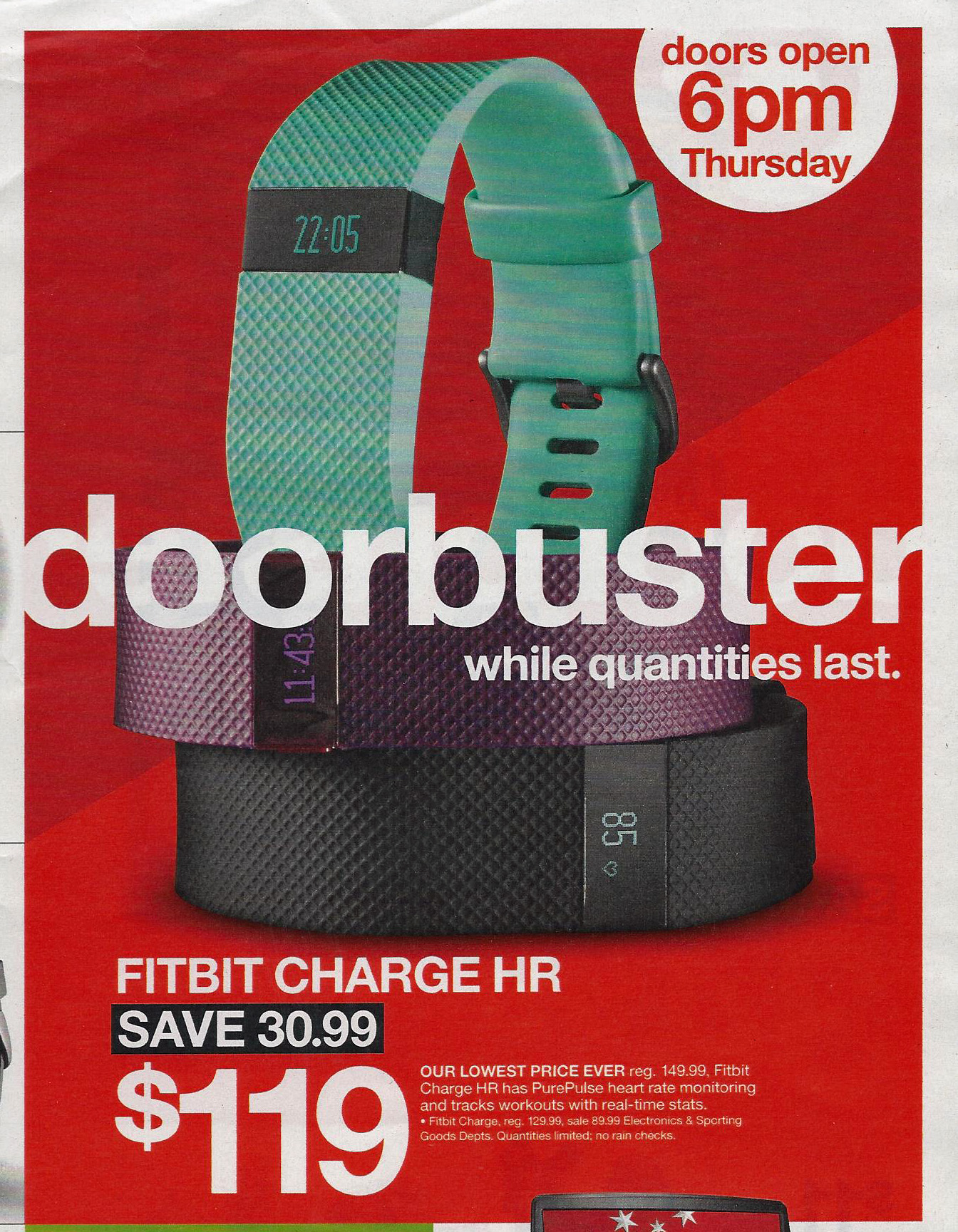
The 2015 holiday shopper can find activity trackers for gifting discounted as much as 50% and more over Thanksgiving weekend. In greater Philadelphia, the Thursday print newspaper ads were chock full of examples from Best Buy, Dick’s Sporting Goods, Kohl’s, Target, and Walmart, among others. Among the many “Doorbusters” and deep discounts were a Misfit Flash tracker for $14.99 at Best Buy (a 50% discount), a Fitbit Zip at both Kohl’s and Walmart for $39 ($20 off the manufacturers’ suggested retail price), and a Fitbit Flex at Dick’s Sporting Goods for $49.95 — 50% off full retail. That trackers are
Walgreens Extends Telehealth On Your Smartphone
In the U.S., if you walk 3 miles in any direction, there’s a 3 in 4 chance you’ll find yourself in front of a Walgreens pharmacy. The company often says that 75% of people in the America live within 3 miles of a Walgreens storefront. What’s a pharmacy storefront anymore? Both Walgreens and CVS are re-defining that with a dizzying pace of new announcements. The latest for Walgreens: people in 25 states will be able to use the Walgreens app on their smartphones to access physicians virtually. Consumers living in Alabama, Arizona, California, Colorado, Connecticut, Florida, Indiana, Illinois, Iowa, Maryland,
Getting to Connected Health Is A Marathon, Not A Sprint
Consumers may demand connected experiences in daily living, but there have been many barriers to health care industry stakeholders delivering on that expectation: among them, privacy and security concerns, and provider resistance. This demand-and-supply chasm is noted in Deloitte’s Center for Health Solutions’ latest look into the healthcare landscape, Accelerating the adoption of connected health. The objectives of connected health, or cHealth, are: To improve digital connectivity among consumers, providers, health plans and life sciences companies To facilitate self-managed care in a secure environment that protects privacy To deliver care outside of traditional institutional settings To enable chronic care management
Growing Signs Of Consumer Health Engagement, Via Deloitte
A growing desire for shared decision making with doctors. Increasing trust and consumption of health care information online, in social media, and report cards. Reliance on technology for monitoring health adn wellness, and medical conditions. Together, these three signals converge, illustrating a growing sense of consumer engagement among U.S. patients, found in the 2015 Deloitte Center for Health Solutions Survey of US Health Care Consumers. In Deloitte’s research summary, the title states that “No ‘one-size-fits-all’ approach” will work, given diversity among American health consumers. The sickest health consumers, Deloitte notes, have higher levels of health engagement and index higher on
The Fast-Growing Consumer Digital Health Ecosystem – Health 2.0 Day 2
The fastest-growing category of products and services at Health 2.0 is consumer-facing digital health, and a panel of companies demonstrated various flavors of the New Retail Health. One of the most prominent companies featured in Health 2.0’s conferences from the inception has been MyFitnessPal (MFP), a long-time helpful tool I’ve used to manage my own health-life. Under Armour acquired MFP earlier this year, which I covered here in Health Populi. Under Armour’s original mission was to make all athletes better. With the company’s acquisition of MyFitnessPal, Under Armour continued its morphing from a textile and sports gear company to a
More consumers expect a connected health experience
When most patients in the U.S. visit their doctors, they find their medical history missing or incomplete. 1 in 2 American patients say their doctors do not have a complete list of their medications. But the new health consumer expects a connected health experience the likes of which, as consumers, they expect and generally find in their everyday lives. One-half of consumers would prefer to get lab test results, access their medical records, and fill out paperwork from a doctor’s office ahead of a visit online versus via phone or in person. Surescripts conducted a survey with Kelton Global in
From Pedometers to Premiums in Swiss Health Insurance
A Switzerland-based health insurance company is piloting how members’ activity tracking could play a role in setting premiums. The insurer, CSS, is one of the largest health insurance companies in the country and received a “most trusted general health insurance” brand award in 2015 from Reader’s Digest in Switzerland. The company is conducting the pilot, called the MyStep project, with volunteers from the Federal Institute of Technology in Zurich and the Unviersity of St. Gallen. According to an article on the program published in the Swiss newspaper The Local, “the pilot aims to discover to what extend insured people are
Fitbit Means Business When It Comes To Privacy
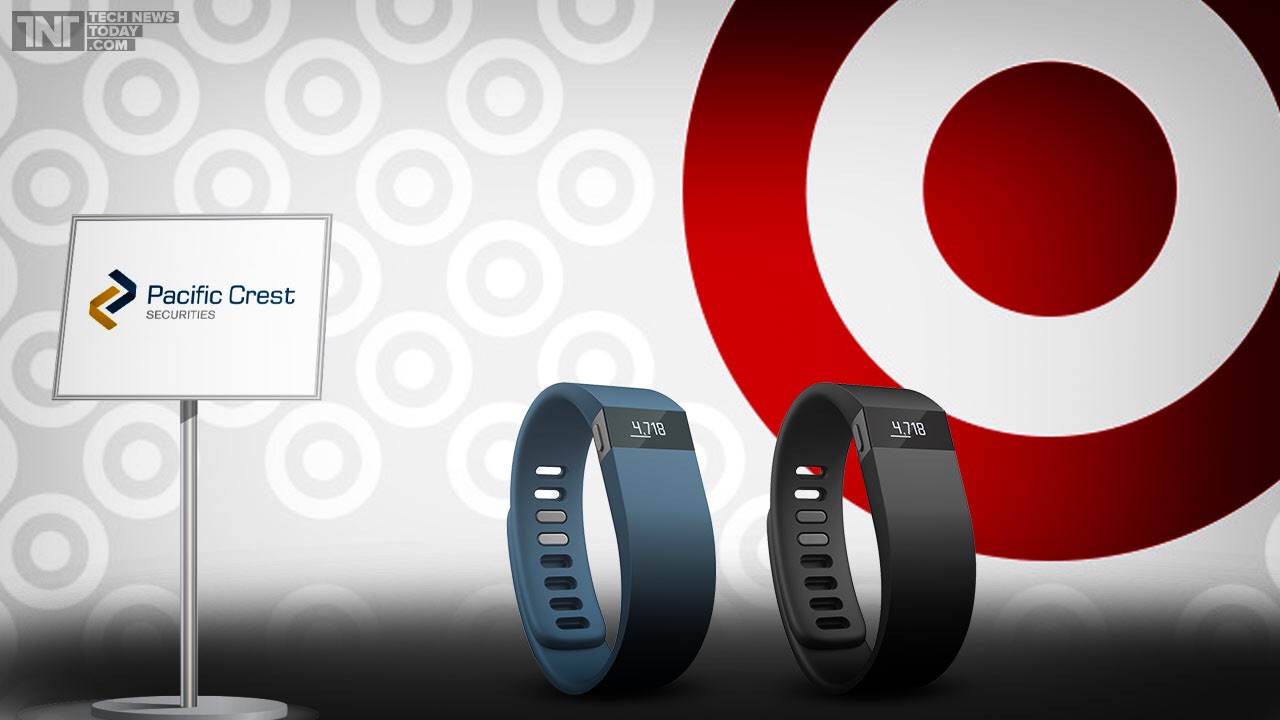
Fitbit, the company that makes and markets the most popular activity tracker, is getting serious about its users’ personal data. The company announced that it will enter into HIPAA business associate agreements with employers, health plans, and companies that offer workers the devices and the apps that organize and analyze consumers’ personal data. The Health Insurance Portability and Accountability Act (HIPAA) protects patients’ personal health information generated in a doctor’s office, a hospital, lab, and other healthcare entities covered under the law (as such, “covered entities”). However, data generated through activity tracking devices such as Fitbit’s many wearable technologies have
From the Magnificent Mile to the Country Mile – Wearable Tech On Main Street
Will fitness tracking take off in middle and rural America? The larger question is whether people really, truly want to engage in health and, if so, how? My colleague and friend Dr. Carol Torgan, who curates the most extensive wearable tech Pinterest board and writes extensively about the subject in her blog Kinetics: From Lab Bench to Park Bench, was struck by my recent blog post, Health, Wearables and the IoT in the Windy City. That weekend I was in Chicago, Carol was visiting a rural region in the state of Virginia and spent time at a county fair. The quintessential
The Rise And Fall Of Wearables?
Within a handful of months of Fitbit’s multibillion dollar IPO in June 2015 comes a report from Argus Insights foretelling the precipitous fall of consumer demand for wearable technology just weeks ahead of the start of the 2015 holiday shopping season. The first chart illustrates Argus Insights’ sobering forecast on wearable demand since reaching a peak in January 2015 — part of the 2014 holiday shopping frenzy. In fact, wearables from Fitbit, Garmin, Jawbone and Misfit Wearables marketed heavily in Sunday newspaper ads and via online promotions in late 2014 to bolster sales with the theme of gifting loved ones with
Health, Wearables and the IoT in the Windy City

Health is everywhere, where we live, work, play, pray and shop. So while I’m in Chicago staying off The Magnificent Mile in The Windy City, I took a several-thousand step walk along this shopping mecca and found health and wellness in the form of wearable technology, fitness, smart homes and the Internet of Things spanning the eastern end of Michigan Avenue to the western Gold Coast lakefront. Here’s a photo of the Garmin store, whose windows feature wearable tracking device promotions and devices. It was surprising to see Garmin investing in this expensive piece of real estate, with its logo
Women and the Internet of Things – Learning from the IBM Selectric
What happened when Rosie the Robot started ordering Jane Jetson around? Not a happy scenario for the Jetsons family. The same scenarios can be played out in the future of the Internet of Things (IoT) without attending to people-centered design principles, and for the home — women-centered design and ethos. The design process can play out future scenarios and anticipate unexpected consequences that can, ultimately, inform delightful user experience. Women are the Chief Household Officer, making the majority of home-based financial decisions. In fact, increasingly, women are taking on the job of Chief Financial Officer at home, too. To learn more,
The $20 Fitness Tracker
Misfit Wearables launched a fitness tracker, the Flash Link, for under $20. The device offers “more powerful at a lower price,” according to the title of the company’s press release yesterday. Available now on Misfit’s website, the Flash Link is described as “an easy-to-use activity tracker and smart button. A low priced, modular, and multi-functional wearable, Flash Link gives users even more ways to connect with the world around them. Use any Flash or Flash Link with the Misfit Link app to take a selfie, control your music (pause, play, skip songs, adjust the volume), or advance slides in a presentation.”
Fitness tech will boost holiday retail sales for consumer electronics
Sales of computers and tablets and LCD TVs won’t be hot on peoples’ holiday shopping lists in 2015. But smartwatches, health and fitness tech, and 4K Ultra HD TVs will be in peoples’ gift wish-lists and under homes’ holiday trees. The Consumer Electronics Association (CEA) published its 2015 U.S. Consumer Electronics Sales and Forecasts report, and it shows a shifting retail picture where traditional consumer electronics categories — notably computers and mainstream TVs — are declining in demand. But new-new categories are expected to buoy 2015 retail sales. The new categories of consumer electronics will generate about $10 bn (wholesale
Sports and the Internet of Things: the Scoop & Score podcast
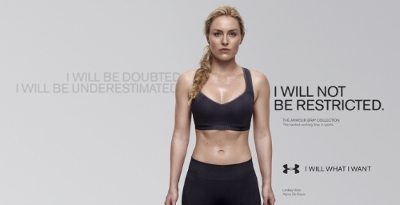
From elite soccer and football fields to youth athletes in public school gyms, wearable technology has come to sports bringing two big benefits of gathering data at the point of exercise: to gauge performance and coach back to the athlete in real time, and to prevent injury. I discussed the advent of the Internet of Things in sports on the Scoop and Score podcast with Andrew Kahn, sports journalist and writer, and Stephen Kahn, sports enthusiast and business analyst. [In full disclosure these two Kahn’s are also my brilliant nephews.] We recorded the podcast on July 14, 2015, the day
Collaboration in health/care drives value – in & beyond bio/pharma
“Tomorrow [drug makers] may not get paid for the molecule, they may only get paid for the outcome,” expects Brian Niznik of Qualcomm Life. He’s quoted in a report from PwC’s Health Research Institute, 21st Century Pharmaceutical Collaboration: The Value Convergence. What Brian’s comment recognizes is the growing value-based environment for healthcare, which couples purchasers driving down drug costs via discounts and stringent formulary (approved drug list) contracts, and growing patient responsibility for paying for prescription drugs — especially financially costly for specialty drugs that are new-new molecules. But as Brian points out, if the high-cost molecule doesn’t perform as
The Internet of Things in Health: McKinsey Sees $1.6 T Value
‘Tis the summer of big, smart reports covering the Internet of Things (IoT) impact on health and fitness. Just this month, three of these missives have come to my inbox, and they all contribute sound thinking about the topic. Today, tomorrow and Friday, I’ll cover each of these here in Health Populi. We begin with McKinsey Global Institute’s The Internet of Things: Mapping the Value Beyond the Hype. [In full disclosure, I was an outside adviser to the MGI team members who focused on the human/health and fitness aspects of this report, and thank MGI for the opportunity to provide
Digital health mainstreams at CE Week 2015
Digital health is a fast-growing category of consumer electronics, and many new mobile and wearable health devices were featured at the 2015 CE Week held in New York City. The major themes of the “Fresh Gear” unveiled at the meeting included connected cars, connected home devices, 3-D printing, and a growing array of wristbands, apps, and wearable devices focused on the already-crowded health/wellness segment, and the emerging health/care area. The five I’ll focus on are good examples of digital health tech’s aimed at mainstream consumers shopping at retail at the middle of the market: an area that’s ripe to be served.
How digital ‘everything’ and consumer expectations are re-shaping health care
Two forces are converging to shape a new era of “living services,” Accenture posits: the digitization of “everything” and consumers’ “liquid” expectations — which are demands for personalized, engaging and adaptable experiences. Accenture’s report on this phenomenon, The Era of Living Services, spans the broad range of consumers’ daily lives where these services will impact: homes, families, transportation, shopping, leisure time, jobs, finances, education, cities, and above all for Health Populi readers, “our bodies.” Living services are physically close to us, as Accenture sees them, “wrapping themselves around the everyday things we do.” They are digital services that are aware
Congratulations, Fitbit – what $4.1 bn looks like
When I clipped you to my underwear for the first time in 2011, I’d no idea that you were about to change my life, health and mindfulness. You were my first digital activity tracker and since then, I’ve purchased three versions of you…as well as others. Fitbit, you really did change my life and help me become more mindful of my activity, my calorie burn, ultimately supporting me in losing weight and keeping it off. Since its launch in 2009, the brand name “Fitbit” has become synonymous with digital activity tracking, the most popular digital pedometer on the market —
Employers go beyond physical health in 2015, adding financial and stress management
Workplace well-being programs are going beyond physical wellness, incorporating personal stress management and financial management. Nearly one-half of employers offer these programs in 2015. Another one-third will offer stress management in the next one to three years, and another one-fourth will offer financial management to workers, according to Virgin Pulse’s 2015 survey of workplace health priorities, The Busness of Healthy Employees. The survey was published June 1st 2015, kicking off Employee Wellbeing Month, which uses the Twitter hashtag #EWM15. It takes a village to bolster population health and wellness, so Virgin Pulse is collaborating with several partners in this effort
Musings with Mary Meeker on the Digital/Health Nexus
People in the U.S. spend over five-and-a-half hours a day with digital media in 2015, with time on mobile devices exceeding use of laptop and desktop computers. The growth of mobile means people are using and seeking more just-in-time services in daily living, and this has big implications for health/care, based on the annual mega-report on Internet Trends from Mary Meeker, KPCB’s internet analyst. “People” in health/care are patients, consumers and caregivers; people in health/care are also health plan administrators, employer benefits managers, doctors, nurses, allied health professionals, financial managers in hospitals, pharmacists, and the entire range of humans who
Purchase of wearable fitness trackers expected to grow in 2015, but one-half of Americans would “never” buy one
Headphones and smartphones are the top two electronics products U.S. consumers intend to purchase in 2015. But the emerging consumer electronics categories of wearable fitness trackers, smart watches, and smarthome devices (especially “smart” thermostats) are positioned to grow, too, in 2015, according to the 17th Annual CE Ownership and Market Potential Study from the Consumer Electronics Association (CEA). Wearable trackers have an installed base of about 17 million devices in the U.S., with 11% of U.S. households intending to purchase a tracker in 2015 — 6 percentage points up from 2014 (about a 50% increase over 2014). There are about 6 million smart
Capital investments in health IT moving healthcare closer to people

In recent weeks, an enormous amount of money has been raised by organizations using information technology to move health/care to people where they live, work, and play… This prompted one questioner at the recent ANIA annual conference to ask me after my keynote speech on the new health economy, “Is the hospital going the way of the dinosaur?” Before we get to the issue of possible extinction of inpatient care, let’s start with the big picture on digital health investment for the first quarter of 2015. Some $429 mm was raised for digital health in the first quarter of 2015,
Banks — a new entrant in the health/care landscape
TD Bank gifted free Fitbit activity trackers to new customers signing up for savings accounts in the 2015 New Year. John Hancock is discounting life insurance premiums for clients who track steps and take on preventive care strategies. And Banco Sabadell in Spain, along with Westpac in New Zealand and Standard Chartered in the United Kingdom are all piloting wearable technology for consumer financial management. Financial wellness is an integral part of peoples’ overall health, so financial services companies are putting their collective corporate feet into the health/care market. Banks and consumer investment companies are new entrants in health/care as
It’s a retail health world: consumers at the helm of health/care
Retail health v1.0 encompassed the pharmacy, then embraced urgent care and retail health clinics co-located in brick-and-mortar pharmacy chain stores. In v2.0, retail health encompasses all health/care, really, because people, patients and consumers are essentially self-insured up to the point when their health plan kicks in some cash. The high-deductible health plan era is ushering in the retail health era, broadly writ. Hospitals & Health Networks magazine (HHN) ran a story titled Think Like a Retailer to Engage Patients, covering founder of WEGO Health Jack Barrette‘s and my panel presentation at the 2015 HIMSS conference in Chicago last week. Writer
Health is where we live, work, and shop…at Walgreens
Alex Gourley, President of The Walgreen Company, addressed the capacity crowd at HIMSS15 in Chicago on 13th April 2015, saying his company’s goal is to “make good health easier.” Remember that HIMSS is the “Health Information and Management Systems Society” — in short, the mammoth health IT conference that this year has attracted over 41,000 health computerfolk from around the world. So what’s a nice pharmacy like you, Walgreens, doing in a Place like McCormick amidst 1,200+ health/tech vendors? If you believe that health is a product of lifstyle behaviors at least as much as health “care” services (what our
John Hancock flips the life insurance policy with wellness and data
When you think about life insurance, images of actuaries churning numbers to construct mortality tables may come to mind. Mortality tables show peoples’ life expectancy based on various demographic characteristics. John Hancock is flipping the idea life insurance to shift it a bit in favor of “life” itself. The company is teaming with Vitality, a long-time provider of wellness tools programs, to create insurance products that incorporate discounts for healthy living. The programs also require people to share their data with the companies to quality for the discounts, which the project’s press release says could amount to $25,000 over the
Doctors who write right: Gawande, Topol and Wachter put people at the center of health/care
There’s a trifecta of books written by three brilliant doctors that, together, provide a roadmap for the 21st century continuum of health care: The Patient Will See You Now by Eric Topol, MD; The Digital Doctor from Robert Wachter, MD; and, Being Mortal, by Atul Gawande. Each book’s take provides a lens, through the eyes of a hands-on healthcare provider, on healthcare delivery today (the good, the warts and all) and solutions based on their unique points-of-view. This triple-review will move, purposefully, from the digitally, technology optimistic “Gutenberg moment” for democratizing medicine per Dr. Topol, to the end-game importance of
Health is a growth industry at SXSW
Health is the hot topic at SXSW. While edgy new movies and hot music are the foundational elements of the annual South-by-Southwest festival, health and health care are the fast-growing themes at the meet-up, where the new-new, month-old beautiful JW Marriott Hotel by the Convention Center hosted most of the digital health track sessions. Digital health today goes well beyond mobile apps and genomic futures. Philips was a major presence this year at SXSW with its vision, shared by me, THINK-Health, and the HeathcareDIY team, of connected health where we live, work, play, pray and learn. In the case of
The Internet of Things in health care – technology for good in HuffPo
As sensors begin to proliferate our “Things,” from refrigerators to cars, toasters to t-shirt, our health could benefit mightily. Approaching this weekend’s South-by-Southwest Interactive meet-up in Austin, several authors have crowdsourced views on using technology for good in ImpactX, a special section in the Huffington Post sponsored by Cisco. I was asked to develop a view on using technology for good — for health and health care. Here’s my offering: How the Internet of Things Can Bolster Health. The promise of sensor-laden stuff in our lives can work for personal and public health in myriad ways — from perceiving impending epidemics
The blurring landscape of digital health: the Health 2.0 team puts it in focus
They’re the team that built a brand with the phrase “Health 2.0” before the world barely recognized v 1.0 in healthcare. This week, those folks that brought you the Health 2.0 Conference unveiled the Market Intel database of over 3,000 companies, trying to make sense out of a very blurry and fast-morphing market landscape. I spoke with Matthew Holt and Kim Krueger of Health 2.0 earlier this week to discuss just what’s in this mine of information, and what they intend to do with it. In full disclosure, I have been a colleague and friend of Matthew Holt since his
Most people want to go digital for health – especially the un-well
2 in 3 people in the U.S. would use a mobile app to manage their health, especially for diet and nutrition, medication reminders, tracking symptoms, and recording physical activity. The fifth annual Pulse of Online Health survey from Makovsky finds that digital health is blurring into peoples’ everyday lives. We’ve covered previous Makovsky digital health surveys here on Health Populi; last year, we focused on consumers managing risk in digital health platforms, and in 2013, the state of seeking health information online. That most consumers would go beyond health information search to the more engaging pursuit of managing health over
Physicians and mobile health – moving from “mobile” to simply “care”
February may be American Heart Month, African-American History Month, and Marfan Syndrome Awareness Month. But based on the volume of studies and reports published in the past two weeks, ’tis also the season for talking mobile health and doctors. This Health Populi post trend-weaves the findings. The big picture for mobile in health is captured by Citrix in its Mobile Analytics Report, dated February 2015. Everyday people are using mobile in work and daily living, blurring the distinctions between the various hats people wear. These roles, whether business or pleasure or life, happen 24×7, enabling through mobile platforms, Citrix found.
Health at SXSW13 vs. HIMSS13: the Yin, the Yang, and the Blur
I endured what very few people could (or would) do in the past ten days: I traveled to New Orleans to the annual conference of HIMSS, the Health Information Management Systems Society, which features hundreds of suppliers to the health care information technology industry. I returned home to kiss my family hello and goodbye, and a day later flew to Austin for the annual South-by-Southwest conference for music, movie and digital folks. The health track at SXSW has grown over the past five years, and provides a start contrast to “health care” as embodied at HIMSS, and “health” translated through
 Jane will be working with EU- and UK-based clients in September and October 2026, collaborating with stakeholders in digital health, public/community health, retail health, and growing opportunities for health-at-home. Stay tuned to her updates here on Health Populi on-the-ground as she lives the digital nomadic work-life in Italy, Belgium, the Netherlands, and in London.
 I was grateful to be Jasmine's first conversation-guest on her new podcast, "Aperture - Widen the Frame," where this expert in narrative medicine is bringing together the broad range of voices to sit at the table and address what health care needs: those humans in the health-system-loop who address health equity and empathy along with delivering evidence-based medicine for all.
 Jane joined host Dr. Geeta "Dr. G" Nayyar and colleagues to brainstorm the value of vaccines for public and individual health in this challenging environment for health literacy, health politics, and health citizen grievance. Click onto the Pfizer Value of Vaccines site and you can watch four episodes covering the challenges with adult vaccination, the employer and health plan member's journey to vaccination, reimbursement, and collaborating for proactive prevention.