


A Toxic Side Effect of the Coronavirus: Financial Unwellness
One in two people in the U.S. say their financial health has been negatively impacted by the COVID-19 pandemic, through job loss, income disruption, or reduced work hours. The 2020 Financial Wellness Census, from Prudential found that one-half of U.S. adults are anxious about their financial future as of May 2020, an increase from 38% in late 2019. Prudential surveyed 3,000 U.S. adults across three generational cohorts: Millennials, Gen X, and Baby Boomers. The economic hit from the pandemic has disproportionately impacted people of color, younger people, women, small business owners, gig workers, and people working in retailer harder than
How Retailers Are the New Public Health Purveyors

CVS stopped selling tobacco on October 1, 2014. In that moment, a Fortune 100 company stepped an entire foot, and not just a toe, into public health waters. [I covered that event with joy here in Health Populi as soon as it was announced months earlier on February 14th]. The company re-branded from CVS/pharmacy to CVS Health. That was a watershed moment in U.S. public health history, a wave that has continued to grow over the past six years to this moment, in the thick of the coronavirus pandemic. This week’s news that Best Buy will require shoppers to wear
From Dr. Fauci to Peloton, Healthcare and Wellness Baked Into Ad Age’s Top 20 Brands for 2020
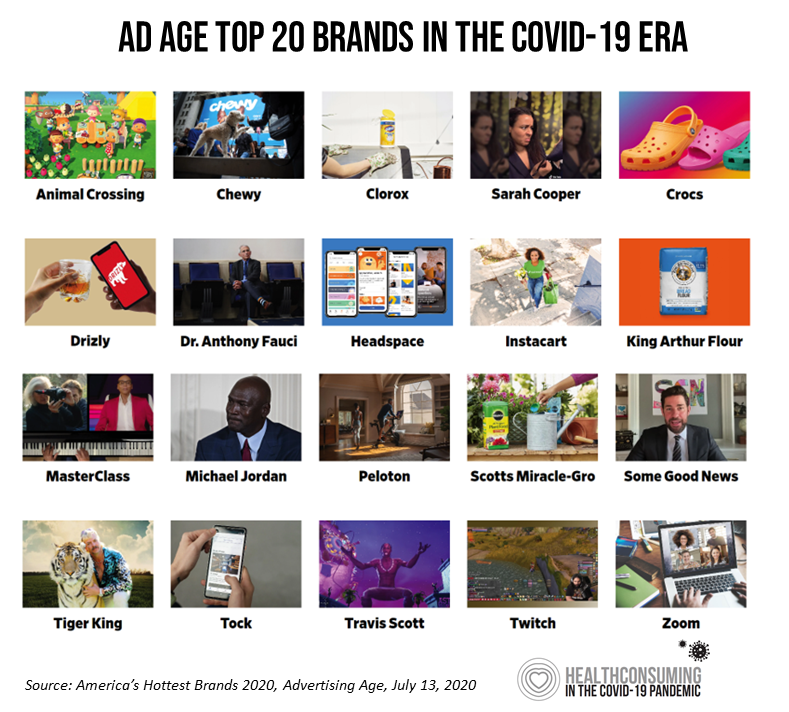
Advertising Age announced their list of the top 20 brands in 2020 this week. Ad Age’s lens on these was heavily tinted by consumers’ lives coping with the coronavirus pandemic: “The coronavirus has brought new attention to typically boring, decades-old consumer staples, while hastening the rise of digital newcomers that were only just beginning to gain traction pre-pandemic,” Ad Age explains in the introduction to the list of the selected brands. As the editors of the MadMen-and-Women’s most influential industry publication, they explain, “Ad Age chronicles 20 brands that are having a moment.” This moment to them as well as
How Covid-19 Can Inspire Tech-Enabled Value-Based Health Care in a Cash-Constrained America

“The COVID-19 pandemic…has highlighted like never before the pitfalls of paying for healthcare based on the number of patients seen and services rendered,” a Modern Healthcare article asserted in mid-June 2020. In other words, the U.S. health care financing regime of volume-based payment didn’t fare well as millions of patients postponed or cancelled procedures and visits for fear of contracting the virus in the halls, offices and clinics of hospitals and doctor’s offices. “Just imagine if you were 100% fee-for-service,” commented Dr. Fuad Sheriff, a primary care physician whose practice is based on capitated payments. “You would have been dead
Most Virtual Care Consumers, Satisfied With Visits in the COVID Era, Expect It for Future Care
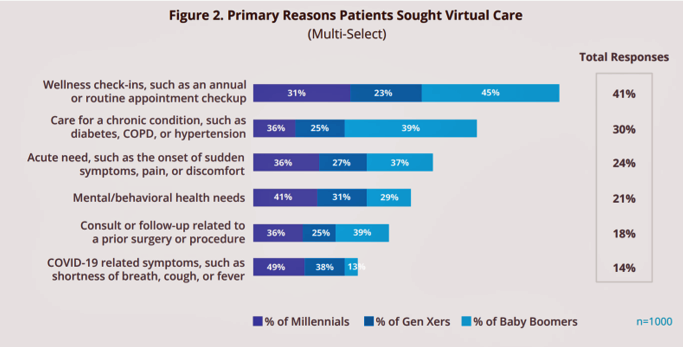
Within days of the coronavirus pandemic emerging in the U.S., health care providers set up virtual care arrangements to convene with patients. Three months into the COVID-19 crisis, how have patients felt about these telehealth visits? In Patient Perspectives on Virtual Care, Kyruus answers this question based on an online survey of 1,000 patients 18 years of age and older, conducted in May 2020. Each of these health consumers had at least one virtual care visit between February and May 2020. The key findings were that: Engaging in a virtual visit was a new-new thing for 72% of people Patients’
Trust Is a Key Social Currency for COVID-Embattled Consumers
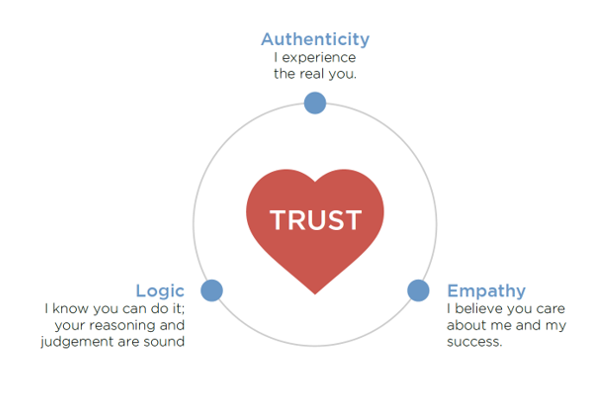
The coronavirus pandemic has re-shaped patients into consumers, concerned about managing the risk of contracting the virus, millions of people experiencing months of sheltering, working, learning, and cooking at home. Combine these new life-flows with conflicting information about the nature, severity, and life-span of COVID-19: From three levels of government leaders: The President and the Executive Branch at the Federal Level, Governors of States, and Mayors of cities; Public health agencies, especially the U.S. Centers for Disease Control and the World Health Organization; Mass media; and, Social media. Re-entering life in the “next normal” requires a large dose of trust,
Beyond Care and Outcomes, Hospitals Must Deliver on Civics, Inclusivity, Equity, and Value – Lown Institute’s Best Hospitals
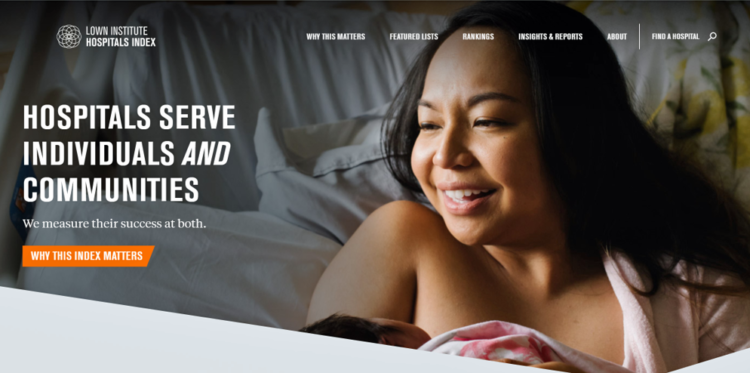
The core business of hospitals is patient care, often baked with teaching and research. But wait — there’s more, asserts the Lown Institute in their approach to ranking America’s Best Hospitals in 2020. The Institute’s methodology for assessing what’s “best” addresses ten pillars. Several of these are the “stick-to-the-knitting” components of the Webster Dictionary definition of hospital work: patient outcomes, clinical outcomes, avoiding overuse, patient safety, and a recent focus, patient satisfaction. Community benefit has been part of a hospital’s life, especially in the not-for-profit world where hospitals must demonstrate goodwill generated for and provided in the neighborhoods in which
Faster Pace for Corporate Investments and Behavioral Health in COVID-Driven Digital Health Era
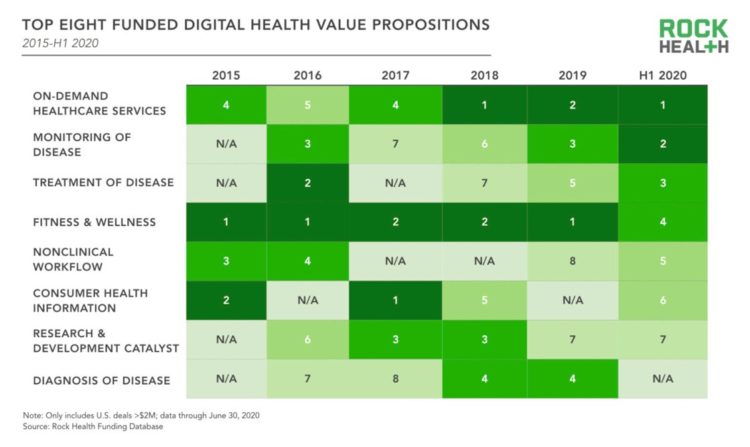
The pace of digital health investments quickened in the first half of 2020, based on Rock Health’s look at health-tech financing in mid-year. Digital health companies garnered $5.4 billion in the first half of the year, record-setting according to Rock Health. Underneath this number were very big deals, shown by the size of the blue bubbles in the first graphic from the report. Note that in H1 2020, the average deal size exceeded $25 mm. Among the largest deals valued at over $100 mm were ClassPass (raising $285 mm), in the business of virtual fitness classes; Alto Pharmacy, a digital
Wear A Mask and Save 5% of US GDP: My Independence Day Holiday Wish

“And please…please…please wear a face covering,” Dr. Jerome Adams, the U.S. Surgeon General pleaded on June 30, 2020, during a speech to U.S. Public Health Workers. [You can fast forward to second #42 to hear Dr. Adams’ impassioned plea to his fellow Americans. s Wearing a mask or face covering reminds me of an early economics lesson from Adam Smith: that actions I take that are good for you can be good for me. “In addition to caring about our own well-being, we also naturally care about the well-being of others,” Ryan Patrick Hanley wrote in his assessment of Adam
U.S. Hospitals Will Lose $323 Billion in 2020 – Before Accounting for Growing COVID Cases
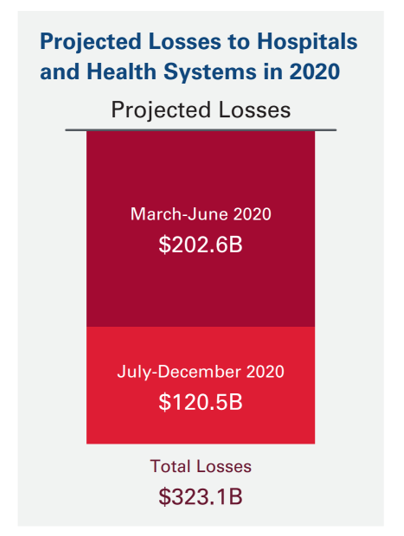
U.S. health systems are projected to lose $323 billion in 2020 due to declining inpatient and outpatient volumes caused by the COVID-19 pandemic’s impact on the “normal” hospital business. Hospitals racked up over $200 bn in losses between March and June 2020. according to the American Hospital Association’s report, Hospitals and Health Systems Continue to Face Unprecedented Financial Challenges Due to COVID-19. AHA suggests that the $323 bn loss figure may be underestimated, as growing coronavirus cases are emerging in certain states: as of this writing, Arizona, Arkansas, Florida, Louisiana, South Carolina, Texas, and Utah among those states heating up.
Stressed Out By COVID and Civil Unrest – the APA’s Stress in America Survey, Part 2
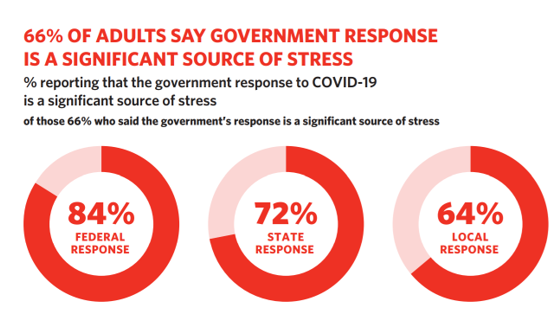
“Now” is the lowest point in history that most Americans can remember: 7 in 10 people in the U.S. feel this way, up from 56% in 2018 and 2019. Furthermore, 4 in 5 people in the U.S. say the future of America is a significant source of stress, as discussed in Stress in the Time of COVID-19, Volume Two, a report covering a poll of U.S. adults sponsored by the American Psychological Association. APA’s Stress in America research has been one of my annual go-to’s for better understanding U.S. residents through the lens of health consumers and, especially this year
Growing Evidence for eConsults – the Asynchronous, Clinician-to-Clinician Platform for Telehealth
Health care providers stood up virtual health care services with lightning speed as the coronavirus pandemic emerged in the U.S. Telehealth and its various flavors enabled both patients and providers to manage the risk of contracting the virus, especially at a time when little was known about the nature of transmission, treatment and prevention — except for washing hands, covering one’s face, and isolating when showing symptoms. In Electronic Consultations (eConsults): A Triple Win for Patients, Clinicians, and Payers, the Milbank Memorial Fund explores the evidence supporting the growth of asynchronous electronic consultation encounters between patients and clinicians. Note that
Health Insurance and Demand for Masking, Testing and Contact Tracing – New Data from The Commonwealth Fund
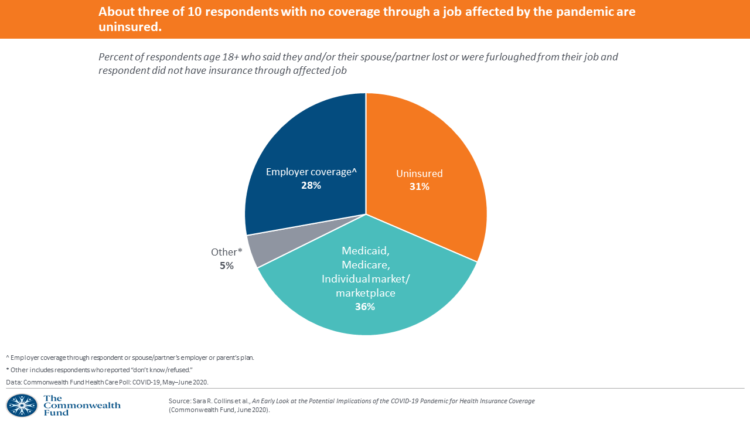
The coronavirus pandemic occasioned the Great Lockdown for people to shelter-at-home, tele-work if possible, and shut down large parts of the U.S. economy considered “non-essential.” As health insurance for working-age people is tied to employment, COVID-19 led to disproportionate loss of health plan coverage especially among people earning lower incomes, as well as non-white workers, explained in the Commonwealth Fund Health Care Poll: COVID-19, May-June 2020. The Commonwealth Fund commissioned interviews with 2,271 U.S. adults 18 and over between 13 May and 2nd June 2020 for this study. The survey has two lenses: first, on health insurance coverage among working
What Will Healthcare Costs Be After COVID? PwC Looks Behind the 2021 Numbers
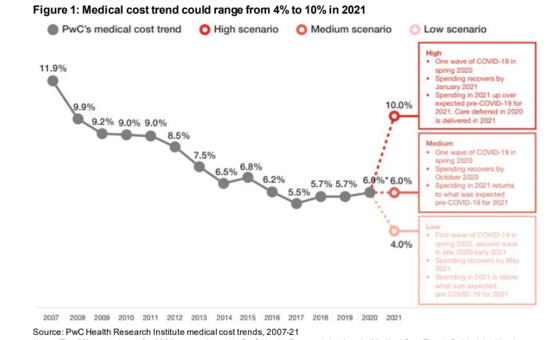
Whether healthcare spending in 2021 increases by double-digits or falls by one-third directly depends on how the coronavirus pandemic will play out over the rest of 2020, based on PwC’s annual report on medical cost trends for 2021. The three cost scenarios are based on assumptions shown in the fine print on the first chart: The medium scenario, a sort of “return to normal” where medical trend could stay even at 6.0%, equal to the 2020 trend. This assumes that healthcare spending recovers by October 2020 as patients return to hospitals and doctors’ offices for regular care patterns. In 2021,
How Can Healthcare Bring Patients Back? A Preview of Our ATA Session, “Onward Together” in the COVID Era
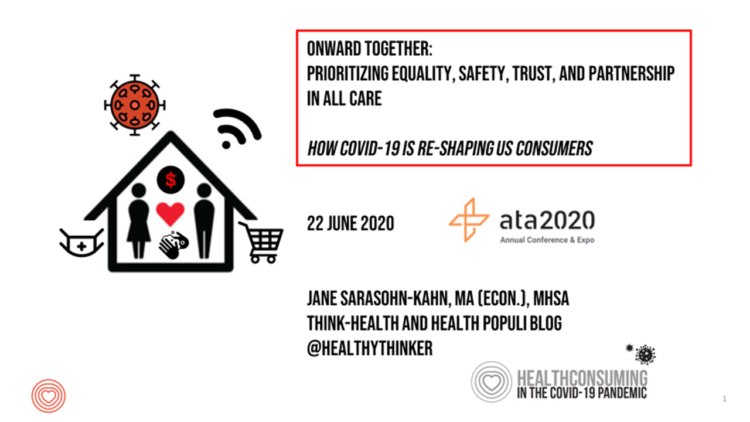
Today kicks off the first all-virtual conference of the ATA, the American Telemedicine Association. ATA’s CEO Ann Mond Johnson and team turned on a dime over the past few months, migrating the already-planned live conference scheduled in early May to this week, all online. I’ll be midwifing a panel this afternoon at 440 pm Eastern time, initially focused on how health care can garner patient loyalty. That theme was given to us in the fourth quarter of 2019, when initial planning for ATA 2020 had begun. What a difference a few months make. Not only has ATA pivoted to an
Juneteenth 2020: Inequality and Injustice in Health Care in America
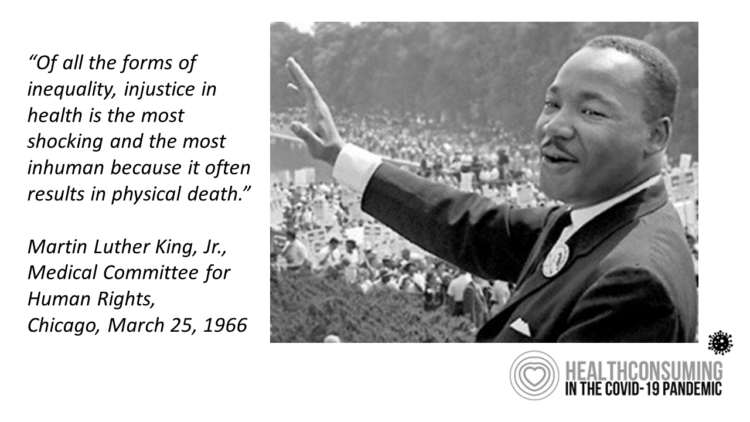
“Of all the forms of inequality, injustice in health is the most shocking and the most inhuman because it often results in physical death,” Martin Luther King, Jr., asserted at the second meeting of the Medical Committee for Human Rights in Chicago on March 25, 1966. This quote has been shortened over the five+ decades since Dr. King told this truth, to the short-hand, “Of all the forms of inequality, injustice in health care is the most shocking and inhumane.” Professor Charlene Galarneau recently enlightened me on Dr. King’s original statement in her seminal essay, “Getting King’s Words Right.” Among
Americans Across Political Party Worry About Prescription Drug Prices – Especially to Deal with COVID-19
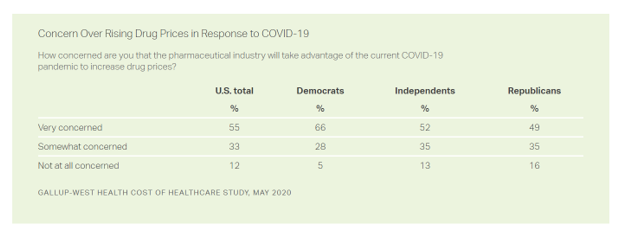
Nine in ten Americans is concerned about the price of prescription drugs in the wake of the coronavirus pandemic, Gallup and West Health found in their survey on the cost of healthcare, published today. A majority of people across political party share this concern: overall, 88% of U.S. adults are concerned about rising drug prices in response to COVID19, split across party ID with: 94% of Democrats, 86% of Independents, and 84% of Republicans. By demographics, more women than men are concerned about rising costs for the three health care spending categories the survey studied: drug prices, insurance premiums, and
As Americans Start to Return-to-Work in the Summer of COVID, Mental Health is a Top Concern Among Employers
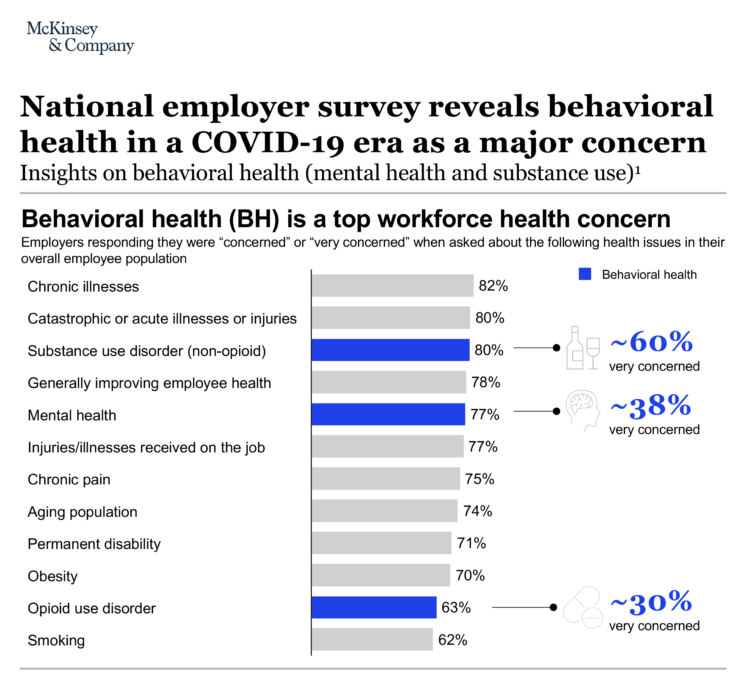
Most U.S. employers worry about workers’ mental health and substance use as employees begin returning to work in the summer of 2020. About 4 in 5 U.S. companies are “very concerned” or “concerned” about employees’ chronic illnesses, acute illnesses, and injuries along with behavioral health issue, based on McKinsey’s annual employer survey which coincided this year with the COVID-19 pandemic. Challenges of opioid use in the workforce remain a concern for two-thirds of U.S. companies, as well. Some 9 in 10 U.S. companies say behavioral health has a negative impact on workforce productivity. In response, 7 in 10 employers are
Economic Anxieties Rise, Medical and Vacation Plans Delayed: the COVID-19 Consumer in June 2020
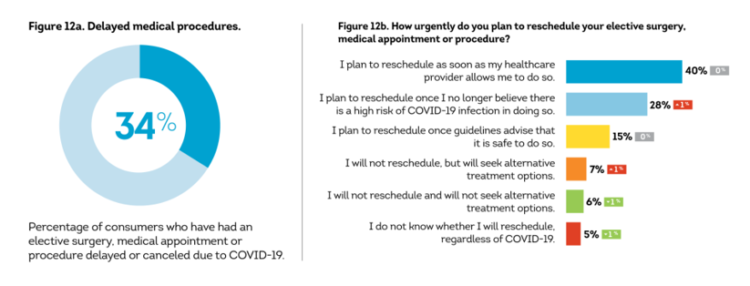
Some 6 in 10 people in the U.S. have been financially impacted by COVID-19. Those most negatively affected by the pandemic tend to be younger, Gen Z age group and African-American, 63% of whom felt financial pressure directly due from the virus and the national economic lockdown. By late May 2020, 34% of black Americans had lost their jobs compared with 21% in late April, compared with 18% of white consumers, reported in The COVID-19 Pandemic’s Financial Impact on U.S. Consumers, survey research from TransUnion. This post describes data from TransUnion’s Wave 9 report, which polled 2,086 U.S. adults 18
An Airline, A Hospital and A Disinfectant Brand Walk Into A(n Airport) Bar–the New Health/Care Collaboration in the Age of COVID
You’ve heard the one about three characters walking into a bar. A new collaboration between United Airlines, Cleveland Clinic and Clorox reminded me of that scenario, and that in the age of the coronavirus pandemic, collaboration can bolster our health. In the era of COVID-19, people — consumers. patients managing chronic conditions, and caregivers (whether for younger or older loved ones) — are concerned about contracting the virus. In U.S. states where governors mandated shelter-at-home for much of the first half of 2020, millions of people have become conditioned to physically distance, wear face coverings, and #StayHome. In particular, workers
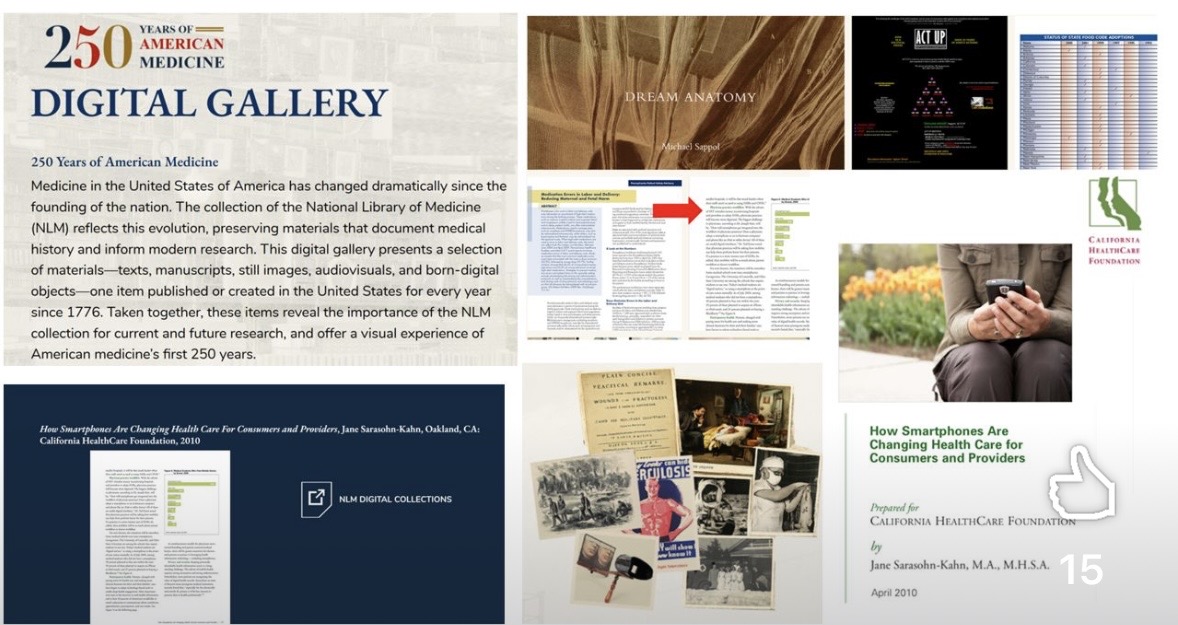 I’m celebrating America’s 250th birthday both patriotically and professionally, honored that the NLM included my 2010 paper, “How Smartphones Are Changing Healthcare for Consumers and Patients” as one of 250 items curated for the digital archive of 250 Years of American Medicine.
 I'm grateful to be part of the Duke Corporate Education faculty, sharing perspectives on the future of health care with health and life science companies. Once again, I'll be brainstorming the future of health care with a cohort of executives working in a global health care enterprise.
 Jane joined host Dr. Geeta "Dr. G" Nayyar and colleagues to brainstorm the value of vaccines for public and individual health in this challenging environment for health literacy, health politics, and health citizen grievance. Click onto the Pfizer Value of Vaccines site and you can watch four episodes covering the challenges with adult vaccination, the employer and health plan member's journey to vaccination, reimbursement, and collaborating for proactive prevention.