


The Emotional Drivers of Healthcare Discontent – Press Ganey Points to Access and Affordability Worries Driving Anxiety and Anger
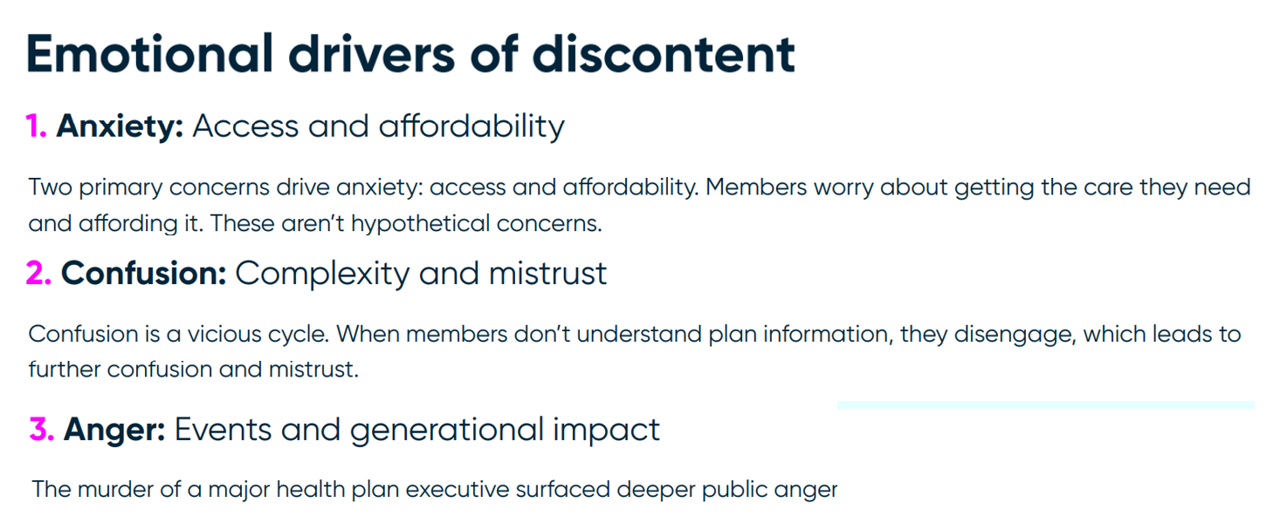
In the current era of U.S. health citizen grievance with the health care system, people feel anxious, confused, and angry — especially when it comes to access and affordability of health care. We learn more about these emotional drivers of health/care grievance in Understanding Health Plan Member Discontent, an assessment of health consumers’ views of satisfaction across health insurance plan types (commercial, Medicaid, Medicare, and marketplace plans) and age of member, from the health consumer experience team at Press Ganey. Those three underlying factors driving discontent translate to different generations differently. Overall, anxiety relates to
The Least-Positively Viewed Industries in America are the Federal Government, Pharma, and Advertising – The 2025 Gallup Poll on Industry-Love in America
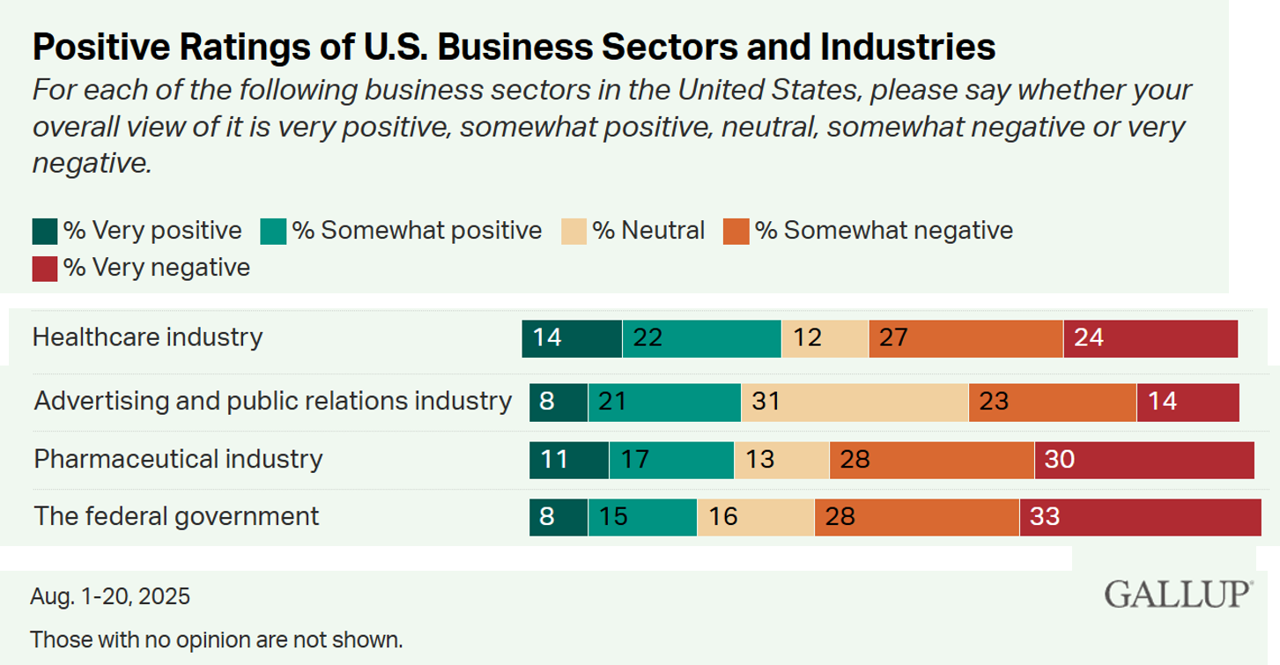
In 2025, most Americans feel positive about farming and agriculture, the computer industry, and restaurants. At the opposite end of industry-love are the Federal Government, pharmaceutical companies, and advertising and PR, we learn in Gallup’s annual ratings of 25 key U.S. business sectors survey, fielded in August 2025. Here’s the eye-straining table of those 25 sectors, calling out health care which has a net majority negative rating by 51% of U.S. adults: that is, 27% feeling somewhat negative about healthcare, and 24% feeling “very negative” about
How Consumers’ Access to Telehealth Impacts Medical Real Estate and Design Decisions
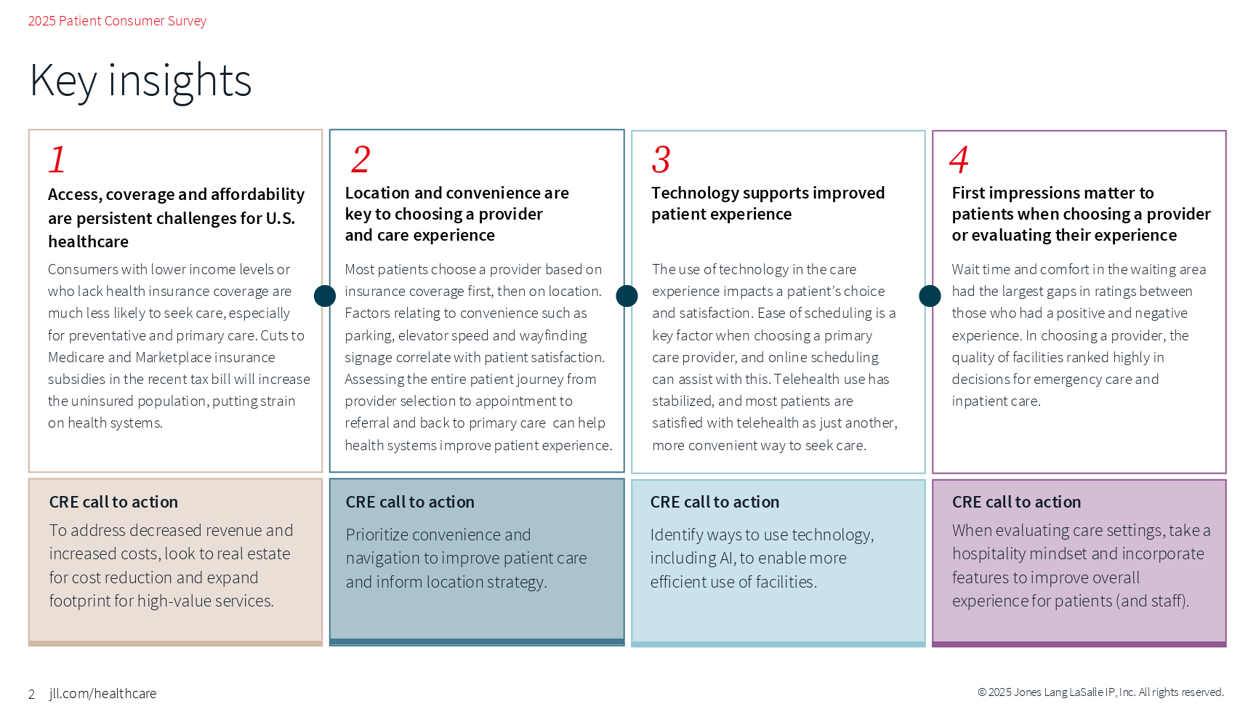
The idea of “hospitality” in health care is not new, but the nature of how patients-as-consumers are dealing with health care choices based on what looks and feels good is changing the nature of what hospitality means in technology-enabled health care delivery, we learn from the 2025 Patient Consumer Survey conducted by JLL. Jones Lang LaSalle Inc. (JLL) is one of the largest global commercial real estate firms with a strong portfolio of medical buildings. So it is worthwhile to track what the company is learning about health care delivery distributed both inside and outside of brick-and-mortar medical buildings.
In 10 Years, Health Care Will Happen Where Life Happens – PwC’s Tea Leaves into 2035
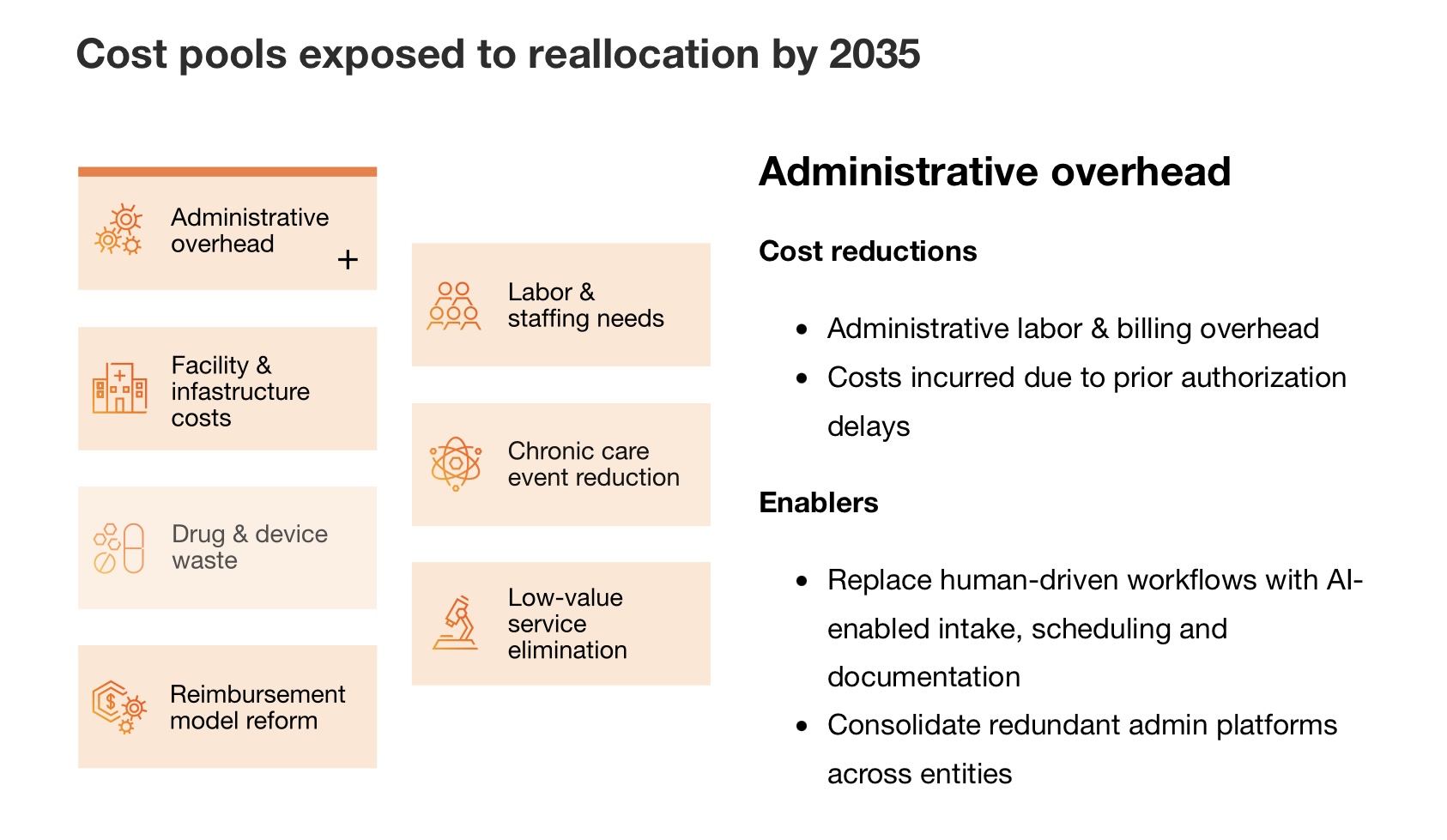
The costs of medical care are breaking the system, PwC asserts at the start of its new report on the $1 trillion opportunity to reinvent healthcare. The past 3 years of 8+% U.S. national health expenditure increases are “untenable,” PwC says, with 90% of that spending going toward patients with chronic and mental health conditions. What will transform the system and move us from “breaking point to breakthrough?” Biology and technology, PwC explains, with technology moving exponentially and simplifying care at scale, and biology decoding the “human operating system” enabling precision at scale. This
Trust Is Eroding for Vaccines Among U.S. Parents — New Insights from KFF and the Washington Post
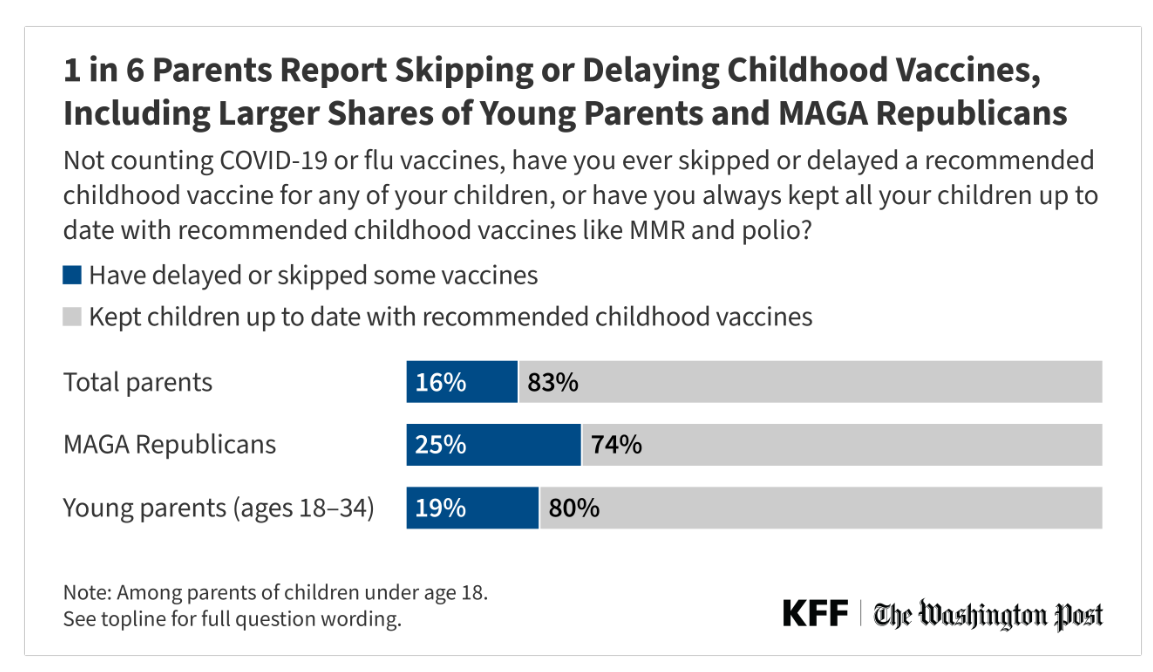
By the summer of 2025, 1 in 6 U.S. parents had skipped or delayed childhood vaccinations, discovered in the 37th annual edition of the KFF/The Washington Survey of Parents. The study was conducted among 2,716 parents or legal guardians of children, via interviews online in English and Spanish between July 18 and August 4, 2025. In detail by demographic, 83% of all U.S. parents had kept children up-to-date with recommended childhood vaccines (16% not doing so) 74% of self-described MAGA Republicans kept kids up to date with the recommended vaccines (25% not doing so),
Dr. Osterholm Explains “The Big One” – A Deja Vu Moment with a True North Public Health Expert
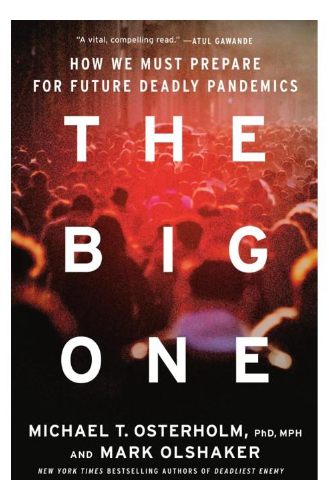
“The truism that no one is completely safe until everyone is safe is a truism because it happens to be true.” So caution Michael Osterholm, epidemiologist, professor at the University of Minnesota School of Public Health, and director of CIDRAP (the Center for Infectious Disease Research and Policy at the U-MN) and collaborating writer Mark Olshaker in their new book, The Big One. (In this post, for the sake of brevity, I’ll refer to the two authors as “O&O”). Simply put, the tagline tells us what we are about to read: a
What the Growth of Single-Person-No Children SNAP Beneficiaries Means for Health in America
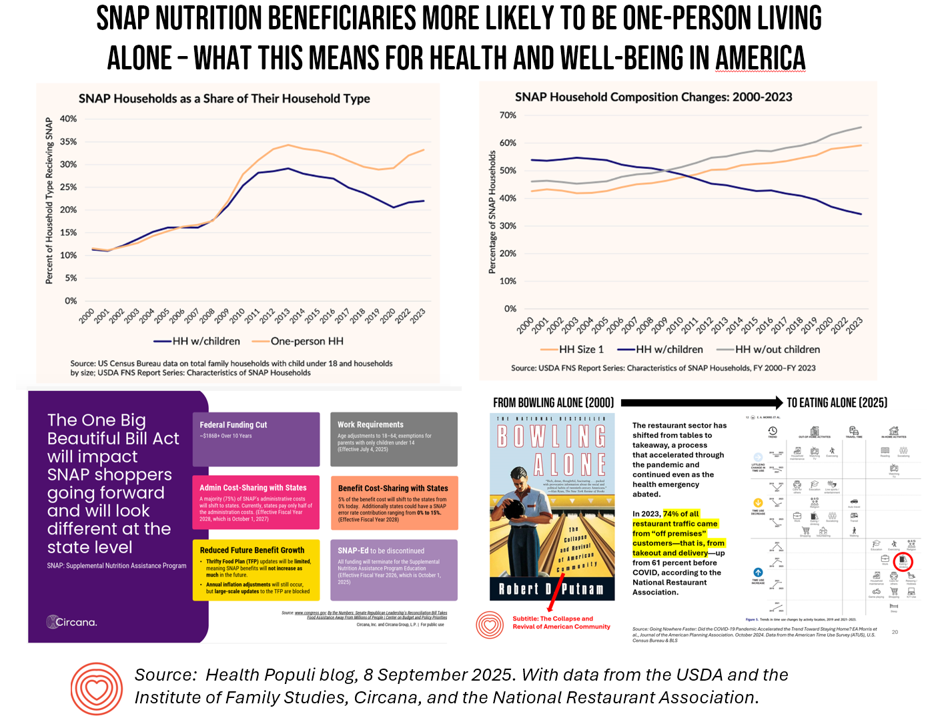
“SNAP has moved away from primarily serving families with children toward serving households without children, particularly those consisting of just one person,” an analysis from The Institute for Family Studies observes, giving us some food-for-thought on what these changing demographics of SNAP beneficiaries could mean for the health and well-being of people in the U.S. The Institute looked at data from the U.S. Department of Agriculture and graphed this top-line trend of households with children declining as a percent of SNAP households compared with growth among households without children. SNAP has significant
Expect Double-Digit Prescription Drug Trend Increases in 2026 – The Update from HUB International
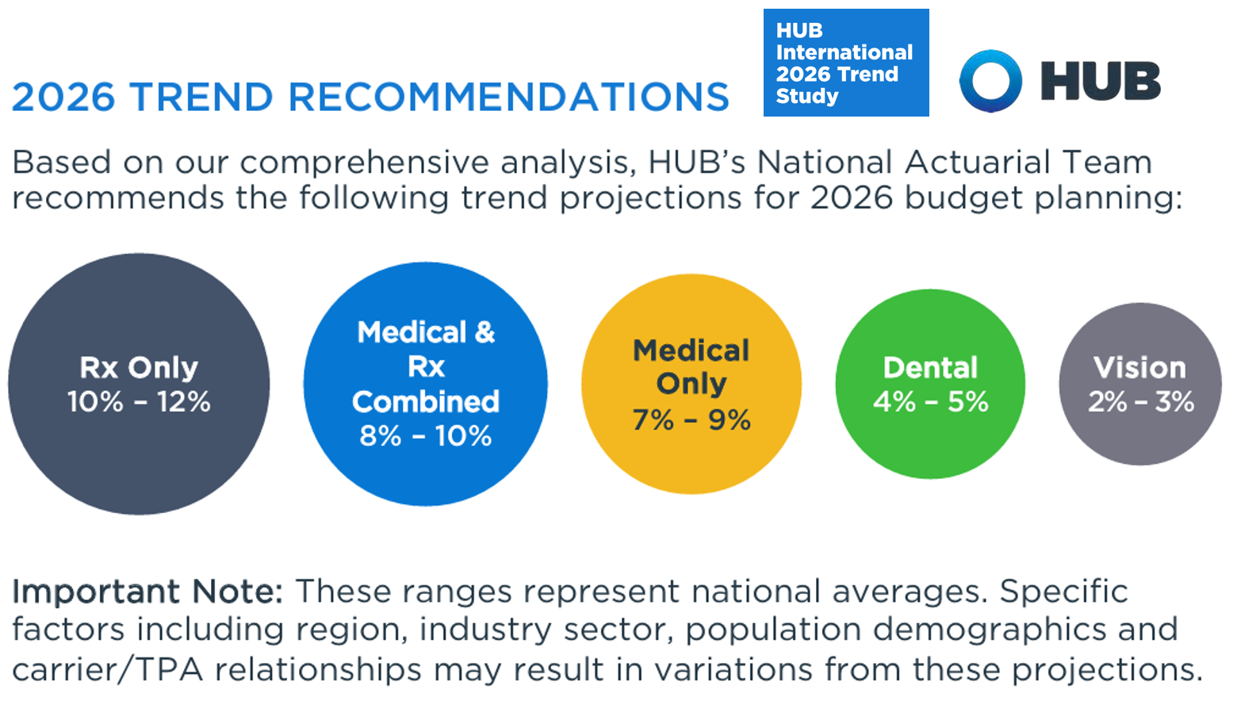
Prescription drug price trend for 2026 will be between 10% and 12% according to the 2026 Trend Study from HUB International, a global insurance and financial services firm. Here’s HUB’s line chart of the combined medical and Rx trend, illustrating nearly double trend growth since 2022 following the peak of 10.1% (combined) in 201 as patients returned to health care services and encounters when feeling safe in the fading out of the COVID-19 pandemic. That precipitous low-point in 2022 of 3.4% was the peak of the coronavirus stay-at-home period, representing the “medical distancing” felt across
On Labor Day 2025: From Health Care “Revenue Bounty Hunters,” Medical Bills Back into FICO Scores, the Rise of “Cute Debt,” and Tariffs — U.S. Consumers’ Face Eroding Financial Health
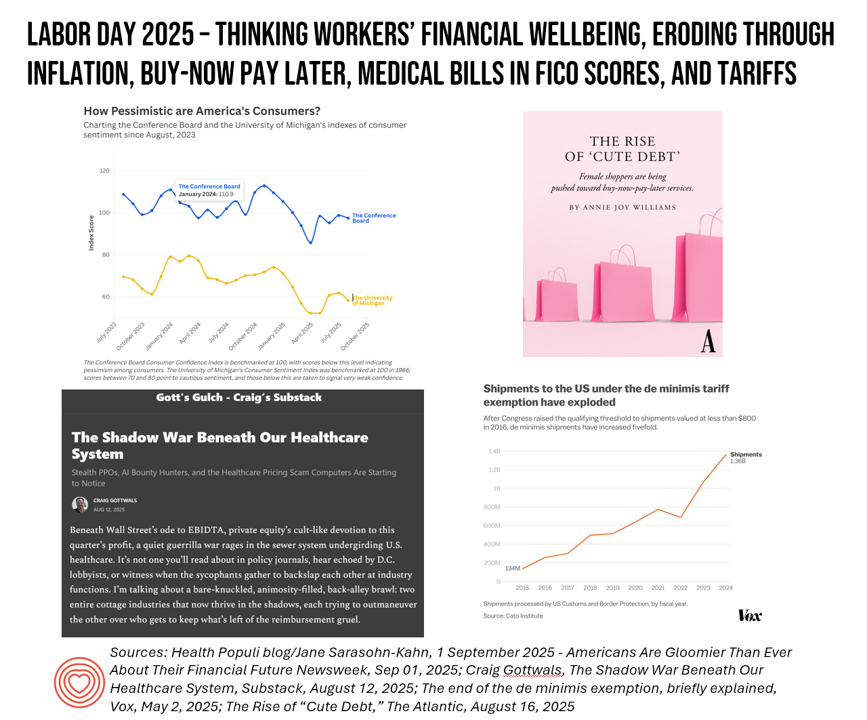
On this U.S. Labor Day 2025, the physical and the fiscal, with the mental, converge as I ponder what working Americans are facing….packing kids up for school, sorting out college payments and loans, dealing with rising costs of daily living, and feeling a growing pinch of what President Trump’s tariffs have had in store now that they’re hitting SKUs around the household. This post will cover most days this week as my own workflows will be heavy as clients return to face returns-to-work and updating scenario plans. We start this post with a headline: “Why Hospitals Are Hiring ‘Revenue Bounty
 Thank you Aaron Strout for hosting our conversation on the Reaching Higher Podcast, now live on Apple, Spotify, and YouTube. We covered a lot of ground addressing health care and health citizenship, the growing prospects for our homes as our health hubs, and how our humanity is a key ingredient in health-making for all.
 Jane joined host Dr. Geeta "Dr. G" Nayyar and colleagues to brainstorm the value of vaccines for public and individual health in this challenging environment for health literacy, health politics, and health citizen grievance. Click onto the Pfizer Value of Vaccines site and you can watch four episodes covering the challenges with adult vaccination, the employer and health plan member's journey to vaccination, reimbursement, and collaborating for proactive prevention.
 I'm grateful to be part of the Duke Corporate Education faculty, sharing perspectives on the future of health care with health and life science companies. Once again, I'll be brainstorming the future of health care with a cohort of executives working in a global pharmaceutical company.