


Come Together – A Health Policy Prescription from the Bipartisan Policy Center
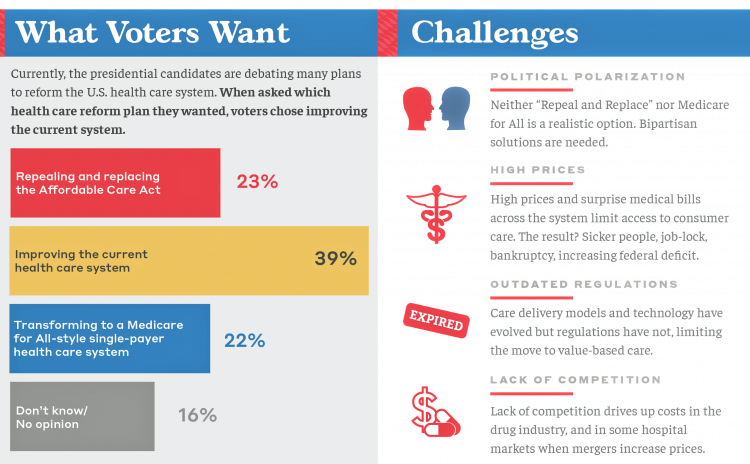
Among all Americans, the most popular approach for improving the health care in the U.S. isn’t repealing or replacing the Affordable Care Act or moving to a Medicare-for-All government-provided plan. It would be to improve the current health care system, according to the Bipartisan Policy Center’s research reported in a Bipartisan Rx for America’s Health Care. The BPC is a truly bipartisan organization, co-founded by Former Democratic Senate Majority Leaders Tom Daschle and George Mitchell, and Former Republican Senate Majority Leaders Howard Baker and Bob Dole. While this political week in America has revealed deep chasms between the Dems and
What’s Causing Fewer Primary Care Visits in the US?
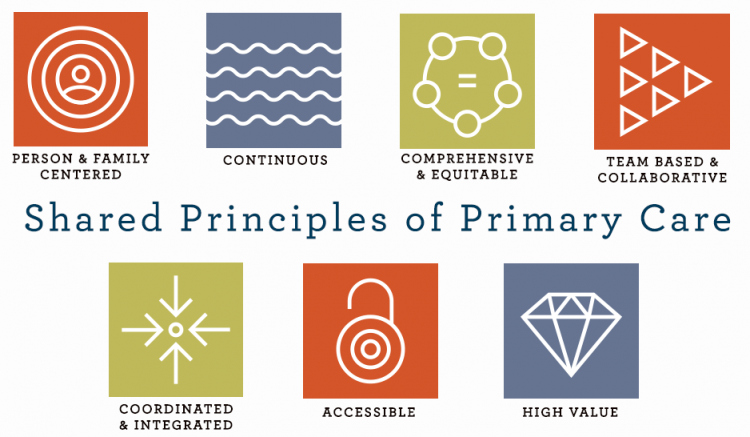
Americans who have commercial health insurance (say, through an employer or union) are rarely thought to face barriers to receiving health care — in particular, primary care, that front line provider and on-ramp to the health care system. But in a new study published in the Annals of Internal Medicine, commercially-insured adults were found to have visited primary care providers (PCPs) less often, and 1 in 2 had no PCP visits in one year. In Declining Use of Primary Care Among Commercially Insured Adults in the United States, 2008-2016, the researchers analyzed data from a national sample of adult health
The State of the Union for Prescription Drug Prices
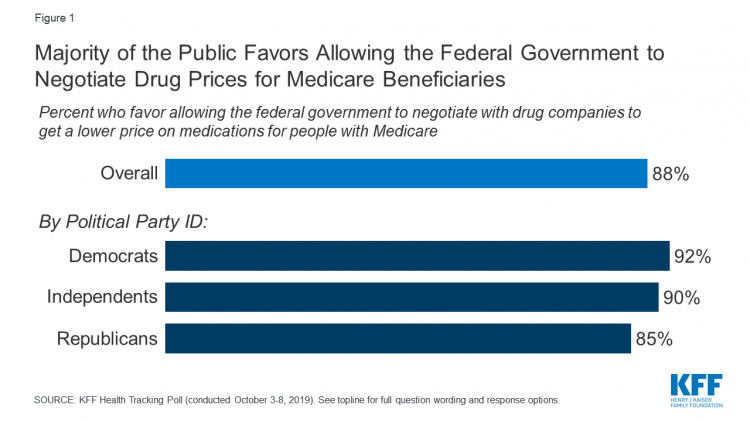
Tonight, President Trump will present his fourth annual State of the Union address. This morning we don’t have a transcript of the speech ahead of the event, but one topic remains high on U.S. voters’ priorities, across political party – prescription drug prices. Few issues unite U.S. voters in 2020 quite like supporting Medicare’s ability to negotiate drug prices with pharmaceutical companies, shown by the October 2019 Kaiser Family Foundation Health Tracking Poll. Whether Democrat, Independent, or Republican, most people living in America favor government intervention in regulating the cost of medicines in some way. In this poll, the top
Most Americans Are Curious and Hopeful About Genetics Research, But Privacy-Concerned
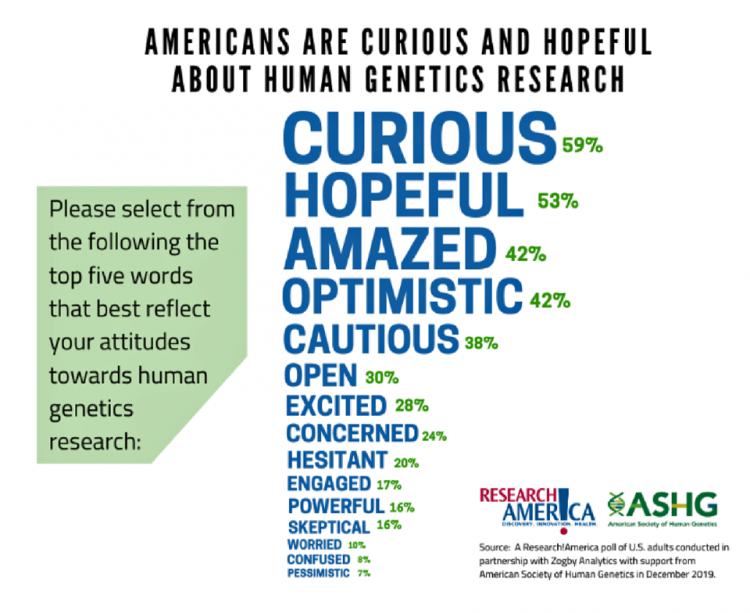
Most Americans associate more optimistic words with human genetics research than they do darker implications: “curious,” “hopeful,” “amazed.” and indeed “optimistic” ranked the top four impressions in peoples’ minds, based on a survey form the American Society of Human Genetics (ASHG). Below these perceptions are a few concerning concepts such as “cautious,” “concerned,” “hesitant, and “skeptical,” the poll found. Based on the relatively positive views on genetics research, most Americans support increasing Federal funding for that research: 74% said it was somewhat or very important to do so, compared with 15% saying it was not important. People value genetics research
A Uniting Issue in the United States is Lowering Prescription Drug Costs
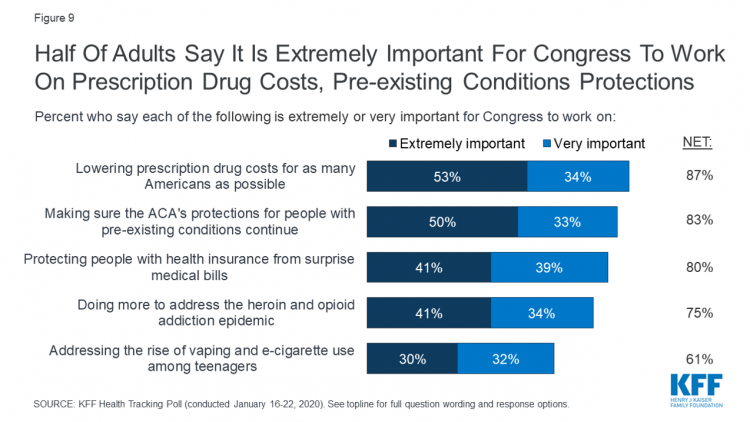
Health care continues to be the top-ranked voting issue in the U.S. looking to the November 2020 Presidential and Congressional elections. The Kaiser Family Foundation conducts the monthly poll which gauges U.S. adults’ perspectives on health care, and this month’s January 2020 Kaiser Health Tracking Poll explores Americans’ views on broad healthcare reform plans and specific medical policy issues. Overall, Americans point to prescription drug costs and the preservation of the Affordable Care Act’s protections for people with pre-existing conditions, the first chart tells us. Third and fourth on voters’ minds are protecting patients from surprise medical bills and better
Most Americans Regardless of Income Say It’s Unfair for Wealthier People to Get Better Health Care
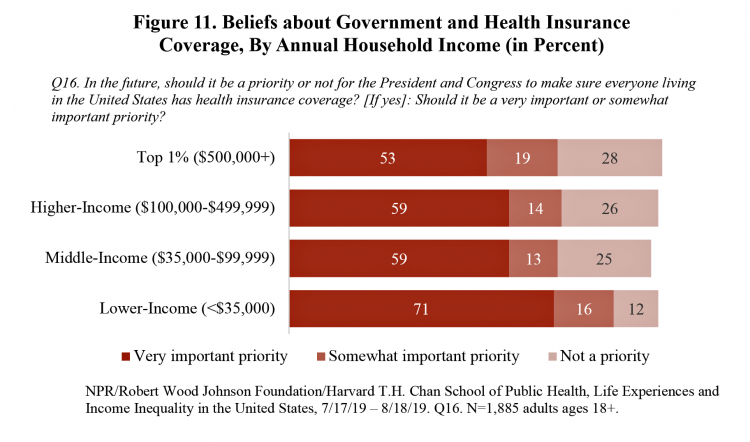
In America, earning lower or middle incomes is a risk factor for having trouble accessing health care and/or paying for it. But most Americans, rich or not, believe that it’s unfair for wealthier people to get better health care, according to a January 2020 poll from NPR, the Robert Wood Johnson Foundation and Harvard Chan School of Public Health, Life Experiences and Income Equality in the United States. The survey was conducted in July and August 2019 among 1,885 U.S. adults 18 or older. Throughout the study, note the four annual household income categories gauged in the research: Top 1%
The Suicide Rate in America Increased by 40% between 2000 and 2017. Blue Collar Workers Were Much More At Risk.
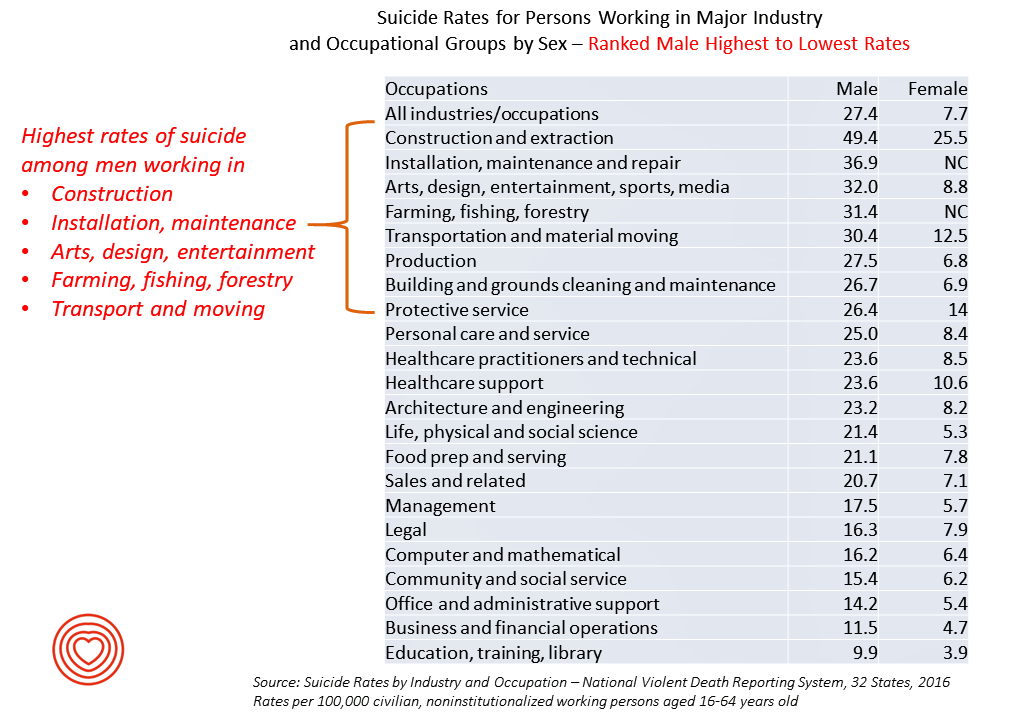
The rate of suicide in the U.S. rose from 12.9 per 100,000 population to 18.0 between 2000 and 2017, a 40% increase. Those workers most at-risk for suiciding were men working in construction and mining, maintenance, arts/design/entertainment/sports/media, farming and fishing, and transportation. For women, working in construction and mining, protective service, transportation, healthcare (support and practice), the arts and entertainment, and personal care put them at higher risk of suicide. The latest report from the CDC on Suicide Rates by Industry and Occupation provides a current analysis of the National Violent Death Reporting System which collects data from 32 states,
The Pace of Tech-Adoption Grows Among Older Americans, AARP Finds – But Privacy Concerns May Limit Adoption
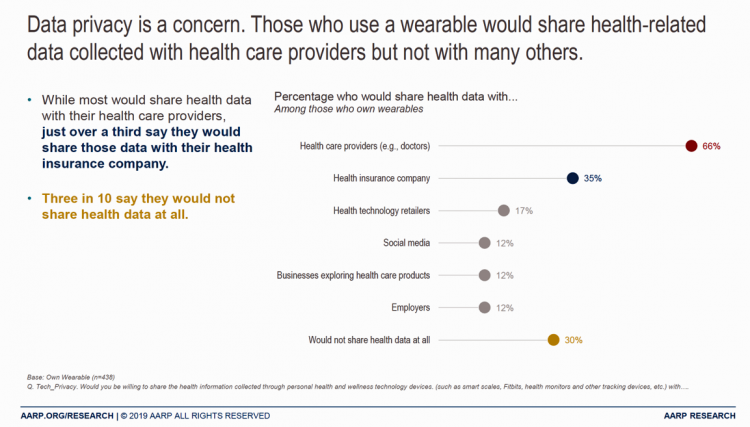
One in two people over 50 bought a piece of digital technology in the past year. Three in four people over fifty in America now have a smartphone. One-half of 50+ Americans use a tablet, and 17% own wearable tech. The same percentage of people over 50 own a voice assistant, a market penetration rate which more than doubled between 2017 and 2019, AARP noted in the 2020 Tech and the 50+ Survey published in December 2019. For this research, AARP worked with Ipsos to survey (online) 2,607 people ages 50 and over in June and July 2019. Across all
Income Inequality is Fostering Mis-Trust, the Edelman 2020 Trust Barometer Observes
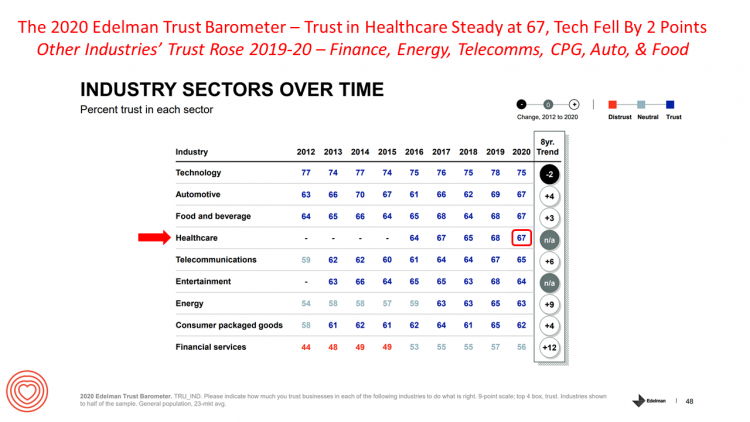
Economic development has historically built trust among nations’ citizens. But in developed, wealthier parts of the world, like the U.S., “a record number of countries are experiencing an all-time high ‘mass-class’ trust divide,” according to the 2020 Edelman Trust Barometer. For 20 years, Edelman has released its annual Trust Barometer every year at the World Economic Forum in Davos, recognizing the importance of trust in the global economy and society. Last year, it was the employer who was the most-trusted touch-point in citizens’ lives the world over, I discussed in Health Populi one year ago. This year, even our employers can’t
Consumers Seek Benefits From Food, a Personal Social Determinant of Health
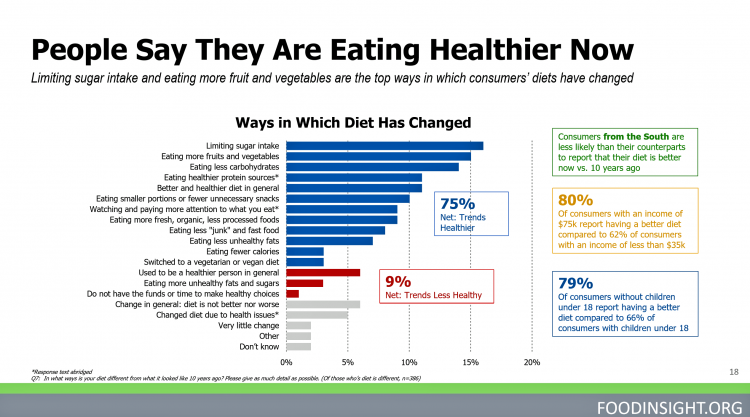
As consumers in the U.S. wrestle with accessing and paying for medical benefits, there’s another sort of health benefit people increasingly understand, embrace, and consume: food-as-medicine. More people are taking on the role of health consumers as they spend more out-of-pocket on medical care and insurance, and seeking food to bolster their health is part of this behavior change. One in four Americans seek health benefits from food, those who don’t still seek the opportunity to use food for weight loss goals, heart health and energy boosting, according to the 2019 Food & Health Survey from the International Food Information
Physicians in America – Too Many Burned Out, Depressed, and Not Getting Support
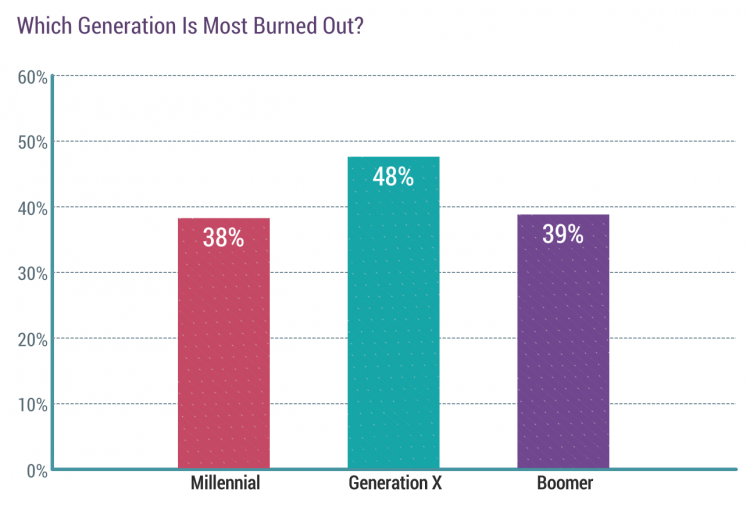
Some one in three physicians is burned out, according to the Medscape’s National Physician Burnout & Suicide Report. The subtitle, “The Generational Divide,” tells a bit part of the subtext of this annual report that’s always jarring and impactful for both its raw numbers and implications for both patient care and the larger health care system in America. Nearly 1 in 2 physicians in Generation X, those people born between 1965 and 1979, feel burned out compared with roughly 4 in 10 doctors who are Millennials or Boomers. Furthermore, many more women than men physicians feel burned out: 48% of
Calling Out Health Equity on Martin Luther King Day 2020
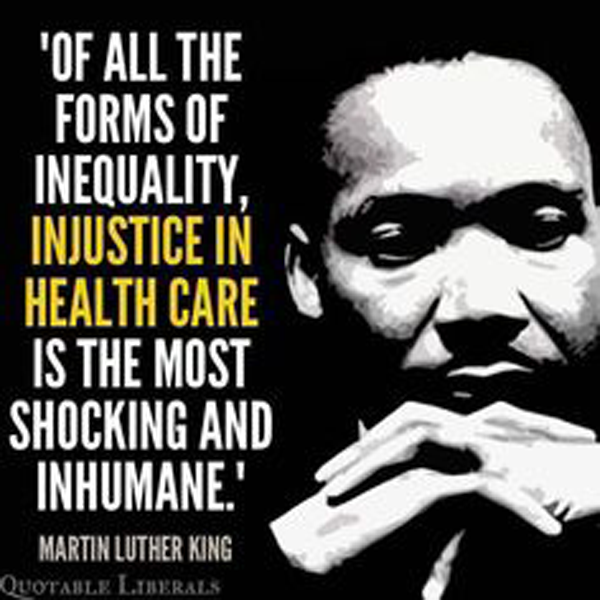
Today as we appreciate the legacy of Martin Luther King, Jr., I post a photo of him in my hometown of Detroit in 1963, giving a preliminary version of the “I Have a Dream” speech he would deliver two months later in Washington, DC. Wisdom from the speech: “But now more than ever before, America is forced to grapple with this problem, for the shape of the world today does not afford us the luxury of an anemic democracy. The price that this nation must pay for the continued oppression and exploitation of the Negro or any other minority group is
Home Is Where the Health Is, CareMore Health (And Most People) Believe
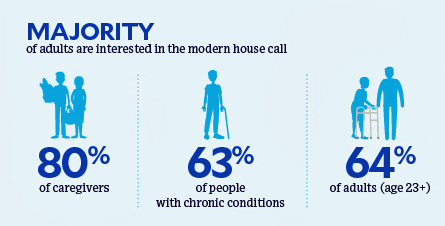
Most people dealing with chronic conditions, and those who care for them, believe that “home is where the health is,” according to a survey about the “21st century house call” from CareMore Health. To gain peoples’ perspectives on health care at home and chronic disease management, CareMore Health and Aspire Health commissioned a survey among 2,009 U.S. adults 23 years of age and over in September and October 2019. The survey sample included people dealing with chronic disease themselves, as well as caregivers attending to people with chronic illnesses. The definition of that “modern house call” is largely based on the
Dr. Roboto? Stanford Medicine Foresees Digital Doctors “Maturing”
Physicians are evolving as digital doctors, embracing the growing role of data generated in electronic health records as well as through their patients using wearable technologies and mobile health apps downloaded in ubiquitous smartphones, described in The Rise of the Data-Driven Physician, a 2020 Health Trends Report from Stanford Medicine Stanford Medicine interviewed 523 physicians and 210 medical students and residents in September and October 2019 to assess clinicians’ perspectives on digital health topics for this study. The study title citing the “data-driven physician” is based on the key survey finding that doctors are preparing to embrace data, from both traditional
Nurses Continue to Reign #1 in Honesty and Ethics; Healthcare Pro’s 4 of Top 5 in Annual Gallup Poll
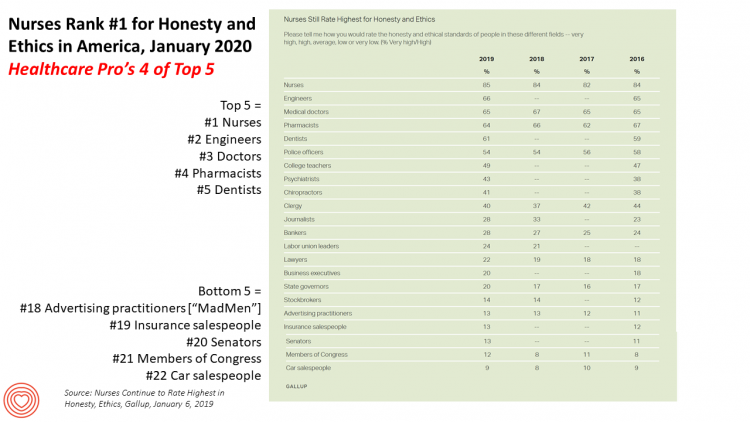
The topline of this year’s annual Gallup Poll into honesty and ethics of professions finds nurses sustaining their reign as the top trusted profession in America. But it’s also important to point out that four of the top five most ethical professions are people working on the front lines of health care: doctors (#3), pharmacists (#4) and dentists (#5). Engineers rank second this year after nurses, edging ahead of doctors and pharmacists who typically have ranked 2nd and 3rd each year in the past decade. One of these years, pharmacists’ reputation fell as the profession was associated with being a
The Heart of Health at CES 2020 – a Postscript from Pew
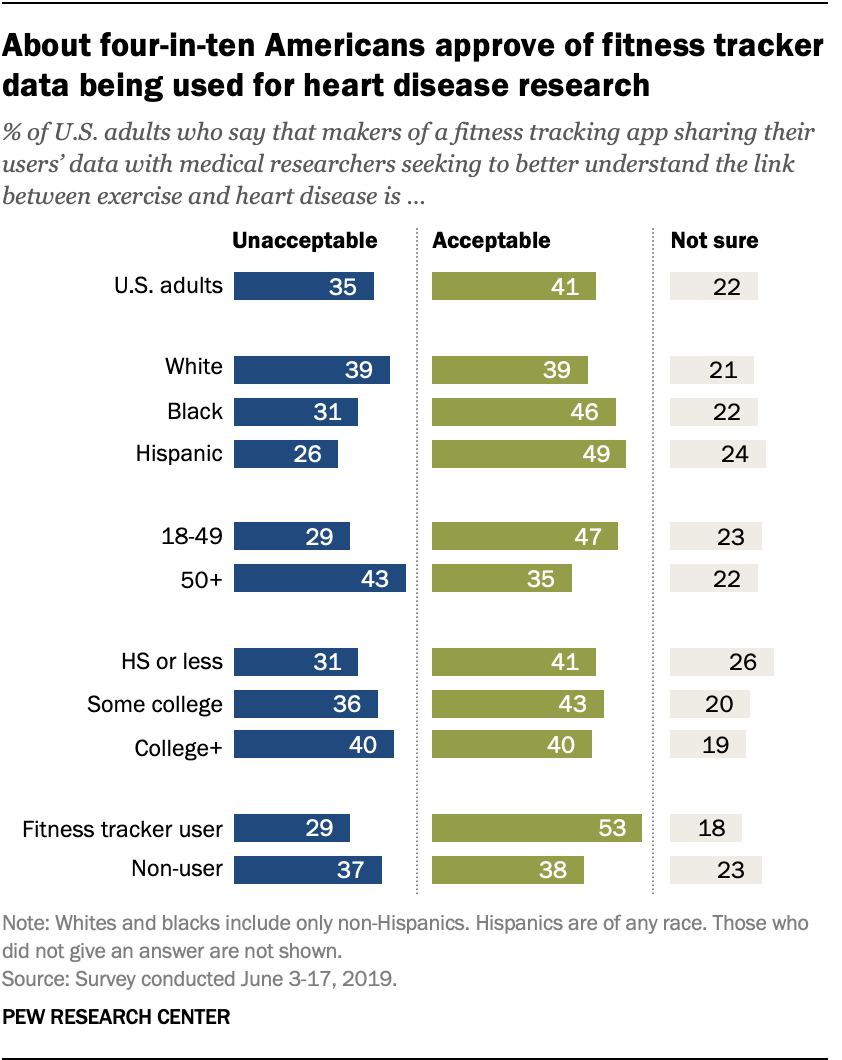
I wrote my heart-health update from #CES2020 this morning, curating a little portfolio of digital health tech announced this week in Las Vegas that could put our heart-health in our hands, mirrors, clothing, and bathroom mats. Imagine my delight to find consumer research published this week by the Pew Research Center on wearable tech adoption and perceptions. And the perfect data point to complement my CES heart-health discussion here — that 4 in 10 U.S. adults would allow a fitness tracker supplier to share the user’s personal health data with researchers to study heart disease. It’s also encouraging that 1
The Heart of Health at CES 2020 – Evidence & Innovation Bridge Consumers and Doctors
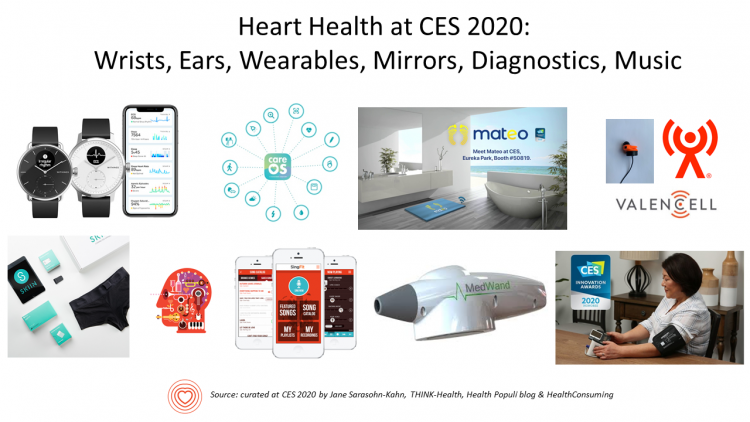
The digital health presence at CES 2020 is the fastest-growing segment of consumer technologies at the Show this year, increasing by 25% over 2019. Heart-focused technologies are a big part of that growth story. In fact, in our search for devices and tools underpinned with clinical proof, evidence is growing for consumer-facing technology for heart-health, demonstrated by this year’s CES. Wrist-worn devices, digital therapeutics, patient engagement platforms, pharma and health plans converged at this year’s CES, with the professional association “blessing” of the American College of Cardiology who granted a continuing medical education credit for physicians attending a one-day “disruptive
Trust Is the Currency for Consumer Health Engagement – A Bottom-Line at CES 2020
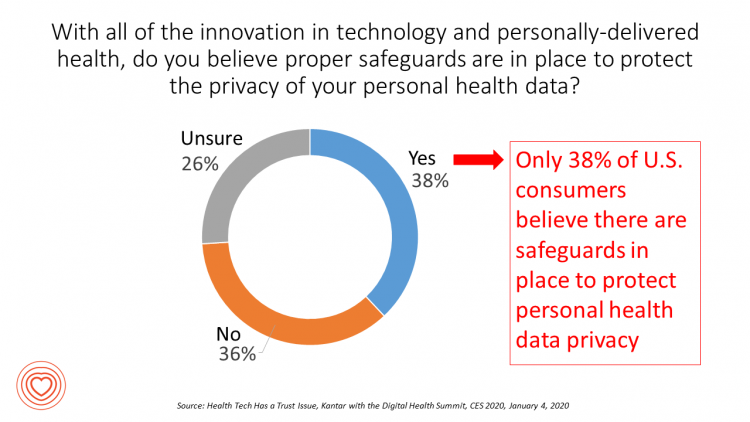
There’s less talk about Bitcoin and cryptocurrency at #CES2020. The most important currency under discussion is Trust. We have begun a consumer electronics migration from the past decade of the Internet of Things to this next decade of the Intelligence of Things. The different “I’s” signal the transition from devices that have connected to the Internet and generated data from our everyday lives, to the next ten years of gathering that data, mashing it up for meaning, and feeding back intelligence to users in the form of advising, coaching, nudging — with potentially powerful feedback loops for health, wellness and
Out-of-Pocket and Prescription Drug Costs – Connecting Digital Health Dots at CES 2020
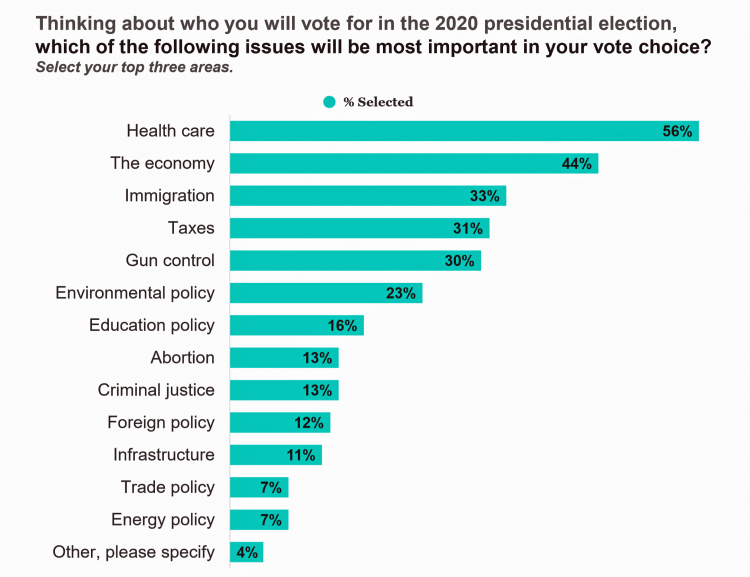
The top two health care concerns facing Americans are out-of-pocket costs and prescriptions drug costs, according to a poll published today in Morning Consult. Apropos to my title of this post, the survey was sponsored by the Bipartisan Policy Center, whose mission is to promote, cross-party affiliations, “health, security and opportunity for all Americans.” Health care is the top issue driving voters’ choices in the 2020 elections for most Americans. The economy follows second with 44% of voters, then immigration with 33% of Americans keen on the issue. For overall healthcare reform, the plurality of Americans prefer improving the current system
The Internet of Teeth – The Growth of Oral Health at CES 2020
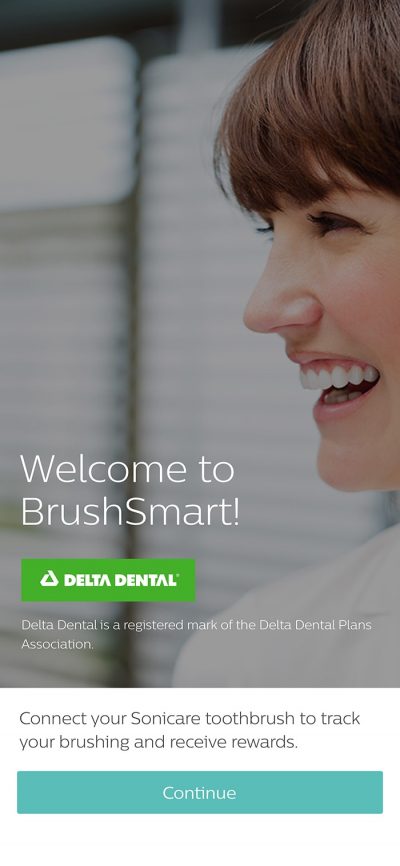
The presence of health and medicine is growing at CES, the annual conference of all-things-tech for consumers. At this week’s Show in Las Vegas, we see that the Internet of Healthy Things (a phrase coined by Dr. Joe Kvedar) has taken hold and gone mainstream in remote health monitoring, wearable tech, and heart rate tracking which is now embedded (and expected by health-seeking consumers) in wristbands. An expanding category in the Internet of Healthy Things is oral care. Let’s call this the Internet of Teeth, yet another riff on “IoT.” Of course, oral health goes well beyond teeth and toothbrushes.
“Digital Health Is An Ecosystem of Ecosystems” – CTA’s 2020 Trends to Watch Into the Data Age
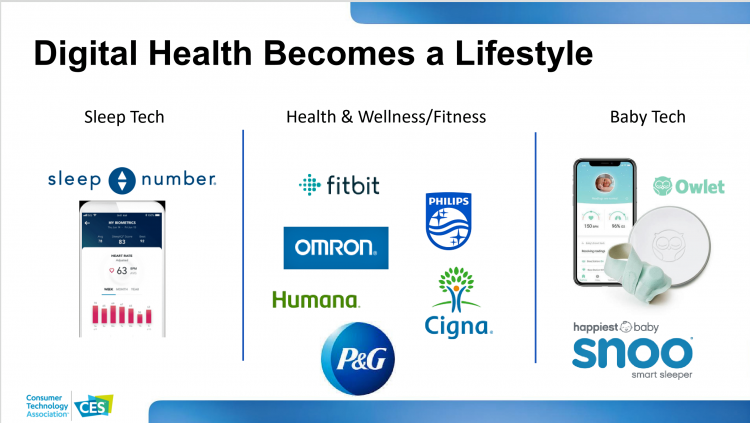
In CTA’s 2020 Consumer Tech Forecast launched yesterday at Media Day 1 at CES, Steve Koenig VP of Research, said that, “digital health is an ecosystem of ecosystems.” Health, medical and wellness trends featured large in the forecast, which brought together key trends for 5G, robotics, voice tech, AR/VR/XR, and the next iteration of IoT — which Steve said will still be called “IoT,” but in this phase will morph into the “Intelligence of Things.” That speaks to Steve’s phrase, “ecosystem of ecosystems,” because that’s not just “digital” health — that’s now the true nature of health/care, and what is
Living in Digital Healthcare Times – Kicking off #DigitalHealthCES & #CES2020
Today is Day 1 of two Media Days at #CES2020 in Las Vegas, kicking off this manic week of the Consumer Electronics Show at the Mandalay Bay convention center. For several years, I’ve convened with journalists and industry analysts from around the world for these two days before the “official” opening of CES to hear the latest news from some of the largest tech-focused companies on Earth. Announcements come from across industry sector — from automotive and transportation, telecoms, consumer goods, entertainment, social media, travel, and retail…with platform technologies playing a role including but not limited to AI, AR/VR/XR (the
What HealthyThinker Is Thinking About Health at CES 2020

Next week, the Consumer Technology Association (CTA) will convene CES, the Consumer Electronics Show, where over 180,000 tech-minded people from around the world will convene to kick the tires on new TVs, games, smart home devices, 5G connections, 3-D printing, drones, and to be sure, digital health innovations. At #CES2020, exhibitors in the health/care ecosystem will go well beyond wearable devices for tracking steps and heart rate. I’ll be meeting with wearable tech innovators along with consumer electronics companies and retailers. I’ve also scheduled get-togethers with pharma and life science folks, health plan people, and execs from consumer health companies.
The 2020 Social Determinants of Health: Connectivity, Art, Air and Love
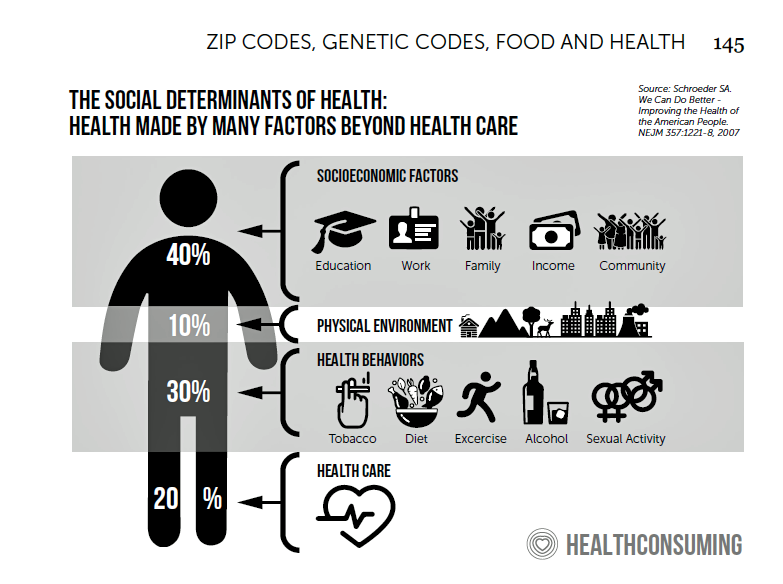
Across the U.S., the health/care ecosystem warmly embraced social determinants of health as a concept in 2019. A few of the mainstreaming-of-SDoH signposts in 2019 were: Cigna studying and focusing in on loneliness as a health and wellness risk factor Humana’s Bold Goal initiative targeting Medicare Advantage enrollees CVS building out an SDOH platform, collaborating with Unite US for the effort UPMC launching a social impact program focusing on SDoH, among other projects investing in social factors that bolster public health. As I pointed out in my 2020 Health Populi trendcast, the private sector is taking on more public health
The 2020 Health Populi TrendCast – HealthConsuming, TechLash, and Public Health Goes Private

“Having 20/20 vision does not necessarily mean you have perfect vision. 20/20 vision only indicates the sharpness or clarity of vision at a distance,” according to the American Optometric Association. An important vision skill, the AOA tells us, is “peripheral awareness or side vision” which contributes to overall visual acuity. So it is with scenario planning in health care, a key work-flow this time of the year for me with my clients spanning the health/care ecosystem from providers to payors to Big Food, electronics and tech, and financial services. In the fourth quarter each year, I’m typically occupied with scenario
In 2020, PwC Expects Consumers to Grow DIY Healthcare Muscles As Medical Prices Increase
The new year will see a “looming tsunami” of high prices in healthcare, regulation trumping health reform, more business deals reshaping the health/care industry landscape, and patients growing do-it-yourself care muscles, according to Top health industry issues of 2020: Will digital start to show an ROI from the PwC Health Research Institute. I’ve looked forward to reviewing this annual report for the past few years, and always learn something new from PwC’s team of researchers who reach out to experts spanning the industry. In this 14th year of the publication, PwC polled executives from payers, providers, and pharma/life science organizations. Internally,
Medicare Members Are Health Consumers, Too – Our AHIP Talk About Aging, Digital Immigrants, and Personalizing Health/Care
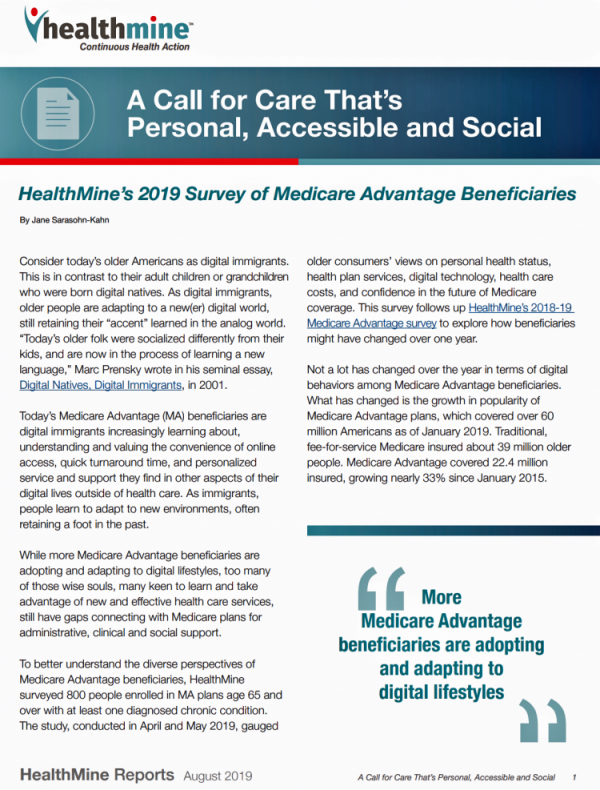
As Boomers age, they’re adopting mobile and smart technology platforms that enable people to communicate with loved ones, manage retirement investment portfolios, ask Alexa to play Frank Sinatra’s greatest hits, and manage prescription refills from the local grocery store pharmacy. Last week, the Giant Eagle grocery chain was the first pharmacy retailer to offer a new medication management skill via Alexa. That program has the potential to change our Medicare members manage meds at home to ensure better adherence, supporting better health outcomes and personal feelings of efficacy and control. [As an aside, consumers really value pharmacies embedded in grocery
Food As Medicine: Grocery Stores Expand as Health Destinations While the Federal Government Cuts Food Stamps
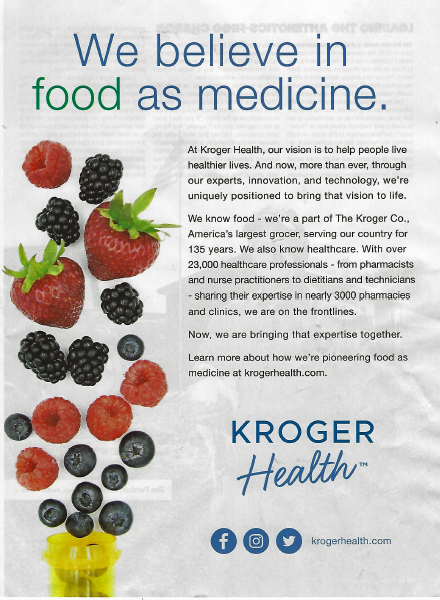
There’s something like cognitive dissonance as I prepare my 2020 Health Populi TrendCast of what to expect in the health/care ecosystem in the new year. One of my key pillars for health-making is food-as-medicine, and that opportunity in this moment resonates in this holiday season with Dickens’ “Best of Times, Worst of Times” context-setting that kicks off Great Expectations. In the “best of times” part of the food+health equation, we recognize the growing role of grocery stores, food-tech and food manufacturers in the health/care landscape. A current example comes from Kroger, partnering with Ascension’s health system in Tennessee, enhancing the organization’s
The Patient As Payor: Workers Covered by Employer Health Insurance Spend 11.5% of Household Incomes on Premiums and Deductibles
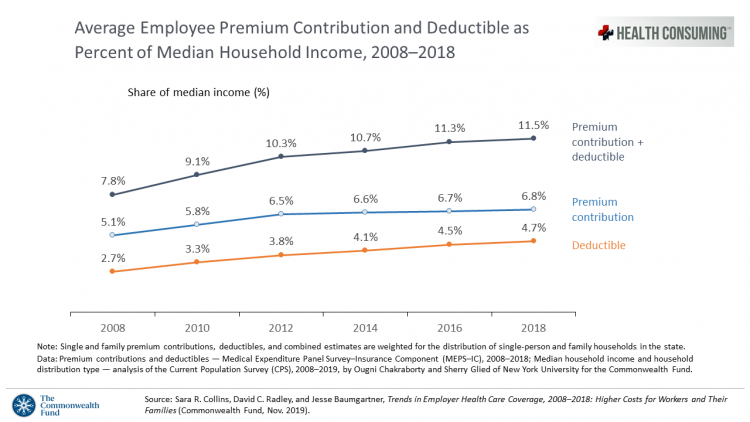
Workers covered by health insurance through their companies spend 11.5% of their household income on health insurance premiums and deductibles based on The Commonwealth Fund’s latest report on employee health care costs, Trends in Employer Health Coverage, 2008-2018: Higher Costs for Workers and Their Families. The topline of this study is that average annual growth in employer premiums rose faster between 2016 and 2017, by about 5% for both single and family plans. The bottom line for families is that workers’ premium payments grew faster than median incomes did over the ten years 2008 to 2018. Average deductibles also outpaced
Being Transparent About Healthcare Transparency – My Post on the Medecision Blog
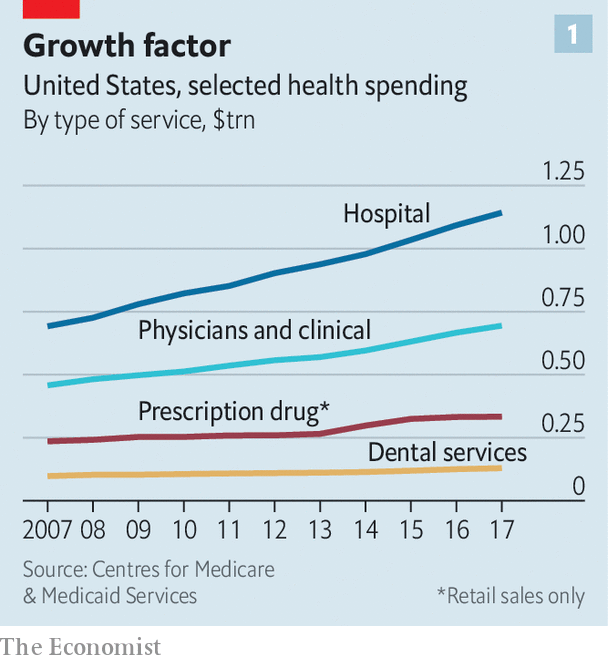
With new rules emanating from the White House this month focusing on health care price transparency, health care costs are in the spotlight at the Centers for Medicare and Medicaid Services. A hospital transparency mandate will go into effect in January 2021 as a final rule, and a second rule with a focus on health plans and friendly explanations-of-benefits will receive comments in the Federal Register until January 14, 2020. As patients continue to grow muscles as payors and health consumers, transparency is one key to enabling people to “shop” for those health care and medical products and services that
Despite Greater Digital Health Engagement, Americans Have Worse Health and Financial Outcomes Than Other Nations’ Health Citizens
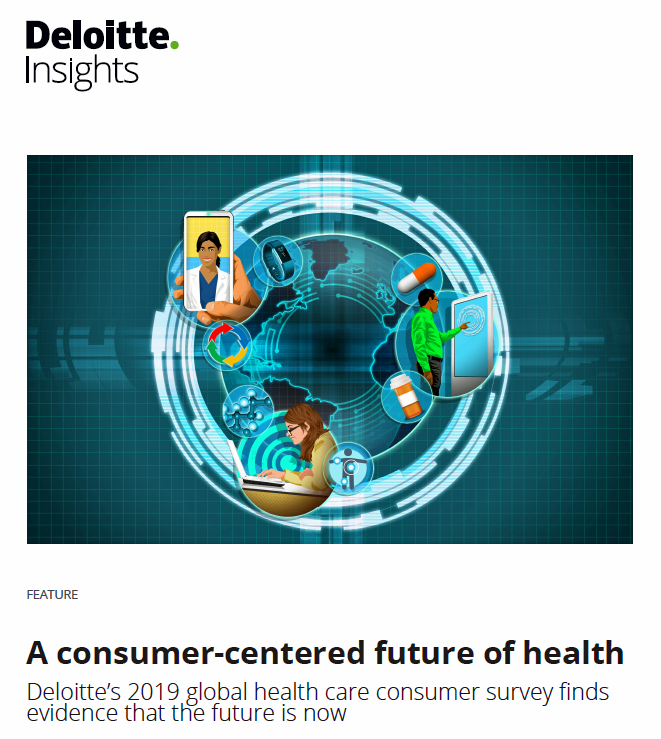
The idea of health care consumerism isn’t just an American discussion, Deloitte points out in its 2019 global survey of healthcare consumers report, A consumer-centered future of health. The driving forces shaping health and health care around the world are re-shaping health care financing and delivery around the world, and especially considering the growing role of patients in self-care — in terms of financing, clinical decision making and care-flows. With that said, Americans tend to be more healthcare-engaged than peer patients in Australia, Canada, Denmark, Germany, the Netherlands, Singapore, and the United Kingdom, Deloitte’s poll found. Some of the key behaviors
Hospitals Suffer Decline in Consumer Satisfaction

While customer satisfaction with health insurance plans slightly increased between 2018 and 2019, patient satisfaction with hospitals fell in all three settings where care is delivered — inpatient, outpatient, and the emergency room, according to the 2018-2019 ACSI Finance, Insurance and Health Care Report. ACSI polls about 300,000 U.S. consumers each year to gauge satisfaction with over 400 companies in 46 industries. For historic trends, you can check out my coverage of the 2014 version of this study here in Health Populi. The 2019 ACSI report bundles finance/banks, insurance (property/casualty, life and health) and hospitals together in one document. Health
Longevity Stalls Around the World And Wealth, More Concentrated

Two separate and new OECD reports, updating health and the global economic outlook, raise two issues that are inter-related: that gains in longevity are stalling, with chronic illnesses and mental ill health affecting more people; and, as wealth grows more concentrated among the wealthy, the economic outlook around most of the world is also slowing. First, we’ll mine the Health at a Glance 2019 annual report covering data on population health, health system performance, and medical spending across OECD countries. The first chart arrays the x-y data points of life expectancy versus health spending for each of the OECD countries
Social Determinants of Health – My Early Childhood Education and Recent Learnings, Shared at the HealthXL Global Gathering
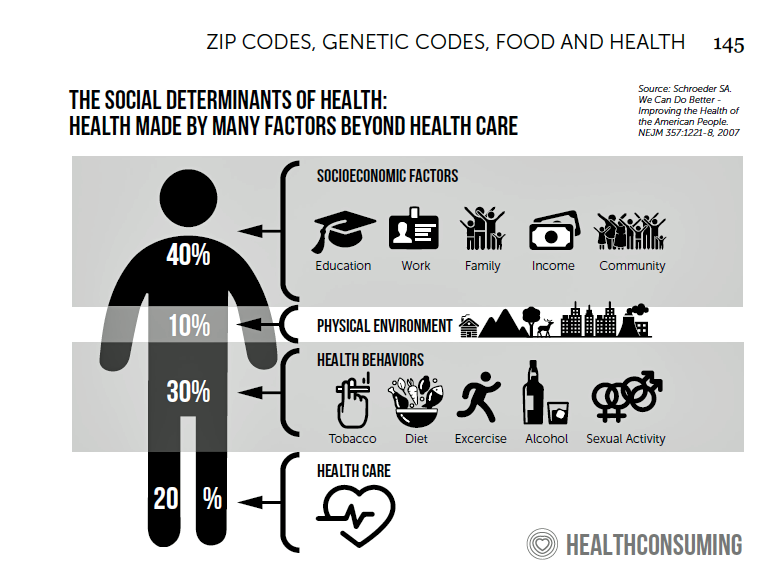
My cousin Arlene got married in Detroit at the classic Book Cadillac Hotel on July 23, 1967, a Sunday afternoon wedding. When Daddy drove us back out to our suburban home about 30 minutes from the fancy hotel, the car radio was tuned to WWJ Newsradio 950, all news all the time. As soon as Daddy switched on the radio, we were shocked by the news of a riot breaking out in the city, fires and looting and gunshots and chaos in the Motor City. Two days later, my father, who did business with Mom-and-Pop retail store owners in the
More Evidence of Self-Rationing as Patients Morph into Healthcare Payors

Several new studies reveal that more patients are feeling and living out their role as health care payors as medical spending vies with other household line items. This role of patient-as-the-payor crosses consumers’ ages and demographics, and is heating up health care as the top political issue for the 2020 elections at both Federal and State levels. In research from HealthPocket, 2 in 5 Americans said they needed to reduce other household expenses to be able to afford their monthly insurance premiums. Four in ten consumers said their monthly health insurance premiums were increasing. One in four people in the
Most Health Consumers Expect Technology To Play a Larger Role As Tech-Angst & Privacy Concerns Grow

As technology continues to re-shape consumers’ experiences and expectations with health/care, retail, travel and work, peoples’ concerns about data privacy are also growing as observed by a 2020 consumer trends forecast from GlobalWebIndex, Connecting the dots. First, some overall context to the study. GlobalWebIndex “connects the dots” of consumers trends in 2020 including the topics shown in the first graphic including commerce and retail, gaming, travel, human touch, nostalgia, privacy and digital health — the first of these trends discussed in the report. Note that the data discussed in this post include responses from consumers residing in both the U.S.
Art As Medicine – WHO Weaves the Evidence for Arts’ Role in Improving Health

“What’s the evidence on the role of the arts in improving health and well-being?” asks a report from the World Health Organization‘s Europe region team (WHO-Europe). There’s a lot of proof supporting arts-as-medicine, WHO details in this paper, which synthesizes research published in over 3,000 studies. The first chart illustrates the logic model that bridges arts to health in three segments: “Components” of arts programs, including but not limited to cognitive stimulation (e.g., learning a new arts skill such as painting, drawing or journaling), social interaction (e.g., participating in theatre), physical activity (e.g., dance), and evocation of emotion (e.g., listening
Will Technology Cure Americans’ Health Care System Ills? Considering Google and Ascension Health’s Data Deal

“Google’s ‘Project Nightingale’ Gathers Personal Health Data on Millions of Americans,” the Wall Street Journal reported in today’s paper and on the WSJ.com website. The story started with the scenario that, “Search giant is amassing health records from Ascension facilities in 21 states; patients not yet informed.” Here’s Ascension’s press release on the collaboration, described in the title as “healthcare transformation.” Note: this release was written after the Wall Street Journal published this story. And, according to the WSJ reporting, “Neither patients nor doctors have been notified. At least 150 Google employees already have access to much of the data
A Tale of Two Americas as Told by the 2019 OECD Report on Health

It was the best of times, It was the worst of times, It was the age of wisdom, it was the age of foolishness, It was the epoch of belief, it was the epoch of incredulity, … starts Dickens’ Tale of Two Cities. That’s what came to my mind when reading the latest global health report from the OECD, Health at a Glance 2019, which compares the United States to other nations’ health care outcomes, risk factors, access metrics, and spending. Some trends are consistent across the wealthiest countries of the world, many sobering, such as: Life expectancy rates fell in 19 of the
The Link Between Wellness & Wealth Is Powerful for Everyone – and Especially Women

In the U.S., the link between wellness and wealth, money and health, is strong and common across people, young and old. But the impacts of money on health, well-being, and life choices varies across the ages, based on a study from Lively, a company that builds platforms for health savings accounts. The first chart illustrates that health care costs challenge people in many ways: the most obvious health care cost problems prevent people from saving more for retirement or paying down debt. Eight in 10 Americans concur that rising health care costs challenge their ability to save for retirement. Beyond the
Great Expectations for Health Care: Patients Look for Consumer Experience and Trust in Salesforce’s Latest Research

On the demand side of U.S. health care economics, patients are now payors as health consumers with more financial skin in paying medical bills. As consumers, people have great expectations from the organizations on the supply side of health care — providers (hospitals and doctors), health insurance plans, pharma and medical device companies. But as payors, health consumers face challenges in getting care, so great expectations are met with frustration and eroding trust with the system, according to the latest Connected Healthcare Consumer report from Salesforce published today as the company announced expansion of their health cloud capabilities. This is
Thinking About Health Care One Year From the 2020 Presidential Election

Today is 4th November 2019, exactly one year to the day that Americans can express their political will and cast their vote for President of the United States. Health care will be a key issue driving people to their local polling places, so it’s an opportune moment to take the temperature on U.S. voters’ perspectives on healthcare reform. This post looks at three current polls to gauge how Americans are feeling about health care reform 365 days before the 2020 election, and one day before tomorrow’s 2019 municipal and state elections. Today’s Financial Times features a poll that found two-thirds
Most Consumers Are Interested in Using a Voice Assistant for Some Type of Health Care
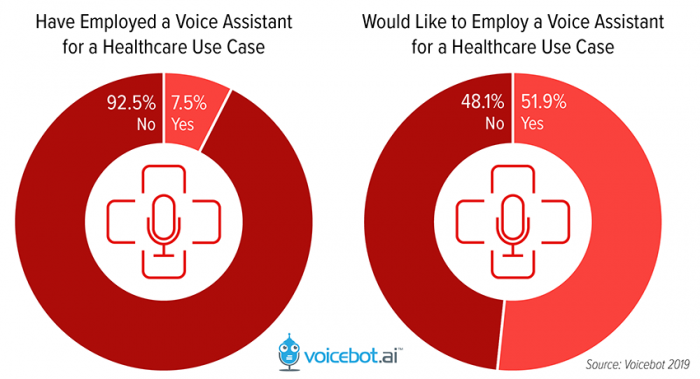
While 75 million people in the U.S. have a smart speaker at home, only 1 in 13 Americans have used a voice assistant like Alexa or Google Assistant for health care. But over one-half of consumers would like to access a voice assistant for some aspect of their health care, according to a study from Orbita and Voicebot, Voice Assistant Consumer Adoption in Healthcare. The study polled 1,004 U.S. adults 18 and over in September 2019. In 2019, few health care providers have adopted voice assistants into their workflows. The report calls out one big barrier to early adoption especially
A Health Future with Lyft and Uber as Patient Data Stewards: Rock Health’s 2019 Consumer Survey
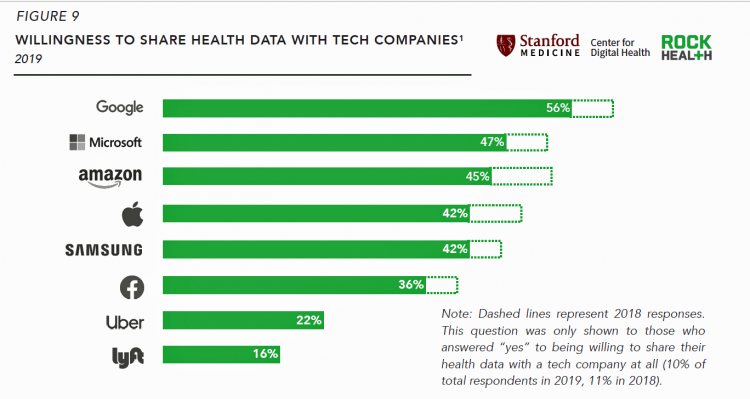
Patients searching online for health information and health care provider reviews is mainstream in 2019. Digital health tracking is now adopted by 4 in 10 U.S. consumers. Rock Health’s Digital Health Consumer Adoption Report for 2019 was developed in collaboration with the Stanford Medicine Center for Digital Health. Rock Health’s research has tracked peoples’ use of telemedicine, wearable technology, digital health tracking, and online health information since 2015, and the results this round show relative flattening of adoption across these various tools. Rock Health’s top-line findings were that: Patient-generated health data creates opportunity, and potential challenges Online health information is
Will Consumers Cross the Cost-and-Trust Chasm Between Prescription Drugs and Hospitals?
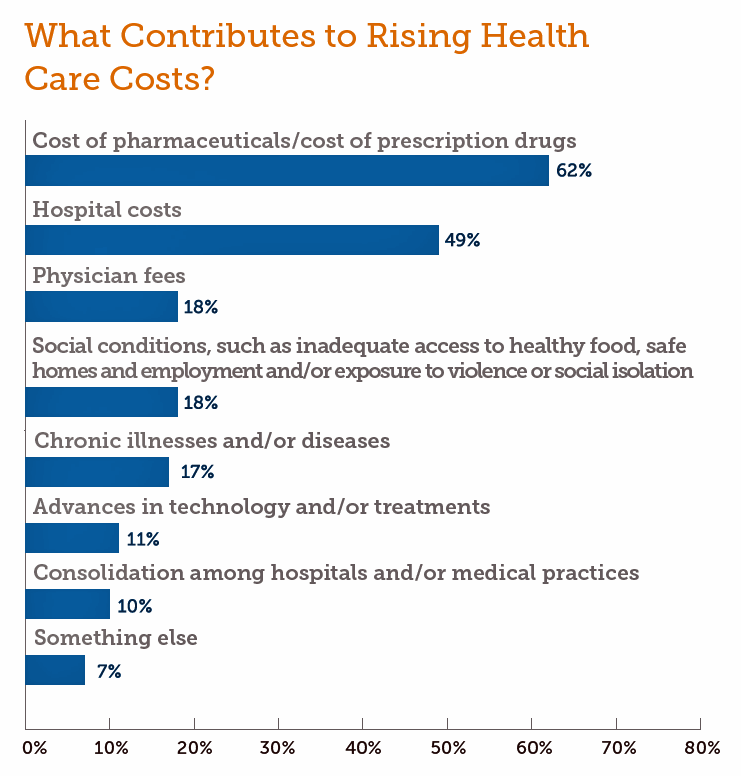
People in the U.S. rank prescription drugs, lab tests, emergency room visits, dental and vision care, preventive services, chronic disease management and mental health care as the “most essential” health care services, according to the 2019 Survey of America’s Patients conducted by The Physicians Foundation. When asked what factors contribute to rising health care costs in America, most consumers cite the cost of prescription drugs. Taken together, these two data points demonstrate the potent political import of prescription drug prices as the U.S. approaches the 2020 Presidential election. The Physicians Foundation surveyed 2,001 U.S. adults between 27 and 75 years
While Costs Are A Top Concern Among Most U.S. Patients, So Are Challenges of Poverty, Food, and Housing
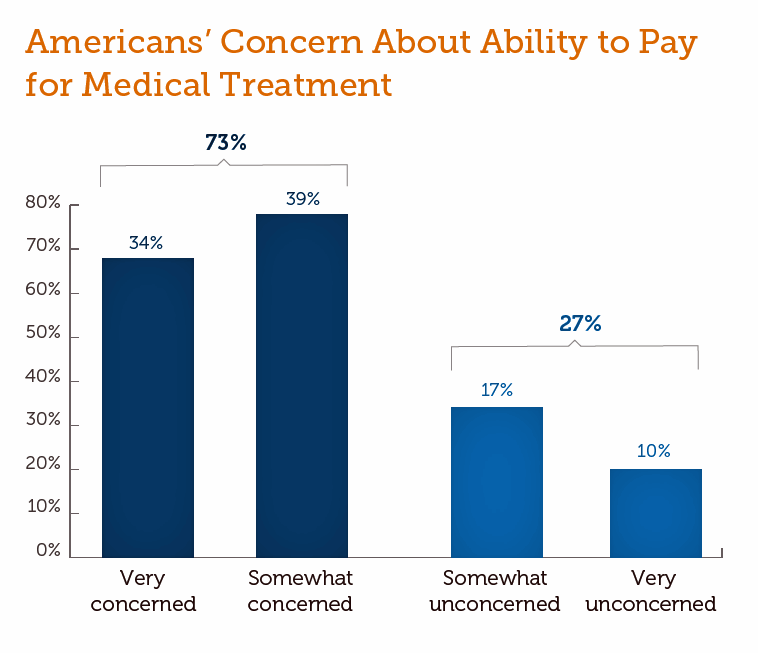
Rising health care costs continue to concern most Americans, with one in two people believing they’re one sickness away from getting into financial trouble, according to the 2019 Survey of America’s Patients conducted for The Physicians Foundation. In addition to paying for “my” medical bills, most people in the U.S. also say that income inequality and inadequate social services significantly contribute to high medical spending for every health citizen in the nation. The Physicians Foundation conducts this study into Americans’ views on the U.S. health care system every other year. This year’s poll was conducted in September 2019 and included input
Making Health Care Better, from the N of 1 to the Public’s Health – Trend-Weaving Medecision Liberation 2019
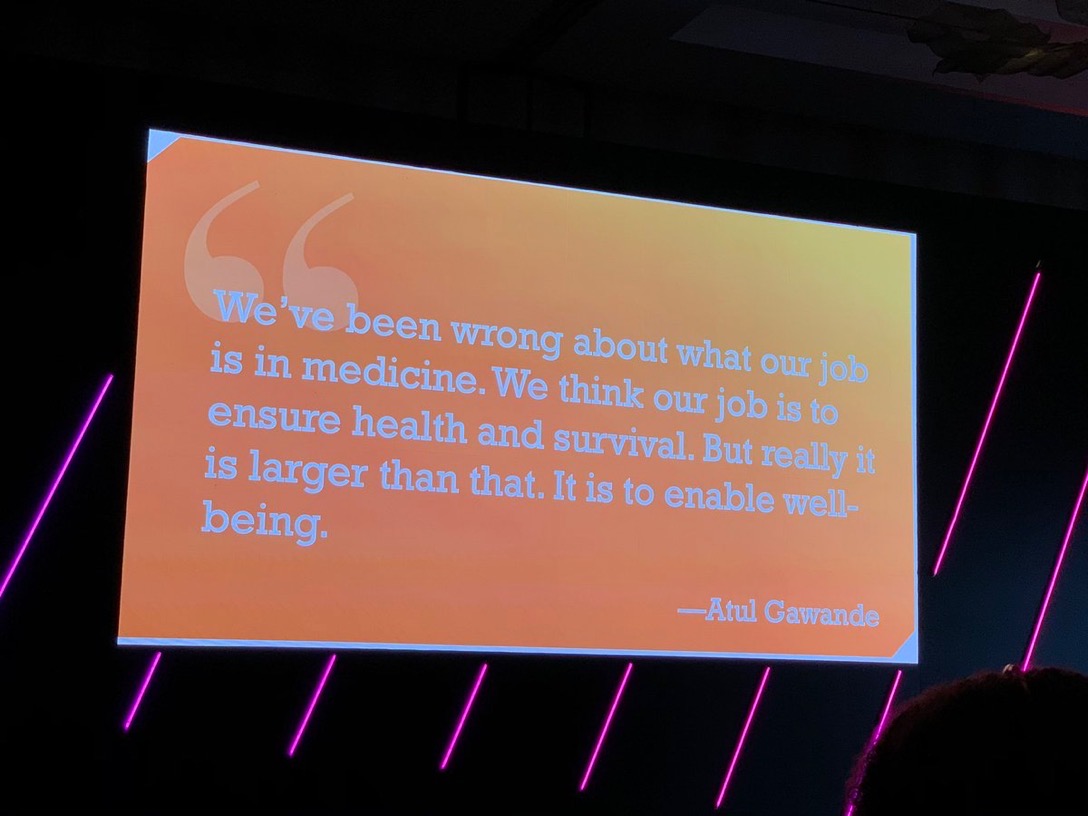
Health and our health information are deeply personal. Changing health care and inspiring positive health behaviors is hard to do. But we must and we will, a group of inspiring and inspired people who work across the health/care ecosystem affirmed this week in Dallas at the conference of Medecision Liberation 2019. I was engaged at this conference to wear several hats — as a keynote speaker, a sort of “emcee,” and, finally, to trend-weave the many talks and discussions happening throughout the meeting. This post is my synthesis of the summary I delivered live at the end of the conference,
Learning from Dr. Eric Topol, Live from Medecision Liberation 2019
“Bold thinking is great. Bold doing is better,” Dr. Eric Topol introduced his talk yesterday at Medecision’s Liberation 2019 conference. I have the opportunity, for which I’m so grateful, of not only attending this meeting but playing a role as a speaker, a sometimes stage “emcee,” and a keynote speaker. And as an attendee, I learn so much from other speakers, fellow attendees, and Medecision staff all sharing perspectives during breakouts and networking breaks. In mode of attendee (and self-confessed collegial-groupie of Dr. Topol’s), I took in his remarks taking notes as fast as I could thanks to Mom teaching
Americans’ Top Sources of Stress are Money, Money, Money and Family
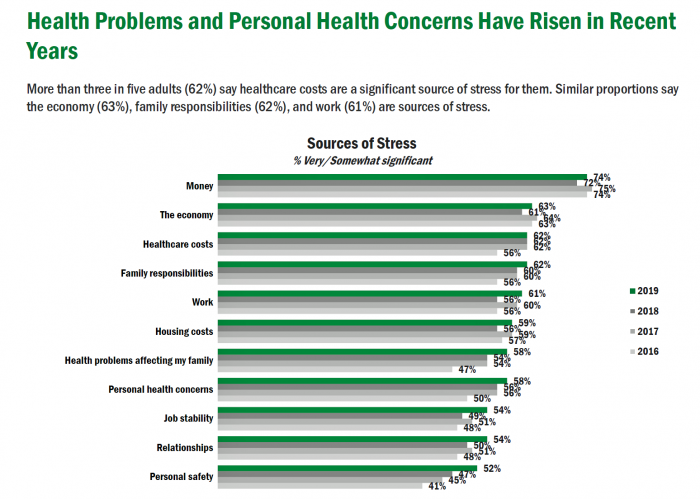
ABBA sang the song “Money Money Money” back in 1976. The lyrics feel, sadly, spot-on when thinking about health care costs, job-lock and Americans’ home economics in 2019. “Work all night, I work all day, to pay the bills I have to pay Ain’t it sad And still there never seems to be a single penny left for me That’s too bad… Money, money, money must be funny In the rich man’s world.” That year, ’76, wasn’t just the U.S. bicentennial — it was a year when the U.S. allocated 8.6% of the nation’s Gross Domestic Product for health care.
Listening to Osler Listening to the Patient – Liberating Health Care at Medecision Liberation 2019
“Listen to your patient; he is telling you the diagnosis,” Dr. William Osler is quoted to have said around the turn of the 20th century. Dr. Osler had been a strong advocate for the physician-patient conversation to inform the doctor’s diagnostic acumen and improve patient outcomes. This year is the centennial of Dr. Osler’s passing, so it’s especially timely that I introduce this post with his legendary assertion in the context of kicking off the 2019 Medecision Liberation conference. This meeting convenes the company’s clients, partners, and staff to share best practices, spark insights and learnings, and enable networking between
How a Razor Bolsters Health, Wellness and Love for Caregiving
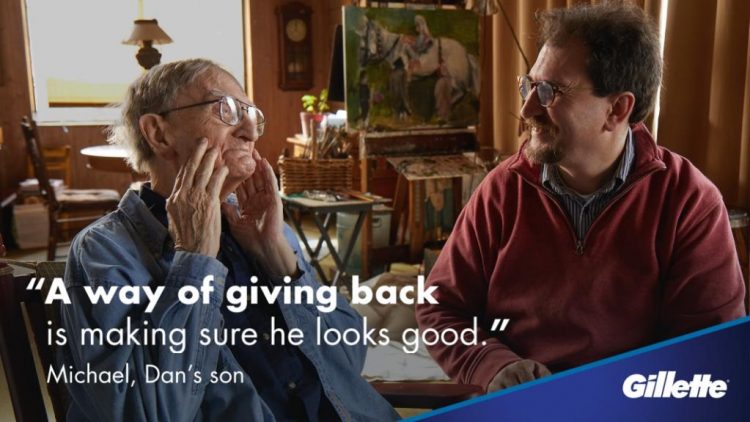
The market for caregiving is growing and the business community has, finally, begun to pay attention. The Washington Post referred to this market as a “gold rush” to design smart shoes, custom razors and technology for the “over-65 crowd.” Caregiving in the U.S., the seminal report from AARP, estimated that 43,5 million adults in the U.S. had provided unpaid care to an adult or child in the past year, about one in five people being caregivers. Over half of caregivers are women, and are about 49 years of age on average. Caregivers spent over 24 hours a week providing care go
Most People Want Technology to Play a Bigger Role in Their Health Care, ResMed Finds
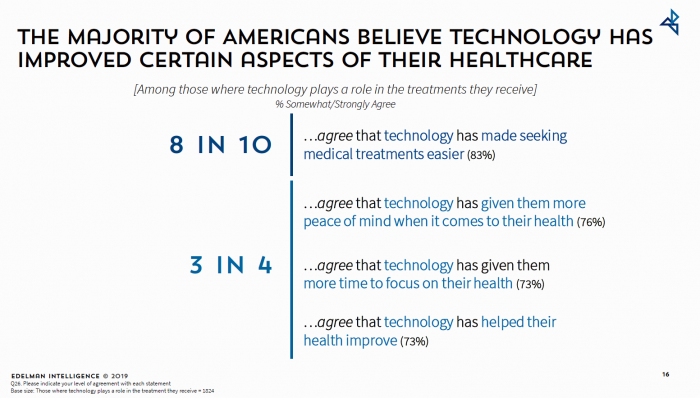
Americans face high costs and hassle factors in health care. But more people are taking care into their own hands, and welcome a growing role for technology to play in enabling self-care, supporting prevention, and improving treatment of diagnosed conditions, according to The Future of Connected Health, a consumer survey from ResMed. For this research, ResMed interviewed 3,001 U.S. adults in June 2019, asking people to share perspectives on their health care experiences, the role of technology in healthcare, and devices they’d use to manage their care. Most Americans feel it should be easier to find the medical care that
Health Consumer Behaviors in the U.S. Stall, Alegeus Finds in the 2019 Index
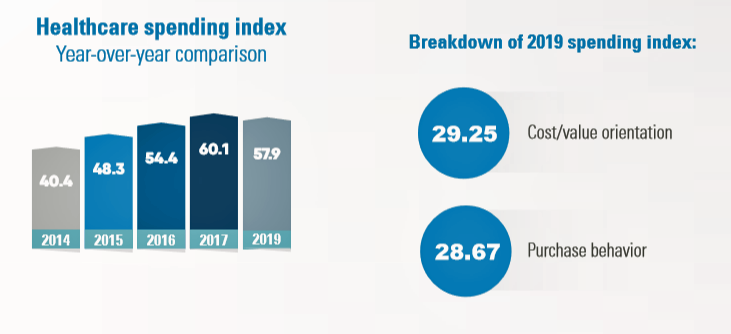
In the U.S., the theory of and rationale behind consumer-directed health has been that if you give a patient more financial skin-in-the-game — that is, to compel people to spend more out-of-pocket on health care — you will motivate that patient to don the hat of a consumer — to mindfully research, shop around, and purchase health care in a rational way, benefit from lower-cost and high-quality healthcare services. For years, Alegeus found that patients were indeed growing those consumer health muscles to save and shop for health care. In 2019, it appears that patients have backslid, according to the
Patients Growing Health Consumer Muscles Expect Digital Services
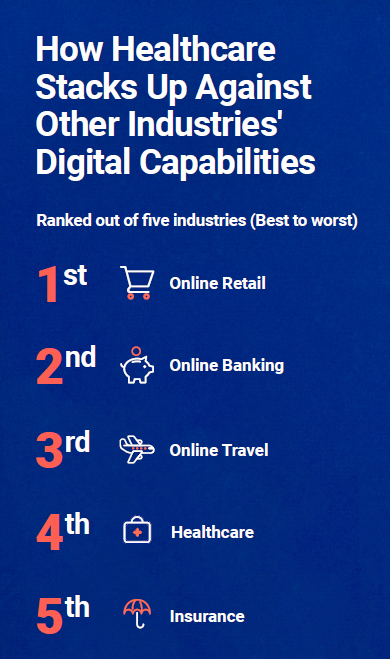
Patients’ experiences with the health care industry fall short of their interactions with other industries — namely online retail, online banking and online travel, a new survey from Cedar, a payments company, learned. Survata conducted the study for Cedar among 1,607 online U.S. consumers age 18 and over in August and September 2019. These study respondents had also visited a doctor or hospital and paid a medical bill in the past year. One-third of these patients had a health care bill go to collections in the past year, according to Cedar’s 2019 U.S. Healthcare Consumer Experience Study. Among those people
What the 2019 Nobel Prize Winners in Economics Teach Us About Health

The three winners of the 2019 Nobel Prize for Economics — Banerjee and Duflo (both of MIT) and Kremer (working at Harvard) — were recognized for their work on alleviating global poverty.” “Over 700 million people still subsist on extremely low incomes. Every year, five million children still die before their fifth birthday, often from diseases that could be prevented or cured with relatively cheap and simple treatments,” The Nobel Prize website notes. To respond to this audaciously huge challenge, Banerjee, Duflo and Kremer asked quite specific, granular questions that have since shaped the field of development economics — now
There Is No Health Without Mental Health – Today Is World Mental Health Day
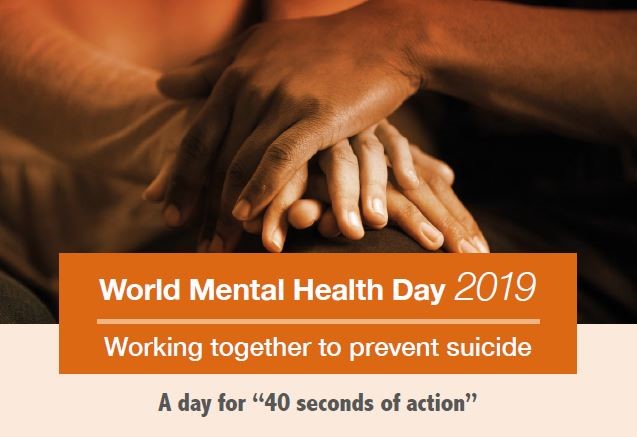
There is no health without mental health. Every 40 seconds, someone loses their life to suicide. So #LetsTalk (the Twitter hashtag to share stories and research and support on the social feed). Today is October 10th, World Mental Health Day. As we go about our lives today and truly every day, we should be mindful that mental health is all about each of us individually, and all of us in our communities and in the world. First, let’s hear from Prince Harry and Ed Sheeran (who, video spoiler alert, decides to pivot his lyrics to a draft song titled “Gingers
Wasted: $1 of Every $4 Spent on Health Care In America
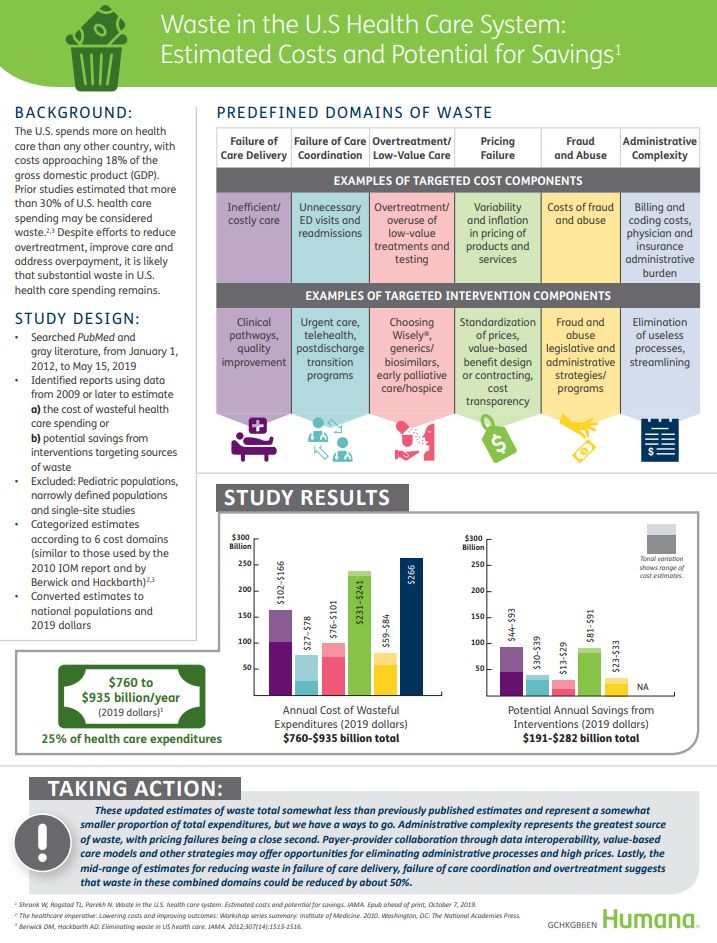
A study in JAMA published this week analyzed research reports that have measured waste in the U.S. health care system, calculating that 25% of medical spending in America is wasted. If spending is gauged at $3.8 trillion, waste amounts to nearly $1 trillion. If spending is 18% of the American gross domestic product (GDP), then some 4.5% of the U.S. economy is wasted spending by the health care system and its stakeholders. In “Waste in the US Health Care System,” a team from Humana and the Univrsity of Pittsburgh recalibrated the previous finding of 30% of wasted spending to the 25%,
The Hospital CFO in the Anxiety Economy – My Talk at Cerner’s Now/Next Conference
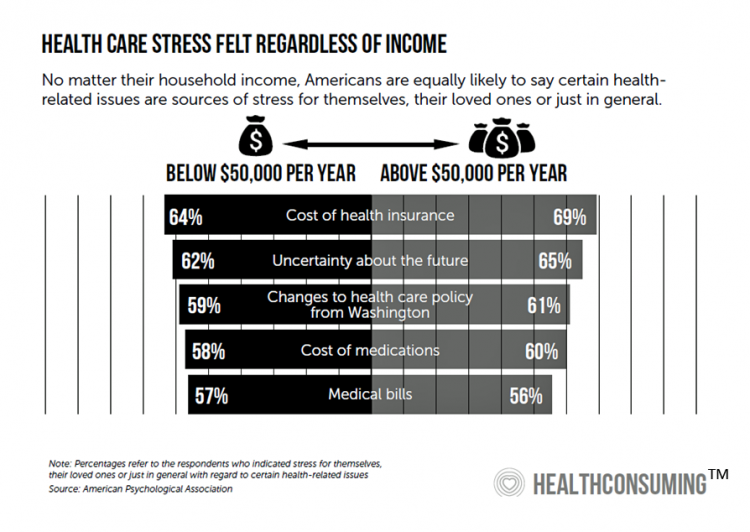
As patients have taken on more financial responsibility for first-dollar costs in high-deductible health plans and medical bills, hospitals and health care providers face growing fiscal pressures for late payments and bad debt. Those financial pressures are on both sides of the health care payment transaction, stressing patients-as-payors and health care financial managers alike. I’m speaking to health industry stakeholders on patients-as-payors at Cerner’s Now/Next conference today about the patient-as-payor, a person primed for engagement. That’s as in “Amazon-Primed,” which patients in their consumer lives now use as their retail experience benchmark. But consumers-as-patients don’t feel like health care today
The New Health/Care is Patient-Led, Retail-Enabled – The GMDC Self-Care Summit
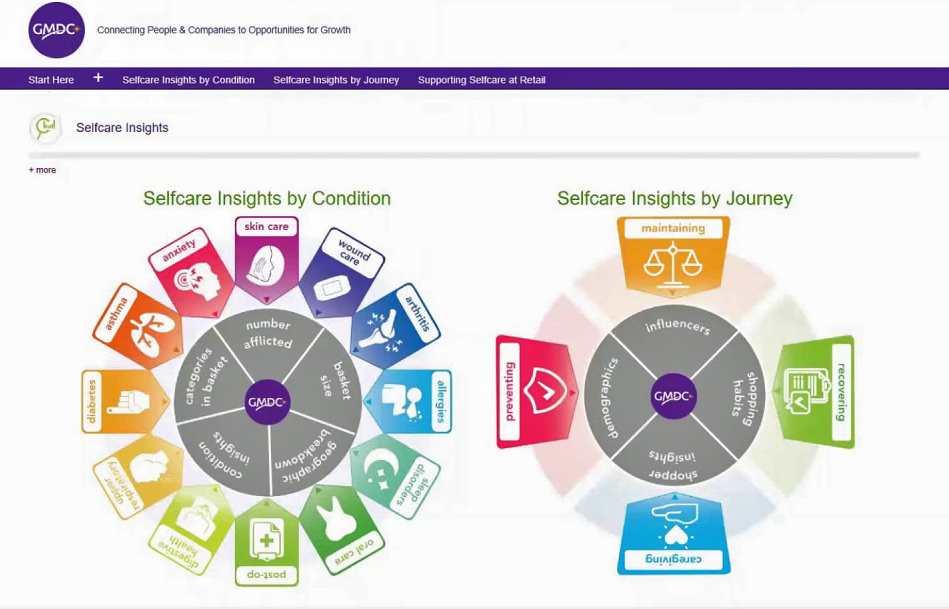
SelfCare is health/care, particularly as patients, everyday people, take on greater responsibility for clinical decisions and paying for medical services. We’re convening today through Sunday in Indianapolis with GMDC, the Global Market Development Center and Retail Tomorrow to brainstorm the current and future prospects for SelfCare, health and wellness in the hands, hearts, and homes of consumers. To bolster the message and engage with industry stakeholders, GMDC collaborated with the Hamacher Resource Group to develop a SelfCare Roadmap, an interactive tool that provides insights into twelve conditions where consumers typically looking to DIY their health using over-the-counter medicines, supplies and
The Promise of Telehealth for Older People – the U-M National Poll on Healthy Aging
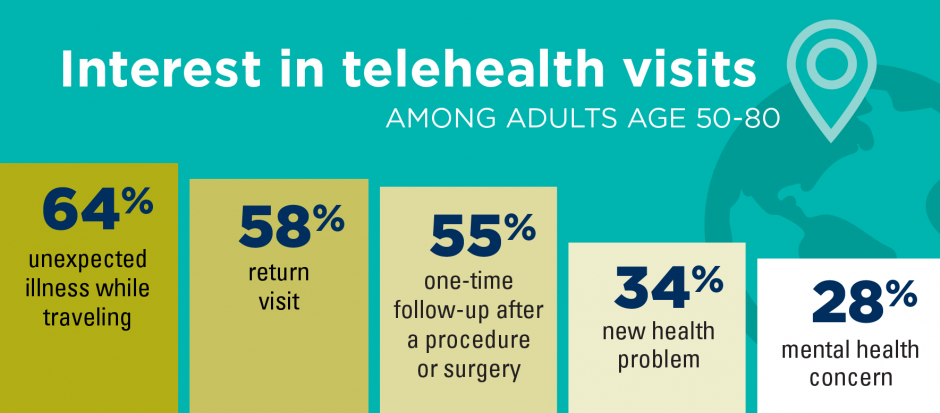
Older people are re-framing their personal images and definitions of aging, from continuing to work past typical retirement age, Skyping and texting with grandchildren, and traveling to destinations well beyond the “snowbird” locales of Florida and Arizona to more active and often charitable/volunteer situations in developing economies. And so, too, are older folks re-imagining how and where their health care services could be delivered and consumed. Most people over 50 years of age are cautious but open to receiving health care virtually via telehealth platforms, according to the National Poll on Healthy Aging from my alma mater, the University of Michigan. U-M’s
Health @ Retail – Prelude to GMDC SelfCare Summit with Updates from Hims & Hers, GoodRx, Sam’s Club and Amazon Care
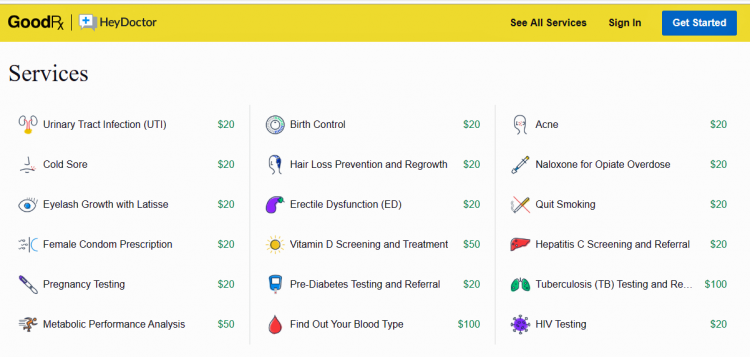
“We knew millions of people weren’t getting the care they needed — they were either too embarrassed to seek help or felt stuck in a system that was confusing and intimidating. Digital health has the potential to radically change the way people approach their wellness and, since launching in 2017, we’ve outpaced even our own expectations, delivering more than 1 million Hims & Hers products to our customers. In collaboration with highly-qualified doctors and healthcare providers, we’ve built a digital health platform that is changing the way people talk about and receive the care they need.” That’s a verbatim paragraph
How Can Patients Be Health Consumers in an Un-Transparent World?

That question in the title of this post is begged in the annual 2019 consumer survey released this week from UnitedHealthcare (UHC). UHC gauges peoples’ views on health care, insurance, and costs in its yearly research. This year, transparency and health literacy challenges top the findings. When the three in ten folks do shop, four in ten people used the internet or mobile apps to do so — a dramatic increase from 2012. Shopping is most commonly done among Millennials, one-half of whom shop for health care services. Of people who have used digital tools for health care shopping, 8
“It’s the Deductible, Stupid” – Health Premiums Reach $20,576 in 2019 for a Family
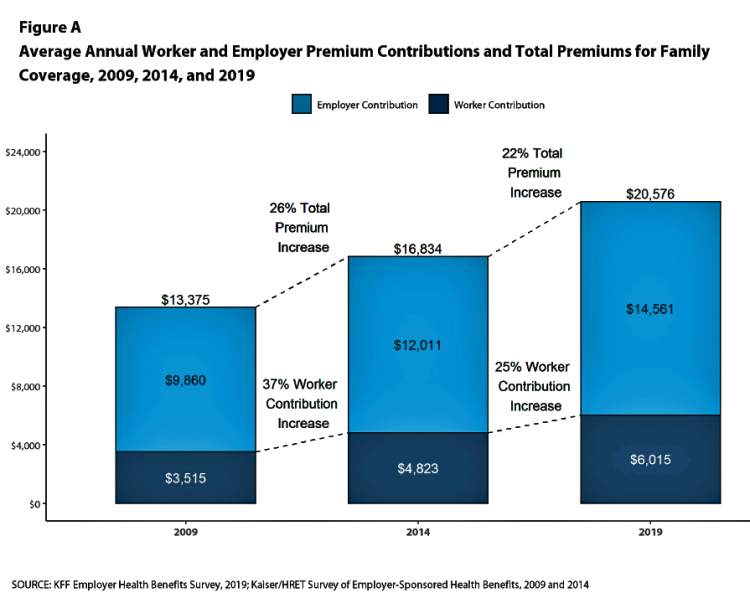
Here’s the latest arithmetic on American workers’ financial trade-off of wages for health care insurance coverage: in the ten years since 2009, family premiums have risen 54% and workers’ contribution to health care spending grew 71%. Wages? They rose 26%, and general price inflation by 20%, according to the Kaiser Family Foundation survey on employer-sponsored benefits for 2019 released yesterday. Survey details for this 21st annual encyclopedia on employer-sponsored health care are published in Health Affairs October 2019 issue in a paper titled, Health Benefits in 2019: Premiums Inch Higher, Employers Respond to Federal Policy. Because this
The Rise of Social Determinants of Health in Healthcare is Just Real Life Stuff for People, Patients, Consumers

Based on the influx of research studies and position papers on social determinants of health flowing into my email box and Google Alerts, I can say we’re past the inflection point where SDoH is embraced by hospitals, professional societies, health plans and even a couple of pioneering pharma companies. PwC published a well-researched global-reaching report this week appropriately titled, Action required: The urgency of addressing social determinants of health. The “wheel of determinants” illustrates potential partners for collaborating in communities to address SDoH factors. The collaborators include governments, health care providers, payors, life science and pharma, tech and telecomms, policy
Worrying About Paying for Health Care Is the Norm in America

Among stresses facing people at least 50 years of age, health care costs rank top of mind compared with other issues like long-term care, health insurance, Social Security, taxes, and being read to retire. Worries about health care costs are particularly stressful among future retirees, 8 of 10 of whom share this top concern along with 7 in 10 recent retirees and 6 in 10 people retired for at least a decade. Health care stress cuts in two ways: most people are worried about paying for health care, as well as experienced an unanticipated decline in their health, according to
Worrying About Possible Recession Compels Health Consumers to Seek Less Care

Four in ten U.S. patients said the state of the economy changes how often they seek health care, according to a new study from TransUnion, the credit agency that operates in the health care finance space. Nearly two-thirds of patients said that knowing their out-of-pocket expenses in advance of receiving health care services influenced the likelihood of their seeking care. Given reports from mass media, business press and regional Federal Reserve press releases, the short-to-midterm economic outlook may be softening, which is the signal that TransUnion is receiving in this health consumer poll. The other side of this personal health
Thinking About Isaiah, User-Centered Design, and Healthcare – Heard at Health 2.0
Turning 13, “we’re an unruly teenager on our hands now,” Matthew Holt invoked the start of the annual Health 2.0 Conference, convening this week in Santa Clara for its 13th year in existence. Started with Co-Founder Indu Subaiya, Health 2.0 was conceived as a “movement,” Matthew explained. “When (we were) younger, we broke some things.” Indu continued on that riff, “we’re breaking barriers now (that) we are older, and it’s time to raise the bar.” In the yin-and-yang riffing style that is the brand of this duo, Matthew continued in that vein of “breaking things,” invoking a metaphor of storming
Prelude to Health 2.0 2019: Thinking Consumers At the Center of Digital Health Transformation
“Digital transformation” is the corporate strategy flavor of the moment across industries, and the health are sector isn’t immune from the trend. As this 13th year of the annual Health 2.0 Conference kicks off this week, I’m focused on finding digital health innovations that engage people — consumers, caregivers, patients, health citizens all. This year’s conference will convene thought leaders across a range of themes, and as is the Health 2.0 modus operandi, live demo’s of new-new things. As Health 2.0 kicks off today in pre-conference sessions, there is useful context described in a new report from the American Hospital
Most U.S. Voters Support Building on the ACA, Not Medicare For All, As Fewer Americans Have Insurance Coverage

The vast majority of Americans favor lowering the cost of prescriptions, keeping the Affordable Care Act’s provisions to cover pre-existing conditions, lower overall medical costs, and protect people from surprise medical bills, according to the KFF Health Tracking Poll – September 2019: Health Care Policy In Congress And On The Campaign Trail. The big headline in this poll following last night’s third Democratic Presidential debate is that 55% of Democrats and Democrat-leaning Independent voters prefer a candidate that will build on the Affordable Care Act (ACA) versus a President that would replace the ACA with a Medicare For All plan (M4A).
Phone Calls, Social Plans, and Entertainment As Prescriptions for Older Peoples’ Loneliness

Loneliness is a killer, a health risk factor that’s been equated to smoking 15 cigarettes a day. There’s a Loneliness Epidemic in America, according to the Health Resources & Services Administration, part of the U.S. Department of Health and Human Services. HRSA’s infographic here tells us that there’s a 45% greater risk of mortality among older people who feel lonely. Given that millions of seniors in the U.S. feel lonely on a regular basis, that translates into a huge risk of death for so many older people who feel disconnected from others. “As a force in shaping our health, medical
Why Humana Joined CTA – The Pivot from “Health Insurance” to Behaving as a Health-Tech Start-Up

“Every company is a tech company,” Christopher Mimms asserted in the Wall Street Journal in December 2018. Connectivity, artificial intelligence, and automation are now competencies every company must master, Mimms explains. This ethos underpins Humana’s decision to join CTA, the Consumer Technology Association which hosts CES every January in Las Vegas. If you read this blog, you know one of the fastest-growing “aisles” at the annual conference is digital health. Humana joined up with CTA’s Health and Fitness Technology Division this month. Last year, Humana hired Heather Cox in the new post of Chief Digital Health and Analytics Officer, reporting directly
Health Consumers Expect Healthcare to be Digital (and Secure), Philips Future Health Index Finds

Health care system financing, delivery, and workflows widely vary across nations around the world. Philips surveyed health care professionals and consumers living in 15 countries, from North America to Asia, and found that these health systems share one over-arching objective: to provide quality care with improved experiences for both patients and healthcare professionals. Being Philips, what underpins that quality and experience is technology; Philips explored telehealth, AI, digital health records (DHRs), and other digital health tools that can engage patients. Philips published results from this global study in The Future Health Index 2019, themed “Transforming healthcare experiences, exploring the impact
How Whirlpool’s #CareCounts Campaign Bolsters a Key Social Determinant of Health

Did you know that September is Attendance Awareness month? Me, neither. But reading one of last Sunday’s national newspapers, I noticed a full-page ad that read, “Whirlpool is helping keep kids in schools with washers and dryers.” Reading further on, the copy called out two data points making the point about laundry and education: One in five students don’t have access to clean clothes, making them more likely to miss school; and Students who miss school are 7 times more likely to drop out of educational system. The full ad’s theme in the words of Whirlpool is that, “Education has a
Walmart’s Growing Footprint in Healthcare and Public Health, from Guns to Mental Health and Gardens
Over the past couple of weeks, Walmart is demonstrating its growing commitment to and leadership in healthcare and public health. The company’s announcement this week of pulling products that can be used in military-style weapons from its Outdoor Sports/Shooting department is a major move for public health that is something of a watershed that will impact well beyond the company’s inventory and stock price. This announcement will continue a trend among some thoughtful business leaders, like CEO Edward Stack of Dick’s Sporting Goods, banning gun sales from the retailer’s 125 stores in March 2019, who have begun to listen to
The Pharma Industry Hits Bottom of Consumers’ Industry Rankings, and Healthcare Is Only Marginally Higher on the List

from Gallup’s 2019 survey into Americans’ Views of U.S. Business Industry Sectors. Since reaching a relative high regard in 2015, the pharma industry reputation among consumers has declined each year since to the low this year with 58% of Americans having a negative view. This was a 31 percentage point drop in reputation in one year. This is one negativity point above peoples’ low regard for the Federal government. Gallup notes that Americans are over two times more likely to rank the pharmaceutical industry negatively (58%) as positively (27%). The healthcare industry, apart from pharma, didn’t fare well this year in
Celebrating “Labor Day” Welcoming Natalist to Our Health Ecosystem
There are many definitions of the word, “labor.” Oxford Dictionary provides context for the definition as follows: To work, as in especially hard physical work To make great effort (as in, “laboring from dawn to dusk”) To have difficulty in doing something despite working hard. For this third point, Oxford offers these synonyms: “strive, struggle, endeavor, try hard, do one’s best, do all one can, go all out, fight, push, be at pains, put oneself out.” And finally, one fourth contextual point: “A labor of love.” That is indeed the perfect framing this Labor Day week for my welcome to
Growing Support for Medicare for All – But Do People Really Understand What It Means?
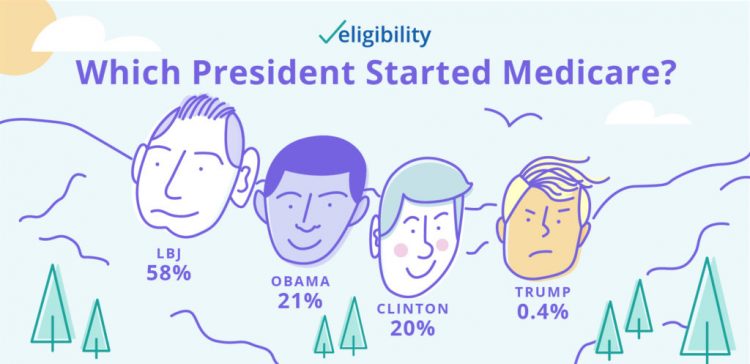
Two new data points converge that beg the question in the title of this post. These two surveys are: The Morning Consult’s poll published today finding growing support among Democratic voters for Medicare for All as the centerpiece for health reform in America; and, A recent study from Eligibility.com on “Medicare Myths Explained,” with the tagline, “How much do you know about Medicare?” Not so very much, Eligibility.com found out. Let’s start with the Morning Consult poll results, which compare support for Medicare for All from January 2019 and August 2019. The headline number from this poll is seen in
Americans Most-Trust Health Care Providers With Their Data – But Are They Right To Do So?

Americans least-trust social media companies, Internet search engines, and the Federal government to keep their personal information secure. Americans most-trust their doctors, their banks, and their hospitals to protect their personal information. Are people clear-headed about this perception? I pose, prompted by this month’s survey from POLITICO and the Harvard Chan School of Public Health on data privacy and e-cigarettes. The first table shows that major finding, with a view on the consumer’s political party identification. There are interesting results revealed by party ID: More Democrats trust doctors, hospitals, health plans, and credit card companies with their personal data. More
The New Employer Wellness Lens Includes Mental Health, Telehealth and Women’s Health
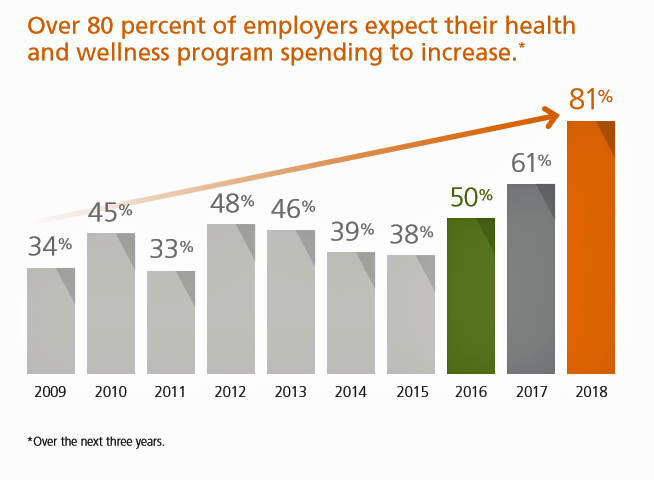
U.S. employers are tightening their focus on mental and behavioral health, addressing workers’ chronic conditions, emphasizing women’s health, and allocating more resources to digital and telehealth investments, we learn from Optum’s Ten Years of Health and Well-Being at Work: Learning from our past and reimagining the future. Four in five medium, large and jumbo companies expect their spending on health and wellness programs will increase over the next three years. That spending will have a strong focus on behavioral health services: 9 in 10 employers are concerned with the level of access workers have to mental health services. Companies will
Health Care Providers Grow Consumer-Facing Muscles Driven by Retail & Tech-Health Competition
As patients continue to morph into health care payers, they’re increasingly expecting value-for-money, transparency, and customer experiences that show respect, bolster trust, and deliver quality services. Is that so much to ask from health care providers? Sure is, as it turns out, based on this year’s annual report from Kaufman Hall, the 2019 State of Consumerism in Healthcare: The Bar is Rising. For several years, Kaufman Hall have developed an Index of healthcare consumerism based on several pillars that, together, gauge health care providers’ performance on consumer health engagement. Providers fall into one of four tiers, ranging from Tier 1
A Profile of People in Medicare Advantage Plans – HealthMine’s Survey of “Digital Immigrants”
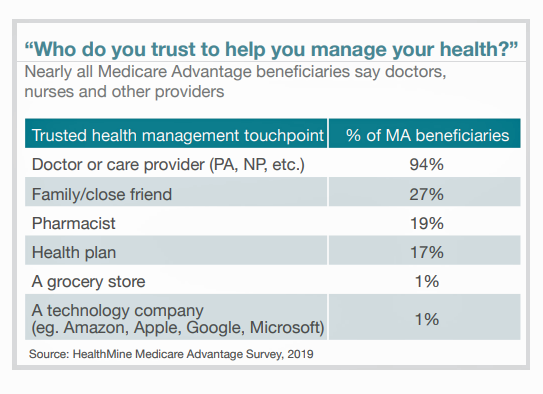
There are over 60 million enrollees in Medicare in 2019, and fully one-third are in Medicare Advantage plans. Medicare is adding 10,000 new beneficiaries every day in the U.S. Medicare Advantage enrollment is fast-growing, shown in the first chart where over 22 million people were in MA plans in January 2019. Better understanding this group of people will be critical to helping manage a fast-growing health care bill, and growing burden of chronic disease, for America. To that end, HealthMine conducted a survey among 800 people enrolled in Medicare Advantage plans ag 65 and over with at least one diagnosed
Privacy and the New Health Ciitizen
Data security breaches, access challenges, and privacy leakages plague the current state of Americans’ personal health information (PHI). HIPAA, the Health Insurance Portability and Accountability Act that was legislated in 1996, isn’t sufficiently robust to deal with the nature of this health information 23 years after that law was first implemented. That’s not a typo in the title: Ciitizen (spelled with two “i’s”) launched a The Patient Record Scorecard on 14th August. The Scorecard was developed to gauge the progress (and lack thereof) of patient information access afforded by peoples’ health care providers. What did Ciitizen learn from this process?
Large Employers’ Focus on Prescription Drugs: Costs, Coupons and Communication
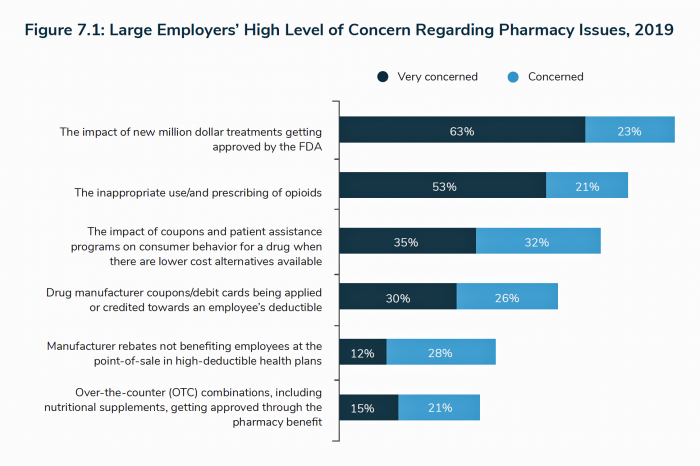
As large employers’ annual health care costs for an employee are expected to exceed $15,000 in 2020, companies are focusing in on managing the pharmacy line-item, we learn from the 2020 Large Employers’ Health Care Strategy and Plan Design Survey from the National Business Group on Health (NBGH). I covered large employers’ perspectives and future plans to deal with health care services for workers in 2020 in Health Populi here earlier this week. In this post, I’ll dive deep into the study’s Section VII on Pharmacy Costs and Strategies. Employers’ most daunting challenge and uncertainty when it comes to dealing with
Getting More Personal, Virtual and Excellent – the 2020 NBGH Employer Report
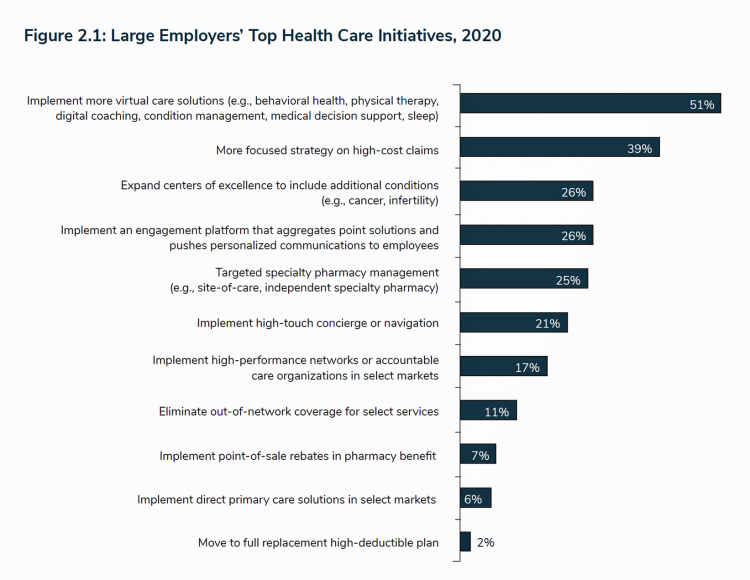
In 2020, large employers will be “doubling down” efforts to control health care costs. Key strategies will include deploying more telehealth and virtual health care services, Centers of Excellence for high-cost conditions, and getting more personal in communicating and engaging through platforms. This is the annual forecast for 2020 brought to us by the National Business Group of Health (NBGH), the Large Employers’ Health Care Strategy and Plan Design Survey. The 42-page report is packed with strategic and tactical data looking at the 2020 tea leaves for large employers, representing over 15 million covered lives. Nearly 150 companies were surveyed
From Health Consumers to Health Citizens – a U.S. Patient Rights Moonshot?
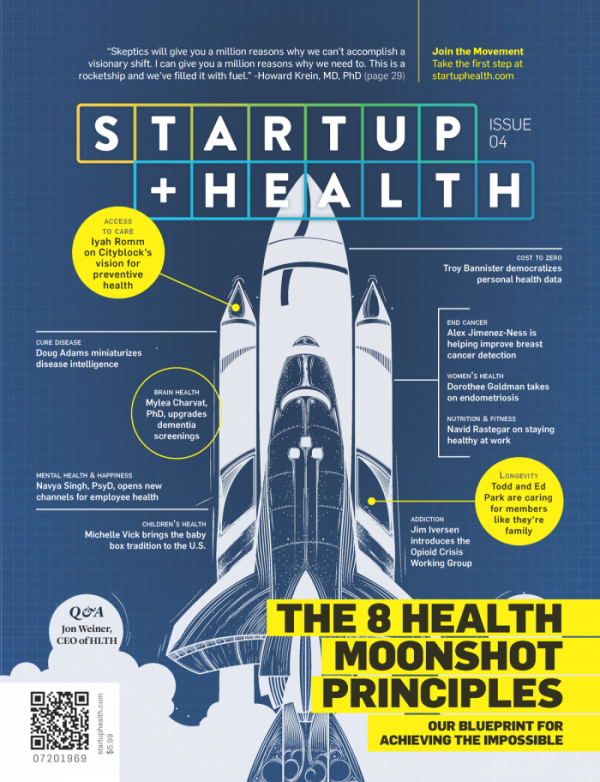
Issue No. 4 of StartUp Health Magazine is dedicated to 8 Health Moonshot Principles. StartUp Health sees these moonshots taken together as, “a blueprint for achieving the impossible.” There’s an aspect of U.S. health care that currently feels impossible to achieve, and that’s consensus on what would constitute a sound approach to covering all Americans for health care as a civil right and whether the nation can “afford” doing so. On pages 22-23 of the digital magazine, you’ll find my essay, “From Health Consumers to Health Citizens.” This write-up summarizes the plotline of my book titled HealthConsuming, which features that
Health Care Bills’ Financial Toxicity – Remembering the Jones’ of Whatcom County, WA
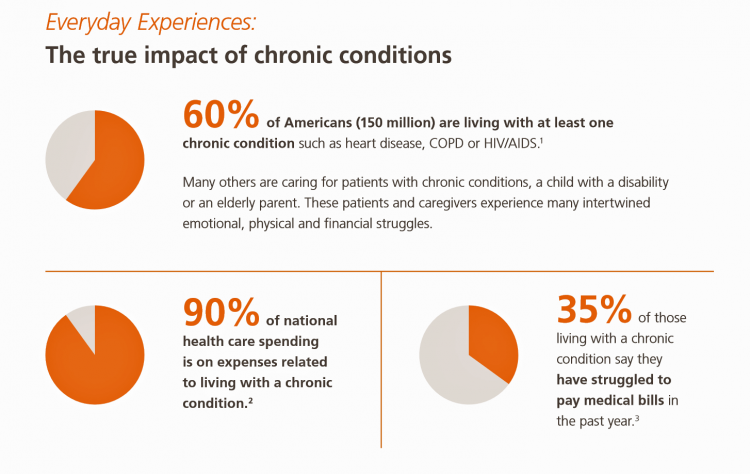
“In an extreme example of angst over expensive medical bills, an elderly Washington couple who lived near the U.S.-Canadian border died in a murder-suicide this week after leaving notes that detailed concerns about paying for medical care,” USA Today reported on August 10, 2019. Five years ago, financial toxicity as a side-effect was noted by two Sloan Kettering Medical Center in a landmark report on 60 Minutes in October 2014. Epidemiologist Peter Bach and oncologist Leonard Saltz told CBS’s Lesley Stahl, “A cancer diagnosis is one of the leading causes of personal bankruptcy…We need to take into account the financial
Happy National CBD Day! How CBD Fits Into the Retail Health Ecosystem
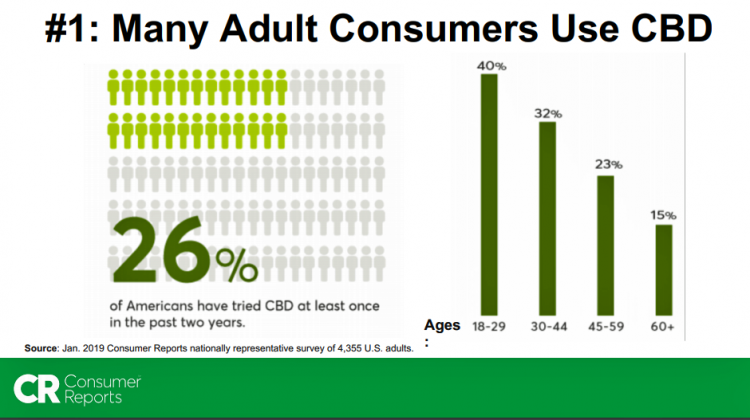
August 8 is National CBD Day. Who knew? Well, now you do, and I’m going to explain how this three-letter-acronym is rolling into the retail health landscape, opportunities, risks, and other issues I like to cover when forecasting the future of a new-new thing in health/care. “CBD” stands for cannabidiol, which is a derivative of cannabis, marijuana and hemp plants. CBD is the non-psychoactive compound derived from cannabis plants. CBD is being fast-adopted by consumers in retail and regulated shopping channels. One in seven Americans (14%) use CBD products, according to Gallup‘s new well-being research. One-third of U.S. consumers weren’t
Talking “HealthConsuming” on the MM&M Podcast
Marc Iskowitz, Executive Editor of MM&M, warmly welcomed me to the Haymarket Media soundproof studio in New York City yesterday. We’d been trying to schedule meeting up to do a live podcast since February, and we finally got our mutual acts together on 6th August 2019. Here’s a link to the 30-minute conversation, where Marc combed through the over 500 endnotes from HealthConsuming‘s appendix to explore the patient as the new health care payor, the Amazon prime-ing of people, and prospects for social determinants of health to bolster medicines “beyond the pill.” https://www.pscp.tv/MMMnews/1eaJbvgovBYJX Thanks for listening — and if you
What the Pew Report on Trust and Distrust in America Means for Health/Care, El Paso and Dayton — Pogo Rears His Head Again

Two in three Americans believe their trust in each other has been shrinking. And most people connect the dots between that low level of trust and America’s ability to solve problems. It’s been well-documented that Americans’ trust in institutions, and especially government and media, has eroded over the past decade. I’ve tracked that social trend here in Health Populi each year since covering the Edelman Trust Barometer, which has traced the downward sloping curve on trust globally and certainly in the U.S. The precipitous decline in trust in America among fellow Americans is described in Pew Research Gr0up’s report, Trust
Telehealth Awareness, Access and Adoption: Updates from J.D. Power, the ATA and FAIR Health
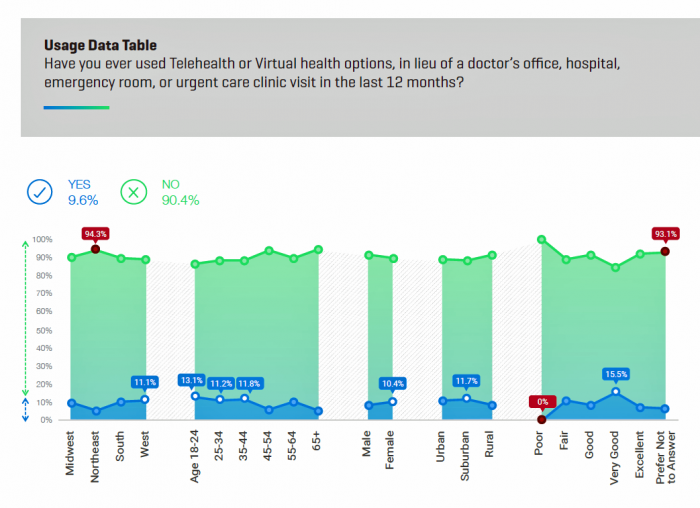
When you think “J.D. Power,” your mind probably imagines reviews of automotive performance, retail shopping experiences, or perhaps even health insurance plan customer service. Expanding its report-card role in the health ecosystem. J.D. Power has undertaken a survey on consumer satisfaction with 31 telehealth providers across 15 measures, which will be published in November 2019. In advance of the full report, the organization released a summary on telehealth access and satisfaction, which I’ll discuss in this post. I’ll also weave in the latest insights from the ATA 2019 State of the States report updating legislative/regulatory telemedicine activity at the U.S.
Love ACA Provisions, Not the ACA – KFF Poll Reveals American Voters’ Views on Health Care Reform

Today is the bridge day between The Battle of the Democratic Primary Candidates Debate #2 Part 1 and tonight, Part 2. So it’s a good time to take stock of U.S. voters’ views on health care, through the lens of the Kaiser Family Foundation’s Health Tracking Poll for July 2019 published yesterday. Health care is the top issue Democrats want to hear about in the debates, well ahead of climate change, women’s issues, immigration and gun policy. Let’s start with an overall context statistic from this poll: that is that 86% of insured U.S. adults like their health insurance plan
100 Million People in America Lack Broadband — an On-Ramp to Health and Safety

One in three Americans does not have a broadband connection, according to a new report from the NPD Group. This means that about 100 million people in the U.S. can’t benefit from telehealth and other digital health connections that can bolster self-care, home care, and lower cost care. Most of these folks in the broadband-digital divide live in rural America/ “The so-called digital divide, between those that can or cannot make the best use of the Internet, can be clearly felt in rural markets where the lack of broadband impacts everything from entertainment to the educational system,” Eddie Hold, President
A Portrait of the Health Consumer as Confused, Cost-Challenged, and Out of Control

Patients in the U.S. are confused, cost-challenged and lacking control, according to The Consumer Healthcare Paradox from Maestro Health, an employee health and benefits company. Data illustrating that “paradox” is shown in the second chart: while 78% percent of patients told Maestro Health their health care experience is positive, 69% feel they lack control over their patient journey. Quality health care in America is too expensive, 79% of consumers said. Furthermore, one in two U.S. patients had received a medical bill that was higher than they anticipated it would be. Finally, one in two U.S. patients said the quality of
Milliman Finds PPO for Family of 4 in 2019 Will Cost $28,386
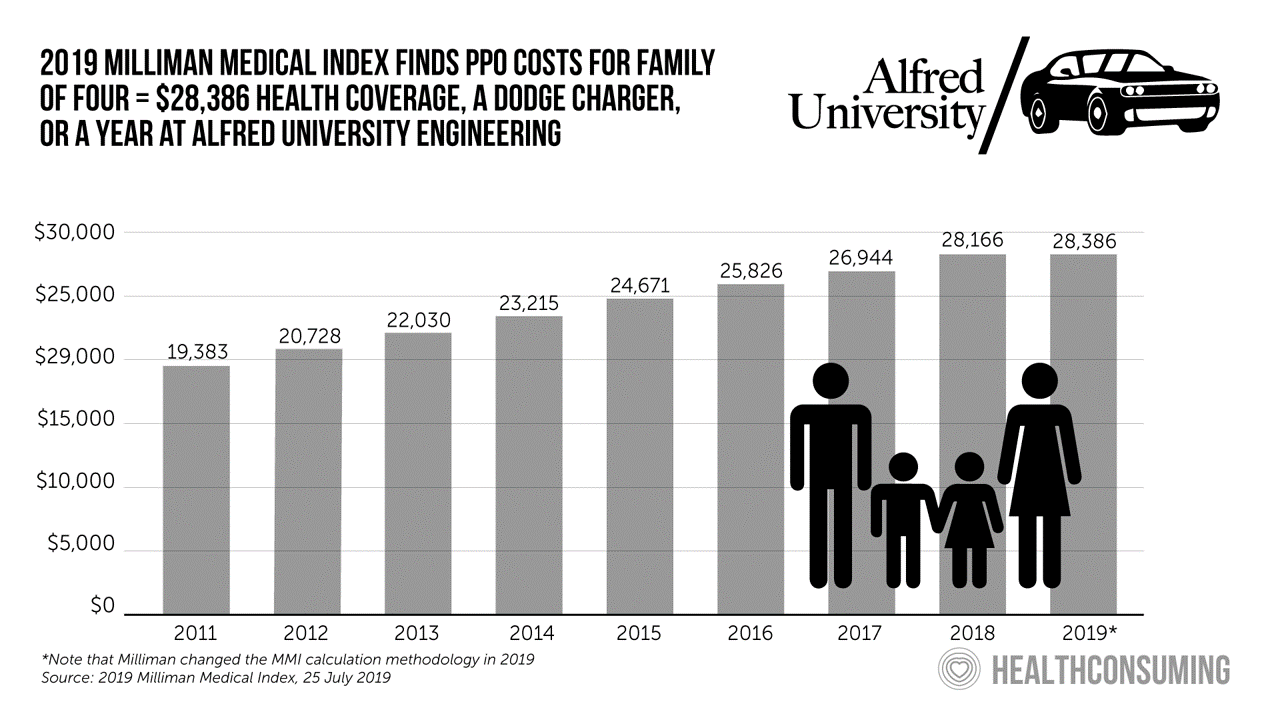
This year, an employer-sponsored PPO for a family of four in the U.S. will cost $28,386, a 3.6% increase over 2018, according to the 2019 Milliman Medical Index (MMI). Based on my annual read of this year’s Index, the PPO costs roughly the same as a new Dodge Charger or a year attending the engineering school at Alfred University. The Milliman MMI team has updated the methodology for the Index; the chart shown here is my own, recognizing that the calculations and assumptions beneath the 2019 data point differ from previous years. The key points of the report are that:
Marketing Health To Consumers in the Age of Retail Disruption

Today, I am speaking with marketing leaders who are members of CHPA, the Consumer Healthcare Products Association on this very topic. This is CHPA’s 2019 Marketing Conference being held at the lovely historic Hotel du Pont in Wilmington, DE. The gist of my remarks will be to focus on the evolving retail health ecosystem, with my HealthConsuming lens on health/care, everywhere. And timing is everything, because today is International Self-Care Day to promote peoples’ health engagement. The plotline begins with a tale of two companies — CVS/health and Best Buy — discussing these two organizations’ approach to acquiring companies to expand
The Monetary, Clinical and Ethical Value of Patient Data – A View from the UK and NHS

There are about 55 million patient records held by the United Kingdom’s National Health Service (NHS). Their monetary value to private sector companies would be £5 billion and nearly that much in patient benefits. Add in value for patient outcomes, and the total approaches £10 billion. In today’s UK:US currency exchange rate, 10 billion British pound sterling is worth roughly $12 billion. Realising the Value of Healthcare Data from EY explores how patient data can, in the words of the report, “unlock significant operational savings, enhanced patient outcomes, and wider economic benefits” for the NHS and patients through using artificial
Finances Are the Top Cause of Stress, and HSAs Aren’t Helping So Much…Yet

If you heed the mass media headlines and President Trump’s tweets, the U.S. has achieved “the best economy” ever in mid-July 2019. But if you’re working full time in that economy, you tend to feel much less positive about your personal prospects and fiscal fitness. Nearly nine in 10 working Americans believe that medical costs will rise in the next few years as they pondering potential changes to the Affordable Care Act. The bottom line is that one-half of working people are more concerned about how they will save for future health care expenses. That’s the over-arching theme in PwC’s
The Number of Unintended Deaths From Car Accidents, Falls and Overdoses in America Grew 40% Between 1999 and 2017

The rate of deaths due to unintentional injuries in the U.S. grew by 40% between 1999 and 2017, according to the Centers for Disease Control (CDC). Three mortality line items make up this overall statistic: Deaths from motor vehicle traffic injuries Deaths from unintentional drug overdoses (that is, not including suicides which are defined as “intentional”), and Deaths due to unintentional falls. The line graph illustrates the macro trend on the top-line, with the three specific causes underneath. You see deaths due to falls, motor vehicle accidents, and drug overdoses increased over the eighteen years. Drug overdose death rates began
The Growth of Emerging Consumer Electronics Categories Adds to Digital Health Platforms

Of the $401 billion that will flow through retailers for consumer technology products, many of the fastest-emerging categories will play a role as platforms for health and medical care at home and in wearable tech. This is my tea-leaf read from reviewing the projections in the report, U.S. Consumer Technology Sales and Forecasts, July 2019, from the Consumer Technology Association (CTA). [CTA is annual convener of CES, the world’s largest consumer electronics meet-up.] Along with artificial intelligence (AI) and fast 5G networking, the forecast also quantifies growth prospects for smart speakers, home robots, wireless earbuds, smartwatches. and in-vehicle technology —
Health Care and Consumers in 2030: A Profile from KPMG

A “one layered delivery network through which patients can move seamlessly as they age and their needs evolve” will be the new health care platform to meet patients’ demands by 2030, according to a forecast from KPMG’s Healthcare and Life Sciences Institute. In Healthcare 2030: The consumer at the center, the KPMG team explores the demographic shifts and market drivers that will challenge the health care industry in the current U.S. delivery and financing system. The lens on that 2030 future is a consumer-centric delivery model that KPMG believes will be a solution to dealing with a demographic divide between
 Jane will be working with EU- and UK-based clients in September and October 2026, collaborating with stakeholders in digital health, public/community health, retail health, and growing opportunities for health-at-home. Stay tuned to her updates here on Health Populi on-the-ground as she lives the digital nomadic work-life in Italy, Belgium, the Netherlands, and in London.
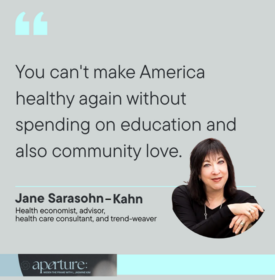 I was grateful to be Jasmine's first conversation-guest on her new podcast, "Aperture - Widen the Frame," where this expert in narrative medicine is bringing together the broad range of voices to sit at the table and address what health care needs: those humans in the health-system-loop who address health equity and empathy along with delivering evidence-based medicine for all.
 Jane joined host Dr. Geeta "Dr. G" Nayyar and colleagues to brainstorm the value of vaccines for public and individual health in this challenging environment for health literacy, health politics, and health citizen grievance. Click onto the Pfizer Value of Vaccines site and you can watch four episodes covering the challenges with adult vaccination, the employer and health plan member's journey to vaccination, reimbursement, and collaborating for proactive prevention.