


In the Pandemic, We’re All About Food
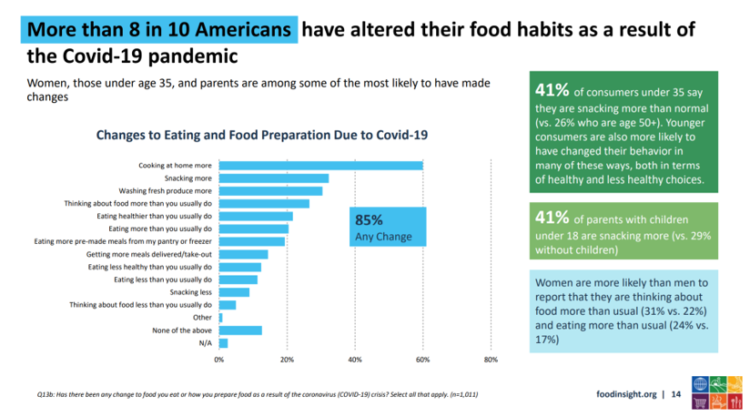
The coronavirus pandemic has pushed people down Maslow’s hierarchy of needs toward our basic hunting-and-gathering survival mode: shopping for hygiene products for home and personal care, seeking out masks (both functional and fashionable), and building out our pandemic pantries with shelf-stable foods. In addition to the pure physiological need of food for survival, “Consumers have a greater focus on health and immunity. They also have a desire to exhibit more control,” Charlie Arnot, CEO of The Center for Food Integrity, said on the Professional Dairy Producers’ Dairy Signal webinar on consumer food trends during COVID-19. We’ve become a nation of
How Philips Has Pivoted In the COVID-19 Pandemic: Connected Care From Hospital to Home

What a difference 90 days makes. I was scheduled to meet with Roy Jakobs, Chief Business Leader of Connected Care at Philips, at HIMSS in Orlando on 9th March 2020. I’d interviewed Roy at CES 2020 in Las Vegas in January to catch up on consumer health developments, and the March meeting was going to cover Philips’ innovations on the hospital and acute care side of the business, as well as to learn more about Roy’s new role as head of Connected Care. HIMSS cancelled the conference just days before it was to commence….due to the great disruption of COVID-19.
Saving Money as a Financial Vaccine: BlackRock Finds Consumer Savings Drain and Etsy Sellers Not Saving Much
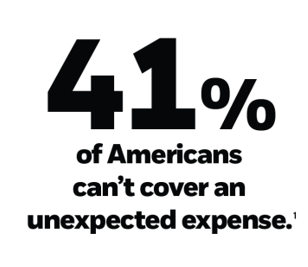
“Americans are feeling incredible financial pressure as a result of the COVID outbreak,” John Thompson, Chief Program Officer with the Financial Health Network. One in three people in the U.S. has skipped or stopped paying a bill, and over half of Americans have used emergency savings, according to a survey from the BlackRock Emergency Savings Initiative (ESI). BlackRock, the investment firm, allocated $50 million in February 2019 to form the ESI, focused on helping people with lower incomes to bolster savings and financial health. BlackRock partners in the ESI with the Financial Health Network, CommonWealth, the Center for Advanced Hindsight Common
Americans’ Concerns About the US Healthcare System Loom Larger Than Worries About Their Own Care
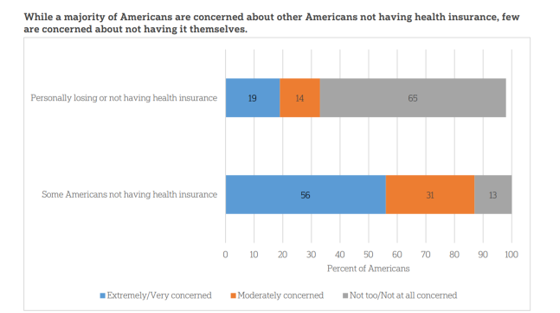
The coronavirus pandemic has further opened the kimono of the U.S. healthcare system to Americans: four months into the COVID-19 outbreak, most consumers (62%) of people in the U.S. are more concerned about other people not having access to high quality health care versus themselves. This is a 16 point increase in concern in May 2020 compared with the response to the same question asked in February in a poll conducted by the University of Chicago Harris School of Public Policy and The Associated Press-NORC Center for Public Affairs Research (the AP-NORC Center). The AP-NORC Poll found more of this
Addressing Health Equity Must Include Digital Equity Beyond Access To Medical Services and Insurance
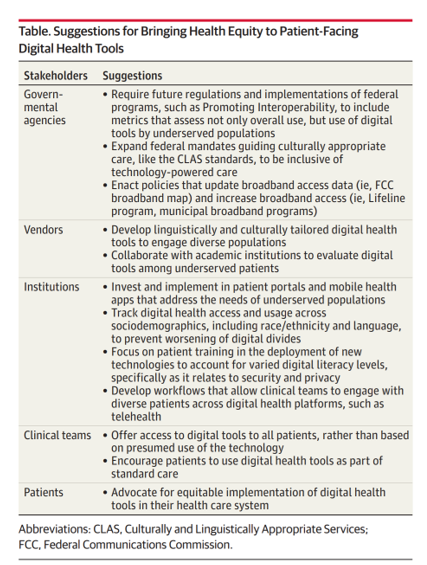
The 21st Century Cures Act emphasizes patients’ control of personal health information. ONC rules issues in March 2020 called for more patient-facing health tools and apps to bolster health consumer engagement and empowerment. But the emergence of the coronavirus in the U.S. revealed many weakness in the American health care system, one of which has been health inequities faced by millions of people — especially black Americans, who have sustained higher rates morbidity and mortality for COVID-19. There have also been digital health divides found in the COVID-19 pandemic, discussed in a timely essay in JAMA, Digital Health Equity as
Telehealth Is Just Healthcare Now – One Post-COVID Certainty, Three Reports
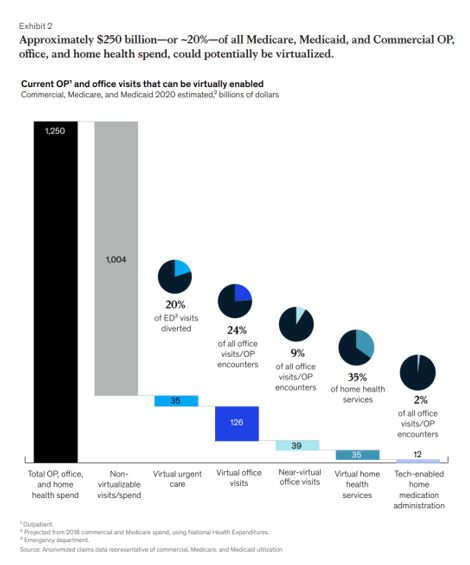
As we wrestle with just “what” health care will look like “after COVID,” there’s one certainty that we can embrace in our health planning and forecasting efforts: that’s the persistence of telehealth and virtual care into health care work- and life-flows, for clinicians and consumers alike and aligned. There’s been a flurry of research into this question since the hockey-stick growth of telemedicine visits were evident in March 2020, just days after the World Health Organization uttered the “P-word:” pandemic. Three recent reports (among many others!) bolster the business and clinical cases for telehealth in America in terms of: A
Cancer in the Age of COVID: Delayed Care May Reverse Survival Gains Particular Among Black People
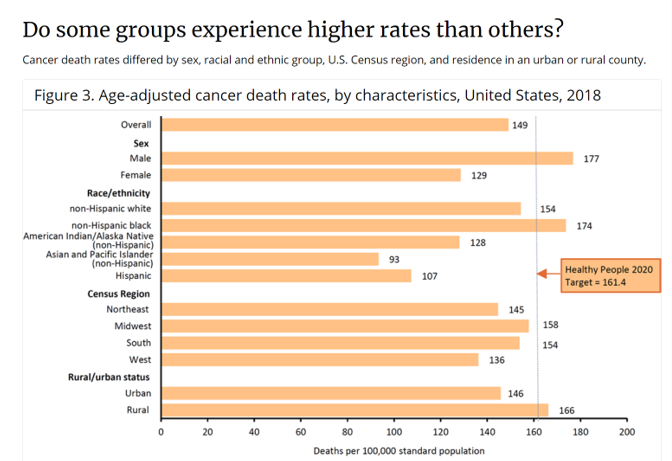
There was great news published last week in An Update on Cancer Deaths in the United States from the Centers for Disease Control (CDC): cancer mortality rates have declined by 26% over 20 years, between 1999 to 2018. The drop in deaths from cancer in America was indeed positive during the current public health COVID-19 pandemic, a public health data story easily lost in an overwhelmingly tough week in the U.S.: still embattled with the coronavirus, the nation also continues to shed jobs with the growing threat of an economic recession and financial ill health for mainstream consumers, and the
The Hair Economy in the COVID-19 Pandemic: Control, Wellness, and Self-Care

The barbershop and beauty salon are important community touch points for health, wellness, and social connection in so many peoples’ lives. In my book, HealthConsuming: From Health Consumer to Health Citizen, I feature the black barbershop to introduce a chapter on “The New Retail Health.” In the COVID-19 pandemic, how we’re dealing with hair is a metaphor for personal control, for political statements, for mental health, and for overall well-being. Check out Geoff Coates’ (known as Sadochicken, from Vancouver) take on “how quarantine hairdos are lookin’,” here. Can you see yourself? I can (it’s the “Corona Bangs” style for me,
Big Hearts, High Tech – How Caregiving Has Changed in the U.S.
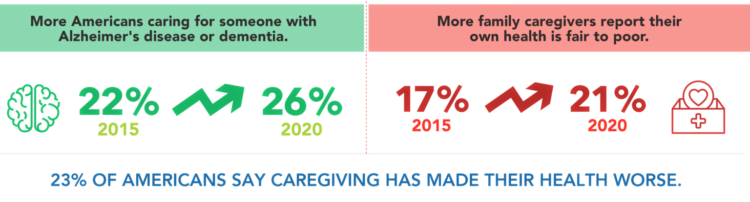
We are all caregivers now. The COVID-19 pandemic has touched and continues to re-shape our daily lives. One reality that the coronavirus era has revealed is that caregiving is a daily life-flow for everyone around the world. In the U.S., this has particularly acute impacts — physical, emotional, and financial. The 2020 AARP report on caregiving was published this month, and the survey research into caregivers uncovered fresh insights about caregivers’ demographics, financial stressors, and intensity of tasks both in volume and time. In addition, more caregivers are looking for and turning to technology to help them hack effort, time
More U.S. Patients Scheduling Doctors’ Appointments, Welcoming Telehealth Into Their Visit-Mix
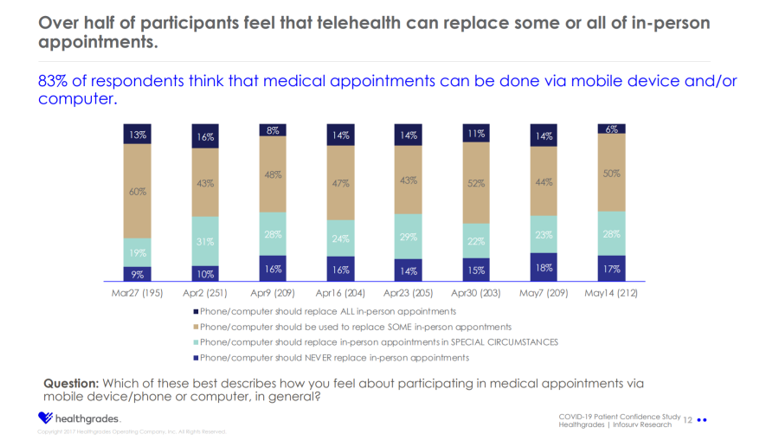
By May 14th, 2020, one-half of consumers in the U.S. expected they would schedule a medical appointment in the next two months. “As the country emerges from COVID-19, we’re watching consumer confidence shift back to where it was prior to the onset of this crisis,” noted Dr. Brad Bowman, Chief Medical Office at Healthgrades. The company published the COVID-19 Patient Confidence Study, a survey launched in late March. Since the first poll was conducted on March 27th, Healthgrades has conducted the study weekly among 200 patients age 18 and over to gauge peoples’ “confidence” in making typical health care decisions through
Financial Insecurity Among U.S. Workers Will Worsen in the Pandemic — Especially for Women
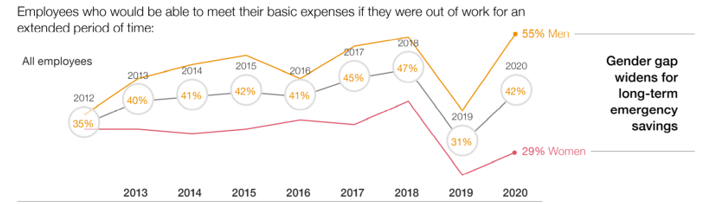
Millions of mainstream, Main Street Americans entered 2020 feeling income inequality and financial insecurity in the U.S. The coronavirus pandemic is exacerbating financial stress in America, hitting women especially hard, based on PwC’s 9th annual Employee Financial Wellness Survey COVID-19 Update. For this report, PwC polled 1,683 full-time employed adults between 18 and 75 years of age in January 2020. While the survey was conducted just as the pandemic began to emerge in the U.S., PwC believes, “the areas of concern back in January will only be more pronounced today,” reflecting, “the realities of the changing employee circumstances we are
Trust My Doctor and Fear the Office: The Telehealth Opportunity in and Beyond the COVID-19 Pandemic
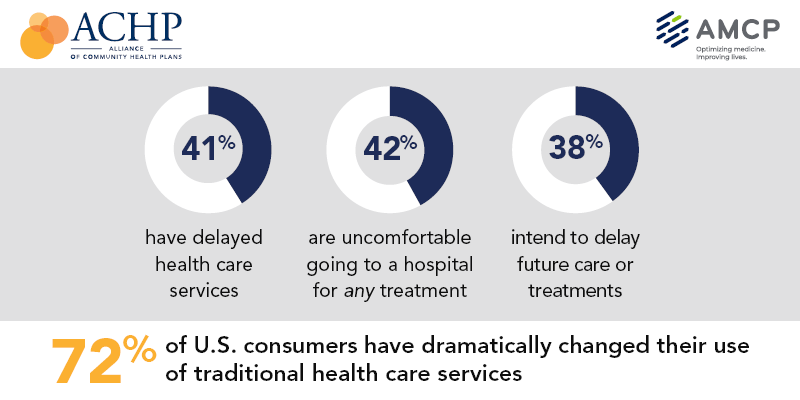
Doctors maintain their top status as U.S. patients’ most-trusted source of coronavirus information. However, as patients continue to be concerned about exposure to COVID-19, 3 in 5 are concerned about being at-risk to the virus in their doctor’s office, according to research from the Alliance of Community Health Plans (ACHP) and AMCP, the Academy of Managed Care Pharmacy. Patients’ concerns of COVID-19 risks have led them to self-ration care in the following ways: 41% have delayed health care services 42% felt uncomfortable going to a hospital for any medical treatment 45% felt uncomfortable using an urgent care or walk-in clinic,
Stress in America – COVID-19 Takes Toll on Finances, Education, Basic Needs and Parenting
“The COVID-19 pandemic has altered every aspect of American life, from health and work to education and exercise,” the new Stress in America 2020 study from the American Psychological Association begins. The APA summarizes the impact of these mass changes on the nation: “The negative mental health effects of the coronavirus may be as serious as the physical health implications,” with COVID-19 stressors hitting all health citizens in the U.S. in different ways. Beyond the risk of contracting the virus, the Great Lockdown of the U.S. economy has stressed the U.S. worker and the national economy, with 7 in 10
Health Care In the COVID-19 Era – PwC Finds Self-Rationing of Care and Meds Especially for Chronic Care
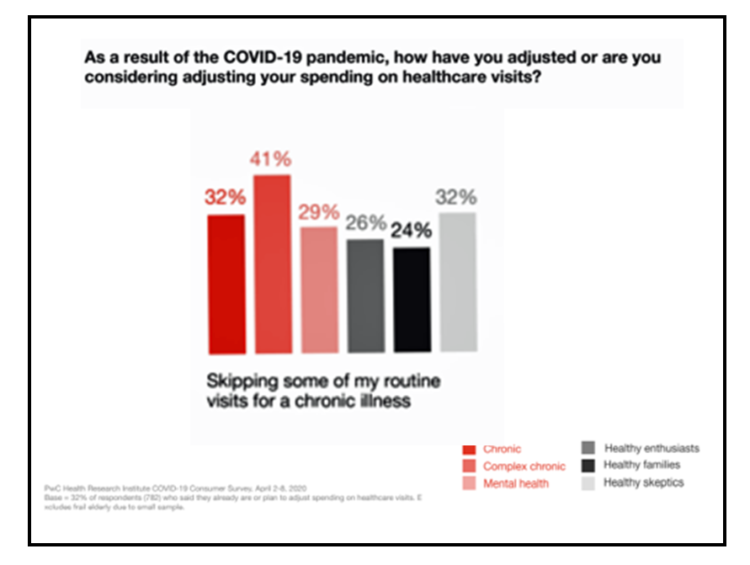
Patients in the U.S. are self-rationing care in the era of COVID-19 by cutting spending on health care visits and prescription drugs. The coronavirus pandemic’s impact on health consumers’ spending varies depending on whether the household is generally a healthy family unit, healthy “enthusiasts,” dealing with a simple or more complex chronic conditions, or managing mental health issues. PwC explored how COVID-19 is influencing consumers’ health care behaviors in survey research conducted in early April by the Health Research Institute. The findings were published in a May 2020 report, detailing study findings among 2,533 U.S. adults polled in early April
What $6,553 Buys You in America: A Luxury Watch, a Year at Valdosta State, or a PPO for One – the 2020 Milliman Medical Index
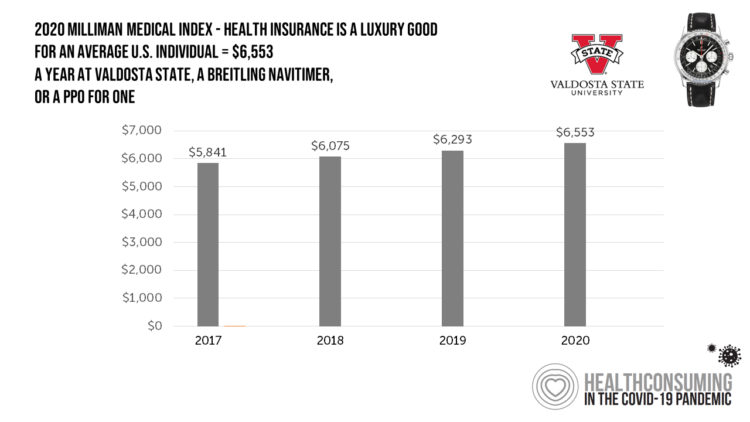
Imagine this: you find yourself with $6,553 in your pocket and you can pick one of the following: A new 2020 Breitling Navitimer watch; A year’s in-state tuition at Valdosta State University; or, A PPO for an average individual. Welcome to the annual Milliman Medical Index (MMI), which gauges the yearly price of an employer-sponsored preferred-provider organization (PPO) health insurance plan for a hypothetical American family and an N of 1 employee. That is a 4.1% increase from the 2019 estimate, about twice the rate of U.S. gross domestic product growth, Milliman points out in its report. Milliman bases
Sex, Drugs, Mental Health and COVID Tests – A DTC Reboot for Health?
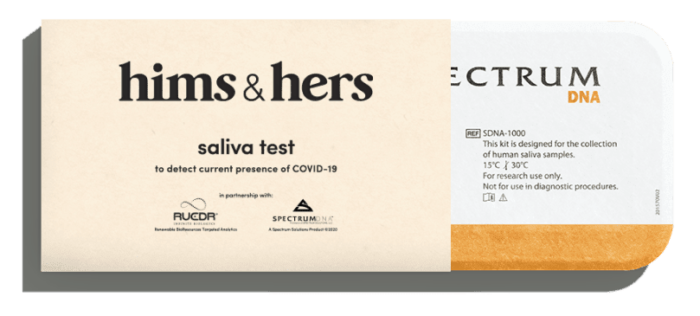
This week, Hims & Hers announced they would be a new consumer-facing retail channel for coronavirus testing. You can order the test here for $150 cash out-of-pocket. The packaging states that this is a saliva test, “to detect current presence of COVID-19.” The fine print on the Hims website states: This test has been authorized by the FDA under an Emergency Use Authorization for use by authorized laboratories. This test has not been FDA cleared or approved. This test has been authorized only for the detection of nucleic acid from SARS-CoV-2, not for any other viruses or pathogens. This test
How COVID-19 Has Re-Shaped Health Care Delivery So Far
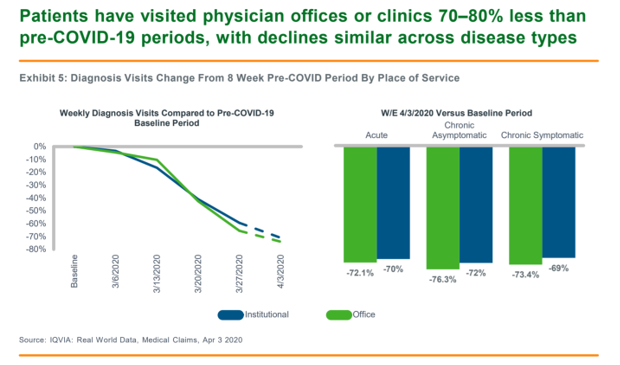
COVID-19 is re-shaping health care in America across many dimensions. In Shifts in Healthcare Demand, Delivery and Care During the COVID-19 Era, IQVIA presents a multi-faceted profile of the early impacts of the pandemic on U.S. health care. In the report, published in April 2020, IQVIA mined the company’s many data bases that track real-time data, including medical claims, flu data, sales data, oncology medical and pharmacy claims, formularies, among other sources. Top-line, IQVIA spotted the following key shifts in U.S. health care since the start of the coronavirus pandemic: Patients’ use of health services Impacts on medicine use, influenced
Seeking Comfort and Safety for Being Well: Consumers Turn to Virtual Health Modes
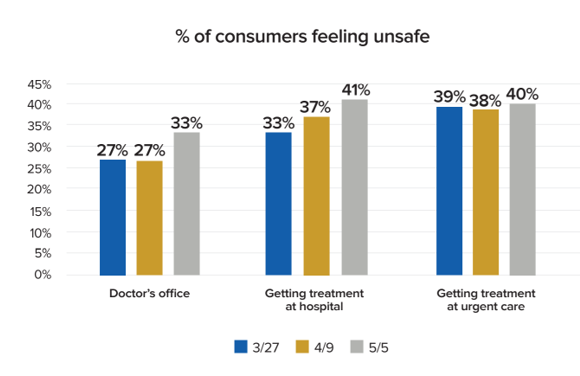
“We’re not getting back to business as usual any time soon,” Sage Growth Partners and Blackbook Research introduce their latest report on the COVID-19 pandemic, As the Country Reopens Safety Concerns Rise. One of the areas that won’t be getting “back to business” soon will be patients’ visits to doctors’ offices, hospitals, and urgent care centers, the report notes, based on a survey conducted among 591 U.S. consumers on April 28 and 29, 2020. Millions of U.S. health consumers’ feel unsafe, an increase among those who feel that way compared with SGP/Blackbook’s study from last month, a concern that ratcheted
How COVID-19 Is Driving More Deaths of Despair
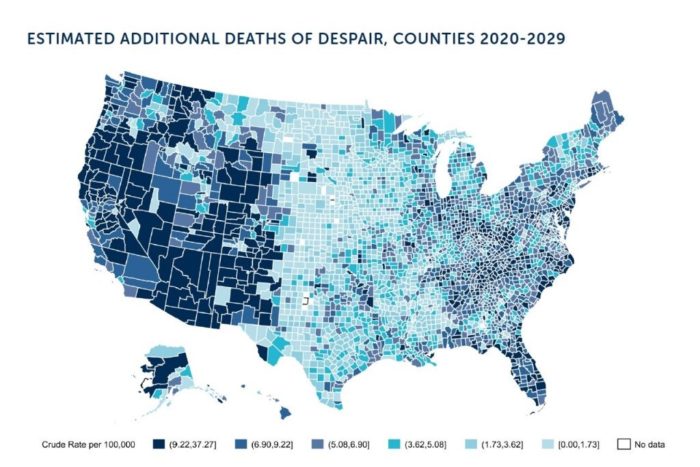
In the current state of the COVID-19 pandemic, we all feel like we are living in desperate times. If you are a person at-risk of dying a Death of Despair, you’re even more at-risk of doing so in the wake of the Coronavirus in America. Demonstrating this sad fact of U.S. life, the Well Being Trust and Robert Graham Center published Projected Deaths of Despair from COVID-19. The analysis quantifies the impact of isolation and loneliness combined with the dramatic economic downturn and mass unemployment with the worsening of mental illness and income inequity on the epidemic of Deaths of
Food In-Security in a Coronavirus America
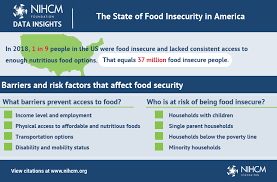
One in 10 people in the U.S. were defined as food-insecure without consistent access to nutritious food options in 2019. The COVID pandemic has quickly and negatively impacted food insecurity in America, detailed in an assessment from NIHCM on the current state of food insecurity in America. As many as 4 in 10 U.S. households reported being food-insecure as of April 2020. That includes 20% of children living in the U.S. lacking nutritious food on a daily basis. The NIHCM adopted the definition of food insecurity from the USDA Adult Food Security Survey which is a 10-question poll asking people
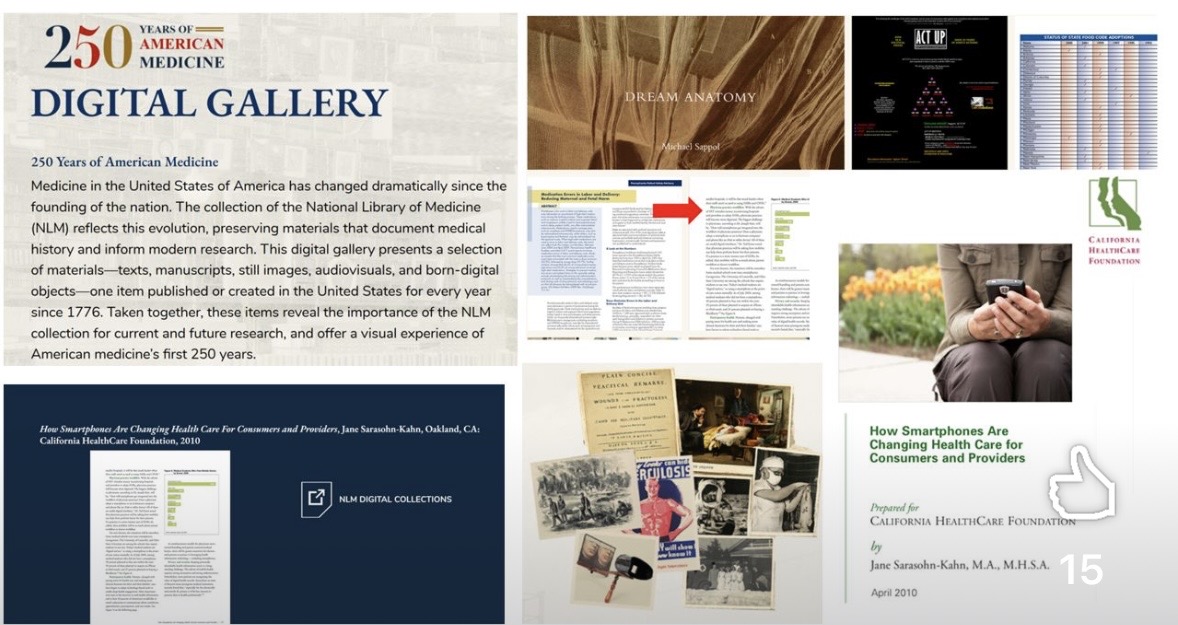 I’m celebrating America’s 250th birthday both patriotically and professionally, honored that the NLM included my 2010 paper, “How Smartphones Are Changing Healthcare for Consumers and Patients” as one of 250 items curated for the digital archive of 250 Years of American Medicine.
 I'm grateful to be part of the Duke Corporate Education faculty, sharing perspectives on the future of health care with health and life science companies. Once again, I'll be brainstorming the future of health care with a cohort of executives working in a global health care enterprise.
 Jane joined host Dr. Geeta "Dr. G" Nayyar and colleagues to brainstorm the value of vaccines for public and individual health in this challenging environment for health literacy, health politics, and health citizen grievance. Click onto the Pfizer Value of Vaccines site and you can watch four episodes covering the challenges with adult vaccination, the employer and health plan member's journey to vaccination, reimbursement, and collaborating for proactive prevention.