


23andme & Me
23andme received word from the Food & Drug Administration (FDA) on November 22, 2013, that they must cease and desist selling the company’s Saliva Collection Kit and Personal Genome Service (PGS). FDA explained in their Warning Letter, “Most of the intended uses for PGS listed on your website, a list that has grown over time, are medical device uses under section 201(h) of the FD&C Act. Most of these uses have not been classified and thus require premarket approval or de novo classification, as FDA has explained to you on numerous occasions. “Some of the uses for which PGS is intended are
Make health care “feel” more like retail via transparency
Consumers who are well-covered by health insurance are in favor of talking about costs with their doctors. This research finding illustrates the fact that price transparency in health care isn’t just the concern of un- and under-insured people, but that shining the light on the price of health care is everybody’s business. But it’s also the case that most physicians aren’t yet involved in these health-financial conversations with their patients. Two studies presented at the recent 2013 annual meeting of the American Society of Clinical Oncology (ASCO) learned that patients are keen to know more about health care costs from
Health at SXSW13 vs. HIMSS13: the Yin, the Yang, and the Blur
I endured what very few people could (or would) do in the past ten days: I traveled to New Orleans to the annual conference of HIMSS, the Health Information Management Systems Society, which features hundreds of suppliers to the health care information technology industry. I returned home to kiss my family hello and goodbye, and a day later flew to Austin for the annual South-by-Southwest conference for music, movie and digital folks. The health track at SXSW has grown over the past five years, and provides a start contrast to “health care” as embodied at HIMSS, and “health” translated through
Demand for health products and services is down in the recession; thinking about value and self-care in health
What is value in health care? Every year we spend more and seem to get less, John Seng, Founder of Spectrum, told attendees of a webinar on the Spectrum Health Value Study on 12th May 2009. As we consumers spend more of our own money, we’ll be looking for greater value and “health ROI” from our health spending. Measuring value across a population is confounded by the fact that what one person decides to spend on ‘health’ can be different from another’s health spending choices. In other words, our personal health “marketbaskets” for health spending vary from person to person.
Nearly 1 in 2 women delayed health care in the past year due to costs – the economic impact on a woman’s physical, emotional, and fiscal health
Nearly 1 in 2 women put off seeking health care because the cost was too high. The kinds of services delayed included visits to the doctor, medical procedures, and filling prescription medications. The fourth annual T.A.L.K. Survey was released this week by the National Women’s Health Resource Center (NWHRC), focusing on the declining economy and its impact on women and three dimensions of their health — physical, emotional, and fiscal. 40% of women say that their health has worsened in the past five years due to increasing stress and gaining weight, according to the survey. One of the most interesting
Who do you trust? Edelman’s Trust Barometer says “people like me,” tech, life science, and banks — not insurance, media, or government
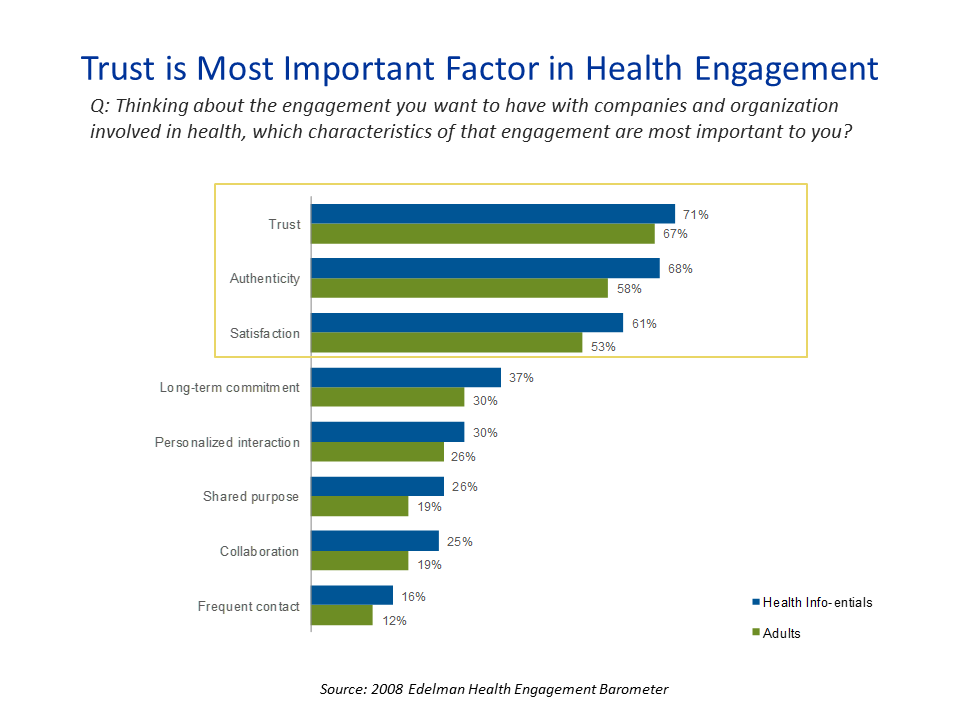
The 2008 Edelman Health Engagement Barometer is out alongside the company’s annual Trust Barometer, and more than ever, people are trusting “people like me” more than they do institutions. This is the ninth iteration of the Trust survey. The toplines of the past four years show an important change in peoples’ trust perspectives. In 2005, Edelman found that trust in ‘established institutions’ and figures of authority began shifting to peers. By 2006, “A person like me” was the most credible spokesperson for companies. That year, people trusted employees significantly more than company CEOs. Edelman defines “a person like me” as
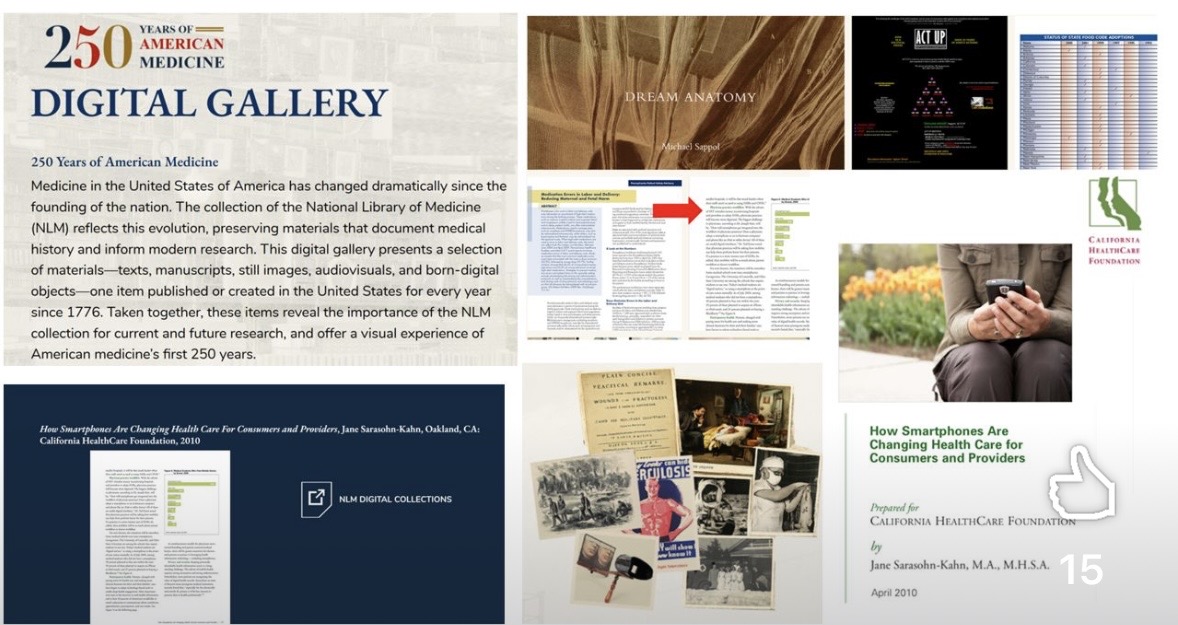 I’m celebrating America’s 250th birthday both patriotically and professionally, honored that the NLM included my 2010 paper, “How Smartphones Are Changing Healthcare for Consumers and Patients” as one of 250 items curated for the digital archive of 250 Years of American Medicine.
 I'm grateful to be part of the Duke Corporate Education faculty, sharing perspectives on the future of health care with health and life science companies. Once again, I'll be brainstorming the future of health care with a cohort of executives working in a global health care enterprise.
 Jane joined host Dr. Geeta "Dr. G" Nayyar and colleagues to brainstorm the value of vaccines for public and individual health in this challenging environment for health literacy, health politics, and health citizen grievance. Click onto the Pfizer Value of Vaccines site and you can watch four episodes covering the challenges with adult vaccination, the employer and health plan member's journey to vaccination, reimbursement, and collaborating for proactive prevention.